
Fika Jobs Secures $4M to Revolutionize Hiring with AI-Powered Video Interviews
The Evolution of Recruitment: Beyond the Resume For decades, the standard resume has served as the gatekeeper of the professional world, yet…

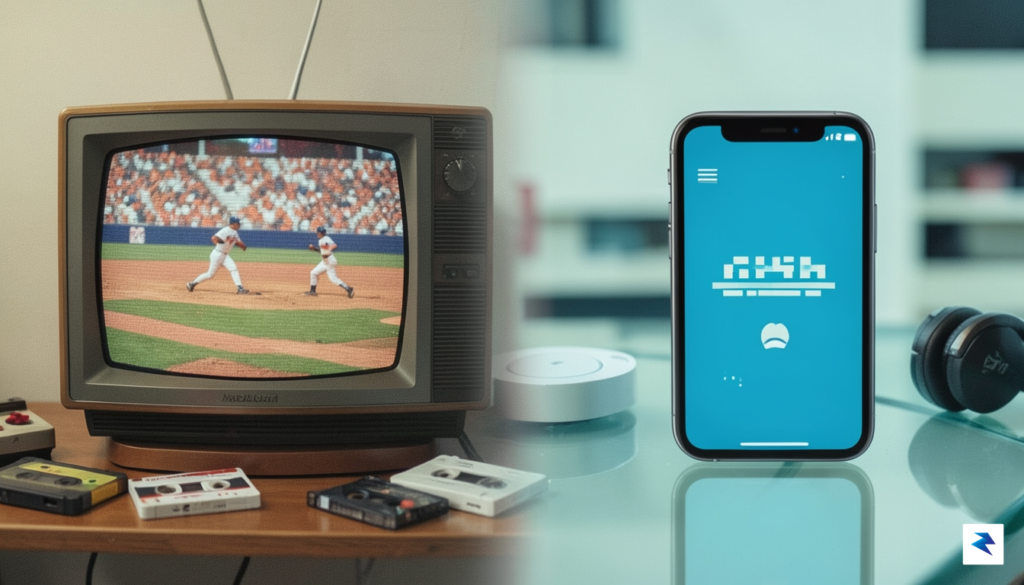
For generations, the ritual of following professional baseball was a tethered experience, confined to the glow of a living room television or the crackling intimacy of a radio broadcast. Fans were largely passive observers, dependent on the rhythmic cadence of play-by-play announcers and the infrequent, static graphics that appeared at the bottom of the screen. As technology advanced, this traditional model gave way to a relentless push for hyper-realism. Broadcasts became increasingly dense, cluttered with complex metrics, advanced sabermetrics, and high-definition overlays that prioritized data density over the pure joy of the game. While these tools provided unprecedented insight for the analytical mind, they often transformed the simple act of watching a game into something that felt more like staring at a complex financial spreadsheet than participating in a beloved national pastime.
This transition toward information-heavy digital environments has created a paradoxical problem: “data fatigue.” Modern sports applications often overwhelm the casual viewer with a barrage of win-probability percentages, exit velocities, and launch angles, which can inadvertently strip the magic and whimsy away from the diamond. When every single movement is quantified and displayed in sterile, clinical fonts, the human element—the tension of a full count, the delight of a well-turned double play, and the nostalgia of the summer evening—often gets buried under the weight of the numbers. Consequently, a new segment of fans is signaling a desire for a different kind of sports consumption, one that favors leisure and accessibility over sheer volume of data.
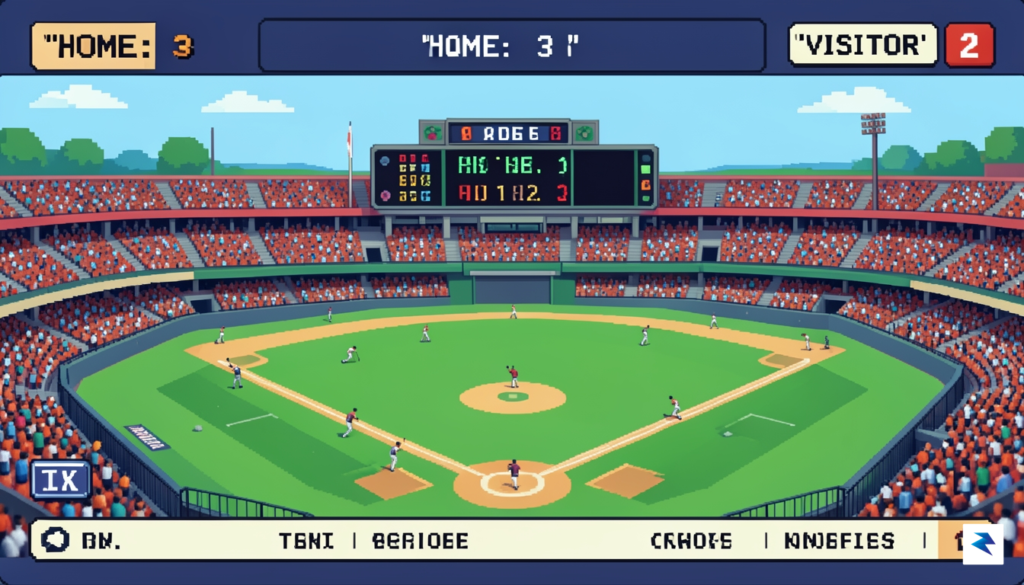
We are currently witnessing a shift toward “leisure-first” sports consumption, where the goal is to remain informed without feeling intellectually exhausted. Fans today are looking for digital experiences that bridge the gap between keeping track of their favorite teams and maintaining a sense of playfulness. This evolution reflects a broader design philosophy: technology should enhance the emotional connection to a sport rather than complicate it. By stripping away the clutter, creators are finding that they can represent the core drama of a baseball game more effectively through aesthetic choices—like the charm of pixel art or intuitive visual metaphors—than through a endless stream of raw, uninterpreted text.
The future of fan engagement isn’t about how much data you can pack into a single screen, but how effectively you can translate the soul of the game into a format that feels intuitive, engaging, and fundamentally fun.
Ultimately, this movement is about reclaiming the spirit of the game. Whether it is through stylized, retro-inspired interfaces or simplified real-time trackers, the goal is to ensure that the sport remains accessible to everyone, from the die-hard statistician to the casual observer who just wants to enjoy the rhythm of the game. By moving away from the cold, clinical look of modern dashboards, we are entering an era where technology acts as a gateway to the game’s nostalgia, proving that you don’t need a supercomputer to appreciate the perfect swing or a well-placed pitch.
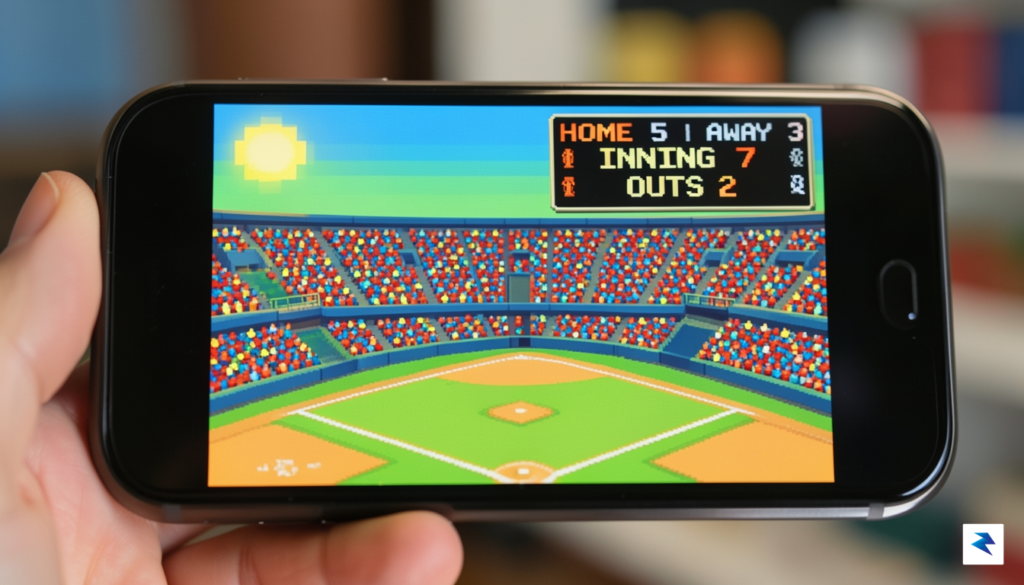
At its core, the platform operates as a sophisticated bridge between the high-speed, data-dense world of professional baseball and the nostalgic charm of early gaming hardware. By pulling live telemetry directly from official MLB scoring streams, the system parses complex metrics—such as pitch velocity, location, and bat-to-ball trajectory—and translates them into a simplified, pixelated coordinate system. This technical process strips away the “high-definition clutter” that often overwhelms modern sports broadcasts, distilling the chaos of a professional game into a clean, readable, and highly stylized visual output that feels like a love letter to the 8-bit era.
The design philosophy behind this approach is rooted in the idea that baseball is fundamentally a game of geometry and timing, two elements that were the bedrock of classic arcade design. Instead of presenting fans with an endless ticker of percentages and heat maps, the interface focuses on the immediate action of the at-bat. By rendering players as iconic, low-resolution sprites and the diamond as a crisp, colorful grid, the experience invites the user to engage with the game on an intuitive level. This aesthetic choice transforms a standard Tuesday night matchup into something that feels urgent and interactive, evoking the thrill of holding a controller in an arcade cabinet during the late 1980s.

By prioritizing the “feel” of the game over the complexity of the data, the platform creates a unique emotional resonance that traditional stat-tracking apps simply cannot replicate.
Despite this whimsical exterior, accuracy remains the foundation of the entire experience. Every pixel movement and sprite animation is tethered to real-time events, ensuring that when a batter swings, the timing and outcome reflect the actual play unfolding on the field. The system effectively masks the heavy lifting of backend data processing, presenting the user with an experience that feels light and playful while remaining strictly loyal to the statistical reality of the game. This balance allows casual fans to enjoy a broadcast that is easy on the eyes, while dedicated followers can still track the nuances of their favorite players without needing a degree in sports analytics to interpret the screen. Through this intentional simplification, the app proves that you do not need 4K resolution to capture the heart of the national pastime.

The evolution of sports consumption is undergoing a profound transformation, moving away from the cold, data-heavy dashboards of the past toward interfaces that prioritize emotional resonance and playfulness. For years, following baseball meant staring at complex spreadsheets or dense sabermetric charts that could feel more like an accounting task than a leisure activity. By shifting the focus toward a gamified, pixel-art aesthetic, platforms like Ribbie are fundamentally altering the viewer’s psychological relationship with the game. This approach leans into the “cozy gaming” phenomenon, a design philosophy that emphasizes comfort, low-stakes participation, and a sense of nostalgic warmth, which encourages users to keep the game open in the background for hours without the anxiety often associated with high-pressure sports betting or competitive fantasy leagues.
At the heart of this shift is the recognition that sports fandom thrives on emotional investment rather than raw information processing. When a casual fan is confronted with a wall of advanced metrics—such as exit velocity or spin rate—the barrier to entry can feel insurmountable, effectively alienating those who simply want to enjoy the flow of a game. Visualizing these events through the lens of 8-bit or 16-bit animation acts as a bridge, transforming abstract statistics into tangible, delightful moments. This “retro” visual language lowers the cognitive load for the viewer, allowing them to process the action intuitively. Instead of decoding numbers, the fan watches a familiar, arcade-style representation of a home run or a strikeout, which triggers a positive emotional feedback loop reminiscent of childhood gaming experiences.
By stripping away the clinical complexity of modern sports data and replacing it with playful, nostalgic visuals, platforms allow fans to reconnect with the pure, simple joy of the game.
Furthermore, this gamification strategy is a powerful driver for user retention. When an interface feels like an interactive toy rather than a professional broadcast tool, it becomes a permanent fixture of the fan’s digital lifestyle. Users are no longer just checking a score; they are participating in a low-friction, immersive experience that feels personalized and manageable. This shift is essential for the future of sports fandom, as it successfully captures the attention of younger generations who are accustomed to interactive, screen-based entertainment. By fostering this sense of comfort and ease, the platform ensures that following a season becomes less of a chore and more of a relaxing, habitual ritual that deepens the fan’s long-term loyalty to their favorite team.
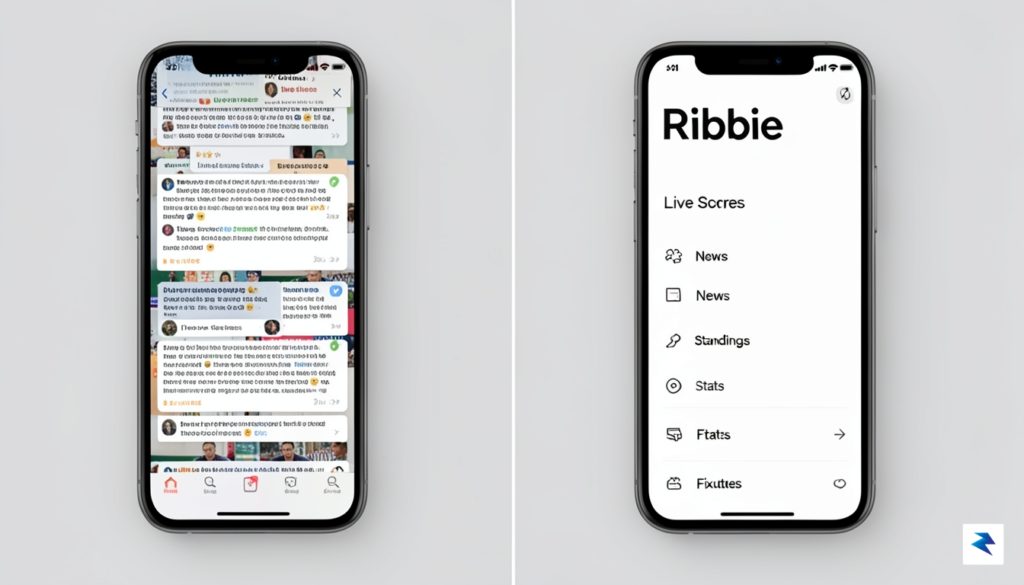
In an age defined by digital noise, the modern sports fan is often overwhelmed by the sheer volume of data pushed at them from every corner of the internet. Major sports networks have long operated under the assumption that more is better, cluttering their interfaces with dense, multi-layered spreadsheets, blinking ticker tapes, and intrusive pop-up notifications that demand constant engagement. This “data-first” approach often creates a chaotic user experience that feels more like monitoring a stock trading floor than enjoying a pastime. In contrast, platforms that prioritize simplicity are finding a distinct competitive advantage by stripping away the non-essential, allowing the core excitement of the game to shine through without the friction of complex navigation.
Ribbie represents a refreshing departure from this trend, proving that minimalism is not about removing information, but about curating it for maximum clarity. By adopting a retro, pixel-art aesthetic, the platform transforms dry, real-time statistics into a “glanceable” experience. This design philosophy acknowledges that today’s mobile users are often multitasking, checking scores while commuting, working, or socializing. By replacing heavy, text-dense charts with visual, arcade-inspired representations of a live game, it allows the user to absorb the status of an inning at a single glance. This immediacy is vital for maintaining a connection to the sport without the cognitive load typically associated with modern analytical platforms.
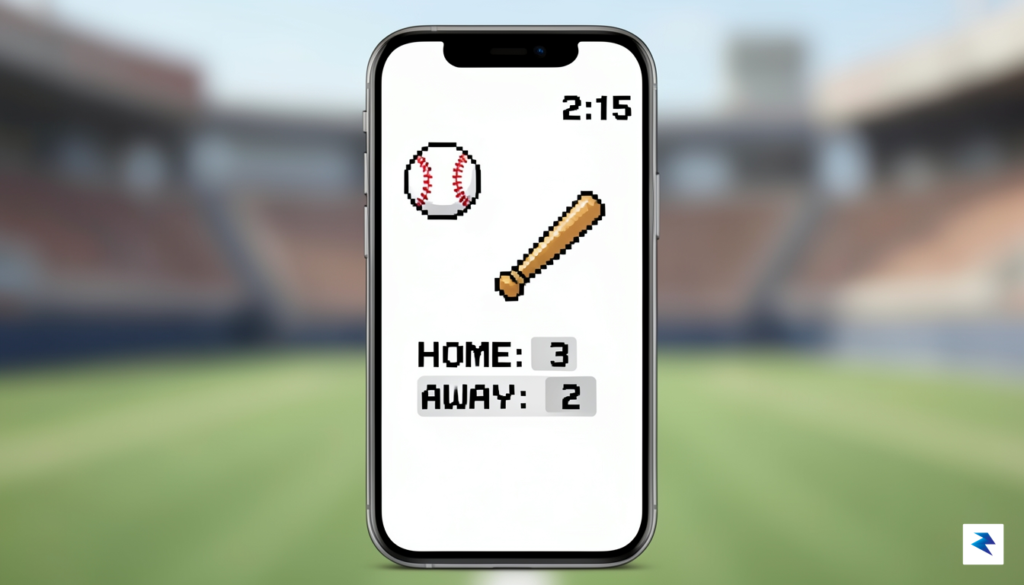
The trade-off between depth and ease of consumption is the central hurdle for any sports-focused application. While hardcore analysts may demand every granular metric available, the average fan is often looking for the narrative arc of the game—who is winning, the count, and the current momentum. By prioritizing the “glanceable” nature of its interface, Ribbie successfully bridges the gap between deep data and casual accessibility. It demonstrates that you do not need to overwhelm a user with a wall of numbers to provide a comprehensive view of the action.
True innovation in sports technology is not found in how much data you can display, but in how quickly you can make that data meaningful to the viewer.
Ultimately, the competitive advantage of a minimalist approach lies in its ability to respect the user’s time and attention span. In a market crowded with apps vying for constant interaction, the platforms that offer a calm, intuitive, and visually pleasing way to stay informed will inevitably win out. By stripping away the clutter, the experience becomes more human and less transactional, fostering a deeper, more enjoyable connection to the game itself. This shift toward “low-friction” sports consumption is likely the next frontier for digital fan engagement, favoring those who can distill the complexity of baseball into something as simple as it is entertaining.

The emergence of platforms like Ribbie signals a profound shift in how Major League Baseball is packaged for the modern spectator. For decades, the barrier to entry for deep baseball fandom has been the sheer density of its data; traditional scoreboards and analytical dashboards often feel like academic spreadsheets, alienating those who want the excitement of the sport without the prerequisite of a statistics degree. By stripping away the clinical, overly professional aesthetic and replacing it with charming, 8-bit pixel art, these applications transform a dense stream of information into a playful, portable activity. This approach effectively bridges the gap between the die-hard “stat-heads” who obsess over exit velocities and the casual observers who simply want to enjoy a game from their phone while on the go.
This evolution is particularly vital for the long-term health of the MLB as it attempts to court a younger, mobile-native demographic. Generation Z and younger Millennials generally prioritize high-frictionless interaction and visual flair over traditional, broadcast-heavy consumption models. When sports data feels like a video game, it stops being a scholarly pursuit and starts being a form of entertainment that fits seamlessly into a busy, digital-first lifestyle. By embracing a retro-arcade aesthetic, developers are successfully tapping into the nostalgia and visual language that resonates with gamers, proving that the future of sports engagement lies in making the complex feel light, accessible, and inherently fun.
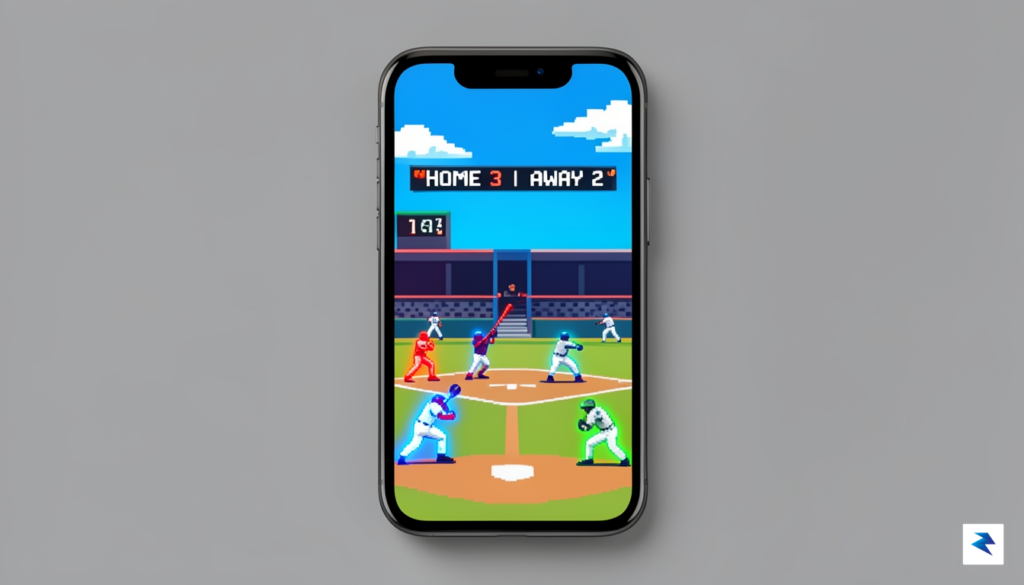
Independent developers are currently serving as the vanguard for this movement, often moving faster and with more creativity than the league’s official broadcast partners. While major networks are tethered to legacy production standards and corporate branding, smaller teams have the agility to experiment with unconventional interfaces that prioritize user experience and aesthetic delight. Their success underscores a critical truth: fans are increasingly looking for personalized, bite-sized ways to follow their teams. As these independent apps gain traction, they set a new benchmark for what fans expect from their digital experience, effectively forcing a conversation about whether the official MLB broadcasts themselves should adopt more playful, customizable, or gamified interfaces.
The future of baseball consumption isn’t found in more complex data, but in more intuitive, joyful ways to visualize that data on the devices we carry every day.
Looking ahead, it is highly likely that the “retro-arcade” trend will begin to influence official league standards. As teams and organizations observe the success of these gamified interfaces, we can expect to see more “lite” versions of official apps that borrow elements of pixel art and simplified stat tracking. This transition from rigid, traditional broadcasting to a more flexible, entertainment-focused model is not just a passing fad; it is a necessary evolution. By making the sport feel like an interactive playground rather than an impenetrable database, the league can ensure that the next generation of fans doesn’t just watch the game, but actively plays along with it.
You must be logged in to post a comment.