
Ant: A New Unified Ecosystem Challenging the JavaScript Status Quo
Introducing Ant: A New Paradigm for JavaScript Development The modern JavaScript landscape has undoubtedly reached a state of intense…
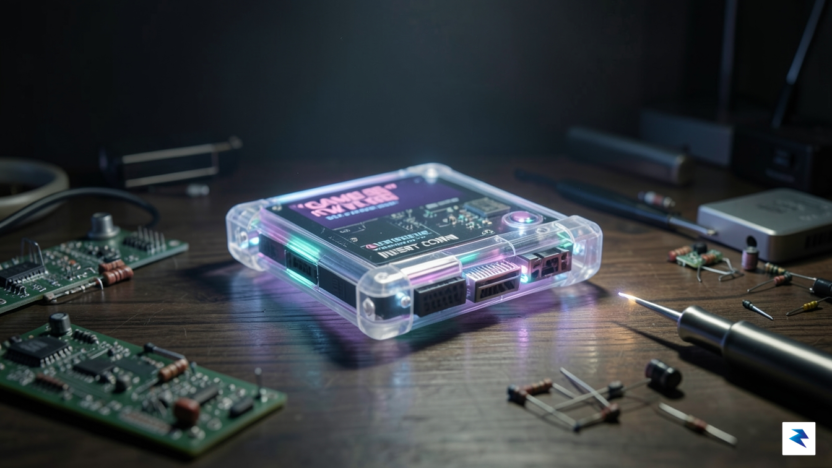
For decades, the landscape of portable gaming has largely been defined by proprietary ‘walled gardens,’ where major corporations dictate not only the games we play but also the hardware on which we play them. This model, while offering convenience and polished experiences, often comes at the significant cost of transparency, repairability, and true ownership, leaving a growing segment of enthusiasts yearning for a different path. Consequently, a powerful counter-current has emerged, fueled by a vibrant resurgence in retro-gaming nostalgia and
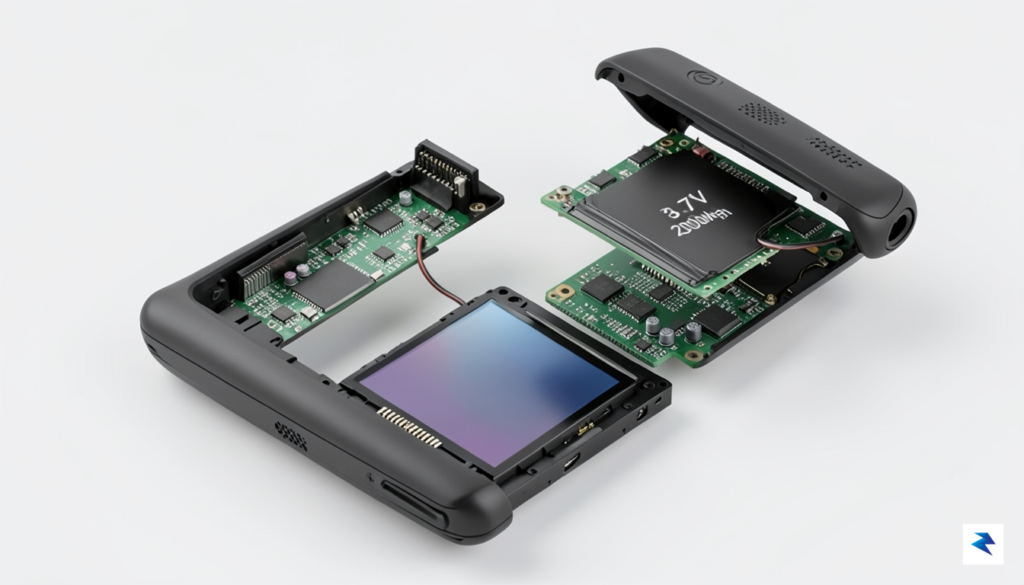
At its core, the RISCBoy represents a sophisticated exercise in balancing minimalist engineering with high-performance execution. Unlike many commercial handhelds that rely on opaque, proprietary systems-on-a-chip (SoCs), RISCBoy is built upon the open RISC-V instruction set architecture. This choice is not merely ideological; it provides a transparent, modular foundation that allows developers to precisely optimize the hardware for specific gaming tasks. By stripping away the bloated overhead found in modern mobile processors, the design focuses exclusively on the efficiency required for low-latency graphics rendering and responsive input handling, effectively proving that individual creators can rival the performance profiles of legacy portable consoles.
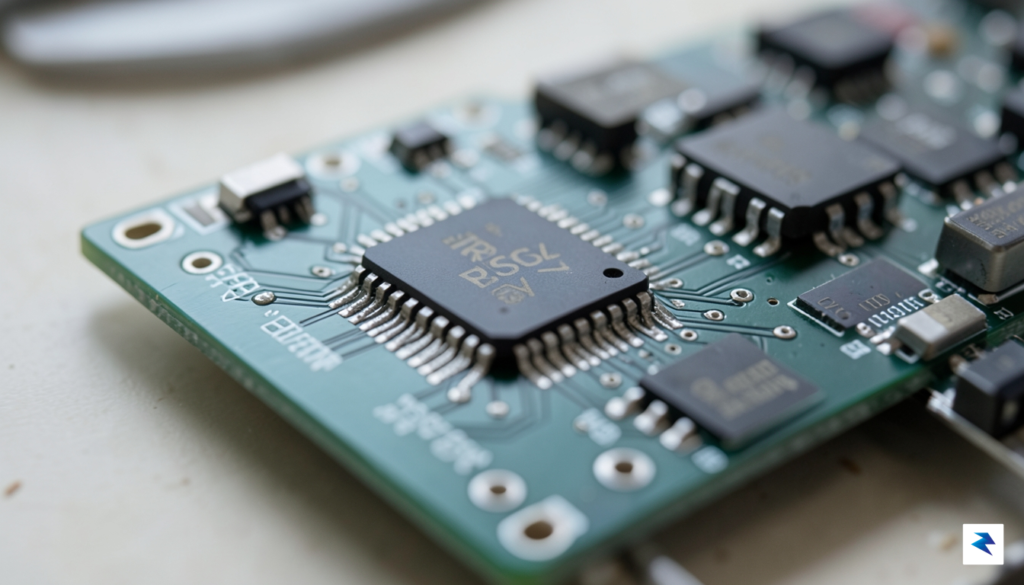
The architecture achieves its impressive responsiveness through a tightly coupled interplay between the hardware registers and the software abstraction layers. Because the developer has total control over the instruction pipeline, they can implement custom memory management strategies that prioritize real-time frame buffering over general-purpose background processing. This creates a direct, nearly instantaneous conduit between the game logic and the display output, which is critical for the tactile feel of retro-style gaming. While this approach necessitates a steeper learning curve compared to using pre-built development kits, the resulting efficiency gains mean the console can run complex emulation cycles with a fraction of the power consumption typically seen in consumer electronics.
The true power of an open-source console lies in the removal of the ‘black box’ mentality; when you understand every cycle of the processor, you can extract performance that mass-market devices would deem impossible.
However, this design is not without its inherent limitations. Relying on custom hardware integration means that scaling the device for more demanding 3D titles requires significant manual optimization of the graphics pipeline, as there is no heavy-duty GPU firmware to offload the burden. Despite these constraints, the RISCBoy serves as a masterclass in architectural intentionality. By utilizing open standards, the project demonstrates that system design is most effective when the hardware and software are developed in lockstep. This holistic approach ensures that every clock cycle is utilized efficiently, allowing the device to deliver a gaming experience that feels fluid, snappy, and remarkably robust for such a compact, home-grown platform.
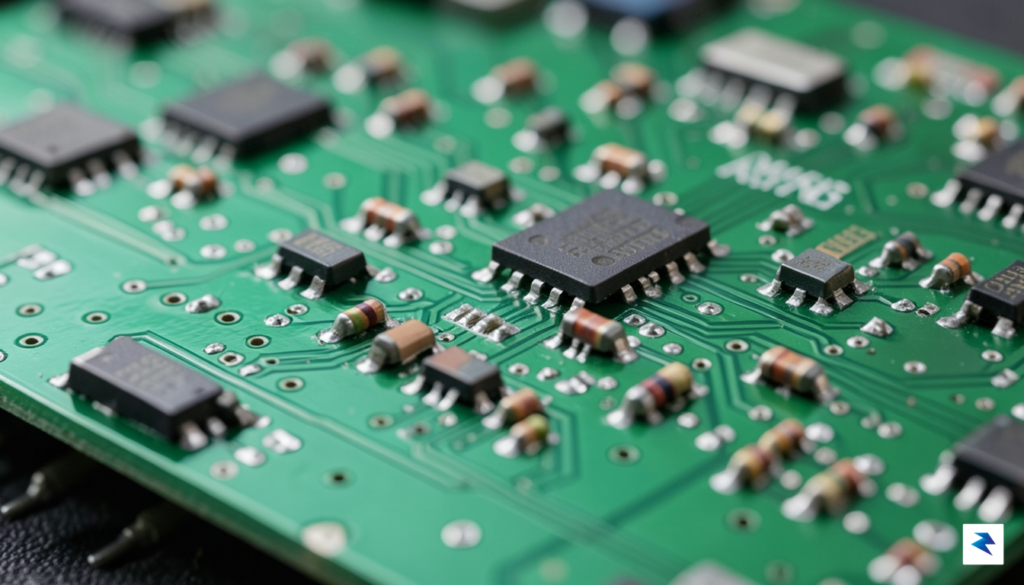
The physical manifestation of RISCBoy stands as a remarkable testament to what modern home-lab enthusiasts can achieve, pushing the boundaries of personal fabrication. Far from being a mere assembly of off-the-shelf modules, this portable console boasts a meticulously crafted foundation: custom-designed printed circuit boards (PCBs). These boards are not just functional; they represent the heart of the device, integrating all the diverse components into a cohesive, high-performance system. This intricate design and manufacturing process elevates the project from a simple hobbyist endeavor to one reflecting professional-grade engineering standards.
The journey of bringing these custom PCBs to life begins in the digital realm, utilizing sophisticated CAD software akin to those employed in commercial electronics development. Here, engineers meticulously lay out every trace, define power and ground planes, and place each component footprint with precision, ensuring optimal signal integrity and power delivery. This iterative design process involves countless hours of simulation, testing, and revision, transforming a conceptual schematic into a manufacturable blueprint. The resulting multi-layered boards are then sent to specialized fabrication houses, a step that, while professional, is now readily accessible to independent creators, democratizing advanced electronics manufacturing.
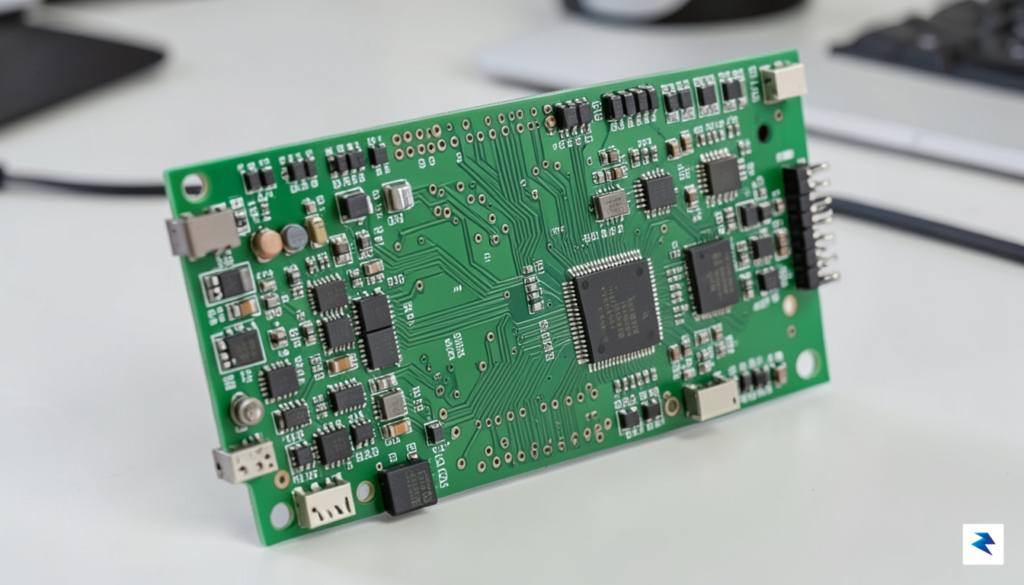
Populating these custom PCBs requires a strategic approach to component sourcing. From the central microcontroller to the myriad of passive components like resistors and capacitors, each part must be carefully selected and acquired. This often involves navigating global supply chains, identifying reliable distributors, and sometimes even finding suitable alternatives when specific parts become scarce or expensive. The beauty of an open-source project like this console is that its transparent nature often helps in this process, allowing the community to collaborate on finding suppliers or suggesting compatible substitutes, ensuring the project remains buildable and accessible to a wider audience.
A critical aspect of the console’s user experience lies in its thoughtfully chosen inputs, display, and power solution. The selection of tactile buttons and a responsive D-pad is paramount for an enjoyable gaming experience, mimicking the familiarity of classic consoles while ensuring durability and long-term reliability. Equally important is the display; a vibrant, high-resolution screen – often an IPS LCD or even an OLED panel – provides crisp visuals, making games truly come alive with rich colors and wide viewing angles. Powering all these components is a carefully chosen battery, balancing capacity for extended playtime with physical size and charge efficiency, typically a rechargeable lithium-ion cell integrated seamlessly into the ergonomic chassis.
Perhaps the most empowering aspect of the RISCBoy project is the creator’s commitment to providing comprehensive open-source files. This isn’t merely about sharing the final product; it’s about transparency and empowerment for the global maker community. Users gain access to the complete schematics, PCB layout files (Gerbers), a detailed bill of materials (BOM), and even the firmware source code. This unparalleled access allows anyone with the inclination to not only replicate the device exactly but also to understand its inner workings, modify it to their specific needs, or even use it as a robust learning platform for their own electronics projects. It fosters a vibrant community of builders, innovators, and educators, ensuring the project’s longevity and continuous evolution.
At the heart of the RISCBoy project lies a fundamental shift in how we approach consumer electronics: the adoption of the RISC-V instruction set architecture. Unlike the proprietary ARM-based ecosystems that dominate the current handheld gaming market, RISC-V is an open standard that invites collaboration rather than restricting it behind restrictive licensing agreements. By building on this foundation, the RISCBoy transcends the limitations of traditional, “black-box” hardware, effectively dismantling the vendor lock-in that has historically prevented enthusiasts from truly owning their devices. This transition represents a democratization of silicon, where the power to modify and iterate is no longer reserved for massive corporations, but is instead placed directly into the hands of the end-user.
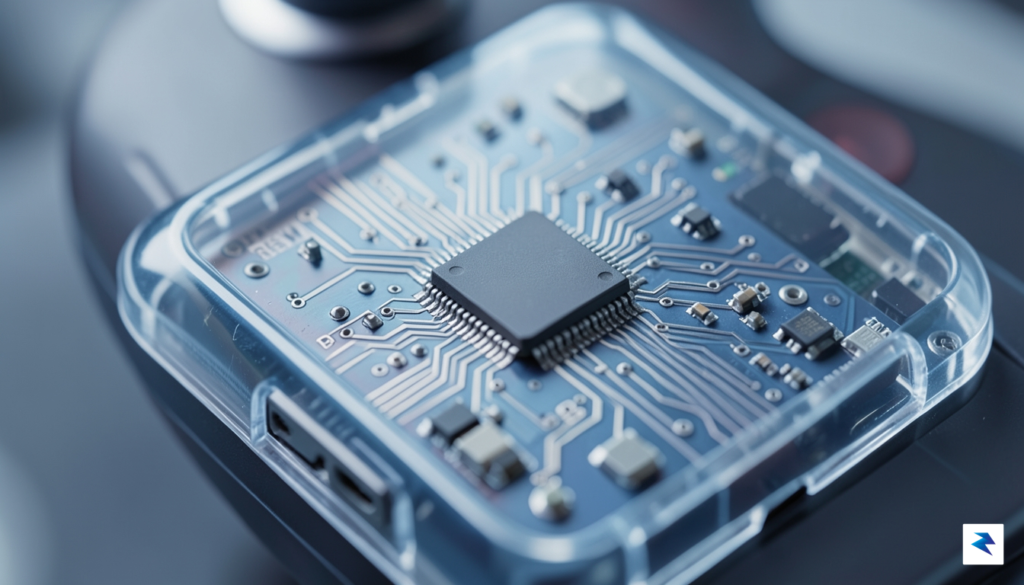
The implications for software portability are particularly profound when shifting away from the rigid, monolithic environments found in mainstream gaming consoles. Proprietary handhelds often require developers to jump through hoops and adhere to restrictive SDKs that can disappear the moment a company decides to discontinue support for a product. In contrast, the RISC-V ecosystem thrives on a community-driven model where software can be easily ported across various implementations of the architecture. Because RISC-V allows for a more modular approach to hardware design, developers can create game engines and emulators that are not tethered to a specific manufacturer’s secret sauce. This ensures that the games you love today remain playable on the hardware of tomorrow, as the open nature of the instruction set guarantees long-term documentation and community-led maintenance.
The true power of RISCBoy is not just in its ability to play games, but in its ability to serve as a living platform that grows and evolves alongside the open-source community, rather than aging into obsolescence.
Beyond the technical advantages, this project fosters an environment where hardware is as hackable as the code it executes. When we compare the RISCBoy to its ARM-based counterparts, the difference is stark; while a proprietary device might be locked down at the bootloader level to prevent unauthorized modifications, the RISCBoy welcomes exploration. This level of transparency encourages a new generation of hobbyists to learn how low-level drivers interact with physical hardware, turning a simple gaming device into an educational powerhouse. As RISC-V continues to gain traction in the global semiconductor industry, the RISCBoy stands as a beacon for what is possible when we reject proprietary gatekeeping in favor of a collaborative, open future.
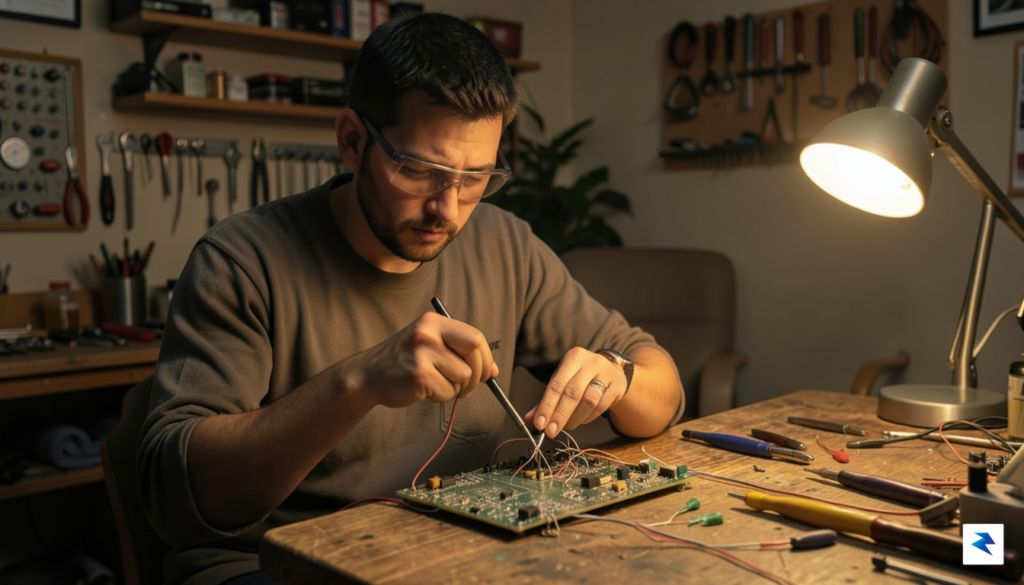
Embarking on the journey of designing a handheld gaming console from the ground up is an endeavor that tests both patience and technical ingenuity. Unlike consumer electronics developed by massive corporations with dedicated supply chains, building a project like RISCBoy requires the creator to navigate the turbulent waters of component sourcing, PCB fabrication, and the unforgiving reality of hardware-level debugging. Early phases are often fraught with “smoke tests”—those nerve-wracking moments when you first provide power to a newly soldered board, hoping that no short circuits or design oversights lead to catastrophic failure. Whether it is sourcing a specific, hard-to-find display connector or fine-tuning the power management circuit to ensure the battery life doesn’t vanish in minutes, each hurdle requires a deep dive into datasheets and a willingness to iterate through multiple prototypes.
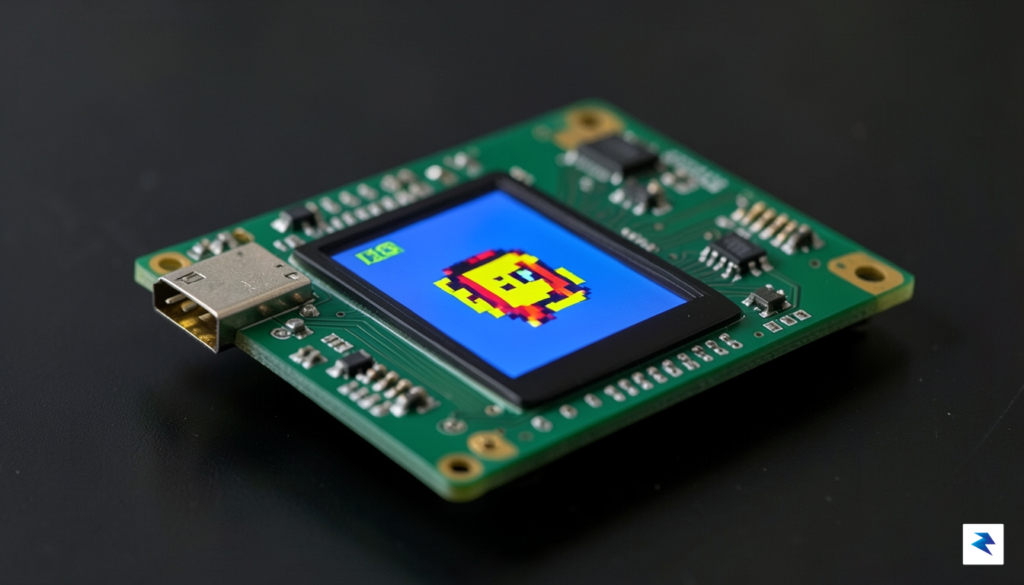
The transition from a functional schematic to a polished, playable device is further complicated by the necessity of writing custom software drivers. When you are building on open-source hardware, you cannot simply download a pre-packaged operating system and expect everything to work flawlessly; instead, you must bridge the gap between the low-level silicon and the user-facing game engine. This often involves wrestling with kernel modules, optimizing memory allocation, and ensuring that input latency remains imperceptible. These technical obstacles can be deeply frustrating, yet they provide a foundational understanding of how computers actually function, turning a mere hobby project into an intensive masterclass in electrical and software engineering.
The true magic of open-source hardware lies in the transition from a solitary struggle to a collective victory, where one developer’s roadblock becomes another contributor’s opportunity to innovate.
Fortunately, the isolating nature of hardware design is mitigated by the collaborative spirit of the open-source community. By hosting the RISCBoy design files and firmware on platforms like GitHub, the project invites a global network of peers to critique, optimize, and expand upon the base architecture. This collaborative feedback loop is instrumental in identifying design flaws that a single set of eyes might miss—such as layout interference affecting wireless signals or thermal bottlenecks in the console’s chassis. When a community member submits a pull request that optimizes power efficiency or suggests a more robust enclosure design, the project evolves from a fragile prototype into a reliable, community-verified platform. Ultimately, the satisfaction of playing a game on a device you helped build, debug, and refine is a unique reward that transcends the initial frustration, proving that the most difficult engineering challenges are best solved together.
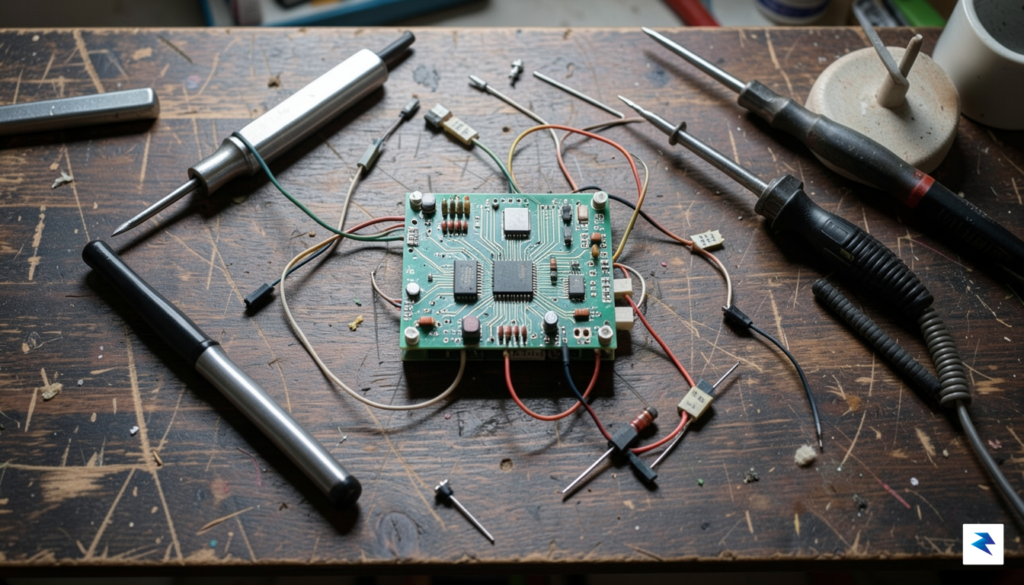
Embarking on the journey to build your own RISCBoy is an incredibly rewarding endeavor that bridges the gap between digital software design and physical hardware engineering. To begin this project, you will need a modest toolkit consisting of a high-quality soldering iron with a fine tip, leaded solder, flux, and a pair of precision tweezers for handling surface-mount components. While it might seem daunting to work with such tiny parts, patience and steady hands are your greatest assets, and you will find that a magnifying lamp or digital microscope can significantly improve your accuracy during the assembly phase.
The entire project is hosted on the official RISCBoy GitHub repository, which serves as the definitive central hub for all build files. Within this repository, you will find the complete Bill of Materials (BOM), Gerber files for ordering your printed circuit boards (PCBs), and the source code required to breathe life into the hardware. It is highly recommended that you clone the repository or download the latest release zip file to ensure you have the most up-to-date schematics and firmware instructions before purchasing any components.
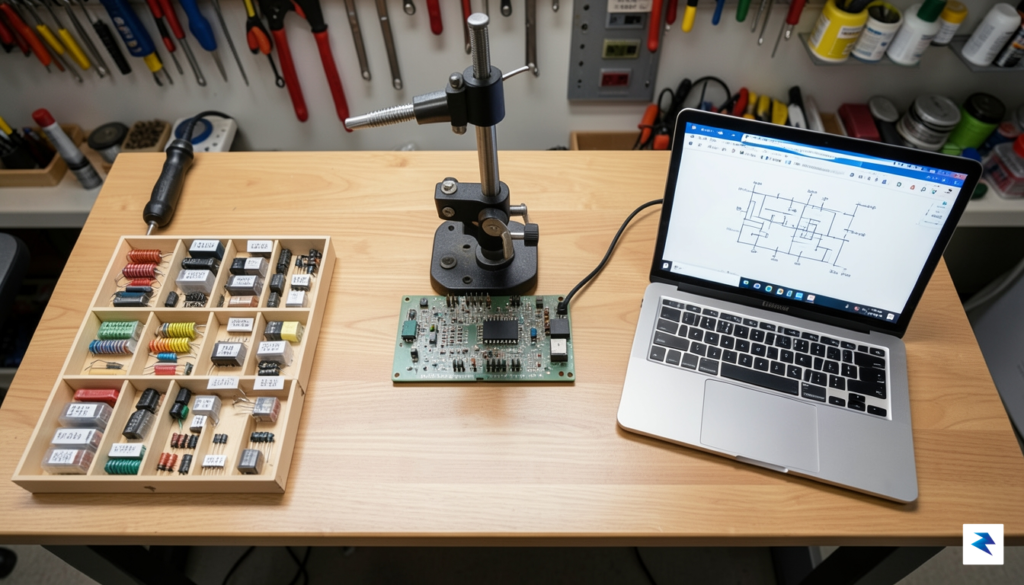
To ensure a smooth build process, follow this structured checklist that breaks down the project into manageable milestones:
Pro-tip: Always perform a continuity test with a multimeter after soldering each section of the board. Catching a solder bridge or an unintended short-circuit before powering the device for the first time is the single most important step in preventing permanent hardware damage.
For those who are new to the world of custom electronics, do not be discouraged if your first attempt at soldering goes slowly. There is a wealth of educational content available online, including tutorials on Adafruit’s Learning System or SparkFun’s educational guides, which cover the fundamentals of PCB assembly and surface-mount soldering techniques. As you dive deeper into the RISCBoy community forums and discussion boards, you will discover a group of passionate makers ready to offer advice, troubleshoot connection issues, and share custom code modifications that enhance the functionality of your portable console.
You must be logged in to post a comment.