
Google Rebrands NotebookLM as Gemini Notebook: What You Need to Know
The Evolution from NotebookLM to Gemini Notebook The journey toward what we now recognize as Gemini Notebook began long before its initial…
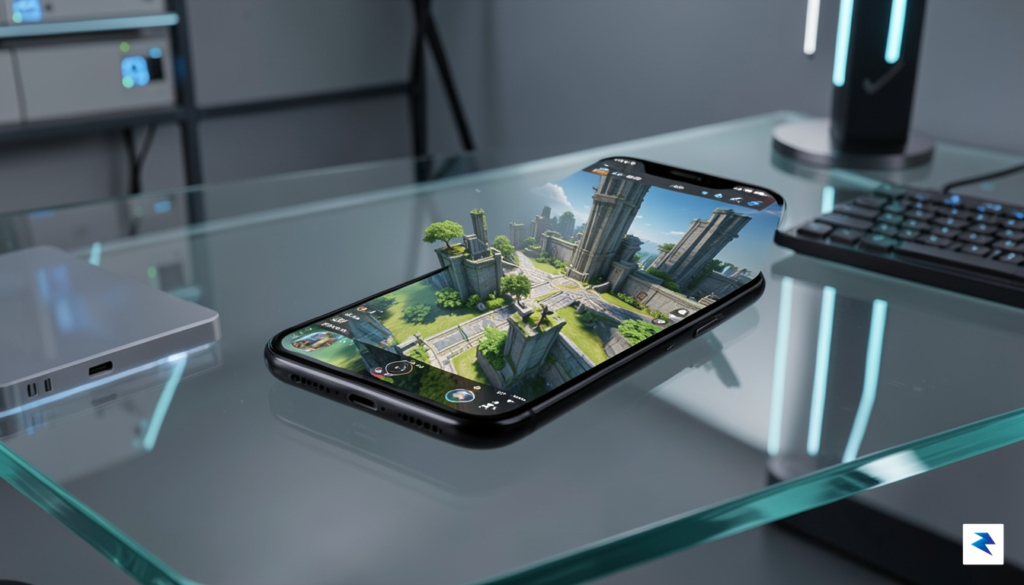
For nearly two decades, Roblox has stood as a monumental success in the world of user-generated content, yet it remained tethered to a distinct divide between the casual consumer and the serious architect. Historically, the process of building immersive digital experiences required the robust processing power and precision input of Roblox Studio on a desktop computer. This meant that while millions of people enjoyed the platform’s vast library of games, the actual act of creation was locked behind a barrier of technical complexity and hardware requirements. Aspiring developers had to master scripting languages and navigate intricate 3D modeling interfaces, effectively turning game design into an exclusive pursuit for those with the time and equipment to dedicate to a workstation.
The introduction of AI-powered creation tools directly within the mobile application marks a profound shift in this ecosystem, effectively dismantling the silos that separated passive players from active creators. By leveraging generative AI, Roblox is transitioning from a platform that requires manual construction to one that responds to natural language prompts. Instead of wrestling with coordinate axes or complex code strings, a user can simply describe a concept—such as a bustling neon cityscape or a gravity-defying obstacle course—and watch as the system generates the foundation of that world in real-time. This migration toward prompt-based development signifies that the “sandbox” is no longer just a place to play, but a dynamic canvas where the barrier to entry is limited only by the user’s imagination rather than their technical proficiency.
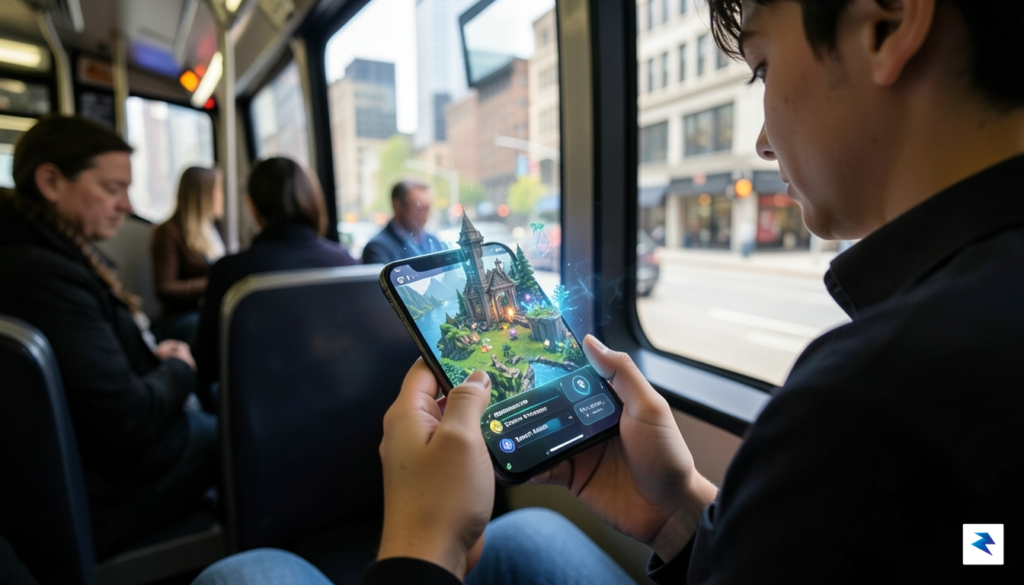
This strategic move toward mobile-first development is not merely a feature update; it is a fundamental democratization of digital creation. By bringing the power of Roblox Studio to the palm of a hand, the platform is tapping into a massive demographic of young, creative minds who may never touch a traditional desktop PC but are intimately familiar with mobile interfaces. This shift changes the very nature of the platform’s community, as the distinction between “playing” and “building” begins to blur into a single, continuous experience. When a player can iterate on a game design while commuting or waiting in line, the feedback loop between conceptualization and execution shortens dramatically, fostering a more prolific and diverse generation of creators who are empowered to shape the metaverse on the go.
The true power of AI in game development lies not in replacing the creator, but in removing the friction that prevents a good idea from ever reaching the screen.
Ultimately, this evolution signals a new era for user-generated content where the mobile device becomes the primary studio for the next generation of digital designers. As the technology continues to mature, we can expect to see an explosion in the sheer volume and variety of games available on the platform, driven by creators who were previously excluded by the desktop-only paradigm. By lowering the ceiling on how games are made, Roblox is raising the floor on what is possible, ensuring that the platform remains a titan of industry by making every single player a potential architect of the virtual worlds they once only traversed.
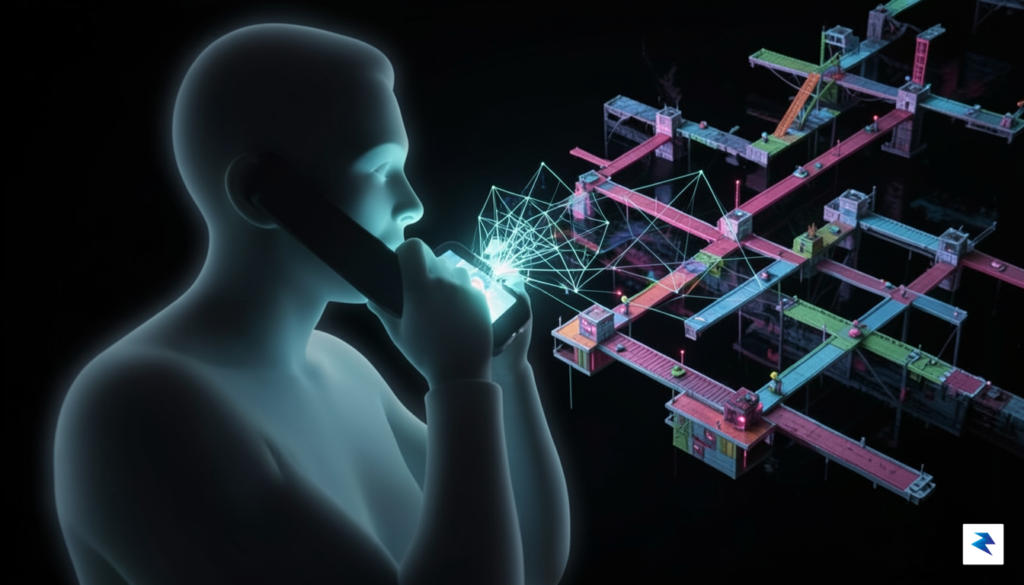
For years, the leap from being a player to becoming a creator was guarded by a steep technical gate. Aspiring game designers had to master the intricacies of Luau scripting, navigate the complex menus of professional 3D modeling software, and spend weeks iterating on basic physics before a single playable level could emerge. Today, that barrier is being dismantled by the integration of Large Language Models (LLMs) and generative AI directly into the Roblox mobile experience. By translating plain-English prompts into functional game logic, this technology acts as a bridge between a user’s abstract imagination and the concrete reality of a digital environment. Instead of typing lines of code, a creator can simply describe a scene—such as “create a neon-lit park with floating platforms and a gravity-defying obstacle course”—and the engine interprets those intents to populate the workspace with assets and rules in real-time.
This shift represents a fundamental change in how we perceive the “blank canvas” of game development. For many, staring at an empty virtual grid is a source of immense creative anxiety, where the lack of a starting point often leads to abandonment before development even begins. Generative AI eliminates this paralysis by providing a functional foundation from which the user can iterate. Whether it is generating a unique texture for a character, building a complex building block structure, or defining the behavior of an NPC, the AI handles the heavy lifting of asset creation. This allows the creator to shift their focus away from the tedious mechanics of individual software tools and toward the broader, more fulfilling process of game design, storytelling, and mechanics balancing.
The true power of this shift lies in democratizing creativity; by stripping away the necessity of technical proficiency, the platform turns the mobile device into a high-powered studio that fits in the palm of your hand.
Furthermore, the speed-to-market advantage provided by this mobile-first AI integration is unprecedented in the history of game development. Because mobile users can prototype, test, and refine their ideas while on the go, the cycle of innovation accelerates significantly. What once took a dedicated team of developers weeks to prototype can now be sketched out by a single individual in a matter of minutes. By automating the technical heavy lifting, the platform ensures that the bottleneck is no longer a user’s lack of technical skill, but rather the limit of their own creativity. This evolution doesn’t just make game design easier; it broadens the scope of who can participate in the digital economy, inviting a new generation of storytellers to define the next era of interactive entertainment.
The democratization of game development via mobile AI tools is undoubtedly a revolutionary leap for accessibility, yet it introduces a significant paradox: when the barrier to entry vanishes, the marketplace risks becoming inundated with a tidal wave of derivative content. Critics and veteran developers alike are concerned that the sheer volume of AI-generated assets—ranging from simple hobby projects to hastily assembled clones—could dilute the platform’s overall quality. Without strict oversight, the Roblox ecosystem might face a “content glut,” where truly innovative experiences are buried under thousands of low-effort, templated games that lack the depth and polish players expect from a top-tier title.
To mitigate these risks, Roblox will likely need to evolve its discovery algorithms from simple popularity metrics to more sophisticated, quality-aware ranking systems. Relying solely on play counts or social media engagement can be misleading when AI tools allow creators to churn out content at an industrial scale. Instead, the platform may need to incorporate nuanced signals—such as player retention rates, sentiment analysis of user reviews, and technical performance stability—to prioritize experiences that offer genuine value. By shifting the focus toward player satisfaction rather than just raw volume, Roblox can ensure that the “cream rises to the top” while preventing the marketplace from becoming a graveyard of abandoned or shallow experiments.
The true success of AI-assisted development will not be measured by how many games are created, but by how effectively the platform connects players with experiences that resonate with their unique interests.
Furthermore, the integration of AI-driven moderation tools will be essential to maintain a safe and high-quality environment. As the number of mobile creators grows, manual review processes will become insufficient. We can expect Roblox to deploy advanced machine learning models designed to detect copyright infringement, asset flipping, and policy violations in real-time. These automated sentinels will act as a first line of defense, filtering out low-quality or prohibited content before it even reaches the public directory. By pairing these technical safeguards with community-driven feedback loops, the platform can maintain a healthy equilibrium between the sheer quantity of user-generated creativity and the high standard of excellence that keeps millions of players returning to the platform day after day.
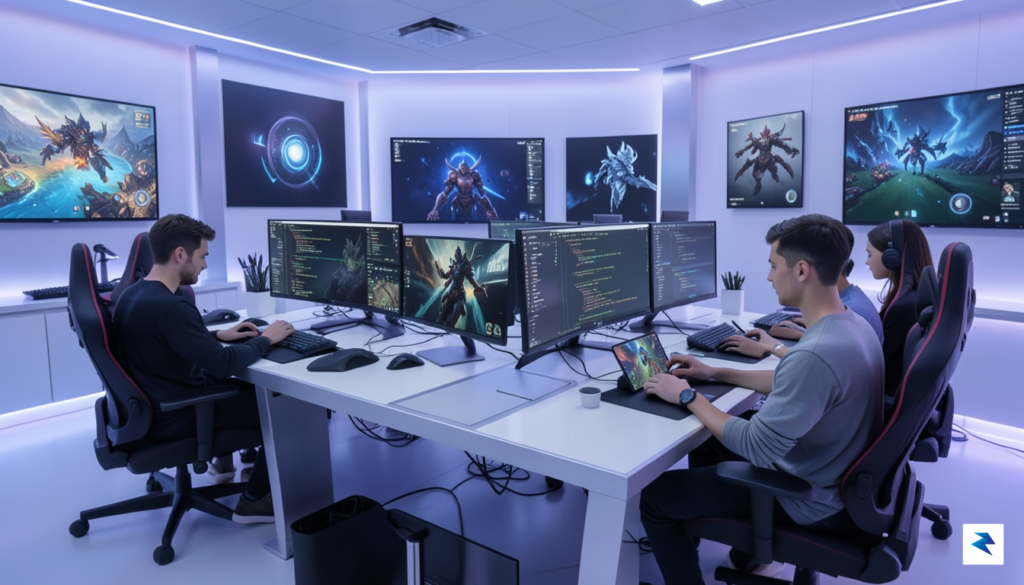
The traditional barrier to entry for game development has long been defined by high-end hardware, complex coding languages, and years of specialized training. By integrating generative AI directly into its mobile interface, Roblox is effectively dismantling these obstacles, transforming the smartphone from a mere consumption device into a powerful engine for digital creation. This paradigm shift signals the end of the era where the gaming audience was bifurcated into passive players and elite developers. Instead, we are entering a phase where the act of playing and the act of building are becoming inextricably linked, allowing a younger, mobile-first generation to iterate on their ideas in real-time while on the go.
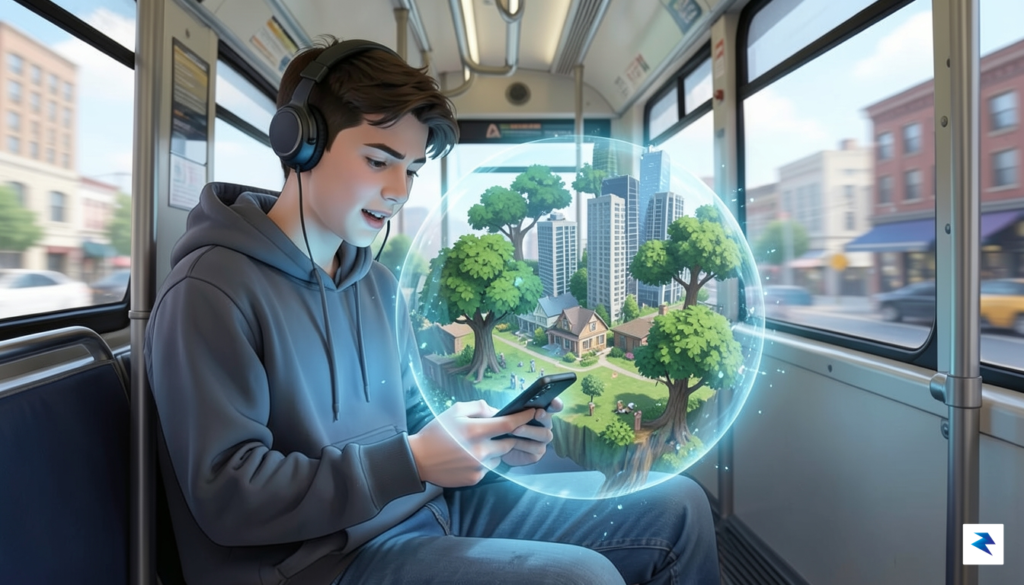
As these tools become more sophisticated, the distinction between professional-grade development and casual tinkering will undoubtedly begin to fade. When a user can leverage AI to generate complex environmental assets, script interactive behaviors, or design intricate level layouts through simple natural language prompts, the ceiling for mobile creativity rises exponentially. This democratization of production could lead to an explosion of niche, high-quality experiences that were previously impossible to develop without a dedicated workstation. We are witnessing the birth of a new “creator-consumer” class, where the metrics of long-term platform engagement will no longer be measured solely by hours spent playing, but by the depth and frequency of user-generated contributions.
The true disruption of the creator economy lies not in the removal of skill, but in the radical expansion of accessibility, allowing the speed of thought to dictate the pace of game production.
Comparing this trajectory to other mobile creative platforms, such as those used for video editing or graphic design, reveals a compelling trend toward professionalization. Just as mobile tools turned every social media user into a content creator, Roblox is preparing to turn every player into a game architect. This evolution is set to reshape the broader gaming industry, forcing traditional studios to rethink how they engage with their communities. As the barrier to entry lowers, the competitive landscape will shift toward the platform that provides the most intuitive interface for creativity. Ultimately, this move ensures that the platform’s ecosystem remains self-sustaining, as players are incentivized to stay not just for the content they enjoy, but for the legacy they are actively building within the virtual world.

For the casual player, the integration of generative AI into the mobile creation suite represents a fundamental shift in how we interact with virtual spaces. No longer confined to the role of a passive consumer, the everyday user can now personalize their digital environment or build bespoke mini-games for friends using simple, natural language prompts. This transition turns the platform into a collaborative social sandbox where technical barriers to entry are effectively dismantled. By lowering the friction required to manifest an idea, Roblox is transforming the act of game design from a specialized programming task into a creative extension of play itself, making the platform more inclusive than ever before.
For the aspiring developer, these tools serve as the ultimate low-stakes testing ground. Instead of spending weeks wrestling with complex scripting languages or asset management, creators can use AI to rapidly prototype mechanics, iterate on game loops, and visualize concepts on the go. This “fail fast” methodology is essential for honing design instincts, allowing creators to spend less time on boilerplate code and more time on the nuances of player experience. As these tools mature, we can expect to see a massive surge in innovation, as a new generation of developers discovers their voice through a medium that favors imagination over raw technical expertise.
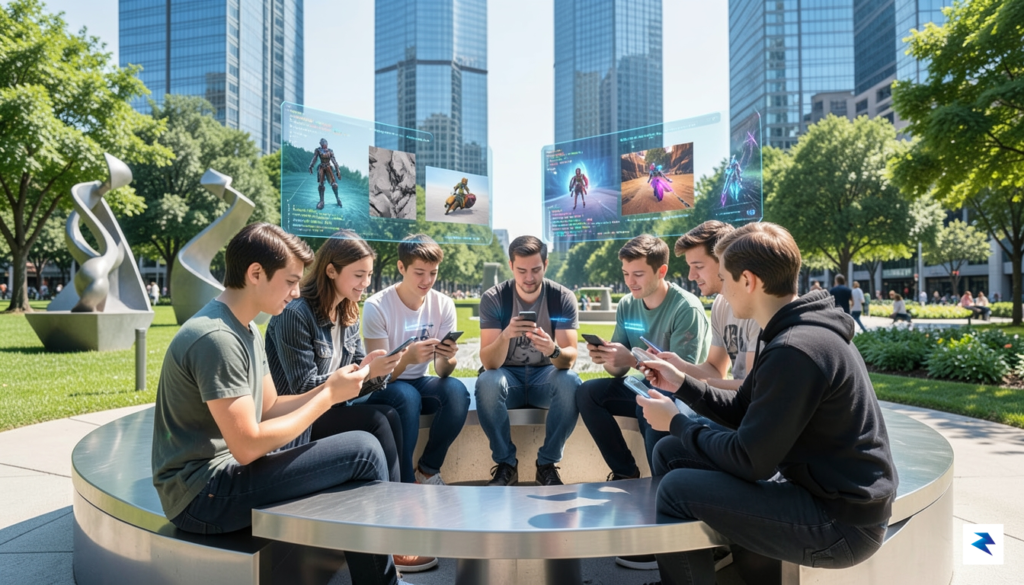
The democratization of creation does not just change who can make games; it changes the very definition of what a game can be by inviting a wider, more diverse pool of talent to contribute their unique perspectives.
However, this shift raises important questions about the long-term health of the ecosystem. While some might view this transition as a temporary “gold rush” characterized by a flood of low-quality, AI-generated clones, it is more likely to represent a permanent evolution in the creative landscape. The true value will not be found in the sheer volume of content, but in how the platform manages discoverability and quality control as the barrier to entry vanishes. If the community and the platform can successfully incentivize thoughtful, original design, this AI-driven evolution could set a new standard for user-generated content across the entire gaming industry.
Ultimately, the move to mobile-based AI creation signals a future where digital craftsmanship is accessible to anyone with a vision. Whether you are a hobbyist looking to spice up a birthday party with a custom experience or a budding designer aiming to launch the next viral hit, the power of development is now resting in your pocket. As we embrace this transition, the emphasis shifts from how to build to what we choose to create, marking a profound milestone in the history of digital expression.
You must be logged in to post a comment.