How Gemini 3.5 Flash Uses Your Computer: A Deep Dive Into Agentic AI
The Evolution of AI Agency: Introducing Computer Use The way we interact with artificial intelligence is undergoing a profound transformation,…
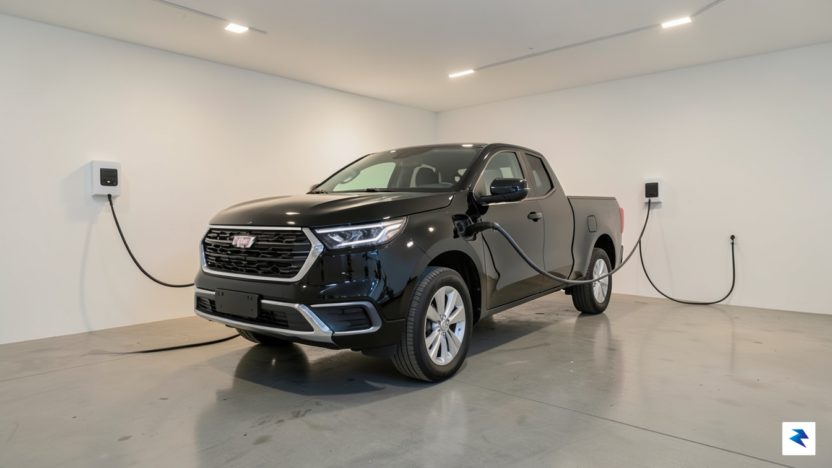
For years, the electric vehicle landscape was dominated by the high-performance allure of Nickel Manganese Cobalt (NMC) batteries. These power cells were favored for their superior energy density, which allowed manufacturers to squeeze more range into smaller footprints—a critical selling point when EV technology was in its infancy and range anxiety was the primary barrier to adoption. However, as the market matures and the focus shifts toward democratization and affordability, the industry is undergoing a fundamental re-evaluation of what constitutes the “ideal” battery. The transition to Lithium Iron Phosphate (LFP) chemistry, which now powers the latest iteration of the Slate truck, is not merely a logistical tweak; it is a profound strategic pivot aimed at aligning vehicle capabilities with the practical, everyday realities of the modern consumer.
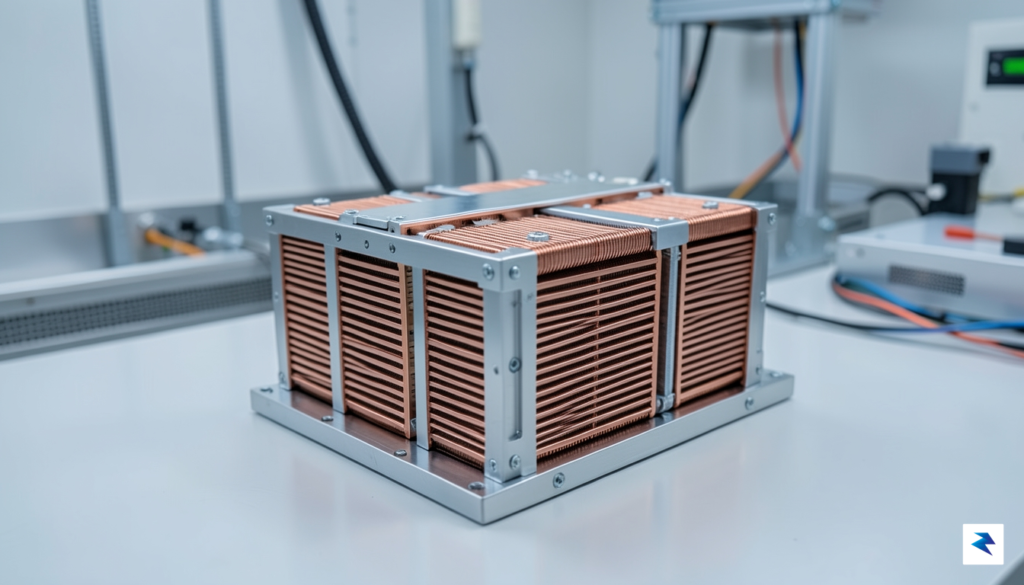
The primary advantage of LFP chemistry lies in its inherent stability and cost-efficiency. Unlike NMC batteries, which rely on expensive and often ethically contentious raw materials like cobalt and nickel, LFP cells utilize abundant, affordable iron and phosphate. This shift allows Slate to pass significant savings on to the buyer without compromising the truck’s structural integrity. Furthermore, LFP batteries boast a significantly longer cycle life; they can be charged to 100% capacity daily without the accelerated degradation that typically plagues high-nickel chemistries. This durability is a massive win for truck owners who demand a vehicle that can withstand years of heavy use, frequent charging cycles, and varying environmental conditions without losing its original range capability.
The transition to LFP isn’t just about reducing the price tag; it is about engineering a vehicle that offers consistent, predictable performance over its entire operational lifespan, making electric utility accessible to the mainstream.
Beyond the immediate financial incentives, this shift reflects a broader industry movement toward supply chain resilience and long-term sustainability. By moving away from rare minerals, Slate is insulating its production line from the volatile price spikes and supply constraints that have historically hampered the EV sector. This strategic move acknowledges that for a truck to truly disrupt the market, it must be as reliable as it is affordable. The decision to pivot now suggests that Slate has prioritized a future-proof architecture, ensuring that as charging infrastructure improves and consumer habits evolve, their vehicles remain relevant, durable, and economically viable for a wide range of drivers who prioritize utility over the extreme, often unnecessary, performance peaks of traditional luxury EVs.
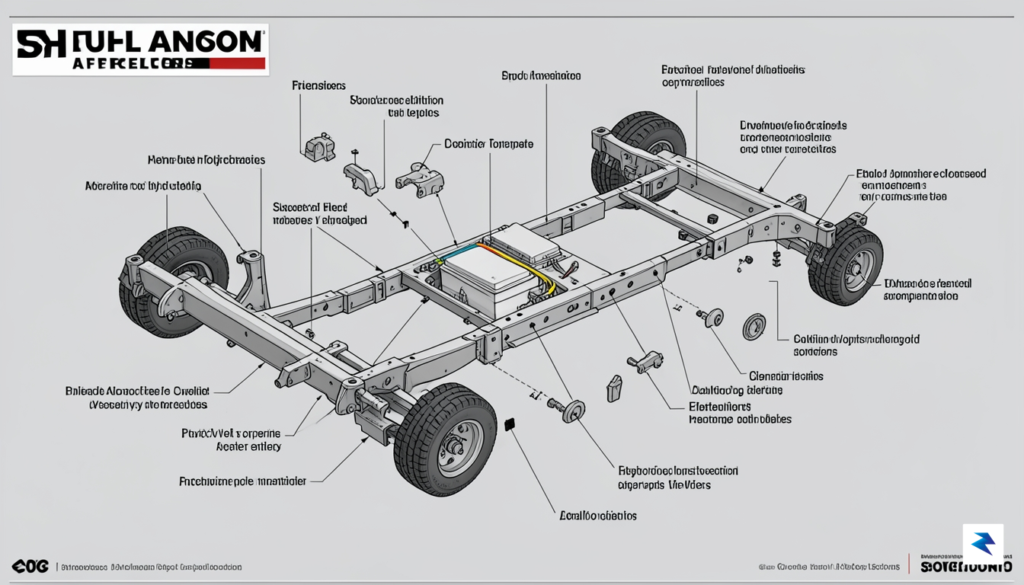
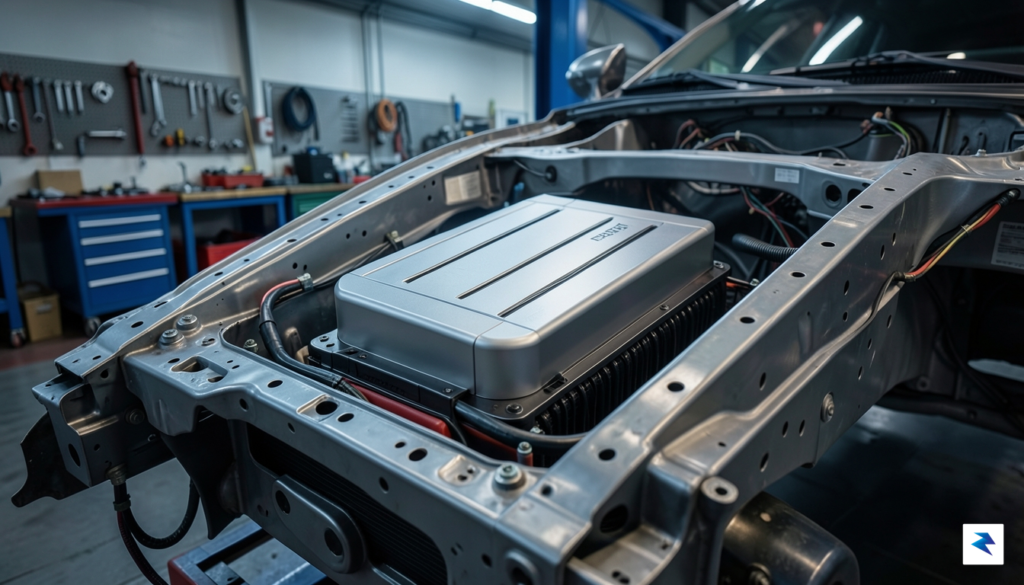
Designing an accessible electric pickup truck is a high-stakes exercise in balancing competing physics. When engineers set out to lower the barrier to entry, they cannot simply subtract features; they must rethink the vehicle’s entire energy architecture. The transition to a new battery chemistry represents a significant pivot in this strategy, as it forces a complete reassessment of how power is stored and managed within the truck’s frame. By moving toward a more cost-effective chemistry, Slate had to account for varying energy densities, which fundamentally alters how much physical space the battery pack consumes and how much weight it imposes on the chassis.
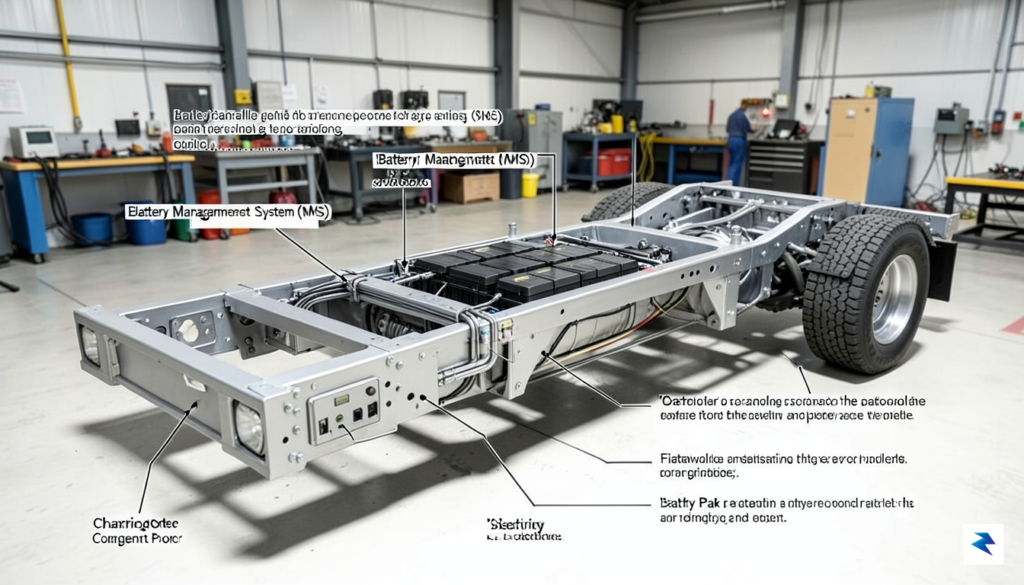
The thermal management system represents one of the most complex hurdles in this hardware integration. Because different battery compositions respond uniquely to heat—both during rapid charging and under the heavy load of towing—engineers had to recalibrate the liquid cooling loops and heat exchangers. Maintaining a stable operating temperature is not merely a matter of efficiency; it is a vital component of battery longevity and safety. Slate’s team had to design a cooling array that could handle the specific thermal discharge rates of the new cells without adding the prohibitive cost or weight of a high-performance system found in luxury EVs. This required a streamlined, proprietary cooling manifold that optimizes heat dissipation while keeping the overall vehicle weight manageable.
“Efficiency in engineering isn’t about using the best technology available; it is about finding the specific technology that serves the vehicle’s mission without adding unnecessary complexity or cost.”
Furthermore, changing the battery’s weight profile necessitates a top-to-bottom re-tuning of the suspension and chassis dynamics. When the center of gravity shifts even slightly due to a denser or lighter battery pack, the vehicle’s handling characteristics change instantly. To maintain the rugged utility expected of a truck, Slate’s engineers had to adjust spring rates, shock damping, and even the geometry of the control arms to ensure the ride remains composed under a full payload. This holistic approach ensures that the vehicle doesn’t just meet a price target, but continues to perform as a reliable, durable workhorse. By carefully recalibrating the interaction between the battery’s mass and the structural integrity of the frame, the team has successfully navigated the thin line between budget-conscious manufacturing and the uncompromising demands of daily truck use.
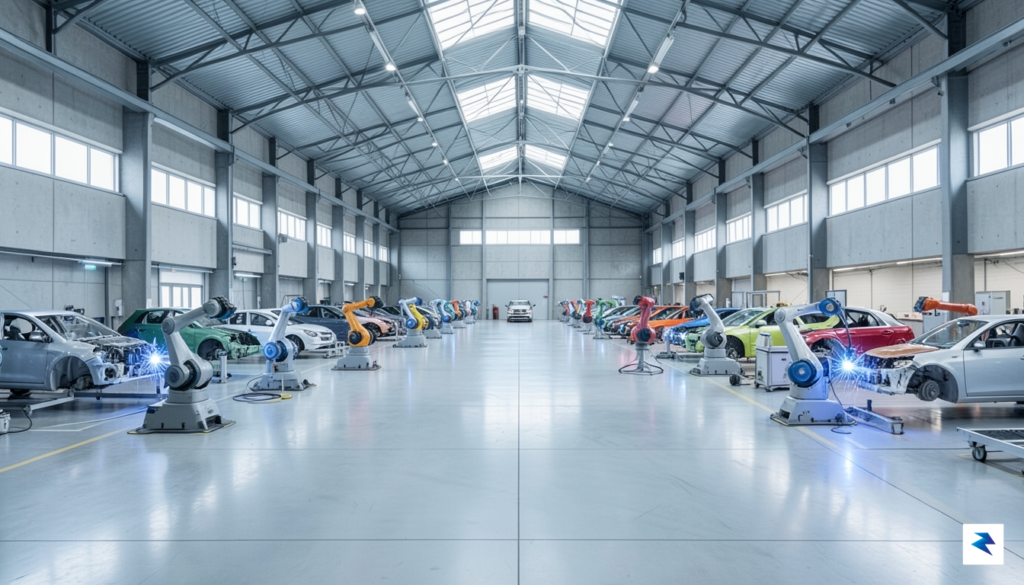
The transition to a new battery architecture within Slate’s affordable EV truck is not merely a technical adjustment; it is a calculated response to the volatile reality of global manufacturing. In an era where the automotive industry is often held hostage by unpredictable geopolitical shifts and sudden fluctuations in commodity pricing, procurement has become as critical as engineering. By pivoting away from battery chemistries that rely on scarce, geographically concentrated minerals, Slate is effectively insulating its production line from the systemic bottlenecks that have historically stalled competitors. This move underscores a broader industry shift toward supply chain sovereignty, where control over raw material access is no longer a luxury but a fundamental necessity for business continuity.
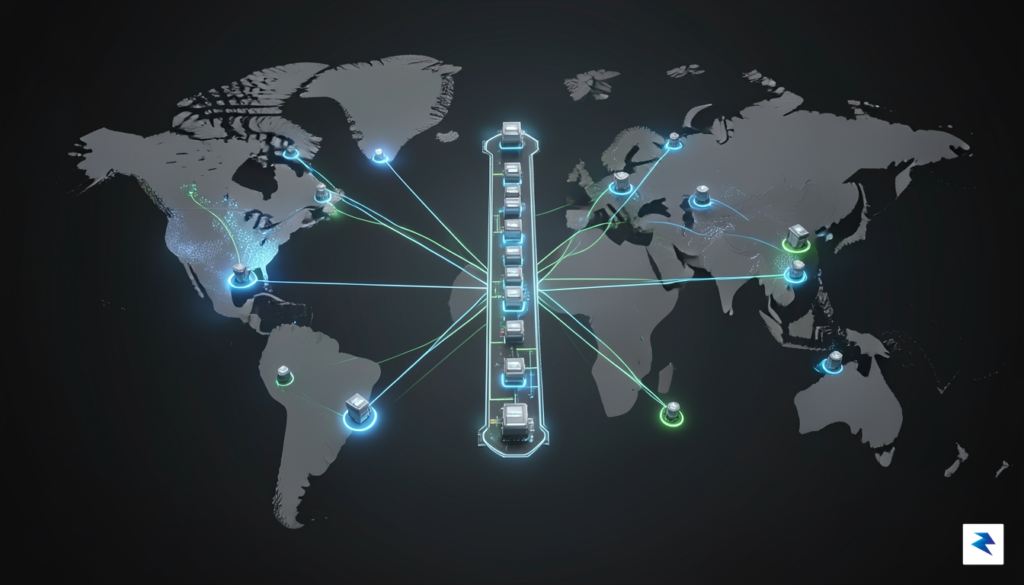
At the heart of this strategy is a pragmatic embrace of vertical integration and regionalized sourcing. Relying on global supply chains that span several continents creates thousands of potential points of failure, from shipping delays to trade disputes. By selecting a battery chemistry that permits more localized sourcing—utilizing materials that are more readily available in domestic or friendly-trade markets—Slate is reducing its reliance on fragile, long-distance logistics. This shift allows the company to bypass the congested ports and volatile international markets that have plagued the EV sector for years. Consequently, the truck becomes more than just a vehicle; it becomes a product of a streamlined, resilient infrastructure designed to maintain output even when the global economy faces turbulence.
“The agility to swap core components in response to supply chain realities is the new benchmark for success in the affordable EV space.”
Furthermore, this pivot provides a significant competitive advantage by stabilizing the cost of production. When manufacturers are beholden to the soaring prices of rare, high-demand metals, those costs are almost inevitably passed down to the consumer, pushing “affordable” vehicles out of reach. By diversifying its material dependencies, Slate is not only securing its immediate supply chain but also protecting the price point of its trucks. This proactive stance ensures that the company is not forced into the same market traps as its peers, who often find themselves waiting on components that are stuck in transit or priced out of existence by speculative markets. Ultimately, this battery evolution is a blueprint for how modern EV manufacturers must navigate a changing world, proving that true innovation happens as much in the supply chain as it does on the test track.
For the average truck owner, the transition to this updated battery architecture represents a significant shift from mere specifications to daily peace of mind. By moving to a more resilient chemistry, the vehicle is no longer just a piece of tech that depreciates rapidly; it is now a long-term workhorse designed to endure years of heavy use. Where older battery standards often saw noticeable capacity drops after just a few hundred full charge cycles, this new configuration is engineered for a lifespan that easily exceeds the typical ownership window of a traditional pickup. This means that whether you are using the truck for daily commuting or hauling equipment to a job site, you can expect the battery to retain a higher percentage of its original capacity for significantly longer, effectively delaying the day-to-day anxiety surrounding range loss.
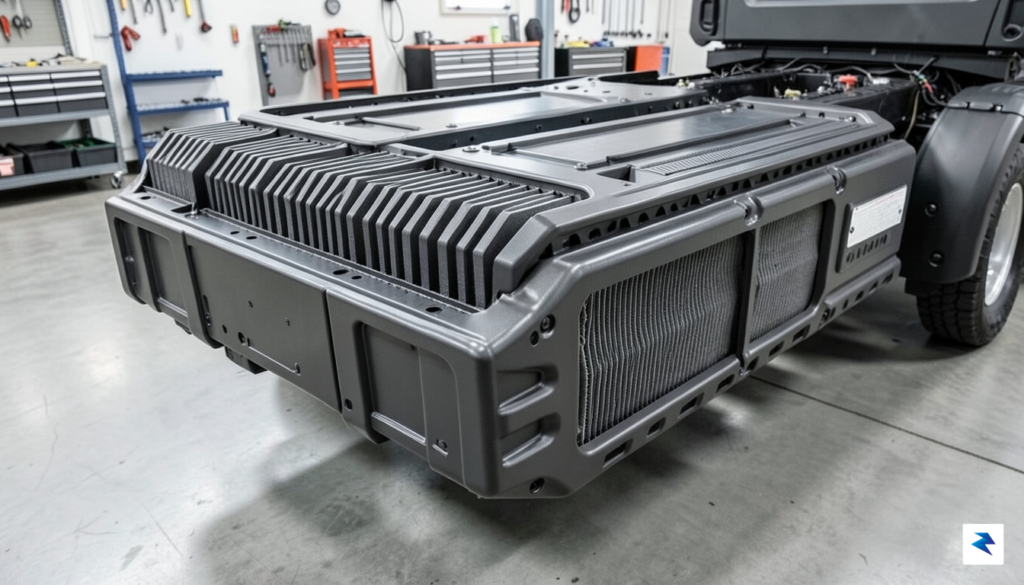
Real-world range consistency is perhaps the most immediate benefit that drivers will notice, especially when transitioning between extreme seasonal climates. Previous iterations of entry-level electric trucks often struggled with significant range “drop-off” during cold winter months or intense summer heatwaves, leaving drivers questioning their vehicle’s reliability. The updated battery chemistry, however, features improved thermal management capabilities that allow it to maintain optimal efficiency even when ambient temperatures are far from ideal. Consequently, owners can expect a more predictable and stable range, reducing the need to constantly recalculate how far they can travel before needing a charge. This predictability is essential for those who rely on their trucks for professional tasks, as it eliminates the uncertainty that previously plagued lower-cost electric utility vehicles.
The true value of this battery upgrade isn’t found in a higher peak range, but in the sustained consistency of performance over a decade of ownership.
Beyond the immediate utility, this shift has a profound impact on the long-term economics of the vehicle, specifically regarding resale value. Because battery degradation is the single most significant factor in the depreciation of any electric vehicle, a more robust battery pack effectively acts as a safeguard for your financial investment. Prospective buyers on the secondary market are increasingly sophisticated, often looking for data on battery health; by opting for a chemistry that resists degradation, Slate has ensured that these trucks will remain attractive assets years down the line. When you combine this slower rate of wear with the vehicle’s inherent durability, the total cost of ownership becomes much more competitive compared to legacy internal combustion trucks, making the switch to electric both an environmentally conscious and a financially sound decision.
The recent decision by Slate to update the battery chemistry in its affordable EV truck is far more than a simple component swap; it’s a foundational step in the company’s ambitious long-term vision for sustainable, accessible transport. This strategic move positions the truck not merely as a standalone product, but as the initial cornerstone of a much larger, interconnected EV ecosystem. By embracing a modular battery design from the outset, Slate is deliberately engineering its vehicles for easier future upgrades, ensuring that as battery technology continues its rapid evolution—whether through increased energy density, faster charging capabilities, or even entirely new chemistries—its trucks can adapt without requiring a complete overhaul. This foresight directly benefits consumers, offering a clear path to extending the useful life of their vehicles and significantly reducing the specter of technological obsolescence, thereby strengthening the value proposition of owning a Slate EV truck for years to come.
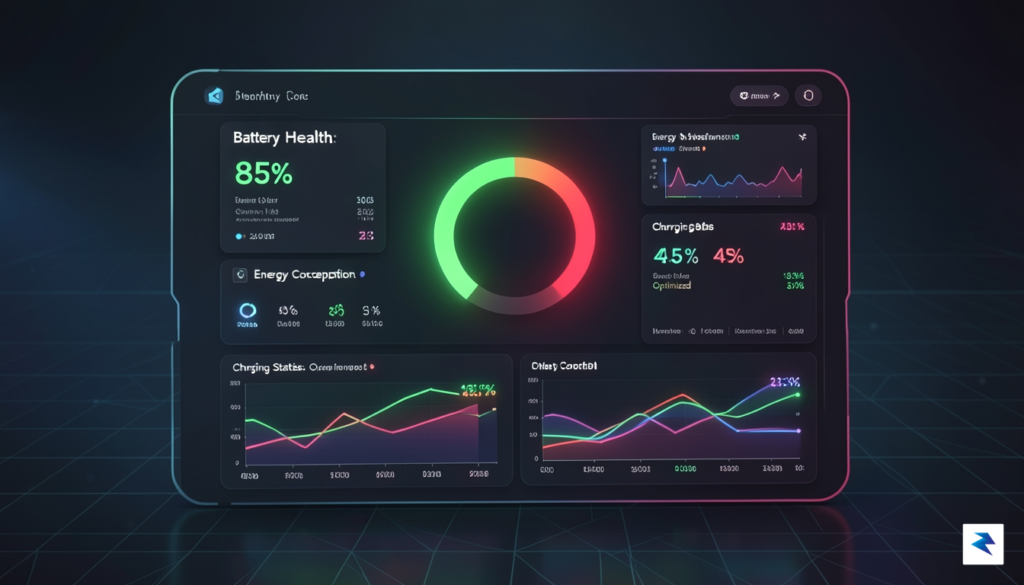
Crucially, the success and longevity of this new hardware foundation are inextricably linked to Slate’s evolving software ecosystem, which plays an increasingly vital role in managing the intricacies of the updated battery chemistry. This is where the concept of “software-defined capabilities” truly comes to life, allowing Slate to optimize performance, enhance range, fine-tune charging protocols, and ultimately extend battery life through continuous over-the-air (OTA) updates. Imagine a future where your truck’s charging curve adapts to grid demands, or its power delivery is precisely tailored for specific hauling tasks, all managed by sophisticated algorithms that learn and improve over time. These software refinements ensure that the new battery operates at peak efficiency under various conditions, constantly improving the user experience and safeguarding the investment, transforming the vehicle from a static piece of machinery into an intelligent, evolving platform.
Ultimately, Slate’s strategic battery update and its emphasis on a software-defined future represent a significant stride towards the democratization of electric vehicles, particularly in the utility truck segment. By meticulously designing for upgradeability and leveraging smart software, Slate is making advanced EV technology more attainable and sustainable for a broader market, challenging the perception that cutting-edge electric performance must come with an exorbitant price tag or a short shelf life. This holistic approach not only enhances the current generation of Slate trucks but also establishes a robust framework for subsequent models, promising a future where affordable, reliable, and continuously improving electric transportation is not just an aspiration, but a tangible reality for businesses and individuals alike. It’s a clear signal that Slate is not just building trucks, but actively shaping a more accessible and resilient electric future.
You must be logged in to post a comment.