
Polymarket Hack Losses Rise to $3.1M Amid Refund Promises and Regulatory Scrutiny
The Polymarket hack estimate has risen to $3.1 million shortly after the platform promised full refunds. Learn about the security breach and…

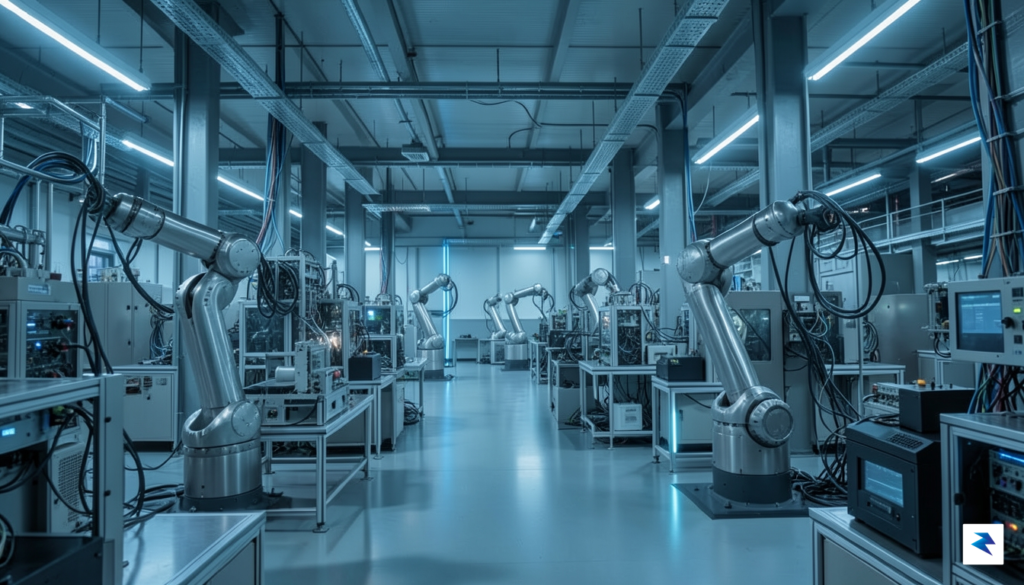
The global explosion of artificial intelligence has effectively transformed semiconductor manufacturing into the 21st-century equivalent of a gold rush. As the demand for high-performance computing power accelerates, South Korea—a nation already synonymous with memory chip dominance—has found itself at the epicenter of this tectonic industrial shift. For many South Korean teenagers and their families, the path toward a career in chip-making is no longer viewed merely as a job choice, but as a prestigious, iron-clad guarantee of financial security and social status. This perceived “golden ticket” has begun to reshape high school curricula and vocational ambitions, with an unprecedented number of students prioritizing specialized engineering tracks over traditional academic pursuits in hopes of securing a future within the gleaming, high-stakes fabrication plants of firms like Samsung and SK Hynix.
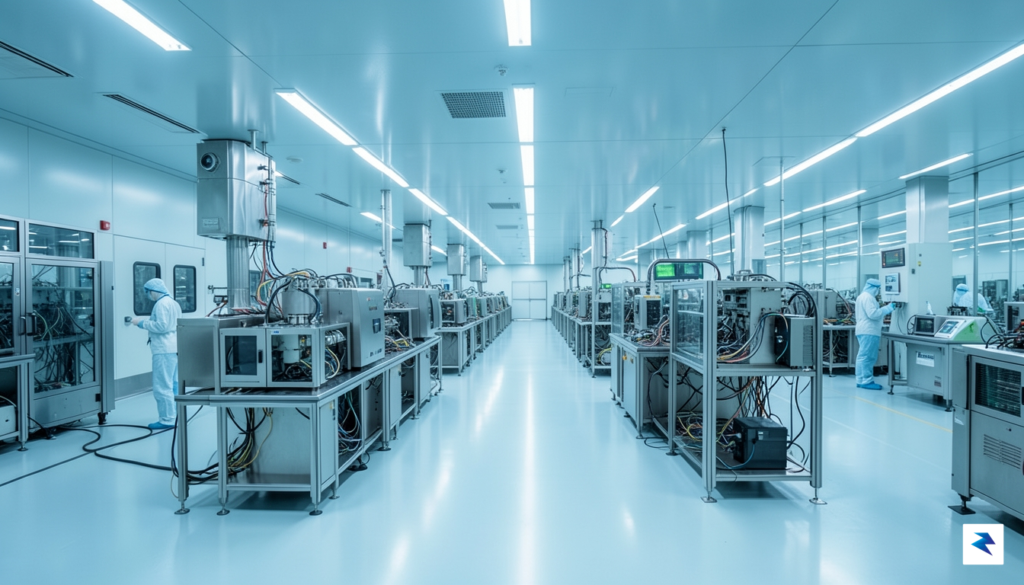
However, this intense public fervor often glosses over the fundamental economic volatility that defines the semiconductor industry. While the narrative of “guaranteed success” dominates the dinner table conversations of ambitious households, it frequently ignores the cyclical nature of the global tech market. The semiconductor sector is notoriously prone to “boom and bust” cycles, where massive capital investments and labor surges are periodically followed by sharp market contractions and inventory gluts. When global demand for consumer electronics or AI hardware dips, the very employees who were once heralded as the backbone of the national economy can find themselves navigating a precarious landscape of restructuring and reduced incentives. This inherent instability stands in stark contrast to the stable, linear career growth that many young students are being conditioned to expect.
The allure of the semiconductor industry lies in its promise of technological leadership, yet students must reconcile this excitement with the reality that the sector operates on the volatile heartbeat of global consumer demand and geopolitical trade friction.
To truly understand the implications of this vocational pipeline, one must look beyond the gleaming facades of the country’s high-tech manufacturing hubs. While the AI boom provides a robust tailwind for current employment opportunities, the transition from a high school classroom to a clean-room floor is fraught with rigorous educational demands and intense psychological pressure. The industry requires not only a mastery of complex physics and material science but also a high tolerance for the relentless pace of innovation. By examining how this educational pipeline is constructed, we can better discern whether the current surge in interest represents a sustainable long-term career strategy for the next generation, or if it is a reactionary response to the shimmering, yet sometimes deceptive, promise of a tech-driven utopia.
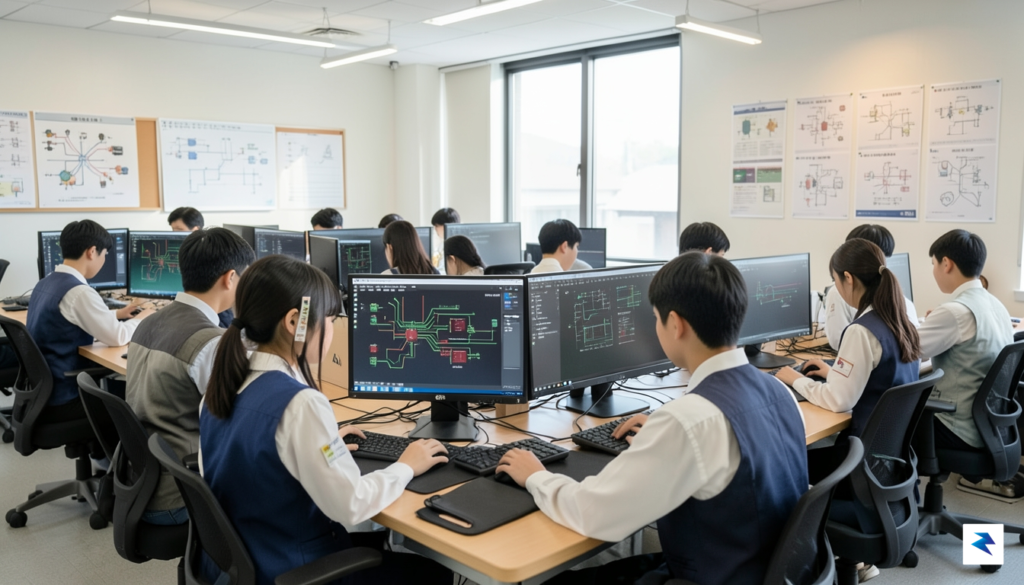
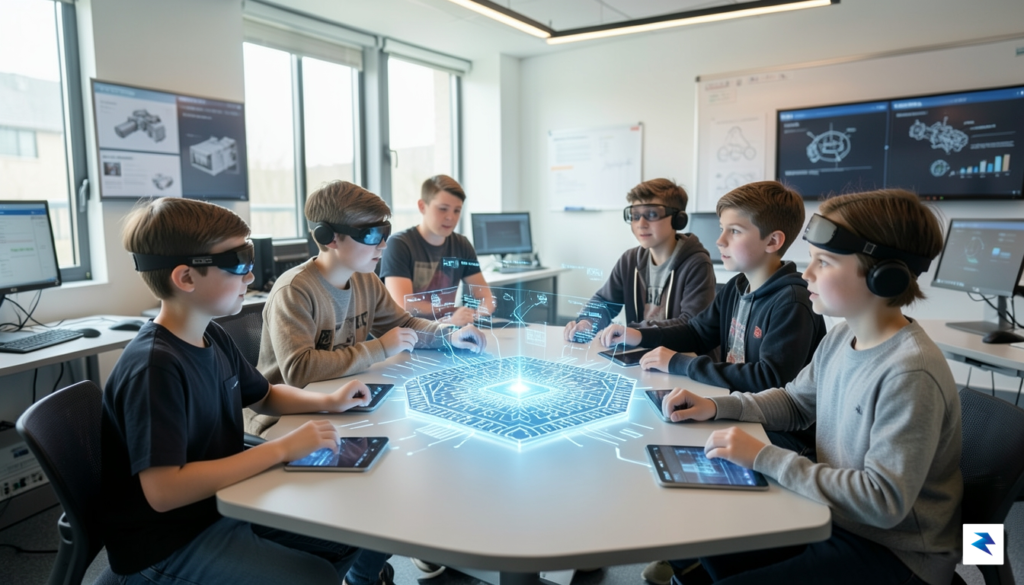
In recent years, the South Korean government has aggressively reconfigured its educational landscape to serve as a critical supplier for the nation’s semiconductor giants. Recognizing that the hyper-competitive global chip market requires a constant influx of technical proficiency, policymakers have incentivized high schools to transform into specialized training grounds. These vocational programs are no longer peripheral to the standard curriculum; instead, they are being tightly integrated with the operational needs of firms like Samsung and SK Hynix. By embedding industry-standard machinery and customized training modules directly into the classroom, the state is effectively bridging the gap between theoretical pedagogy and the high-stakes reality of the cleanroom floor.
This structural alignment relies on a symbiotic relationship between corporate entities and secondary education institutions. Companies frequently dispatch their own senior engineers to mentor students, effectively turning high school classrooms into pre-professional incubators. Through these collaborative efforts, tech firms gain early access to a pipeline of “work-ready” graduates, bypassing the need for extensive onboarding once these students reach the factory gate. This arrangement guarantees the companies a steady stream of labor, while simultaneously promising students a shortcut to employment in one of the country’s most lucrative sectors. However, this efficiency comes at a significant cost: the loss of broad-based academic exploration in favor of singular, specialized technical mastery.
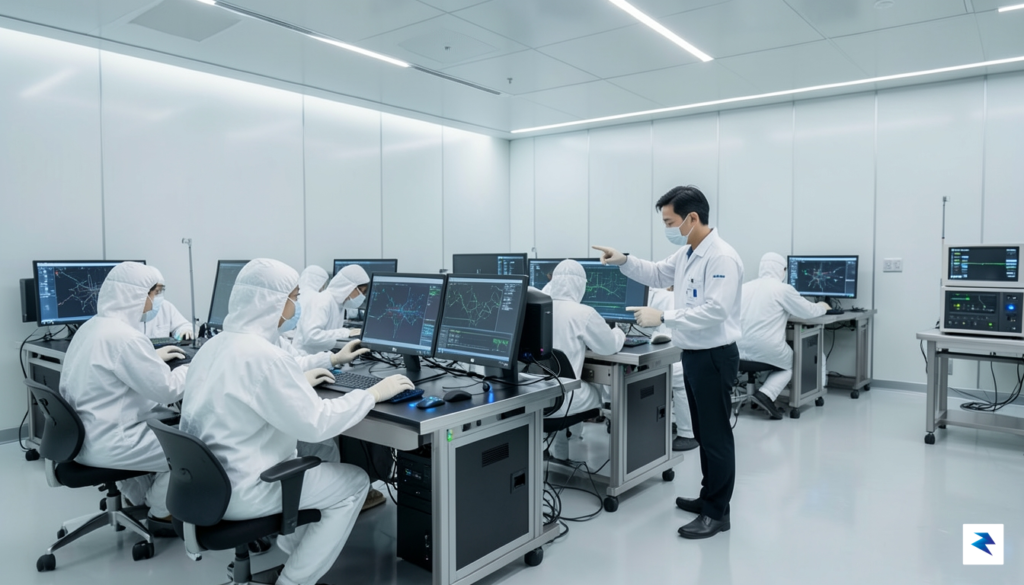
The pressure placed on these young students to commit to a singular technical path before reaching adulthood is profound. In a society where career prestige is often tied to employment at a handful of major conglomerates, many families view these vocational pipelines as a golden ticket to social stability. Yet, choosing a specialized track at the age of sixteen or seventeen inherently limits long-term career flexibility. When a student’s entire education is laser-focused on the maintenance of lithography machines or the intricacies of silicon wafer processing, they risk becoming hostages to the industry’s cyclical volatility.
The structural pivot toward early labor specialization reflects a broader national anxiety: that if the pipeline to the chip factory dries up, the engine of the national economy will falter.
Ultimately, while these programs provide an immediate solution to the labor shortages hindering the semiconductor industry, they raise uncomfortable questions about the future of the workforce. If the global market shifts or technological paradigms evolve, a generation of workers trained for a hyper-specific role may find themselves ill-equipped to pivot to new professional domains. By narrowing the educational horizon so early in life, South Korea is prioritizing the immediate, insatiable demands of the factory floor over the long-term, adaptable development of its youth, turning the classroom into a vital, yet potentially restrictive, extension of the industrial supply chain.

South Korea has cemented itself as the undisputed nerve center of the global semiconductor industry, functioning as the primary foundry for the digital age. This dominance is not merely a product of history but a result of the country’s strategic pivot toward High Bandwidth Memory (HBM). As Generative AI models grow exponentially in scale and complexity, they require specialized memory chips that can process vast amounts of data at lightning-fast speeds with minimal power consumption. South Korean titans like Samsung Electronics and SK Hynix have become the essential architects of this infrastructure, effectively controlling the supply chain that powers everything from massive language model data centers to the sophisticated chips inside our personal devices.
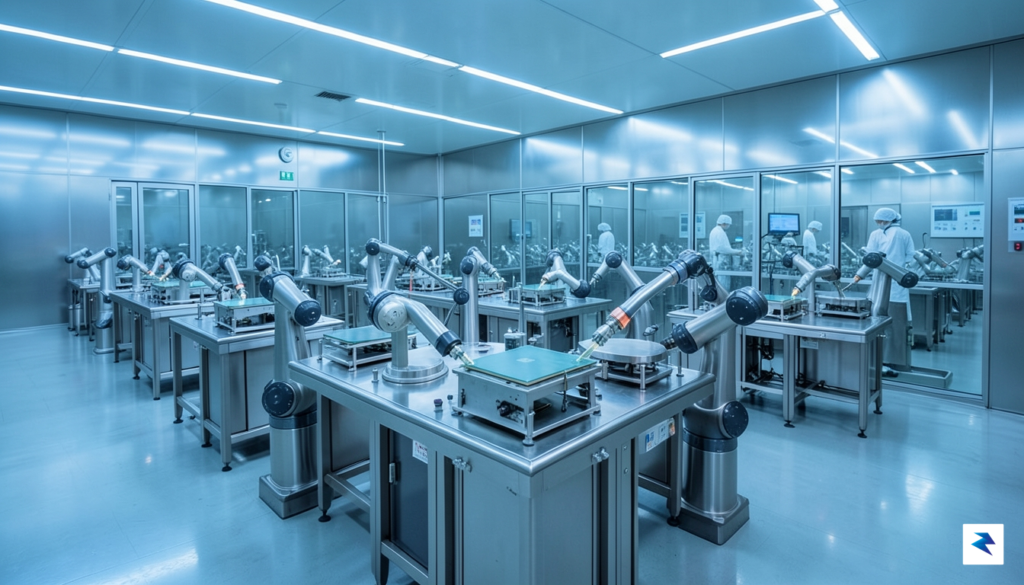
The strategic necessity of these components has turned South Korean manufacturing facilities into the most critical nodes of the global economy. Because these firms hold a near-monopoly on the high-end memory required for AI training, the global tech sector’s progress is tethered to the output of these sprawling factory complexes. This intense, insatiable demand from the international market has translated into record-breaking corporate profits, which the firms are now reinvesting into unprecedented physical and human capital expansion. Consequently, the industry is no longer just looking for veteran engineers; they are aggressively lowering the barrier to entry to build a massive, pipeline-ready workforce capable of operating and maintaining these intricate production lines.
The shift toward AI-centric hardware has transformed memory chips from a commodity into the most valuable asset in the tech stack, placing South Korea at the epicenter of a new industrial revolution.
To sustain this rapid growth, major manufacturers are actively dismantling traditional hiring bottlenecks. By partnering directly with specialized high schools and technical colleges, these corporations are creating a direct pipeline that funnels young talent into entry-level manufacturing roles. This strategy is driven by the realization that the sheer volume of AI-driven demand will continue to climb for the foreseeable future. By securing a steady stream of entry-level staff, firms can ensure that their production capacity keeps pace with global hunger, effectively turning the next generation of South Korean graduates into the backbone of the global AI infrastructure.

For many high school graduates, the allure of a high-paying position in a semiconductor plant is immediate and undeniable. However, the reality of life inside the cleanroom often contrasts sharply with the initial promises of financial stability. Beyond the physical exhaustion of 12-hour shifts and the repetitive, high-stakes nature of manufacturing, workers face a grueling psychological toll. The environment is one of constant surveillance and extreme precision, where a single human error can lead to millions of dollars in losses. This pressure-cooker atmosphere, combined with the isolation of working in controlled environments, can lead to rapid burnout, leaving young professionals questioning whether the generous starting salary is worth the erosion of their long-term well-being.
Furthermore, the semiconductor industry is notoriously cyclical, tethered to the volatile whims of global consumer demand and geopolitical trade tensions. When the market shifts, the “pipeline” that once felt like a secure highway to the middle class can quickly become a bottleneck of uncertainty. Job security is rarely guaranteed, as layoffs often follow the boom-and-bust cycles that define the tech sector. Employees who enter this field through vocational tracks often find themselves uniquely vulnerable during these downturns; their specialized skill sets are often so narrowly focused on specific fabrication processes that they struggle to transition into other sectors if their particular plant scales back operations or shutters entirely.

Perhaps the most significant, yet often overlooked, challenge lies in the lack of a transparent career ladder. While the path from a high school diploma to the factory floor is well-paved and highly institutionalized, the route to middle or upper management is frequently obscured. Many vocational hires discover that their practical experience in fabrication does not always translate into the theoretical or engineering credentials required for promotion. Consequently, many workers find themselves trapped in lateral positions, performing the same rigorous tasks for years without a clear trajectory toward professional growth or leadership roles. This structural limitation creates a “career plateau” that can leave ambitious individuals feeling stagnant, despite having spent years at the core of one of the world’s most advanced industries.
The transition from a high school classroom to a hyper-specialized manufacturing environment offers immediate financial rewards, but it often sacrifices the professional versatility needed to navigate a lifetime of market fluctuations.
Ultimately, relying on a single, monolithic industry for one’s entire career is a strategy fraught with hidden risks. As automation and artificial intelligence begin to permeate the factory floor, the very tasks that entry-level workers are currently performing may become obsolete within the next decade. Without a broader educational foundation or a commitment to continuous upskilling that extends beyond the factory’s walls, these employees risk becoming casualties of the very technological progress they helped produce. For the next generation of workers, the challenge is not just finding a job, but ensuring that their early career choices provide a sturdy foundation for an unpredictable future.

The allure of South Korea’s semiconductor industry—often framed as a guaranteed ticket to economic stability—demands a more nuanced evaluation from students and their families. While the “high school pipeline” provides a fast-track into the heart of the nation’s tech giants, this path is not merely a destination but a rigorous commitment to a volatile and demanding sector. Prospective students must weigh the immediate financial security of these roles against the intense, high-pressure environments of chip fabrication plants. Making an informed decision requires looking past the prestige of the industry to understand the cyclical nature of global tech demand, which can shift rapidly as market conditions evolve.
For those determined to pursue this career trajectory, the most effective strategy involves balancing specialized technical training with the development of versatile, transferable skills. While mastering the intricacies of cleanroom operations or semiconductor logic is essential, the rapid integration of artificial intelligence into manufacturing processes means that rigid skill sets may eventually face obsolescence. Students who augment their vocational training with proficiency in data analysis, adaptive problem-solving, and cross-functional communication will be far better equipped to pivot should industry trends shift. By treating technical education as a foundation rather than a ceiling, young professionals can ensure they remain relevant in an era defined by constant technological disruption.
Success in the semiconductor sector is increasingly dependent on the ability to remain agile; the technical skills of today are the baseline for the innovations of tomorrow.
Ultimately, the resilience of the South Korean tech labor market remains a powerful testament to the nation’s dedication to remaining a global leader in innovation. Even as the industry faces pressures from international competition and the complexities of the geopolitical landscape, the foundational importance of chips in the AI era ensures that the sector will continue to be a primary economic engine. Families should approach these career choices as a marathon rather than a sprint, prioritizing long-term professional sustainability over immediate placement. By fostering a mindset of continuous learning and cautious optimism, the next generation can navigate the complexities of the tech landscape, ensuring they contribute to the nation’s legacy while securing their own professional future.
You must be logged in to post a comment.