Is the AI Bubble Bursting? What the IBM Stock Crash Means for Software
The IBM Reality Check: Understanding the Market Reaction The recent turbulence surrounding IBM’s stock performance has served as a sobering…
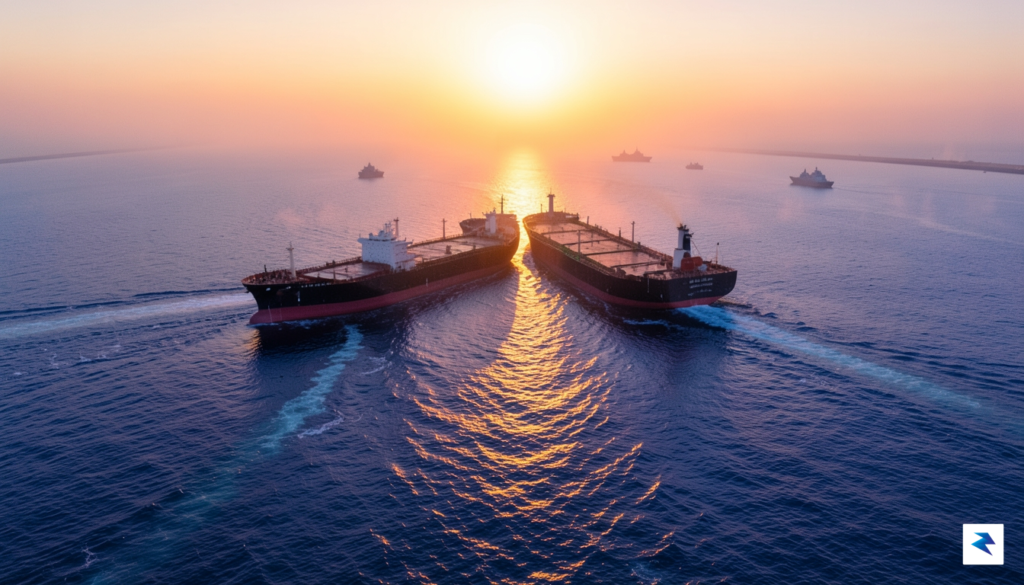
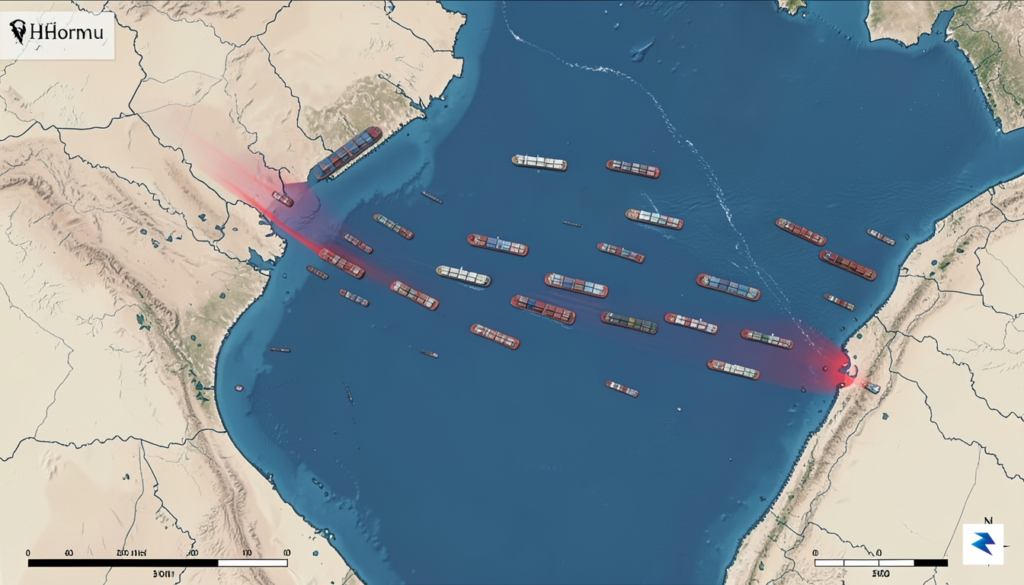
The Strait of Hormuz is not merely a body of water; it is arguably the most vital artery of the global economy. Stretching only 21 miles at its narrowest point, this maritime chokepoint serves as the primary gateway for crude oil flowing from the Persian Gulf to the rest of the world. Every single day, approximately 20 to 30 percent of the world’s total petroleum consumption traverses these waters, making it an indispensable conduit for international energy security. Because there are no viable, high-capacity pipeline alternatives that can bypass this bottleneck, any disruption here creates an immediate, cascading effect on global fuel prices, supply chains, and industrial output.
Historical tensions between the United States and Iran have frequently manifested within these narrow shipping lanes, transforming the region into a perpetual geopolitical flashpoint. For decades, the area has seen a cycle of naval posturing, sanctions, and military exercises that keep energy traders on edge. The recent decision by the United States to reinstate a strict blockade on Iranian-controlled ports within the Strait is the latest escalation in this long-standing maritime standoff. By effectively restricting access and monitoring transit, Washington is attempting to exert maximum pressure on Tehran, yet the move has simultaneously tightened the global supply of oil, causing immediate volatility in the markets.
The mechanics of this blockade are designed to intercept and inspect vessels suspected of violating international sanctions, effectively acting as a filter for global maritime commerce. Because the shipping lanes are so narrow, even minor naval maneuvers or increased bureaucratic scrutiny can cause significant delays in transit times for tankers. This logistical friction is precisely what markets fear most; when the flow of oil is threatened, the immediate reaction is a spike in futures prices as importers scramble to secure supply.
The Strait of Hormuz functions as the world’s energy jugular; when it is squeezed, the entire global economy feels the pressure in the form of rising inflation and energy costs.
Ultimately, the fragility of the Strait of Hormuz lies in its lack of redundancy. Unlike other major shipping routes that offer alternative paths, there is no way to move millions of barrels of crude oil from the Persian Gulf to international markets without passing through this specific corridor. As long as this geopolitical standoff continues, the global energy supply will remain hostage to the stability of these narrow waters, leaving the world vulnerable to any further escalation in the U.S.-Iran conflict.

As news of the U.S. decision to reinstate a blockade on Iranian exports rippled across global trading desks, both Brent and WTI crude futures experienced an immediate and aggressive upward trajectory. This surge was not merely a reaction to current inventory levels but rather a calculated response to the sudden contraction of anticipated future supply. When major geopolitical shifts threaten the stability of vital energy corridors, markets instinctively pivot toward a defensive posture, pricing in the potential for a severe supply-side shock long before the first tanker is actually diverted. The swiftness of this movement underscores the hyper-sensitive nature of modern energy markets, where algorithmic trading and human sentiment converge to amplify price fluctuations in real-time.
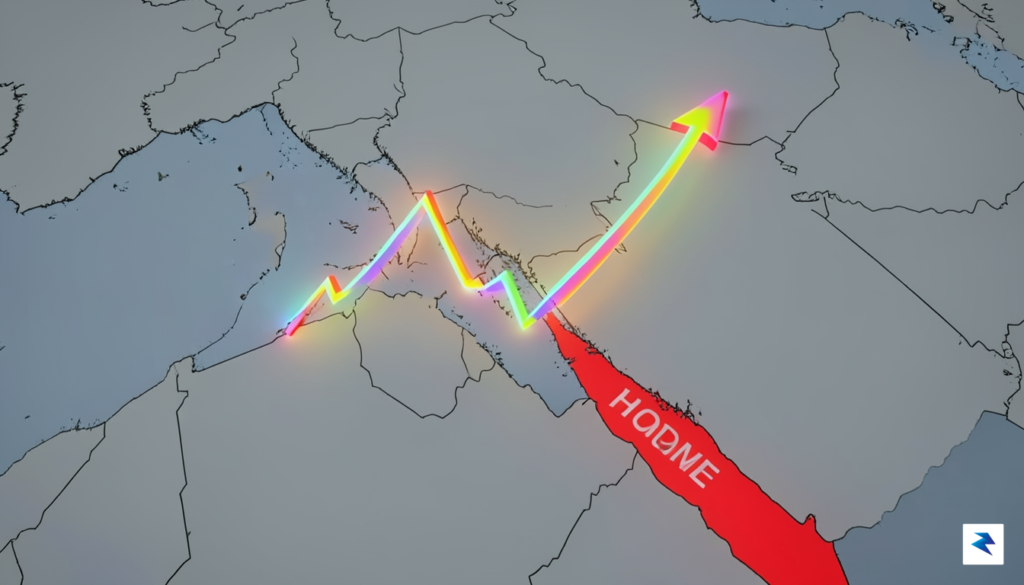
Central to this price action is the concept of the “geopolitical risk premium,” an additional cost that buyers are willing to pay to hedge against the uncertainty of future supply disruptions. In normal market conditions, oil prices reflect the balance between global demand and physical output; however, when tensions flare in regions as critical as the Strait of Hormuz—the world’s most important oil transit chokepoint—that balance is eclipsed by fear. Traders must account for the possibility that a blockade could escalate into a wider regional conflict, effectively removing millions of barrels from the global market overnight. This premium acts as a buffer, compensating investors for the risk that they might be caught holding long positions during a period of extreme physical scarcity.
The risk premium is essentially a tax on uncertainty; as the probability of a supply disruption climbs, the market forces a higher price floor to discourage speculative selling during turbulent times.
While speculative trading often accelerates the pace of these rallies, it is important to distinguish this behavior from actual physical shortages. Speculators and institutional investors often move in anticipation of supply chain bottlenecks, effectively “front-running” the physical market. Unlike the oil shocks of the 1970s, which were defined by prolonged, tangible shortages at the pump, today’s volatility is largely driven by the expectation of disruption. Consequently, while current inventories remain relatively robust, the market is pricing in a future where the margin for error is razor-thin. If the blockade persists, the transition from a speculative risk premium to a reality of physical scarcity may force prices significantly higher, testing the resilience of global economies that remain heavily reliant on stable, uninterrupted maritime flow.
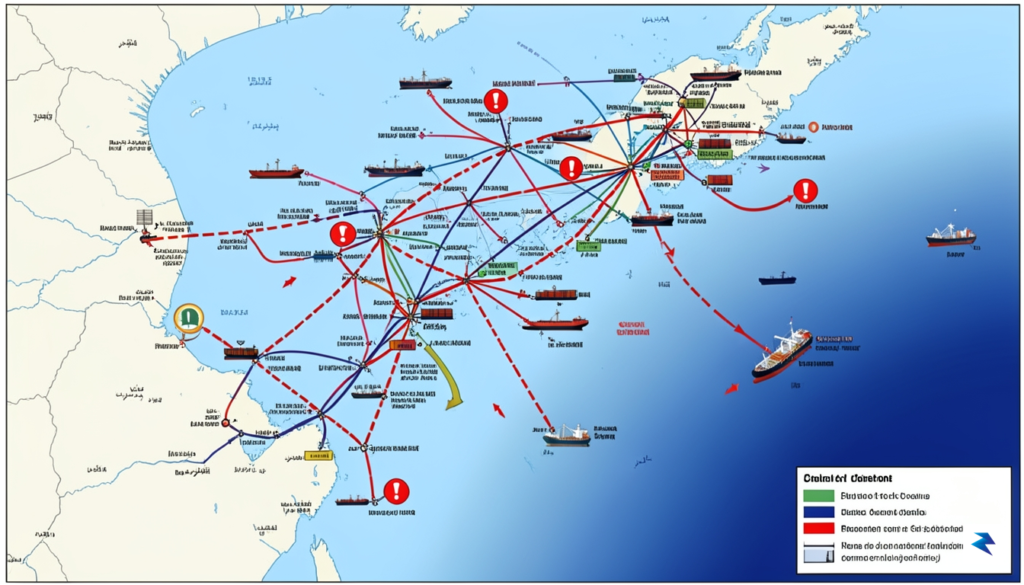
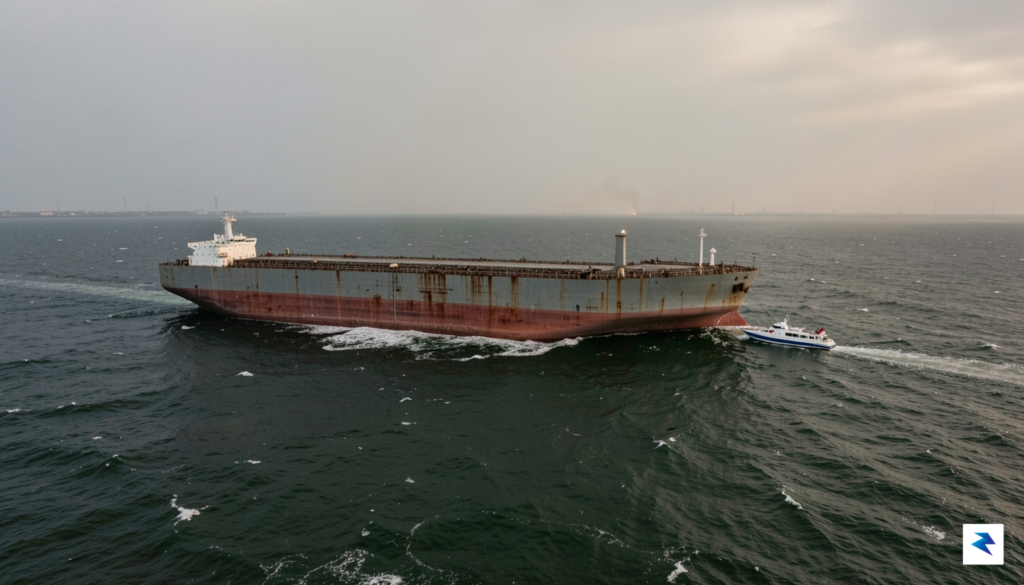
The immediate surge in global oil prices is merely the most visible symptom of a deeper, more systemic problem: a profound degradation of maritime logistics. When a critical chokepoint like the Strait of Hormuz becomes a restricted zone, the physical reality for shipping companies shifts from standard transport to high-stakes maneuvering. Tankers are no longer simply moving from point A to point B; they are now forced to integrate complex security protocols that involve constant communication with naval patrols, radar evasions, and, in many cases, lengthy waits in holding patterns. These logistical hurdles act as a literal brake on the global supply chain, transforming what was once a streamlined “just-in-time” delivery model into a staggered, unreliable schedule that frustrates refiners and end-users alike.
Compounding these physical delays is the skyrocketing cost of maritime insurance. As the region is reclassified as a high-risk combat zone, underwriters have aggressively hiked “war risk” premiums, which can add hundreds of thousands of dollars to the cost of a single voyage. These costs are not absorbed by the shipping lines; instead, they are inevitably passed down to the consumer at the pump. Furthermore, the sheer financial burden and physical danger have compelled many captains to adopt “slow-steaming” practices. By reducing speed to conserve fuel and time their arrival for safer convoy windows, these vessels effectively reduce the global fleet’s total throughput capacity, creating an artificial scarcity of oil on the market even when production levels remain steady.
The inefficiency of rerouting is not just a matter of extra fuel; it is a fundamental disruption to the global inventory clock, where a delay of just a few days can trigger a cascade of shortages in regional storage hubs.
Beyond the immediate delays, the decision to reroute tankers entirely—bypassing the Strait of Hormuz in favor of longer, safer, yet more circuitous paths—creates a massive drag on delivery timelines. This rerouting forces vessels to spend days or even weeks longer at sea, effectively removing millions of barrels of oil from active circulation. As these tankers remain in transit, global inventory levels at critical refineries begin to dwindle, forcing energy companies to dip into emergency reserves just to maintain operational continuity. The ripple effect is total: it touches the manufacturer waiting for raw petrochemicals, the power plant requiring fuel for electricity, and the daily commuter facing rising costs at the pump. Until the logistical pathways are restored to their standard efficiency, the energy market will remain trapped in this cycle of volatility and supply-side constraints.

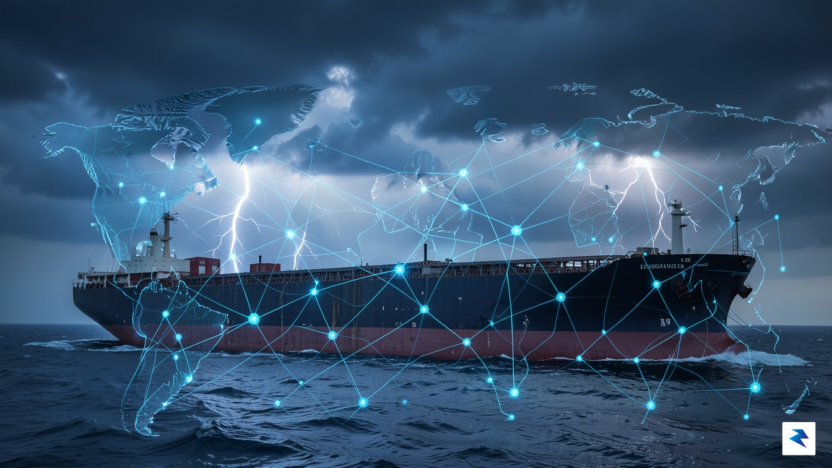
The recent surge in crude oil prices serves as a stark reminder that energy remains the lifeblood of the global economy. Because oil is a foundational input for nearly every sector—from the manufacturing plants that churn out consumer goods to the logistics networks that deliver them—a sudden restriction in supply inevitably triggers a cascading effect. When energy becomes more expensive, the cost of production rises, forcing companies to pass those expenses down the line. This dynamic creates a direct pressure point on the Consumer Price Index (CPI), as the cost of living becomes inextricably linked to the volatile price of a barrel of oil.
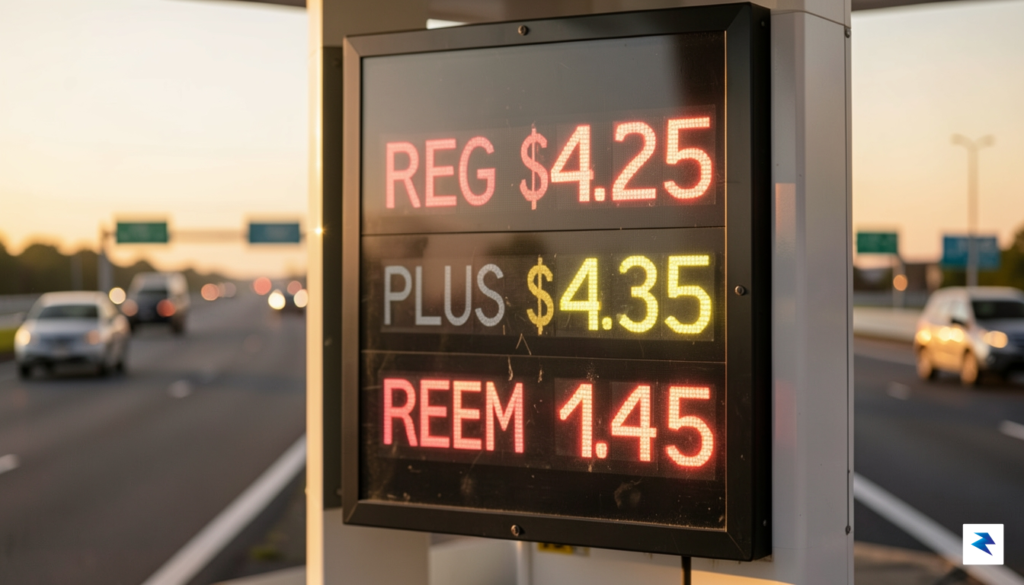
Transportation costs are perhaps the most immediate and visible manifestation of this economic ripple. Whether goods are moved by long-haul trucking, maritime shipping, or air freight, fuel accounts for a significant portion of the total operating budget. As fuel surcharges climb, retailers find their margins squeezed, eventually leading to higher shelf prices for everything from groceries and clothing to electronics. Furthermore, the impact is not limited to the physical movement of goods; energy-intensive processes like chemical manufacturing and agricultural fertilization rely heavily on oil and gas derivatives, meaning that a spike in energy prices can fundamentally inflate the cost of raw materials before a product is even finished.
The core challenge of energy-driven inflation is its pervasive nature; it does not simply hit the gas pump, but permeates the entire supply chain, leaving virtually no household budget untouched.
This inflationary trend presents a difficult dilemma for central banks, which have been struggling to stabilize markets following years of economic turbulence. If energy costs continue to climb, they threaten to derail the progress made in cooling headline inflation, potentially forcing policymakers to maintain higher interest rates for longer than previously anticipated. For the average consumer, this translates into a double-edged sword: not only does the cost of daily necessities increase, but the borrowing costs for mortgages, auto loans, and credit cards may stay elevated as central banks attempt to curb the broader inflationary pressure. As households tighten their belts to accommodate these rising expenses, consumer discretionary spending is likely to slow, creating a drag on overall economic growth that could ripple through the financial markets for months to come.
Ultimately, the blockade in the Middle East is more than just a geopolitical headline; it is a catalyst for a cooling in household purchasing power. As families navigate this landscape, the focus shifts toward managing essential costs while anticipating potential adjustments in monetary policy. While the immediate focus remains on the supply of crude, the true cost will be measured in the wallets of everyday citizens who must balance the rising price of energy against their own financial stability.

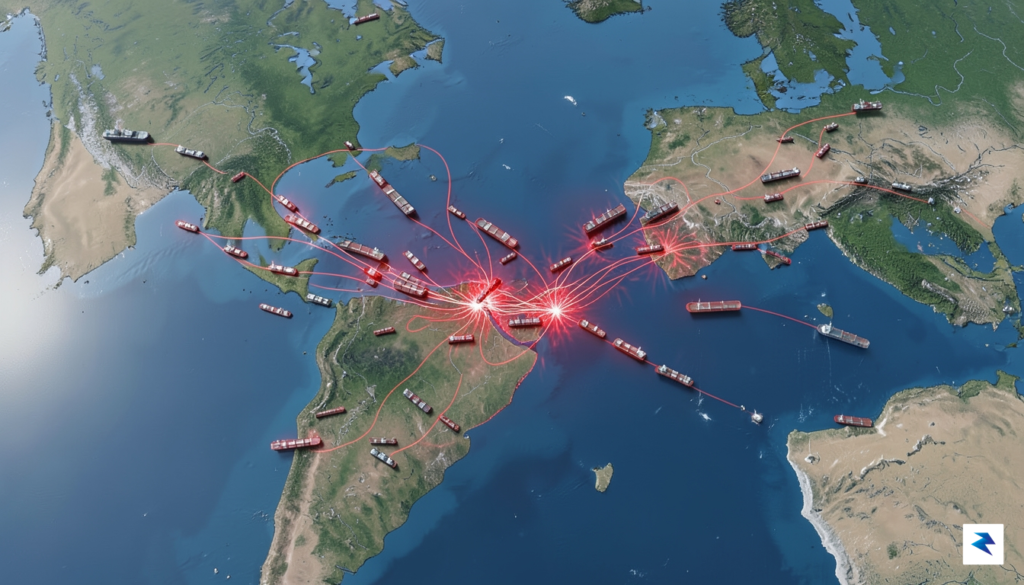
As the geopolitical situation in the Strait of Hormuz continues to evolve, market participants are bracing for a period of heightened volatility. Whether this blockade manifests as a fleeting period of tension or escalates into a sustained supply crisis depends heavily on the interplay between international diplomatic channels and the inherent resilience of global energy logistics. In the short term, traders are pricing in a “risk premium” as uncertainty regarding tanker safety and transit times rattles futures markets. However, should the impasse persist, the focus will likely shift from transient price spikes to structural concerns regarding the long-term stability of Middle Eastern energy exports.
The United States occupies a unique position in this unfolding narrative, largely due to the maturation of domestic shale production and the strategic deployment of the Strategic Petroleum Reserve (SPR). Unlike the energy shocks of the 1970s, modern North American production capacity provides a crucial buffer that can help stabilize domestic markets even when global supply chains face disruption. Policymakers are now weighing the necessity of releasing reserves to dampen inflationary pressure against the need to preserve these stockpiles for potential future escalations. This balancing act will be a defining factor in how severely the average consumer feels the impact of these geopolitical maneuvers at the fuel pump.
For long-term investors and consumers alike, the current environment serves as a stark reminder that energy costs remain tethered to unpredictable geopolitical variables, necessitating a strategy built on diversification rather than reliance on single-source energy models.
For long-term investors, the key to navigating this turbulence lies in re-evaluating exposure to traditional fossil fuel assets versus renewable energy alternatives. While energy stocks may see short-term gains due to rising oil prices, the unpredictability of the Strait of Hormuz highlights the systemic risk inherent in global oil dependency. Diversifying a portfolio to include companies focused on energy efficiency and transition technologies can act as a natural hedge against the volatility of the oil markets. Meanwhile, energy-conscious consumers should prioritize long-term efficiency investments—such as upgrading home insulation or transitioning to more fuel-efficient transportation—to mitigate the impact of unpredictable price fluctuations that are likely to characterize the coming months.
Ultimately, while the immediate headlines focus on the blockade, the broader trend points toward an accelerating global effort to decouple economic stability from the vulnerability of narrow maritime chokepoints. As markets adjust to this “new normal,” the ability of nations to maintain diverse energy portfolios will determine their economic health. Through prudent risk management and a shift toward sustainable energy infrastructure, both individuals and institutions can reduce their vulnerability to the unpredictable tides of international conflict.
You must be logged in to post a comment.