The New Math of San Francisco: Why $180,000 Isn’t Enough Anymore
The New Stratification: Why $180,000 No Longer Defines Wealth in SF For decades, the six-figure salary served as the undisputed gold standard…
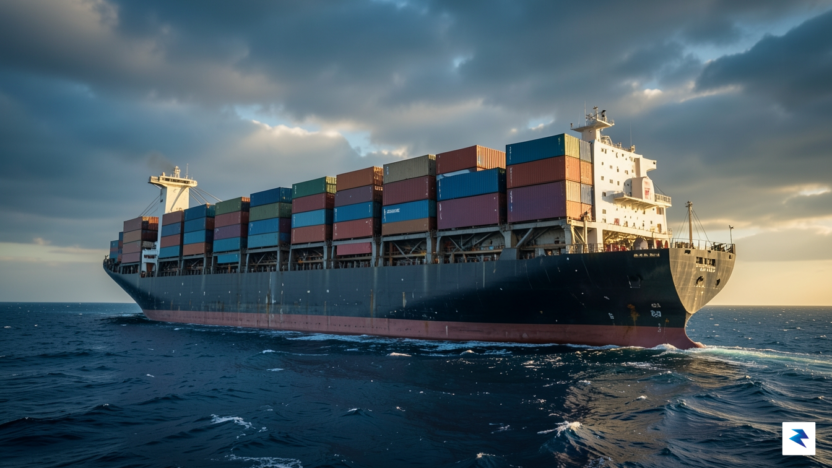
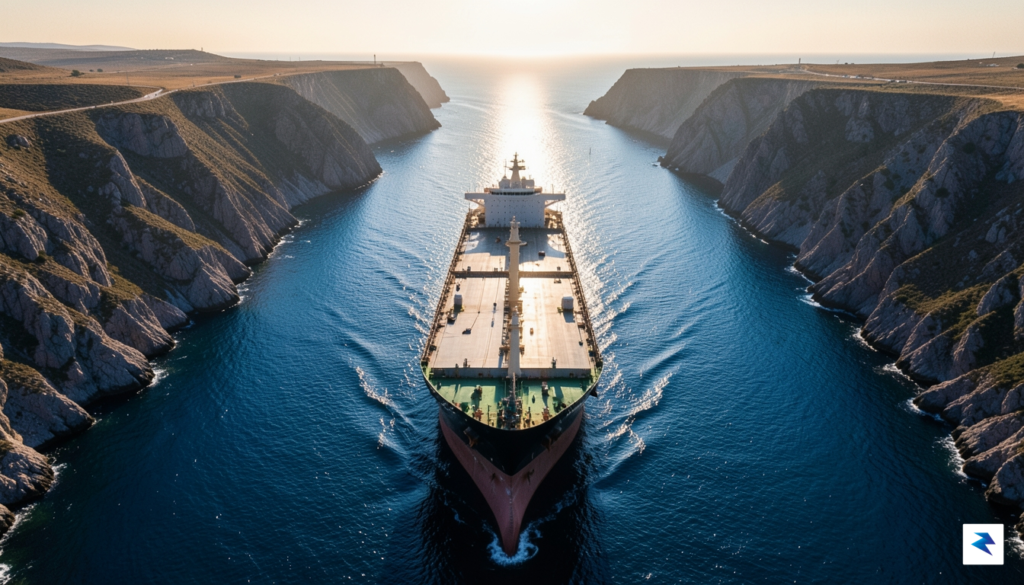
The Strait of Hormuz stands as perhaps the most vital maritime artery in the modern global economy, serving as the primary conduit for energy supplies that power industrialized nations. Stretching roughly 90 miles long and narrowing to just 21 miles at its tightest point, this waterway connects the Persian Gulf to the Gulf of Oman and the broader Arabian Sea. Because the shipping lanes within the strait are restricted to only two miles wide in each direction—separated by a narrow buffer zone—the area is uniquely susceptible to disruption. Any tactical maneuvering or regional military escalation within these constrained channels carries immediate, outsized consequences for the flow of approximately 20% of the world’s total petroleum consumption, making it an undisputed linchpin of international energy security.
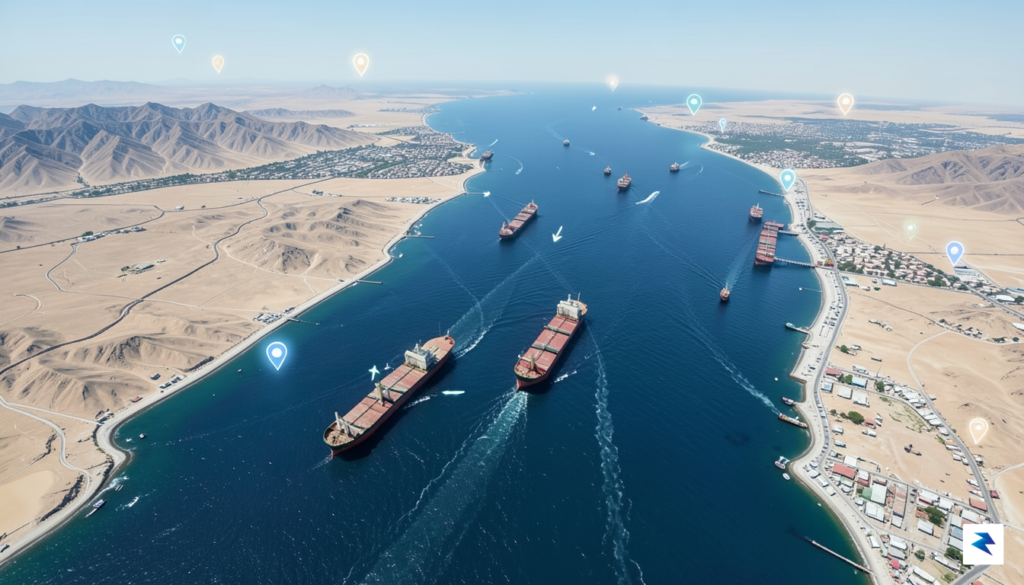
The sheer volume of energy transit passing through this corridor is staggering. On any given day, an average of 20 to 21 million barrels of oil, alongside significant quantities of liquefied natural gas (LNG), traverse these waters destined for major markets across Asia, Europe, and the United States. For countries like Japan, South Korea, and China, the strait is not merely a trade route but a lifeline; these nations rely heavily on the consistent arrival of tankers to meet their domestic energy needs. Even a temporary blockage or a significant increase in insurance premiums for vessels operating in this zone can trigger immediate price volatility in global oil markets, demonstrating how the economic health of distant nations is inextricably tied to the stability of this specific geographic bottleneck.
The Strait of Hormuz functions as the global economy’s primary pulse point; when the flow of energy through this narrow passage is threatened, the shockwaves are felt instantly in gas stations and manufacturing hubs across every continent.
Historical precedents serve as a stark reminder of how quickly the situation in the region can deteriorate, impacting global stability. During the “Tanker War” of the 1980s, the strait became a theater of conflict, proving that geopolitical tensions between regional powers can effectively paralyze transit lanes and necessitate international naval intervention to protect commercial shipping. Because modern energy markets are highly sensitive to “risk premiums”—the extra costs added to shipping due to the threat of conflict—the mere perception of danger can cause logistics companies to divert vessels, increase security measures, or halt operations entirely. Consequently, the strategic importance of the Strait of Hormuz is defined not only by the physical volume of resources it carries but also by its role as a psychological anchor for global market confidence. When security in the strait wavers, the entire framework of international trade faces a significant test of resilience.
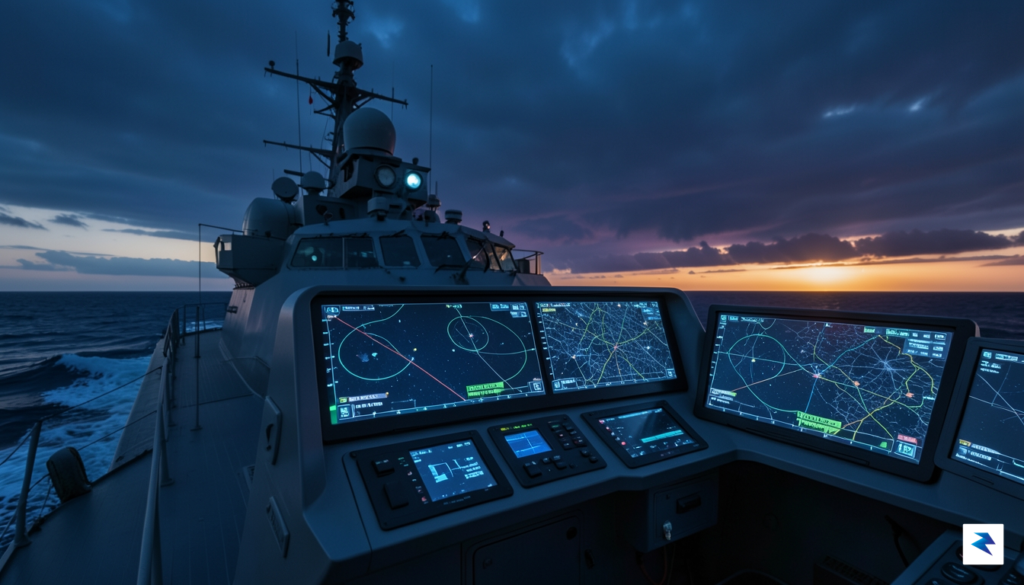
The maritime landscape of the Middle East, once defined by the predictable rhythms of global trade, has undergone a seismic shift as the exchange of military strikes between U.S. and Iranian forces transitions from geopolitical posturing to active, kinetic conflict. For decades, the Strait of Hormuz acted as a vital artery for the world’s energy supply, largely resilient to the simmering tensions between regional powers. However, the recent escalation—characterized by direct engagement rather than proxy maneuvers—has forced commercial shipping conglomerates to fundamentally rewrite their risk assessments. What was once viewed as a manageable operational hazard is now increasingly categorized as an active theater of potential warfare, prompting a significant and immediate withdrawal of vessels from the region.
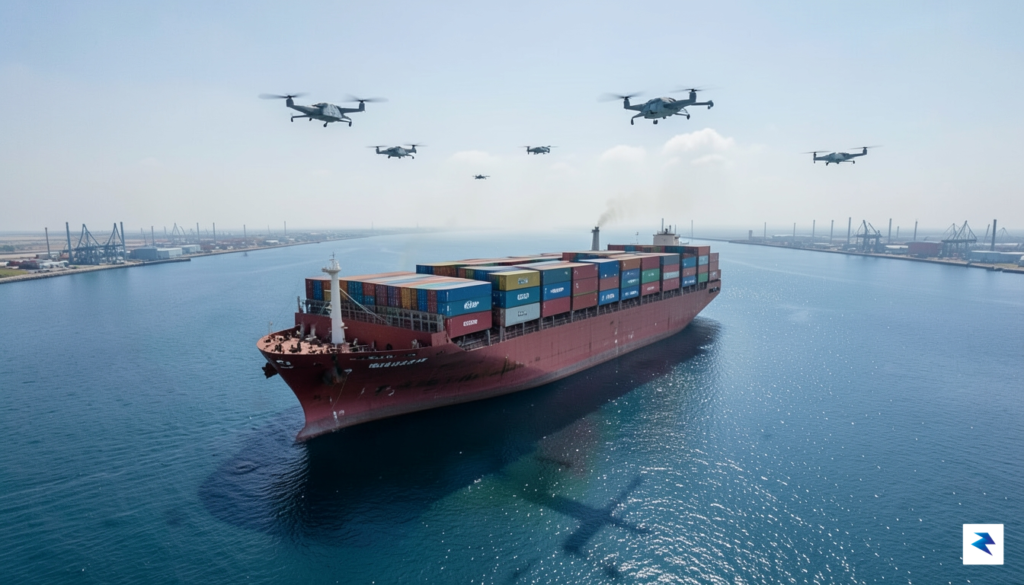
This pivot toward direct confrontation has introduced a level of volatility that traditional maritime insurance and logistics models are ill-equipped to handle. Fleet operators are no longer merely worried about isolated incidents of harassment; they are now forced to account for the possibility of being caught in the crossfire of a broader regional conflict. Consequently, the psychological toll on ship captains and crews cannot be overstated. Navigating these waters now requires an heightened, round-the-clock vigilance that induces immense stress, as the difference between a routine transit and a security crisis has narrowed to a matter of minutes. When uncertainty becomes the default setting for a crew, the efficiency of global supply chains inevitably grinds to a halt, leading to the sharp decline in traffic observed over the past several weeks.
The shift from indirect signaling to direct kinetic strikes has transformed the Strait of Hormuz from a commercial thoroughfare into a high-stakes maritime buffer zone, forcing global shipping firms to prioritize crew safety and insurance viability over traditional transit routes.
The role of international maritime security patrols, while historically intended to provide a stabilizing presence, is now complicated by the rapid pace of geopolitical shifts. Even with naval escorts and increased surveillance, the threat environment remains fluid, leaving shipping companies in a state of perpetual apprehension. Because the parameters of the conflict can change with a single strike or counter-strike, fleet managers are opting to reroute long-haul vessels around the Cape of Good Hope rather than risk the unpredictability of the Persian Gulf. This mass departure is not merely a reaction to current events; it is a calculated response to the reality that the Strait is no longer a neutral space, but a focal point of a volatile and unpredictable military standoff.
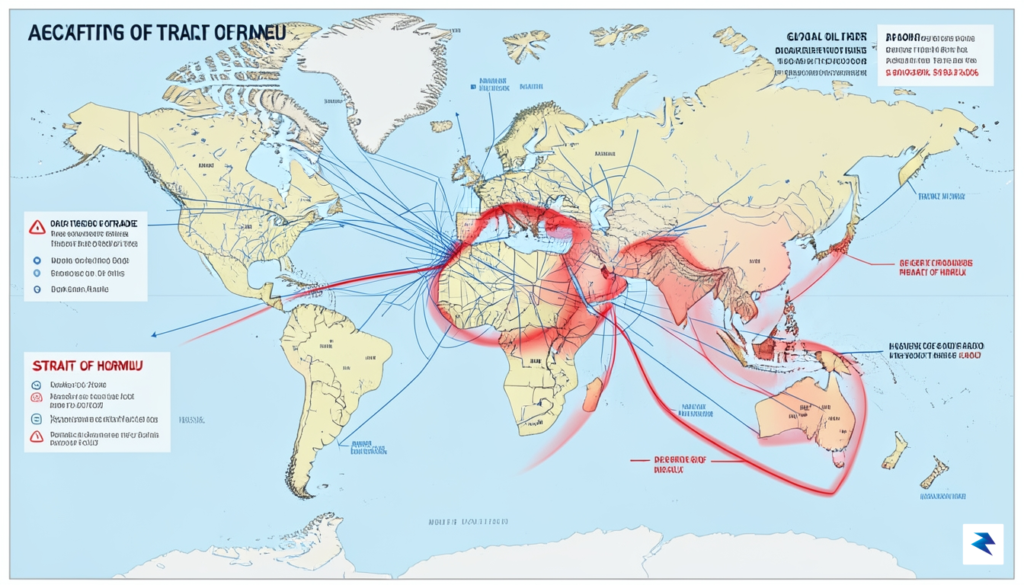
The Strait of Hormuz acts as the world’s most critical maritime chokepoint, and when transit through this narrow passage falters, the economic tremors are felt in every corner of the globe. Because a significant portion of the world’s daily petroleum production flows through these waters, any hesitation by shipping companies to navigate the region triggers an immediate and volatile reaction in crude oil markets. When tanker traffic slows or diverts, the reduced supply availability creates a classic scarcity scenario, driving up energy prices almost instantaneously. This spike in the cost of fuel does not stop at the pump; it permeates the entire industrial sector, raising the baseline costs for manufacturing, electricity generation, and heavy transportation.
Beyond the immediate surge in energy prices, the disruption of shipping schedules creates a cascading effect that throttles global supply chains. Manufacturers rely on just-in-time delivery models to maintain efficiency; when vessels are forced to take longer, circuitous routes to avoid the risks posed by regional instability, production timelines are inevitably pushed back. These delays often manifest as inventory shortages for essential components, forcing factories to throttle output or halt assembly lines entirely. As goods become scarcer, the basic laws of supply and demand dictate that prices for finished products—ranging from consumer electronics to essential household items—begin an upward climb that stresses the budgets of everyday households.
The fragility of the modern global economy is never more apparent than when the flow of energy is threatened; a few days of diverted shipping can result in months of inflationary pressure for the average consumer.
Furthermore, the financial burden is exacerbated by the sharp increase in operational overheads for maritime logistics firms. As the risk profile of the Strait of Hormuz rises, insurance underwriters are quick to hike war-risk premiums for vessels entering the area. These additional expenses are rarely absorbed by the shipping companies themselves; instead, they are passed down the supply chain in the form of higher freight rates. When combined with the rising costs of fuel and the inefficiency of longer transit times, these expenses contribute to a persistent inflationary environment. Ultimately, the decision to pull back shipping assets creates a domino effect, turning a localized geopolitical standoff into a widespread economic challenge that complicates monetary policy and strains the purchasing power of consumers worldwide.
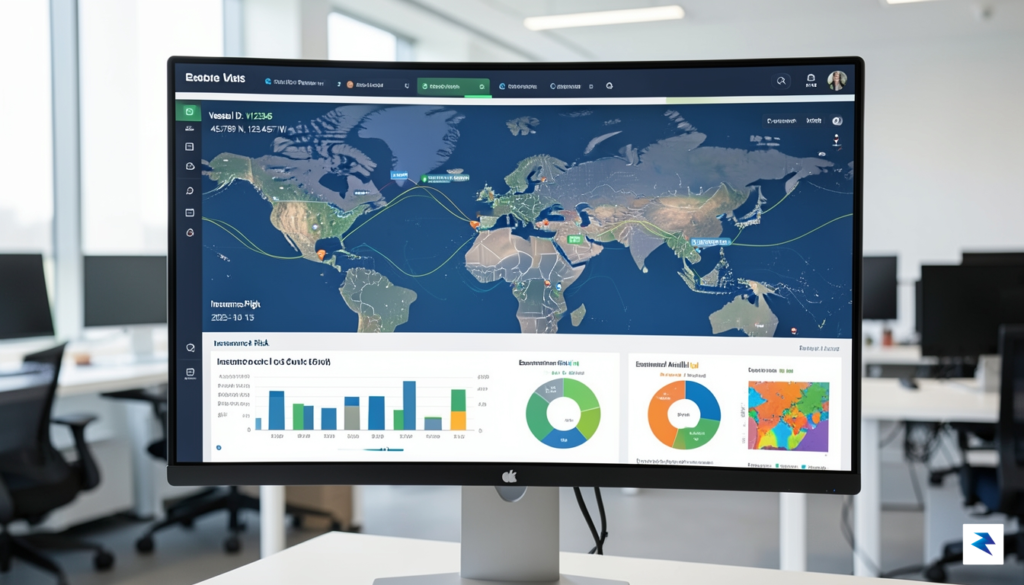
The escalating volatility surrounding the Strait of Hormuz has forced fleet managers to transition from standard operational protocols to a rigorous, high-stakes risk assessment model. At the heart of this shift is the surge in “war risk” insurance premiums. Unlike standard maritime coverage, these premiums are calculated based on real-time threat assessments, often spiking overnight in response to geopolitical posturing or kinetic military actions. For many operators, the cost of securing a vessel for a single transit through these contested waters has reached levels that threaten the thin profit margins of global trade. Consequently, maritime firms are no longer viewing these costs as simple overhead, but as a fundamental variable that dictates whether a voyage remains economically viable.
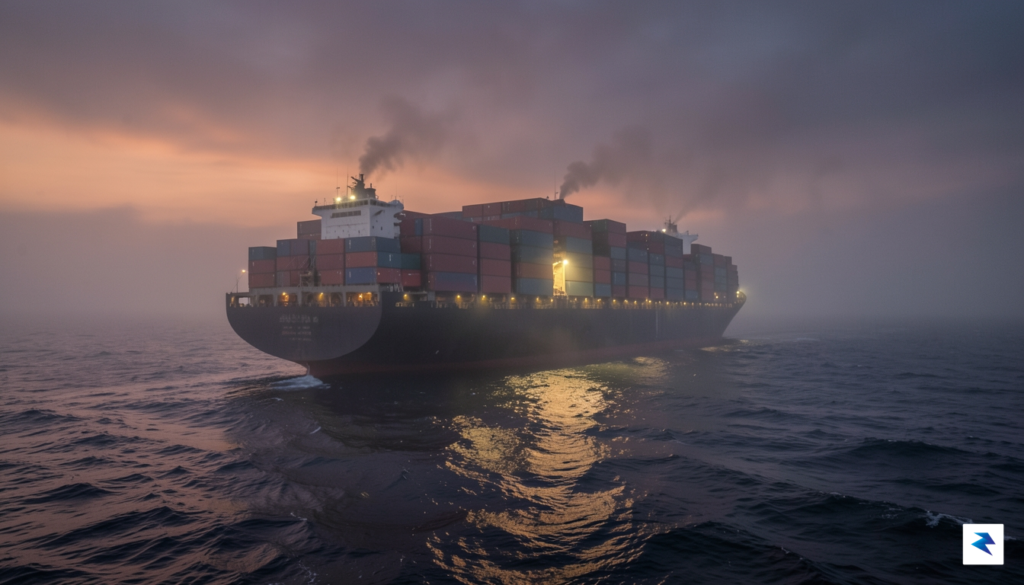
When fleet managers weigh their options, they are essentially choosing between the “devil and the deep blue sea.” The first option, maintaining standard transit routes, requires a massive capital outlay for specialized security measures. This often involves contracting private maritime security companies (PMSCs) that provide armed personnel, anti-piracy equipment, and sophisticated radar jamming technology to deter potential boardings or drone strikes. While these teams offer a layer of tactical defense, they cannot neutralize the threat of state-sponsored naval interdiction or advanced missile systems. Therefore, the decision-making process is rarely about total safety; it is about managing the probability of a catastrophic asset loss against the backdrop of rising insurance and labor costs.
The calculus of modern shipping has shifted from efficiency to survivability, where the cost of a long-haul diversion is increasingly viewed as an investment in asset protection rather than a logistical failure.
For many companies, the logistical alternative—rerouting around the Cape of Good Hope—has evolved from a theoretical contingency into a grim necessity. Although this path adds thousands of miles to a journey and significantly increases fuel consumption and crew hours, it offers a predictable, albeit expensive, bypass to the instability of the Persian Gulf. This is not a decision taken lightly, as long-term rerouting disrupts the global just-in-time delivery schedules that sustain modern retail and manufacturing. However, temporary holds are becoming equally problematic; keeping a vessel in “wait status” at a nearby anchorage incurs daily port fees and creates massive, cascading delays in global supply chains. Ultimately, the industry is bracing for a sustained period of high-cost navigation, where the traditional maritime mantra of “the shortest distance between two points” is being replaced by a strategy of geopolitical risk avoidance.

The persistent reliance on the Strait of Hormuz as a global energy artery presents a structural vulnerability that transcends immediate geopolitical friction. As international trade continues to grapple with the fallout of regional strikes, diplomatic efforts have intensified to establish a framework that guarantees freedom of navigation. While temporary naval coalitions and diplomatic backchannels are essential for managing immediate crises, they offer little more than a stopgap against the underlying volatility of the Middle East. Ensuring long-term maritime security requires a fundamental shift in how the global economy views these maritime bottlenecks, moving away from reactive military postures toward a proactive, multi-faceted strategy that prioritizes the continuity of energy supply chains.
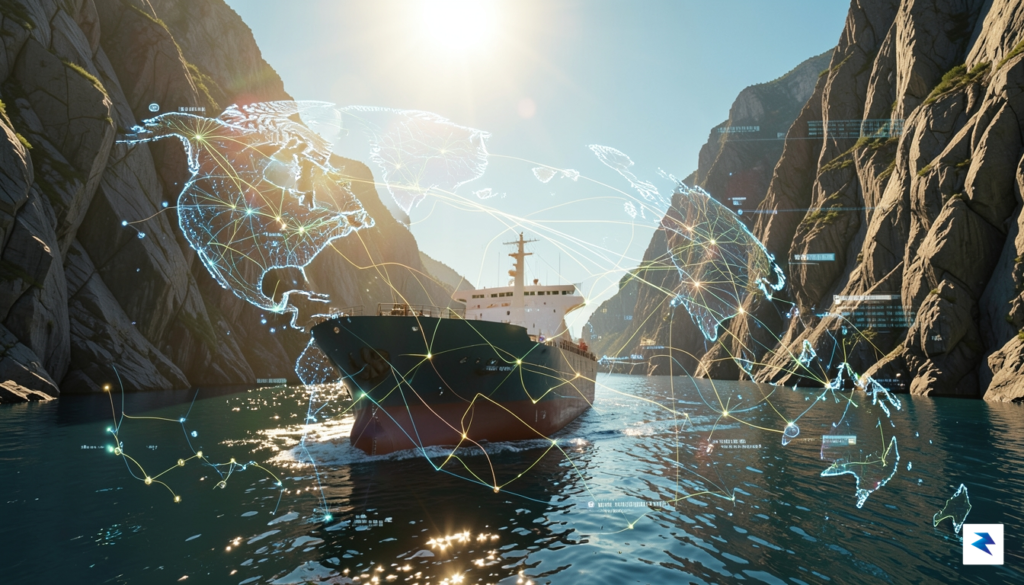
One of the most promising avenues for reducing this dependency lies in the development of alternative pipeline infrastructure that bypasses the strait entirely. By expanding cross-continental transit networks, exporting nations can mitigate the risks posed by regional instability, effectively insulating their energy shipments from localized conflicts. However, such infrastructure projects require immense capital investment and long-term political alignment between neighboring states—a difficult feat in a region defined by historical grievances. Despite these challenges, the economic imperative to diversify export routes is becoming increasingly difficult to ignore for major producers who seek to maintain reliable access to global markets.
The true measure of global economic resilience will be found in our ability to decouple energy security from the geographic constraints of a few narrow waterways.
Beyond infrastructure, the global transition toward renewable energy and broader fuel diversification serves as a critical, if long-term, component of maritime security. As nations integrate wind, solar, and nuclear power into their domestic grids, the intensity of their reliance on fossil fuel imports through high-risk zones will naturally wane. This transition is not merely an environmental objective but a strategic necessity for national security; it decentralizes the energy landscape and diminishes the leverage that hostile actors can exert through the disruption of maritime lanes. While this transition remains a multi-decade endeavor, the momentum toward electrification and efficiency is steadily eroding the strategic significance of the world’s most contested shipping chokepoints.
Ultimately, achieving lasting economic stability necessitates a level of international cooperation that transcends partisan interests. No single nation can secure the global commons alone, and the cost of failure—manifested in supply chain shocks and inflationary pressure—is too high for the international community to bear. Building a resilient future requires a combination of robust naval deterrence, innovative infrastructure investments, and a steady commitment to the energy transition. By weaving these threads together, the global economy can move toward a state where regional volatility is no longer synonymous with global disruption, fostering a more secure and predictable environment for maritime trade.
You must be logged in to post a comment.