
Can Voice-First AI Save Modern Dating? Inside Overtone’s $18M Mission
The Evolution of Digital Matchmaking For over a decade, the landscape of online dating has been defined by the thumb-flicking rhythm of "swipe…
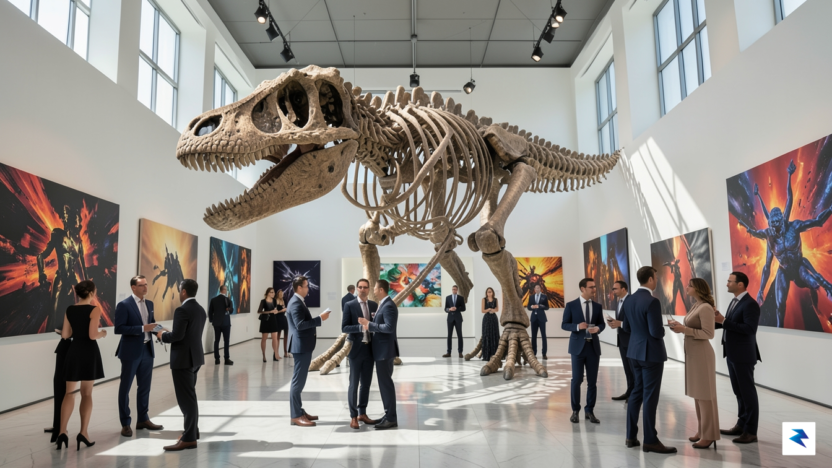
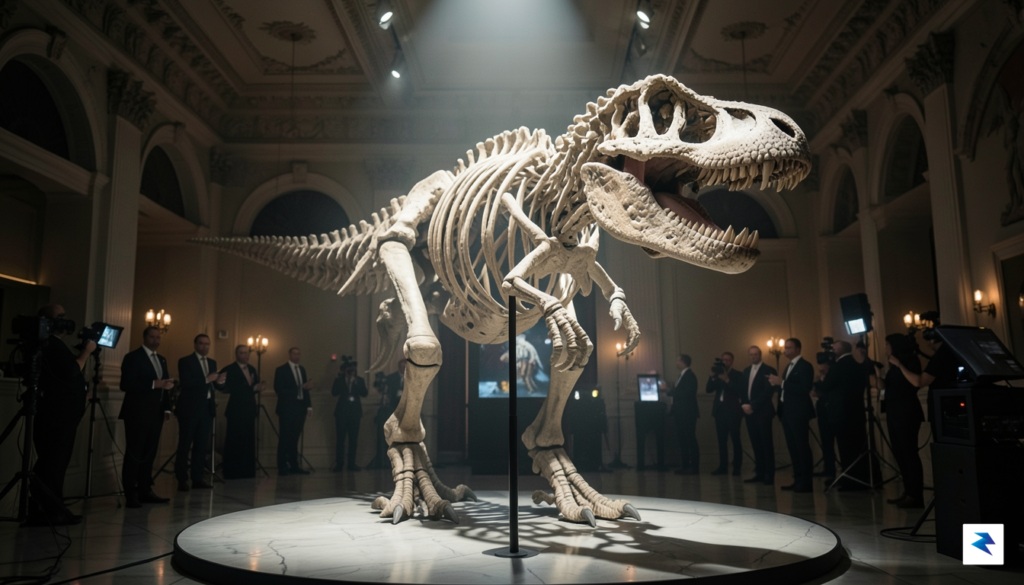
The hallowed halls of Sotheby’s recently bore witness to a seismic event in both the scientific and art worlds, as a Tyrannosaurus rex fossil commanded an astonishing $50.1 million at auction. This monumental sale is far more than just a transaction; it represents a profound re-establishment of the T. rex’s undeniable reign at the pinnacle of prehistoric market value. The sheer magnitude of the final bid underscored a deep, enduring fascination with the “King of Dinosaurs,” solidifying its status as an unparalleled icon whose allure transcends mere paleontological interest to become a global cultural phenomenon. This moment not only rewrites the record books but also profoundly re-contextualizes the financial and psychological premium placed on these magnificent relics of a bygone era.
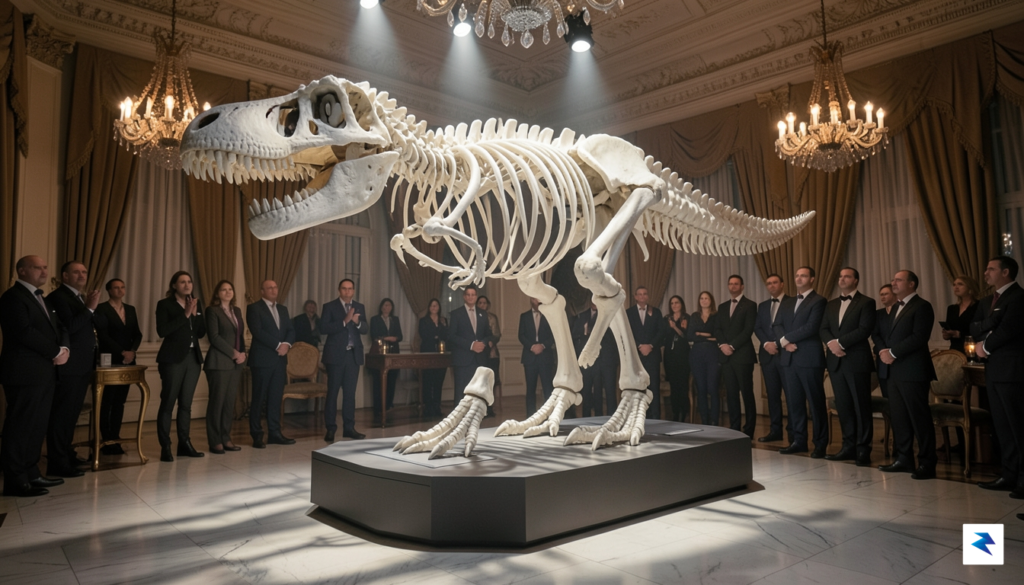
For a brief interlude, the crown for the most expensive dinosaur fossil ever sold had reportedly rested upon the head of a Stegosaurus specimen, marking a curious, if temporary, shift in market dynamics. However, that brief pause in T. rex dominance has now been emphatically shattered. The recent Sotheby’s sale didn’t just break the previous record; it obliterated it, catapulting the Tyrannosaurus rex back to its rightful place as the undisputed monarch of the fossil market. This dramatic resurgence highlights the unique and almost mythical status the T. rex occupies, demonstrating an unwavering public and private desire to possess a piece of its formidable legacy, far outstripping the value attributed to even other remarkable prehistoric finds.
The enduring obsession with the Tyrannosaurus rex stems from a potent cocktail of factors, beginning with its sheer biological majesty and terrifying prowess as an apex predator. There’s an inherent, primal draw to the image of a creature that ruled its world with such absolute authority, a fascination that has been amplified by decades of popular culture, from
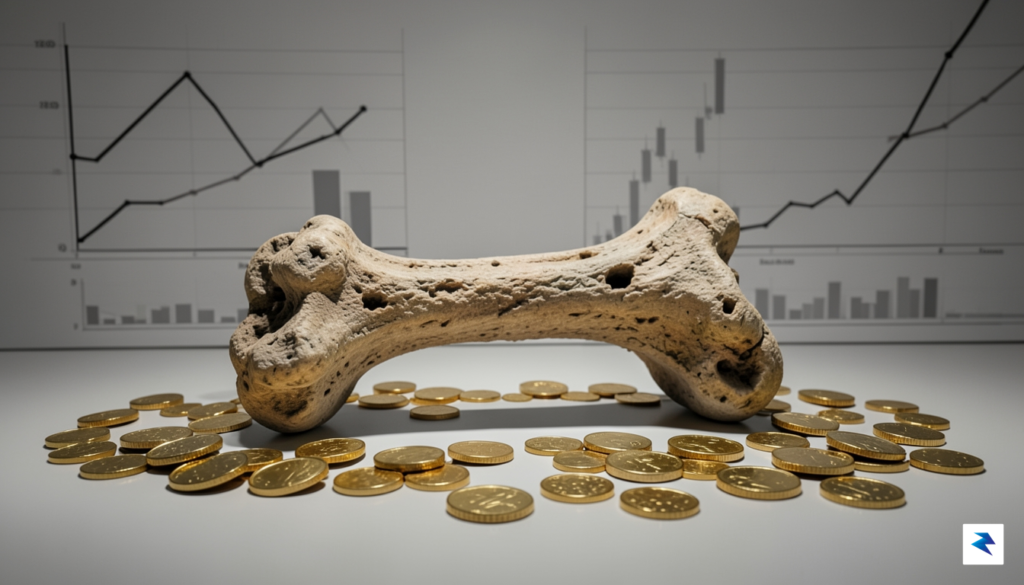
The recent record-breaking sale of a Tyrannosaurus rex skeleton underscores a dramatic transformation in how prehistoric remains are perceived by the global elite. For decades, dinosaur fossils were primarily viewed as tools for scientific inquiry or modest curiosities suited for the dusty corners of natural history museums. Today, however, these prehistoric relics have been rebranded as “trophy assets,” sitting comfortably alongside blue-chip art, vintage Ferraris, and rare diamonds in the portfolios of high-net-worth investors. This shift marks a departure from traditional acquisition models, where the intrinsic value of a specimen was tethered to its anatomical completeness and paleontological significance rather than its status as a luxury commodity.
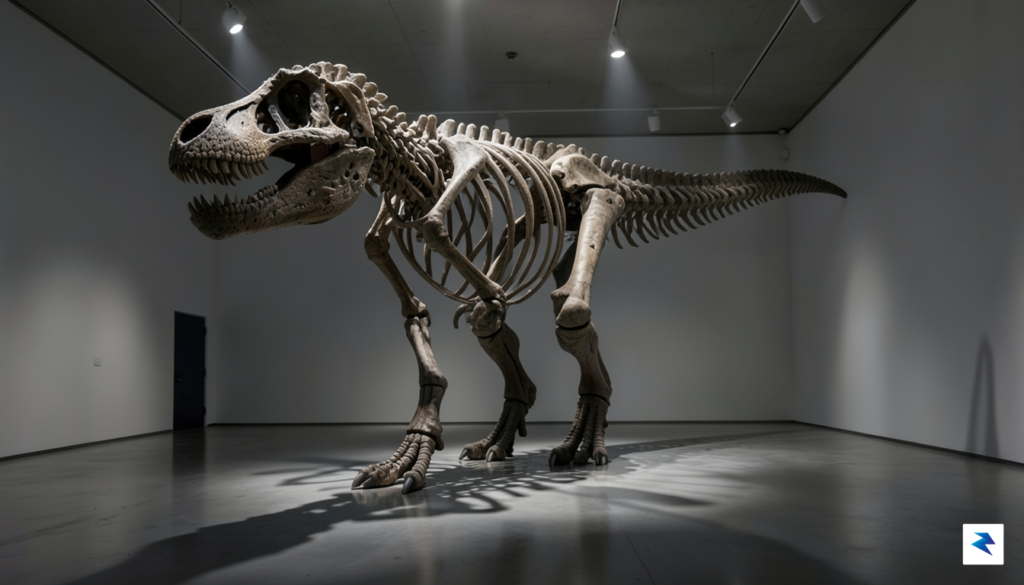
A primary driver of this market surge is the aggressive entry of prestigious auction houses into the paleontology trade. By presenting fossils with the same curatorial reverence typically reserved for Renaissance masterpieces or contemporary sculpture, these houses have effectively legitimized dinosaurs as investment-grade assets. The scarcity of high-quality specimens plays a pivotal role in this valuation; unlike stocks or digital currencies, there is a finite supply of complete, mountable fossils in the Earth’s crust. As demand from private collectors grows, the law of supply and demand has pushed prices into the stratosphere, turning once-academic discoveries into competitive bidding wars where the final hammer price is often a reflection of social prestige rather than scientific utility.
The transition of fossils from museum staples to private acquisitions represents a fundamental change in the market, where the rarity and historical weight of the specimen function as a hedge against more volatile economic assets.
Despite the excitement surrounding these astronomical figures, the influence of private collectors has introduced a layer of volatility that concerns the scientific community. When a specimen is purchased by an anonymous private entity, it often disappears from the public eye and, more importantly, from the reach of peer-reviewed research. This privatization creates a fragmented market where prices can be driven by speculative fervor rather than the inherent biological data contained within the bones. Consequently, the “King of the Dinosaurs” is no longer just a subject of prehistoric study; it has become a high-stakes financial instrument, forever altering the landscape for institutions that can no longer compete with the buying power of the world’s wealthiest individuals.
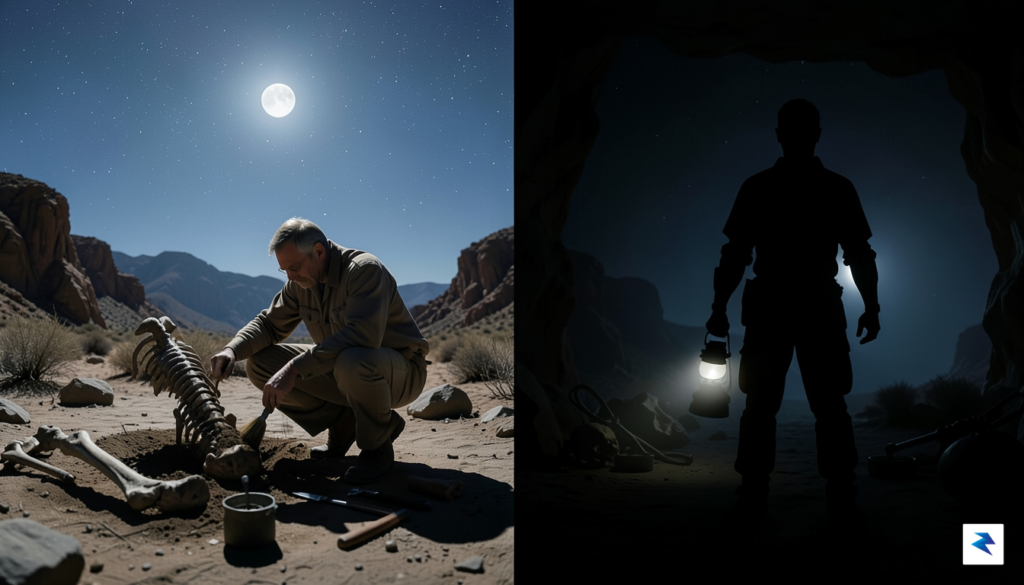
The record-breaking sale of a Tyrannosaurus rex skeleton for over $50 million has reignited a fierce debate within the paleontological community regarding the morality of treating natural history as a luxury asset. For many scientists, fossils are not merely expensive collectibles or high-end interior design pieces; they are the primary data points for understanding the evolution of life on Earth. When a specimen as significant as a T. rex is purchased by a private buyer rather than an academic institution, researchers fear that vital information—ranging from biomechanical data to evidence of prehistoric pathology—may be locked away behind closed doors, forever removed from the peer-review process.
The core of this controversy lies in the concept of “lost data.” When a fossil is housed in a public museum, it remains available for study by any qualified scientist, allowing for repeat analysis and the verification of findings. Conversely, private ownership often prioritizes the aesthetic or investment value of the specimen over its scientific integrity. There is a palpable risk that once a fossil enters a private collection, it will never again be accessible to the researchers who need it most. Without the ability to examine the bone structure, tooth wear, or articulation of these specimens, paleontologists are essentially losing pieces of the prehistoric puzzle, which hampers our collective ability to reconstruct the story of the Cretaceous period.
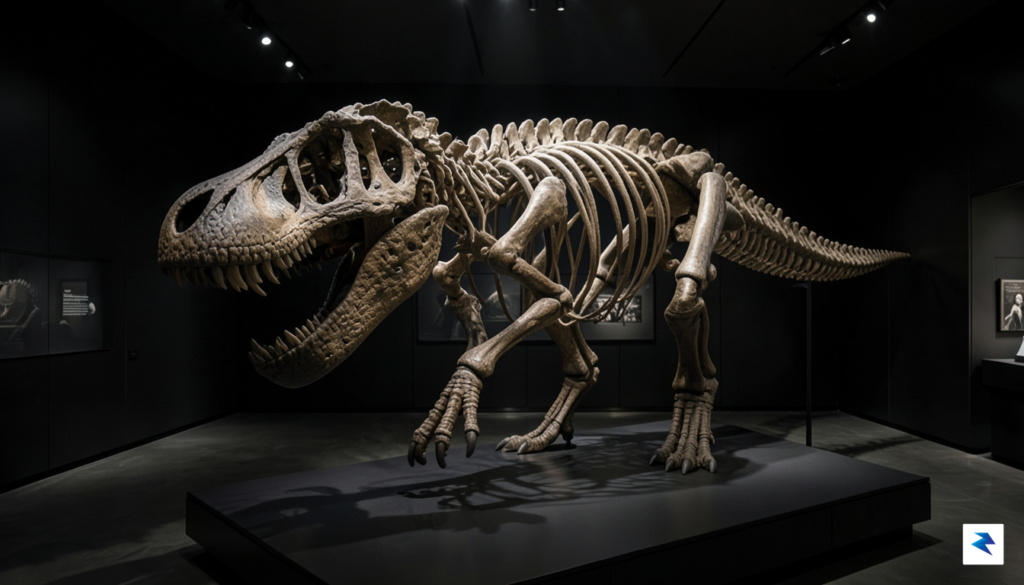
“Fossils belong to the public record, not to the highest bidder. When we prioritize the market value of a dinosaur over its educational and scientific utility, we are effectively privatizing our planet’s history.”
However, the conversation is not entirely one-sided. Some proponents of the private market argue that commercial fossil hunters perform the essential, labor-intensive work of locating and excavating specimens that might otherwise erode away and be destroyed by the elements. In these cases, private sales can provide the necessary funding to support further expeditions that museums, often operating on tight budgets, simply cannot afford. Furthermore, there are instances where private buyers choose to donate or loan their acquisitions to institutions, effectively acting as temporary custodians of natural heritage. This uneasy compromise suggests that while the current system is far from ideal, it may be the only mechanism available for saving certain fossils from total destruction.
Ultimately, the debate forces us to confront a difficult question: Is a fossil a piece of universal heritage that belongs to humanity, or is it a commodity that can be owned, sold, and traded? As prices for apex predator fossils continue to climb, this tension will likely intensify. Without international regulations or stricter ethical standards for the sale of vertebrate fossils, the scientific community may find itself in a perpetual race against wealthy collectors, fighting to ensure that the icons of our deep past remain in the light of public scrutiny rather than the shadows of a private vault.
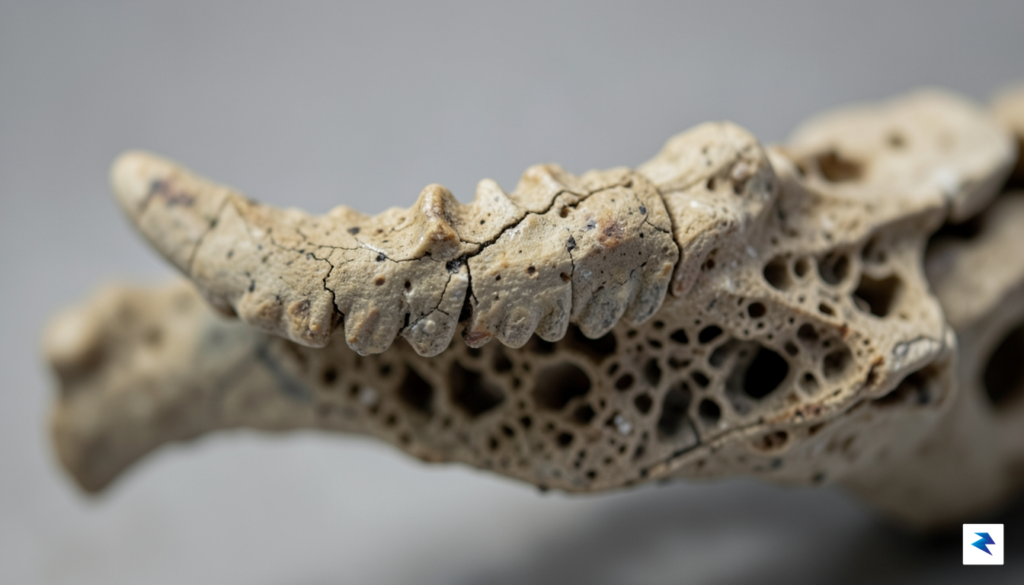
The valuation of an ancient giant like a *Tyrannosaurus rex* is far more intricate than simply weighing a pile of old bones. It’s a fascinating blend of scientific merit, archaeological ethics, meticulous restoration, and the undeniable allure of owning a piece of prehistoric history. When a fossil commands a multi-million dollar price tag, as we’ve seen recently, it’s the result of a complex interplay of specific criteria that elevate a specimen from a mere scientific find to an elite collector’s item. This sophisticated appraisal process ensures that only the most exceptional discoveries reach the upper echelons of the market.
At the core of any high-value fossil is its **preservation quality and completeness**. A specimen with a high percentage of original bone preserved, especially if articulated and largely intact, inherently holds greater scientific and monetary value. Fragmentary remains, while still important for research, rarely generate the same excitement or bidding wars as a largely complete skeleton where individual bones are well-preserved and show minimal distortion. For instance, a *T. rex* skeleton that retains a significant portion of its skull, vertebrae, and limb bones offers unparalleled insight into the creature’s anatomy and lifestyle, making it a coveted prize for both museums and private collectors.
Beyond mere completeness, the **rarity and scientific significance** of the species itself play a pivotal role. While dinosaur fossils are discovered with increasing frequency, iconic predators like *Tyrannosaurus rex* remain exceptionally rare, particularly in well-preserved states. Their status as apex predators and cultural icons makes them universally recognizable and highly desirable. Furthermore, if a specimen offers unique scientific data—perhaps displaying previously unseen anatomical features, evidence of disease, or bite marks from another dinosaur—its scientific uniqueness can significantly boost its value, attracting institutions and individuals keen on contributing to paleontological research.
**Provenance**, or the documented history of the fossil’s origin, is absolutely critical and can make or break a sale at the highest levels. This encompasses the legality of the excavation site, the permit under which it was dug, and a clear chain of custody from discovery to sale. Illegally sourced fossils, or those lacking proper documentation, are often unsellable in reputable markets and can lead to significant legal complications, fundamentally devaluing even the most spectacular find. Ethical sourcing ensures that the fossil was not stolen from public lands or removed from a country without proper export permits, upholding the integrity of the scientific and commercial markets.
Once excavated, the **preparation, restoration,

The record-shattering sale of a Tyrannosaurus rex for over $50 million signals a dramatic shift in how we value natural history, transforming once-academic specimens into high-end assets comparable to fine art or rare real estate. This commercialization presents a complex challenge for the next generation of paleontologists, who may find their field of study increasingly sidelined by deep-pocketed private collectors. While the scientific community has historically voiced valid concerns regarding the loss of specimens to private vaults, a new “cooperation model” is beginning to emerge. By encouraging private owners to loan their fossils to research institutions, the gap between public access and private ownership can occasionally be bridged, allowing scientists to study rare specimens that would otherwise remain inaccessible.
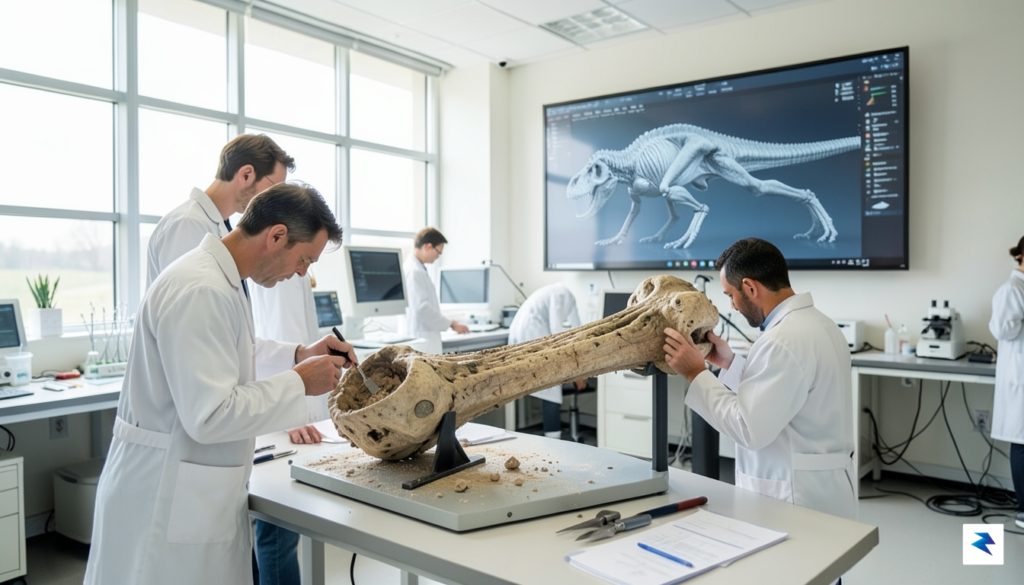
However, relying on the benevolence of private owners is an inherently unstable strategy for long-term scientific progress. As auction prices continue to climb, there is an urgent push for stricter export laws and more robust documentation requirements for fossils unearthed on private land. Without rigorous protocols to ensure that site data—such as geological context and associated micro-fossils—is recorded before a specimen is sold, we risk losing the “story” of the fossil in favor of its aesthetic value. Documentation is the bedrock of paleontology; a skeleton stripped of its environmental context is merely a statue, whereas a properly excavated fossil provides a window into the evolution of life on Earth.
True scientific value lies not in the bone itself, but in the data unearthed alongside it.
The sustainability of this market remains a subject of intense debate among experts. Some analysts warn that we are currently witnessing a speculative bubble that may eventually burst as the novelty of “trophy” fossils wanes or as international regulations tighten to prevent the commercialization of heritage items. If the market cools, the resulting influx of private specimens back into the public sphere could prove beneficial, yet we must be careful not to create a system where public museums are priced out of their own field of study. Ultimately, the future of the discipline depends on finding a sustainable middle ground—one that respects the rights of landowners while ensuring that the treasures of the prehistoric world remain a shared human legacy rather than a private luxury.
You must be logged in to post a comment.