
Shareholders Sue Uber Board Over Safety Failures: What You Need to Know
The Growing Legal Pressure on Uber's Governance The landscape of corporate accountability for major tech platforms shifted significantly…
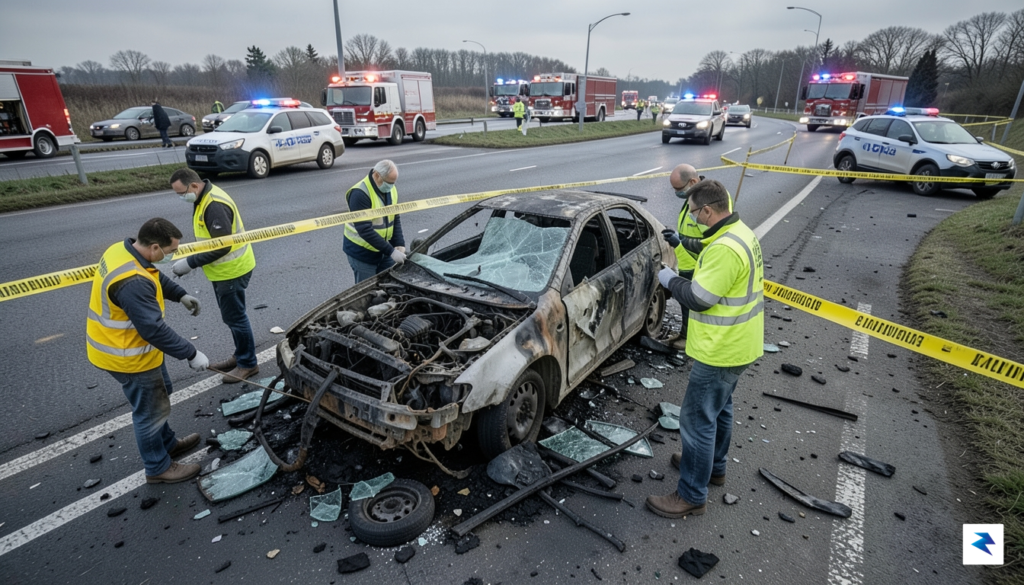
The tragic incident in Spring, Texas, in April 2021 cast an immediate and intense spotlight on the burgeoning field of advanced driver-assistance systems. In this harrowing event, a Tesla vehicle veered off the road at high speed, struck a tree, and burst into flames, resulting in the deaths of two occupants. Initial reports from local authorities suggested that neither victim was found in the driver’s seat, igniting a fierce public and media debate about whether the car’s automated driving features were engaged and, more critically, whether they were being used without active human supervision. This grim outcome instantly propelled the discussion around vehicle autonomy from theoretical considerations into a tangible, and devastating, reality.
Immediately following the crash, a deluge of media coverage ensued, much of it quickly latching onto the narrative surrounding “Autopilot” and the broader implications for autonomous vehicle technology. News outlets worldwide grappled with how to interpret the preliminary findings, often highlighting the sensational aspects of a high-tech car potentially operating without a driver. This rapid dissemination of information, while crucial for public awareness, also inadvertently fueled speculation and preconceived notions about the technology’s capabilities and limitations. The immediate public discourse quickly framed the incident as a critical test case for the safety and reliability of driver-assistance systems, even before concrete technical data became available.
As the initial shock subsided, the focus shifted from immediate reactions to the painstaking process of official investigation. Agencies such as the National Transportation Safety Board (NTSB) and the National Highway Traffic Safety Administration (NHTSA) swiftly launched probes into the Texas crash. Their meticulous work involves analyzing critical vehicle data logs, examining sensor outputs, scrutinizing crash dynamics, and interviewing witnesses. This rigorous approach is paramount to understanding the precise sequence of events, determining driver engagement levels, and assessing the operational status of any driver-assistance features. It is through this detailed, evidence-based process that the truth can be meticulously pieced together, separating verified technical findings from the initial wave of speculation and anecdotal accounts.
The incident also starkly illuminated the persistent chasm between public perception and the reality of current driver-assistance technology. The term “Autopilot,” while evocative of aviation-level autonomy, has often led to a fundamental misunderstanding among the general public regarding its actual functionality. Tesla’s system, like many others currently available, is classified as a Level 2 advanced driver-assistance system, meaning it provides steering, acceleration, and braking support but absolutely requires a fully attentive human driver to remain engaged and ready to take control at all times. This crucial distinction, often lost in headlines and casual conversation, underscores why events like the Texas crash become flashpoints for discussing not just technological capability, but also user education, system nomenclature, and the critical responsibility of the human operator.
Ultimately, the Texas crash serves as a potent reminder of the complexities inherent in integrating sophisticated automation into everyday driving. While the promise of enhanced safety and efficiency through advanced driver-assistance systems is undeniable, the journey towards truly autonomous vehicles is fraught with technical, ethical, and human factors challenges. The forthcoming official reports, based on comprehensive data analysis, will be instrumental not only in clarifying the specifics of this tragedy but also in shaping future regulatory frameworks, informing public understanding, and guiding the responsible development and deployment of these transformative technologies. The clarity provided by this data is essential for fostering public trust and ensuring that technological progress genuinely enhances road safety for everyone.

Modern vehicles like those produced by Tesla function essentially as sophisticated rolling computers, constantly recording vast streams of information that serve as the digital equivalent of an aircraft’s black box. Unlike the mechanical logs of older automobiles, Tesla’s telemetry encompasses a complex web of inputs, including precise steering wheel torque, brake pedal pressure, longitudinal and lateral acceleration, and the real-time status of various camera feeds. Because these systems operate through a continuous feedback loop of sensor data and algorithmic decision-making, the sheer volume of information generated every second is staggering. When an incident occurs, investigators cannot simply look at a single status indicator; they must reconstruct a high-fidelity digital timeline that accounts for both the car’s automated logic and the driver’s physical interventions.
The core challenge for regulators like the National Transportation Safety Board (NTSB) and the National Highway Traffic Safety Administration (NHTSA) lies in distinguishing between a system that was fully functional and one that was actively overridden or limited by environmental factors. Determining if a feature like Autopilot was engaged at the moment of impact requires more than just checking a binary “on” or “off” switch. Forensic analysts must cross-reference system engagement states with peripheral data, such as whether the driver’s hands were detected on the wheel or if the vehicle’s internal sensors had previously issued warnings regarding the driver’s attention level. Because the software architecture is designed to prioritize safety through redundancy, untangling whether the system attempted to mitigate a crash or was fighting against the driver’s own steering inputs demands a meticulous, granular forensic process.
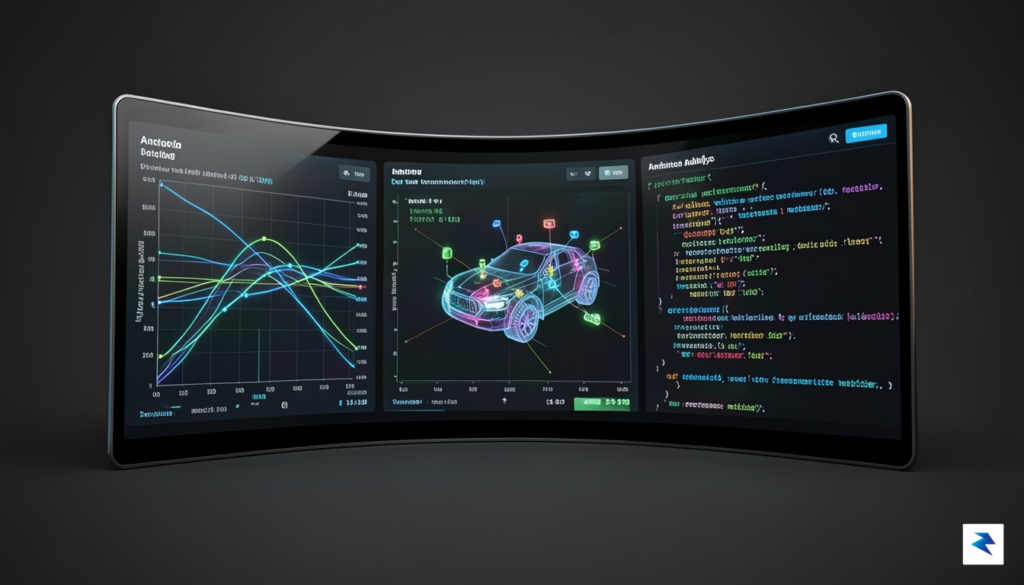
The complexity of modern vehicle forensics means that the truth is often hidden in the milliseconds between an automated decision and a manual override.
Furthermore, this data is not always presented in a format that is immediately intuitive to human investigators. The telemetry often arrives as raw logs that require specialized decoding and context-specific software to interpret properly. Without a comprehensive investigation, it is easy for observers to draw premature conclusions based on incomplete snippets of information. By rushing to judge whether an automated system failed or performed as intended, the public risks misunderstanding the nuance of how these features are designed to interact with human operators. Consequently, regulatory bodies must take the necessary time to synthesize these deep-level data logs to ensure that their eventual findings are grounded in objective, technical reality rather than speculation.
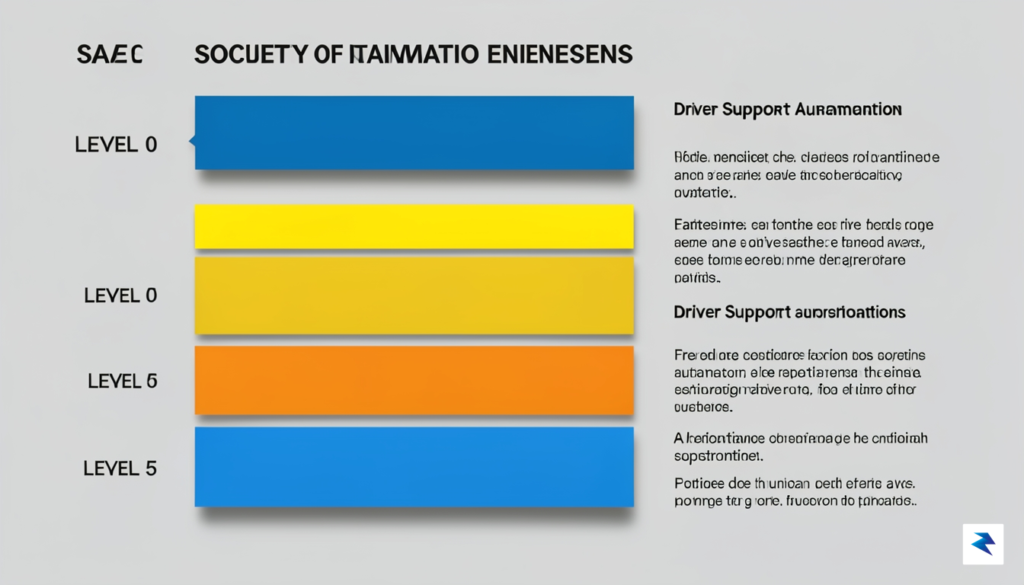
Much of the public discourse surrounding Tesla’s safety record is clouded by a fundamental misunderstanding of what its software is—and is not—capable of doing. To clear up this confusion, it is essential to look at the Society of Automotive Engineers (SAE) levels of automation, which classify driving systems from Level 0 (no automation) to Level 5 (full automation). Currently, Tesla’s Autopilot and Full Self-Driving (FSD) suites are classified as Level 2 systems. At this stage, the vehicle can handle steering, acceleration, and braking, but it does not “drive” the car in the autonomous sense. Instead, these features function as advanced driver-assistance systems (ADAS), which require the human operator to remain fully engaged, with their eyes on the road and their hands ready to take control at a moment’s notice.
Autopilot is specifically engineered to assist with highway driving, primarily utilizing traffic-aware cruise control to maintain a set speed and lane-keeping assistance to keep the vehicle centered within its markers. While these features are undeniably convenient for reducing driver fatigue on long stretches of road, they are not designed to navigate complex urban environments, recognize every possible road hazard, or compensate for a distracted driver. The system relies on a vision-based approach—using a series of external cameras—to interpret the environment. This contrasts sharply with systems that incorporate LIDAR (Light Detection and Ranging), which provides a more redundant, three-dimensional map of the surroundings. Because Tesla’s vision-only system must interpret pixel data to calculate depth and object identity, it can be susceptible to edge-case scenarios where lighting conditions or unusual road debris may trick the software’s perception.
The core of the issue is that “Full Self-Driving” is a marketing name for a beta software suite that still necessitates active human supervision. Despite the branding, the system is not yet capable of operating the vehicle autonomously under all road conditions.
The “Full Self-Driving” designation, which remains in a beta testing phase, has been a significant point of contention for regulators and safety advocates alike. By labeling a system that still requires constant human intervention as “Full Self-Driving,” there is a distinct risk that drivers will develop an over-reliance on the technology, assuming the car is more capable than it actually is. This phenomenon, often referred to as “automation bias,” can lead to complacency, where a driver may take their eyes off the road or their hands off the wheel for an extended period. It is vital for all owners to understand that when engaging these features, the responsibility for every maneuver, lane change, and emergency stop rests entirely with the individual in the driver’s seat. Until the industry reaches Level 4 or Level 5 automation, where the vehicle is truly capable of handling all driving tasks without human input, treating these systems as anything other than a secondary aid is a dangerous misconception.
When a high-profile accident involving a Tesla vehicle occurs, particularly one that captures significant media attention and raises questions about its advanced driver-assistance systems, the company’s response often follows a distinct pattern. Rather than remaining silent or offering vague statements, Tesla typically moves quickly to leverage its unparalleled access to vehicle telemetry and internal data. This strategy is designed to swiftly challenge or confirm narratives emerging from initial reports, often providing specific data points to rebut claims that might inaccurately portray the technology’s involvement or the circumstances of the crash. The intent is clear: to defend the integrity of their systems, manage public perception, and reassure investors about the safety of their products.
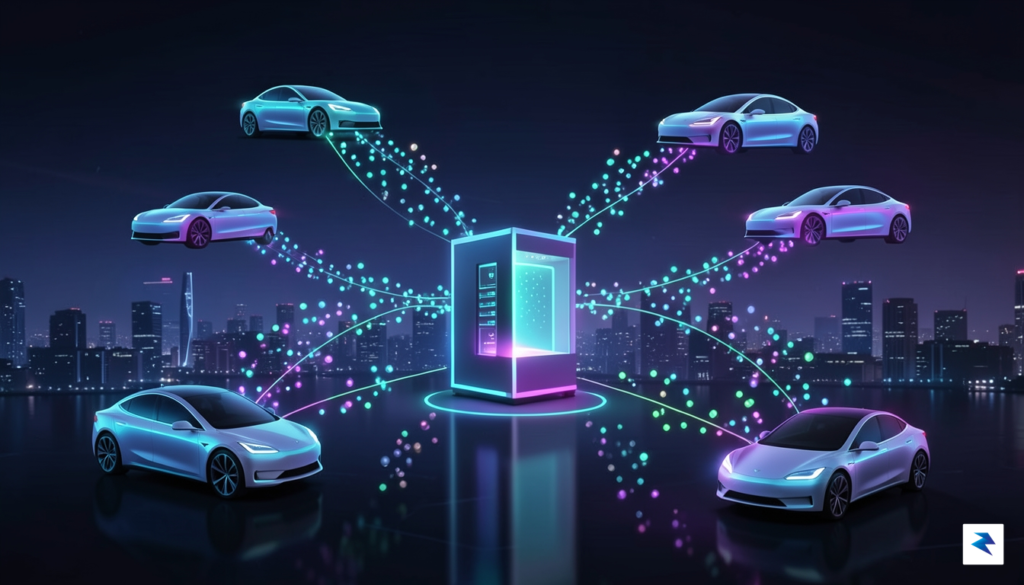
Tesla’s unique position stems from its ability to collect vast amounts of real-world driving data from its global fleet, including detailed logs of vehicle speed, steering input, accelerator/brake pedal engagement, and the operational status of Autopilot or Full Self-Driving Beta features. In the wake of an incident, the company can often retrieve this proprietary data almost immediately, allowing them to issue statements that include precise details, such as whether Autopilot was engaged, seatbelts were buckled, or the driver’s hands were detected on the wheel. This rapid deployment of data serves to shape the early discourse around an accident, often preempting speculative media reports with concrete, albeit company-provided, evidence.
However, this approach, while effective for Tesla’s immediate public relations, raises profound ethical and legal questions concerning transparency and independent oversight. When a manufacturer serves as the primary, and often sole, gatekeeper of critical accident data, an inherent conflict of interest can arise. Critics argue that there is a risk of selective data release, where information that supports the company’s defensive narrative is highlighted, while other potentially relevant details might be omitted or downplayed. This situation can complicate objective investigations, as external parties, including federal agencies, must often rely on the manufacturer to provide the very evidence needed to assess the product’s safety.
Consequently, a critical debate emerges around the balance between proprietary data protection and the public’s right to thorough, unbiased safety investigations. While regulatory bodies like the National Highway Traffic Safety Administration (NHTSA) and the National Transportation Safety Board (NTSB) do conduct their own inquiries, their access to raw, unfiltered vehicle data can sometimes be contingent on the manufacturer’s cooperation. This dynamic has led to calls for more standardized event data recorders (EDRs) in all vehicles, particularly those with advanced driver-assistance systems, that are accessible to independent investigators without relying solely on the manufacturer. Ensuring that all relevant data is available, verifiable, and independently analyzed is crucial for fostering public trust and continuously improving the safety of these rapidly evolving technologies.

The tragedy in Texas has accelerated a long-simmering debate within the halls of government, shifting the focus of regulators from passive observation to active, data-driven intervention. For years, the rapid evolution of Advanced Driver Assistance Systems (ADAS) has outpaced the regulatory framework designed to ensure road safety, leaving a gray area where manufacturers often define the limits of their own software. Moving forward, it is highly probable that agencies like the National Highway Traffic Safety Administration (NHTSA) will move away from relying solely on self-reported manufacturer data. Instead, we are likely to see a shift toward mandatory, standardized reporting requirements that provide authorities with a clearer, more granular view of how these systems perform in the chaotic, unpredictable environments of real-world roadways.
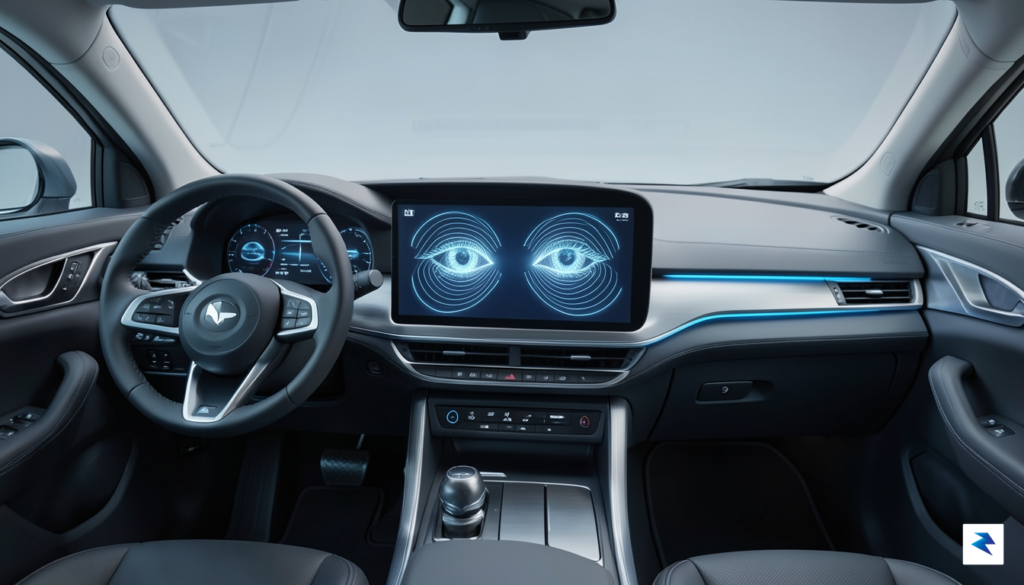
A primary objective of this new regulatory landscape will almost certainly be the universal implementation of driver monitoring systems. While some manufacturers have already begun integrating infrared cameras to track eye movement and head position, the Texas incident highlights the dangers of relying on steering wheel torque sensors, which can be easily bypassed. Future policies may mandate that vehicles equipped with high-level automation possess robust, fail-safe systems capable of detecting driver distraction or incapacitation in real time. By requiring these technologies as a baseline, regulators aim to bridge the “automation gap”—the perilous middle ground where a car is capable of handling steering and acceleration, but a human is still expected to maintain constant, high-level vigilance.
The future of autonomous travel rests not just on the perfection of machine learning algorithms, but on the transparency of the relationship between the software, the hardware, and the human operator.
Furthermore, the industry should prepare for a standardized lexicon and set of safety benchmarks that apply across all automotive brands. Currently, the lack of a uniform definition for what constitutes “autonomous” versus “assisted” driving creates confusion that can lead to dangerous misuse of existing features. Legislators are now incentivized to create clear, enforceable standards that dictate how these features are marketed, branded, and engaged. As software engineering becomes the primary driver of automotive innovation, regulators will likely treat these systems with the same rigor applied to mechanical safety components like brakes and airbags. This transition represents a maturation of the industry, moving from a period of experimental deployment to an era of systematic, regulated integration where consumer safety is the undisputed priority.
You must be logged in to post a comment.