
How to Stop Google from Using Your Photos for AI Training
Understanding Google's AI Data Training Shift For decades, Google’s primary infrastructure was designed around the concept of indexing—a…


The political landscape in the United States underwent a seismic transformation following the assassination of Charlie Kirk, an event that acted as a catalyst for a sweeping overhaul of federal law enforcement priorities. In the immediate aftermath, the executive branch moved swiftly to capitalize on the national sense of shock and insecurity, effectively dismantling the traditional barriers that once protected radical political discourse. By framing the tragedy not merely as an isolated criminal act but as the inevitable byproduct of decentralized activist networks, the administration successfully pivoted toward a policy of aggressive, pre-emptive prosecution. This shift effectively reclassified long-standing forms of political expression—such as the production and distribution of zines—as primary evidence of domestic terrorism, fundamentally altering the legal consequences of dissent.
Historically, the government maintained a delicate, albeit often strained, balance between surveillance and the protection of civil liberties. However, the post-Kirk era saw a systemic abandonment of this restraint in favor of a “zero-tolerance” framework for anti-establishment activism. Where intelligence agencies once prioritized monitoring and infiltration to prevent violence, they now function as a blunt instrument for the mass indictment of individuals based on their ideological associations. This evolution has institutionalized a new legal reality where the mere possession of literature—once considered the bedrock of counter-cultural communication—is now leveraged to secure decades-long prison sentences. The judiciary, under immense pressure to demonstrate strength in the face of national instability, has largely deferred to these expansive interpretations of material support and conspiracy laws.
The transition from monitoring political groups to actively dismantling them through the court system marks the most significant expansion of state power in decades, turning the tools of free press into the instruments of incarceration.
This systematic shift is perhaps best illustrated by the changing interpretation of “intent” in federal trials. Prosecutors are no longer required to prove a direct link to a specific violent act; instead, they successfully argue that the dissemination of radical literature constitutes a contribution to a “climate of agitation,” thereby facilitating terrorism. Consequently, activists who were once protected by the First Amendment find themselves trapped in a legal labyrinth where their intellectual labor is treated as a criminal enterprise. As these trials continue to result in unprecedented sentencing mandates, the boundary between dissent and dangerous criminality has been erased, leaving behind a chilling standard that threatens the future of all grassroots political organizing in the country.


The sentencing of the so-called “Texas Eight” represents a harrowing evolution in the American judicial landscape, where the production of underground media has been reframed as a catalyst for state-sanctioned retribution. These individuals, initially targeted for their involvement in local grassroots organizing and the distribution of radical literature, found themselves facing draconian 30-year prison terms that defy standard sentencing conventions for non-violent offenses. The prosecution’s strategy hinged not on concrete acts of violence, but on the systematic categorization of zines, pamphlets, and digital manifestos as “terrorist propaganda.” By framing the mere act of printing and circulating dissenting ideas as evidence of a broader conspiracy, the state effectively criminalized the act of protected speech, blurring the lines between political association and organized crime.
Central to the prosecution’s case was the aggressive application of domestic terrorism statutes to link these individuals to nebulous “antifa” networks. Rather than presenting evidence of specific, actionable criminal plots, the state utilized a compilation of organizational materials—ranging from instructional zines on community defense to critiques of local policing—to construct a narrative of impending insurrection. This tactical pivot allowed prosecutors to bypass traditional evidentiary hurdles, opting instead to leverage the prevailing political climate to justify severe punitive measures. By presenting these everyday materials as blueprints for subversion, the state transformed the defendants’ ideological commitments into legal liabilities that warranted decades of incarceration.

The sentencing of the Texas Eight serves as a chilling precedent, suggesting that in the current legal climate, the dissemination of subversive literature is no longer viewed as an exercise of civil liberty, but as a definitive act of political aggression.
When contrasted with the sentencing guidelines typically applied to non-violent offenses, the 30-year duration handed down to the Texas Eight appears strikingly disproportionate. Under typical legal frameworks, the possession or distribution of political literature—even that which advocates for radical social change—is afforded significant protection under First Amendment precedents. However, by weaponizing anti-terrorism legislation, the state succeeded in elevating these charges to a level that demands mandatory minimums and severe sentencing enhancements. This discrepancy forces a difficult conversation about the fragility of dissent in an era where the boundary between ideological affiliation and criminal conspiracy is being systematically eroded by the judiciary.
Ultimately, the case of the Texas Eight functions as a litmus test for the limits of protected speech in the United States. If the production and distribution of underground media can serve as the primary evidence for a three-decade prison sentence, the implications for grassroots activists are profound and unsettling. The state’s ability to rebrand political discourse as terrorism effectively chills public debate and discourages the very forms of community organization that have historically challenged established power structures. As these eight individuals remain behind bars, the legal strategy employed against them remains a haunting blueprint for how easily the machinery of the state can be redirected against those who dare to document the world differently.
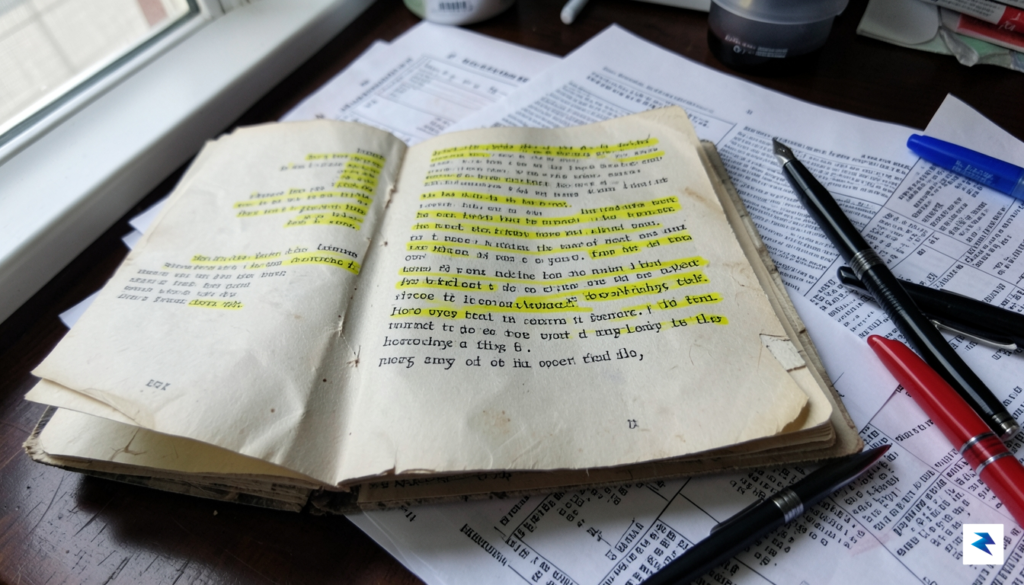
For decades, the zine has served as a vital, scrappy vessel for counter-cultural expression, acting as a low-barrier platform for marginalized voices, underground artists, and political dissidents to bypass the gatekeepers of mainstream media. From the punk movements of the 1970s to modern grassroots activist collectives, these independently produced pamphlets have functioned as the bedrock of free speech, often existing in the fringes precisely to challenge the status quo. However, the recent judicial turn—where the mere possession or distribution of such literature is weaponized as primary evidence for criminal conspiracy—marks a chilling departure from historical protections. When the state pivots from prosecuting overt criminal acts to scrutinizing the content of printed discourse, it signals a transition toward the preemptive policing of ideas, effectively turning the act of publishing into an admission of guilt.
The legal precedent set by treating zines as “smoking gun” evidence of terrorism is profoundly destabilizing. In most democratic societies, the distance between holding radical political views and engaging in illegal activity is theoretically protected by the First Amendment; yet, this prosecution erodes that buffer by conflating intellectual exploration with operational intent. By framing the production of a zine as a material component of a criminal enterprise, the prosecution creates a slippery slope where any literature deemed “subversive” can be categorized as a roadmap for violence. This logic effectively forces independent journalists and publishers into a state of self-censorship, as they must now weigh the potential for a decades-long prison sentence against the risk of documenting or critiquing controversial political narratives.

The criminalization of printed discourse fundamentally alters the relationship between the citizen and the state, transforming the publisher from a participant in public debate into a potential target for surveillance and prosecution.
Ultimately, this case suggests a broader, more ominous trajectory: the criminalization of dissent through the lens of information control. If independent media can be classified as evidence of a conspiracy, then the threshold for what constitutes a “threat” is determined solely by those in power. By targeting the medium of the zine, the legal system is not merely punishing an individual, but is actively chilling the democratic necessity of unfettered, decentralized communication. We are witnessing a shift where the tools of assembly and expression are being rebranded as instruments of terror, a transformation that leaves every independent writer vulnerable to a judicial system that no longer distinguishes between the pen and the sword.

The concept of a “chilling effect” describes a phenomenon where speech or conduct is suppressed by fear of legal sanction. In legal terms, it refers to the inhibition or discouragement of the legitimate exercise of natural and legal rights by the threat of legal action. When individuals witness others facing disproportionately harsh penalties for actions related to political expression, even if those actions are non-violent or purely communicative, it sends a clear message about the potential costs of stepping outside perceived boundaries. This fear isn’t necessarily about the legality of the act itself, but rather the severity and potential unfairness of the consequences, leading to self-censorship and a retreat from public discourse.
Indeed, the specter of extreme sentencing, such as decades behind bars for the distribution of independent publications or “zines,” serves as a potent deterrent to grassroots organizing and activism. Independent media, often produced by individuals or small collectives with limited resources, thrives on the ability to disseminate alternative viewpoints without fear of severe government reprisal. When the act of moving or sharing these materials is reclassified or linked to more serious offenses, the perceived risk skyrockets. This can freeze nascent movements in their tracks, as potential participants, organizers, and even casual supporters weigh the immense personal costs—loss of freedom, financial ruin, damage to reputation—against their desire to engage in political speech. The impact is particularly acute for marginalized communities and groups already wary of state power, who may choose silence over the perceived danger of expression.
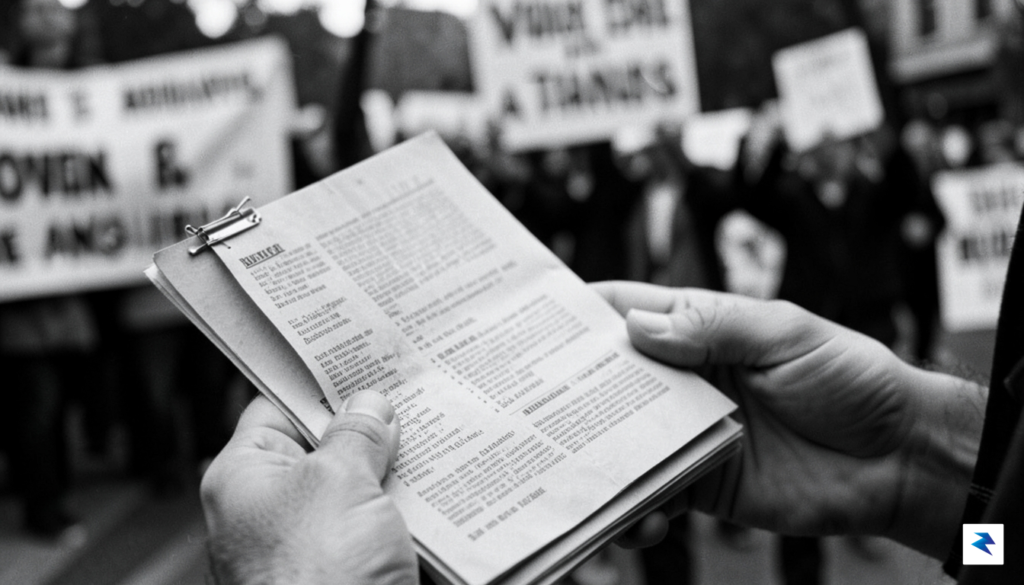
The long-term impact on the vibrancy of American political culture is profound and concerning. A society where non-mainstream narratives are stifled by fear of prosecution becomes increasingly homogenous in thought. Zines, by their very nature, often challenge dominant paradigms, offer counter-cultural perspectives, and serve as vital outlets for voices that mainstream media often overlooks. If the distribution of such materials can lead to lengthy prison sentences, it effectively creates an environment where only “safe” or officially sanctioned forms of expression are deemed permissible. This erosion of diverse viewpoints not only diminishes public debate but also undermines the democratic ideal of a marketplace of ideas, where all perspectives can be aired and debated freely. Ultimately, a population living under the shadow of a chilling effect may become disengaged and apathetic, believing that their voices don’t matter or that the risks of speaking out are simply too high, leading to a less representative and less resilient civic landscape.

The judicial precedent set by cases involving the distribution of printed materials—even those labeled as radical—signals a precarious shift in how American courts interpret the intersection of dissent and domestic security. As legal teams prepare for appellate review, the central question remains whether the mere possession or dissemination of counter-cultural zines can be constitutionally classified as material support for illicit activity. If higher courts uphold these rigid interpretations of “threat,” it will likely empower state actors to broaden the definition of terrorism to include any speech that challenges the prevailing political order. This creates a feedback loop where the fear of prosecution chills the very intellectual engagement that the First Amendment was specifically designed to protect.

Civil liberties organizations are already mobilizing to contest these thirty-year sentences, framing them not merely as individual legal tragedies, but as systemic assaults on the democratic process. Groups like the ACLU and the Foundation for Individual Rights and Expression (FIRE) are expected to argue that the prosecution of zine creators represents a dangerous expansion of the “true threat” doctrine. By transforming protected speech into evidence of criminal intent, the state risks dismantling the protections that historically shielded activists, journalists, and independent artists from arbitrary government retaliation. The outcome of these appeals will determine whether the First Amendment remains a robust shield for dissent or becomes a hollow promise easily bypassed by the rhetoric of public safety.
The strength of a democracy is measured not by its ability to silence those who disagree, but by the rigor with which it protects the right to disseminate even the most controversial ideas.
Ultimately, the struggle to define the boundaries of state power versus individual liberty is far from over; in many ways, it is only entering its most intense phase. Citizens must now reckon with the reality that the digital age has not made the physical act of printing and distributing zines obsolete, but rather more legally vulnerable than ever. If thirty-year prison sentences become the new standard for ideological dissemination, the societal cost will be a profound narrowing of the American intellectual landscape. As the legal system navigates these uncharted waters, the citizenry must remain vigilant, recognizing that the erosion of rights in one corner of the political spectrum inevitably weakens the foundation of liberty for everyone, regardless of their ideology.
You must be logged in to post a comment.