The Battle for the Fed: Can a President Fire a Governor?
The Legal Landscape: Presidential Power vs. Federal Reserve Independence The Federal Reserve was designed as a deliberate architectural…

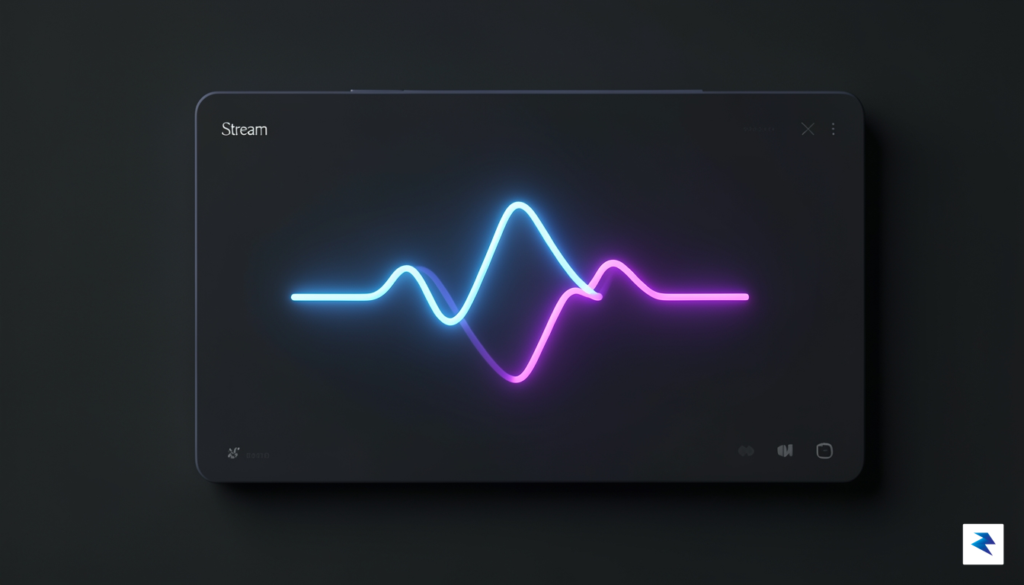
The landscape of music production has shifted dramatically over the past year, as generative artificial intelligence has moved from a niche experiment to a mainstream force. With sophisticated algorithms now capable of composing melodies, mimicking vocal timbres, and producing high-fidelity tracks in seconds, the barrier to entry for music creation has effectively vanished. While this democratization offers exciting creative possibilities for independent artists, it has simultaneously triggered a flood of machine-generated content that threatens to overwhelm digital service providers. As these platforms struggle to maintain the integrity of their catalogs, Tidal has emerged as a key player, choosing to navigate this technological frontier with a nuanced strategy that balances innovation with artist protection.
Rather than implementing a sweeping, reactionary ban on all machine-assisted works, Tidal has opted for a policy defined by transparency and economic accountability. The platform’s new directive clarifies that while AI-generated music is not strictly prohibited from its service, it will no longer be eligible for royalty payouts. This distinction is vital: it acknowledges that AI is a permanent fixture in the creative ecosystem, yet it prevents automated content farms from diluting the royalty pool intended for human performers. By enforcing these strict monetization rules, Tidal is essentially creating a financial barrier that discourages low-effort, spam-oriented content while still allowing genuine artists to explore AI as a legitimate, albeit non-monetizable, creative tool.
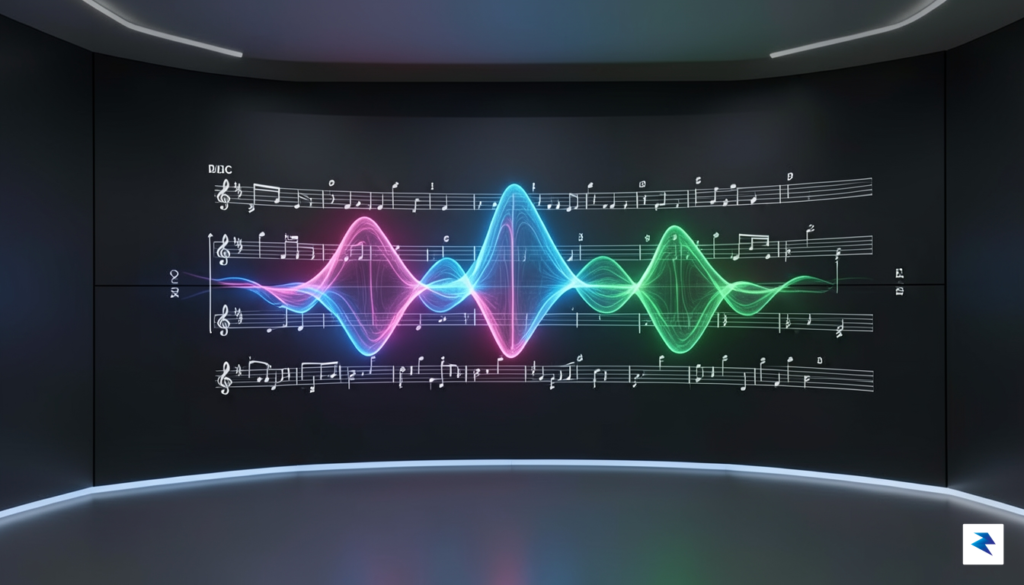
This middle-ground approach marks a significant departure from the binary stances taken by other industry stakeholders, who have largely vacillated between total prohibition and unrestricted acceptance. Tidal’s strategy suggests a thoughtful recognition that music is not merely a commodity to be generated at scale, but a human endeavor that necessitates a sustainable economic framework. By prioritizing the visibility of human-authored work, the platform is attempting to safeguard the value of human performance in an era where the cost of production is rapidly approaching zero. Furthermore, this policy shift signals a broader industry trend toward “content verification,” where the provenance of a track becomes just as important as its sonic quality.
Tidal’s decision prioritizes the protection of human creators by separating the technical existence of AI music from the financial rewards reserved for traditional artistry.
Ultimately, this move serves as a bellwether for how the entire streaming industry may eventually manage the influx of synthetic media. As platforms grapple with the complexities of copyright, attribution, and fair compensation, Tidal’s move toward conditional hosting provides a blueprint for managing the digital divide between human craft and algorithmic output. Whether this policy will successfully curb the proliferation of low-quality AI audio remains to be seen, but it undoubtedly forces a necessary conversation about the true definition of a “creator” in a world where machines are increasingly holding the baton.

The most transformative aspect of Tidal’s recent policy shift is the immediate cessation of royalty payments for any tracks identified as entirely AI-generated. By establishing a zero-tolerance policy for algorithmic content, the platform is effectively drawing a hard line in the sand regarding the financial value of synthetic music. Under these new guidelines, creators who rely on generative models to produce full-length songs without human intervention will find themselves excluded from the streaming payout ecosystem. This decision serves as a structural safeguard designed to protect the integrity of the royalty pool, ensuring that limited funds are reserved for human musicians, producers, and songwriters who invest time, emotional labor, and technical skill into their craft.
The reasoning behind this move is rooted in the preservation of the music industry’s economic foundations. As the digital landscape becomes increasingly saturated with low-effort, AI-produced content, the risk of “noise” drowning out professional artists has become a pressing concern for both labels and independent creators. By demonetizing 100% AI tracks, Tidal is attempting to mitigate the devaluation of human artistry that occurs when automated systems flood platforms with high-volume, low-quality uploads. This policy essentially acts as a filter, prioritizing compositions that reflect genuine creative intent over those generated by prompts meant to exploit streaming volume for passive revenue.

Enforcement, however, remains a complex hurdle that the industry is only beginning to navigate. Distinguishing between a track that is “entirely” AI-generated and one that utilizes AI as a legitimate production tool—such as for mastering, sound design, or creative assistance—presents a significant technical challenge. Producers who incorporate AI-assisted elements into their workflows, while still driving the core creative direction of a song, exist in a gray area that requires nuanced oversight. Consequently, the industry must develop sophisticated content-identification technologies to differentiate between these two categories of creation. The potential impact of this policy is two-fold: it discourages the mass-production of synthetic filler tracks while simultaneously forcing a conversation about where human contribution ends and algorithmic generation begins. Ultimately, this move represents a crucial step toward stabilizing the streaming economy in an era defined by rapid technological disruption.
The core of this policy shift is not a total ban on innovation, but a definitive stance that royalty payouts should be reserved for human creators whose work involves intentional, artistic expression.
Moving forward, the success of this strategy will depend on how accurately platforms can attribute human effort to the final product. If Tidal and other services can successfully weed out purely automated content while supporting legitimate “hybrid” creators, the policy could serve as a model for sustainable growth. Conversely, if enforcement becomes too restrictive, there is a risk of stifling experimental producers who use AI to push the boundaries of what is possible in modern music production. For now, the focus remains on maintaining a fair marketplace where the value of a song is tied to the human experience behind its creation.
Beyond the immediate financial implications of demonetizing synthetic content, Tidal is placing a significant emphasis on the importance of consumer trust. As the digital music landscape becomes increasingly saturated with algorithmic compositions, listeners are often left wondering whether the voice behind a track is a human artist or a sophisticated generative model. To address this ambiguity, Tidal is launching a new labeling initiative effective July 15th, designed to provide clear, immediate transparency regarding the provenance of the music being played. By integrating specific visual indicators directly into the user interface, the platform aims to empower its subscribers to make informed choices about the content they consume and the artists they choose to support.
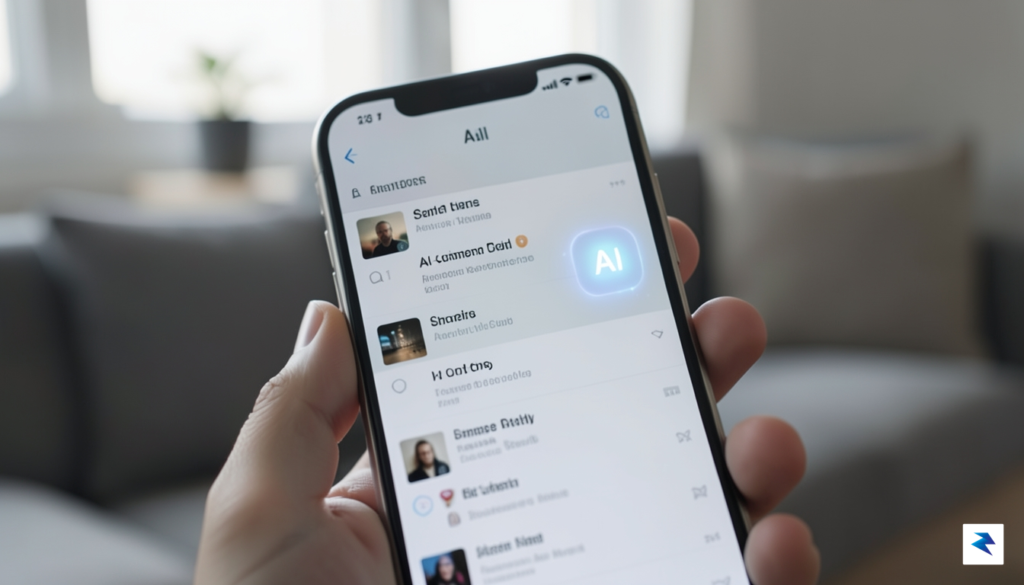
The visual indicator itself will appear as a distinct, unobtrusive icon located next to tracks identified as containing AI-generated elements. When a user taps or hovers over this icon, a brief explanatory tooltip will clarify that the track utilizes synthetic audio technology. This design choice is intended to be informative rather than exclusionary; it serves to provide context without disrupting the aesthetic experience of the app. By placing these indicators in prominent locations—such as the “Now Playing” screen and within playlist views—Tidal ensures that the distinction between human artistry and machine-generated sound remains visible throughout the entire listening journey.
True transparency in the streaming age requires more than just terms of service updates; it demands that platforms provide users with the tools to navigate an increasingly complex media ecosystem in real time.
Implementing this system is not without its technical hurdles. Accurate detection of AI-generated music remains a complex challenge, as generative models are constantly evolving to mimic human nuances with uncanny precision. Tidal is transparent about the fact that this detection technology is in its infancy and may not be perfect. Consequently, the platform is managing expectations by positioning these labels as a commitment to ongoing improvement rather than a finalized, flawless filter. They recognize that, in the fast-paced world of artificial intelligence, the goal is to foster an environment where users feel they are being dealt with honestly, even as the underlying technology continues to push the boundaries of what is possible in music production.
Ultimately, this push for transparency is an investment in the long-term relationship between the streaming service and its audience. As synthetic media becomes a larger part of the global cultural conversation, Tidal is positioning itself as a platform that values human creativity while simultaneously respecting the listener’s right to know. By fostering this culture of clarity, they are setting a precedent that other industry players may soon be forced to follow, ensuring that the human element of music remains at the forefront of the listening experience.
Tidal’s decision to withhold royalty payments from AI-generated content serves as a significant bellwether for the future of the streaming economy. By drawing a hard line between human artistry and algorithmic output, the platform is effectively challenging the industry to define the value of creativity in an age of infinite digital mimicry. This move does not exist in a vacuum; it acts as a strategic intervention against the potential dilution of the royalty pool, which has historically been reserved for human creators who invest time, emotional labor, and financial resources into their craft. As other streaming giants grapple with the influx of machine-generated tracks that threaten to overwhelm discovery algorithms, Tidal’s policy provides a blueprint for how platforms might preserve the integrity of their catalogs while simultaneously managing the escalating costs of content moderation.
The competitive landscape of music streaming is now caught in a delicate balancing act between platform growth and the protection of the artistic ecosystem. If every streaming service allowed AI-generated music to claim a slice of the financial pie, the royalty pool—a finite resource—would be rapidly cannibalized by an endless supply of low-cost, automated tracks. This would inevitably lead to a “race to the bottom,” where human musicians find themselves competing against software that can produce thousands of songs in the time it takes a songwriter to pen a single chorus. By opting to demonetize AI tracks, Tidal is signaling to the industry that human-centric curation and fair compensation are not just ethical ideals, but essential business strategies for maintaining a high-quality user experience.

The survival of the professional musician depends on the industry’s ability to distinguish between generative content designed for volume and artistic works designed for connection.
Looking ahead, it is highly probable that other major platforms will adopt similar, if not more stringent, strategies to protect their royalty ecosystems. Major labels and independent distributors alike are increasingly vocal about the need for transparency, and there is growing pressure for streaming services to implement robust detection systems that can identify non-human content. This shift will likely lead to a new standard of “verified human” labels across the industry, effectively creating a tiered system where authentic artistry is prioritized in algorithmic recommendations. Ultimately, this policy marks the beginning of a systemic restructuring—a necessary evolution that ensures that as technology continues to accelerate, the financial foundation for the humans who create the music remains stable and protected.

At its core, the rise of artificial intelligence in the creative sector is a technological phenomenon, but its impact is profoundly human. By deciding to withhold royalties from AI-generated tracks, streaming platforms like Tidal are taking a necessary step toward preserving the sanctity of the artist-listener relationship. Music has always been more than just a sequence of frequencies or a pleasing arrangement of notes; it is a medium for human vulnerability, lived experience, and intentional storytelling. When we listen to a song, we are implicitly connecting with the perspective of the person who wrote it. If we allow algorithmic outputs to saturate our music libraries, we risk diluting this essential connection, reducing art to a commodified background noise that lacks the heartbeat of genuine human expression.
This decision also highlights the urgent need to address the murky waters of copyright and fair compensation in the digital era. As the barrier to entry for music production lowers through AI tools, the market threatens to become oversaturated with machine-generated content, potentially burying authentic artists under a mountain of algorithmically churned tracks. By drawing a clear line in the sand, platforms are essentially arguing that compensation should be reserved for those who invest their time, emotion, and intellectual labor into the creative process. This is not merely about economics; it is about establishing a sustainable future where human creators can actually afford to continue making the art that defines our culture. Without these protective measures, the incentive structure for independent musicians—who are already struggling to earn a living wage—could collapse entirely.

True musical innovation relies on the synthesis of human emotion and lived experience, elements that no amount of code can authentically replicate.
Looking ahead, the role of AI in music should be viewed as a potential tool for enhancement rather than a replacement for the artist. There is undeniable value in using software to master audio, experiment with sound design, or assist in the technical aspects of production. However, the creative spark—the “why” behind a melody or the “who” behind a lyric—must remain firmly in human hands. To support this vision, listeners play a pivotal role. By choosing to engage with and financially support artists who prioritize human craft, we cast a vote for the type of creative world we want to inhabit. As the digital landscape continues to shift, our collective habits will determine whether music remains a reflection of our shared humanity or becomes a hollow byproduct of data processing.
You must be logged in to post a comment.