
Tidal Takes a Stand: Why AI-Generated Music Is Being Demonetized
Tidal's New Stance on AI-Generated Music The landscape of music production has shifted dramatically over the past year, as generative…


For over a decade, Goodreads has maintained an unchallenged monopoly over the digital literary landscape, functioning as the default central hub for millions of readers to log their progress and discover new titles. However, the platform’s long-standing dominance has increasingly felt like a relic of the early social media era, burdened by outdated user interfaces, aggressive advertising, and a lack of meaningful innovation. Many devoted readers have grown frustrated with the platform’s stagnation, feeling that the user experience is frequently sidelined in favor of commercial interests and cluttered social networking features that distract from the core act of reading. As digital habits evolve, a clear consensus has emerged: readers are seeking tools that prioritize their personal data and reading habits over the chaotic noise of a traditional social feed.
The modern reader’s migration toward alternatives like The StoryGraph is rooted in a desire for a clean, ad-free, and privacy-focused environment that treats book tracking as a personal endeavor rather than a public performance. Unlike its predecessor, The StoryGraph focuses on data-driven insights—providing detailed charts on mood, pace, and genre distribution—without the intrusive algorithmic clutter that defines the Amazon-owned ecosystem. By focusing on granular, personalized statistics, these platforms empower readers to understand their own tastes on a deeper level. This shift represents a broader cultural movement in the tech space where users are actively choosing specialized, high-utility services over monolithic platforms that attempt to be everything for everyone.
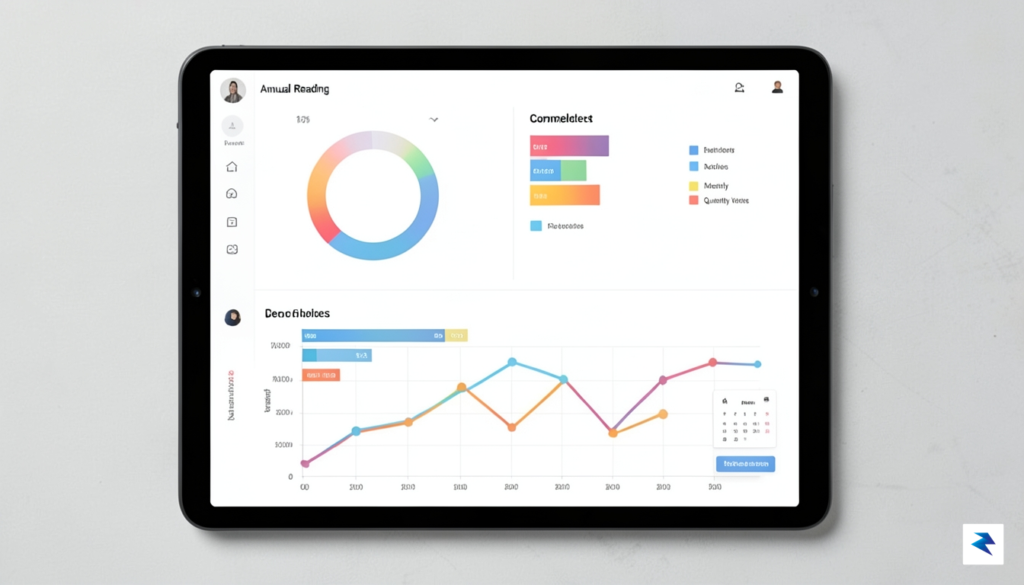
The integration between Kobo’s hardware and The StoryGraph’s analytics engine marks a significant turning point, effectively providing a seamless, viable alternative for the Kobo community. By bridging the gap between the physical act of reading on an e-reader and the digital logging of that progress, this partnership removes the friction that previously forced readers into the Goodreads ecosystem. It acknowledges that the future of book tracking isn’t necessarily about broadcasting your library to the masses, but about curating a private, sophisticated history of your intellectual journey.
The true value of a reading tracker lies in its ability to reflect the reader’s unique habits back to them, rather than serving as a billboard for commercial algorithms.
Ultimately, this development suggests that readers are no longer willing to settle for a one-size-fits-all experience. By choosing platforms that respect the sanctity of the reading experience, the community is successfully reclaiming its digital autonomy. This integration not only enhances the utility of Kobo devices but also signals to the industry that the next era of book tracking will be defined by user-centric design, meaningful data, and a commitment to preserving the quiet, focused nature of reading in an increasingly noisy digital world.
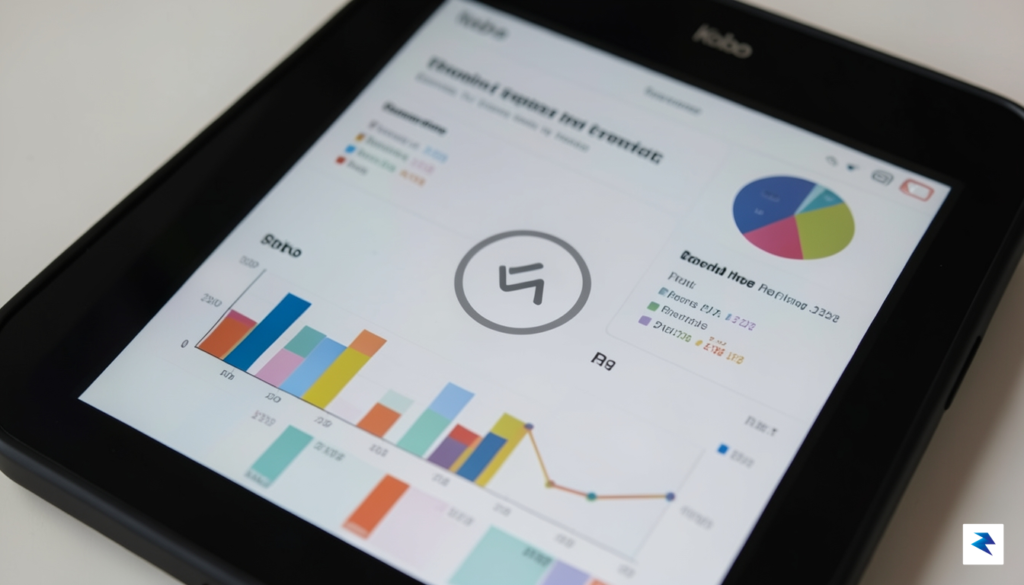
The integration between Kobo’s hardware ecosystem and The StoryGraph’s robust analytical platform marks a significant evolution in how readers manage their digital libraries. By establishing a direct bridge between your e-reader and your account, you no longer need to manually log every chapter or page turn. To begin the setup, users simply navigate to the experimental features or settings menu on their Kobo device, where they can link their account via a unique authorization token. Once the handshake between the two platforms is complete, the integration operates quietly in the background, continuously monitoring your reading habits without requiring further intervention.
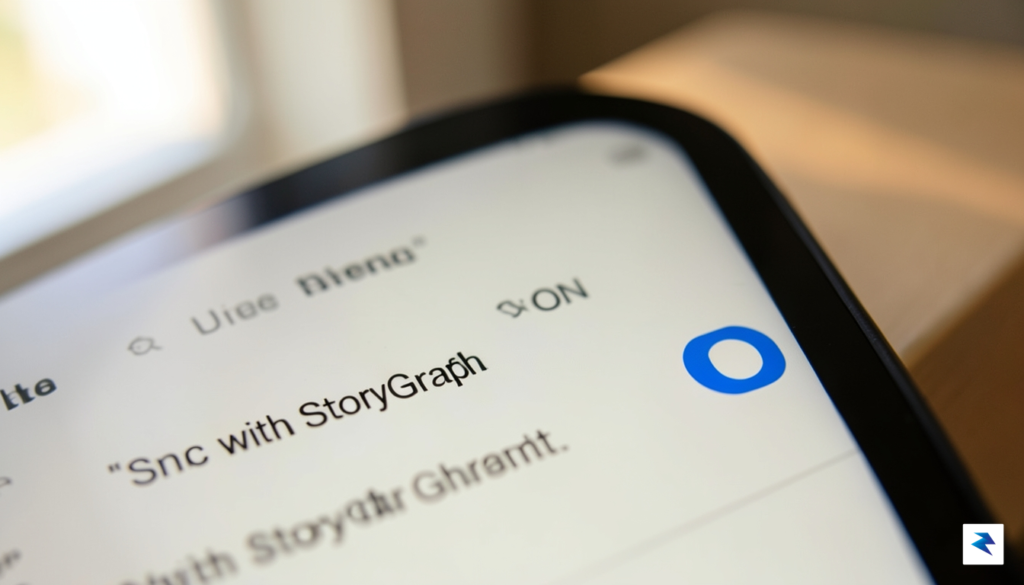
The mechanics of this synchronization are built on a real-time data exchange protocol that tracks granular reading metrics. As you progress through a book, the Kobo device periodically transmits your current location—specifically page counts and reading session duration—to The StoryGraph’s servers. This data is then translated into visual charts and statistics, updating your reading progress bars automatically. Because the system is designed to handle this transmission over Wi-Fi, the transition from closing your book on your e-reader to viewing your updated reading stats on your phone or desktop is nearly instantaneous. This effectively removes the friction that previously discouraged users from maintaining accurate digital journals.
The true power of this integration lies in the ‘set it and forget it’ philosophy; by automating the tedious aspects of logging, users are free to focus entirely on the reading experience itself.
Beyond the simple convenience of tracking, this functionality provides a deeper level of insight into your reading life. By bridging the gap between hardware and software, the integration ensures that your “currently reading” shelf remains perfectly aligned with your actual habits. Whether you are tracking the time spent on a complex non-fiction tome or monitoring your completion speed for a fast-paced thriller, the automated sync ensures that your data is always comprehensive and accurate. This level of synchronization effectively eliminates the “forgotten update” problem, ensuring that your long-term reading goals and statistics are always reflective of your actual progress.
Ultimately, this update transforms the Kobo from a standalone device into a data-driven companion. By automating the capture of reading progress, the platform creates a cohesive loop where your hardware usage feeds directly into your personal analytics dashboard. For those who prioritize data-backed insights into their literary consumption, this integration represents a sophisticated leap forward, allowing for a seamless experience that feels both modern and remarkably intuitive.
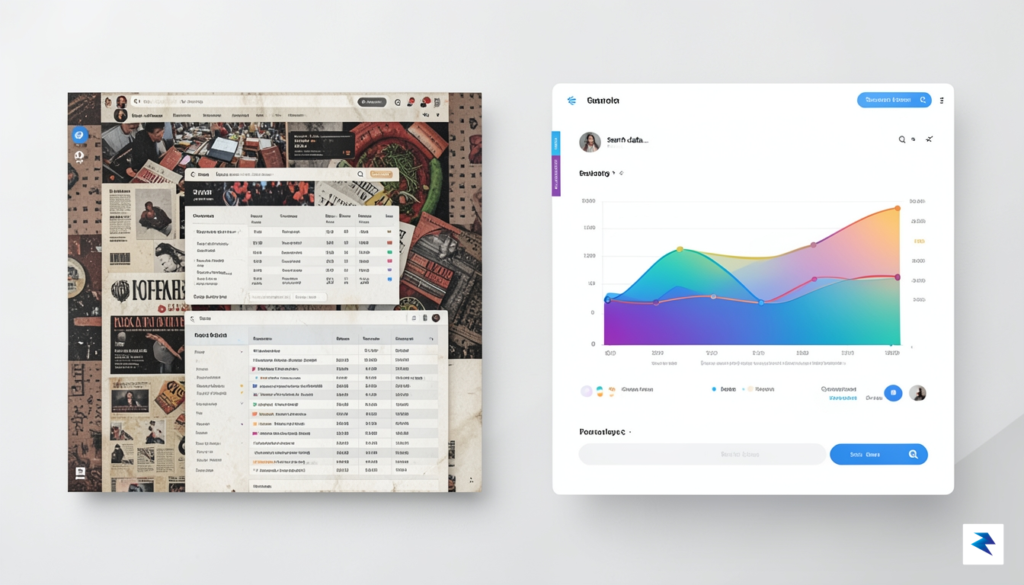
For years, Goodreads served as the default digital hub for bibliophiles, yet its aging interface and heavy integration with Amazon’s retail ecosystem have left many users feeling like mere consumers rather than participants in a literary community. In contrast, StoryGraph has emerged as a sophisticated alternative that prioritizes the reader’s relationship with their books. While Goodreads relies on a social-media-heavy approach that feels increasingly cluttered, StoryGraph focuses on deep data analysis. Users are drawn to the platform’s ability to turn reading history into actionable insights, offering vibrant, detailed charts that visualize reading habits, genres, and page counts over time. This analytical shift allows readers to treat their personal libraries as a growing collection of data points, transforming reading from a passive activity into a meaningful, documented journey.
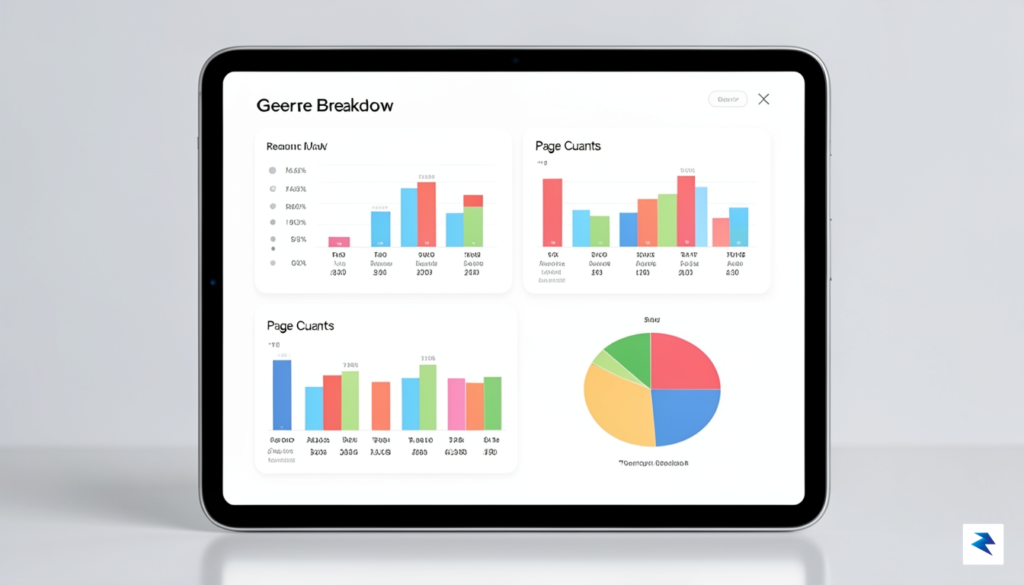
One of the most compelling reasons for the migration is StoryGraph’s unique tagging system, which offers far more nuance than the traditional star-rating format. By allowing users to categorize books based on specific moods—such as “adventurous,” “emotional,” or “challenging”—and pacing, the platform creates a personalized recommendation engine that feels genuinely intuitive. Unlike its competitor, which often surfaces suggestions heavily influenced by Amazon’s promotional algorithms, StoryGraph’s recommendations are grounded in the user’s specific tastes and preferences. This creates a curated experience that avoids the “billboard for sales” atmosphere, ensuring that the books suggested are actually aligned with what the reader enjoys, rather than what a corporation wants them to purchase next.
The core of the StoryGraph experience is the belief that your reading history belongs to you, not as a tool for targeted advertising, but as a map of your intellectual and emotional growth.
Beyond the data, the aesthetic transition is significant for many users who find the current state of Goodreads’ web design stagnant and cumbersome. StoryGraph offers a clean, modern, and highly responsive interface that feels purpose-built for the mobile-first generation. The absence of intrusive banner ads and the platform’s commitment to user privacy further distinguish it from the older, ad-supported model. Because the platform is designed to be a community-driven tool rather than a marketing funnel, users feel a greater sense of agency. This shift is not just about moving to a new website; it is about reclaiming the digital space where readers track their lives, ensuring that their personal reading records remain focused on the books themselves rather than the commercial interests of a global retail giant.

For over a decade, the digital reading landscape has been defined by the “walled garden” philosophy, where hardware and software were inextricably linked to a single retail giant. By integrating StoryGraph, Kobo is effectively dismantling the binary choice that has long constrained readers. This move signals a shift toward a more decentralized ecosystem, where the value of an e-reader is no longer tied solely to the bookstore it connects to, but to the agility of its software integrations. As Kobo pivots toward these data-rich, community-focused alternatives, it forces a direct confrontation with the restrictive nature of Amazon’s Kindle ecosystem, which has historically prioritized proprietary lock-in over user choice.
This strategic shift likely marks the beginning of a broader trend toward cross-platform interoperability in the e-book space. If Kobo can successfully host third-party tracking services, it raises the inevitable question of whether other manufacturers will be forced to follow suit to remain competitive. We may soon see a landscape where readers are no longer penalized for splitting their library across multiple storefronts, as platforms compete based on their ability to aggregate data rather than their ability to hoard it.
True innovation in the e-reading market will no longer be measured by the size of a retail catalog, but by how well an ecosystem plays with others.
For the average reader, this evolution is a significant victory for long-term digital library management. Previously, migrating away from a major e-commerce platform meant losing years of reading history, metadata, and personalized recommendations. With the rise of independent tracking ecosystems that function independently of the retailer, the digital library is finally becoming portable and user-owned. This transition empowers readers to curate their literary lives with greater autonomy, ensuring that their personal data and reading progress remain accessible regardless of which hardware they choose to carry. As these ecosystems continue to open up, the days of being trapped within a single corporate digital silo are rapidly coming to an end, paving the way for a more flexible and reader-centric future.
You must be logged in to post a comment.