Amazon Mechanical Turk’s Decline: What It Means for the Future of AI
The Evolution of Human-in-the-Loop AI When Amazon launched Mechanical Turk (MTurk) in 2005, it wasn't merely introducing another online…

For decades, the hallmark of elite education was the prestige of the physical campus—the ivy-covered walls, the intimate seminars, and the carefully curated social networks of top-tier private schools. However, a quiet but profound shift is occurring within the homes of the ultra-wealthy, where the traditional classroom is increasingly viewed as an outdated, one-size-fits-all relic. These families are moving toward a new paradigm: the “AI-first” educational model. Rather than relying solely on human instructors to guide their children through a standardized curriculum, they are integrating sophisticated artificial intelligence platforms that adapt in real-time to a student’s cognitive pace, interests, and emotional feedback.
This movement is driven by a desire for what advocates call “hyper-personalized” learning. In a conventional private school setting, even one with a low student-to-teacher ratio, a single human educator must balance the needs of dozens of pupils, inevitably leading to instructional compromises. Conversely, an AI tutor operates with infinite patience and granular data, adjusting its pedagogical approach the moment a student shows signs of confusion or boredom. By embracing algorithmic guidance, affluent parents are ensuring that their children achieve subject mastery at an accelerated rate, bypassing the systemic inefficiencies that have plagued traditional schooling for generations.
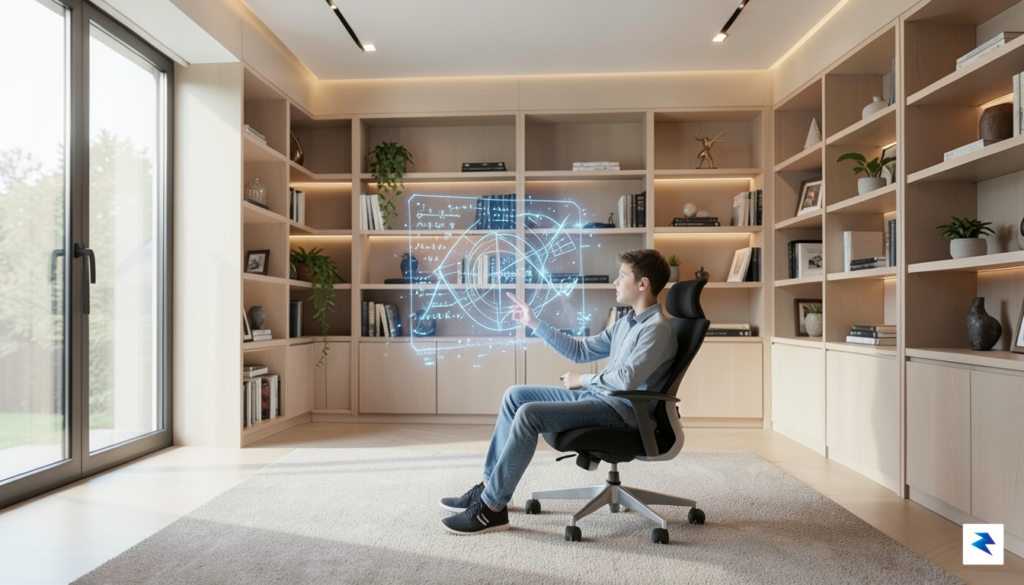
The transition toward algorithmic pedagogy represents more than just a technological upgrade; it signals a fundamental belief that personalized, machine-led instruction is superior to the constraints of the human-led lecture model.
Beyond the immediate academic gains, there is a clear strategic intent behind this shift: early immersion in the technology that will define the future of global industry. By making AI a constant presence in the daily lives of their children, these families are normalizing a world where the primary interface for knowledge acquisition is synthetic rather than organic. This cognitive shift prepares students to function as architects of the machine age, rather than mere users, fostering a deep, intuitive familiarity with large language models and predictive analytics. While the general public remains wary of the risks associated with AI in the classroom, this cohort views the technology as an essential toolkit for maintaining generational influence. As they detach from traditional institutional frameworks, these families are not just changing how their children learn; they are effectively creating a private, high-speed lane for the next generation of digital-native leaders.
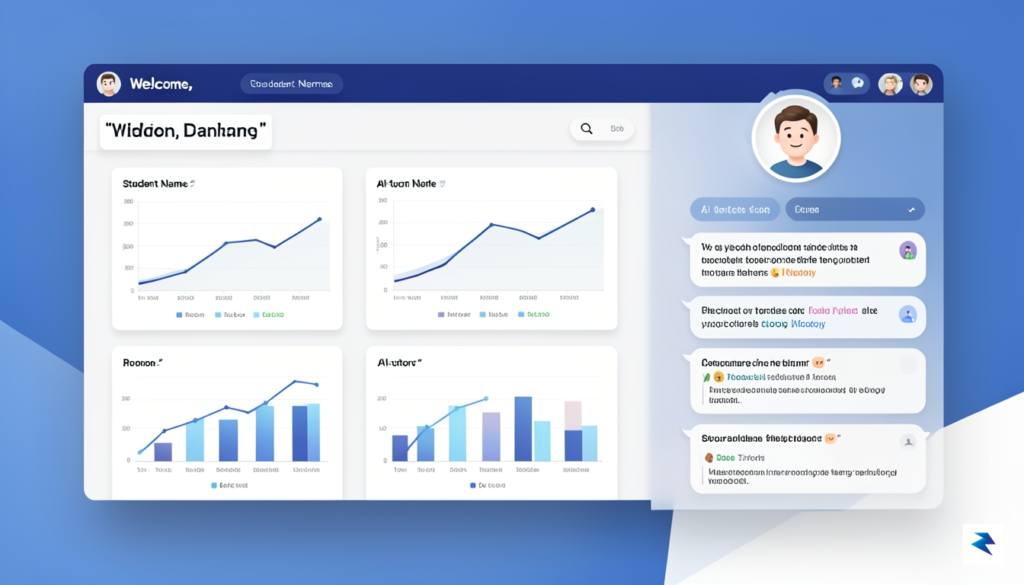
The landscape of elite education is experiencing a profound transformation, with cutting-edge artificial intelligence platforms emerging not merely as supplementary tools but as comprehensive alternatives to traditional schooling. Systems like Forge Prep and Alpha exemplify this shift, offering an entirely new paradigm where the learning experience is hyper-individualized and constantly evolving. These platforms are engineered to function as an ‘always-on’ tutor, meticulously tracking a student’s cognitive pace and intellectual grasp, thereby ensuring that every moment spent learning is optimized for engagement and retention. Unlike the fixed curricula and group instruction of conventional classrooms, these AI-driven environments adapt in real-time, tailoring content, pace, and teaching methodology to the unique needs of each individual learner.
At the heart of these innovative systems lies the ability for AI to seamlessly replace the role of a traditional lecturer. Instead of a single instructor delivering content to a diverse group, the AI provides an interactive, dynamic learning experience. It leverages sophisticated algorithms to present information, pose questions, and offer immediate, detailed feedback loops that go far beyond a simple ‘right or wrong.’ If a student struggles with a concept, the AI can instantly re-explain it using different analogies, visual aids, or practical examples until mastery is achieved. This constant, personalized dialogue mimics the ideal one-on-one tutoring scenario, ensuring misconceptions are addressed the moment they arise, preventing knowledge gaps from solidifying.
Crucially, these AI platforms effectively remove much of the ‘classroom friction’ that can impede learning in traditional settings. There’s no waiting for other students to catch up, no distractions from classmates, and no pressure to conform to a group’s average pace. A student can accelerate through subjects they grasp quickly or spend extra time on challenging topics without feeling rushed or held back. This efficiency is a significant draw for wealthy families who prioritize maximizing their children’s learning potential and value a bespoke educational journey. The focus shifts entirely to the individual’s progress, fostering an environment where curiosity can be pursued without institutional constraints or peer-group dynamics.
Furthermore, the transition from standardized curricula to dynamic, custom-generated lesson plans represents a monumental leap forward. Traditional education often relies on a fixed syllabus, designed to meet broad educational standards rather than individual aptitudes or interests. AI platforms, by contrast, can continuously analyze a student’s performance, learning style, and even expressed interests to generate personalized pathways. This means the curriculum is not a static document but a living, breathing entity that evolves with the student. From delving deeper into a specific historical period that sparks their imagination to mastering advanced calculus at an accelerated rate, the learning journey becomes truly bespoke, preparing students not just for exams, but for a future where adaptability and personalized skill sets are paramount.
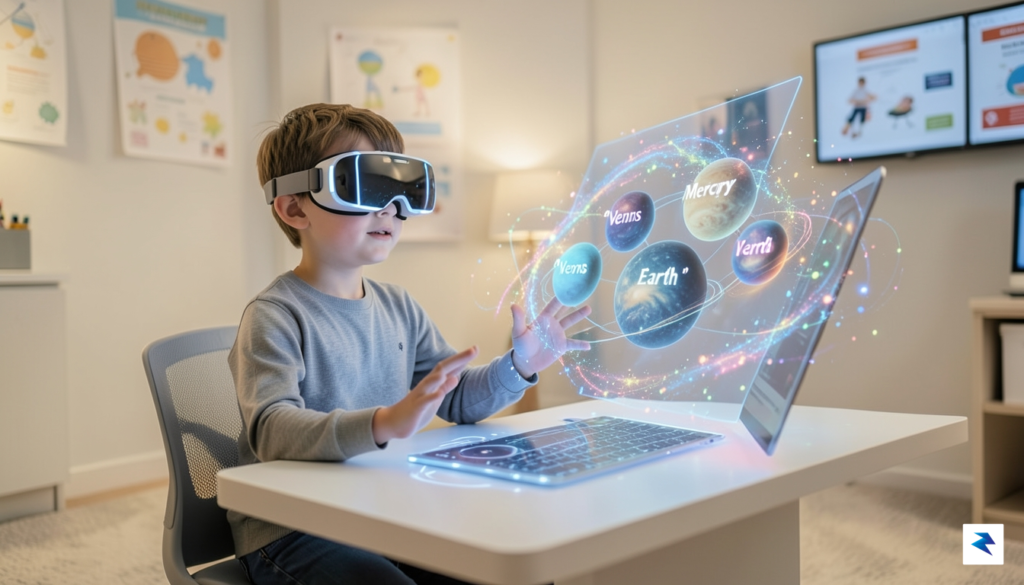
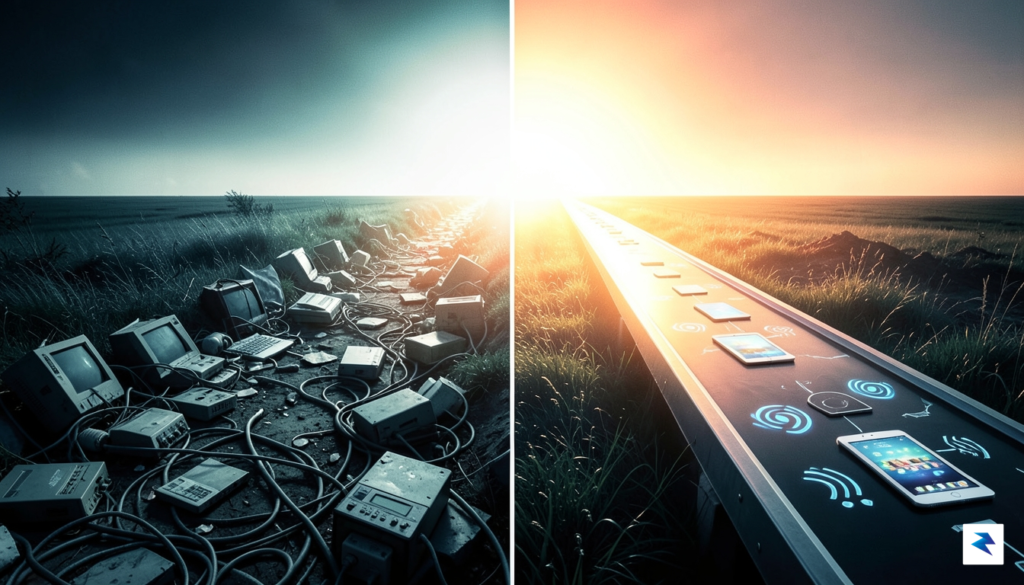
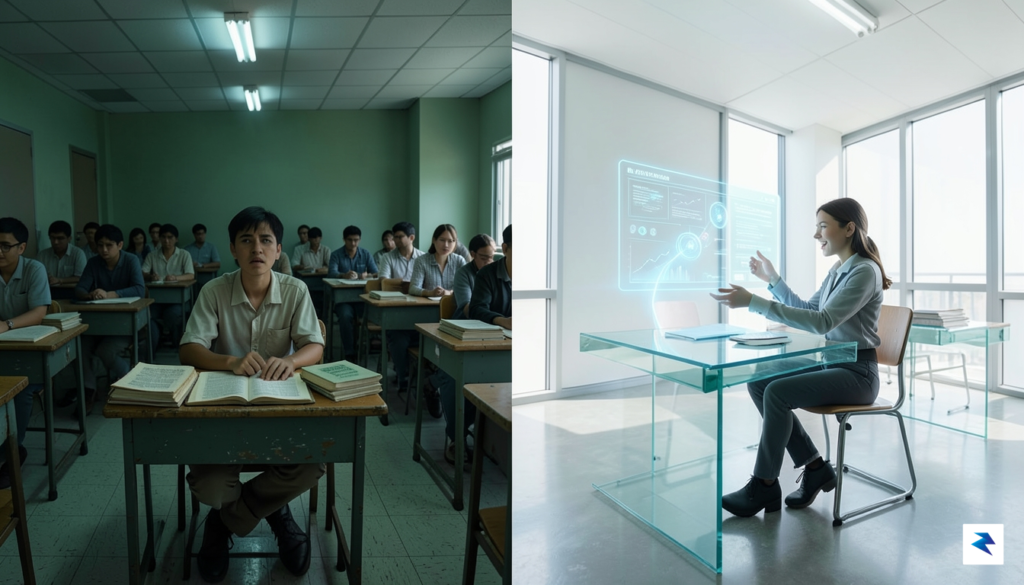
The rapid integration of artificial intelligence into private education is forging a new, silent frontier in the socioeconomic divide. While affluent families invest in bespoke, hyper-personalized AI tutors capable of adapting to their child’s specific cognitive speed and learning style, the majority of the public school system remains tethered to legacy models—standardized curricula designed for the average student rather than the individual. This disparity is not merely a matter of convenience; it represents a fundamental shift in how human potential is nurtured. When high-net-worth households can effectively outsource the nuances of cognitive development to machines that never fatigue, they are purchasing a form of intellectual acceleration that is structurally unavailable to the broader population.
The true risk of the AI education gap is not just the difference in test scores, but the divergence in how children learn to think, solve problems, and interact with the world around them.
Financial barriers serve as the primary gatekeeper in this unfolding landscape. Accessing high-tier AI educational platforms often requires not only significant subscription fees but also the underlying hardware and high-speed infrastructure that many families lack. Consequently, we are witnessing the emergence of a two-tiered educational system: one in which elite students are coached by algorithms that function as 24/7 personal mentors, and another where students continue to compete within the rigid, one-size-fits-all confines of traditional instruction. Over the long term, this gap threatens to calcify social stratification, as the “AI-augmented” cohort gains a sophisticated set of critical thinking and technical skills that leave their peers at a distinct, lasting disadvantage in the competitive labor market.
Moreover, the psychological implications of this shift are profound and remain largely under-examined. There is a distinct difference between being guided by a human mentor—who provides empathy, moral grounding, and social modeling—and being directed by a machine, no matter how intelligent that machine may be. While an AI can optimize for knowledge acquisition, it cannot replicate the mentorship, encouragement, or social-emotional intelligence that a human teacher provides. By replacing the human element with an algorithmic one, we risk raising a generation of high-achievers who are optimized for output but perhaps stunted in the interpersonal soft skills required for genuine human leadership. Ultimately, unless we find ways to democratize these tools, AI threatens to become a mechanism that deepens existing inequalities rather than the great equalizer its proponents once promised.
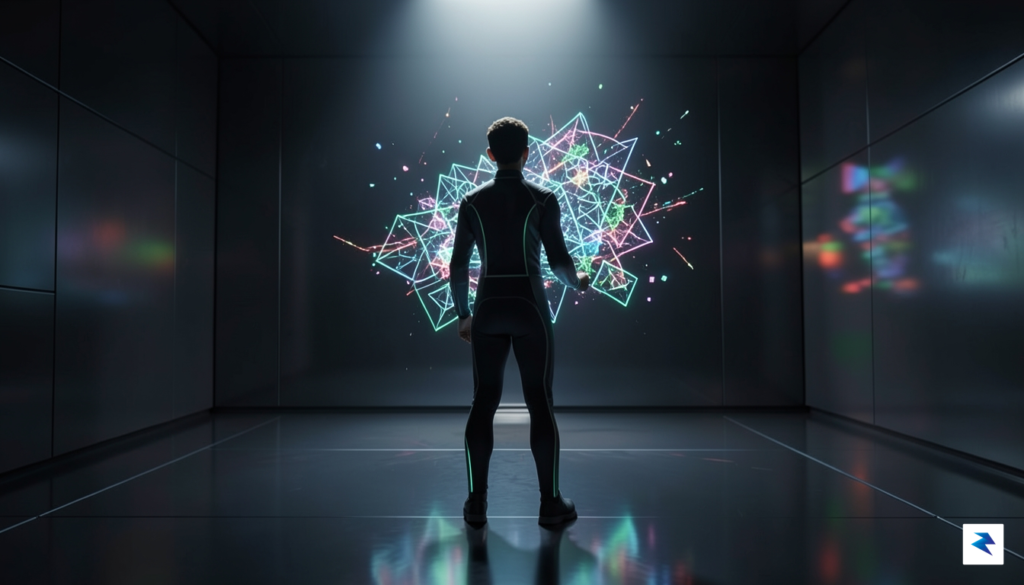
At the heart of the movement toward AI-driven education lies a seductive promise: the optimization of the human mind. By tailoring curricula to an individual student’s exact pace, AI can eliminate the “boredom” of waiting for peers or the anxiety of falling behind. Yet, this pursuit of hyper-efficiency risks creating an “efficiency trap,” where the primary goal of learning shifts from the cultivation of deep, conceptual mastery to the rapid consumption of bite-sized information. When education is streamlined for speed, we inadvertently prune away the friction—the struggle, the confusion, and the productive failure—that is essential for true cognitive development. Learning is rarely a linear path; it is often a messy, iterative process that requires time to sit with complex, uncomfortable ideas rather than bypassing them for a more “efficient” explanation provided by a chatbot.
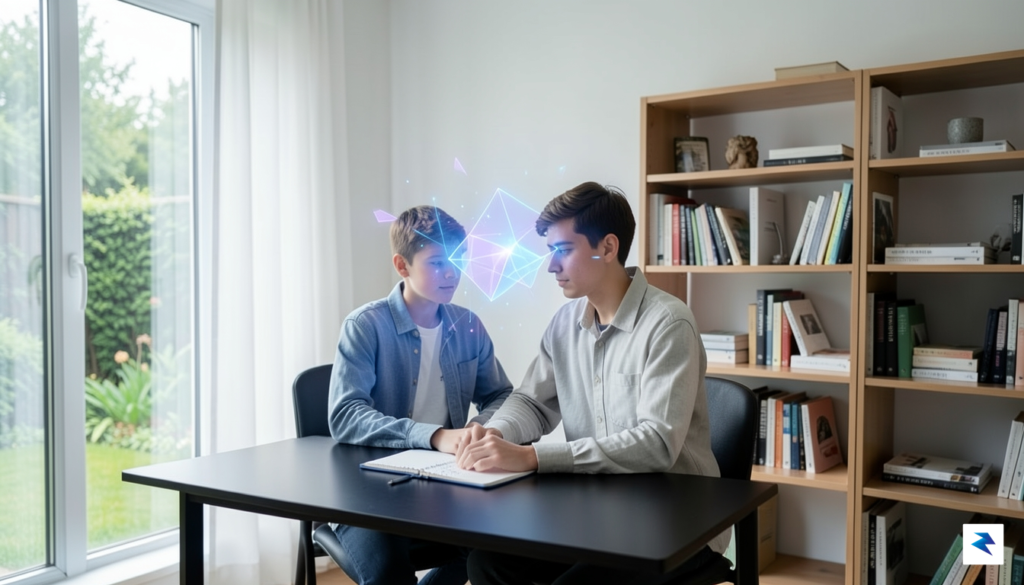
Furthermore, we must consider the irreplaceable role of human social interaction in child development. Education is not merely a data transfer process; it is a fundamentally social enterprise rooted in mentorship, empathy, and the challenging of perspectives. When a student interacts with a teacher, they are navigating human emotion, social cues, and the nuance of subjective debate—skills that are absent in an algorithmic feedback loop. An AI can provide the correct answer to a mathematical equation with flawless precision, but it cannot model the intellectual humility required to admit a mistake or the collaborative spirit needed to solve a problem in a diverse group. If we outsource our children’s primary intellectual guidance to machines, we risk raising a generation that is technically proficient but socially and emotionally brittle.
The danger is not just that AI might be wrong, but that it might be ‘too right’—providing answers so frictionless that they atrophy the student’s capacity for independent inquiry and critical doubt.
The reliance on AI also introduces a subtle but profound risk: intellectual dependency. If an algorithm is always available to synthesize, summarize, or solve, the student may lose the drive to engage in the laborious, solitary work of critical thinking. Genuine critical thinking requires the ability to construct an argument from scratch, weigh contradictory evidence, and navigate the “hallucinations” or inaccuracies that are inherent to large language models. When a machine provides a polished, authoritative-sounding response, the student’s internal “BS detector” may remain dormant. By prioritizing convenience, we may be trading the development of the student’s own voice for a reliance on a synthetic one, potentially leaving them unable to discern truth from the algorithmic echoes of a machine.
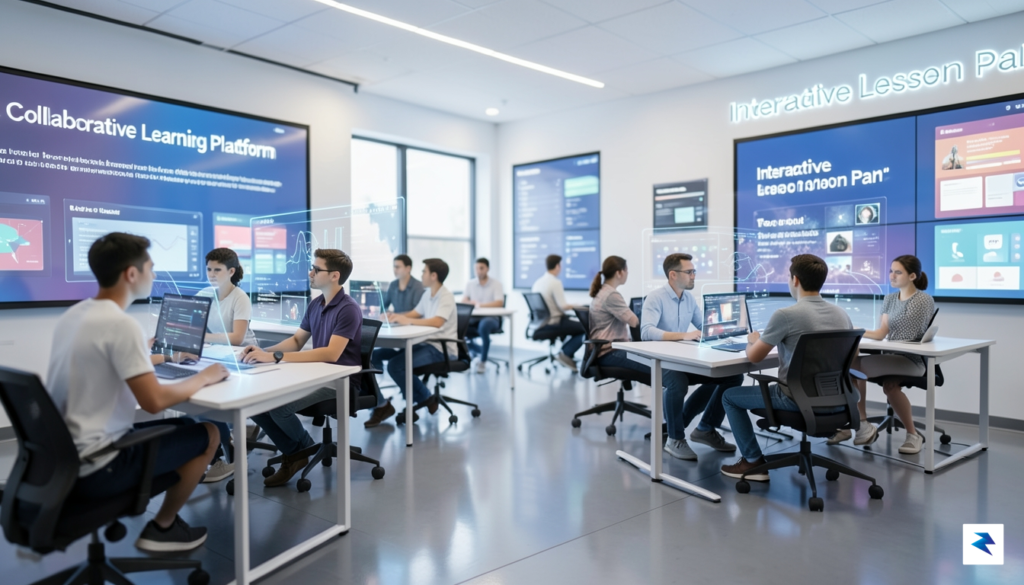
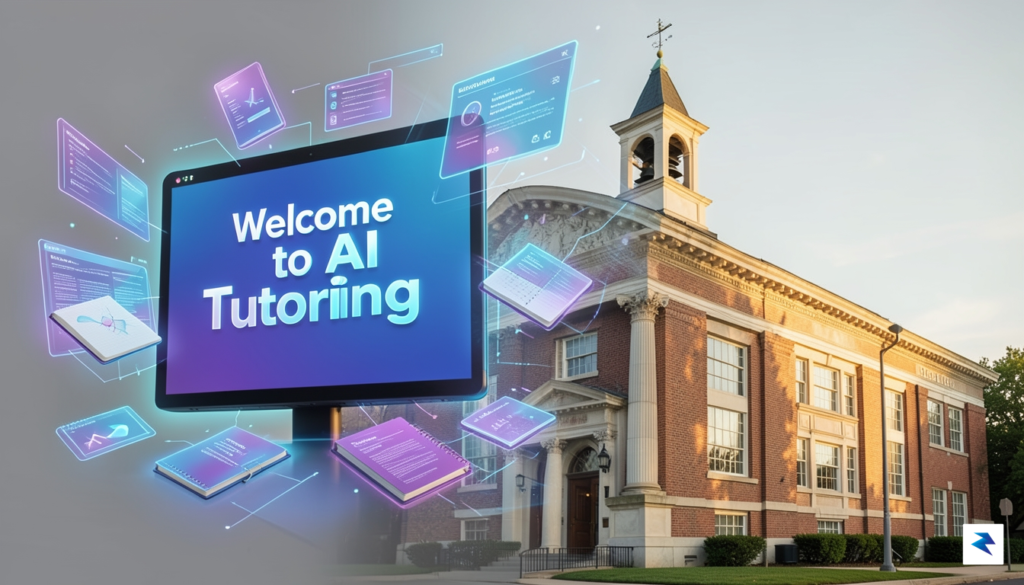
History has repeatedly demonstrated that the educational experiments pioneered by the elite eventually become the blueprints for broader societal norms. Just as early adopters of private digital tutoring are currently shaping a new model of personalized, AI-driven instruction, these pilot programs will inevitably trickle down to public school systems. As these sophisticated algorithms become more affordable and computationally efficient, the challenge will shift from accessibility to integration. The future of public education will likely involve a hybrid environment where AI serves as a high-frequency tutor capable of adapting to a student’s specific pace, while traditional classrooms undergo a fundamental transformation to prioritize collaborative, project-based learning.
This shift naturally prompts a critical reassessment of what it means to be a “qualified teacher.” In an AI-dominated landscape, the role of the educator must evolve from that of a primary knowledge transmitter to a facilitator of critical thinking and emotional intelligence. While an algorithm can flawlessly track a student’s progress in calculus or grammar, it cannot replicate the mentorship, moral guidance, or empathetic support that a human teacher provides. Therefore, the educators of the next decade will be judged less by their ability to deliver standardized lectures and more by their capacity to help students navigate the ethical, social, and creative complexities that machines are not equipped to handle.
The true value of future education will not lie in the efficiency of the software, but in the human capacity to synthesize AI-generated information into wisdom and innovation.
However, we must approach this technological transition with extreme caution. The risk of a “digital divide” is significant; if advanced AI tools remain confined to the wealthiest families, we risk calcifying existing social hierarchies into the very architecture of our schooling. To prevent this, society must prioritize AI literacy as a foundational pillar of the modern curriculum. It is not enough to simply provide devices; we must ensure that all students, regardless of their socioeconomic background, understand how to prompt, audit, and interrogate the algorithmic systems that will increasingly govern their career opportunities. By democratizing access to these tools and fostering a culture of critical engagement, we can ensure that the AI revolution acts as a catalyst for educational equity rather than a barrier to it.
You must be logged in to post a comment.