
Google’s New AI Strategy: Why Water Stewardship Is the Next Big Tech Priority
The Growing Water Footprint of the AI Revolution The meteoric rise of generative AI has fundamentally altered the technological landscape, yet…
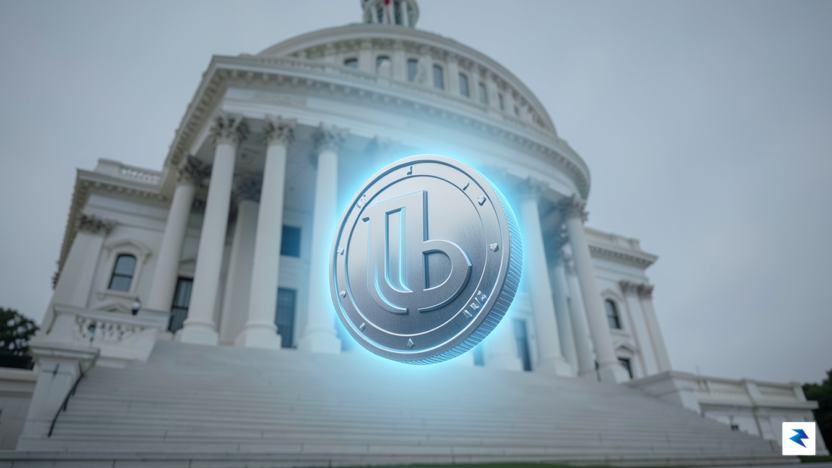
For years, the digital asset ecosystem in the United States has existed in a precarious state of regulatory ambiguity, often described by industry participants as a “wild west” environment. While innovation in blockchain technology and decentralized finance has surged, the lack of a comprehensive legal framework has left companies, investors, and federal agencies operating in a perpetual state of friction. The current landscape is defined by a patchwork of enforcement actions and conflicting jurisdictional claims, which has stifled institutional adoption and created significant anxiety for retail consumers. However, this period of uncertainty may finally be reaching a definitive turning point as policymakers move to codify rules that could bring order to the chaotic crypto markets.
At the center of this shifting momentum is the proposed Crypto Clarity Act, a piece of legislation that proponents are hailing as a “historic” breakthrough in legislative governance. Unlike previous, more limited attempts to regulate specific segments of the industry, this bill aims to establish a cohesive structure that defines the roles of existing oversight bodies while providing clear guidelines for asset classification. By drawing a bright line between different types of digital assets, the legislation seeks to reduce the reliance on litigation as a primary tool for enforcement. If passed, it would represent the most significant federal intervention in the history of the industry, potentially providing the long-awaited signal that the United States is ready to embrace digital assets as a permanent component of the modern financial infrastructure.

The White House has emerged as a key architect in this process, actively lobbying Senate Democrats to find common ground on the bill’s most contentious provisions. Recognizing that a partisan stalemate would only prolong the stagnation of the American digital economy, administration officials are working behind the scenes to bridge the divide between those who advocate for strict consumer protections and those who fear that over-regulation will drive innovation overseas. This high-stakes diplomatic effort underscores the administration’s acknowledgment that the crypto ecosystem is no longer a peripheral niche, but a significant factor in the broader national economic strategy. By leaning into this bipartisan negotiation, the White House is signaling that it views a stable, clear regulatory environment as a matter of national interest.
The success of this legislation hinges on the ability of lawmakers to balance the necessity of market integrity with the preservation of technological innovation, turning a volatile landscape into a sustainable economic frontier.
Ultimately, the stakes for the crypto ecosystem could not be higher, as the outcome of these negotiations will likely dictate the trajectory of American financial technology for the next decade. Industry stakeholders are watching closely, aware that the “historic” nature of this deal is not merely about the rules themselves, but about the precedent it sets for how the government interacts with emerging technologies. Should Senate Democrats and the administration succeed in passing this act, it could serve as a global benchmark for digital asset regulation, effectively ending the era of regulatory guesswork and ushering in a new chapter of institutional growth and consumer security.

At the heart of the current legislative push lies a contentious and somewhat opaque ethics agreement tailored specifically to the office of the President. While the White House has framed this as a “historic” step toward regulatory modernization, the lack of granular detail surrounding these proposed constraints has created a significant hurdle for Senate Democrats. Financial legislation of this magnitude typically mandates stringent oversight, yet the specific provisions governing presidential conduct regarding digital assets remain largely behind closed doors. This shroud of mystery is not merely a matter of bureaucratic procedure; it represents a fundamental tension between the administration’s desire for swift passage and the legislative body’s duty to ensure that no executive office is granted undue influence or exemption in the volatile crypto market.
Transparency is the bedrock of congressional buy-in, particularly when dealing with emerging technologies that carry massive implications for national economic stability. Legislators are understandably wary of advancing a framework without a clear understanding of how presidential ethics will be enforced or what specific limitations will be placed on executive activity. If the public and elected officials cannot scrutinize the mechanisms meant to prevent conflicts of interest, the entire bill risks being viewed as a preferential carve-out rather than a comprehensive regulatory standard. By withholding the fine print of this agreement, the administration is inadvertently fueling skepticism among lawmakers who fear that a lack of disclosure today could lead to massive accountability gaps tomorrow.

To appreciate the weight of this debate, one must contrast the proposed restrictions with the current, fragmented standards governing federal officials. Historically, ethics laws have been designed to insulate the executive branch from the influence of private financial holdings, yet these rules were written long before the advent of decentralized ledgers and sovereign digital assets. The current negotiations seek to bridge this gap, but they must reconcile two competing philosophies:
The true test of this legislation will be whether it establishes a robust, permanent standard for executive conduct or merely creates a temporary patch that leaves the door open for future ethical ambiguity.
Ultimately, the push for this agreement serves as a litmus test for how the federal government intends to treat crypto-assets: as a legitimate, regulated financial instrument or as a Wild West of executive maneuvering. Without full disclosure of these ethics provisions, the Senate remains in a difficult position, forced to weigh the promise of a “historic” regulatory victory against the potential for long-term institutional risk. For the deal to move forward with the necessary bipartisan legitimacy, the White House must move beyond broad characterizations and provide a concrete, defensible plan that aligns the office of the President with the same rigorous standards demanded of the broader financial sector.

Navigating the Senate’s internal dynamics regarding digital asset legislation has proven to be an arduous task for the administration, as the path to a “historic” regulatory breakthrough remains fraught with political friction. At the heart of this challenge is a fundamental disagreement among Democratic senators regarding the balance between fostering financial innovation and maintaining rigorous consumer protections. While proponents of the crypto-clarity movement argue that a clear legal framework is essential to stop the exodus of blockchain companies to overseas jurisdictions, a vocal faction of the party remains deeply skeptical. These lawmakers are primarily concerned that any hasty legislative compromise could inadvertently create loopholes that might facilitate financial misconduct or undermine the stability of the broader banking system.
The tension within the party is further complicated by the specific ethics provisions currently under negotiation. Many Democrats are wary of appearing too cozy with an industry that has been marred by high-profile failures and allegations of illicit activity, leading them to demand stringent oversight mechanisms as a prerequisite for their support. For the White House, the strategic imperative is to bridge this ideological chasm by framing the deal not as a gift to the industry, but as a necessary evolution of financial policy. By securing a consensus on these ethics rules, the administration hopes to create a durable, long-term regulatory structure that satisfies those demanding accountability while providing the certainty that markets have been desperate to achieve.

The success of this legislative push hinges on whether the administration can convince skeptical lawmakers that a comprehensive regulatory framework is the most effective tool to prevent future industry collapses rather than a move toward deregulation.
Ultimately, the political reality is that a narrow party-line vote is unlikely to yield the long-term stability that the crypto ecosystem requires to flourish within the United States. To build a truly historic mandate, Senate leadership must reconcile the concerns of progressive members who prioritize investor safety with the pragmatic wing that recognizes the inevitability of digital asset integration. The current negotiations represent a high-stakes effort to demonstrate that Congress can function effectively on complex, emerging technologies. If the White House can successfully align these disparate interests, the resulting policy could serve as the foundational bedrock for the next decade of American financial innovation, moving the industry away from the current state of regulatory ambiguity and toward a transparent, enforceable standard.

For years, the digital asset industry has operated in a legal gray area that creates significant friction for both retail participants and institutional giants. Without a predictable regulatory framework, large-scale investors—such as pension funds, hedge funds, and major banking institutions—have largely remained on the sidelines, wary of the potential for sudden enforcement actions or retroactive compliance burdens. This pervasive legal ambiguity acts as a dampener on capital formation, effectively locking out the very players who could bring long-term liquidity and maturity to the ecosystem. By establishing a clear, predictable structure, the proposed legislation aims to replace the current “regulation by enforcement” approach with a stable environment where participants can plan, innovate, and allocate capital with confidence.

The core objective of the Crypto Clarity Act is to create a definitive taxonomy for digital assets, finally distinguishing between commodities, securities, and other financial instruments. Currently, the lack of a standardized classification forces many companies to navigate conflicting mandates from various federal agencies, which creates operational paralysis. If this legislation succeeds, it will provide a bedrock of stability by setting explicit rules of the road that protect consumers from fraud while shielding developers from the chilling effects of legal uncertainty. When businesses understand exactly which rules apply to their products, they can focus their resources on technological advancement rather than legal defense, which in turn fosters a more robust and secure market.
The transition from regulatory ambiguity to a codified framework is the single most important catalyst for moving digital assets from a speculative frontier into a recognized, institutional-grade asset class.
Beyond the immediate domestic benefits, the urgency of this legislative push is deeply tied to global competitiveness. Other nations are rapidly developing their own comprehensive regulatory regimes, creating a race to attract blockchain talent and high-tech investment. If the United States fails to provide a coherent legal structure, it risks driving innovation toward jurisdictions that have already established clear, supportive regulatory frameworks. By passing a historic agreement now, the Senate has the opportunity to set the global standard for the industry. This would not only ensure that American companies remain at the forefront of the financial revolution but also integrate digital assets into the broader, regulated global economy in a way that balances the need for innovation with the necessity of robust consumer safeguards.

As the Senate prepares to deliberate on this transformative legislative framework, the ripple effects are poised to reshape the digital asset landscape for both institutional giants and retail participants. For the average investor, the primary benefit lies in the potential for increased market stability; by establishing clear “rules of the road,” the legislation aims to mitigate the volatility often spurred by regulatory uncertainty and legal ambiguity. When the boundaries between legitimate digital commerce and illicit activity are clearly defined, it fosters an environment where innovation can flourish without the looming threat of sudden enforcement actions that have historically blindsided the market.
For crypto-native companies, the implications are equally profound, as the deal promises to provide a long-sought-after pathway toward mainstream integration. By clarifying how digital assets interact with traditional financial infrastructure, this legislative push could finally unlock the institutional capital that has been sitting on the sidelines, waiting for a secure and compliant framework to enter the space. However, this transition is not without its risks. Industry observers must remain vigilant regarding the specific mechanisms of oversight contained within the bill, as an overly restrictive compliance burden could stifle smaller startups and favor only the most well-capitalized firms capable of navigating complex bureaucratic requirements.

Ultimately, the success of this legislation hinges on balancing the protection of retail consumers against the imperative to keep the United States competitive in the global race for blockchain leadership.
In the coming weeks, investors should pay close attention to the specific amendments proposed during committee markups, as these adjustments will likely dictate the long-term feasibility of various digital asset projects. It is essential to monitor how the legislation treats decentralized protocols versus centralized exchanges, as the distinction between these two categories will determine which sectors see an influx of investment and which face increased operational friction. Regulatory transparency is the cornerstone of any healthy market, and if this deal succeeds, it could set a global precedent for how governments reconcile the decentralized nature of blockchain technology with the centralized needs of national financial oversight.
Looking ahead, the next decade will likely be defined by this push for clarity. Whether or not this specific deal clears the Senate, the discourse surrounding it has already moved the needle toward a more mature, regulated, and professionalized digital economy. Investors who prioritize projects that align with these emerging compliance standards will likely find themselves better positioned to navigate the inevitable volatility that accompanies such a significant shift in financial policy.
You must be logged in to post a comment.