
The AI Paradox: How Reddit is Using LLMs to Fight AI-Generated Spam
The Irony of AI-Driven Moderation The digital landscape is undergoing a profound transformation, increasingly saturated with content that…
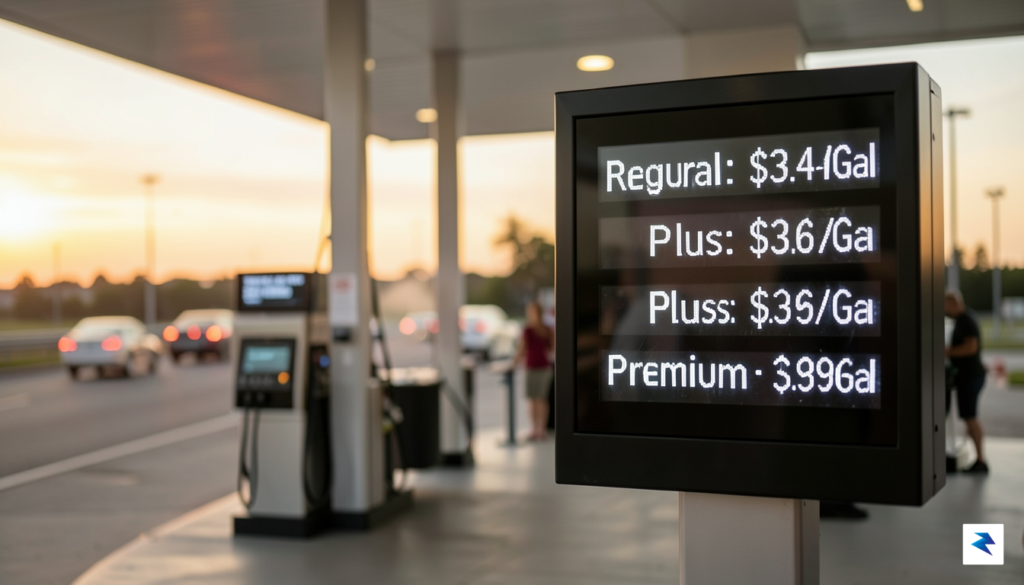
When the global price of crude oil takes a sudden tumble, the average motorist naturally expects their local gas station to follow suit within hours. After all, gasoline is a derivative of crude oil, and market logic suggests that cheaper raw materials should translate into lower costs for the finished product. Yet, anyone who frequents a pump knows that reality is far more stubborn. This phenomenon, often described by economists as “rockets and feathers,” highlights a frustrating truth: retail gas prices tend to skyrocket at the first sign of a supply disruption, but they drift downward like a falling feather when market conditions improve.
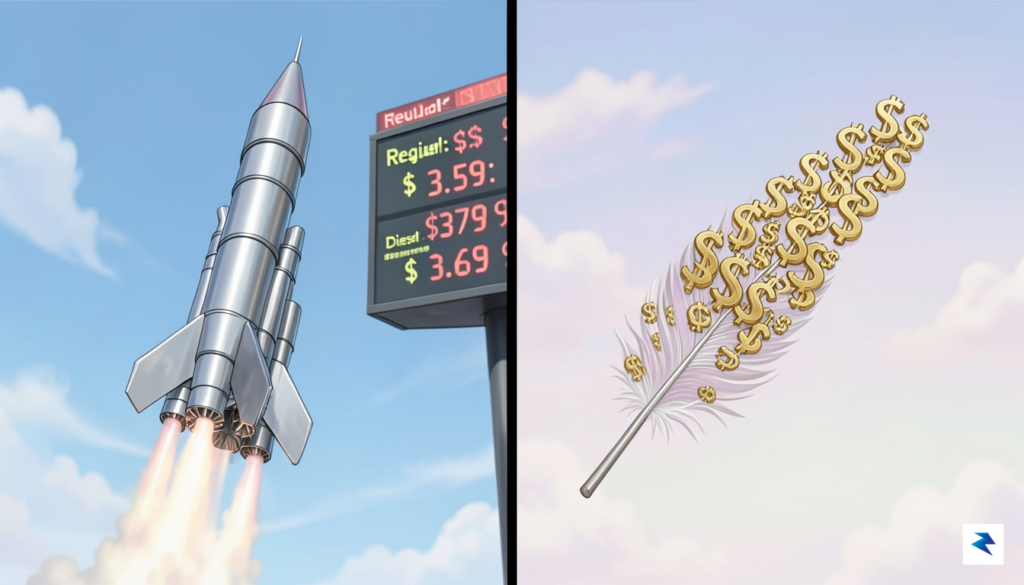
The primary reason for this disconnect lies in the mechanics of wholesale inventory. Most gas stations do not purchase fuel directly from oil rigs; instead, they rely on a complex supply chain involving refineries, regional terminals, and contracted wholesalers. When a station owner buys fuel, they are often purchasing inventory that was priced based on market conditions from several days or even weeks prior. Consequently, when global oil prices drop, the retailer is still sitting on a supply of gasoline bought at a higher wholesale cost. To prevent immediate financial losses, station owners are naturally hesitant to slash prices until they have cycled through that expensive inventory and replaced it with cheaper stock.
The “rockets and feathers” effect is not necessarily a sign of malice; rather, it is a byproduct of inventory turnover and the need for retailers to maintain profit margins in a volatile market.
Beyond simple logistics, regional market dynamics play a significant role in how quickly—or slowly—savings reach the consumer. Gas stations compete in localized environments where they must balance the cost of replacement fuel against the need to remain competitive with the station down the street. If a retailer lowers their price too aggressively, they risk running out of stock before they can afford to replenish it, especially if the wholesale market suddenly rebounds. Conversely, when prices are high, there is very little incentive for a retailer to lower them faster than their competitors. This creates a psychological perception of price gouging, where the public interprets the slow decline as an intentional grab for profits, while the industry views it as a necessary buffer against the inherent unpredictability of the global energy market.
Ultimately, the lag in retail pricing serves as a hedge against the rapid fluctuations of the commodities market. While consumers are understandably frustrated by the slow transition to cheaper fuel, the system is designed to favor stability over instantaneous reaction. By understanding that the pump price is a reflection of local competition and historical supply costs rather than a direct, real-time mirror of the global oil market, it becomes easier to see why the relief at the pump is rarely as immediate as the dip in global oil prices.
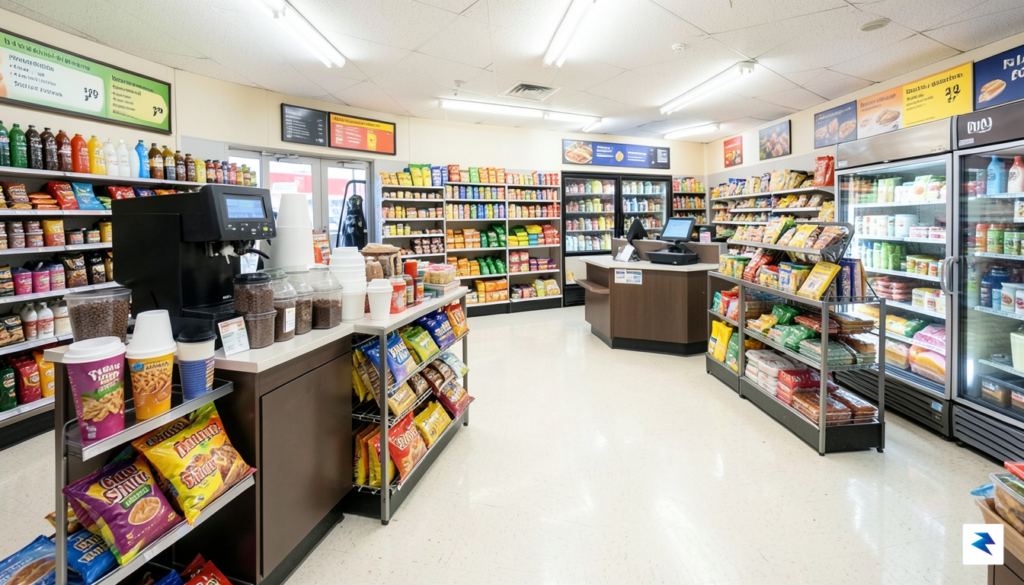
To the average motorist, a gas station is simply a place to refuel, but from a business perspective, the pumps are often little more than a necessary lure. Fuel is a highly volatile, low-margin commodity, and in many cases, retailers make only a few cents per gallon after accounting for overhead, credit card processing fees, and transportation costs. Because fuel prices are hyper-transparent and fiercely competitive, stations rarely rely on them to generate significant net profit. Instead, the modern gas station has evolved into a high-margin convenience hub where the primary goal is to drive foot traffic inside the store, where the real money is made on items like snacks, energy drinks, and increasingly, fresh prepared foods.
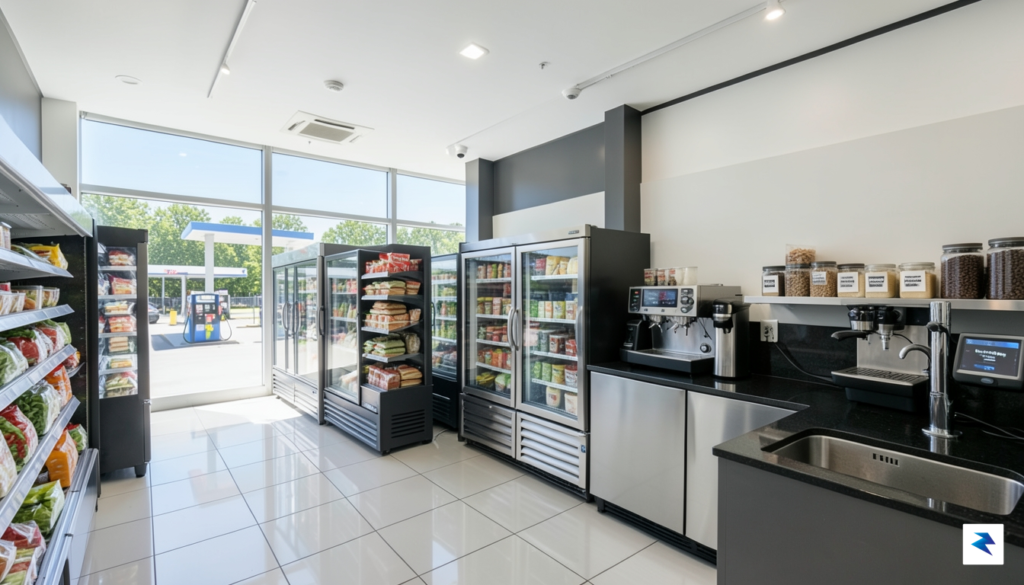
This transition toward a retail-first model is a deliberate response to the unpredictable nature of global oil markets. When oil prices drop, stations often maintain higher margins on fuel to buffer against future volatility, yet the convenience store remains the essential anchor of the business model. By diversifying their income streams, retailers can subsidize lower fuel margins during periods of intense local price competition. For instance, the markup on a fountain soda or a bag of chips is exponentially higher than the margin on a gallon of gasoline. Furthermore, high-margin ancillary services such as automated car washes and proprietary loyalty programs help stabilize cash flow, insulating the operator from the thin, erratic earnings characteristic of the wholesale fuel market.
The business model also varies significantly based on the ownership structure of the station. Corporate-owned locations often prioritize high-volume throughput, using aggressive, low-price strategies to move large quantities of fuel, banking on the fact that a higher volume of customers will inevitably result in more inside-store transactions. In contrast, independent operators often have less room to maneuver; they must balance their fuel pricing against the wholesale costs set by their suppliers while carefully curating their retail inventory to maximize profit per square foot.
Ultimately, the gas station of the twenty-first century is no longer just a fuel depot; it is a specialized retail environment where the pump acts as a billboard and the store acts as the profit engine.
Ultimately, the goal for these retailers is to capture the “convenience premium.” As consumers become increasingly time-poor, they are often willing to pay more for the efficiency of a one-stop-shop that combines refueling with breakfast, errands, or vehicle maintenance. By mastering this ecosystem, station operators transform what was once a simple utility stop into a multifaceted retail experience that can thrive regardless of the daily fluctuations in crude oil pricing.
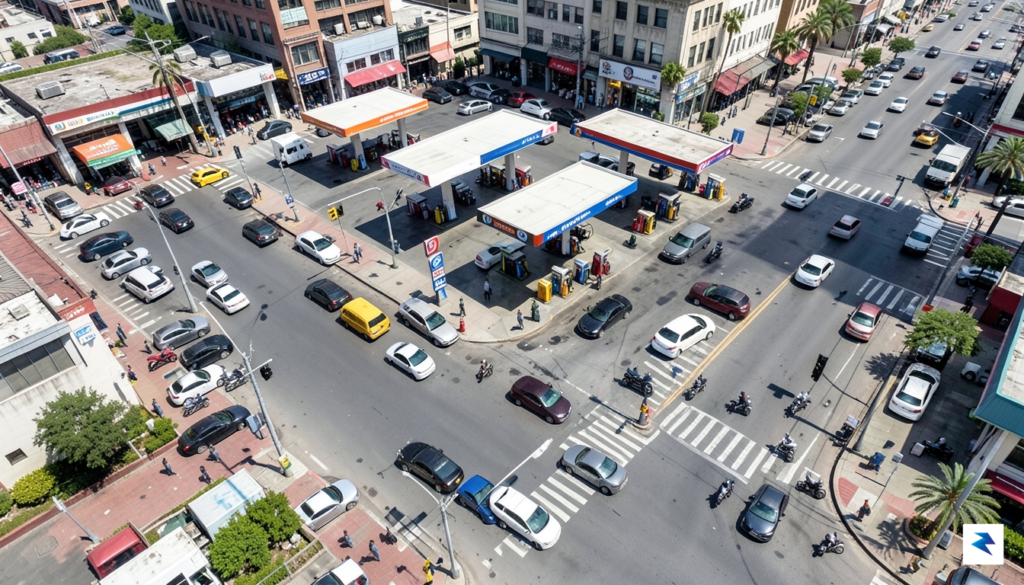
While standard economic theory suggests that high levels of competition should inevitably drive consumer prices downward, the retail fuel industry often defies this logic through a phenomenon known as price stickiness. Even when wholesale oil costs plummet, local gas stations frequently maintain higher prices for an extended period, creating a disconnect between the global market and the pump. This behavior is rooted in the dynamics of oligopolistic competition, where a small number of retailers dominate a specific geographic area. Because these stations are keenly aware of their neighbors’ pricing strategies, they often engage in a form of tacit coordination. Rather than initiating a “race to the bottom” that would erode profit margins for everyone, retailers find it more lucrative to hold prices steady, banking on the fact that drivers will continue to purchase fuel regardless of minor fluctuations.
The lack of incentive to undercut competitors is further reinforced by the inelastic nature of gasoline demand. For the average commuter, fuel is a non-negotiable necessity; most consumers are unwilling to drive several miles out of their way to save a few cents per gallon, as the cost of the extra fuel consumed during that detour often outweighs the savings. Retailers understand this behavioral reality intimately. By monitoring their competitors’ signs in real-time—a practice often aided by automated data scraping and local scouting—stations can mirror price changes almost instantly. This ensures that no single operator captures a significantly larger market share through lower prices, effectively neutralizing the competitive pressure that would otherwise benefit the consumer.
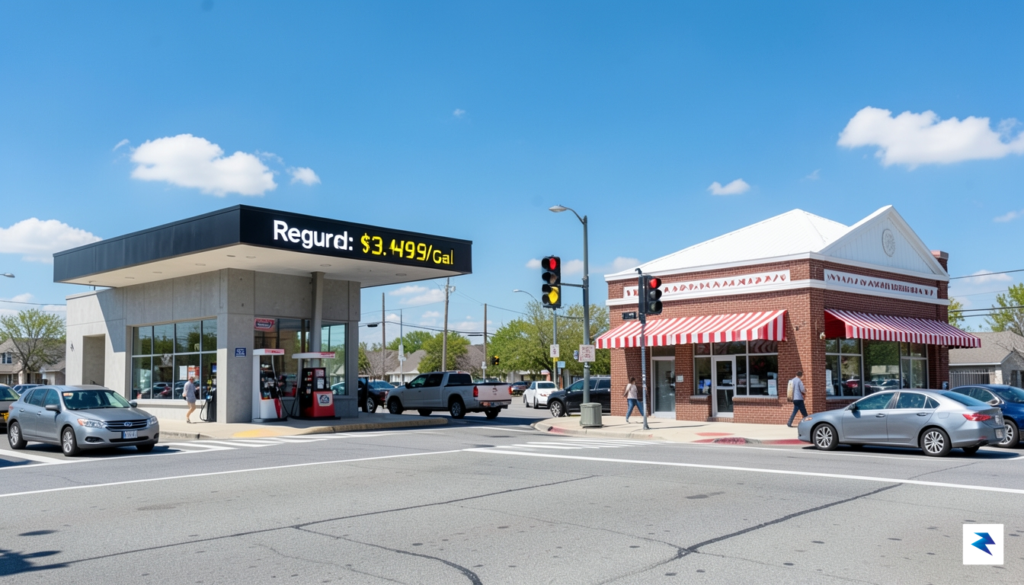
Ultimately, the retail fuel market functions less like a perfect auction and more like a carefully calibrated ecosystem where stability is prioritized over aggressive price cutting.
Regulatory bodies often struggle to address this issue because, while the pricing behavior may appear collusive to the public, it is rarely the result of a formal, illegal agreement. Instead, it is a rational, independent response to the market structure. Proving that stations are acting in lockstep is notoriously difficult, as retailers can point to shared wholesale costs or regional supply chain constraints as justification for their pricing. Consequently, the perception of “price gouging” persists among the public, even when the stations are simply reacting to the lack of competitive pressure. As long as consumers view gas as a commodity where convenience trumps price, the structural ceiling on how low fuel costs can drop will likely remain, regardless of how cheap the underlying crude oil becomes.
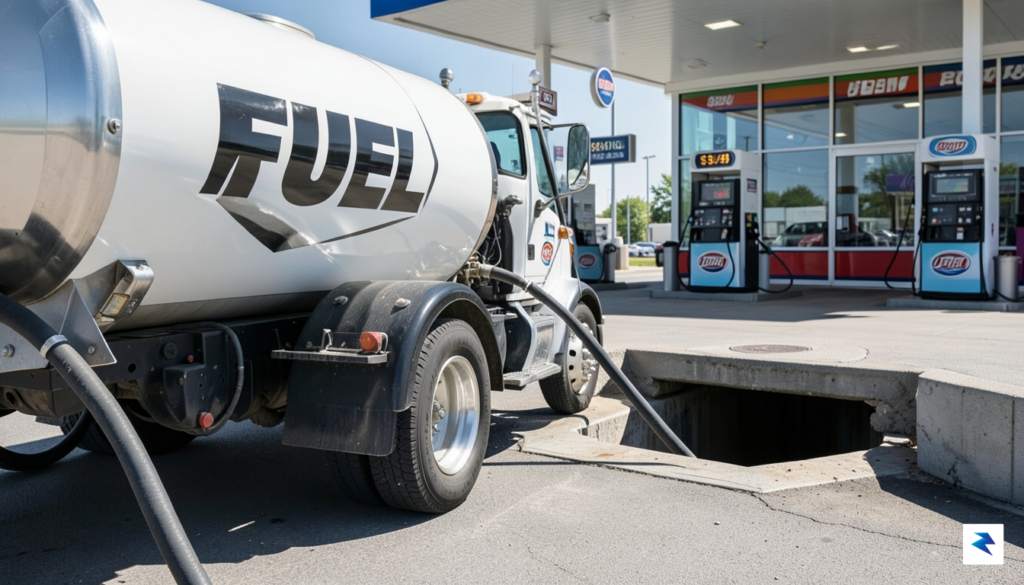
To understand why the price at the pump often seems disconnected from the immediate fluctuations of the global crude oil market, one must first look at the “replacement cost” model that governs retail fuel management. When a gas station owner purchases a load of fuel, they are not buying it at today’s spot price, but rather at a rate that reflects the market conditions from several days or even weeks prior. Consequently, the fuel currently sitting in a station’s underground storage tanks was paid for at a higher price point than what might be reflected in today’s news headlines. Retailers are naturally hesitant to lower their prices until they have effectively liquidated this existing, higher-cost inventory; otherwise, they would be selling their stock at a loss, potentially threatening their narrow profit margins and long-term financial stability.
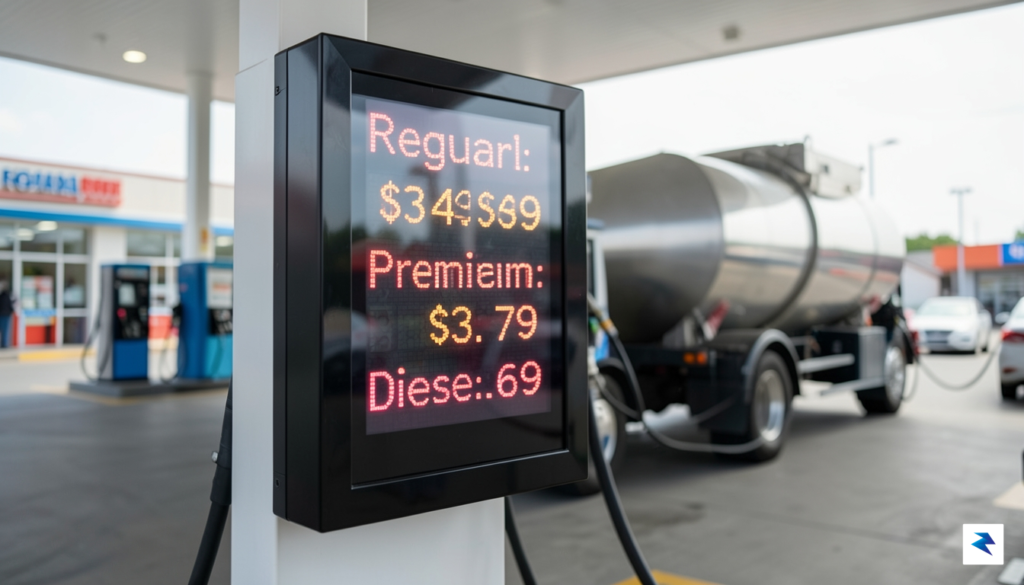
Beyond the raw cost of the gasoline itself, gas stations are burdened by a complex web of operational overheads that remain constant regardless of market volatility. Running a modern fueling facility involves significant expenses, including competitive labor wages, rising electricity costs to power pumps and lighting, and expensive regulatory compliance measures required to maintain environmental safety standards. Every gallon sold must not only cover the cost of the replacement fuel but also contribute a portion toward these fixed operational realities. Because these expenses are essentially static, the retailer’s ability to “absorb” a sudden price drop is extremely limited, forcing them to maintain higher retail prices until the cost of their next incoming shipment aligns with the new, lower wholesale environment.
At the heart of the retail pricing strategy is the delicate balance between clearing out legacy inventory purchased at peak prices and remaining competitive enough to attract local drivers.
Furthermore, the logistics of transportation create a “lag effect” that further complicates how quickly savings are passed on to the consumer. Fuel is rarely transported immediately upon a price dip; it moves through a pipeline and terminal system that acts as a buffer between the refinery and the local pump. By the time a station receives a delivery that reflects lower market prices, the initial shock of the crude oil drop may have already been absorbed or neutralized by subsequent market movements. This operational cycle effectively creates a floor for pricing, ensuring that retailers do not slash costs prematurely and jeopardize their ability to keep their stations running safely and efficiently. Ultimately, the price you see on the sign is a reflection of a carefully calculated transition, balancing the reality of past investments against the necessity of future sustainability.
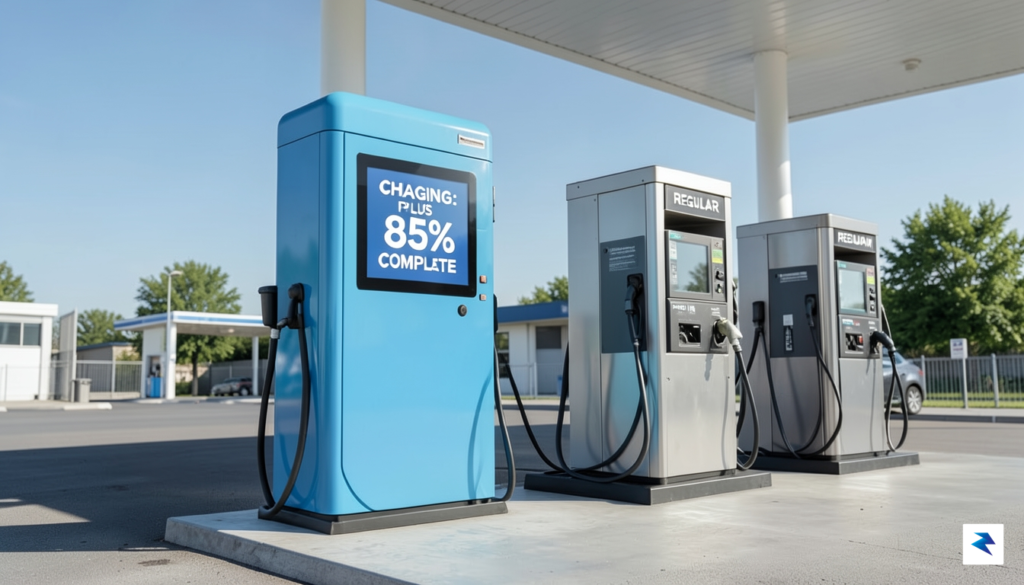
The traditional service station, long defined by the simple transaction of pumping gasoline, is undergoing a profound structural transformation. As the automotive industry aggressively pivots toward electric vehicles (EVs) and hybrid technologies, the age-old reliance on high-volume fuel sales is becoming an increasingly precarious foundation for business stability. Owners are now tasked with reinventing their properties, transitioning from mere fuel dispensers into multifunctional convenience hubs. This evolution is driven by the realization that while liquid fuel margins are notoriously thin and highly sensitive to global market volatility, the demand for ancillary services—ranging from high-quality food offerings to rapid EV charging infrastructure—provides a more reliable and diversified revenue stream that can withstand the ebb and flow of crude oil prices.
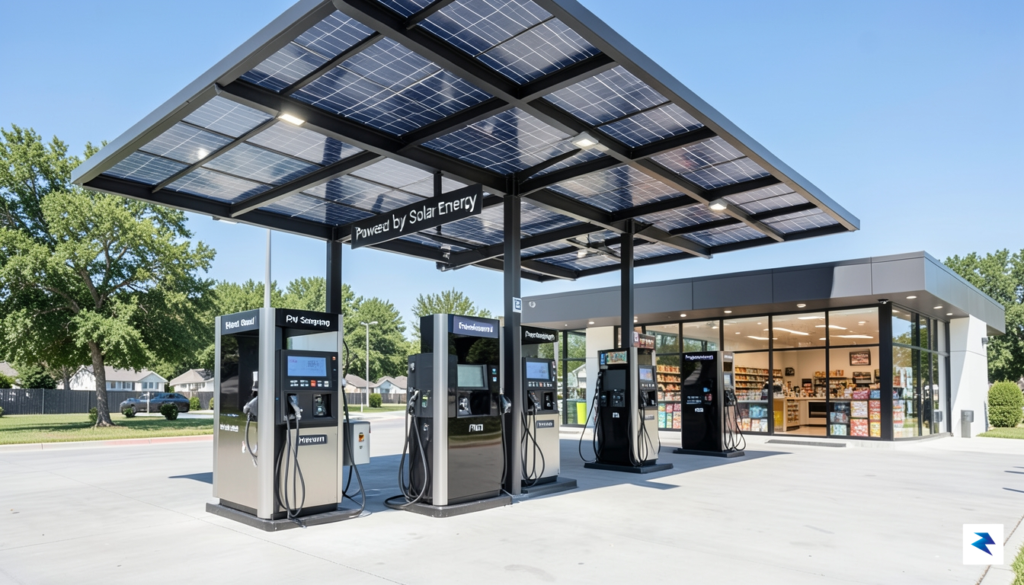
For the consumer, this shift brings both opportunities and new considerations regarding the cost of mobility. As stations invest heavily in the infrastructure required to support an electric-first future, the business model for energy delivery is shifting from a commodity-based price per gallon to a service-based model that accounts for time and convenience. Consequently, motorists should expect to see more localized price variations, as stations attempt to recoup the massive capital expenditures associated with installing fast-charging networks. While the days of uniform fuel pricing are already fading, the rise of specialized charging stations means that consumers will need to become more strategic in how they source their power, prioritizing locations that offer the best balance of charging speed and competitive rates.
To successfully navigate this changing terrain, drivers must adopt a more proactive approach to monitoring local fuel and energy markets. It is no longer sufficient to stop at the first station encountered when the fuel light flickers on; instead, savvy consumers can leverage digital tools and mobile applications to compare real-time pricing across a broader geographic area. By understanding that gas stations are increasingly functioning as retail storefronts, drivers can better appreciate why prices may remain sticky even when global oil benchmarks decline. Often, these businesses are attempting to offset lower fuel margins by optimizing their pricing to match local demand patterns rather than global shifts.
The future of the gas station lies in its ability to become an essential service hub, where the profit model is built on convenience, customer loyalty, and diversified energy options rather than the fluctuating cost of a single commodity.
Ultimately, the transition toward a more diversified energy landscape implies that the cost of driving will become more nuanced. While the rise of EVs offers the promise of cheaper per-mile costs over the long term, the interim period will be characterized by a complex mix of traditional fuel prices and emerging charging tariffs. By staying informed and utilizing technology to track local price fluctuations, consumers can effectively mitigate the impact of these changes on their personal budgets. Maintaining awareness of the broader market trends allows the average driver to transition away from being a passive participant in energy consumption toward becoming a well-informed consumer in an increasingly competitive marketplace.
You must be logged in to post a comment.