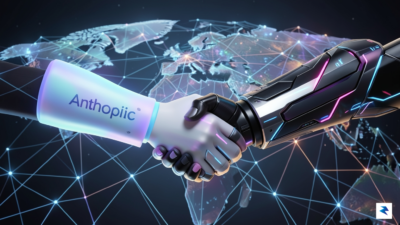
The Musk-Anthropic Deal: Can a Competitor Really Be Your Best Host?
The New Era of AI Infrastructure Collaboration The artificial intelligence frontier is rapidly evolving, shifting focus from incremental model…
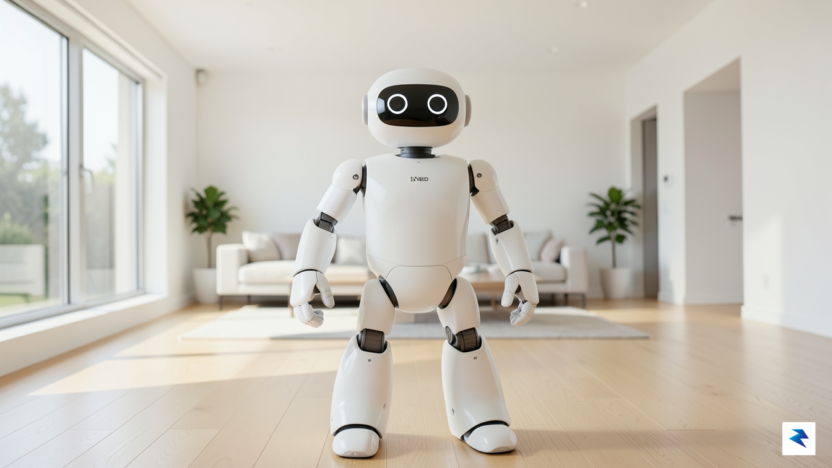
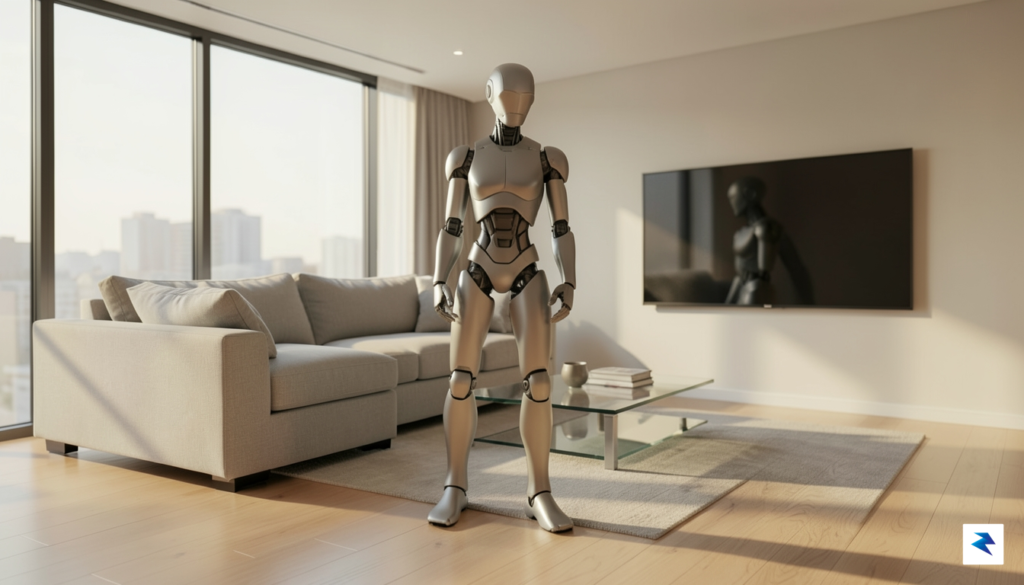
For decades, the field of robotics was defined by the cold, heavy machinery of the industrial age. These early machines were marvels of engineering, yet they were fundamentally designed to exist behind protective cages, operating with rigid, high-torque servos that prioritized sheer power over physical nuance. They were built to excel in environments where predictability was the only metric of success, and humans were viewed as liabilities to be kept at a safe distance. In this era, the aesthetic of robotics was defined by jagged aluminum, exposed wiring, and the ominous hum of industrial motors—a design language that signaled utility, but certainly not companionship or safety.
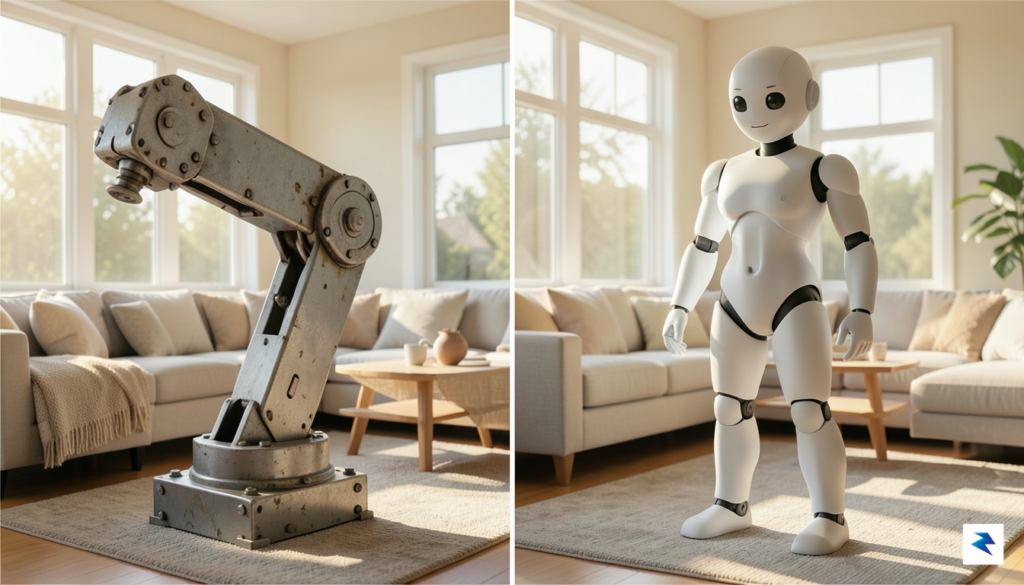
The emergence of the 1X Neo represents a tectonic shift in this design philosophy, moving away from the harsh, cold materials of the past toward a form factor that is intentionally human-centric. Rather than imposing its presence upon a room, the Neo is built to blend seamlessly into the intimacy of our personal living spaces. Its architecture prioritizes “softness”—not just in the tactile sense of its exterior materials, but in its movement profiles and interaction capabilities. By mimicking the proportions and kinematic reach of a human, the Neo bypasses the uncanny valley and creates a sense of natural familiarity, which is essential for any machine that intends to assist us in the daily rhythm of home life.
True integration into the human world requires more than just intelligence; it requires a physical form that respects the shared boundaries of our domestic spaces.
This evolution is driven by the realization that social acceptance is the greatest hurdle for household robotics. Humans are hardwired to read body language and physical cues, and a machine that moves with the jerky, erratic precision of an industrial arm will always trigger a subconscious alarm. The 1X team has inverted this paradigm by focusing on safety-first engineering, ensuring that every movement is fluid, predictable, and gentle. By prioritizing compliance and human-compatible mechanics, the Neo doesn’t just perform tasks; it participates in the environment without the need for the safety barriers that defined its predecessors. This transition from “machine as tool” to “machine as partner” is the foundational achievement of the Neo, signaling a future where robotics are no longer an intrusion, but a natural, helpful extension of our own homes.
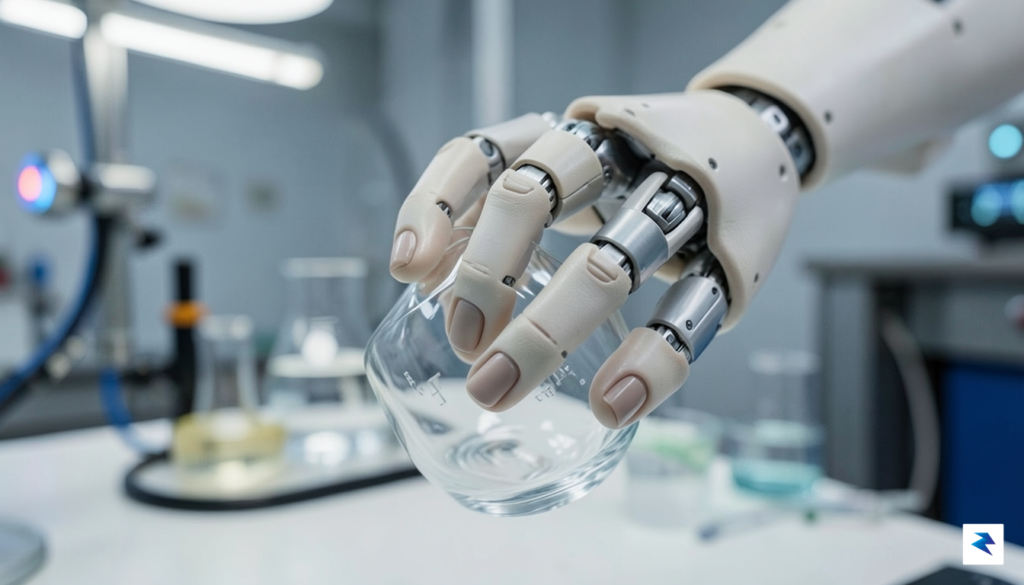
The most immediately captivating aspect of the 1X Neo robot is undoubtedly its hands. Moving decisively away from the rigid, often clumsy grippers that have long defined robotic manipulation, 1X has engineered a truly revolutionary approach to dexterity. These hands represent a significant leap forward, effectively tackling one of the most persistent and vexing challenges in robotics: the ability to grasp, hold, and manipulate delicate, everyday objects without causing damage. This shift from industrial-grade strength to human-like finesse is not merely an aesthetic choice; it’s a fundamental re-engineering that unlocks entirely new possibilities for domestic automation.
At the core of the Neo’s groundbreaking tactile capabilities lies sophisticated engineering in its multi-articulated fingers. Unlike traditional robotic grippers, which often rely on brute force and predefined shapes, the Neo’s design incorporates flexible materials and a nuanced range of motion that closely mimics the human hand. Each digit is equipped with multiple joints and compliant surfaces, allowing the robot to adapt its grip to the precise contours and textures of an object. This flexible interface means the Neo can gently pick up an egg without crushing it, or deftly handle a soft piece of fruit, tasks that remain significant hurdles for many contemporary robots.
This advanced mechanical design is seamlessly integrated with an array of highly sensitive sensor technologies. Embedded within the fingertips and palms are sophisticated pressure sensors, proximity detectors, and even haptic feedback mechanisms that provide the Neo with an unparalleled sense of touch. These sensors constantly feed data back to the robot’s AI, enabling it to dynamically adjust its grip strength in real-time, preventing both slippage and overtightening. This intricate sensory network allows the Neo to “feel” the object it’s interacting with, understanding its weight, texture, and fragility, which is paramount for performing a wide variety of household tasks safely and effectively.
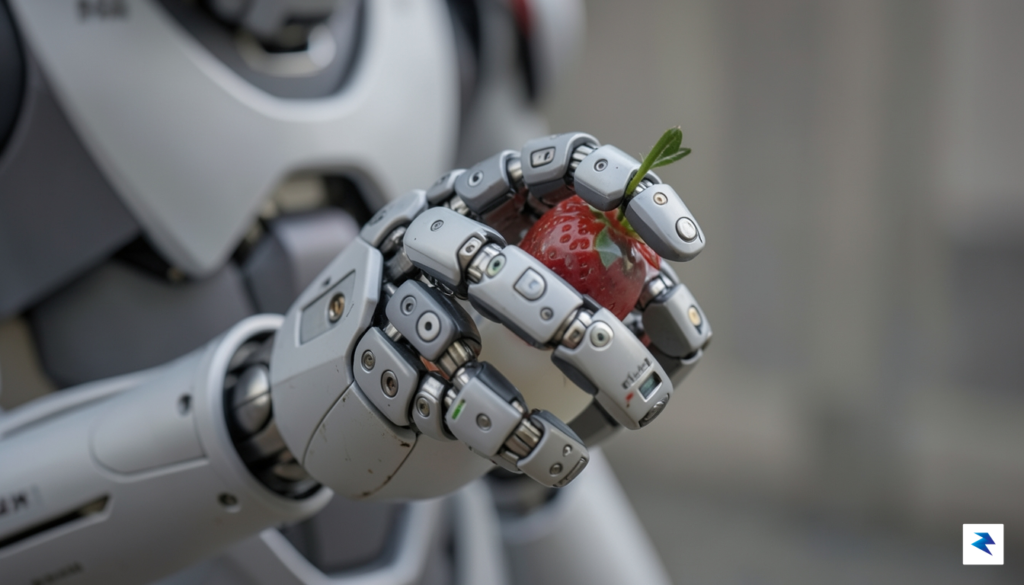
The importance of these “freaky fast fingers” extends beyond mere delicacy; it’s also crucial for efficiency and versatility in household chores. Imagine a robot that can quickly sort laundry, carefully load a dishwasher, or even assist with meal preparation—all tasks requiring rapid, precise, and adaptable manipulation. The speed and responsiveness of the Neo’s hands, combined with their tactile intelligence, mean it can execute these actions with a fluid efficiency that rivals human capability. This combination of speed and sensitive touch is what truly allows the Neo to be a practical and helpful presence in a dynamic home environment, moving beyond simple repetitive tasks to complex, real-world interactions.
Ultimately, this tactile dexterity is often described as the “holy grail” of domestic robotics because it bridges the gap between theoretical capability and practical utility. For a robot to truly integrate into human living spaces and assist with the myriad unstructured tasks of daily life, it must be able to interact with the world with the same level of care and adaptability as a person. The Neo’s soft, perceptive hands are a monumental step towards achieving this goal, paving the way for a future where robots can seamlessly handle everything from folding a shirt to watering plants, making truly autonomous and helpful domestic robots a tangible reality rather than a distant dream.
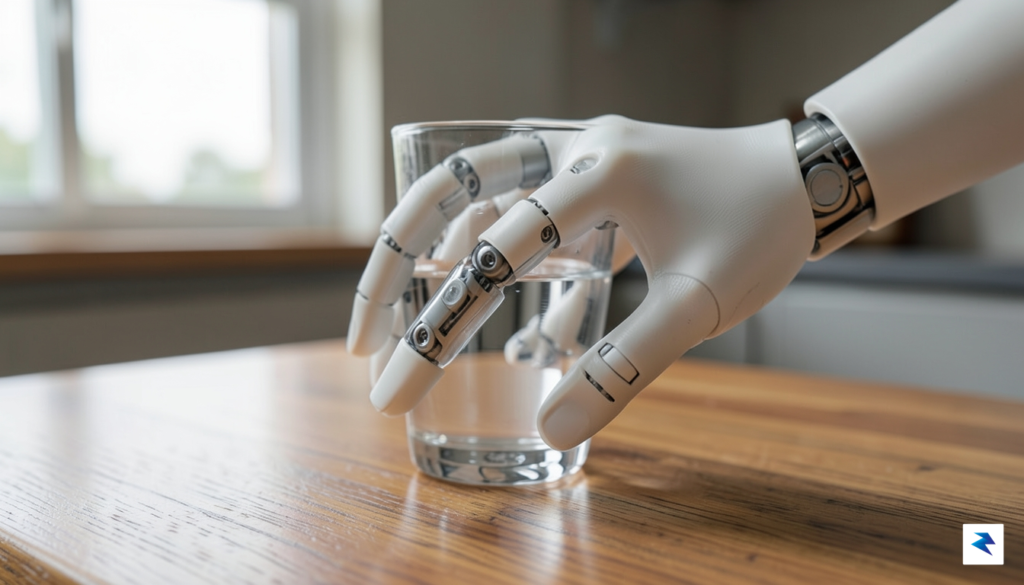
The integration of robots into our living spaces has long been hampered by a fundamental design flaw: the reliance on rigid, metallic skeletons that feel inherently alien and potentially dangerous in a domestic setting. Soft robotics represents a radical departure from this industrial legacy, favoring flexible materials, pressurized air, and compliant structures over the unforgiving stiffness of traditional steel or aluminum gears. When a robot is designed to operate in the home, rigidity becomes a significant liability; a collision with a metal limb can result in property damage or personal injury, whereas a soft, pliable actuator absorbs impact, turning a potential hazard into a non-event. By prioritizing compliance in its design, the Neo robot mimics the natural elasticity of human muscle and tissue, ensuring that its physical presence is governed by safety rather than industrial force.
Beyond the obvious physical safety requirements, there is a profound psychological dimension to the shift toward soft robotics. Humans are biologically wired to perceive rigid, fast-moving machinery as a threat, a holdover from our evolutionary need to avoid sharp or crushing objects. A robot that is soft to the touch—or even one that simply looks and moves with a degree of organic fluidity—lowers our instinctive defenses, fostering a sense of ease that is essential for long-term human-robot interaction. When we interact with a machine that feels like a companion rather than a tool, the barrier to adoption dissolves. Soft aesthetics bridge the gap between “cold machine” and “warm assistant,” making the prospect of a humanoid helper in the living room feel like a natural extension of the family unit rather than an intrusive mechanical guest.
“Soft robotics is not merely a design choice; it is the prerequisite for the next generation of domestic technology. By prioritizing tactile comfort and physical safety, we transform the robot from a factory-grade instrument into a genuinely helpful member of the household.”
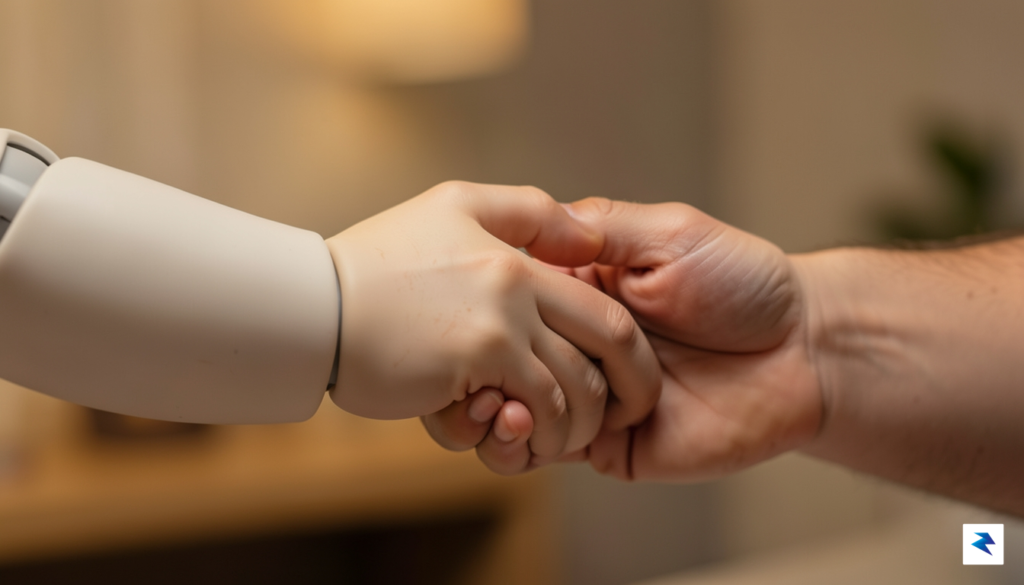
The materials facilitating this shift are as sophisticated as the software driving them. Engineers are increasingly utilizing advanced polymers, silicone elastomers, and textile-based structures that allow the Neo to grip delicate objects—like an egg or a wine glass—with the same precision as a human hand. These materials are inherently forgiving, meaning that if the robot miscalculates a gesture, the soft exterior prevents the force from being concentrated on a single point. This engineering philosophy ensures that the robot can navigate a cluttered home environment, moving past family members and pets without the fear of accidental harm. By marrying high-level autonomy with a soft-touch interface, the Neo establishes a new standard for how we define safety, proving that the most advanced robots of the future will be the ones that are gentle enough to hold our hands.
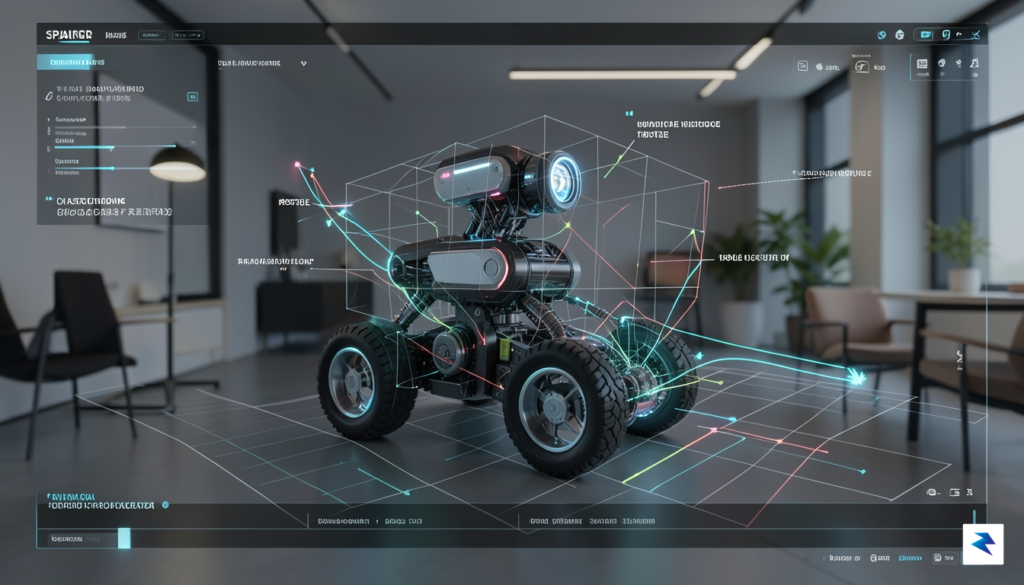
While the lightning-fast dexterity of the Neo’s fingers is the headline feature, raw physical capability is meaningless—and potentially dangerous—without a sophisticated cognitive layer to guide it. To function effectively within the unpredictable chaos of a human home, the robot utilizes a tiered AI architecture that bridges the gap between raw sensory input and fluid, intentional movement. This system does not merely map a room; it interprets the environment in real-time, distinguishing between a static piece of furniture and a moving target like a family pet or a toddler. By processing massive streams of spatial data instantaneously, the Neo can adjust its trajectory mid-stride, ensuring that its powerful actuators are always governed by a cautious, intelligence-driven restraint.
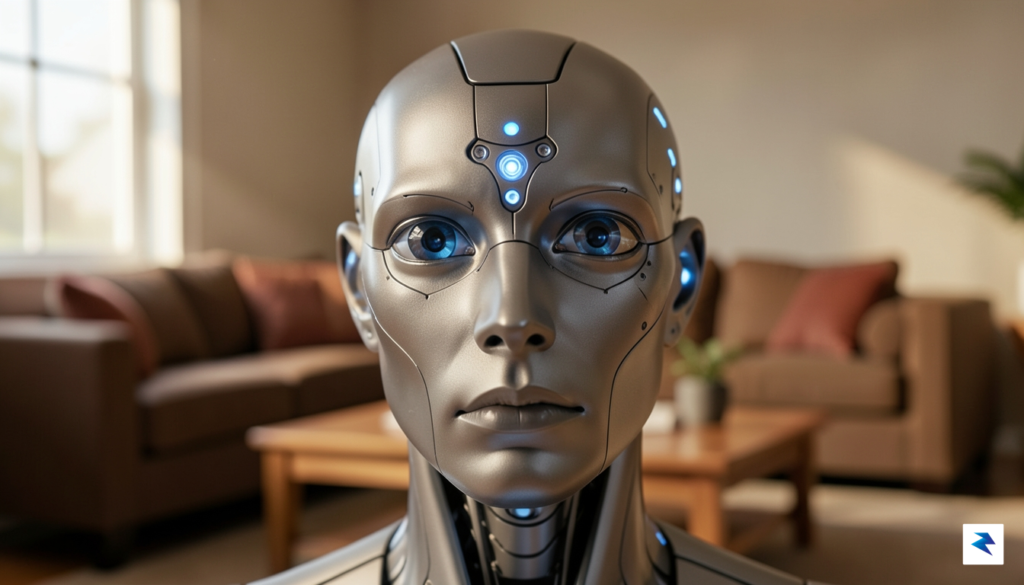
The foundation of this safety-first approach lies in a comprehensive sensor suite that mimics human awareness. High-definition cameras serve as the robot’s primary eyes, feeding visual data into a neural network trained to recognize household objects and identify potential hazards. Complementing these visual inputs are sophisticated tactile sensors embedded within the fingertips and joints, which provide the robot with a sense of touch that is critical for delicate interactions. If the Neo’s sensors detect an unexpected resistance—such as a small hand reaching out or a fragile object being misplaced—the AI triggers an immediate override, halting motion before a collision can occur. This fusion of sight and touch allows the robot to “feel” its way through a home, turning what could be a heavy, industrial-grade machine into a gentle and considerate household assistant.
True autonomy in a domestic space is defined not by the speed of a task, but by the robot’s ability to prioritize the sanctity of the household environment above all else.
Beyond hardware, the Neo relies on rigid, hard-coded safety protocols that function as an ironclad fail-safe for its neural decision-making. These protocols are integrated into the lowest levels of the robot’s operating system, ensuring that even if a high-level task command is misinterpreted, the physical movement remains within strictly defined “safe zones.” This means the robot constantly monitors its own velocity and torque, automatically throttling its power output when it detects it is operating in close proximity to humans. By continuously reconciling its intended path with real-time spatial awareness, the 1X Neo ensures that its high-speed performance is consistently tempered by a deep, unwavering commitment to the safety of the people and property it was built to serve.
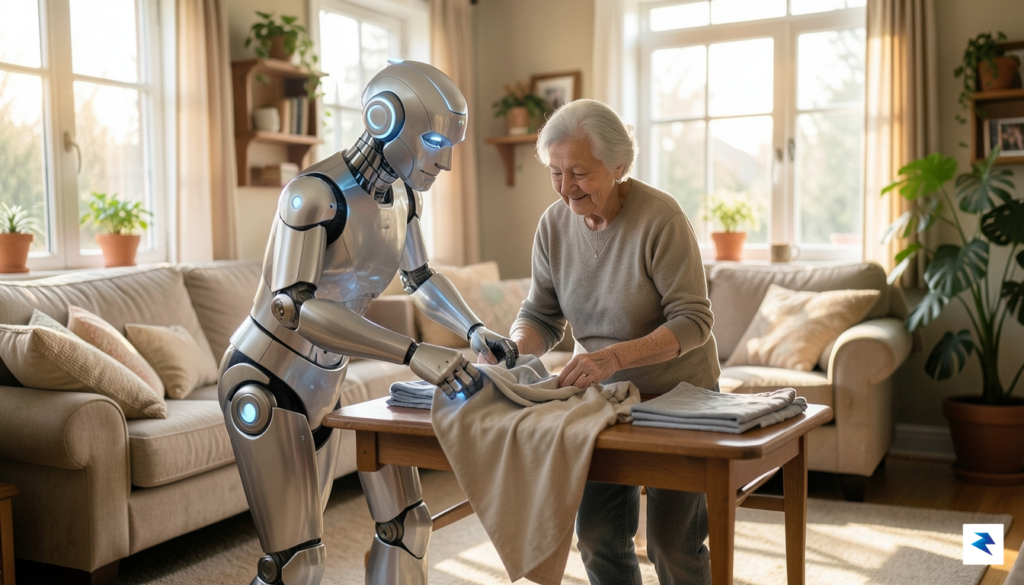
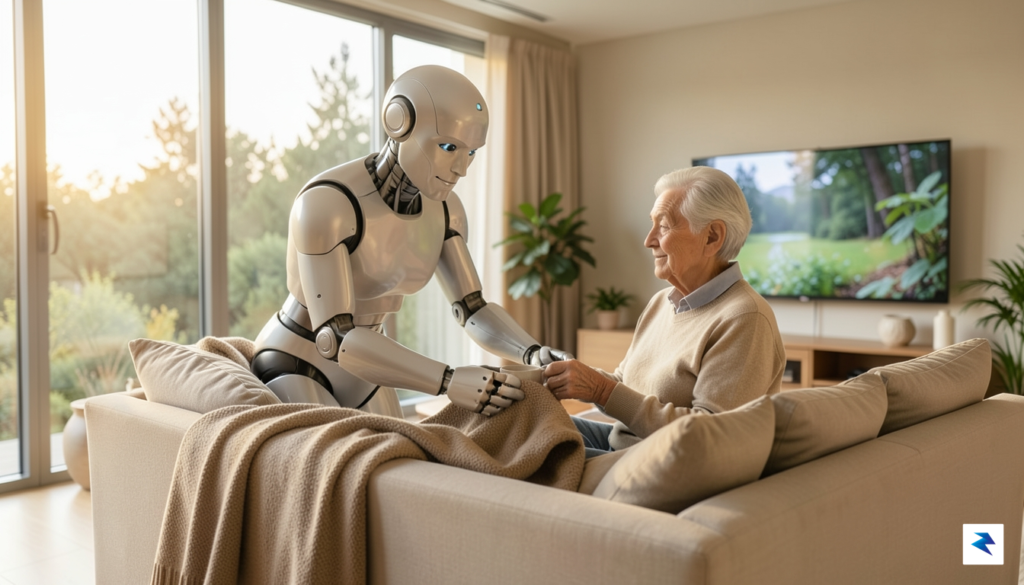
The integration of humanoid platforms like the 1X Neo into our private residences signals a profound shift in the architecture of domestic life. As we confront a rapidly aging global population, the demand for consistent, high-quality care is quickly outstripping the availability of human caregivers. These robots are not merely intended to perform repetitive chores; they are designed to act as persistent, reliable companions capable of navigating the nuances of a home environment. By handling the physical demands of daily assistance—such as retrieving items, providing mobility support, or ensuring medication adherence—these machines allow the elderly to maintain their independence and dignity within their own homes for significantly longer periods, effectively bridging the gap between clinical necessity and personal autonomy.
Beyond the realm of elderly care, the broader impact on the labor market and domestic work-life balance remains a subject of intense scrutiny. For many households, the “second shift” of domestic management often creates significant stress and time poverty. When a robot can autonomously manage laundry, organization, and basic sanitation, it fundamentally alters the value proposition of human time. Rather than replacing human connection, the intended utility of these soft-handed machines is to eliminate the drudgery that frequently crowds out quality time with family. However, this transition necessitates a careful examination of our ethical boundaries; bringing humanoid entities into our most private sanctuaries requires rigorous standards for data privacy, physical safety, and the preservation of human intimacy in an increasingly automated world.
The true measure of the 1X Neo’s success will not be its dexterity or its speed, but its ability to integrate seamlessly and safely into the fragile, unpredictable ecosystems of our personal lives.
Looking toward a realistic timeline, we are likely to see a tiered rollout of these technologies. In the near term, we should expect to see 1X Neo units appearing in assisted living facilities and specialized residential care environments, where supervised environments allow for easier refinement of their interaction models. As the cost of actuators and the sophistication of neural networks continue to decline and improve, respectively, we will likely see a transition into the general consumer market within the next decade. While we are still years away from having a robot in every household, the groundwork laid by these early, empathetic designs suggests that the future of domestic labor will be defined by a collaborative partnership between human intention and machine efficiency, eventually making the concept of a “smart home” feel obsolete in favor of a “supported home.”
You must be logged in to post a comment.