Beyond the Chatbox: Why OpenAI is Betting on Lifestyle Branding
From Software to Lifestyle: OpenAI’s Pivot For years, the trajectory of Silicon Valley’s most influential tech giants has followed a…

In late 2023, the landscape of digital privacy was permanently altered when 23andMe, a titan in the direct-to-consumer genetic testing industry, disclosed a massive security incident. Unauthorized actors successfully gained access to the accounts of millions of users by leveraging a technique known as “credential stuffing,” where attackers use login information stolen from other platforms to break into accounts with reused passwords. Because 23andMe’s platform features a “DNA Relatives” function that allows users to share data with potential biological kin, the breach cascaded through the system, exposing not just the primary account holders’ information, but also the sensitive genetic and ancestral profiles of their extended family members. This vulnerability turned a targeted attack into a widespread compromise of highly intimate biological data.
The severity of this exposure triggered an immediate and aggressive response from state regulators across the country. A coalition of 43 states launched a coordinated investigation, scrutinizing the company’s data protection practices and its failure to adequately safeguard its users’ most private genetic blueprints. The resulting $18 million settlement is not merely a financial penalty; it is a clear legal signal regarding the elevated duty of care required by companies that handle biometric data. The legal basis for this resolution rests on allegations that 23andMe failed to implement reasonable security measures, such as mandatory multi-factor authentication, which could have thwarted the unauthorized access before it spiraled into a systemic leak.
The settlement serves as a critical precedent: genetic data is immutable and carries lifelong implications, making its protection a paramount concern that transcends the standards applied to traditional consumer information.
Unlike a stolen credit card number or a compromised email password, genetic information cannot be reset or changed. Once a person’s DNA profile is exposed, the privacy implications persist for that individual and their biological relatives for generations. This watershed moment highlights the inherent risks of storing vast repositories of genomic data in centralized databases. By reaching this settlement, the participating states have underscored that biotech firms must be held to a higher standard of transparency and security. Moving forward, the industry must reckon with the fact that as genetic testing becomes more integrated into healthcare and genealogy, the safeguards protecting that data must be as sophisticated and robust as the biological insights themselves.

The 2023 breach of 23andMe was not a standard cybersecurity incident involving leaked passwords or credit card numbers; it was a profound violation of biological privacy. Attackers gained unauthorized access to the accounts of nearly 7 million individuals, effectively exposing a vast repository of deeply personal intelligence. This compromised data included ancestry reports, DNA relative matches, geographical locations, and self-reported health information. By leveraging the platform’s “DNA Relatives” feature, hackers were able to scrape profiles of not just the primary account holders, but also their family members, creating a cascade effect of exposed genetic heritage that reached far beyond the initial target list.
The true gravity of this situation lies in the immutable nature of genomic data. Unlike a compromised credit card, which can be canceled and reissued, or an email address that can be swapped for a new one, your genetic code is a permanent signature that you share with your biological relatives. Once an individual’s DNA profile is circulating in unauthorized environments, it cannot be “reset.” This permanence creates a lifetime of vulnerability; the same data that reveals your ancestral origins can theoretically be exploited to uncover predispositions toward specific health conditions or to identify familial connections that you may have preferred to keep private.
The core danger of genetic data theft is that it creates a permanent, unchangeable vulnerability. Because our DNA is shared with biological family members, a single breach does not just affect one person—it compromises the privacy and security of an entire family tree for generations to come.
When third parties gain access to these genomic profiles, the risks extend well beyond simple identity theft. Detailed genetic maps can be weaponized in ways we are only beginning to understand, ranging from targeted insurance discrimination to highly sophisticated social engineering attacks that leverage intimate knowledge of a person’s family history. As these datasets drift through dark web marketplaces, the potential for misuse grows, leaving victims with no recourse to “fix” their exposure. The 23andMe settlement highlights a critical turning point in how we must view biological data: it is not merely digital information, but an extension of the self that requires a level of protection far exceeding traditional cybersecurity standards.
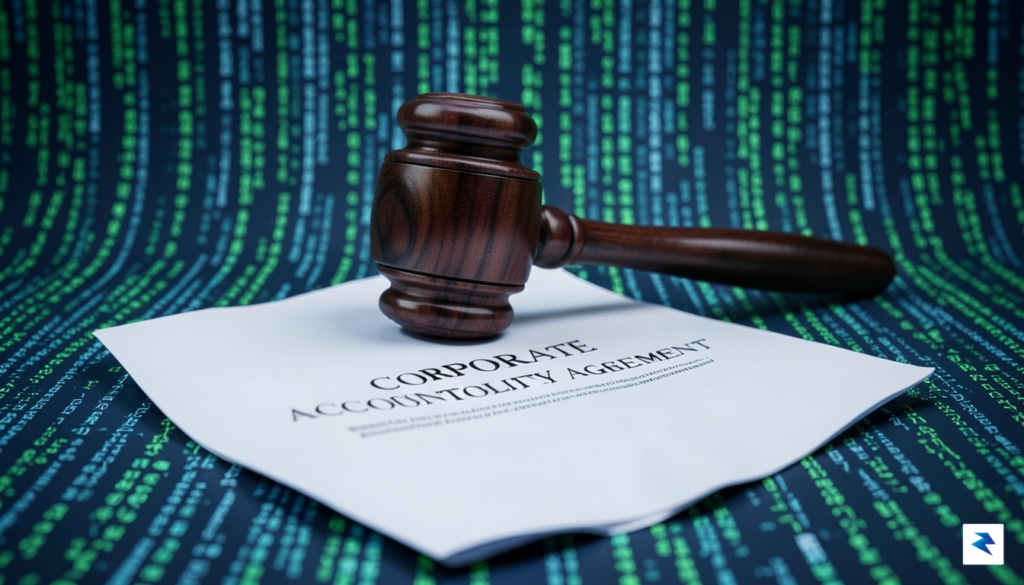
The $18 million settlement package represents a significant turning point for 23andMe, moving beyond simple punitive measures to address the systemic vulnerabilities that allowed the 2023 breach to occur. While the headlines often focus on the total dollar amount, the financial breakdown reveals a strategic allocation of resources. A substantial portion of these funds will be distributed among the 43 participating states to cover the costs of the investigation and provide restitution, effectively serving as a deterrent against future lapses in data protection. Beyond the immediate payout, the agreement mandates that the company commit to a comprehensive overhaul of its digital infrastructure, ensuring that user privacy is no longer an afterthought but a central pillar of their operational model.
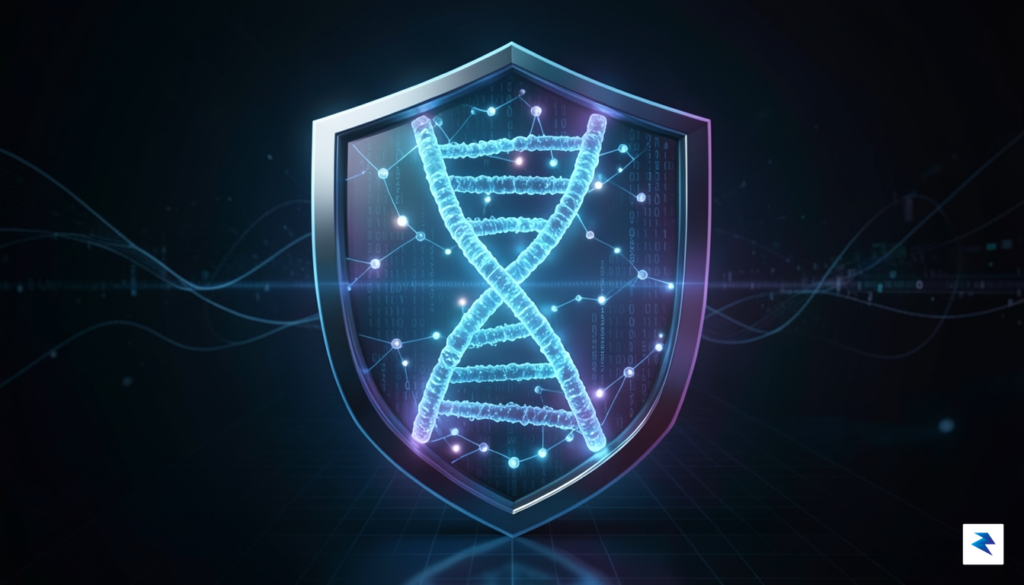
To move forward, 23andMe is now legally required to implement a series of stringent security upgrades that go well beyond industry standards. These mandates include the adoption of mandatory multi-factor authentication (MFA) for all user accounts, which is a critical defense against unauthorized access through credential stuffing. Furthermore, the company must conduct rigorous, periodic third-party security assessments to identify and patch potential weaknesses before they can be exploited by malicious actors. By forcing the company to undergo these external audits, the attorneys general are ensuring that there is a transparent, independent verification process for the company’s cybersecurity claims, which had previously been scrutinized for lacking sufficient oversight.
The settlement establishes a new baseline for genetic privacy, forcing 23andMe to treat consumer data with the same level of protection as sensitive financial or medical records.
The role of the state attorneys general extends far past the initial signing of this agreement; they have established a framework for long-term oversight that will keep 23andMe under a watchful eye for years to come. This multi-state coalition has secured the right to monitor the company’s progress, ensuring that the promised security enhancements are not merely performative but are integrated into the core of the business. If the company fails to meet these rigorous reporting requirements or falls short on its security obligations, it could face additional penalties and further legal action. Ultimately, this settlement serves as a clear message to the biotech industry: the monetization of personal genetic information carries a profound responsibility to protect that data with the highest level of vigilance available in the modern digital age.

The settlement reached by 23andMe marks a definitive turning point for the biotech and health-tech industries, signaling that the era of passive data stewardship is officially over. For years, many firms in this sector operated under the assumption that biological data was inherently less prone to exploitation than financial information, but this breach has shattered that complacency. As companies continue to amass vast repositories of genetic and phenotypic information, the standard for “reasonable security” is rapidly evolving from a vague suggestion into a rigorous, non-negotiable mandate. Organizations must now pivot from reactive security postures, which rely on patching vulnerabilities after they are discovered, toward proactive, threat-informed defense strategies that anticipate risks before they manifest into catastrophic leaks.
One of the most immediate shifts necessitated by this incident is the universal adoption of robust authentication protocols. In the 23andMe case, the exploitation of credential-stuffing attacks highlighted a glaring vulnerability: the reliance on single-factor or weak login security for accounts containing some of the most private information on earth. Moving forward, multi-factor authentication (MFA) must become the baseline industry standard, not an optional user setting. By ensuring that even compromised passwords are insufficient to grant access to sensitive genetic reports, companies can effectively neutralize the most common entry point for bad actors. Furthermore, this transition requires a culture shift where security is prioritized during the initial phases of product design rather than being bolted on as an afterthought.
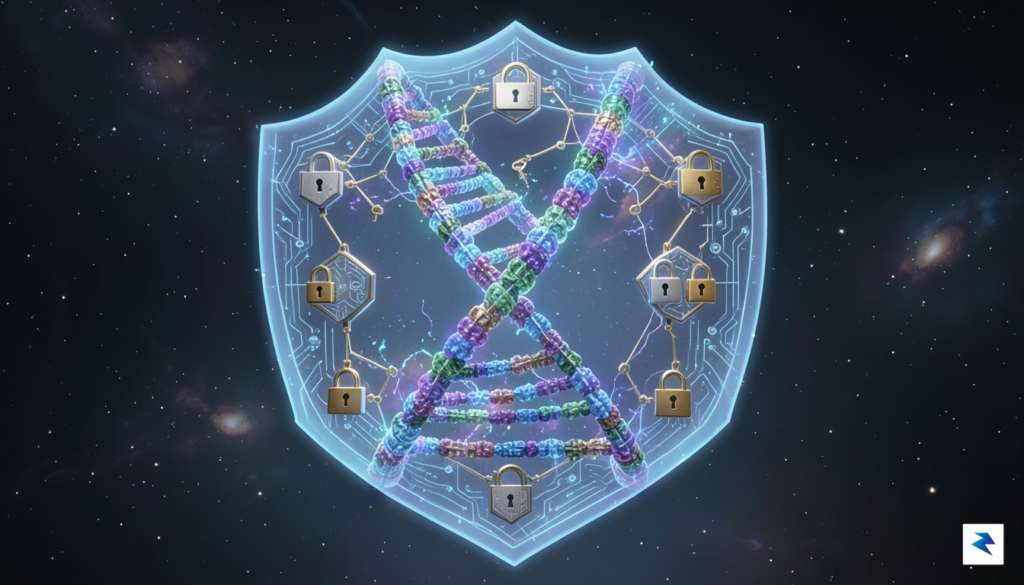
Beyond authentication, the industry must embrace the principles of data minimization and advanced encryption to limit the blast radius of any potential intrusion. Holding onto granular biological data indefinitely creates an unnecessary liability; companies should adopt strict retention policies that purge sensitive information when it is no longer required for the primary service purpose. For the data that must be kept, end-to-end encryption and tokenization should be the gold standard, ensuring that even if a database is breached, the contents remain unintelligible to unauthorized eyes. The regulatory landscape is already responding to these failures, with state attorneys general making it clear that they will hold biotech firms to the same—if not higher—standards of accountability as global financial institutions.
The core takeaway for the biotech sector is clear: biological data is essentially immutable. Unlike a credit card number, a genetic profile cannot be changed if it is stolen, making the ethical and legal burden on these companies significantly higher than in other industries.
Ultimately, this case serves as a loud wake-up call regarding the sanctity of user trust. As regulatory scrutiny intensifies, companies that fail to modernize their security infrastructure will likely face not only steep financial penalties but also a terminal loss of consumer confidence. To survive in this new environment, health-tech leaders must view data security as a core pillar of their business model, ensuring that the innovation they provide to the public is matched by a steadfast commitment to protecting the very identity of their users.

While the biological blueprint of your DNA is immutable, the digital infrastructure surrounding your genetic data remains within your control. Taking a proactive stance on your digital security is the most effective way to mitigate the risks exposed by recent industry-wide vulnerabilities. The first and most critical line of defense is enabling multi-factor authentication (MFA) on your account. By requiring a secondary verification code sent to your mobile device or an authenticator app, you add a robust layer of protection that prevents unauthorized access, even in the event that your primary password has been compromised in a credential-stuffing attack.
Beyond securing your login credentials, it is essential to conduct a thorough audit of your privacy settings. Most genetic testing platforms offer granular controls that dictate how your information is shared with third-party researchers or internal databases. Navigate to your account’s “Privacy” or “Settings” dashboard to opt out of any optional research participation programs that you did not explicitly intend to join. Furthermore, verify whether your data is being used for “DNA Relatives” or matching features; if you are not actively using these services, disabling them reduces the number of digital pathways through which your information can be exposed to other users or external actors.

If you have received your results and no longer find utility in the service, the most secure option is to request the permanent deletion of your account and the destruction of your biological samples. Many companies provide a specific request form for data erasure, which legally mandates that they remove your information from their active servers and research databases. Before initiating this process, ensure you have downloaded any personal reports you wish to keep, as account deletion is typically an irreversible action that removes all historical access to your genetic insights.
Remember: Deleting your account is the only way to ensure that your sensitive genetic markers are no longer sitting in a corporate database waiting to be targeted by future cyber threats.
Finally, vigilance is your best tool for identifying the early signs of identity theft. Because genetic data is static, it cannot be “reset” like a stolen credit card, which makes monitoring your personal information vital. Keep a close eye on your financial statements, medical insurance EOBs (Explanation of Benefits), and credit reports for any suspicious activity that may indicate someone is using your identity to access healthcare services. If you notice unauthorized claims or unfamiliar accounts, report them immediately to the relevant authorities and the Federal Trade Commission (FTC), as early detection is the primary factor in containing the long-term impact of a data breach.
You must be logged in to post a comment.