
TP-Link Kasa Security Flaw Exposed: Six Years of Hidden GPS Broadcasting
The Hidden Vulnerability: How Your Smart Camera Shared More Than Video For years, many homeowners trusted their TP-Link Kasa smart cameras,…


The rapid democratization of generative artificial intelligence has moved beyond creative writing and artistic image generation, ushering in a disturbing era of synthetic media misuse. At the core of this shift is deepfake technology, a sophisticated method of digital manipulation that utilizes machine learning algorithms to map, swap, or synthesize likenesses with startling accuracy. While these tools were once confined to high-end research laboratories and niche technical communities, the proliferation of accessible software has transformed them into everyday utilities. Today, anyone with a smartphone can access applications designed to strip clothing from photos or seamlessly graft a person’s face onto compromising imagery, turning the power of neural networks into a weapon for non-consensual exploitation.

This evolution from a hobbyist’s curiosity to a predatory industry has fundamentally altered the landscape of online harassment. These so-called “nudify” apps are frequently monetized, lowering the barrier to entry and creating a commercial incentive for digital abuse. Unlike historical forms of photo manipulation, which required significant time and professional expertise, modern AI tools automate the process, allowing for the mass production of non-consensual content in seconds. This has led to a surge in targeted harassment campaigns, where individuals—disproportionately women and minors—find their personal privacy violated and their reputations weaponized without their consent or knowledge.
The normalization of deepfake pornography represents a profound crisis in digital safety, effectively stripping individuals of their right to control their own physical likeness in the virtual world.
The psychological and social ramifications of this technology are severe and often permanent. Victims of non-consensual deepfake pornography frequently report feelings of powerlessness, trauma, and a loss of personal agency that mirrors the impact of physical assault. Because these images can be generated using nothing more than a few public social media photos, no one is inherently immune, creating a climate of pervasive digital insecurity. As these synthetic images circulate across the internet, they become nearly impossible to fully erase, leaving a lingering, harmful digital footprint that can disrupt careers, education, and personal relationships. Addressing this crisis requires more than just technical solutions; it demands a fundamental shift in how digital marketplaces regulate the tools that prioritize profit over the fundamental human right to privacy.
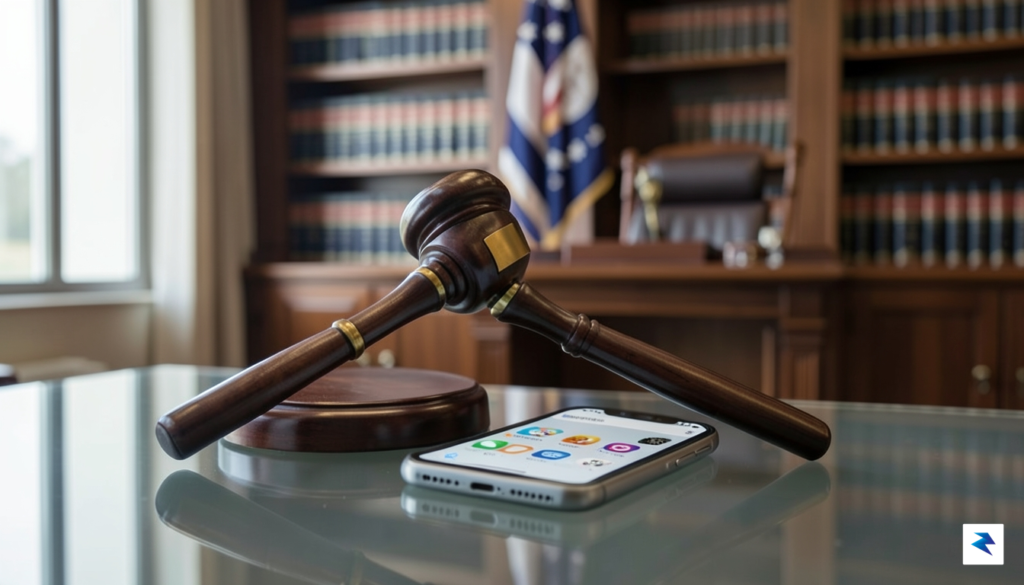
San Francisco City Attorney David Chiu has taken an aggressive stance against the proliferation of generative AI tools that create non-consensual explicit imagery, officially escalating the city’s fight against digital abuse. By issuing formal cease-and-desist letters to both Apple and Google, the city has directly challenged the gatekeepers of the mobile ecosystem to take responsibility for the software hosted on their platforms. These legal documents specifically identify 13 applications that utilize artificial intelligence to strip clothing from images of individuals, often targeting women and minors without their permission. The city’s demand is clear and urgent: these platforms must immediately remove these tools from their respective app stores to prevent further harm to public safety and personal privacy.

The core of the City Attorney’s argument rests on the assertion that Apple and Google are not merely passive conduits for digital content, but active participants in a profit-sharing model that benefits from harmful exploitation. By taking a percentage of every purchase or subscription fee generated by these “nudify” apps, these tech giants are effectively monetizing the non-consensual violation of human dignity. Chiu argues that these corporations have established rigorous review processes to ensure app quality and security, yet they have failed to apply those same standards to prevent the distribution of software designed for harassment. This financial entanglement transforms the platforms from neutral marketplaces into entities that profit directly from the very digital abuse they claim to prohibit in their terms of service.
“By allowing these apps to remain on their platforms, Apple and Google are facilitating a form of digital violence that can have devastating, long-term consequences for victims,” noted representatives from the City Attorney’s office.
The strategic decision to focus on the app stores rather than individual developers is rooted in the practical reality of digital law enforcement. While the developers of these AI tools are often anonymous, located in offshore jurisdictions, or prone to simply rebranding their apps under new names, Apple and Google hold the power of the “kill switch.” By targeting the distribution platforms, San Francisco is demanding a structural change that addresses the root cause of the accessibility of these tools. If these applications are removed from the App Store and Google Play, they lose their primary path to millions of users, effectively neutralizing their ability to cause widespread harm. This approach highlights the city’s belief that major technology companies must move beyond reactive moderation and take a proactive role in preventing the deployment of software that fundamentally undermines the safety and consent of the public.

At the heart of the “nudify” phenomenon lies a sophisticated application of generative adversarial networks (GANs) and advanced image-inpainting algorithms. Unlike traditional photo editing, which requires manual skill and significant time, these tools are designed for mass-scale automation. By leveraging machine learning models trained on vast datasets of human anatomy, these applications can analyze an uploaded photograph to identify key features, such as face, hair, and posture, before stripping away clothing layers and replacing them with synthetic, hyper-realistic skin textures. The process is deceptively simple: a user uploads a photo from a social media profile, and within seconds, the software generates a non-consensual deepfake that is often indistinguishable from reality to the casual observer.
The danger is compounded by the fact that these platforms are engineered to bypass traditional safety filters and content moderation protocols. Many of these apps operate in a legal and ethical gray area, often disguised as “artistic” or “creative” tools within app marketplaces. By utilizing decentralized servers or masking their true functionality through obfuscated code, developers frequently circumvent the automated safeguards that Apple and Google employ to flag malicious content. This technological “cloak and dagger” approach ensures that the tools remain accessible to anyone with a smartphone, effectively lowering the barrier to entry for digital abuse and significantly increasing the volume of harmful content being generated at any given moment.
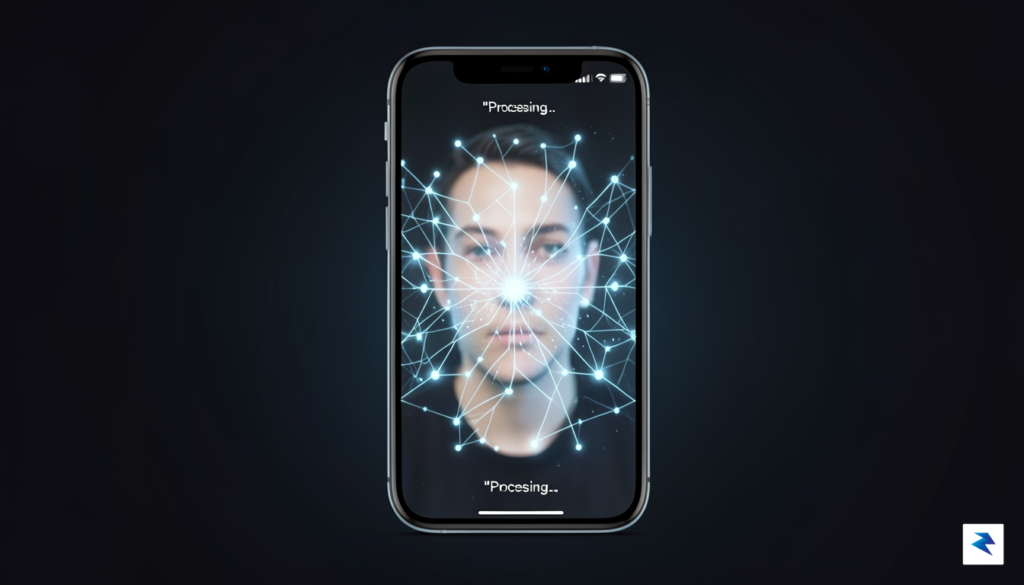
The ubiquity of these tools has turned the simple act of posting a selfie into a potential vulnerability, as bad actors no longer need technical expertise to commit severe acts of digital violence.
While the threat is universal, the demographics most frequently targeted by these applications are disproportionately young women and minors. The ease with which a high-resolution image can be scraped from platforms like Instagram, TikTok, or LinkedIn means that any public-facing individual is a potential victim. This form of non-consensual intimate imagery (NCII) is not merely a privacy violation; it is a weaponized tool used for harassment, blackmail, and severe emotional abuse. Because the generated images are highly convincing, victims often face long-term psychological trauma, social stigmatization, and the exhausting, often impossible task of scrubbing the internet of content that can be re-generated and re-shared by anonymous users in perpetuity. The pervasive nature of these apps creates an environment where digital safety is constantly undermined by the friction-less capabilities of modern artificial intelligence.
As the primary custodians of the digital mobile experience, Apple and Google operate what are frequently described as “walled gardens.” This closed-ecosystem model grants these corporations immense power to curate, approve, or banish software from the devices held by billions of users worldwide. While this structure is often defended as a necessary safeguard for user privacy and security, the emergence of AI-driven “nudify” applications has transformed this role into a profound ethical dilemma. By acting as the sole gatekeepers to the mobile marketplace, these tech giants effectively decide which digital tools reach the public, placing them at the epicenter of a growing debate over platform culpability. The question is no longer just whether these apps function properly, but whether the platforms enabling their distribution share a moral obligation to prevent the systemic abuse of privacy and consent.
The controversy is further complicated by the underlying revenue models that sustain these massive digital storefronts. Apple and Google typically take a significant percentage of every transaction processed through their platforms, including subscriptions and premium feature unlocks within third-party apps. When an AI tool that generates non-consensual explicit imagery monetizes its services through an official app store, the platform itself indirectly profits from that harm. This economic relationship challenges the companies’ traditional defense that they are merely neutral conduits for software. Critics argue that when a platform collects a “tax” on harmful content, they can no longer claim to be detached observers; instead, they become stakeholders in the success of the very applications that violate fundamental user safety standards.

When platforms profit from the distribution of technology designed to violate human dignity, they cease to be passive infrastructure and become active participants in the digital economy of harm.
Public pressure is mounting as citizens and lawmakers alike demand that these tech giants move beyond reactive content moderation toward proactive ethical governance. The rapid evolution of generative AI has outpaced current review guidelines, leaving a dangerous regulatory vacuum that bad actors are quick to exploit. To regain public trust, Apple and Google must implement more rigorous vetting processes specifically designed to detect and disable AI tools that prioritize harassment over utility. This shift would require a fundamental change in philosophy—moving away from a hands-off, revenue-first approach toward a proactive safety model that treats the prevention of digital exploitation as a core service rather than an optional compliance task. Ultimately, the gatekeepers must decide if their responsibility ends at the digital doorstep of the app store, or if it extends to the real-world consequences felt by those targeted by the software they permit to flourish.

The push by San Francisco officials to purge non-consensual deepfake applications from major app stores serves as a critical inflection point in the global discourse surrounding digital safety. This demand is not merely a localized regulatory skirmish; rather, it represents the opening salvo in a much larger legislative reckoning regarding the ethics of generative AI. As these tools become increasingly sophisticated and accessible to the average user, the gap between rapid technological advancement and existing legal frameworks continues to widen. Policymakers are now tasked with the delicate mission of crafting robust legislation that safeguards personal dignity and digital autonomy without inadvertently throttling the transformative potential of the broader artificial intelligence sector.
Moving forward, legislative bodies are likely to move beyond reactive bans and toward proactive, comprehensive AI governance. Potential regulatory paths may include strict mandates on algorithmic transparency, forcing developers to disclose how their models are trained and what guardrails exist to prevent the generation of non-consensual content. Furthermore, we may see the implementation of digital “watermarking” requirements, which would help platforms and law enforcement agencies identify and track AI-generated media to its source. The challenge lies in ensuring these laws are flexible enough to accommodate future breakthroughs while remaining rigid enough to deter bad actors who intentionally design software to violate human rights.

The fundamental challenge for regulators is to establish a legal landscape where innovation is rewarded for its utility, but held strictly accountable for its capacity to inflict harm on the individual.
Beyond government intervention, the onus of safety rests heavily on the shoulders of the technology giants that curate our digital ecosystems. Corporate responsibility must evolve from a passive role—where platforms merely respond to complaints—to a proactive stance characterized by rigorous, AI-driven content moderation. This involves investing in advanced detection algorithms capable of identifying “nudify” software and other malicious tools before they are ever approved for public download. Voluntary industry standards, such as collaborative data-sharing initiatives to blacklist known harmful developers, could provide a necessary buffer while formal laws undergo the slow process of legislative approval.
Ultimately, the future of online safety will rely on a hybrid approach that balances technical innovation with a deep commitment to human rights. While the current focus is on the immediate removal of exploitative applications, the long-term goal is to foster an environment where AI is built with “safety by design” as a core requirement rather than an afterthought. As we navigate this complex transition, the collaboration between private developers, policymakers, and civil society will be essential to ensuring that the next generation of intelligence serves to empower humanity rather than diminish the agency and safety of the individual.
You must be logged in to post a comment.