Trapped in Chatbot Hell: When AI Support Becomes Your Biggest Obstacle
The Illusion of Efficiency: Why AI Chatbots Fail at Complex Problem Solving The modern corporate landscape is currently obsessed with the…
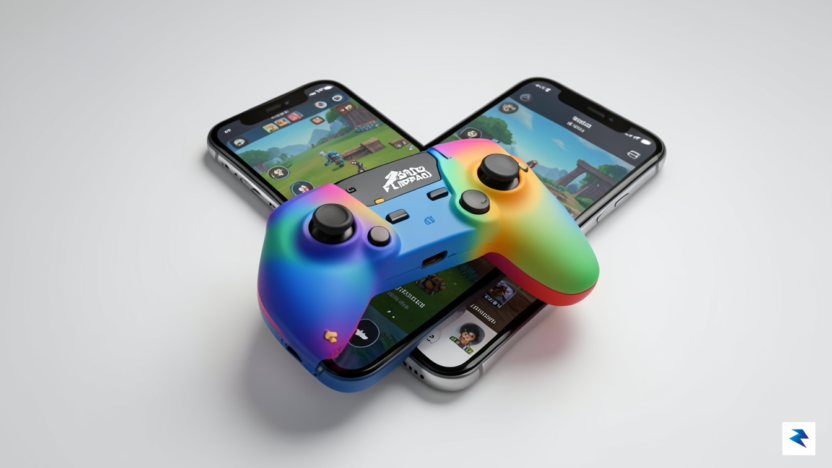
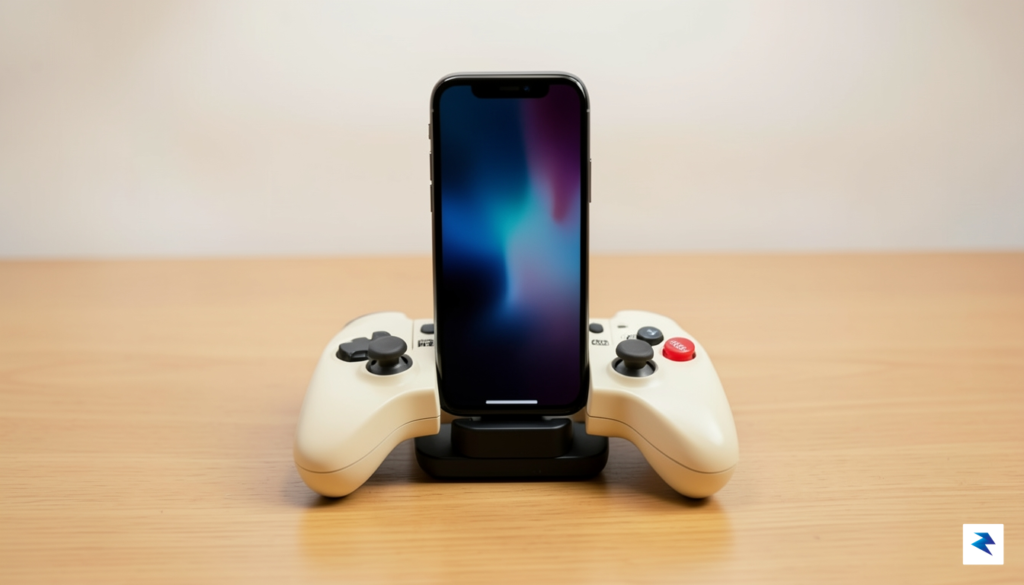
For years, the mobile gaming landscape was dominated by the limitations of glass-pane touchscreens, which often traded tactile satisfaction for sleek, minimalist design. However, a significant paradigm shift has occurred as developers and hardware manufacturers realize that modern performance is only half the battle; the other half is the visceral connection between the player and the game. As mobile processors have grown powerful enough to emulate legendary consoles from the 8-bit and 16-bit eras, players have increasingly sought to recapture the physical precision of the nineties. This movement toward hardware-based mobile gaming is no longer a niche hobby for tech enthusiasts, but a mainstream pursuit fueled by a collective nostalgia for mechanical switches, directional pads, and the absence of haptic-feedback lag.
The craving for physical buttons stems from a fundamental truth in gaming: touch controls frequently struggle to provide the granular feedback necessary for platformers, fighting games, and retro RPGs. When a player presses a physical button, there is an immediate, satisfying resistance that tells the brain exactly when an action has registered, a sensation that software-based overlays simply cannot replicate. By integrating dedicated controllers into their mobile setups, users are effectively transforming their high-end smartphones into specialized handheld consoles. This trend has pushed accessory makers to experiment with form factors that balance portability with ergonomics, ensuring that a professional-grade gaming experience can fit comfortably inside a pocket.
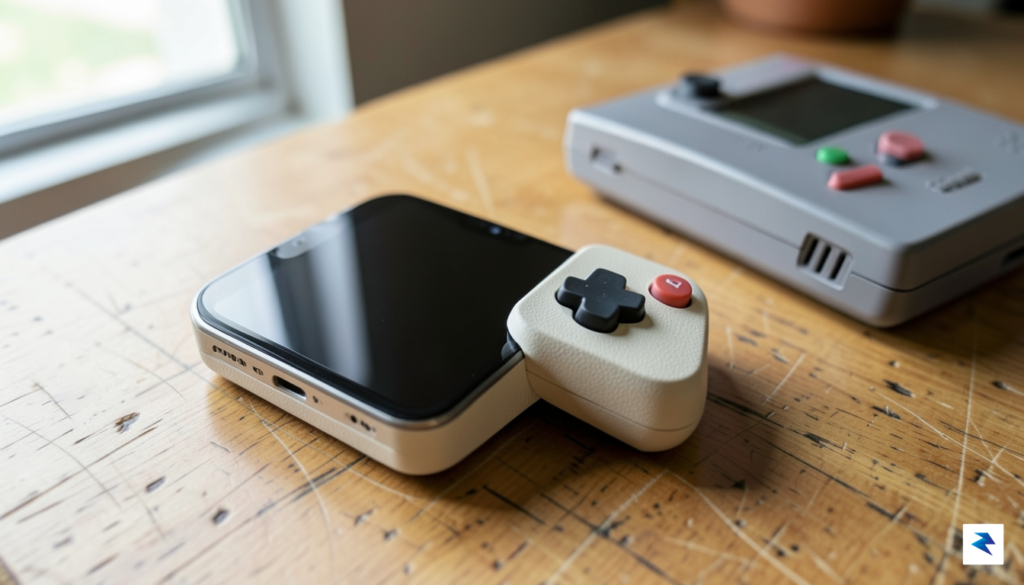
This competitive arena reached a fever pitch at CES 2026, where the battle for the “pocketable handheld” crown truly began in earnest. Industry leaders like 8BitDo and GameSir have spent the last few years vying for dominance, each attempting to solve the problem of portability without sacrificing the robust feel of a traditional gamepad. While GameSir has pushed boundaries with expansive, wrap-around designs, 8BitDo has carved out a unique identity by leaning heavily into the aesthetic and mechanical legacy of iconic 90s hardware. Their latest offerings represent a culmination of this design philosophy, proving that the most advanced mobile gaming rig doesn’t necessarily need to look like a futuristic piece of hardware; sometimes, it just needs to feel like the childhood favorite that started it all.
The marriage of high-fidelity smartphone displays with classic, clicky mechanical inputs isn’t just about looking back—it’s about fixing the fundamental ergonomic disconnect that has plagued mobile gaming for over a decade.
Ultimately, the surge in popularity for these peripherals demonstrates that modern players are willing to carry extra gear if it elevates their interaction with software. Whether it is the satisfying ‘click’ of a microswitch or the familiar layout of a classic D-pad, these retro-inspired designs are successfully bridging the gap between historical gaming memories and modern hardware capabilities. As we look at the current market, it is clear that the future of mobile gaming is being built on the foundation of the past.
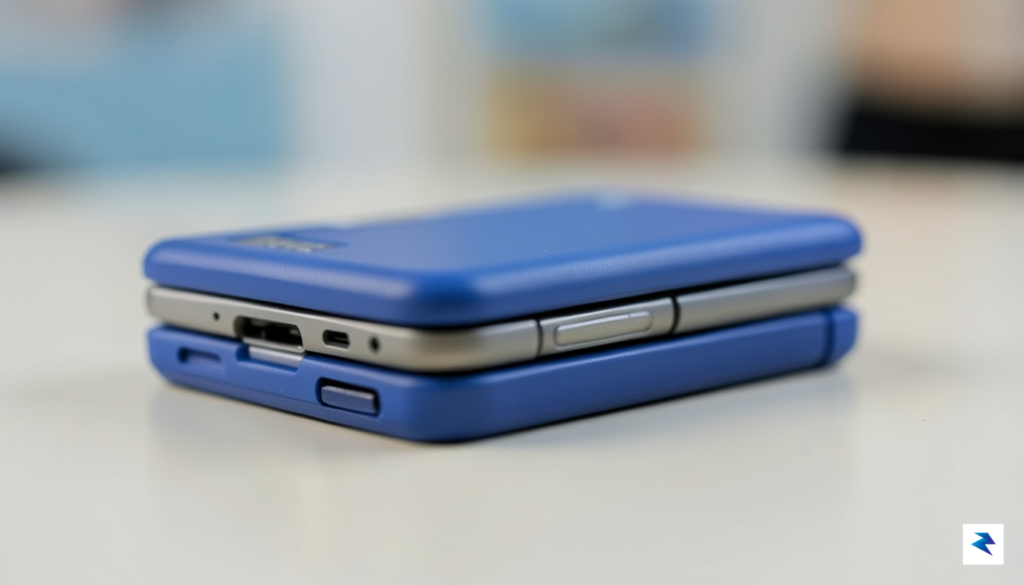
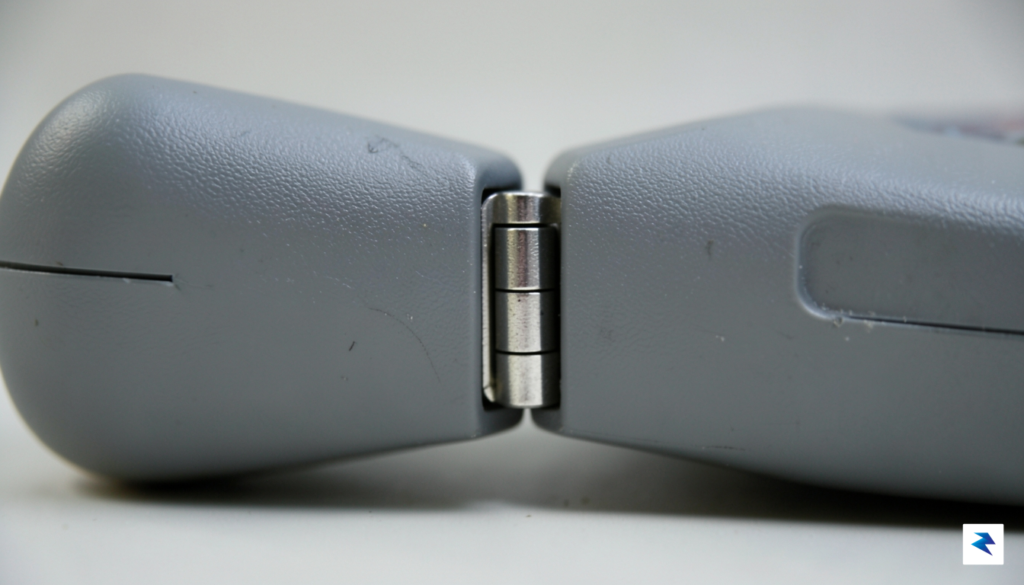
The most striking element of the FlipPad is undoubtedly its innovative hinge mechanism, which transforms a standard smartphone gaming experience into a nostalgic homage to handheld gaming history. Unlike traditional telescopic controllers that remain bulky even when collapsed, this device utilizes a sophisticated folding architecture that allows the two halves to snap together into a compact, symmetrical slab. This clever engineering doesn’t just save space; it protects the vital analog sticks and face buttons from the inevitable wear and tear of being tossed into a backpack or pocket. By prioritizing a clamshell-inspired approach, the hardware feels remarkably sturdy while maintaining a slim profile that defies the typical clunkiness associated with mobile gaming peripherals.
When fully deployed, the button layout reveals a deep commitment to both ergonomic comfort and authentic retro aesthetics. The face buttons are spaced with precision, offering the satisfying, “clicky” tactile feedback that 8BitDo has become famous for, effectively mimicking the responsiveness of an original Game Boy or Super Nintendo controller. The D-pad, in particular, sits in the classic thumb-friendly position, featuring a slight pivot that makes precision platforming feel natural rather than forced. By integrating these vintage design cues into a modern controller, the developers have managed to bridge the gap between yesterday’s simple charm and today’s complex, multi-input gaming requirements, ensuring that every jump, dash, and menu selection feels deliberate and tactile.
The material choice is equally deliberate, utilizing a durable, textured polymer that feels substantial in the hands without adding unnecessary weight. This matte finish not only prevents unsightly fingerprints but also provides a non-slip grip that is essential for intense gaming sessions. The color palette—a tasteful tribute to the iconic DMG-01 handheld—complements the overall industrial design, evoking a sense of familiarity that resonates instantly with long-time fans. Because the unit folds down to roughly the size of a deck of cards, it earns its “pocketable” status honestly, fitting seamlessly into a jacket pocket or the side pouch of a bag where larger controllers would simply be too cumbersome to carry.
The true genius of the FlipPad lies in its ability to disappear into your everyday carry, only to emerge as a full-featured, high-performance interface the moment the game begins.
Ultimately, the device succeeds because it refuses to compromise on the physical experience of gaming just for the sake of portability. Many mobile controllers are either too flimsy to be reliable or too large to be convenient, but the FlipPad finds the elusive middle ground. By rethinking the geometry of the standard gamepad, it proves that mobile gamers don’t have to choose between a bulky external device and the subpar experience of playing on a flat touchscreen. Whether you are commuting on a train or relaxing at a cafe, the design ensures that your hardware is as mobile as your phone, effectively turning your smartphone into a dedicated handheld console whenever the urge to play strikes.
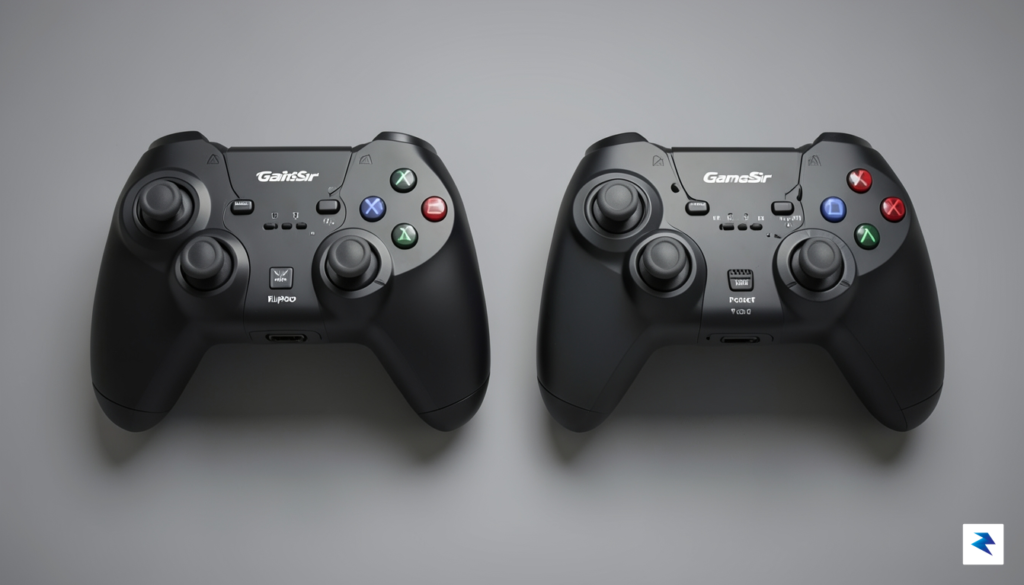
When evaluating the current landscape of portable mobile controllers, the GameSir Pocket Taco has long served as the industry benchmark for those seeking a compact, all-in-one gaming solution. Its innovative folding mechanism allows the device to shrink down to a pocket-friendly size, effectively bridging the gap between high-performance hardware and extreme portability. However, the arrival of the 8BitDo FlipPad introduces a compelling alternative that shifts the focus toward a nostalgic, vertical aesthetic that feels more like a dedicated handheld console. While the Pocket Taco prioritizes a wide, traditional gamepad footprint when deployed, the FlipPad utilizes a vertical orientation that intentionally mimics the iconic silhouette of the classic Game Boy, creating a distinct physical experience for retro gaming enthusiasts.
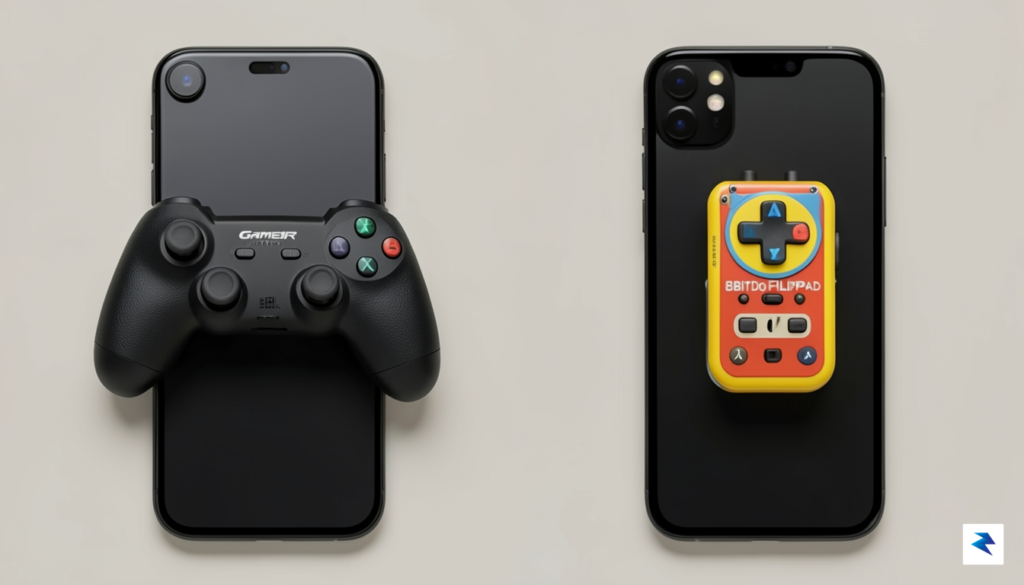
The primary design divergence lies in the structural philosophy of each controller. The GameSir Pocket Taco relies on a horizontal clamping system that mimics the ergonomics of a standard console controller, making it the superior choice for modern AAA titles, shooters, and complex 3D adventures that demand a wide grip. Conversely, the 8BitDo FlipPad embraces a vertical stack, which significantly alters how the device rests in your hands. This verticality is an ergonomic trade-off; while it may feel slightly less stable during intense, fast-paced action games, it excels when playing emulated titles from the 8-bit and 16-bit eras, as the button placement and thumbstick positioning are tailored for a more relaxed, authentic retro feel.
Compatibility remains a critical factor for users navigating this choice, as both controllers handle smartphone integration differently. The Pocket Taco is generally more forgiving with larger, heavier devices, offering a robust clamp that keeps the screen centered and steady during frantic gameplay. The FlipPad, however, is engineered with a more refined, slim-line profile that feels practically invisible when stowed away, though it may feel slightly top-heavy depending on the specific model of your smartphone. Users with smaller devices will likely find the FlipPad’s lightweight construction more comfortable for extended sessions, whereas those packing a Pro-sized flagship phone might appreciate the structural rigidity and weight distribution offered by the GameSir design.
Ultimately, the choice between these two devices boils down to your primary library of games: choose the GameSir for modern, landscape-heavy titles, or opt for the 8BitDo if your heart is set on vertical retro emulators and portability above all else.
Ultimately, these two controllers cater to distinctly different user archetypes within the mobile gaming community. If your mobile gaming habits lean toward competitive multiplayer or immersive, sprawling open-world games, the GameSir Pocket Taco remains the pragmatic winner due to its wider, more familiar gamepad geometry. On the other hand, for the collector or the casual player who wants to turn their phone into a pocketable time machine, the 8BitDo FlipPad offers an unmatched aesthetic charm. By understanding these ergonomic nuances, you can ensure that your hardware choice perfectly aligns with the way you interact with your digital library.
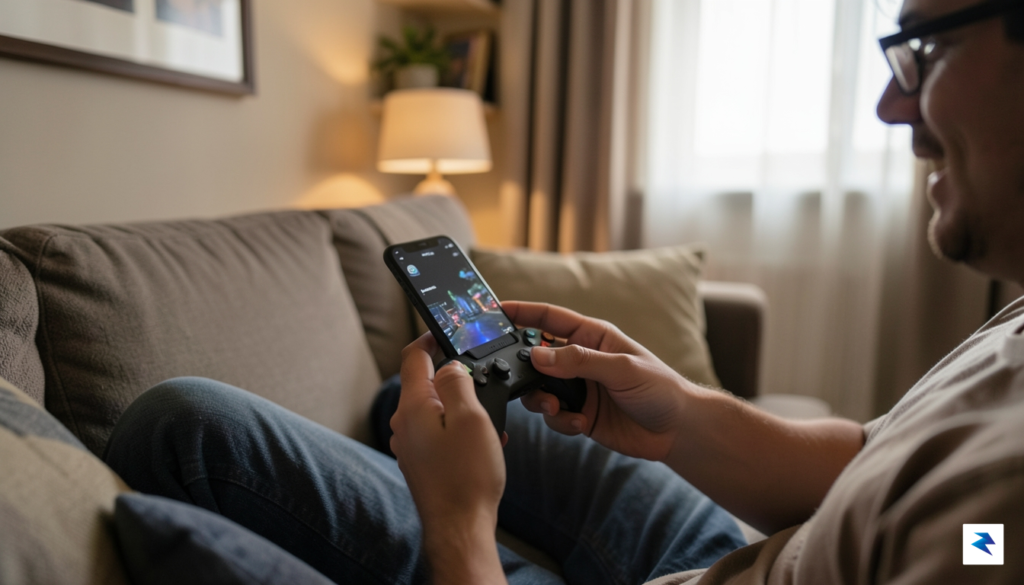
When it comes to mobile gaming, the difference between an engaging experience and a frustrating chore often comes down to the quality of the hardware. The FlipPad manages to strike a difficult balance, delivering the nostalgic, tactile feedback of a classic handheld while meeting the low-latency requirements of modern gaming. The button travel is notably crisp; 8BitDo has opted for a snappy, mechanical feel rather than the mushy, membrane-based response often found in budget controllers. Whether you are executing frame-perfect jumps in a precision platformer or navigating complex menus in a turn-based RPG, the inputs feel immediate and reliable, effectively eliminating the “input lag anxiety” that frequently plagues wireless mobile peripherals.
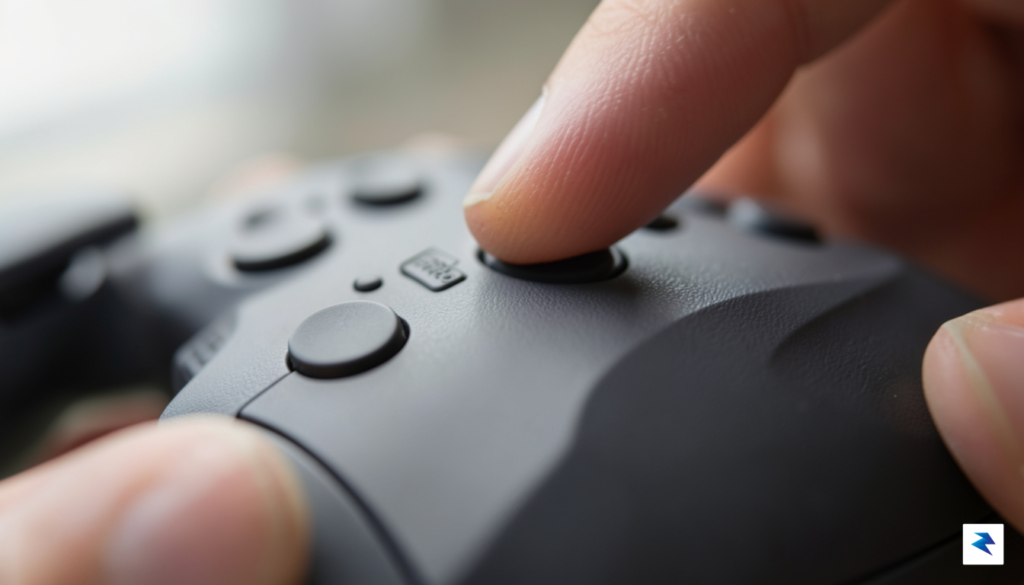
Connectivity is the backbone of any portable controller, and the FlipPad excels by offering a remarkably stable Bluetooth connection that mimics the responsiveness of a wired device. During testing, the pairing process remained consistent across both Android and iOS platforms, with minimal jitter or signal drops even in environments crowded with other wireless traffic. While some purists might argue that a direct physical connection is superior, the internal optimization here is so efficient that the difference is virtually imperceptible to the average gamer. This stability is crucial for long-form sessions, ensuring that your command inputs remain synchronized with the action on screen, even after hours of continuous play.
The true test of a mobile controller is whether it disappears into the background, allowing the player to focus entirely on the game rather than the hardware in their hands.
Ergonomics play an equally vital role in ensuring that the FlipPad remains comfortable during extended gaming marathons. By utilizing a form factor that mimics the classic vertical orientation, the controller allows for a natural hand position that mitigates the cramping often associated with flat touchscreens or overly wide telescopic controllers. The weight distribution feels intentional, keeping your phone secure without making the device feel top-heavy or awkward to hold. Furthermore, the textured grips provide just enough friction to maintain control during intense sessions, while the overall build quality suggests a device designed to survive the rigors of being tossed into a pocket or backpack daily. It is a rare example of hardware that respects the user’s need for both portability and endurance, making it a compelling choice for anyone looking to elevate their mobile gaming setup.
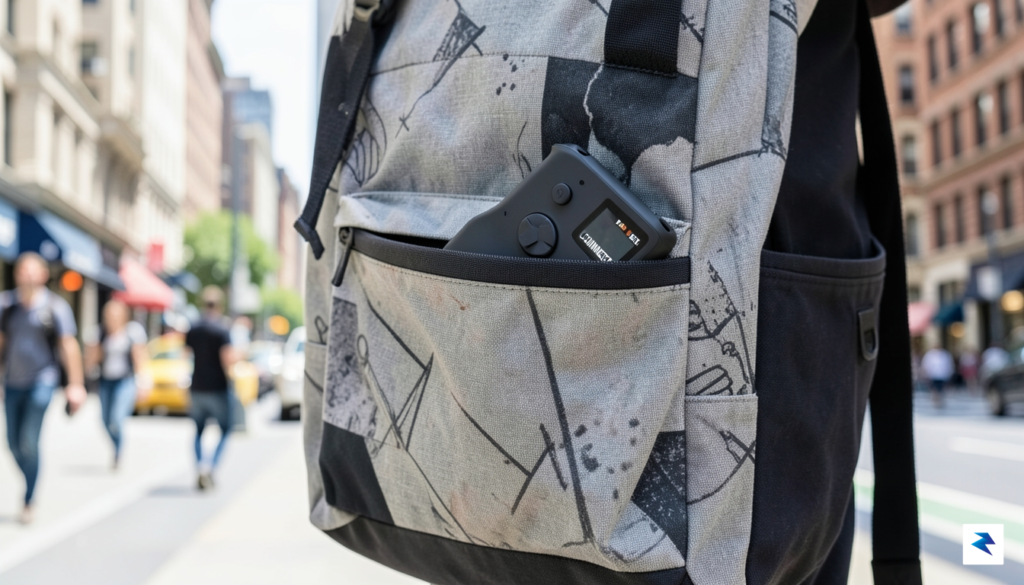
In an era where our smartphones possess more raw computational power than the desktop computers of a decade ago, the gaming landscape has shifted dramatically toward high-fidelity mobile emulation. We no longer need to haul around a dedicated handheld console or a bulky bag of cartridges to revisit the golden age of 8-bit and 16-bit classics. Instead, the modern commuter has turned their daily transit—whether it be a train ride, a bus route, or a quiet break in a crowded coffee shop—into an opportunity for immersive, tactile gaming. This evolution represents a fundamental change in how we perceive leisure time, turning “dead air” moments into a high-quality interactive escape that feels both nostalgic and distinctly futuristic.
The friction point for many mobile gamers has historically been the reliance on touch-screen controls, which often lack the satisfying physical feedback required for precision platformers or complex RPGs. While carrying a dedicated, bulky handheld device might provide a better ergonomic experience, it often feels like an unnecessary burden when you already have a premium smartphone in your pocket. This is where the rise of micro-controllers becomes so significant; they bridge the gap between the convenience of a phone and the tactile satisfaction of hardware buttons. By streamlining the form factor, these devices prove that you do not need to sacrifice your pocket space to achieve a console-grade experience on the go.
Market trends in 2026 indicate a growing consumer preference for “carry-anywhere” hardware that complements our existing tech ecosystem rather than replacing it. We are seeing a move away from specialized, single-use devices toward versatile accessories that maximize the potential of the hardware we already own. When a controller can fold into a footprint no larger than a stack of credit cards, it ceases to be an extra piece of luggage and becomes an essential part of an everyday carry (EDC) kit. This integration is vital because it removes the cognitive barrier to entry; if a controller is easy to pack and quick to pair, the likelihood of using it during short windows of downtime increases exponentially.
The true success of modern portable gaming lies in the seamless transition between our digital lives and our recreational habits, ensuring that the hardware we carry is always ready to match the pace of our daily routines.
Ultimately, the value of these ultra-portable controllers is found in their ability to respect the user’s mobility. By shrinking the footprint of the traditional game pad without compromising on button layout or input latency, manufacturers are finally honoring the legacy of handheld gaming while fully embracing the capabilities of current mobile technology. It is no longer about choosing between your phone and a dedicated gaming device; it is about empowering your phone to be the only device you truly need for a premium, tactile, and deeply nostalgic gaming experience.
After an agonizingly long development cycle that tested the patience of the retro-gaming community, the FlipPad has finally emerged from its prototyping phase. When weighing the device’s merits, it is clear that 8BitDo has achieved something remarkable regarding form factor; the folding mechanism feels robust, and the ability to slide this controller into a pocket alongside your smartphone is a genuine quality-of-life upgrade for commuters. However, the experience is not without its trade-offs. While the tactile feedback of the buttons rivals the company’s higher-end controllers, the ultra-compact layout can feel slightly cramped for players with larger hands, particularly during extended sessions of action-heavy titles.
For those debating whether to pull the trigger, the decision ultimately hinges on your commitment to mobile emulation and your tolerance for hardware quirks. The FlipPad sits at a competitive price point, positioning itself as a premium yet accessible middle ground between budget generic Bluetooth controllers and the more expensive, bulky telescopic options that dominate the market. If your priority is absolute portability—the idea that you can keep a fully functional, high-quality controller in your jeans pocket at all times—then this device is virtually peerless. Conversely, if you prioritize ergonomic comfort above all else and rarely play on the go, you might find that a larger, more traditional controller offers a more relaxed grip over long periods.
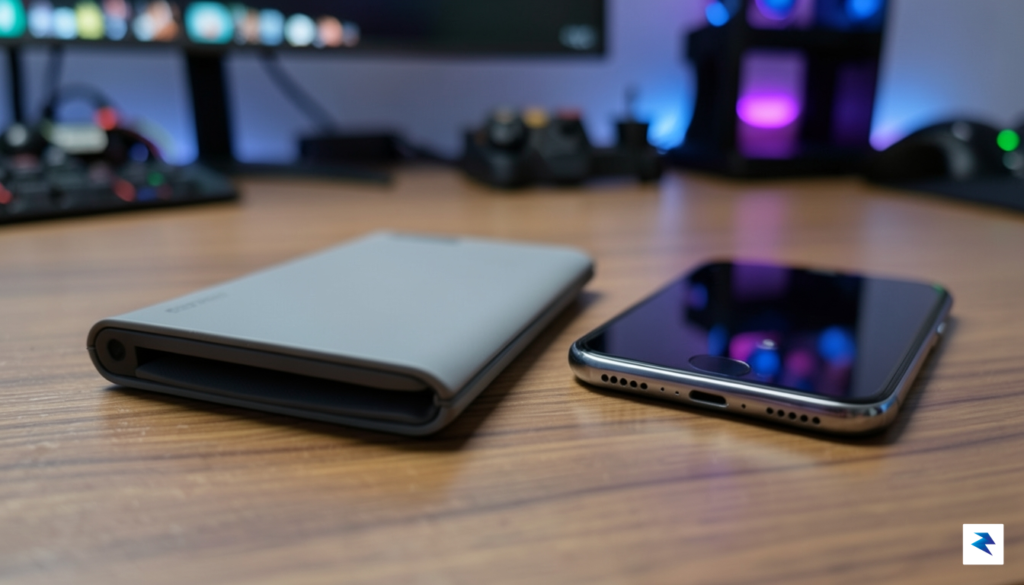
The FlipPad succeeds not by being the most ergonomic controller on the market, but by being the one you will actually remember to bring with you.
In terms of availability, 8BitDo has done an excellent job of ensuring the initial launch stock is accessible through major online retailers, reducing the frustration that often accompanies niche peripheral releases. We recommend the FlipPad specifically for users who frequent public transit, travel often, or simply enjoy the convenience of a “grab-and-go” gaming setup. If you are a dedicated retro enthusiast who feels that touch-screen controls ruin the integrity of classic titles, this accessory is a mandatory addition to your collection. While it may have taken its time to reach our hands, the polish and intentionality behind the design confirm that the wait was, for the vast majority of mobile gamers, entirely justified.
You must be logged in to post a comment.