
The Scar Left Behind: Understanding the Colorado Fire Aftermath
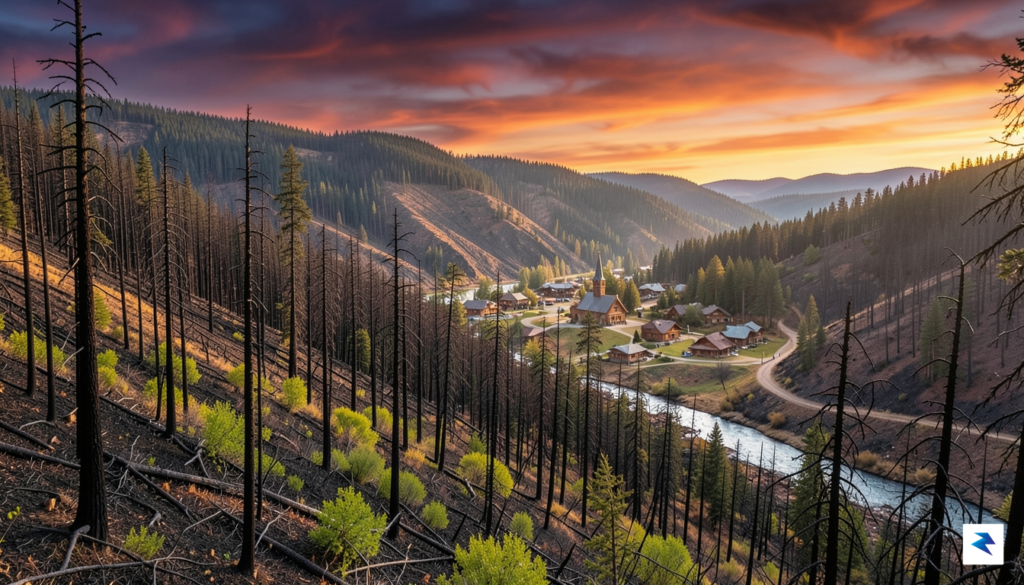
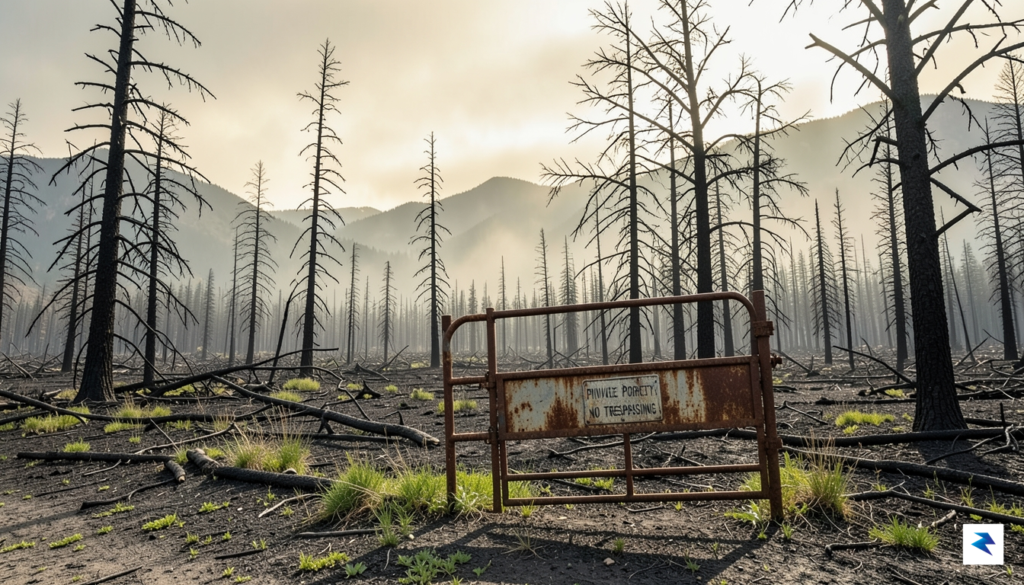
The immediate aftermath of a wildfire is defined by a visceral, haunting silence that replaces the once-vibrant sounds of the forest and the rhythmic pulse of rural life. When the smoke finally clears, the landscape is transformed into a monochromatic expanse of ash, twisted metal, and the skeletal remains of what were once thriving homesteads. For the residents of Western Colorado, this physical destruction is merely the opening chapter of a grueling, multi-year ordeal. The local economy, often tethered to the land through ranching, tourism, or small-scale timber operations, suffers a catastrophic rupture that cannot be mended by a simple insurance claim or a clean-up crew. As the debris is slowly cleared, it reveals not just the loss of property, but a profound economic void that forces families to weigh the steep cost of rebuilding against the heartbreak of starting over elsewhere.
Beyond the quantifiable loss of timber and infrastructure, there exists an invisible, psychological toll that ripples through the community long after the embers have cooled. Residents are forced to grapple with a persistent, gnawing uncertainty; they are suspended in a state of limbo where the future feels untethered from the past. This emotional weight is compounded by the grueling bureaucratic hurdles of recovery, where navigating zoning laws, environmental regulations, and state assistance programs often feels like an secondary disaster. Many who once felt a deep sense of self-sufficiency now find themselves dependent on external systems that are often ill-equipped to handle the nuances of rural life. This transition from “survivor” to “rebuilder” is rarely linear, and for many, the mental exhaustion of planning for a future that feels fundamentally altered can be as damaging as the fire itself.
“The fire took our barn and our fences, but the real test is seeing if our way of life can survive the paperwork and the politics that follow,” remarked one long-time rancher.
As these communities begin the arduous process of reconstruction, the act of rebuilding has inadvertently become a crucible for clashing community values. What should be a straightforward effort to restore homes and livelihoods has morphed into a complex political debate regarding land use, climate resilience, and the role of government intervention. Tensions rise as neighbors argue over how to mitigate future risks—some advocating for aggressive forest management and private property rights, while others push for strict environmental protections and updated building codes. Consequently, the charred landscape has become a mirror reflecting the deeper fissures in the modern American West, where the necessity of survival often collides with the fierce independence of those who choose to call these rugged mountains home.
The Mechanics of Federal Aid: Why FEMA Rejections Happen
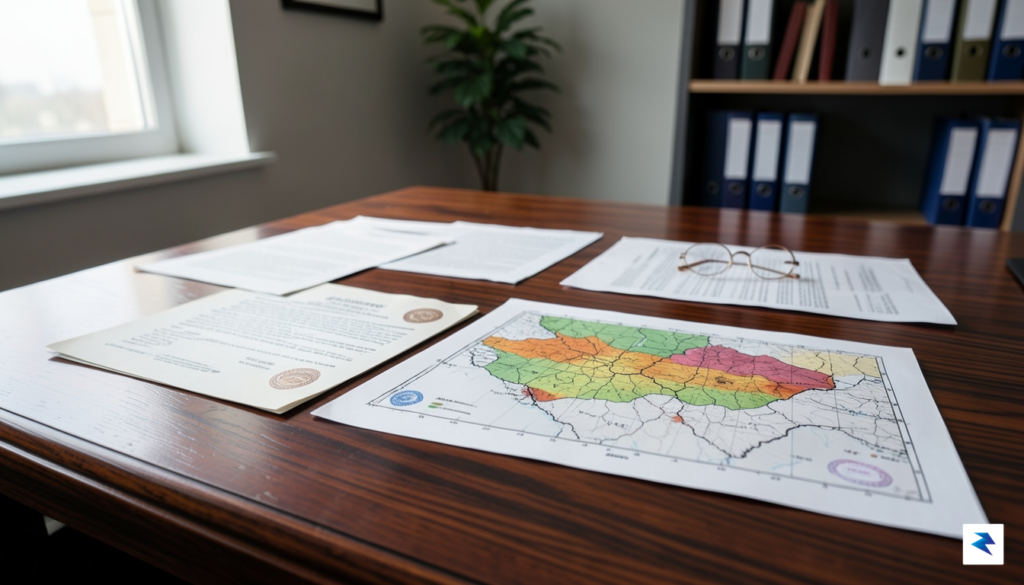
Navigating the labyrinth of federal disaster relief often feels like a collision between human tragedy and cold, administrative arithmetic. At the heart of this process lies the Robert T. Stafford Disaster Relief and Emergency Assistance Act, the primary legal framework that dictates how and when the federal government intervenes. Under this act, a Major Disaster Declaration is not triggered by the severity of the emotional trauma or the localized intensity of a blaze, but rather by whether the scope of the damage exceeds the combined capability of state and local governments to respond. This creates an immediate, inherent tension: disaster declarations are designed as a last resort, yet for many rural Coloradans, they represent the only viable path to recovery.
FEMA assistance is bifurcated into two distinct categories, each governed by different criteria and expectations. Individual Assistance (IA) is designed to provide direct support to households for essential needs, such as temporary housing or home repairs, when insurance coverage falls short. Conversely, Public Assistance (PA) is directed toward state and local government entities to help cover the costs of debris removal, infrastructure repair, and emergency protective measures. The disconnect often arises because these two buckets of funding are calculated independently; a community might suffer profound private property loss, yet fail to meet the state-wide financial threshold necessary to unlock public assistance for critical infrastructure.
The Math of Exclusion
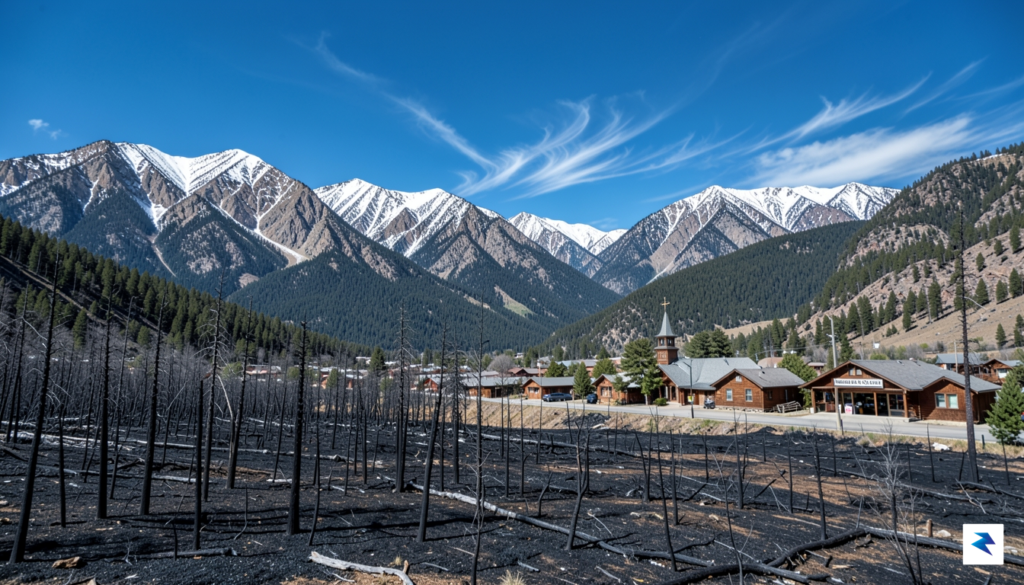
The most frequent source of friction in rural disaster relief is the per-capita damage threshold used to determine eligibility for Public Assistance. FEMA calculates this figure by dividing the total estimated cost of disaster-related damage by the population of the affected state. Because this formula is inherently weighted toward population density, rural areas with sparse populations often struggle to reach the numerical ceiling required for a declaration. Even if a fire destroys a significant percentage of a small town’s critical infrastructure, the lack of a massive, aggregated dollar amount can lead to a formal rejection. This leaves local officials in a precarious position, tasked with rebuilding roads, power grids, and water systems without the deep-pocketed support of the federal treasury.
The reliance on per-capita metrics essentially punishes lower-density communities, where the cost of infrastructure replacement is high, but the number of residents sharing that burden is low.
Ultimately, these rejections are rarely the result of bureaucratic malice, but rather the rigid application of statutory formulas that prioritize national fiscal consistency over localized needs. When a federal agency looks at a spreadsheet, they see data points intended to prevent the federalization of local responsibilities. However, for a resident in a remote mountain community, the denial letter is rarely interpreted as a technical adherence to the Stafford Act; instead, it feels like an abandonment by a distant bureaucracy that fails to account for the unique, compounding vulnerabilities of rural life. Bridging this gap requires more than just better communication—it demands a fundamental reconsideration of how “disaster” is quantified in an era of increasingly unpredictable and expensive climate events.
The Political Polarization of Disaster Relief
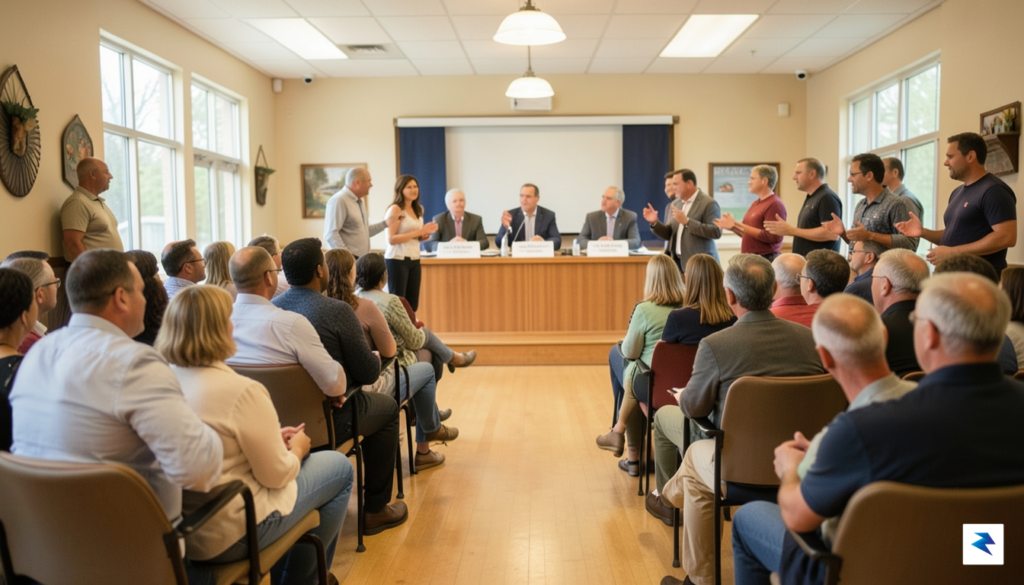
When federal assistance for the Colorado fire was abruptly denied, the silence echoing from Washington did not remain empty for long; instead, it was rapidly filled by a cacophony of local frustration and speculation. For the residents who had watched their homes turn to ash, the denial of aid was never viewed as a mere bureaucratic calculation or a technical failure of the application process. Rather, it was interpreted as a deliberate political signal, a cold shoulder turned toward a community already struggling to reconcile its identity with a rapidly changing national landscape. This perception transformed the fire from a localized tragedy into a potent symbol of abandonment, fostering a sense that rural Coloradans were being sidelined by an administration that did not prioritize their recovery.
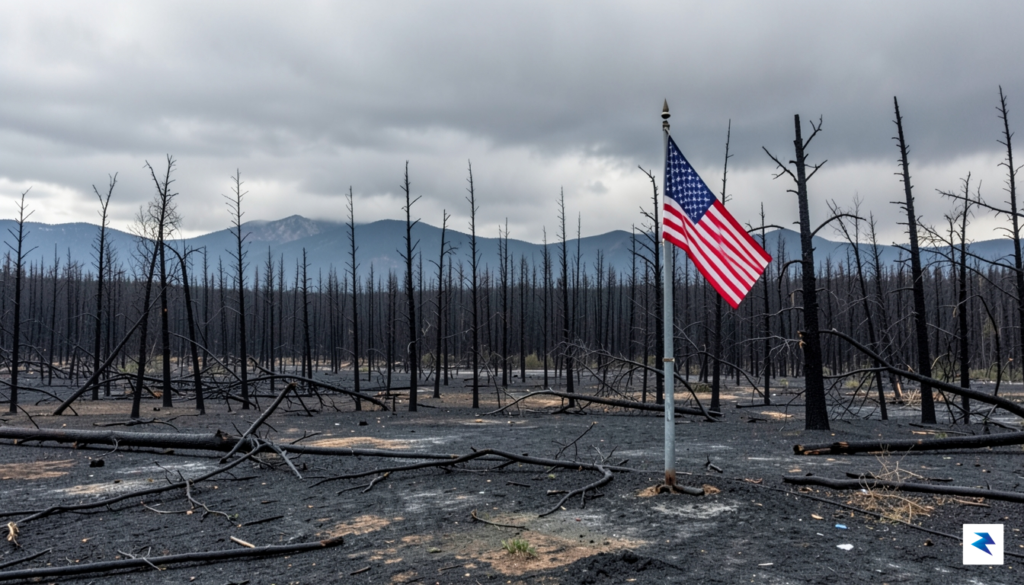
The immediate aftermath triggered a profound shift in how local leaders and citizens engaged with federal authority, as the denial became a flashpoint for intense partisan friction. Within days, the decision was filtered through the lens of a growing “us versus them” narrative, where federal resources began to be perceived as ideological currency. Proponents of this view argued that the withholding of aid was a strategic maneuver intended to punish regions that did not align with the administration’s political agenda. Conversely, this rhetoric deepened the chasm between the local populace and federal agencies, turning administrative delays into evidence of a systemic bias against rural interests. The result was not just a crisis of infrastructure, but a crisis of legitimacy, where the government’s failure to provide support was seen as a fundamental betrayal of the social contract.
When disaster relief becomes a matter of political identity rather than a response to human suffering, the recovery process is irrevocably fractured by distrust.
This environment of suspicion created fertile ground for local political actors to solidify their influence, often by positioning themselves as the sole defenders of their constituents against an uncaring federal apparatus. As rumors solidified into entrenched beliefs, the disaster recovery effort became inextricably linked to the broader culture wars, making every subsequent decision from the federal government subject to intense partisan scrutiny. By framing the denial of aid as a targeted political act, local voices effectively mobilized their communities, yet they also ensured that the road to recovery would be paved with bitterness. Ultimately, the withholding of resources did more than just stall the physical rebuilding of homes; it entrenched a cycle of alienation that continues to define the political discourse in the region long after the fires have been extinguished.
Community Resilience: How Rural Towns Rebuild Without Federal Support
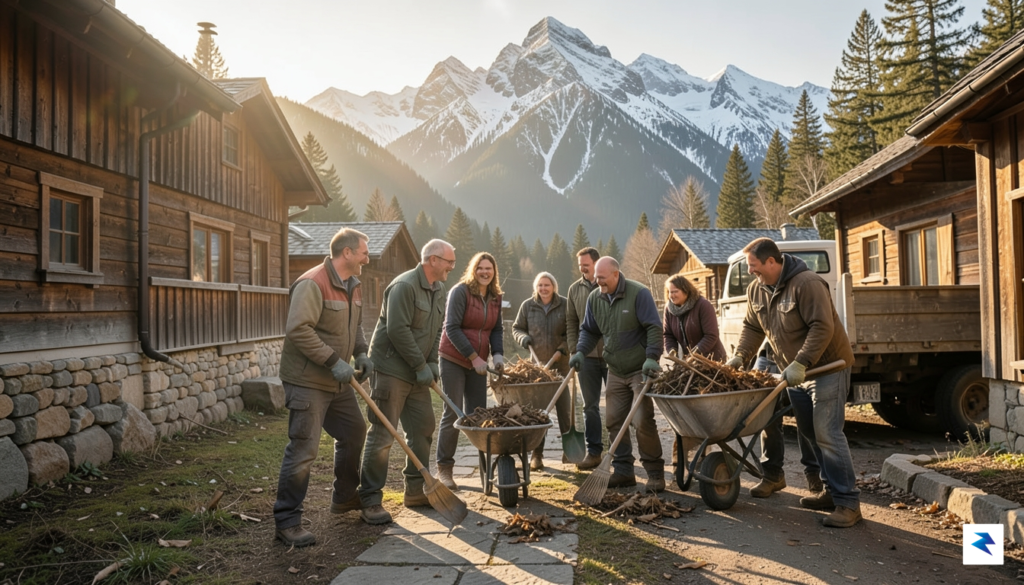
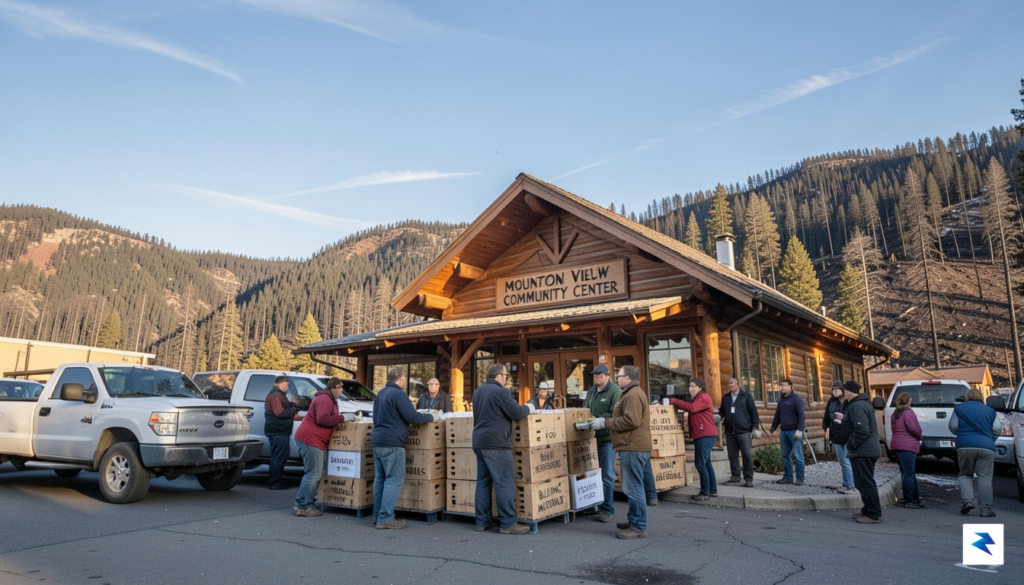
When the initial smoke clears and the federal cameras depart, the true reality of post-fire life in rural Colorado sets in. For many residents, the realization that significant federal assistance is either delayed or entirely unattainable has forced a profound shift in perspective. Instead of waiting for a distant bureaucracy to stabilize their livelihoods, these communities have pivoted toward a model of radical self-reliance. This is not merely a survival tactic; it is a fundamental restructuring of how recovery is managed, moving the burden of rebuilding from government agencies to the very neighbors who shared the trauma of the disaster.
Mutual aid networks have become the primary scaffolding for this new approach. Local non-profits, often operated by those who lost their own homes in the fires, have stepped in to fill the void left by systemic neglect. These organizations are uniquely positioned to navigate the intricacies of local terrain and social ties, facilitating everything from temporary housing arrangements to the clearing of debris-strewn lots. By leveraging community-held resources—such as heavy machinery shared between ranchers or local timber salvaged for reconstruction—residents are bypasssing the bureaucratic bottlenecks that typically stall state-led recovery projects.
“When you know the people who are rebuilding the fence next to yours, you don’t need a federal mandate to get the job done. You just show up with a hammer and a pot of coffee.”
This localized “community-first” mindset has also spurred a wave of grassroots economic recovery efforts. In several Western Colorado towns, business owners have banded together to create micro-loan pools and shared marketing initiatives to keep tourism and local trade alive despite the environmental scarring. By prioritizing local contractors and suppliers for rebuilding projects, these communities ensure that the limited capital available stays within the region, creating a circular economy that fosters long-term stability. This approach challenges the top-down narrative of disaster recovery, proving that when the safety net frays, the most resilient architecture is found in the strength of human connection.
Ultimately, the shift is psychological as much as it is practical. The residents have transitioned from a posture of dependency to one of active, local sovereignty. While the lack of federal support remains a significant obstacle, it has inadvertently catalyzed a spirit of ingenuity that defines the modern rural experience. These towns are not just rebuilding homes; they are building a model of autonomy that proves rural resilience is a self-sustaining resource, one that thrives precisely because it is forced to operate outside the reach of federal intervention.
The Future of Disaster Policy in a Divided America

The recent devastations witnessed in Colorado, while deeply personal to those affected, serve as a stark microcosm for a nation increasingly grappling with the escalating frequency and intensity of climate-driven disasters. What began as an urgent emergency response quickly evolves into a complex web of fiscal, social, and political challenges, blurring the traditional lines between immediate crisis management and long-term policy formulation. This shift demands a critical re-evaluation of how we prepare for, respond to, and rebuild after such events, especially as the very definition of ‘disaster’ continues to expand beyond singular, isolated incidents to encompass a pervasive, ongoing threat.
At the heart of this evolving challenge lies a fundamental tension: the federal government’s fiscal responsibility to manage national resources prudently clashes with its profound moral obligation to assist citizens in their most desperate times. As catastrophic events become more common and widespread, the price tag for recovery spirals, pushing federal agencies and local governments to their financial limits. This financial strain inevitably ignites debates about accountability, resource allocation, and the fairness of burden-sharing, often leading to accusations of favoritism or neglect based on regional or political leanings. It’s a delicate balancing act, requiring not just budgets but also empathy, foresight, and a unified national vision that transcends partisan divides.
To navigate this fraught landscape and prevent further societal fragmentation, a concerted effort towards policy reforms and significant shifts in disaster management communication is imperative. One critical avenue involves investing more robustly in pre-disaster mitigation strategies, shifting the focus from reactive recovery to proactive resilience-building through federal grants and incentives for local communities. Furthermore, communication from federal agencies and leaders must transcend partisan divides, presenting data-driven assessments of climate risks and recovery needs in a clear, consistent, and empathetic manner that builds trust rather than fueling skepticism. Establishing clear, equitable frameworks for federal aid distribution, perhaps through independent commissions or formulaic approaches, could also help depoliticize the recovery process, ensuring assistance reaches all citizens based on need, not political sway or geographic advantage.
Despite the daunting systemic hurdles and the often-contentious political debates that surround disaster recovery, the enduring strength of affected communities remains a powerful testament to the human spirit. In Colorado, as in countless other places touched by calamity, neighbors have rallied to support neighbors, demonstrating a profound resilience and an innate capacity for mutual aid that often transcends ideological differences. This grassroots solidarity offers a vital lesson: while policies and funding are crucial for large-scale recovery, the bedrock of successful rebuilding is ultimately constructed upon community cohesion and a shared commitment to overcoming adversity. Moving forward, effective disaster policy must not only address the physical and financial wounds but also actively foster and leverage this inherent community spirit, ensuring that the path to recovery is paved with both strategic support and unwavering human connection.