Understanding the Apple Price Shift
The recent adjustments to Apple’s pricing structure are not merely arbitrary corporate decisions; they are the direct result of a volatile global economic landscape that has tightened the margins for high-end consumer electronics. For years, the tech industry benefited from relatively stable costs for raw materials, but we are now witnessing a convergence of inflationary pressures affecting the semiconductor sector. Specifically, the rising costs of essential memory components—such as high-speed RAM and NAND flash storage—have forced manufacturers to re-evaluate their production expenses. As these critical hardware components become more expensive to source in bulk, Apple has opted to pass a portion of those overhead costs onto the end consumer, fundamentally altering the baseline price for the MacBook and iPad lineups.
For the average consumer, this pivot marks a significant departure from the historical expectation that Apple hardware would remain stagnant in price throughout a product cycle. Previously, a potential buyer could wait for a specific holiday window or a back-to-school promotion with the confidence that the entry-level price would remain predictable. Today, however, that strategy is far more precarious. When the cost of base-level components increases, the “starting price” of a machine rises across the board, which effectively shifts the goalposts for what constitutes a strong value proposition. A deal that would have been considered average a year ago now stands out as a rare opportunity to bypass these new, higher cost-of-entry standards.
“The current market environment forces buyers to reconsider the cost of patience; waiting for the next generation of hardware may no longer guarantee better value, but rather a higher financial commitment to obtain the same level of performance.”
This economic shift necessitates a new approach to how we define a “good deal” in the current tech climate. It is no longer just about waiting for a discount; it is about securing hardware at pre-hike pricing before the inventory ripples through the entire retail ecosystem. Because Apple’s supply chain is deeply integrated, the impact of these component inflation trends is felt universally, from official Apple Stores to third-party authorized retailers. Understanding this correlation between global memory chip scarcity and retail price tags helps demystify why these adjustments are happening now. Ultimately, savvy shoppers are recognizing that the most effective way to protect their purchasing power is to capitalize on remaining stock that was manufactured and priced prior to the most recent wave of global supply chain adjustments.
Why Current MacBook Deals Are More Valuable Than Ever
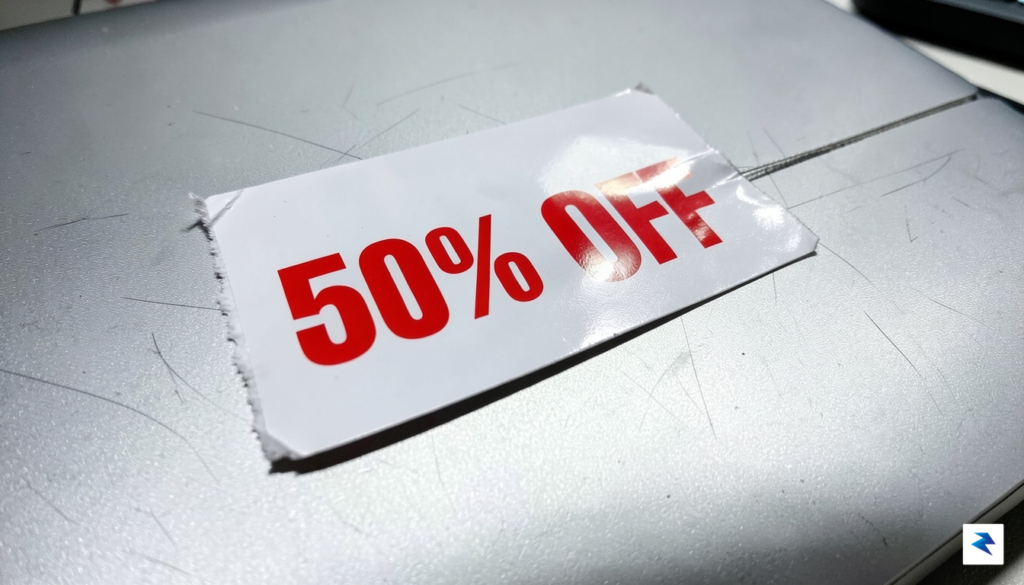
In the fast-paced world of consumer electronics, we often encounter a phenomenon known as “inventory lag,” where the physical stock residing in a retailer’s warehouse reflects the pricing structure of a previous era. As Apple officially shifts its MSRPs upward, these lingering units—which were purchased and distributed under the old pricing regime—have effectively transformed into hidden financial gems. While most shoppers might view a standard $100 discount as a modest saving, its actual value has fundamentally changed in the current market. When you pair a retailer’s existing markdown with the reality of a higher baseline price, you aren’t just saving a small percentage; you are actively insulating your budget against a permanent market correction that has already begun to ripple through the entire ecosystem.
To understand why waiting for a “better” deal is a losing strategy, one must look at the cold, hard math of current market volatility. If a MacBook was priced at $1,299 last month and saw a $100 discount, that was a respectable offer. However, now that the new MSRP has climbed higher, finding that same model for its original, lower price—plus the remaining retail discount—creates a “double-win” scenario. You are effectively capturing the delta between the old price point and the new, inflated standard, while simultaneously benefiting from the competitive pricing strategies retailers use to clear out older stock. In essence, the discount is no longer just a promotion; it is a hedge against the inevitable, higher price tags that will define the next generation of hardware.
The most significant risk for the modern consumer is not buying at a “sub-optimal” price today, but being forced to pay a substantially higher premium tomorrow once the current stock of pre-hike inventory is completely exhausted.
Many consumers fall into the trap of believing that electronic prices will eventually cycle back down, but the current strategic shift suggests that these price hikes are intended to be permanent fixtures of Apple’s retail strategy. Consequently, the window of opportunity to secure a device at pre-hike rates is closing rapidly as retailers sell through their backstock. Once these specific units are gone, they will be replaced by inventory that carries the new, elevated price tag, making the current discounts the most valuable options you are likely to see for the foreseeable future. By acting now, you are not just purchasing a machine; you are securing a price point that will soon be considered a nostalgic relic of a more affordable time.
Navigating MacBook Air vs. MacBook Pro Value
Choosing between the MacBook Air and the MacBook Pro has evolved into a strategic financial decision rather than a simple choice of hardware specs. As market volatility looms and price adjustments threaten to diminish the value proposition of Apple’s entry-level lineup, the MacBook Air stands out as the ultimate choice for students, digital nomads, and casual creatives who prioritize portability. Its fanless design and lightweight chassis make it an ideal companion for those who need a reliable machine for web-based workflows, document management, and light photo editing. Because the Air offers such high utility for its current price point, locking in a deal now ensures you secure a machine that will remain relevant for years, effectively insulating your wallet from the impending cost increases.

Conversely, the MacBook Pro is engineered for users whose livelihoods depend on heavy computational lifting, such as video editors, software developers, and 3D designers. While the upfront investment is significantly steeper, the Pro’s active cooling systems, superior display technology, and broader port selection provide a distinct return on investment for high-end professional workflows. When considering the upcoming price hike, the Pro becomes a more compelling “long-term hedge” for power users. By investing in the Pro today, you are essentially purchasing a machine that is over-engineered for current tasks, which guarantees that it will handle increasingly demanding software updates and complex projects well into the future without needing a premature upgrade.
The Golden Rule of Value: If your workflow relies on sustained high performance, the MacBook Pro’s premium is an insurance policy against future obsolescence. If you are a general user, the MacBook Air represents the most efficient use of your capital before market prices shift upward.
Ultimately, the decision rests on whether you value the immediate cost-efficiency of a portable, everyday machine or the long-term durability of a high-performance workstation. If you choose the MacBook Air, you are maximizing your bang-for-your-buck by getting a high-quality machine that handles 90% of daily tasks with ease. If you opt for the MacBook Pro, you are securing a professional-grade asset that justifies its price tag through raw output and hardware longevity. Regardless of which path you choose, acting before the price hikes materialize is the most effective way to ensure you retain maximum value from your purchase, keeping your technology budget intact while upgrading your creative capabilities.
Strategic Shopping: How to Maximize Your Savings
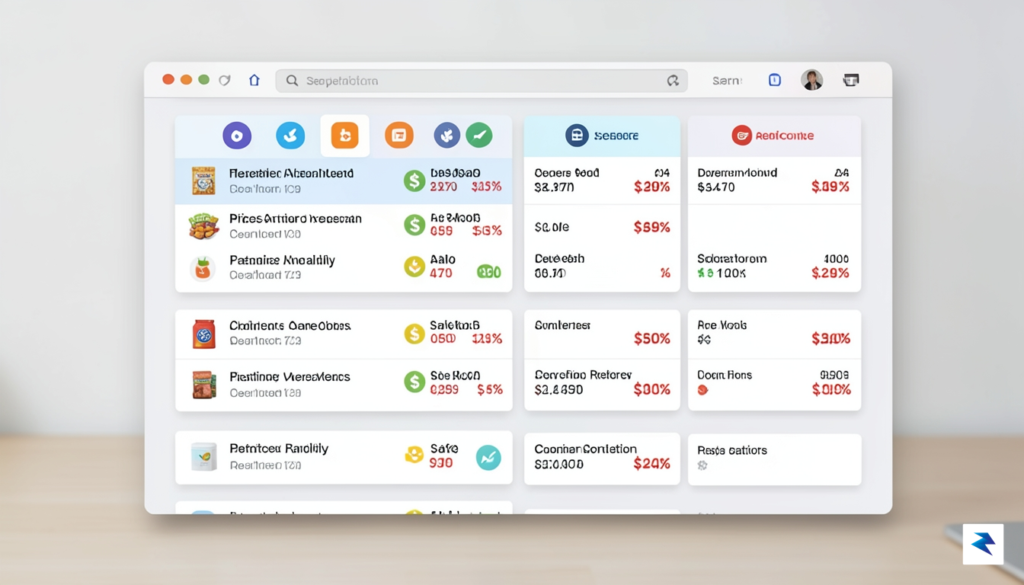
Securing a high-performance MacBook at a competitive price requires more than just browsing the main Apple storefront; it demands a tactical approach to the current retail landscape. To avoid the impending price adjustments, you must first leverage price-tracking tools such as CamelCamelCamel or Honey, which allow you to monitor historical pricing trends and receive instant alerts when a specific model dips below its average market value. By setting these alerts now, you eliminate the guesswork and ensure that you are notified the moment a retailer decides to clear out inventory or offer a temporary promotional discount, effectively putting the power of timing back in your hands.
Beyond digital tracking, where you choose to shop is just as critical as when you choose to buy. While Apple’s direct store provides a reliable baseline, authorized resellers like B&H Photo, Best Buy, and Amazon often undercut official pricing to move volume. It is essential to distinguish between these reputable authorized dealers and third-party marketplaces, where the risk of receiving an unauthorized or “gray market” unit is significantly higher. By sticking to authorized channels, you ensure that your purchase remains eligible for official AppleCare+ protection and that the hardware is genuine, factory-fresh, and fully covered by the manufacturer’s standard warranty.
To maximize your budget, always prioritize authorized retailers that offer member-exclusive discounts or price-matching policies, as these are often the most reliable avenues for securing a significant discount during a market transition.
If new models are currently priced outside your ideal range, the “Certified Refurbished” section on Apple’s official website remains the gold standard for value. These units undergo a rigorous diagnostic process, receive a new outer shell, and include a brand-new battery, making them virtually indistinguishable from brand-new machines. Furthermore, these refurbished models qualify for the same warranty and support as a brand-new laptop, providing a rare intersection of deep savings and total peace of mind. Taking this route allows you to bypass the premium price tag of a sealed-box model while still enjoying the full premium experience that a MacBook delivers.
Finally, keep a close eye on retail cycles, as many major electronics retailers schedule their biggest sales events around mid-quarter inventory audits. When you combine these seasonal sales with potential student discounts or corporate affiliate programs, the cumulative savings can easily offset the sting of future price hikes. By combining proactive digital monitoring with a preference for authorized, warrantied channels, you can effectively “future-proof” your wallet and secure a high-quality machine before the market landscape shifts permanently.
Long-Term Value: Is Now the Right Time to Buy?

Deciding when to invest in a premium machine like a MacBook often feels like playing a high-stakes game of chess against Silicon Valley’s release schedule. The perennial “wait or buy” dilemma is exacerbated by inflationary pressures and rumors of upcoming price adjustments, leaving many consumers caught in a cycle of hesitation. However, the true value of a computer lies not in its status as the newest model, but in its ability to reliably serve your workflow for years to come. When you look past the allure of the absolute latest silicon, you begin to realize that current-generation MacBooks are already operating at a level of efficiency that far exceeds the needs of the average user, making them a robust choice regardless of what Apple announces next quarter.
To determine if you should pull the trigger today, consider your personal hardware cycle. If your current machine is struggling to keep up with basic tasks, or if your profession demands a reliable, portable workstation, the cost of waiting—measured in lost productivity and the potential for higher future price points—far outweighs the marginal benefits of a theoretical future upgrade. We recommend applying a simple utility framework: if the current specifications meet your requirements for the next three to four years, the technical ceiling of a new model becomes largely irrelevant. By prioritizing functional necessity over the pursuit of the “latest” badge, you protect yourself against the volatility of retail pricing.

Securing hardware at a current discount is less about timing the market and more about insulating your budget against the inevitable upward trajectory of premium tech pricing.
Ultimately, purchasing a discounted unit right now serves as an effective hedge against future price instability. As global supply chains face ongoing fluctuations and manufacturing costs climb, Apple’s pricing structure is trending toward a higher baseline. Taking advantage of these existing deals allows you to acquire high-performance hardware at a cost-to-performance ratio that may not be available once the new pricing tiers are fully implemented. By locking in a lower price today, you are not just buying a laptop; you are securing a reliable tool for your professional or creative life while safeguarding your wallet from the uncertainty of tomorrow’s retail landscape.