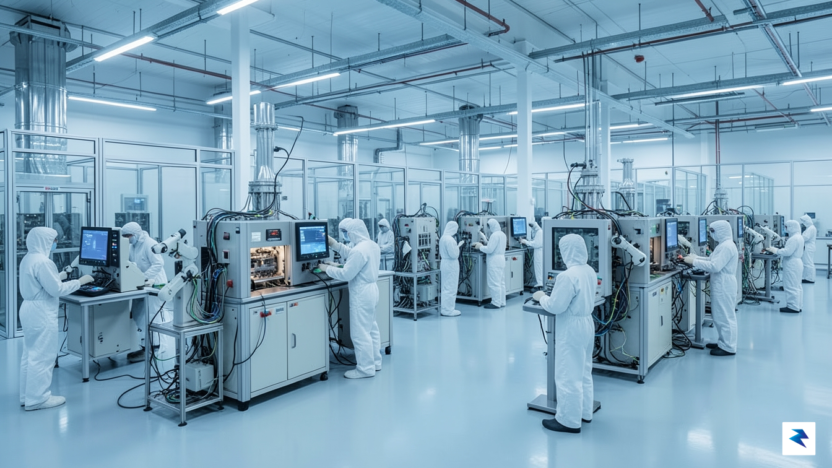
The State of Intel: A Legacy Reimagined
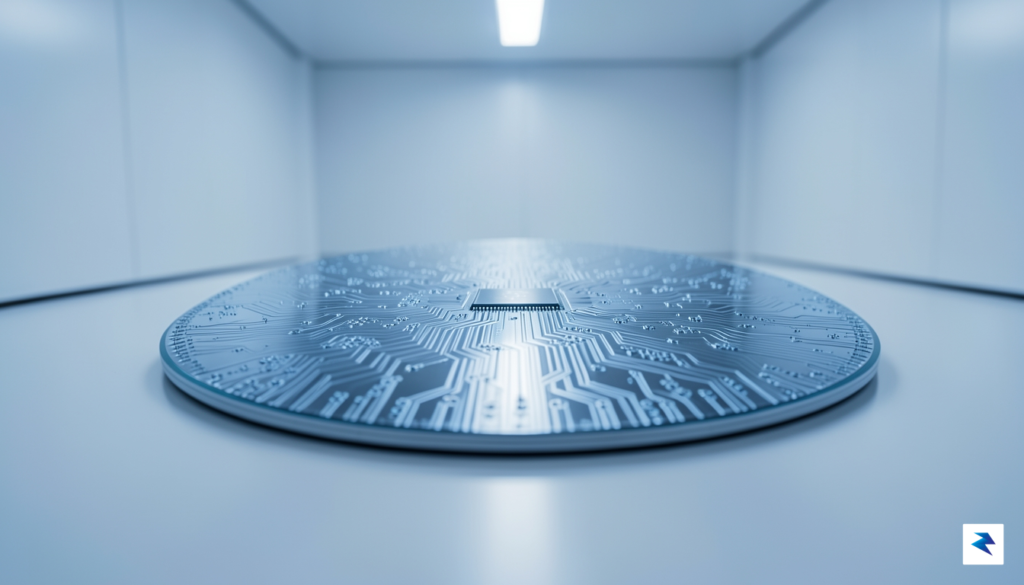
For over half a century, the name Intel was virtually synonymous with the silicon backbone of the modern world. As the pioneer of the microprocessor, the company dictated the pace of digital evolution, anchoring the personal computing revolution and establishing a standard of manufacturing excellence that seemed untouchable. This era of dominance, however, was eventually met with a period of profound stagnation, where the company found itself grappling with its own internal complexity. A series of manufacturing delays and a failure to anticipate the rapid shift toward specialized mobile and AI-driven architectures allowed competitors to erode their once-insurmountable lead in process technology. Consequently, the industry watched with concern as the global semiconductor giant—a titan of innovation—appeared to lose its footing in a market that demanded unprecedented agility.
The “struggle” phase was defined by more than just missed deadlines; it represented a fundamental disconnect between Intel’s traditional integrated device manufacturing model and the fast-paced, fragmented demands of contemporary chip design. While rivals leaned heavily into external foundries and specialized designs, Intel remained tethered to an internal roadmap that struggled to scale at the pace of Moore’s Law. This loss of process leadership was not merely a technical setback but a strategic crisis that forced a complete re-evaluation of the company’s identity. The path forward is no longer about simply maintaining a monopoly on the x86 architecture; it is about proving that a vertically integrated titan can pivot to compete in a world defined by diverse hardware needs, ranging from cloud-based artificial intelligence to edge computing.
The true measure of this transformation lies not in quarterly returns, but in the company’s ability to reclaim its role as the primary architect of the next wave of computing infrastructure.
Today, the company’s turnaround efforts represent a high-stakes bet on the future of semiconductor manufacturing. By aggressively investing in new fabrication facilities and opening their doors to third-party chip designers through a foundry-first approach, Intel is attempting to reconcile its storied manufacturing heritage with the competitive realities of a modern, multi-vendor ecosystem. This structural shift is significant because it recognizes that the industry has moved beyond the era where one company could dictate the entire stack. Whether this reimagining will result in a return to global supremacy or a more modest, specialized role in the value chain remains one of the most closely watched narratives in technology. Ultimately, the gravity of this effort serves as a reminder that even the most established giants must fundamentally reinvent their core operations to survive in an increasingly hyper-competitive landscape.
Navigating the Manufacturing Pivot
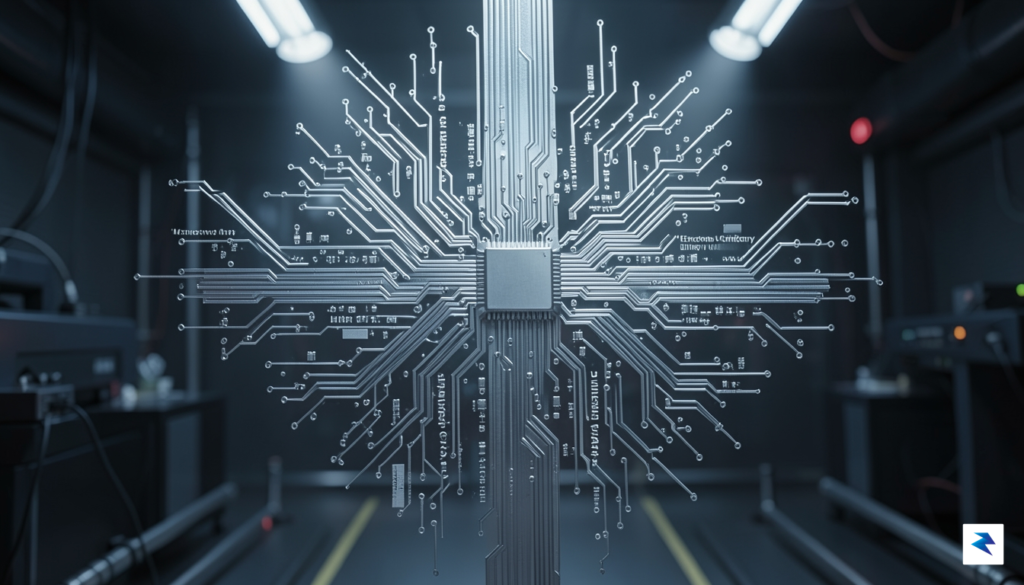
At the core of Intel’s ambitious resurgence is a fundamental shift in its operational DNA: the transition from a vertically integrated manufacturer to a robust foundry model. For decades, the company operated under a closed-loop system, designing and building chips exclusively for its own product lines. Today, Intel is opening its fabrication facilities to external clients, competing directly with industry titans like TSMC. This move is not merely a change in business strategy but a massive logistical undertaking that requires the company to treat its internal design teams as customers while simultaneously courting third-party developers who demand world-class reliability and confidentiality.
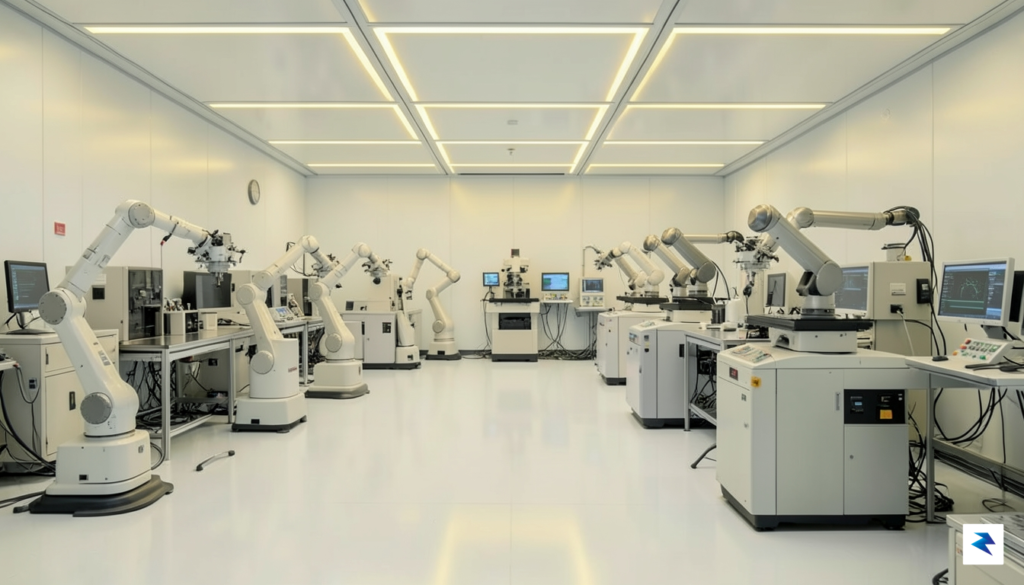
The linchpin of this technical metamorphosis is the Intel 18A process node. Industry analysts consider this node the “make-or-break” moment for the company’s manufacturing roadmap. By introducing groundbreaking technologies like PowerVia—which effectively separates power delivery from data routing on the backside of the wafer—Intel aims to achieve unprecedented levels of transistor density and energy efficiency. Successfully deploying 18A is essential because it serves as the proof-of-concept that Intel can once again lead the industry in performance-per-watt, a metric where the company has lagged behind its rivals for several years.
The transition to the Intel 18A process represents the most aggressive node-development schedule in the company’s history, requiring a complete reimagining of how transistors are stacked and powered at the atomic level.
Keeping pace with TSMC is a monumental technical challenge, as the Taiwanese giant has spent years perfecting its manufacturing ecosystem and securing dominance in the foundry space. TSMC’s mastery of Extreme Ultraviolet (EUV) lithography and its established high-volume production cycles have set a standard of reliability that is incredibly difficult to disrupt. Intel’s challenge is twofold: they must not only innovate faster than the current market leader but also do so while managing the astronomical capital expenditure required to keep their fabs state-of-the-art. Building and equipping a single leading-edge fab can cost upwards of $20 billion, necessitating a level of financial commitment that puts immense pressure on Intel’s balance sheet during this multi-year pivot.
Ultimately, the success of this strategy rests on the company’s ability to prove that its “IDM 2.0” vision is more than just a marketing slogan. It requires balancing the intricate demands of cutting-edge node development with the operational rigor of a service-oriented foundry business. If Intel can successfully scale its capacity and maintain the yields expected by enterprise-grade clients, it will have secured a vital position in the global semiconductor supply chain. However, any delays in the 18A rollout or struggles with yield optimization could jeopardize the entire turnaround, making the coming months a critical period for both the company and the broader tech landscape.
The Geopolitical Stakes of Domestic Production
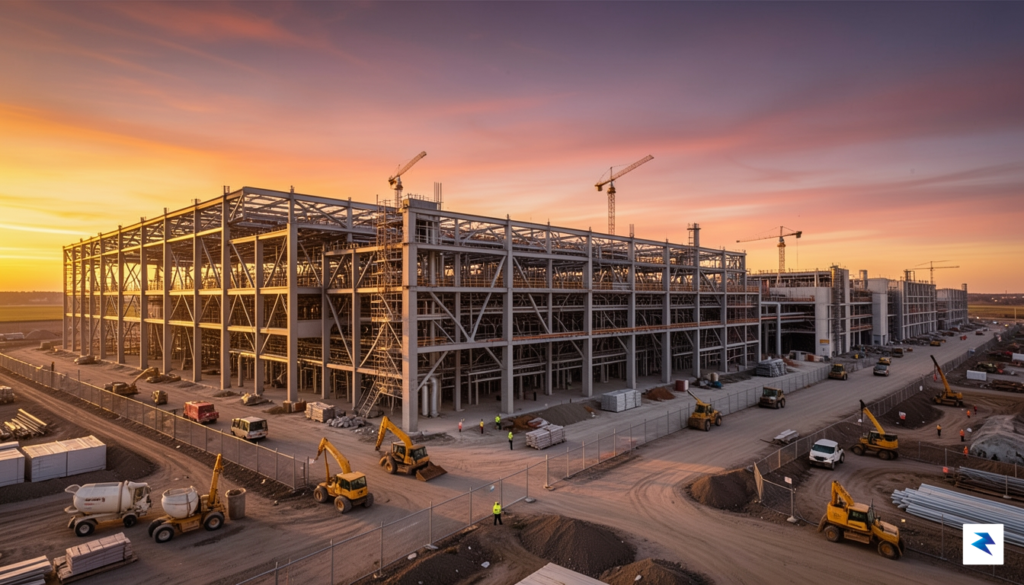
The recent signs of operational stabilization at Intel have implications that extend far beyond the company’s quarterly earnings reports or its stock market performance. In the current global climate, semiconductor manufacturing has moved from a purely commercial endeavor to a cornerstone of national security and strategic autonomy. For the United States, Intel represents the most viable domestic vehicle to reduce reliance on complex, fragile supply chains concentrated in East Asia. As Washington funnels billions in subsidies through the CHIPS and Science Act, the government is essentially placing a massive bet on Intel’s ability to modernize its fabrication processes and successfully pivot toward a foundry-first model that serves both its own product needs and those of external clients.
Achieving this level of domestic manufacturing is inherently difficult because the United States is working to bridge a massive cost and infrastructure gap that has widened over the past three decades. While hubs in Taiwan and South Korea have perfected the “ecosystem” approach—where suppliers, specialized labor, and assembly facilities are clustered within a few miles of each other—American production faces the dual headwinds of higher operational costs and a scarcity of experienced technical talent. Intel must prove that it can overcome these structural disadvantages by scaling its advanced packaging and logic manufacturing at a pace that keeps up with international competitors. If Intel fails to execute, the vision of a self-sustaining American semiconductor industry may remain out of reach, leaving the domestic tech sector vulnerable to geopolitical volatility.
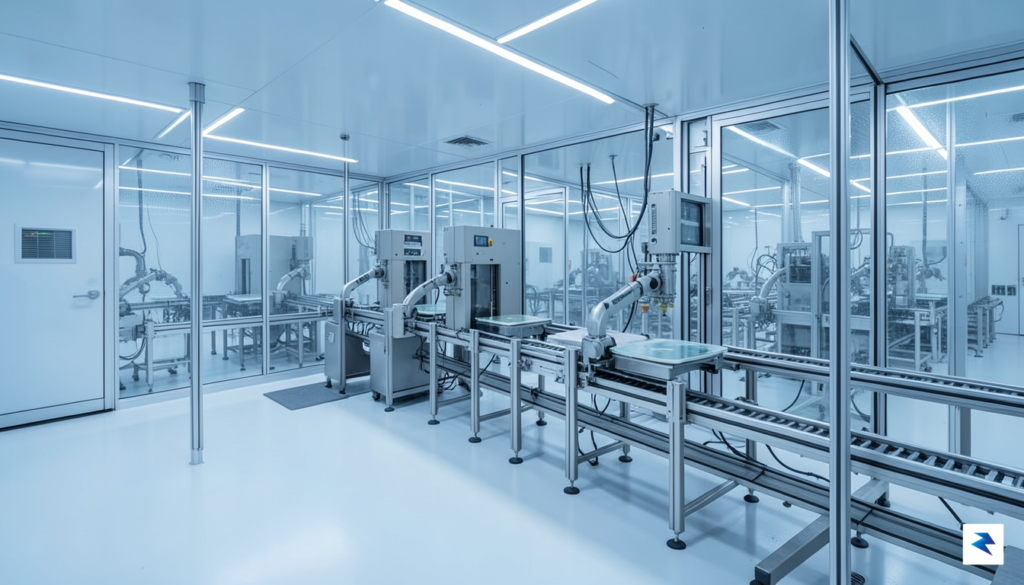
The resurgence of Intel is not merely a corporate turnaround; it is the linchpin of a broader legislative effort to secure the digital infrastructure of the United States against global supply chain disruptions.
Furthermore, the pressure on Intel is amplified by the necessity of balancing profitability with national interest. Shareholders are understandably demanding a clear path to fiscal health, yet the company is simultaneously tasked with building massive, capital-intensive facilities that may take years to reach full yield efficiency. This tension creates a delicate balancing act for leadership: they must maintain the technical rigor required for cutting-edge nodes while proving that domestic fabrication can eventually achieve price parity with global rivals. Ultimately, the company’s success will serve as the benchmark for whether the American manufacturing renaissance is a sustainable reality or merely a temporary artifact of government intervention. Should Intel succeed in stabilizing its operations, it will provide the bedrock for a more resilient, localized technological future, turning the tide on years of industrial erosion.
Market Sentiment and the Road to Recovery

For investors, Intel’s recent financial performance has acted as a litmus test for the company’s ambitious multi-year transformation strategy. While Wall Street has historically been quick to punish Intel for margin compression and missed product cycles, the mood has shifted from outright skepticism to a state of watchful, cautious optimism. This tentative support stems from a recognition that the company’s massive capital expenditure plan is finally beginning to yield tangible product milestones. However, the market remains acutely aware that Intel is operating on a precarious timeline; the massive cash outlays required to build out global foundry capacity have put significant pressure on free cash flow, leaving little room for operational error as the firm navigates a highly volatile macroeconomic environment.
The core of the investor concern lies in the sheer scale of the “IDM 2.0” strategy, which demands unprecedented levels of spending at a time when competitors are accelerating their own innovation cycles. While the stock has seen periods of renewed interest, institutional investors are looking beyond quarterly revenue beats to find evidence of structural stability. Specifically, analysts are fixated on a few critical performance indicators that will ultimately determine the success of this turnaround:
- Foundry Utilization Rates: Investors are closely monitoring how effectively Intel fills its new fabrication plants with both internal chip designs and external foundry customers.
- EUV Lithography Integration: The successful and timely deployment of advanced manufacturing tools is seen as the primary hedge against rivals like TSMC.
- Operating Margins: Market participants are seeking a clear path to profitability that justifies the heavy debt burden taken on to fund current factory construction.

The market does not reward intention; it rewards execution. For Intel, the bridge between a promising strategy and a rising stock price is paved with consistent, verifiable milestones in process node development and customer acquisition.
Ultimately, the road to recovery is paved with the reality that Intel’s rivals are not standing still. Companies like AMD and NVIDIA continue to set the pace in high-performance computing and artificial intelligence, forcing Intel to play catch-up while simultaneously attempting to reinvent its entire business model. This competitive pressure means that Intel cannot afford to have a single “lost quarter.” Investors are essentially betting that the company’s sheer scale and historical manufacturing prowess can overcome the current technological deficit, but that bet is increasingly contingent on management’s ability to prove that their expensive, high-stakes pivot is not just a plan on paper, but a functional reality in the marketplace.
Long-term Outlook: Can Intel Reclaim the Crown?
The road ahead for Intel remains undeniably steep, characterized by intense competition and a rapidly shifting technological landscape. However, the recent signs of life in the company’s silicon strategy suggest that the semiconductor giant is finally finding its footing after years of strategic drift. Whether this momentum can be sustained over the next three to five years is the central question of the decade, as the company works to balance its ambitious manufacturing roadmap with the harsh realities of a market dominated by nimble, specialized rivals. Intel’s success will likely hinge on its ability to execute its foundry model, effectively decoupling its design and manufacturing wings to attract external clients while simultaneously revitalizing its internal product output.
Policy tailwinds, particularly those stemming from the CHIPS Act and similar global initiatives, provide a vital safety net for Intel’s massive capital expenditures. By positioning itself as a cornerstone of domestic and Western semiconductor supply chain security, Intel has secured a level of geopolitical importance that its competitors lack. Yet, government backing alone cannot manufacture market dominance. The company must prove that its “five nodes in four years” strategy is more than just a technical roadmap; it must be a repeatable, scalable process that delivers consistent yields. If Intel can prove its manufacturing processes are competitive with industry leaders like TSMC, it will be well-positioned to regain the trust of major chip designers who have previously looked elsewhere.
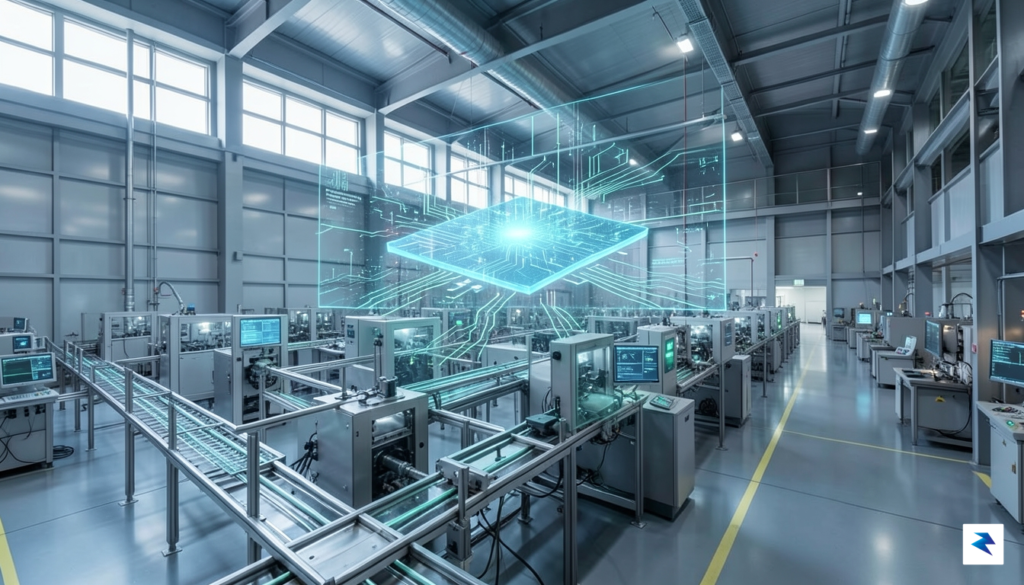
Ultimately, Intel’s ability to pivot from a legacy CPU manufacturer to a versatile platform provider will define its legacy in the AI era.
The final verdict on Intel’s potential will be written by its performance in the high-performance computing (HPC) and artificial intelligence (AI) sectors. These markets are currently the primary engines of industry growth, and they demand a level of power efficiency and architectural sophistication that Intel has historically struggled to balance. Innovation in chiplet-based architectures and advanced packaging will be the true decider of Intel’s success. If the company can successfully integrate its new AI-accelerated processors into the wider data center ecosystem, it may not just reclaim its crown—it could redefine what it means to be a dominant player in the modern compute landscape. The next few years will represent a critical transition period, transforming the company from a struggling incumbent into a leaner, more focused architect of the future.