The Enduring Legacy of the Lylat System
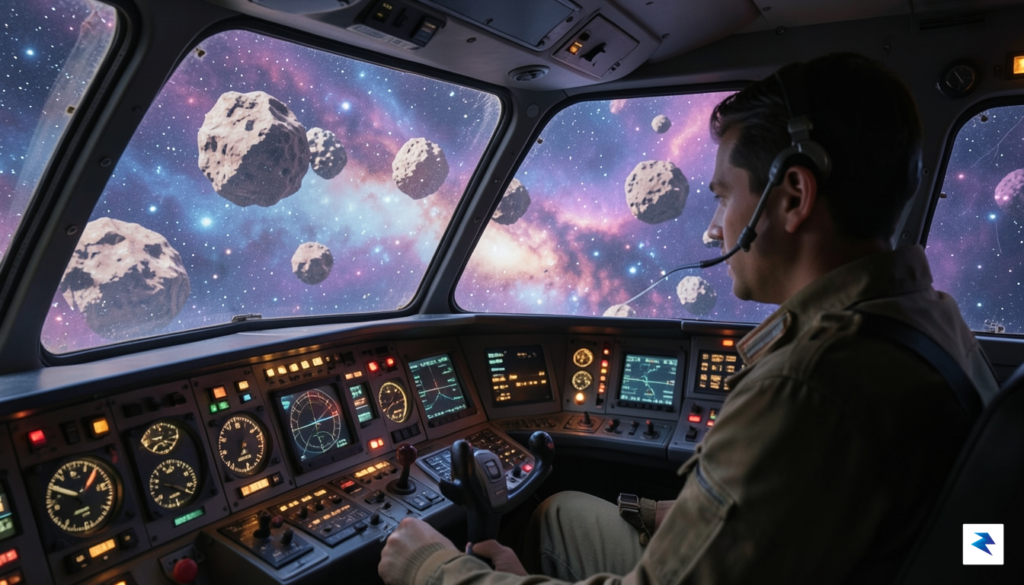
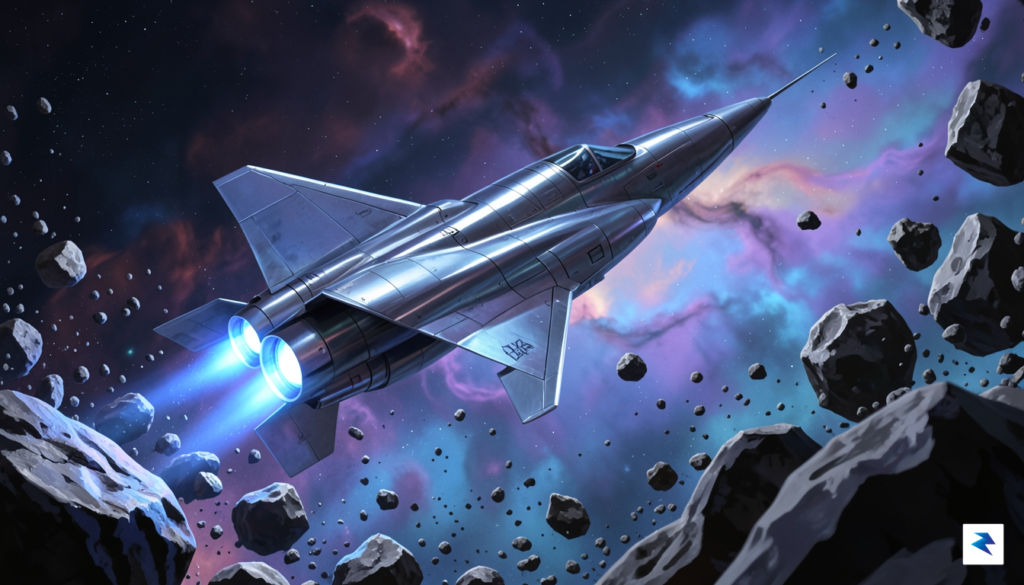
For a generation of gamers who grew up in the late 1990s, the Lylat System was far more than a collection of pixels on a screen; it was a high-stakes, adrenaline-fueled theater of war that fundamentally redefined what a console-based arcade shooter could achieve. When Star Fox 64 launched, it didn’t just introduce revolutionary rumble technology; it invited players into a cinematic space opera where every pilot’s quip and every branching mission path felt deeply personal. The game’s brilliance lay in its perfect marriage of tight, responsive flight mechanics and a “choose your own adventure” structure that demanded mastery and replayability. Whether you were desperately trying to save Falco from an ambush or sweating through the labyrinthine tunnels of Area 6, the game fostered a sense of camaraderie and urgency that few modern titles have managed to replicate with the same raw efficiency.
Beyond the frantic dogfights, the series cemented its cultural status through its iconic, campy voice acting and a commitment to a distinct, whimsical sci-fi aesthetic. Phrases like “Do a barrel roll!” have transcended the medium of gaming to become universal shorthand for tactical maneuvers in internet culture, proving just how deeply the dialogue and character archetypes ingrained themselves in our collective consciousness. This creates a powerful ‘nostalgia loop’: older players, now developers themselves, find their creative impulses triggered by the specific sensory memories of that era—the hum of the Arwing’s engines, the rhythmic chirps of the communication HUD, and the satisfaction of a perfectly timed laser blast.
The true magic of the rail-shooter genre, as perfected by the Lylat System, is its ability to make the player feel like an ace pilot within a tightly directed, high-octane narrative. It is this specific blend of accessibility and mechanical depth that continues to haunt the gaming landscape, leaving a void that Nintendo’s long-standing radio silence has only served to widen.
This enduring attachment isn’t merely about reliving the past; it is about reclaiming a specific style of kinetic, focused gameplay that has largely been sidelined by the industry’s shift toward sprawling, open-world epics. As the years have passed without a spiritual successor from the franchise’s creators, a new wave of indie developers has stepped forward to honor this legacy. By distilling the core tension of the rail-shooter—the constant forward momentum and the relentless pursuit of a high score—these creators are proving that the hunger for the Lylat System’s particular brand of excitement is not just a memory, but a vibrant, ongoing demand.
Why Star Fox Remains a Genre Blueprint
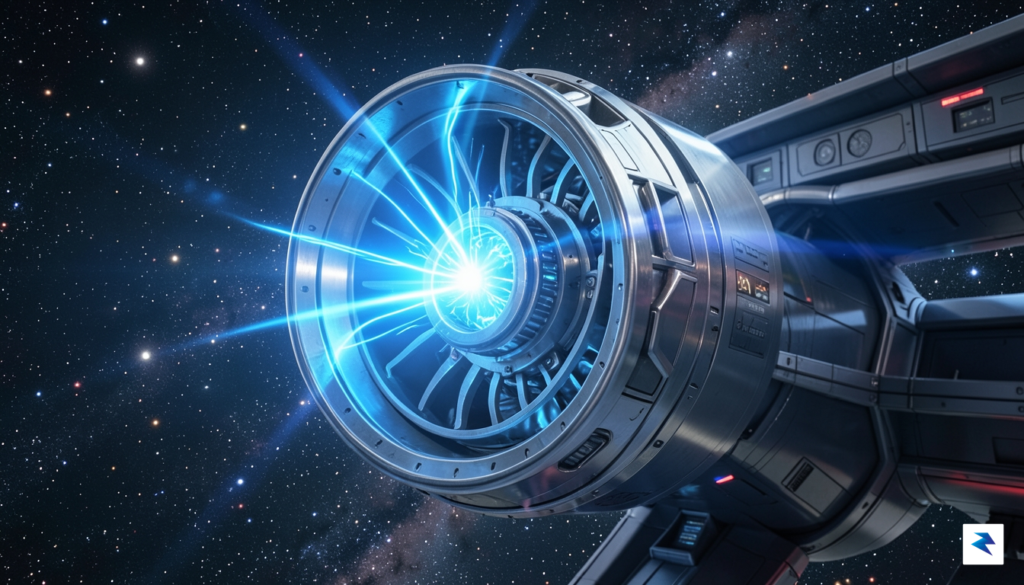
The enduring appeal of the Star Fox series extends far beyond simple nostalgia; it’s rooted in a meticulously crafted blend of technical and design elements that continue to serve as a genre blueprint. What makes these games uniquely captivating isn’t merely the act of shooting down enemy ships, but the profound ‘tightness’ of the movement, the palpable sense of cinematic pacing, and the delicate balance struck between frantic, adrenaline-pumping combat and intuitive environmental navigation. This sophisticated fusion of design pillars represents the exact challenge and opportunity that modern indie teams are now courageously attempting to modernize and master, proving the franchise’s lasting influence.
At the core of the original games lies a distinctive ‘on-rails’ design philosophy, which, far from being a limitation, was a deliberate artistic choice that dictated the flow and intensity of each mission. This rigid pathfinding allowed for an unparalleled level of precise level design, enabling developers to orchestrate intense set-pieces and introduce enemies and obstacles with perfect timing. Every twist, turn, and enemy encounter was carefully choreographed, creating a guided experience that felt inherently cinematic and thrilling, a stark contrast to the more open-ended games of the era.
While the strict linearity of 90s pathfinding was integral to that era’s design, modern indie developers are exploring innovative ways to evolve this concept. Contemporary approaches might integrate procedural generation for enemy waves or dynamic environmental hazards, allowing for increased replayability within a broadly guided trajectory. This adaptation aims to retain the core sense of directed urgency and cinematic flair inherent to the on-rails experience, while simultaneously injecting variability that prevents simple memorization, thereby pushing the foundational “on-rails” concept into a more adaptable and sustainable future.
A pivotal evolution in the series arrived with the Nintendo 64 iteration, which introduced the revolutionary ‘all-range mode’ stages. These segments dramatically broke from the traditional linear pathways, transforming the gameplay into exhilarating open arena-style dogfights where players could move in 360 degrees within a confined battleground. This innovation provided a thrilling counterpoint to the high-speed linearity of the corridor stages, demanding different tactical considerations and showcasing the Arwing’s maneuverability in a completely new light, fundamentally expanding the game’s dynamic scope.
This ‘all-range mode’ design choice proved to be a foundational template for many subsequent space combat games, demonstrating an effective way to provide freedom of movement and strategic depth within clearly defined boundaries. Today, indie developers frequently look to this model when crafting their own space shooters, seeking to balance expansive dogfighting with manageable objectives and environmental constraints. The genius of all-range mode wasn’t solely in granting freedom, but in how it channeled that freedom into engaging, focused encounters, proving that a limited scope does not necessarily equate to limited fun or tactical opportunity.
Ultimately, Star Fox’s enduring legacy stems from its mastery of these core design principles: the visceral satisfaction of its tight controls, the captivating rhythm of its cinematic pacing, and the expert balance between frantic combat and environmental navigation. These are not merely features; they represent a sophisticated design language that indie teams are now diligently attempting to decode, modernize, and master. Their efforts aim not just to replicate the past, but to build upon its foundational strengths, pushing the arcade space shooter genre into exciting new territories while honoring its iconic heritage.
The Indie Wave: Fan Passion Meets Game Development
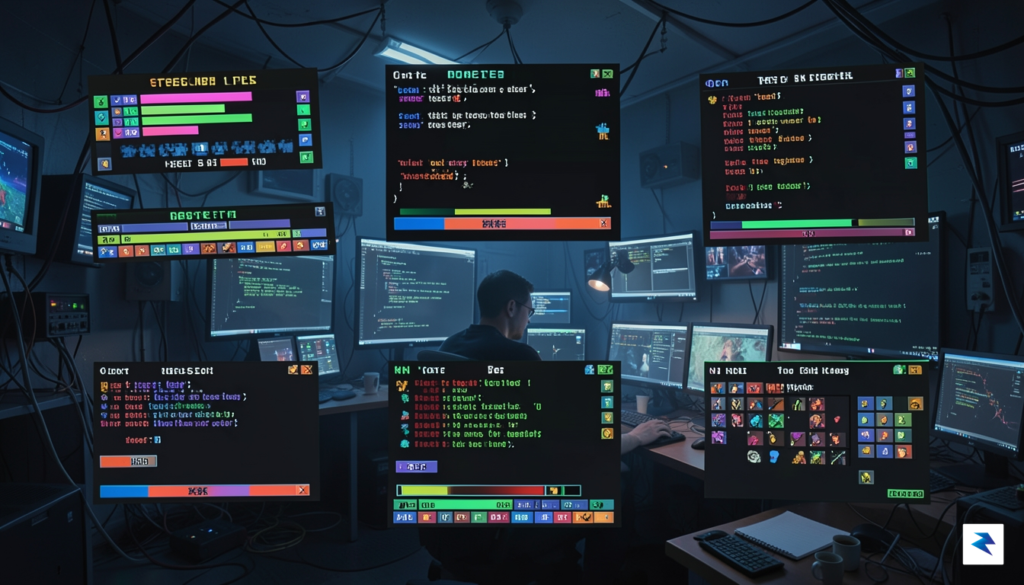
For years, the void left by Nintendo’s silence on the Star Fox franchise has felt increasingly cavernous to those who grew up navigating the Lylat System. Rather than waiting for a corporate revival that may never arrive, a dedicated vanguard of indie developers has seized the initiative, proving that the hunger for high-speed, arcade-style space combat is as potent as ever. This transition from passive fandom to active creation marks a significant shift in the gaming landscape, as developers move away from derivative fan mods and toward robust, standalone experiences that honor the spirit of the genre while stripping away the constraints of legacy intellectual property.
These modern “spiritual successors” are not merely imitating the past; they are actively evolving the formula to meet the expectations of a contemporary audience. By integrating sophisticated roguelike progression systems, developers are ensuring that each run feels distinct, transforming the repetitive nature of arcade shooters into a deeply addictive, iterative loop. Where classic titles relied on fixed paths and limited replayability, these new projects introduce branching narratives and complex, persistent skill trees that allow players to customize their starfighter’s performance in real-time. This mechanical evolution ensures that the core thrill of kinetic flight remains the centerpiece, while the surrounding systems provide the depth required to sustain long-term engagement.
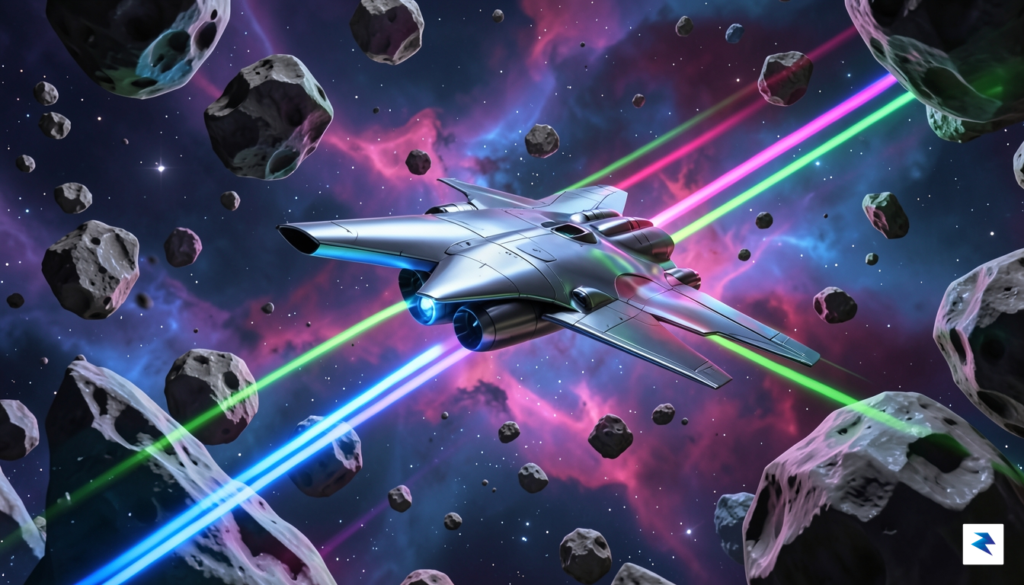
Furthermore, the shift toward modern physics-based flight models has allowed these indie teams to push the boundaries of how a space shooter feels in the player’s hands. By moving beyond the “on-rails” limitation and incorporating 360-degree environmental awareness, these creators are crafting experiences that feel both nostalgic and revolutionary. The focus has migrated toward high-stakes maneuvering, where precision handling and environmental hazards play as much of a role in victory as the raw firepower of the player’s ship. This design philosophy demonstrates a sophisticated understanding of the genre’s roots, proving that the “cinematic” feel of classic shooters can be successfully married to the technical freedom of modern game engines.
The true success of this indie movement lies in the realization that the genre’s popularity never vanished; it simply outgrew the narrow confines of a single franchise, finding new life in the hands of creators who treat arcade flight as a living, breathing art form.
Ultimately, this surge in original, commercial-grade titles serves as a powerful reminder that the market for fast-paced space combat is far from dormant. By iterating on the core mechanics that made the genre a staple of the 90s, indie studios are not just filling a gap—they are defining the next generation of the space shooter. As these projects move from early access to full release, they stand as independent monuments to the enduring legacy of the arcade era, built on a foundation of genuine passion and modern technical innovation.
Overcoming the Nintendo Barrier
Navigating the precarious space between a loving homage and a legal liability is perhaps the greatest hurdle for developers aiming to revive the arcade space shooter genre. While the influence of classic Nintendo titles is undeniable, the specter of a “Cease and Desist” order looms large over any project that leans too heavily on established intellectual property. Successful indie teams have learned that the key to survival is not mimicking the aesthetics of the Lylat System, but rather isolating the kinetic essence of what made those games feel special. By focusing on the “soul” of the experience—the sensation of high-speed momentum, the frantic nature of dogfighting, and the camaraderie of a squad moving in formation—developers can build entirely new frameworks that stand independently of their predecessors.
To avoid the pitfalls of copyright infringement, creators are investing heavily in original world-building that moves well beyond the anthropomorphic tropes of the 1990s. Instead of repeating familiar character archetypes, modern indies are crafting distinct lore, alien civilizations, and philosophical conflicts that feel fresh and proprietary. This process involves a deliberate departure from established visual shorthand; developers are opting for unique art styles—ranging from low-poly retro-futurism to hyper-stylized cel-shaded environments—that distinguish their titles at a single glance. By ensuring that the visual identity is entirely their own, these developers effectively shield their work from claims of mimicry while still scratching that nostalgic itch for fast-paced, rail-based action.
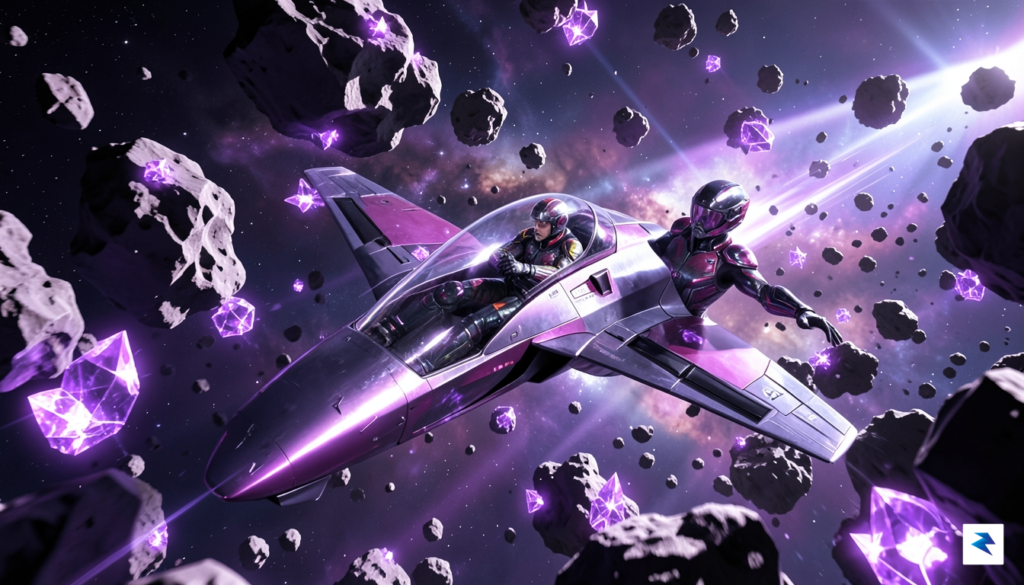
The most successful indie developers aren’t just cloning a classic; they are extracting its kinetic heartbeat and building entirely new, vibrant universes around it.
Furthermore, true innovation in this space comes from prioritizing mechanical evolution over mere aesthetic replication. Where older games were often limited by the hardware of their time, modern indie projects are pushing the boundaries of what a rail-shooter can actually do. They are integrating complex upgrade systems, branching narrative paths that respond to player performance, and physics-based flight models that add a layer of depth previously unseen in the genre. By focusing on these mechanical advancements, developers ensure that their games offer a superior, contemporary experience rather than just serving as a museum piece. This shift from imitation to iteration is exactly what allows these indie titles to carve out their own legacy, proving that while they may start with a spark from the past, their future belongs entirely to them.
The Future of Arcade-Style Space Shooters
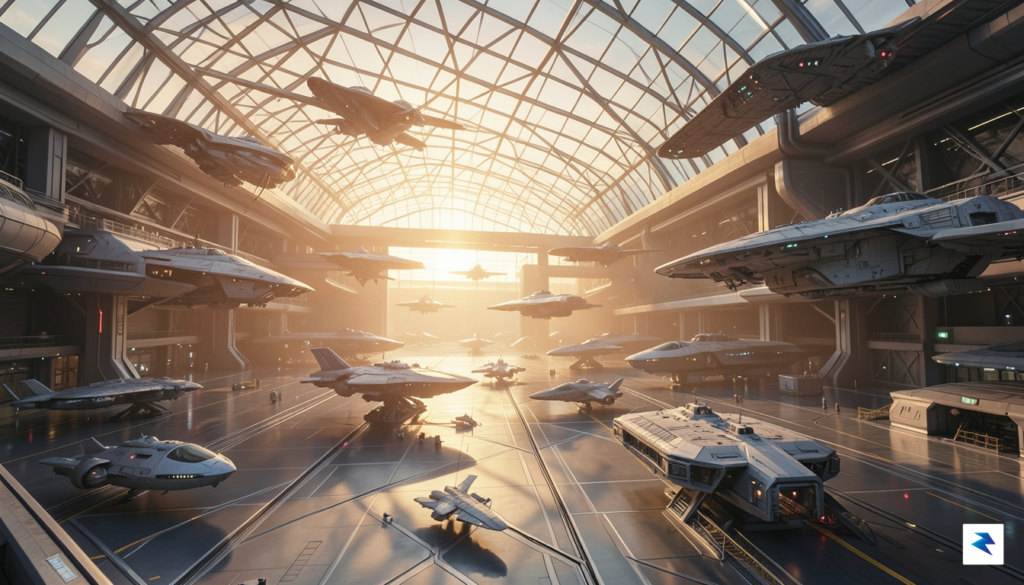
The enduring allure of the arcade-style space shooter is far more than a fleeting nostalgic trend; it represents a fundamental craving for a specific, exhilarating brand of interactive entertainment. Players are drawn to these games for their immediate high-octane action, accessible controls that are easy to learn but difficult to master, and the pure, unadulterated thrill of skill-based dogfights against overwhelming odds. This intrinsic desire for quick reflexes, strategic maneuvering, and the satisfying explosion of enemy craft ensures that the genre, even when overlooked by major publishers, will always find a fervent audience hungry for its unique blend of speed and precision. Indeed, this deep-seated appreciation for fast-paced, challenging gameplay is precisely what has empowered a new generation of creators to step up and forge their own visions.
As the gaming landscape continues to diversify, the very spirit that once powered iconic titles is now finding myriad new homes within the vibrant independent development scene. These agile studios, unburdened by the conservative risk aversion often seen in larger corporations, are not merely replicating past glories but are actively iterating and innovating on the core tenets of the genre. They experiment with novel control schemes, introduce roguelike elements for endless replayability, or weave compelling narratives into what were once purely score-chasing experiences, pushing the boundaries of what an on-rails or arena shooter can be. This creative freedom allows for a broader spectrum of experiences, ensuring that the legacy of high-flying space combat evolves in exciting and unexpected directions.
Looking ahead, the future of the arcade space shooter genre appears particularly bright, poised to embrace groundbreaking technological advancements and evolving player expectations. Virtual Reality (VR), for instance, offers an unparalleled level of immersion, transforming the player from an observer into a true pilot, gazing out of a cockpit and engaging in visceral 360-degree dogfights that were previously unimaginable. Imagine the tactile feedback, the spatial awareness, and the sheer adrenaline of weaving through asteroid fields in a fully realized virtual cockpit. Furthermore, the advent of sophisticated online multiplayer infrastructures is paving the way for more engaging cooperative experiences, allowing friends to team up, coordinate maneuvers, and tackle formidable bosses together, adding a rich social dimension to the traditionally solo pursuit of high scores.

Ultimately, the persistent drive of indie innovation serves as a powerful testament to the resilience of beloved game genres, demonstrating that passion and creativity can overcome even prolonged periods of dormancy from major publishers. While established behemoths may occasionally neglect cherished franchises, the independent spirit ensures that the fundamental joy of piloting a starfighter through a perilous galaxy never truly fades. Instead, it flourishes in new forms, crafted by developers who share the same deep-seated love for these experiences as their audience. This decentralized, community-driven evolution guarantees that the ‘Star Fox-like’ gaming experience isn’t just surviving; it’s actively thriving, promising an exciting and diverse future for all who yearn to take to the stars.