
The Science of Cumulative Seismic Loading
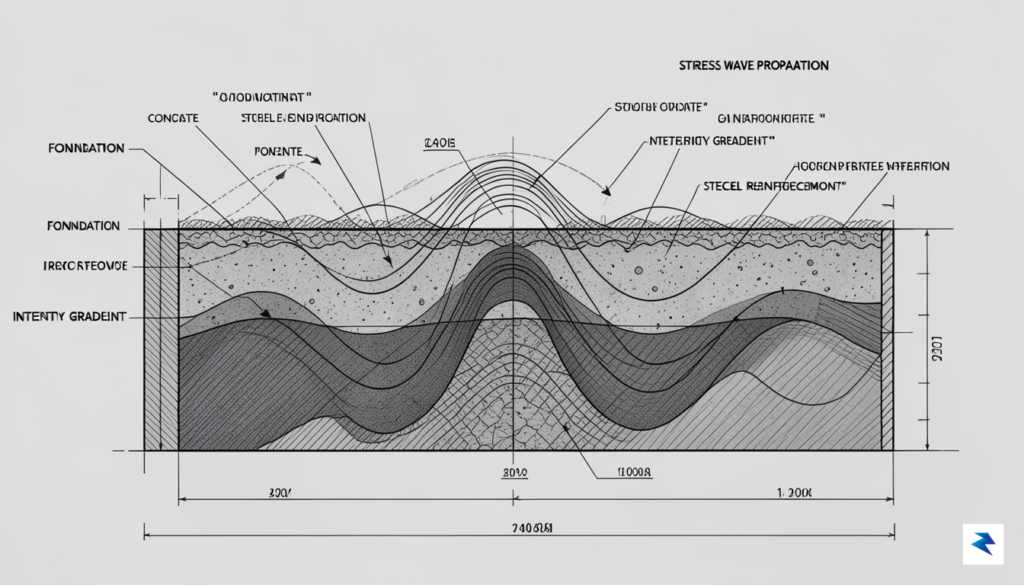
When a building is subjected to a seismic event, it undergoes a complex dance of energy absorption and dissipation. While structural engineers design buildings to withstand specific lateral forces, these calculations often assume a “reset” state—a structure that is intact and capable of its full design capacity. However, in scenarios like the seismic sequences seen in Venezuela, this assumption fails. When a region experiences two significant earthquakes in rapid succession, the structural impact is not merely additive; it is multiplicative. The first jolt acts as a debilitating blow that consumes the structure’s “ductility budget,” leaving it physically compromised and unable to effectively dampen the kinetic energy of a second, potentially even more destructive event.
The physics behind this phenomenon, known as cumulative seismic loading, centers on how materials like reinforced concrete and steel respond to repeated cycles of stress. During the initial earthquake, buildings oscillate, and internal structural elements undergo plastic deformation—a permanent change in shape that absorbs energy to prevent total collapse. While this deformation saves lives by preventing immediate failure, it creates micro-fractures within the concrete and initiates fatigue in the steel reinforcement bars. Because these materials do not have the time to recover or be repaired, the structure enters the second event with a significantly reduced load-bearing capacity. The internal damping systems, which are designed to bleed off seismic energy as heat, become exhausted, forcing the frame of the building to absorb the full force of the subsequent waves directly.
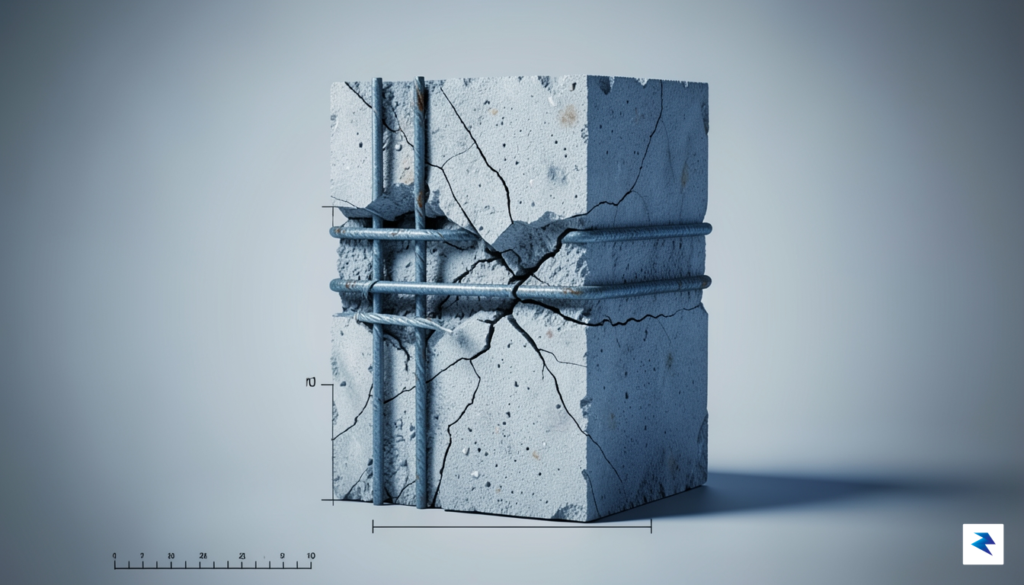
Cumulative seismic loading turns a building’s greatest defensive assets—its elasticity and ductility—into liabilities, as the material fatigue from the first event leaves the structure brittle and ill-equipped to handle the kinetic momentum of a second jolt.
It is a common misconception that the second event is simply an “aftershock” that is inherently less powerful than the primary earthquake. In reality, sequential events can trigger secondary ruptures that deliver seismic waves with different frequencies and intensities, targeting the very structural weaknesses created by the first incident. If a building’s joints were slightly loosened or its load-bearing walls were cracked during the first tremor, the second jolt exploits these specific vulnerabilities. This creates a feedback loop where the building’s natural period of vibration changes, potentially aligning with the new seismic waves and causing resonance, which amplifies the shaking beyond what the structure was ever engineered to survive. Consequently, the cumulative damage does not just add up; it compounds until the structural system reaches a critical failure point, transforming once-stable infrastructure into a hazard in a matter of seconds.
Soil Composition and Amplification Effects
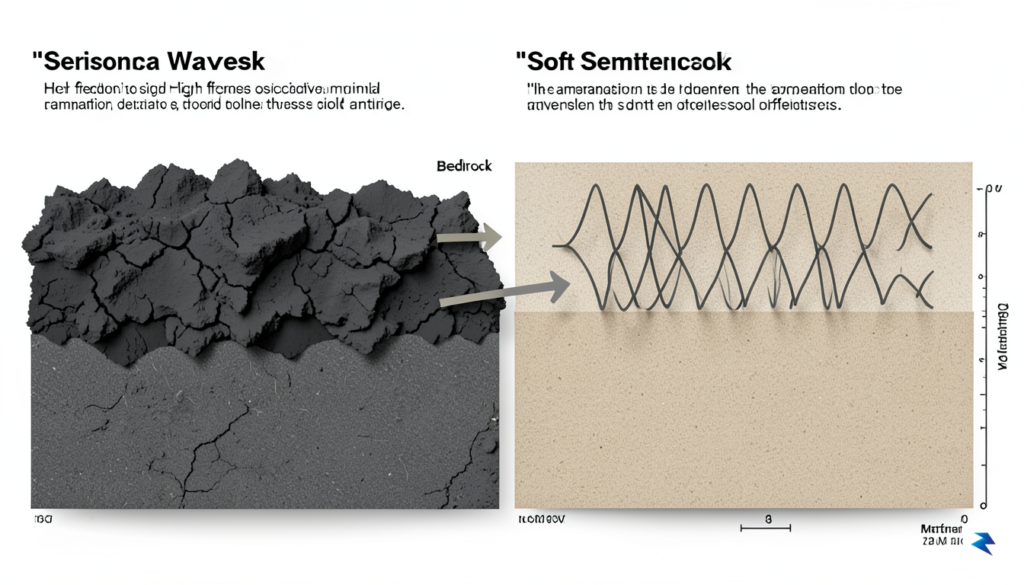
When seismic waves travel through the Earth’s crust, they behave much like sound waves moving through different acoustic environments. The ground beneath a building acts as a complex filter that can either dampen the incoming energy or drastically amplify it, a phenomenon known as site-specific seismic response. In the context of Venezuela’s recent seismic activity, the composition of the soil became the primary determinant of structural survival. While bedrock generally provides a stable foundation that transmits energy with minimal distortion, soft, alluvial deposits—sediment left behind by rivers and lakes—behave more like a bowl of jelly. When these loose, water-saturated soils are shaken, they trap seismic waves and amplify their amplitude, turning a moderate tremor into a violent, localized event that pushes nearby structures to their breaking point.
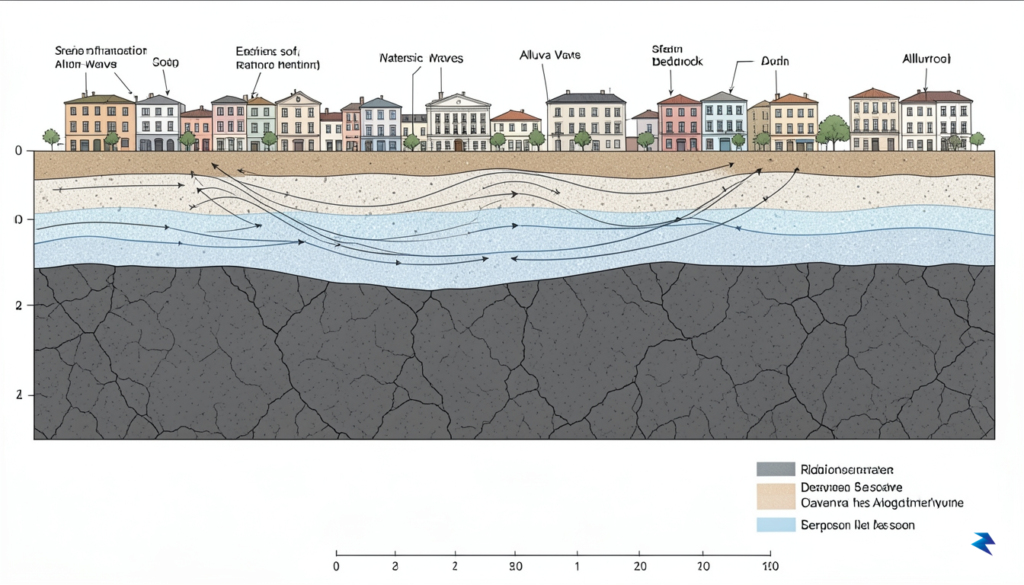
The danger is compounded by the principle of resonance, which occurs when the frequency of the ground shaking aligns perfectly with the natural sway period of a building. Every structure has an inherent frequency at which it prefers to vibrate, determined by its height, mass, and construction materials. In Venezuela, the soft sediment layers favored long-period, low-frequency oscillations. Consequently, mid-rise buildings whose design parameters matched these low frequencies entered a state of resonance, where each successive wave added energy to the building’s sway, eventually exceeding its capacity to dissipate that energy. This explains why one building might stand completely unscathed while its neighbor, built to a slightly different height or rigidity, suffered catastrophic collapse.
The interplay between ground conditions and building design creates a “tuning fork” effect, where the soil effectively dictates the destructive potential of the earthquake based on the geometry of the structures above it.
Furthermore, the risk of liquefaction remains a significant, often invisible, threat in areas with loose, saturated soils. During intense vibration, the pore water pressure between soil particles increases until the ground loses all shear strength, essentially turning from a solid foundation into a heavy, turbulent liquid. When this happens, even a building that was engineered to withstand high wind loads or moderate tremors can suddenly tilt, sink, or experience foundation failure as the ground beneath it loses its ability to bear weight. This geological instability, combined with the cumulative damage from sequential seismic events, ensures that the path of destruction is rarely uniform, but rather dictated by the hidden architecture of the earth itself.
Structural Resilience and Building Fatigue
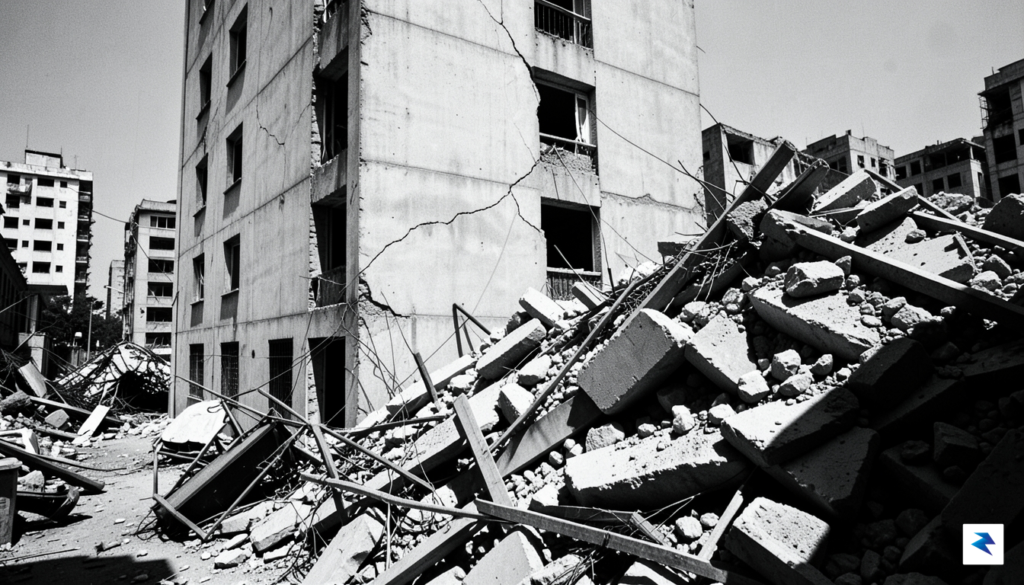
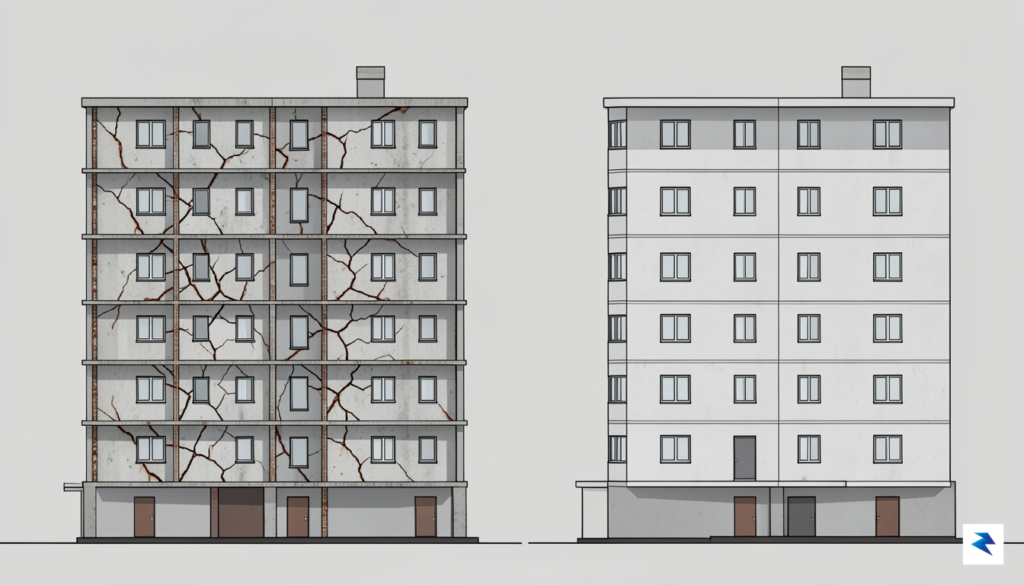
When observing the aftermath of Venezuela’s seismic events, observers are often struck by a perplexing phenomenon: two buildings, constructed from the same blueprints and situated mere meters apart, experience vastly different outcomes. The answer to this mystery lies not in the ground beneath them, but in the invisible history of their structural health. A building is not a static object; it is a dynamic system that accumulates “seismic debt” over its lifespan. When a building survives an initial tremor, it may emerge with micro-fractures in its concrete columns, weakened steel-to-concrete bonds, or compromised shear walls that remain hidden behind plaster and paint. These invisible injuries fundamentally alter the structure’s ability to dissipate energy during a subsequent event.
The concept of structural hysteresis is central to understanding this vulnerability. In engineering terms, hysteresis refers to the energy-dissipating capacity of a structure as it undergoes deformation during an earthquake. A pristine building can flex and absorb seismic forces through controlled elastic deformation. However, once a structure has been stressed by an initial quake, it loses its original ductility. The materials become fatigued, meaning the connections that were once robust are now loose or misaligned. Consequently, when the second tremor strikes, the building has no “reserve capacity” left to dampen the vibrations, leading to a catastrophic collapse where a previously damaged structure simply lacks the integrity to hold its own weight.
The Danger of Soft-Story Design
Beyond material fatigue, many buildings in Venezuela fall victim to the “soft-story” vulnerability, a common design flaw where the ground floor is significantly more flexible—often due to large open spaces for parking, lobbies, or retail—than the floors above. During the first earthquake, these ground-level columns are subjected to immense stress as they attempt to support the heavy, rigid mass of the upper stories. If the building survives the first shaking, these columns are often left leaning or slightly cracked. Because the ground floor acts as the building’s primary defense, even minor structural degradation here creates a lethal bottleneck. By the time the second earthquake arrives, the weakened columns can no longer resist the lateral forces, leading to a “pancake collapse” where the upper levels crush the vulnerable ground floor entirely.
The structural integrity of a building is finite. Each seismic event consumes a portion of the building’s inherent energy-absorption capacity, leaving it exponentially more fragile for any future tremors.
Furthermore, the variance in construction quality and adherence to building codes plays a deciding role in these survival gaps. Older structures, or those built with substandard materials, may lack the modern reinforcement necessary to withstand repetitive loading. While a neighboring building might have been constructed with high-ductility steel rebar and properly cured concrete, a structure next door might hide compromised materials that fail under the compounding pressure of consecutive quakes. Ultimately, the survival of a building is a testament to its maintenance and the unseen structural fatigue it carries; what appears to be a sudden failure is often the culmination of cumulative damage that the first earthquake initiated and the second simply finished.
Lessons for Future Urban Planning

The aftermath of Venezuela’s back-to-back seismic events has fundamentally altered how urban planners approach the vulnerability of high-density environments. Rather than viewing an earthquake as a singular, isolated occurrence, modern urban planning must account for the cumulative damage that sequential tremors inflict on a city’s structural fabric. This shift requires a move away from the traditional design philosophy of mere “survivability”—where the primary goal is to prevent immediate collapse—toward a more robust model of “resilience.” In this context, resilience implies that buildings must not only remain standing during the initial shock but must also retain sufficient structural integrity to withstand subsequent aftershocks without catastrophic failure.
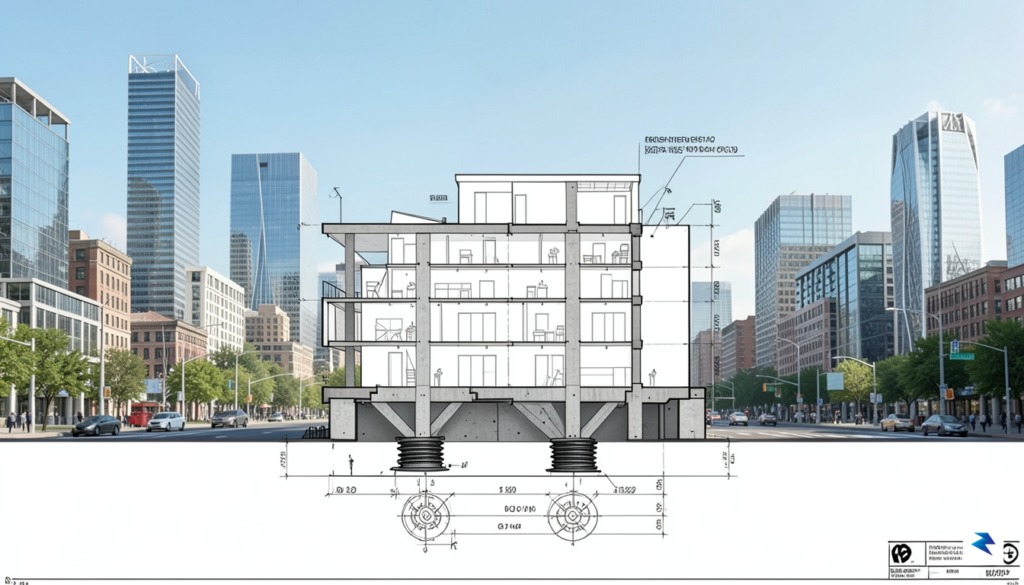
Continuous seismic monitoring is the cornerstone of this new defensive strategy. By integrating real-time sensor networks into urban infrastructure, planners can acquire granular data on how specific building typologies oscillate and degrade during tremors. This data is invaluable for local governments when drafting future zoning laws, particularly regarding soil-structure interaction. We now recognize that the soil beneath a building can amplify seismic waves in ways that differ significantly depending on the duration and frequency of the shaking. Consequently, zoning ordinances must mandate site-specific geotechnical studies that account for the unique resonance patterns of the local ground, ensuring that new developments are not placed in areas prone to liquefaction or excessive amplification.
“Resilience is no longer an optional design feature; it is an economic and safety imperative for any city located within an active seismic zone.”
Beyond new construction, the Venezuelan experience underscores a critical need for advancements in earthquake-resistant retrofitting for existing stock. Many older buildings, while potentially capable of surviving a single event, are often left with “hidden” structural fatigue that renders them dangerous during even minor subsequent tremors. Future retrofitting efforts should focus on:
- Energy Dissipation Systems: Implementing dampening technologies that absorb seismic energy, thereby protecting the primary load-bearing frame from accumulating damage.
- Structural Health Monitoring (SHM): Installing permanent instrumentation that alerts building managers to critical structural shifts immediately after an event.
- Non-Structural Component Securing: Ensuring that heavy facades, interior partitions, and utility lines are reinforced to prevent secondary hazards that often complicate post-disaster evacuation and recovery.
Ultimately, the goal is to transform urban landscapes into “living” systems that can adapt to high-frequency seismic activity. By viewing the city as a dynamic environment that requires constant assessment and incremental strengthening, we can mitigate the devastating compounded effects seen in Venezuela. This transition demands a collaborative effort between geologists, structural engineers, and policy makers, all working under the unified understanding that the next earthquake is not a question of “if,” but “when”—and how well our cities are prepared to withstand the cumulative toll of the earth’s movement.