
The Philosophy of Quality Over Quantity in Software Jams

The digital landscape today is often characterized by a pervasive sense of “slop.” This isn’t a critique of effort, but an observation of the sheer volume of projects that are low-effort, rushed, or heavily reliant on uncurated AI assistance, leading to a glut of unremarkable content and software. In an era where anyone can quickly generate a functional but uninspired application or digital asset, the signal-to-noise ratio has plummeted, making it increasingly difficult to discern genuine innovation and thoughtful craftsmanship amidst the mediocrity. This saturation diminishes the perceived value of digital creation itself, posing a significant challenge for those who truly aspire to build something meaningful and lasting.
Against this backdrop, the intrinsic value of a high-quality software jam has never been more apparent or crucial. Unlike events that prioritize sheer participant numbers or the simple act of completion, a truly valuable jam shifts its focus entirely to the cultivation of genuine craft and meaningful innovation. It’s about creating an environment where builders are encouraged, and indeed expected, to push their boundaries, to iterate thoughtfully, and to deliver polished, well-considered projects that stand out from the digital din. This means moving beyond the superficiality of merely getting something to “work” and delving into the artistry of elegant code, intuitive design, and impactful problem-solving.
This imperative for excellence directly informs approaches like the Radish Jam, which emerged as a deliberate reaction to what many perceive as a “participation-trophy” culture prevalent in various creative fields. Rather than celebrating mere involvement, Radish Jam champions a meritocratic ethos, where the quality, ingenuity, and execution of a project are paramount. It’s an explicit call to arms for developers, designers, and creators to transcend the baseline, to genuinely invest in their work, and to strive for a level of polish and innovation that elevates the entire experience. This framework is not about exclusion, but about raising the bar and fostering an environment where outstanding work is recognized and rewarded.
The psychological benefits of operating within such a competitive, feedback-rich environment are profound and far-reaching. When participants know their work will be rigorously evaluated and compared against high standards, it naturally fosters a deeper sense of commitment, resilience, and attention to detail. This isn’t just about winning; it’s about the invaluable learning that comes from striving for excellence, receiving constructive criticism, and observing the innovative solutions of peers. Such an ecosystem cultivates a growth mindset, pushing individuals to develop superior problem-solving skills, embrace iterative improvement, and ultimately gain a much stronger sense of accomplishment derived from genuine mastery, rather than simply having participated. It prepares the next generation of builders not just to code, but to craft, to innovate, and to genuinely lead with quality.
Defining the Problem: Moving Beyond the 'Slop' Era

Despite the abundance of resources and platforms designed to foster innovation among aspiring developers, a peculiar irony pervades much of modern builder culture. While organizations generously provide tools, mentorship, and even prize money, they often inadvertently fail to cultivate, let alone incentivize, the deep grit and meticulous effort required for truly exceptional software engineering. This systemic oversight contributes to what many are now calling the ‘slop’ era, where the quantity and speed of output often overshadow the quality and longevity of the underlying work. Consequently, we find ourselves in a landscape where the reward structures, rather than encouraging robust solutions, frequently promote superficiality and rapid, yet often hollow, production.
A critical examination of typical hackathon metrics and reward structures reveals a significant part of this problem. Projects are frequently judged on immediate impact, novelty, a compelling presentation, or the sheer speed of development, rather than on the underlying technical rigor or the sustainability of the code. This creates an environment where a “shiny object” with a slick user interface and a dazzling pitch can easily outshine a more complex, elegantly engineered, but perhaps less immediately flashy solution. The historical emphasis on quick wins and visible outputs, while understandable for event-based judging, has inadvertently devalued the painstaking process of crafting resilient, maintainable, and truly innovative software, thereby missing the mark on what constitutes genuine achievement.</p
Designing for Rigor: Lessons from Radish Jam

The conventional wisdom in software development often prioritizes speed and quantity, leading to a landscape littered with hastily built prototypes and technical debt. The Radish Jam, however, was conceived as a deliberate counter-narrative, a crucible designed to foster rigor and craftsmanship from inception. Its foundational structure was not accidental but meticulously engineered to combat the prevalent “slop” that plagues many rapid development efforts. We understood that to cultivate excellence, we had to redefine the very parameters of what a development jam could be, shifting the focus decisively from mere functionality to deep, sustainable quality.
Central to Radish Jam’s ethos were several non-negotiable constraints, each chosen for its power to enforce thoughtful development. Firstly, team sizes were strictly limited, typically to two or three individuals. This wasn’t merely about logistics; it was a deliberate choice to ensure every member contributed meaningfully, fostered tighter collaboration, and prevented the diffusion of responsibility common in larger groups. Secondly, problem statements were not open-ended but highly focused and well-defined, often accompanied by specific success criteria that extended beyond basic functionality to include performance benchmarks and architectural considerations. Finally, and perhaps most crucially, the deliverable was never just a working prototype; it was a quality prototype. This meant code was expected to be robust, thoroughly tested, well-documented, and adhere to a high standard of maintainability, effectively elevating the bar from “it works” to “it’s built well.”
The decision-making process behind these constraints was rooted in a desire to address the systemic issues that lead to “slop.” We recognized that unlimited scope often results in shallow implementations, while large teams can obscure individual accountability and foster a “throwaway code” mentality. By imposing tight, yet challenging, boundaries, we forced participants to make deliberate design choices from the outset, to prioritize architectural integrity over a sprawling feature list, and to consider the long-term viability of their solutions. This wasn’t about making the jam harder for its own sake; it was about creating an environment where deep work, thoughtful problem-solving, and a commitment to engineering excellence became the default, rather than an afterthought. It encouraged participants to think like seasoned architects and not just rapid prototypers.
This structural philosophy stands in stark contrast to the standard hackathon model. Traditional hackathons often celebrate breadth over depth, encouraging participants to spin up as many novel ideas as possible within a compressed timeframe, frequently sacrificing code quality, testability, and documentation in the pursuit of a flashy demo. The output is often an “MVP” in the rawest sense, barely functional and rarely production-ready. Radish Jam, conversely, aimed for what we termed an “MQVP” – a Minimum Viable Quality Product. Our structure deliberately eschewed the chaotic, sleep-deprived sprints common elsewhere, opting instead for a focused, intense, but ultimately more sustainable pace that allowed for meticulous attention to detail. The goal was not to generate a high volume of ideas, but to demonstrate how a single idea could be executed with exceptional craftsmanship.
Perhaps one of the most compelling outcomes of designing for such rigor was its effect on talent attraction. Setting high expectations acts as a powerful filter, naturally drawing in developers who are not merely seeking a quick win or a line on their resume, but who genuinely value craftsmanship, intellectual challenge, and the opportunity to build something truly robust. Experienced engineers, often frustrated by the pressures to ship “good enough” code in their daily roles, found the Radish Jam’s commitment to quality deeply appealing. It signaled an environment where their skills in architectural design, testing, and clean code would be celebrated and pushed to their limits, not overlooked. This self-selection mechanism ensured that Radish Jam consistently attracted a caliber of talent eager to demonstrate their prowess in creating truly sustainable software solutions.
Logistical Frameworks: Planning a High-Engagement Event
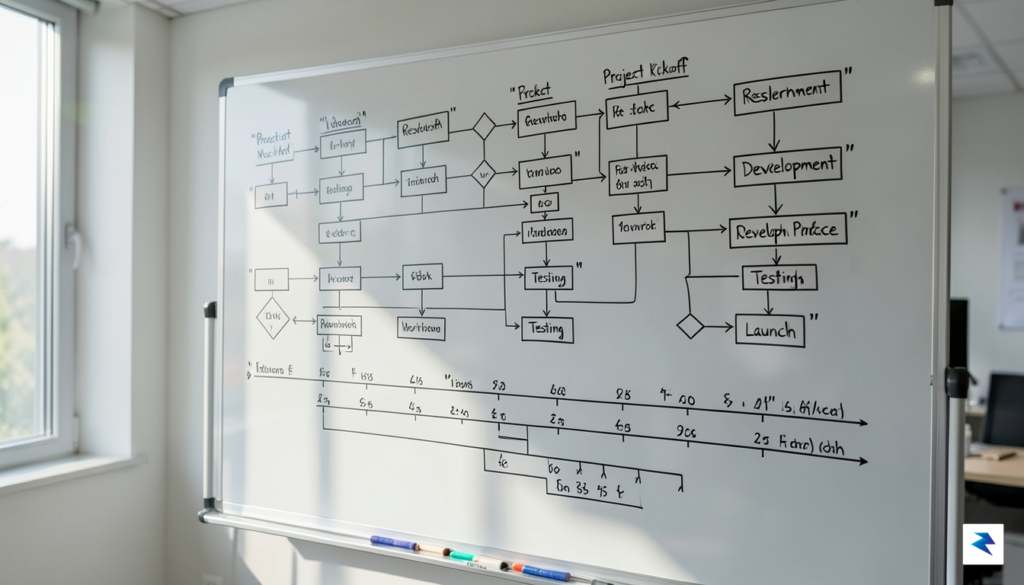
While the allure of rapid development and innovative ideas often defines a successful software jam, the unseen backbone supporting this creativity is a meticulously planned logistical framework. It’s the difference between a flurry of uncoordinated activity and a truly high-engagement event that facilitates meaningful work and lasting impact. Organizing an event where participants can fully immerse themselves in problem-solving and collaboration requires foresight and a robust system to handle everything from initial registration to final project showcases. By focusing on these actionable steps, you can cultivate an environment that nurtures innovation, rather than one bogged down by avoidable friction.
Laying the Groundwork: Platform, Criteria, and Community
The digital infrastructure you choose is paramount, serving as the central hub for all participant interaction and project development. Selecting the right platforms for communication, version control, and submission can significantly streamline the entire process. Tools like Discord or Slack are excellent for real-time communication and team formation, while GitHub or GitLab provide essential version control for collaborative coding. For project submissions and showcasing, platforms like Itch.io or Devpost offer robust features for managing entries, presenting projects, and facilitating public voting or judging. Evaluate each option based on ease of use, scalability, and integration capabilities to ensure a seamless experience for everyone involved.
Establishing clear and objective judging criteria from the outset is equally critical for fostering fairness and motivating high-quality submissions. Participants need to understand exactly what constitutes a successful project, allowing them to focus their efforts effectively. Common criteria might include innovation, technical execution, completeness, user experience, and presentation, each weighted appropriately to reflect the jam’s specific goals. Furthermore, providing these guidelines well in advance empowers teams to align their vision with the judging expectations, thereby reducing ambiguity and potential disputes later on. This transparency also builds trust and encourages a competitive yet fair spirit among participants.
Effective community management is the glue that holds a high-engagement jam together, transforming a collection of individuals into a collaborative network. This involves more than just moderating chat channels; it’s about actively fostering a supportive and inclusive atmosphere. Strategies include organizing pre-jam icebreakers or workshops to help participants form teams and familiarize themselves with tools, establishing clear codes of conduct, and providing dedicated mentor support channels. Regularly soliciting feedback and responding promptly to questions or technical issues also demonstrates a commitment to participant success. A well-managed community ensures that help is always available, and that everyone feels valued and encouraged to contribute.
Navigating Resources: Funding and Allocation
Securing adequate funding and strategically allocating resources are foundational to delivering a high-quality event experience. Explore various funding avenues such as corporate sponsorships, educational grants, or internal organizational budgets, clearly articulating the value proposition for each potential partner. Once funding is secured, carefully plan how these resources will be distributed to maximize impact. This might include providing access to premium software licenses, offering small stipends for particularly innovative projects, or investing in expert mentors who can provide invaluable guidance to teams. Transparency in how funds are used also builds confidence among participants and stakeholders alike.
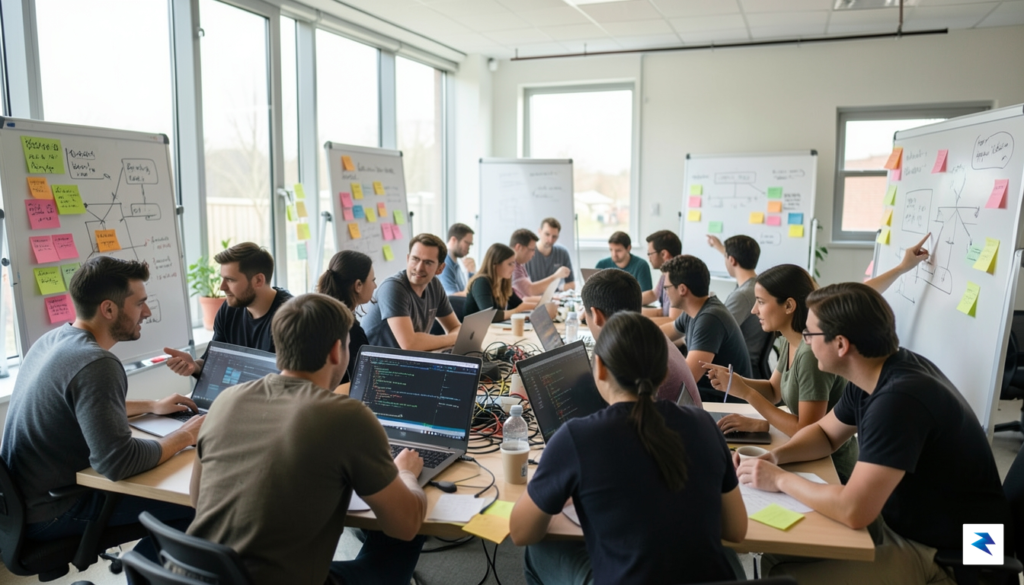
Resource allocation extends beyond monetary considerations to encompass human capital and technical infrastructure. Identify and recruit experienced mentors who can offer specialized knowledge in design, development, or project management, ensuring their availability throughout the jam cycle. Furthermore, assess the technical needs of your participants, ensuring stable internet access, access to necessary development environments, and any specialized hardware or software they might require. Proactive resource planning prevents bottlenecks and allows participants to concentrate on building rather than troubleshooting. A well-resourced jam empowers teams to push the boundaries of what they can achieve within the given timeframe.
Sustaining the Momentum: Participant Engagement
Maintaining high participant engagement throughout the entire jam cycle is crucial, from the initial announcement to the final wrap-up. Kick things off with exciting pre-jam content, such as introductory webinars, skill-building tutorials, or ideation sessions, to build anticipation and prepare participants. During the jam itself, implement regular check-ins, perhaps through daily stand-ups or informal coffee breaks, to monitor progress, offer encouragement, and address any emerging challenges. Highlighting ongoing projects and sharing mini-success stories can also inspire others and keep morale high. Remember, the goal is to keep the energy vibrant and the communication flowing, ensuring no team feels isolated or lost.
Key Takeaway: A successful software jam transcends mere coding; it’s a meticulously orchestrated event where seamless logistics create the fertile ground for genuine innovation and deep participant engagement. Planning ahead for platforms, criteria, community, resources, and continuous engagement is non-negotiable.
Post-jam engagement is just as important for solidifying the experience and fostering a lasting community. Organize a high-quality showcase event where teams can present their finished projects to judges, peers, and perhaps even potential investors. This not only provides a rewarding culmination of their efforts but also offers valuable feedback opportunities. Additionally, facilitate ongoing connections among participants through alumni networks or dedicated forums, encouraging continued collaboration and knowledge sharing. By extending the jam’s impact beyond its official duration, you cultivate a dynamic ecosystem of builders and innovators, reinforcing the value of the experience and encouraging future participation.
Cultivating Community Feedback Loops
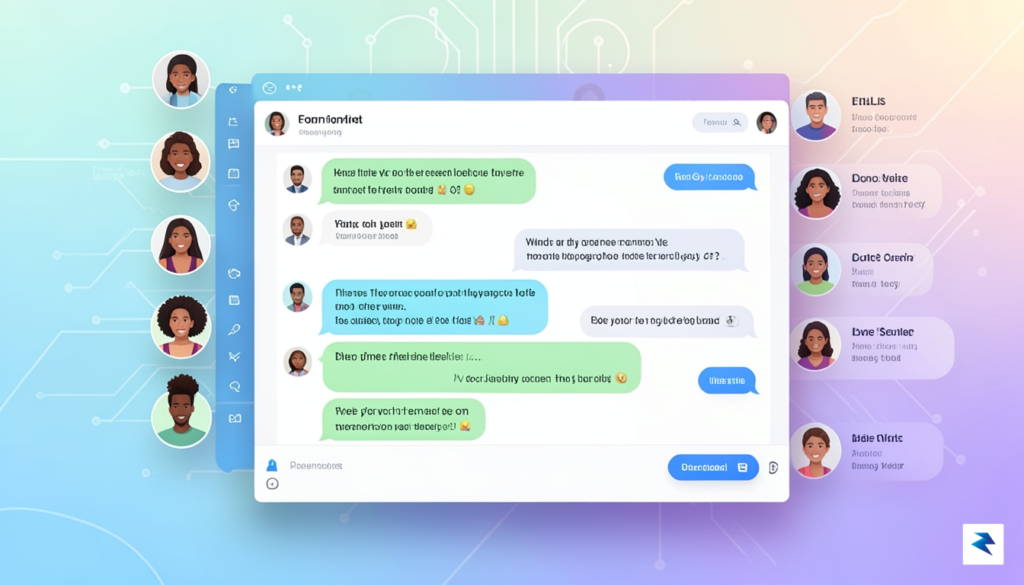
The true measure of a successful software jam isn’t just the sheer volume of projects created, but the depth of learning and refinement each participant experiences. This transformative power stems almost entirely from a robust feedback loop, an intentional system designed to provide rigorous, constructive criticism. Without this vital component, a software jam risks becoming merely a series of one-off projects, fading into obscurity rather than serving as a fertile ground for genuine skill development and innovation. It’s about elevating the craft, moving beyond mere functional output to truly polished, user-centric solutions.
For creators to truly improve, they often need a dose of what might be called “tough love.” While encouragement is always welcome, superficial praise does little to identify weaknesses or push boundaries. Real growth occurs when developers receive honest, detailed critiques that highlight not just what works, but precisely what could be better, why it could be better, and how to achieve that improvement. This critical perspective, often difficult for creators to self-generate due to their inherent proximity to their own work, is essential for breaking through plateaus and fostering a mindset of continuous iteration and excellence.
Leveraging External Peer Review
Platforms like Hacker News exemplify how a vibrant, albeit sometimes blunt, community can serve as an invaluable external peer review mechanism. When a project is launched on such a platform, it’s immediately exposed to a diverse audience of developers, designers, and users with varying levels of expertise and perspectives. The ensuing comments, discussions, and upvotes or downvotes aren’t just metrics; they’re a concentrated stream of feedback that can quickly pinpoint bugs, usability issues, performance bottlenecks, or even market relevance. This public crucible forces creators to confront the real-world implications of their design choices and code quality, often revealing blind spots that internal testing might miss.
Structuring Internal Feedback for Growth
Within the confines of a software jam, internal feedback must be structured deliberately to maximize its impact. This isn’t about casual suggestions, but about creating dedicated channels and processes. Think about implementing regular “critique sessions” where teams present their work-in-progress to peers, explicitly asking for constructive feedback on specific aspects. Anonymous feedback forms can also provide a safe space for more candid observations, while structured peer code reviews—where participants actively analyze each other’s code for efficiency, readability, and adherence to best practices—are fundamental. These structured approaches transform feedback from an optional extra into an integral, non-negotiable part of the development cycle.
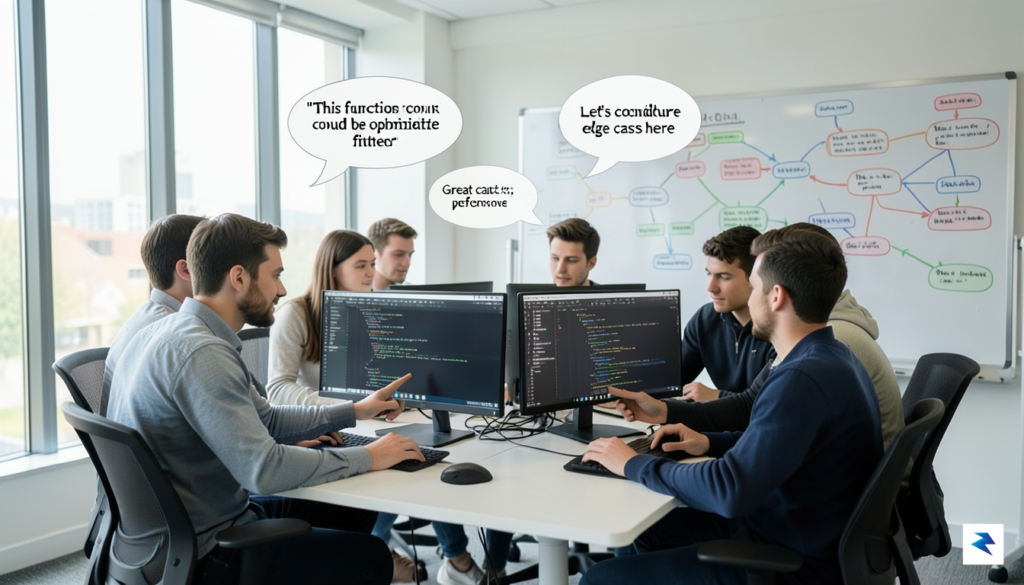
Cultivating a “feedback-first” culture in online communities, especially those centered around rapid development like a jam, requires more than just tools; it demands a shift in mindset. It starts with establishing clear guidelines for giving and receiving criticism, emphasizing respect, specificity, and actionable advice over vague complaints. Leaders and organizers must model this behavior, actively soliciting feedback on their own processes and celebrating instances where a project significantly improved due to constructive input. Ultimately, the goal is to create an environment where seeking and offering rigorous criticism is seen not as a challenge to one’s ability, but as a shared commitment to elevating the quality of everyone’s work.
The true hallmark of a high-performing development culture is not the absence of criticism, but the eagerness with which it is sought, given, and acted upon.
This iterative cycle of creation, presentation, rigorous feedback, and refinement is what distinguishes a truly impactful software jam. It transforms the often solitary act of coding into a deeply collaborative learning experience, where every participant emerges not just with a finished project, but with invaluable insights and refined skills. By embedding these robust feedback loops, we ensure that the software produced is not merely functional, but thoughtfully designed, rigorously tested, and ultimately, far superior.
Scalability and Future Implications
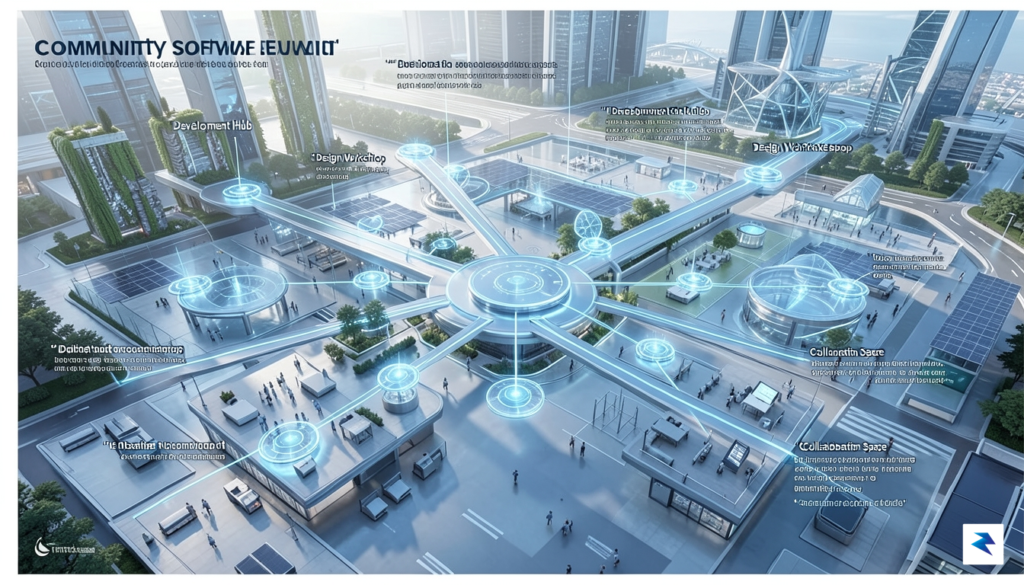
The core philosophy underpinning the Radish Jam — a relentless focus on quality, efficient collaboration, and a clear, constrained scope — is remarkably adaptable, making it a powerful model for a diverse range of participants. Whether you are a budding student taking your first steps in programming or a seasoned veteran architecting complex systems, the principles can be tailored to foster growth and deliver tangible results. For students, the jam provides a structured, low-pressure environment to learn best practices, tackle real-world problems on a smaller scale, and receive direct feedback from peers and mentors. Conversely, experienced engineers can leverage the model to quickly prototype innovative solutions, experiment with cutting-edge technologies, or address highly specialized challenges within a focused timeframe, benefiting from the concentrated effort and minimal distractions.
This inherent flexibility allows the Radish Jam framework to be scaled across various skill levels and age groups without compromising its integrity. Imagine a junior jam where the emphasis is on mastering fundamental coding concepts, version control, and basic UI design, perhaps with more guided templates and pair programming. Then, consider an advanced jam where teams are challenged to optimize performance for large datasets, integrate complex AI models, or develop novel distributed systems, pushing the boundaries of their technical expertise. The key lies in adjusting the complexity of the problem domain and the level of mentorship provided, ensuring that every participant, regardless of their background, can engage meaningfully and contribute to a polished outcome, thus democratizing the experience of building high-quality software.
Beyond individual skill development, the Radish Jam model presents a compelling vision for the future of competitive software development. It moves beyond the traditional hackathon’s often chaotic, quantity-over-quality approach, instead championing a more deliberate and sustainable form of innovation. Picture a series of jams, perhaps organized into leagues or seasons, where teams build upon previous projects, refine their solutions, or tackle interconnected challenges. This format could foster deeper learning, encourage the development of robust and maintainable codebases, and ultimately lead to more impactful and usable software emerging from these competitive environments. It signals a shift towards valuing craftsmanship, collaboration, and thoughtful engineering over sheer speed and superficial functionality.
Sustaining community momentum after an event concludes is crucial for long-term impact, and the Radish Jam model naturally lends itself to this. The emphasis on producing high-quality, potentially shippable code means that projects often have a life beyond the jam itself. Organizers can foster this by creating platforms for ongoing project showcases, peer review sessions, or even incubation programs for promising ideas. Encouraging teams to open-source their work, document their processes, and share their learnings can transform a single event into a continuous cycle of knowledge exchange and collaboration. Furthermore, establishing online communities where participants can continue to connect, mentor each other, and form new teams for future jams ensures that the initial spark of creativity evolves into a vibrant, self-sustaining ecosystem.
Ultimately, the Radish Jam approach offers profound insights into the future of the ‘internet-native’ builder – an individual or team adept at collaborating effectively in remote, distributed environments. This model validates the power of focused effort, clear communication, and a shared commitment to excellence in a world often characterized by digital noise and fragmented attention. It demonstrates that truly valuable software can be built efficiently and collaboratively, transcending geographical boundaries and traditional organizational structures. By embracing the principles of the Radish Jam, we can empower a new generation of builders to create meaningful, high-quality digital experiences, shaping a more intentional and less ‘sloppy’ future for software development across the globe.