The Legacy of Real-Time Strategy
In the mid-to-late 1990s, the real-time strategy (RTS) genre stood at the absolute zenith of PC gaming culture. Titles like Command & Conquer and Red Alert did more than just provide entertainment; they fundamentally reshaped how players interacted with digital battlefields, establishing the “base-build-and-conquer” loop that would define a generation. These games were characterized by their gritty aesthetics, iconic synth-heavy soundtracks, and the frantic, high-stakes tactical decision-making that required equal parts strategic foresight and rapid-fire mouse precision. For millions of players, these titles were the definitive experience of the era, creating a cultural touchstone that transformed the RTS into the undisputed king of competitive multiplayer.
However, the very proprietary engines that powered these revolutions eventually became their greatest vulnerabilities. Built on the volatile foundations of MS-DOS and early Windows 95 architecture, these games utilized low-level code that relied on hardware interrupts and memory management techniques long since deprecated by modern operating systems. As computing evolved toward the multi-core, high-resolution environments of Windows 10 and 11, the original executables began to buckle under the weight of incompatibility. Players were often forced to navigate a labyrinth of fan-made patches, compatibility modes, and virtual machines just to launch a single match, turning a nostalgic hobby into an exercise in technical frustration.
The tragedy of the 90s RTS golden age wasn’t that the games lost their appeal, but that the software itself became a prisoner to the hardware of its time.
The technical debt inherent in these nineties-era engines created a significant vacuum in the gaming landscape, effectively locking a masterpiece of design behind a wall of obsolescence. Because the original source code was often lost, fragmented, or inextricably tied to outdated proprietary libraries, traditional preservation became nearly impossible for casual users. This created an urgent need for a bridge—a way to preserve the spirit, the mechanics, and the tactical depth of these classics while transplanting them into a modern framework that could support widescreen resolutions, smooth networking, and seamless compatibility. Without a fundamental reconstruction, the foundational pillars of the RTS genre risked fading into the annals of history, accessible only through grainy footage and fading memories rather than active play.
How OpenRA Modernizes Classic Gameplay
At its core, OpenRA is a masterful balancing act, preserving the nostalgic soul of genre-defining titles like Command & Conquer: Red Alert and Dune 2000 while surgically removing the friction that defined mid-90s real-time strategy. For players returning to these classics, the most immediate transformation is the engine’s approach to control responsiveness. By adopting modern conventions such as right-click movement and attack-move commands, OpenRA replaces the clunky, menu-heavy inputs of the original software with a fluid interface that feels intuitive to anyone who has played a modern RTS. This shift does not undermine the strategic depth of the original games; rather, it allows the player to focus on grand tactical decisions rather than fighting against an antiquated control scheme.
The modernization extends far beyond simple click-logic into the very fabric of the user interface and display capabilities. Gone are the days of being locked into a low-resolution, pixelated window; the OpenRA engine provides native support for modern widescreen monitors and high-DPI scaling, ensuring that the battlefield remains sharp and legible regardless of your hardware. This transition is complemented by a completely overhauled HUD that presents essential information—such as unit health bars, production queues, and resource counters—with modern clarity. These quality-of-life adjustments function as a transparent layer over the classic experience, allowing the legendary gameplay loops to shine without the interference of 1995-era technical limitations.
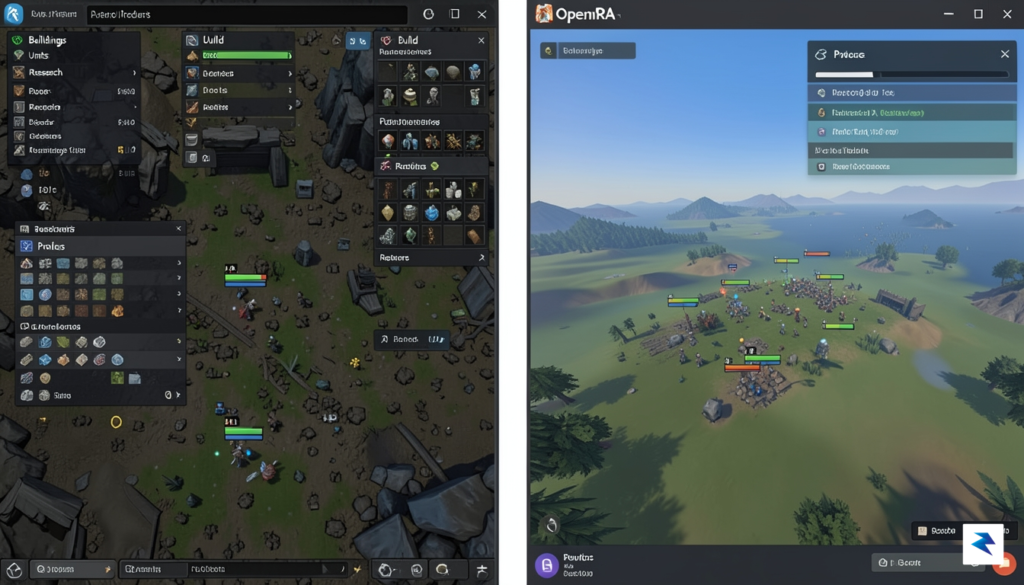
Perhaps the most significant achievement is the engine’s refined pathfinding algorithm, which addresses one of the most notorious sources of frustration in classic RTS gaming. In the original titles, units often struggled to navigate tight corridors or crowded bases, leading to chaotic traffic jams that could cost a player the entire match. OpenRA resolves this by implementing robust, modern pathfinding that allows units to move with purpose and intelligence. This technical upgrade is carefully tuned to keep the spirit of the original gameplay intact, ensuring that while units are smarter, they are not so perfect that they negate the tactical importance of positioning and unit management. The result is a refined, competitive experience that feels exactly as you remember it, minus the technical baggage of the past.
The goal of OpenRA is not to replace the original, but to provide a modernized, accessible framework that honors the developer’s intent while embracing the evolution of interface design.
Ultimately, OpenRA succeeds because it respects the sanctity of the original balance while acknowledging that user expectations have shifted over the last three decades. By stripping away the clunky UI limitations, the project allows a new generation of players to appreciate the brilliance of classic level design and unit mechanics. It serves as a bridge, connecting the golden age of RTS gaming to the modern era, proving that great gameplay is timeless when it is supported by thoughtful, user-centric engineering.
Beyond the Source: Cross-Platform Accessibility
OpenRA stands as a testament to modern game engine design, fundamentally moving beyond the limitations of its inspiration. Unlike many classic Real-Time Strategy titles that were firmly rooted in specific operating systems, often Windows, OpenRA was engineered from the ground up for true cross-platform compatibility. This isn’t merely about wrapping an old game in an emulator; it’s a complete re-implementation that allows players to seamlessly enjoy their favorite RTS experiences on Linux, macOS, and Windows with native performance. This meticulous re-engineering ensures that whether you’re gaming on a high-end desktop or a modest laptop, your chosen operating system won’t be a barrier to entry, fostering an inclusive environment for a diverse global player base.
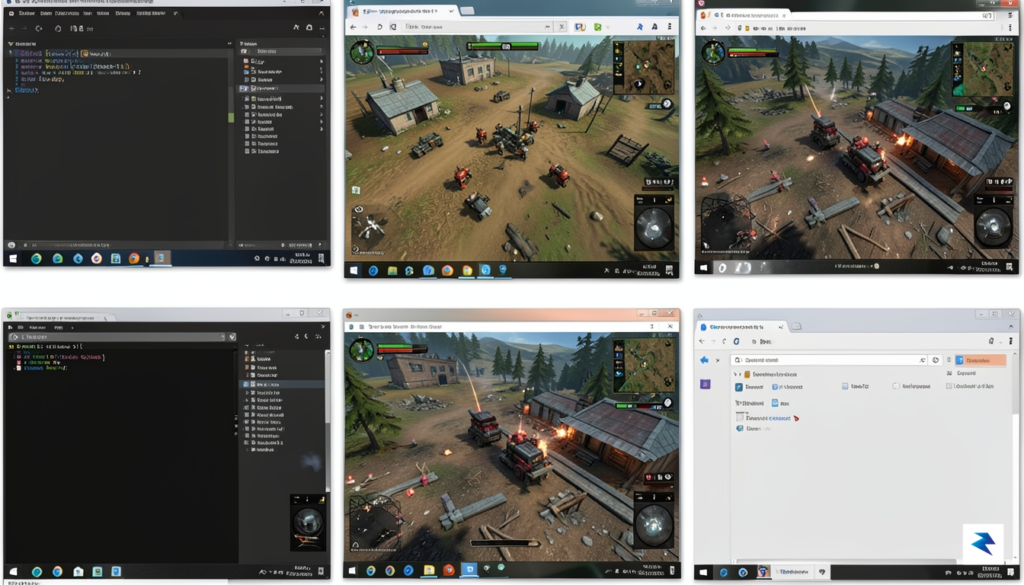
The process of getting OpenRA up and running is remarkably user-friendly, a stark contrast to the often-complex dance of compatibility patches and virtual machines required for original titles. Installing the OpenRA engine itself is a straightforward affair, typically involving a quick download and execution of an installer tailored for your specific operating system. What makes OpenRA particularly clever is how it handles the game assets themselves; to respect intellectual property rights, the engine does not distribute copyrighted content. Instead, it intelligently prompts users to point to their original game discs, digital purchases, or even free demo files, seamlessly extracting the necessary graphics, sounds, and maps. This innovative approach means you can leverage your existing game ownership, providing a legal and efficient pathway to relive classic moments without proprietary assets being bundled with the open-source engine.
This re-engineered foundation, coupled with its open-source nature, provides an unparalleled guarantee of longevity for your beloved RTS games. When a commercial game’s publisher or developer eventually moves on, its future compatibility often hangs precariously, susceptible to new operating system updates or hardware changes that render it unplayable. OpenRA, however, ensures perpetual playability because its source code is freely available for anyone to inspect, modify, and improve. A dedicated global community of developers and enthusiasts continuously works to maintain the engine, fix bugs, add new features, and ensure it remains compatible with the latest computing environments. This collective stewardship means that long after the original games might have faded into obsolescence, OpenRA will continue to evolve and thrive, preserving these classic experiences for generations to come. It’s a powerful demonstration of how open development can safeguard gaming history.
Ultimately, OpenRA’s commitment to cross-platform accessibility and its smart handling of game assets significantly lowers the barrier to entry for both new and veteran RTS players. No longer do you need to hunt for arcane fixes or dedicate an old machine to enjoy these masterpieces; the engine provides a robust, modern platform that just works. This forward-thinking design not only revitalizes dormant classics but also future-proofs them, transforming them into living, adaptable entities within the ever-evolving landscape of technology. It’s a testament to the power of community-driven development in creating sustainable and enduring gaming experiences that truly stand the test of time.
The Engine Architecture: A Technical Marvel
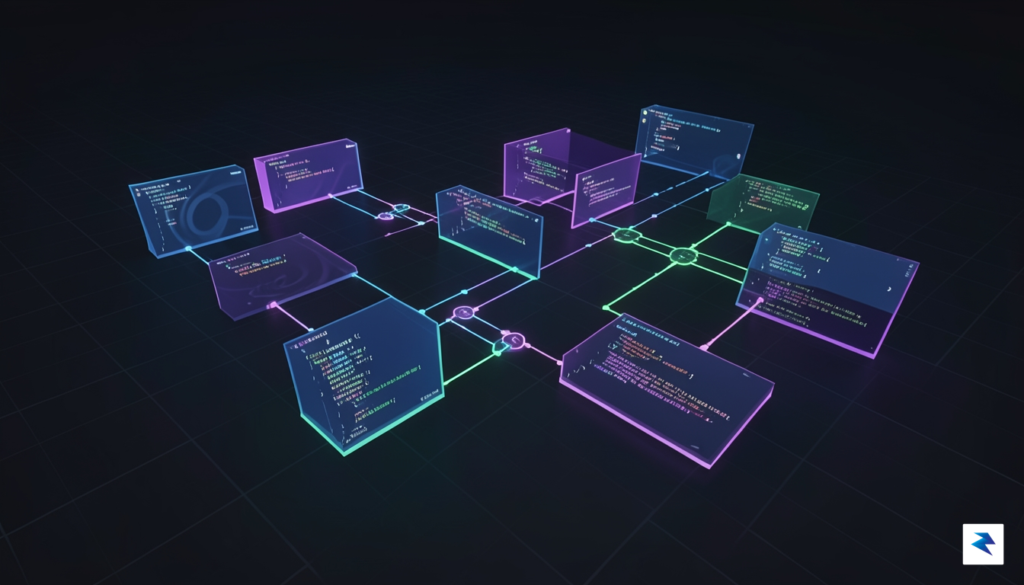
At the heart of OpenRA lies a sophisticated, modular engine architecture that fundamentally reimagines how real-time strategy games operate. Unlike the rigid, hard-coded structures of the original 1990s classics, OpenRA decouples the core engine logic from the specific game rules. By isolating the rendering, networking, and input handling from the actual gameplay mechanics, the developers have created a robust framework that acts as a blank canvas for strategy game design. This separation of concerns ensures that the engine remains stable and performant, even as it facilitates complex interactions between hundreds of units on a battlefield.
One of the most transformative elements of this architecture is the utilization of a YAML-based asset structure. Instead of burying unit stats, projectile speeds, and building costs within inaccessible binary files, OpenRA stores these configurations in human-readable YAML documents. This design choice effectively democratizes modding; aspiring developers can tweak game balance or introduce entirely new mechanics simply by editing a text file. This accessibility removes the high barrier to entry typically associated with game engine modification, allowing community members to iterate on ideas with remarkable speed and precision.
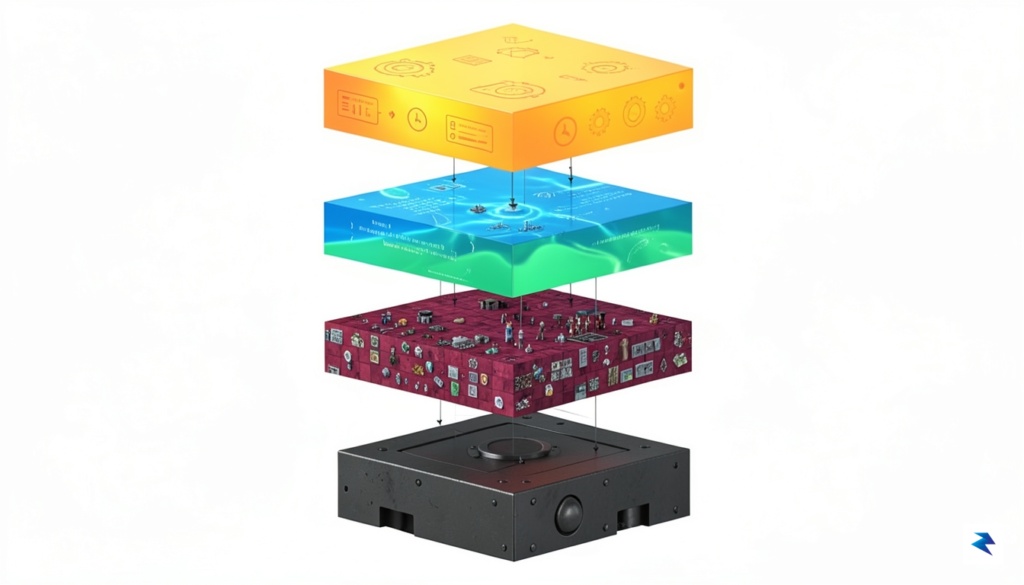
Complementing the data-driven design is the integration of a powerful Lua scripting engine. While YAML handles the static definitions of units and structures, Lua provides the dynamic flexibility required for complex mission scripting, objective triggers, and unique campaign events. This scripting layer allows modders to inject custom logic into the game loop without needing to recompile the entire project. Whether it is creating advanced AI behaviors or implementing scripted cinematic sequences, the Lua interface empowers creators to move far beyond the limitations of the original Command & Conquer and Red Alert gameplay paradigms.
The true genius of OpenRA lies in its shift from a static game to a flexible platform, enabling a new generation of creators to build ‘total conversion’ mods that feel like entirely standalone titles.
Because the engine is so modular, the community has been able to leverage it for projects that bear little resemblance to the initial base games. From sprawling science-fiction scenarios to entirely new RTS concepts, the engine’s ability to handle diverse assets and logic sets makes it a premier choice for open-source strategy development. By maintaining a clear distinction between the “engine” (how the game runs) and the “mod” (what the game is), OpenRA ensures that its foundation remains future-proof, allowing the platform to evolve alongside modern hardware and gaming trends without sacrificing the classic RTS soul that defined the genre.
Community-Driven Development and Future Outlook

For over fifteen years, OpenRA has defied the conventional lifecycle of software projects by transforming from a simple fan recreation into a robust, living ecosystem. This longevity is not merely a testament to the enduring appeal of classic real-time strategy games, but a direct result of the project’s open-source ethos. By operating as a community-driven engine, OpenRA has successfully bypassed the typical “abandonware” trajectory that claims most vintage titles. Instead of relying on a centralized corporate entity to provide updates, the project thrives on a distributed network of contributors who continuously refine the code, patch bugs, and introduce modern quality-of-life improvements that keep the gameplay experience feeling fresh yet authentically nostalgic.
The multiplayer ecosystem serves as the primary heartbeat of this longevity, fostering a competitive scene that remains surprisingly vibrant decades after the original games were first released. Because the balance of the game is determined by community consensus rather than an arbitrary developer mandate, the competitive landscape is constantly evolving. Dedicated players and modders work in tandem to analyze unit interactions, tweaking parameters to ensure that no single strategy becomes an unstoppable meta. This democratic approach to game design keeps the skill ceiling high and ensures that veteran players, who have been mastering these maps since the late 1990s, are constantly challenged by new tactics and community-driven modifications.
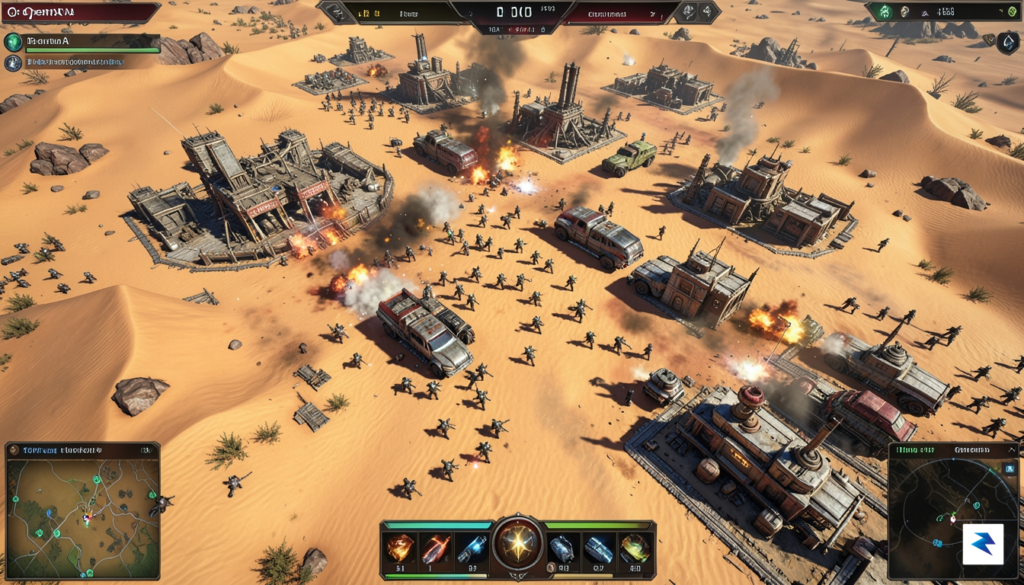
OpenRA proves that when the barrier between player and developer is removed, the lifespan of a game is limited only by the passion of those who play it.
Beyond its immediate utility, OpenRA functions as a vital template for the preservation of gaming history. By decoupling the engine from the original proprietary assets, the project provides a blueprint for how classic games can be ported to modern operating systems without losing their soul. This modularity allows developers to experiment with new features—such as higher resolution support, fog of war mechanics, and streamlined pathfinding—without breaking the fundamental “feel” that made the originals icons of the genre. As more titles fall into the digital archives of time, the OpenRA model demonstrates that community stewardship is perhaps the most reliable way to ensure that classic experiences remain playable, accessible, and competitive for future generations of gamers.