The Illusion of Convenience
For the better part of two decades, the primary directive of the tech industry has been the systematic eradication of friction. Silicon Valley’s architects have operated under the assumption that if an action requires more than a single tap, a swipe, or a voice command, it is inherently broken and in need of optimization. This obsession with seamlessness has transformed the way we navigate our existence, moving us toward a reality where the path of least resistance is not just encouraged, but forced upon us as the only viable way to live. We have become accustomed to a world where groceries appear at our doorsteps, entertainment is curated by predictive algorithms, and physical exertion is replaced by digital shortcuts.
Yet, in this relentless pursuit of efficiency, we have inadvertently stripped away the texture of our daily lives. When you remove the friction, you also remove the tactile, human moments that anchor us to the tangible world. Think of the difference between walking to a local market to select ingredients for a meal and tapping a button on a screen to have a pre-packaged box arrive at your doorstep. The former involves sensory engagement, serendipitous encounters, and a sense of agency, while the latter is a sterile transaction that leaves us spectators to our own sustenance. By delegating our choices to software, we have traded autonomy for a hollow form of comfort that leaves us feeling increasingly detached from the consequences and rituals of our actions.
This psychological shift has deeper consequences than mere boredom; it fundamentally alters our capacity for craftsmanship and personal engagement. When we rely on platforms to curate our news, our music, and even our social interactions, we lose the ability to cultivate taste and resilience through trial and error. Convenience acts as a barrier to the “small stuff”—those minor, often frustrating tasks that actually define our character and sharpen our skills. By smoothing out every rough edge, we are left in a state of intellectual and emotional atrophy, where we expect the world to adapt to our whims rather than engaging with the world as it truly is.
The true cost of a frictionless life is not the time we save, but the depth of experience we sacrifice along the way.
Ultimately, we must recognize that the seamless digital landscape we inhabit is an artificial construct designed to keep us passive. It is a trap that sells us the promise of more time while simultaneously robbing us of the engagement that makes that time meaningful. To reclaim our lives, we must learn to reintroduce healthy friction into our routines. By intentionally choosing the slower path, the manual task, or the uncurated experience, we can begin to reconnect with the world and rediscover the value in the small, messy, and wonderfully inconvenient parts of being human.
The Problem with Dematerialization
We are currently living through an era of profound dematerialization, where the texture of our daily lives is being systematically smoothed over by the frictionless nature of digital technology. By replacing tangible objects—books, vinyl records, physical photo albums, and even handwritten notes—with ephemeral streams of data, we have traded permanence for a fleeting sense of convenience. This shift does more than just clear our shelf space; it fundamentally alters our cognitive relationship with the world. When an experience exists only as a flickering pixel on a screen, it lacks the weight, resistance, and sensory feedback that our brains rely on to categorize events as significant or memorable.
The transition from ownership to access is perhaps the most insidious aspect of this trend. When you purchase a physical object, you hold a piece of the world that exists independently of a server, an internet connection, or a corporate subscription model. In contrast, digital goods are merely licensed to us, subject to the whims of platform updates and licensing agreements that can vanish overnight. This transience creates a psychological distance between the user and the content; we no longer curate a library of meaningful artifacts, but rather consume an endless, interchangeable feed of information. Consequently, our environments become sterile, stripped of the physical markers that once defined our personal histories and creative identities.

The tragedy of modern convenience is that by removing the friction of physical life, we have inadvertently removed the very anchors that keep us grounded in our own existence.
This loss of materiality also impacts our long-term satisfaction and cognitive retention. Research suggests that physical interaction with objects—the act of turning a page, the weight of a tool, or the deliberate organization of a physical space—triggers deeper neural processing than interacting with purely digital interfaces. When we automate our social interactions with bots or replace face-to-face engagements with curated digital profiles, we lose the nuanced “small stuff” that makes human life rich and unpredictable. We are essentially thinning out our reality, trading the messy, beautiful complexity of the physical world for a high-definition mirage that leaves no trace on our memory once the screen goes dark.
Ultimately, reclaiming our lives requires an intentional pushback against this tide of dematerialization. It is not about rejecting technology, but about recognizing where it has hollowed out our sense of agency. By reintroducing physical rituals—whether it is writing with an actual pen, maintaining a physical collection, or prioritizing analog experiences—we can begin to bridge the gap between our virtual habits and our lived reality. Returning to the “small stuff” is not a retreat into the past, but a necessary strategy for preserving our humanity in a world that is increasingly trying to turn us into disembodied consumers.
Finding Meaning in the Small Stuff
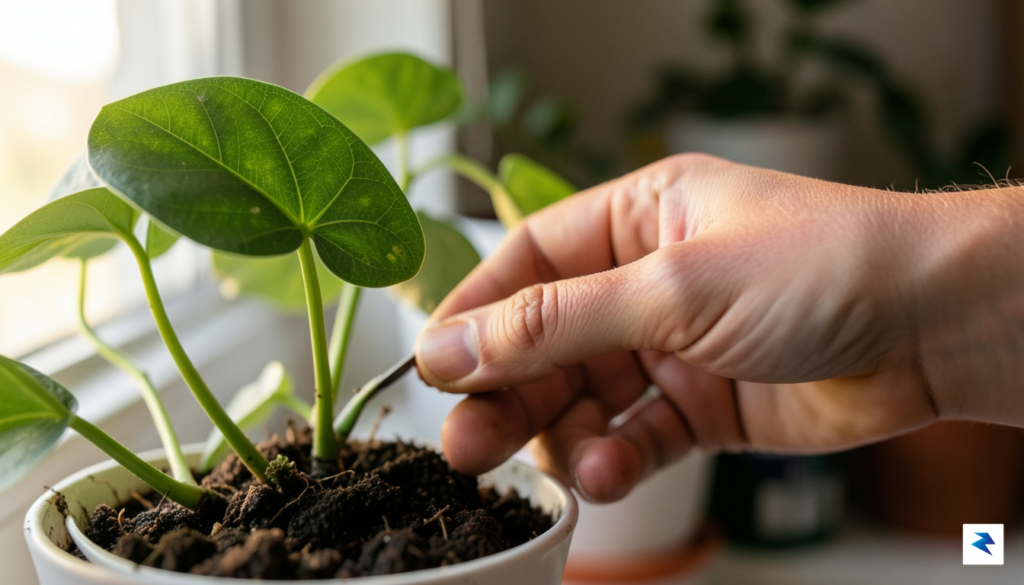
The allure of convenience, relentlessly promised by the digital age, often leads to an unexpected emptiness. We are told that every aspect of our lives can be streamlined, automated, and made effortless, yet many find themselves feeling increasingly disconnected, unfulfilled, and creatively stifled. The relentless pursuit of frictionless existence, while seemingly liberating, can paradoxically strip away the very elements that give life its texture and meaning. It is in this context that a compelling argument emerges: the key to reclaiming our lives, fostering genuine satisfaction, and nurturing our creativity lies not in grand gestures or revolutionary technologies, but in embracing what might be called ‘the small stuff.’
‘The small stuff’ refers to the mundane, often overlooked, and intentionally effortful acts that ground us firmly in reality. These are not tasks designed for maximum efficiency or passive consumption, but rather activities that demand our full presence, a degree of human effort, and direct engagement with the physical world. Unlike the seamless, invisible operations of modern technology that obscure their inner workings, these high-friction activities invite us to slow down, observe, learn, and apply ourselves. By deliberately choosing tasks that require a tangible investment of time, skill, and attention, we resist the gravitational pull of hyper-convenience and begin to forge a deeper, more personal connection with our surroundings and our own capabilities.
Embracing Intentional Friction
Reclaiming the small stuff means actively seeking out opportunities for intentional friction in our daily lives. This could manifest in myriad ways, from cultivating an analog hobby like knitting, woodworking, or pottery, where each stitch or cut is a deliberate act of creation, to the deeply satisfying process of cooking an entire meal from scratch, feeling the texture of raw ingredients transform into sustenance. Imagine the quiet pride in m
Redefining Productivity in a Digital World
The relentless drumbeat of modern life often compels us to chase an elusive ideal of productivity, one measured almost exclusively by metrics: tasks checked off, emails sent, meetings attended, hours logged. This prevailing definition, deeply ingrained in our digital-first culture, suggests that success is directly proportional to the sheer volume of output. We are conditioned to believe that a full calendar and a constantly buzzing inbox equate to a life well-lived and work well-done. However, this efficiency-based paradigm is fundamentally flawed, leading us down a path of superficial engagement and chronic exhaustion rather than genuine accomplishment. It prioritizes speed and quantity over depth, meaning, and the actual impact of our efforts, leaving us perpetually feeling busy but rarely fulfilled.
Instead of this relentless pursuit of maximum output, it’s time to pivot towards a more profound understanding of what it means to be truly productive: meaning-based engagement. This approach shifts the spotlight from how many items we can tick off a list to the intrinsic value and personal resonance of the tasks we undertake. It encourages us to ask not “How fast can I get this done?” but “Does this work matter? Does it contribute to something significant, either for myself or for others?” Embracing this perspective means cultivating a deliberate, slower approach, where quality and thoughtful presence take precedence over the hurried completion of an ever-growing to-do list. When we engage with our work from a place of meaning, the energy invested yields not just results, but also a deeper sense of purpose and satisfaction.
The efficiency-driven mindset, paradoxically, often leads to an overwhelming “paradox of choice.” Faced with an endless array of tasks, tools, and digital distractions, we feel compelled to engage with everything, believing that more options equate to greater freedom and productivity. Yet, this abundance frequently results in decision fatigue, anxiety, and a diluted focus. Our cognitive load becomes overburdened by the sheer volume of decisions, large and small, we must make each day, from what project to tackle next to which notification demands immediate attention. This constant mental juggling act diminishes our capacity for deep work and creative thought, leaving us feeling scattered and perpetually behind, even as we strive to do more.
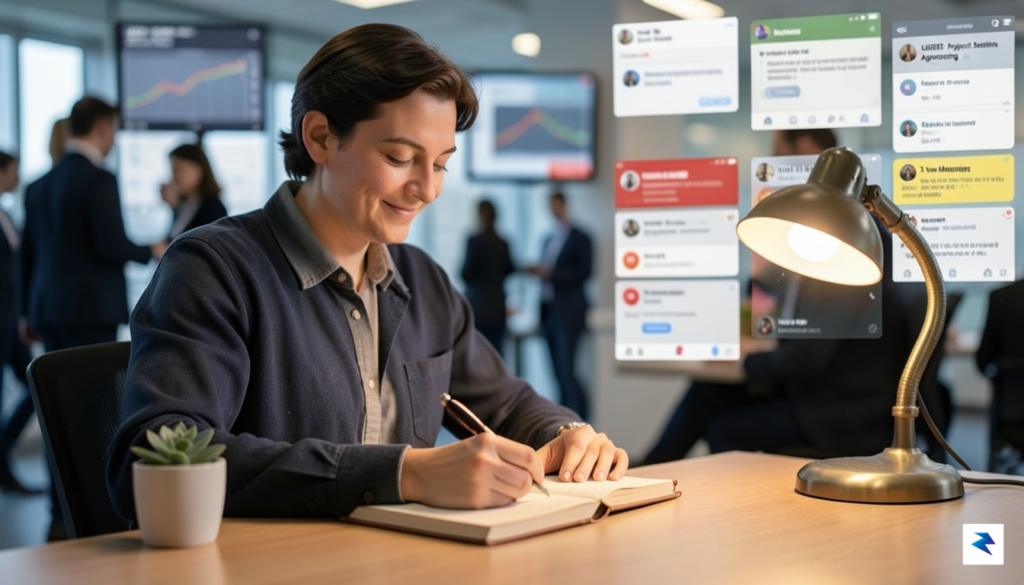
This is precisely where the philosophy of ‘doing less, better’ offers a powerful antidote. By consciously narrowing our focus and committing to fewer, more impactful tasks, we liberate significant cognitive resources. Instead of spreading our attention thinly across a multitude of obligations, we can channel our energy into a select few, allowing for deeper immersion, higher quality execution, and a more profound understanding of the subject matter. This deliberate paring down isn’t about laziness; it’s about strategic clarity and respect for our finite mental bandwidth. When we choose to engage with intention, dedicating ample time and focus to what truly matters, the outcomes are not only superior but also more personally rewarding, transforming mere task completion into genuine mastery.
To truly redefine productivity, we must develop a new internal framework for evaluating our projects and commitments, one that prioritizes fulfillment over mere objective speed or quantitative output. Instead of asking solely “Can I complete this quickly?” or “How many of these can I produce?”, we should inquire: “Does this project resonate with my values?” “Does it offer opportunities for learning, growth, or creative expression?” “Will engaging with this bring me a sense of genuine accomplishment or joy?” This shift encourages us to select tasks not just for their immediate utility or ease of completion, but for their potential to enrich our lives and contribute
Reclaiming Agency Through Intentional Living
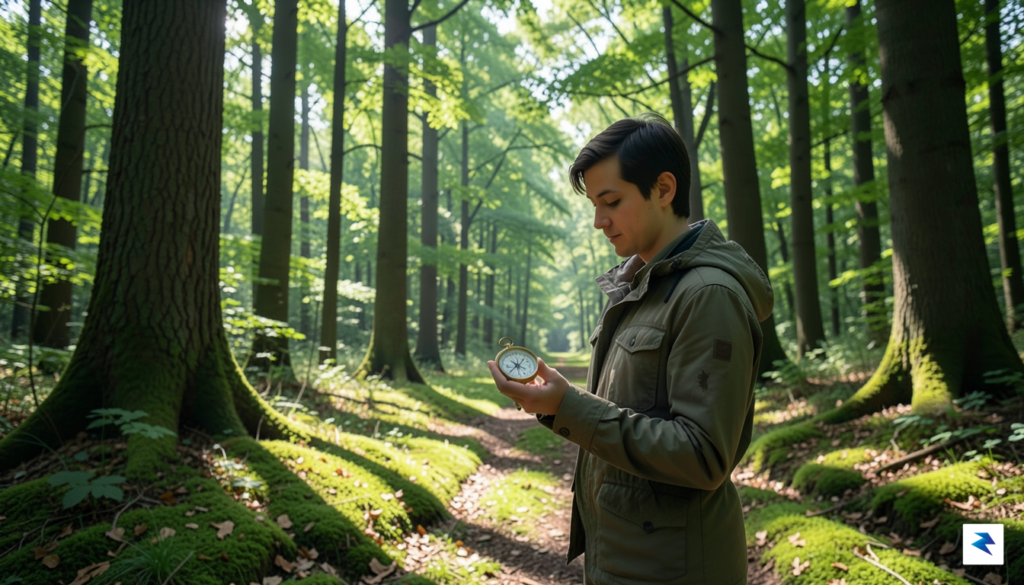
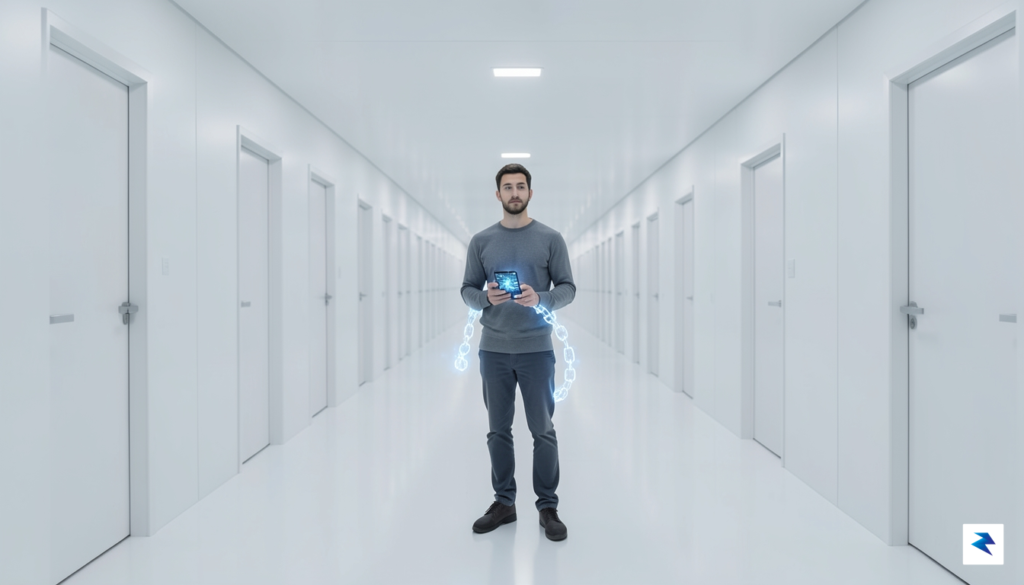
To break free from the convenience trap, we must move beyond the passive acceptance of streamlined systems and actively invite friction back into our daily routines. This isn’t about rejecting technology entirely, but rather about practicing what might be called “digital decoupling”—the deliberate act of severing the seamless connections that keep us tethered to pre-packaged choices. Start by identifying the most automated aspects of your day and consciously introduce a manual step. Whether it is grinding your own coffee beans instead of using a pod, choosing a paper map over a GPS, or opting to write a letter by hand, these small pockets of resistance force you to slow down. By reintroducing these minor obstacles, you shift your mindset from that of a passive consumer to an active participant, reclaiming the autonomy that gets lost in the rush for efficiency.
Choosing high-friction interactions is essentially an act of prioritizing your own values over the convenience-first narrative dictated by modern platforms. When we prioritize speed, we surrender our agency to algorithms designed to predict and minimize our effort, effectively narrowing our world to the path of least resistance. Instead, by valuing the process over the result, we align our habits with our personal intentions. Ask yourself: does this automated service truly improve my life, or does it merely remove the opportunity for me to engage with the world in a meaningful way? When you answer that question honestly, you begin to see that the “small stuff”—the effort, the patience, and the tactile reality of doing things yourself—is where the actual substance of a life is found.

True agency is not found in the absence of effort, but in the conscious selection of where we choose to exert it.
As you transition toward this more intentional future, it helps to frame these actions as a form of rebellion against a culture of instant gratification. You can begin small by designating “friction zones” in your home or schedule, such as keeping your phone in another room during dinner or dedicating an hour on weekends to a project that requires physical labor rather than a screen. These boundaries are not merely restrictive; they are restorative. They create the space necessary for deep thought, creativity, and genuine connection, qualities that are systematically eroded by the constant demand for convenience. By embracing this tangible approach, you are not simply performing tasks; you are curating an existence that belongs entirely to you, built on the slow, deliberate foundation of your own choices rather than the automated preferences of a machine.