The Fragility of Global Energy Markets
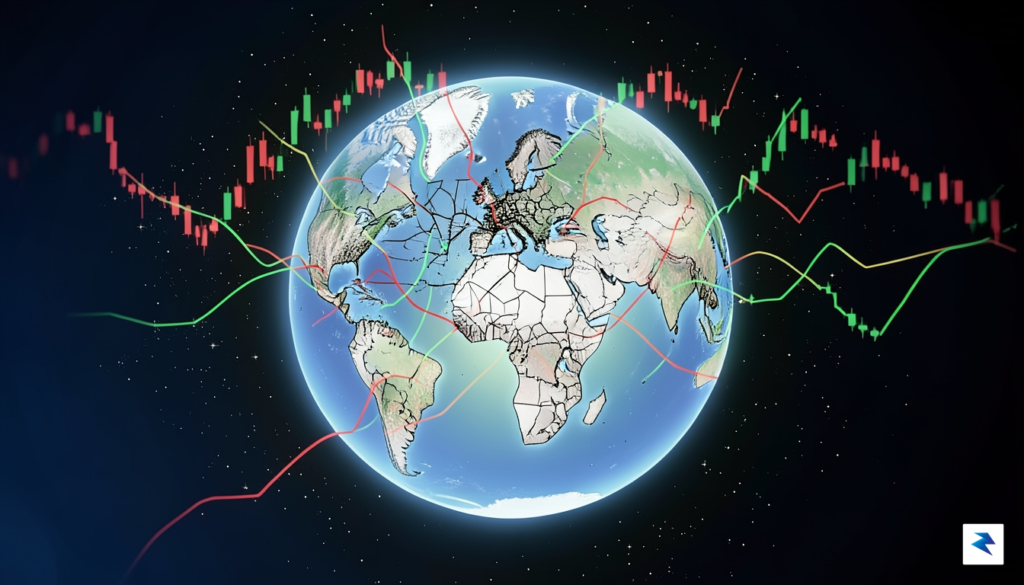
The global energy market functions much like a high-stakes ecosystem, where the delicate balance between supply and demand is constantly tested by the smallest shifts in geopolitical winds. Oil is not merely a commodity; it is the lifeblood of the international economy, and its price is determined by an intricate mechanism that factors in physical availability alongside the perceived risks of future disruption. When headlines emerge regarding potential conflicts or diplomatic breakthroughs in regions like the Persian Gulf, the market does not wait for a tanker to be delayed or a pipeline to be closed before reacting. Instead, it prices in the “fear premium” almost instantly, reflecting the deep-seated anxiety that a single miscalculation in a critical shipping lane could paralyze global trade flows.

At the heart of this volatility lies the distinction between actual supply constraints and market sentiment. Traders and institutional investors rely heavily on predictive models that account for “chokepoints”—narrow maritime passages where a significant percentage of the world’s daily oil consumption must pass. When tensions flare in these areas, the psychological impact on the market often outpaces the physical reality of supply. Even if a diplomatic dialogue—such as recent discussions between the U.S. and Iran—suggests a path toward de-escalation, the mere possibility that the status quo could be upended is enough to trigger aggressive hedging strategies. Consequently, prices often swing violently not because there is less oil in the market today, but because the market is hedging against the nightmare scenario of tomorrow.
The volatility inherent in energy pricing is rarely just about barrels; it is about the perception of certainty in an inherently uncertain geopolitical landscape.
Furthermore, the modern energy sector is inextricably linked with global stability, creating a feedback loop that makes every diplomatic move a market-moving event. Because energy is the primary input for manufacturing, transportation, and heating, any threat to its transit is viewed as a systemic risk to the global economy. When major powers engage in high-stakes negotiations, the market acts as an unofficial participant, parsing every statement for signs of cooperation or confrontation. This interconnectedness means that energy markets are essentially a live barometer for international relations. As long as the world remains dependent on transit routes that pass through volatile territories, the price of oil will continue to be as much a reflection of diplomatic health as it is a measure of industrial demand.
Understanding the Strait of Hormuz Chokepoint

The Strait of Hormuz serves as the world’s most critical maritime chokepoint, acting effectively as the jugular vein of the global energy supply. Spanning only 21 miles at its narrowest point, this narrow passage connects the Persian Gulf to the Gulf of Oman and the Arabian Sea, providing the only sea route for much of the crude oil exported from Saudi Arabia, Iraq, the United Arab Emirates, and Kuwait. On a daily basis, roughly 20 to 30 percent of the world’s total petroleum consumption—amounting to over 20 million barrels—passes through these waters. Because the global economy is still heavily tethered to these hydrocarbon flows, any disruption or threat to this corridor forces energy analysts and market traders to immediately recalculate the “risk premium” attached to every barrel produced in the Middle East.
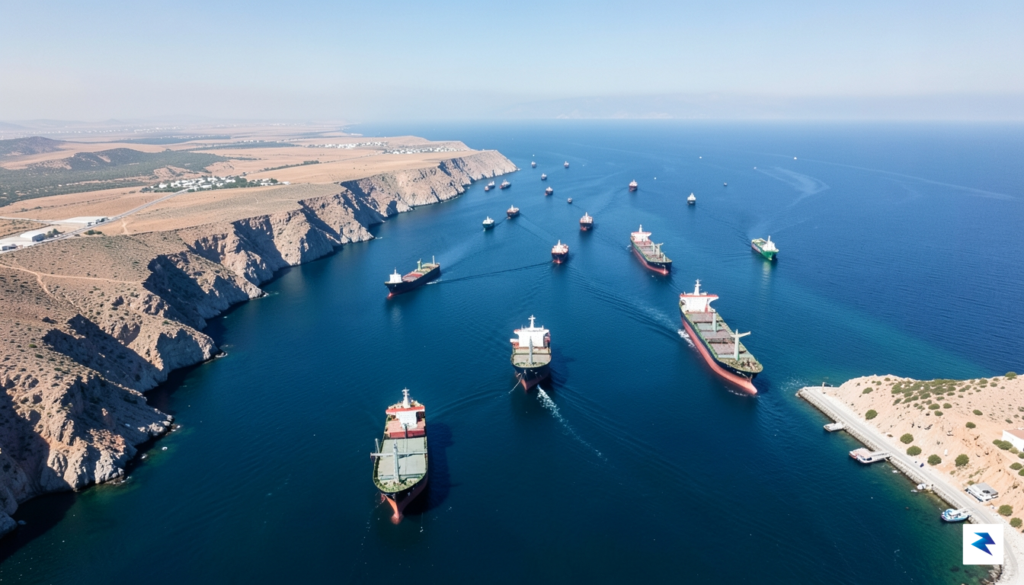
Historical maritime tensions have long defined the geopolitical landscape of this region, turning the Strait into a frequent flashpoint for international conflict. Since the 1980s, the passage has been subject to various forms of intimidation, ranging from the deployment of sea mines to direct confrontations between naval forces and commercial tankers. Iran’s strategic position along the northern coast of the Strait provides it with significant leverage, often leading to moments where the flow of global commerce becomes a bargaining chip in broader diplomatic disputes. These recurring incidents do more than just rattle nerves; they create tangible volatility in energy markets, as insurers raise premiums for shipping companies navigating the area, and buyers scramble to secure supplies elsewhere.
The stability of the global energy market is fundamentally anchored to the unimpeded transit of tankers through the Strait of Hormuz. When this corridor is compromised, the economic shockwaves are felt from the gas pumps in small towns to the industrial manufacturing hubs of Asia and Europe.
The current discussions between the United States and Iran regarding a deal to suspend attacks on shipping are therefore not merely a matter of regional security, but a vital necessity for maintaining the health of the global economy. By seeking to establish a framework that de-escalates hostilities, negotiators are essentially attempting to lower the geopolitical temperature of the entire energy sector. If these diplomatic efforts succeed in securing a reliable “safe passage” agreement, it could significantly stabilize oil prices by removing the looming threat of a supply-chain collapse. Conversely, a failure to reach an understanding leaves the world’s energy markets vulnerable to the unpredictable nature of regional friction, reinforcing the reality that as long as the world relies on oil, the Strait of Hormuz will remain the most important, and most fragile, artery in the global trade network.
Geopolitical De-escalation and Market Sentiment

The recent diplomatic overtures between Washington and Tehran have sent ripples of cautious optimism through the global energy markets. By signaling a mutual interest in curbing hostilities within critical maritime shipping lanes, both nations have effectively introduced a cooling mechanism to what was previously a highly volatile risk premium on crude oil. For traders and energy analysts, the prospect of reduced sabotage and drone interference in the Strait of Hormuz represents a tangible relief, as the threat of supply chain disruptions has long been a primary driver of price spikes. However, while the immediate market reaction has been a pivot toward stability, the underlying tension remains palpable, reminding investors that geopolitical peace is rarely linear or instantaneous.

Market participants are currently navigating a delicate balancing act, distinguishing between a temporary cessation of hostilities and a durable geopolitical resolution. While the initial reports of a de-escalation framework have encouraged some sell-offs in energy futures, the broader investment community remains wary of fully unwinding their risk positions. This hesitation stems from a history of fragile negotiations in the region, where diplomatic progress can be reversed by sudden shifts in domestic policy or regional military activity. Consequently, energy prices are currently hovering in a state of “wait-and-see” limbo; the market is pricing in the potential for safer transit, but it is not yet discounting the long-term risk of a renewed escalation.
True market stability relies less on the announcement of a deal and more on the consistent, verifiable adherence to its terms over time.
Ultimately, the difference between short-term price fluctuations and a permanent shift in market sentiment lies in the verification of these diplomatic commitments. Investors are looking for concrete evidence that the shipping lanes will remain unencumbered by regional conflicts, such as the consistent passage of tankers without security incidents or the normalization of regional insurance premiums. Until there is sustained proof that the agreement is effectively neutralizing the threat of supply bottlenecks, the risk premium on oil is unlikely to evaporate entirely. While the current diplomatic breakthrough provides a welcome reprieve for global economies dependent on stable energy costs, the path forward remains contingent on sustained cooperation and the successful management of regional geopolitical hurdles.
Long-term Implications for Energy Security
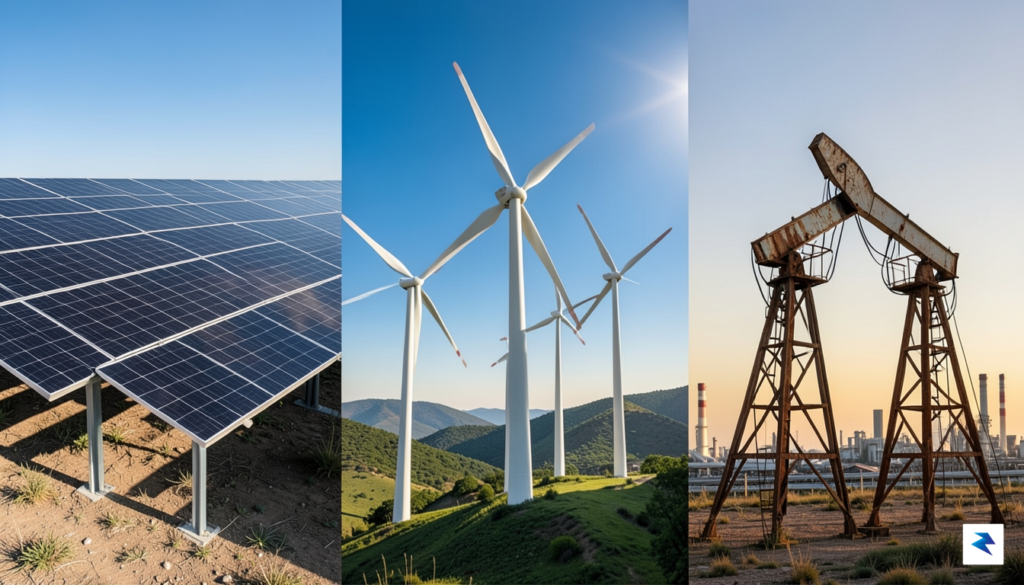
The recent volatility surrounding potential agreements in the Persian Gulf serves as a stark reminder of the inherent risks embedded in a global energy system tethered to unstable chokepoints. For decades, the international economy has functioned on the assumption that the Strait of Hormuz would remain an open artery for the world’s crude oil supply. However, as geopolitical tensions frequently threaten this stability, policymakers are undergoing a fundamental shift in how they define national security. They are increasingly recognizing that true energy independence cannot be achieved through diplomacy alone, but rather through a comprehensive strategy of diversification that minimizes reliance on any single volatile region.
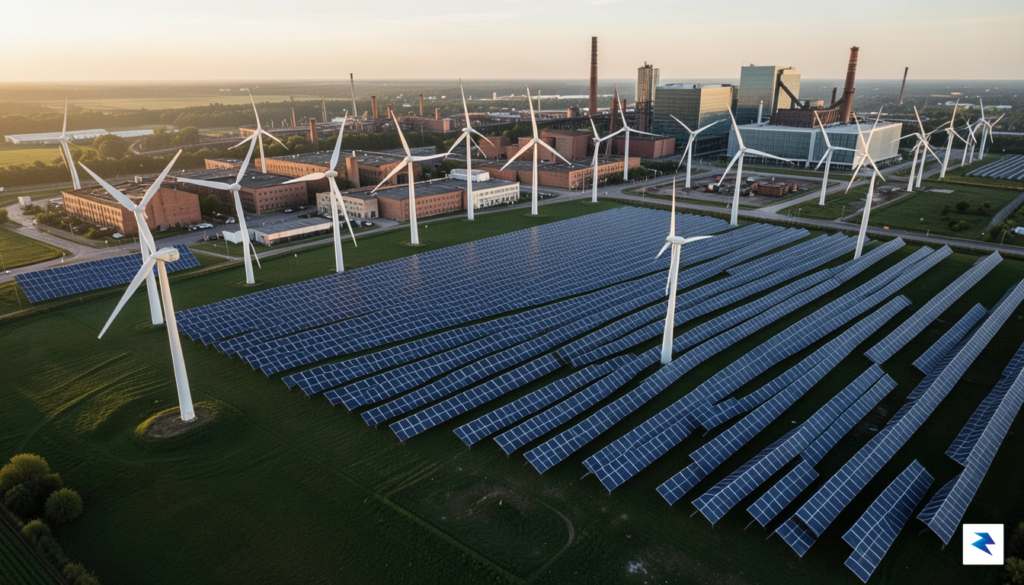
Central to this transition is the strategic recalibration of domestic production, particularly in the United States. By leveraging advanced shale extraction techniques, the U.S. has effectively buffered its domestic market against the most extreme fluctuations of international oil pricing. While these domestic reserves do not completely decouple the American economy from global commodity prices—which are inherently interconnected—they do provide a crucial safety net that prevents localized geopolitical skirmishes from translating into total supply chain collapse. This focus on domestic output is now being paired with aggressive investments in renewable integration, creating a dual-layered defense against future supply shocks.
Energy security is no longer merely about securing a consistent supply of imported oil; it is about building a resilient, decentralized grid that is immune to the whims of maritime blockades and regional conflicts.
Looking ahead, nations are rapidly accelerating their transition toward electrification and alternative energy sources to insulate their economies from the traditional “geopolitical premium” attached to fossil fuels. By scaling up wind, solar, and battery storage infrastructure, countries are effectively reducing the total volume of crude required to maintain their economic output. This shift is not merely an environmental imperative but a cold, calculated move toward national autonomy. As technology advances, the strategic necessity of protecting narrow shipping lanes is expected to diminish in favor of localized, sustainable energy production that remains functional regardless of the political climate in distant territories.
Ultimately, the move toward diversification signifies an end to the era where economic prosperity was held hostage by the stability of a few key transit points. By prioritizing domestic capacity and diversifying the energy mix, governments are constructing a future where energy security is a byproduct of technological innovation rather than a constant struggle for geopolitical dominance. This transition is essential for building a predictable economic environment where long-term investment can flourish, unburdened by the recurring cycle of crisis and recovery that has defined the global energy market for the past century.
Investment Strategies in Volatile Oil Markets

For both individual retail investors and large-scale corporate entities, the recent climb in global energy costs serves as a potent reminder that a static portfolio is a vulnerable one. When geopolitical tensions in the Middle East begin to dictate price swings, the impulse to react hastily to every headline can often lead to costly mistakes. Instead of viewing these fluctuations as definitive market signals, savvy investors should treat them as a fundamental lesson in the necessity of diversification. By ensuring that your capital is not overly concentrated in energy-sensitive assets, you create a buffer that protects your overall net worth from the inevitable volatility inherent in commodity markets.

One of the most effective ways to hedge against sharp energy price spikes is to integrate non-correlated assets into your strategy. While energy equities often move in tandem with the price of crude, other sectors—such as consumer staples, defensive healthcare stocks, or even fixed-income securities—often maintain stability when oil prices surge. Furthermore, holding commodities as a small, deliberate percentage of a broader portfolio can serve as a tactical inflation hedge. Rather than attempting to “time” the market based on the latest diplomatic developments between the U.S. and Iran, focus on maintaining an asset allocation that is resilient enough to withstand temporary shocks without requiring significant rebalancing.
The most successful long-term investors are those who distinguish between structural economic shifts and transitory geopolitical noise. A diplomatic breakthrough regarding shipping safety is a significant event, but it rarely alters the multi-year trajectory of global supply and demand.
Ultimately, the discipline to ignore short-term “noise” is perhaps the most valuable asset in an investor’s toolkit. Geopolitical news cycles are designed to move markets in the immediate term, but they often lack the depth to impact long-term corporate earnings or macroeconomic cycles. When you see headlines regarding Gulf shipping lanes or potential sanctions relief, ask yourself whether these developments fundamentally change the business model of the companies you own. If the answer is no, then the most prudent action is often inaction. By maintaining a focus on core fundamentals and long-term objectives, investors can navigate the current volatility with confidence, ensuring that their portfolios remain focused on sustained growth rather than reactive speculation.
Key Considerations for Portfolio Resilience:
- Assess your energy beta: Calculate how much of your current holdings have a direct correlation to oil prices and consider whether that exposure aligns with your risk tolerance.
- Prioritize high-quality dividends: Companies with strong balance sheets and consistent dividend payouts are typically better equipped to handle periods of market turbulence than highly leveraged entities.
- Maintain a long-term horizon: Recognize that while headlines create volatility, the market eventually reverts to pricing assets based on earnings and cash flow rather than diplomatic headlines.