
Why Michigan Is Becoming the Battleground for Data Center Regulation
The Data Center Dilemma: A New Political Flashpoint For years, the vast architecture of the digital age—our cloud storage, social media feeds,…
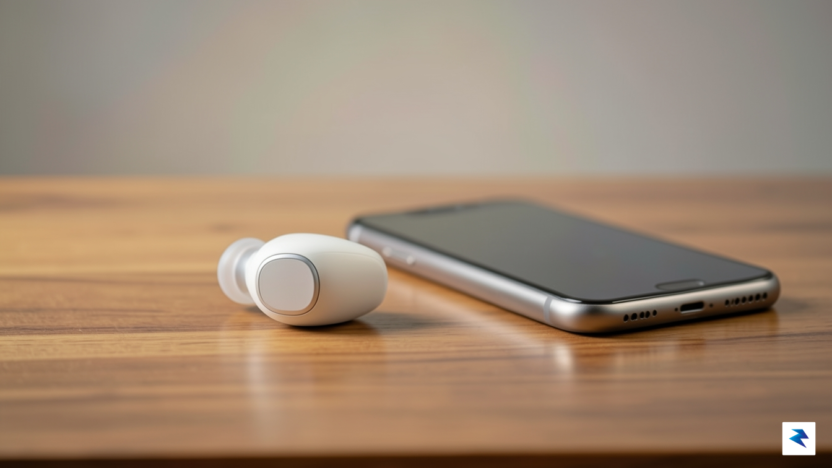
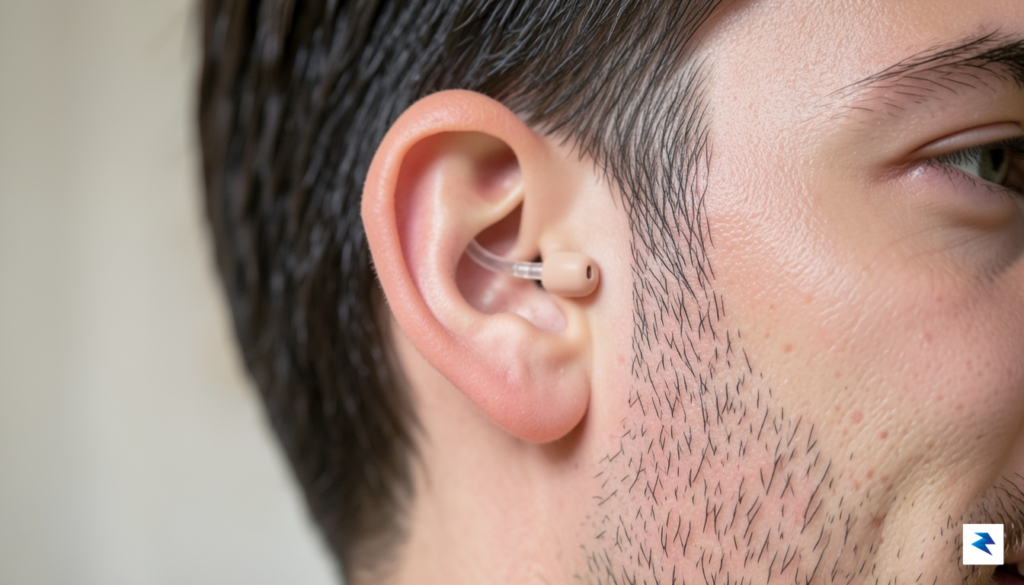
For decades, high-performance hearing assistance was largely locked behind a wall of prohibitive costs and mandatory clinical visits. However, the landscape of auditory health has shifted dramatically in recent years, fueled by the rise of over-the-counter (OTC) options that leverage the same technological advancements once reserved for multi-thousand-dollar devices. The core of this revolution is artificial intelligence, which has migrated from research labs into the ear canals of everyday users. By utilizing sophisticated algorithms to differentiate between ambient noise and human speech in real-time, these modern devices are finally making the promise of personalized, clear hearing a reality for a broader demographic than ever before.
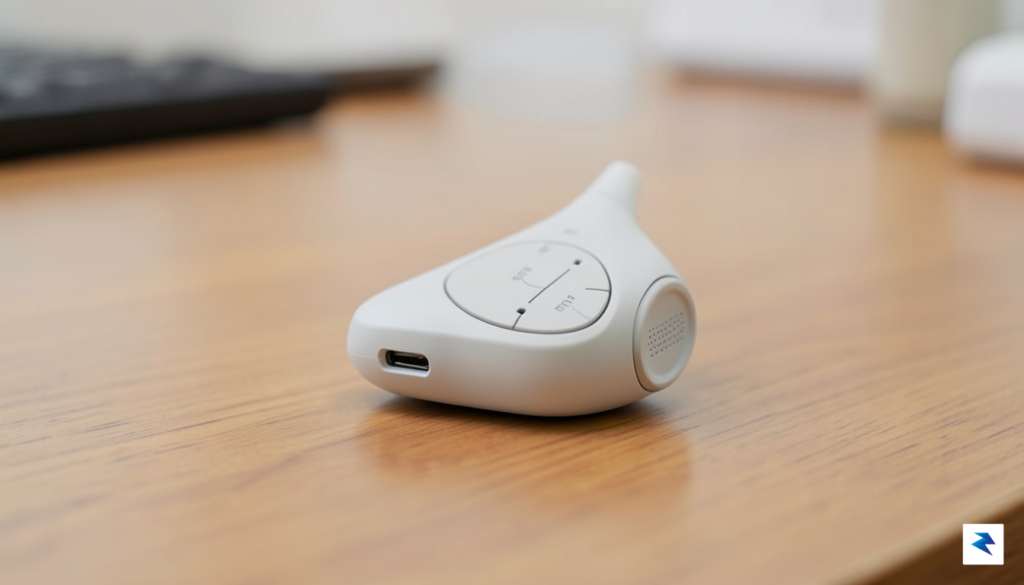
The Yeasound RIC800 arrives at a pivotal moment in this market evolution, positioning itself as a challenger to established legacy brands by offering premium features at a fraction of the typical price. At its heart, the device aims to solve the “cocktail party problem”—the perennial struggle of isolating voices in noisy environments—by employing AI-driven sound processing. This technology is designed to dynamically adjust gain and noise suppression, essentially acting as an intelligent filter that prioritizes the acoustic frequencies that matter most to the wearer. For consumers who have been priced out of the traditional hearing aid market, the RIC800 represents the enticing possibility of high-end audio engineering without the financial barrier to entry.
The true test of modern hearing technology lies not just in the hardware’s capability to process sound, but in its ability to integrate seamlessly into the user’s daily digital life.
However, moving from a boutique clinical model to a consumer-accessible one requires more than just high-quality microphones and processors; it demands a frictionless bridge between the hardware and the user’s smartphone. While the hardware engineering of the RIC800 suggests a leap forward in terms of raw audio fidelity, the user experience is frequently defined by the software that controls it. As we evaluate this device, we must look beyond the impressive marketing specifications to understand how these AI capabilities perform in the real world. Does the sophisticated signal processing hold up during a bustling dinner or a windy walk, and is the accompanying application capable of facilitating those adjustments without becoming a source of frustration? Understanding the balance between these high-end audio ambitions and the practicalities of digital integration is essential for anyone considering a shift to budget-conscious, AI-enhanced hearing technology.
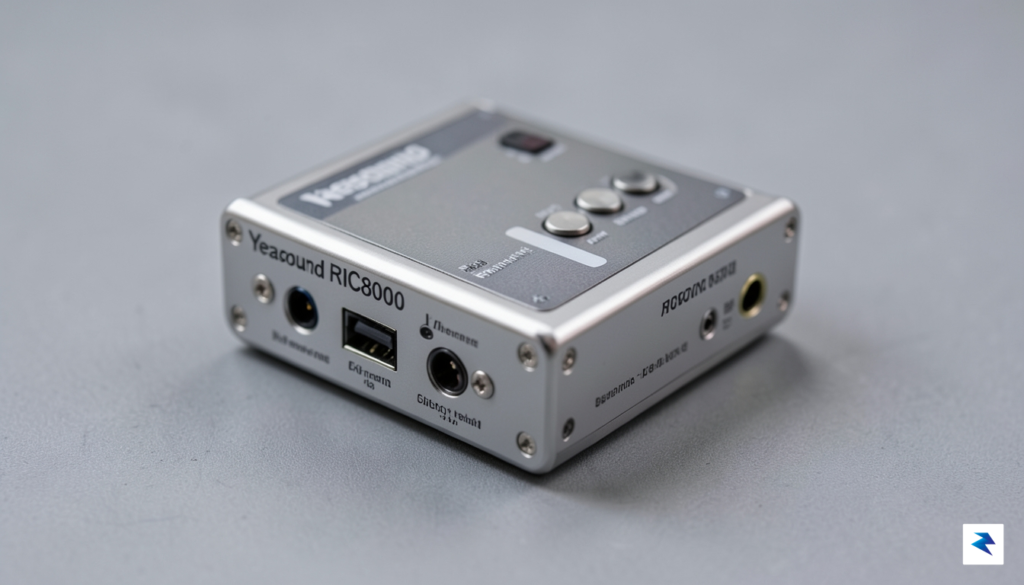
The physical comfort of a hearing device is paramount, especially when considering a product designed for continuous wear, often for sixteen hours or more a day. The Yeasound RIC800 embraces the Receiver-in-Canal (RIC) design, a choice that inherently aims for an optimal balance between subtle aesthetics and robust functional reliability. This form factor cleverly separates the main processing unit, which sits discreetly behind the ear, from the miniature receiver that rests within the ear canal, connected by a slender, almost imperceptible wire. This separation not only contributes to the device’s remarkably lightweight feel but also minimizes the bulk inside the ear, significantly enhancing long-term wearability and reducing the common sensation of fullness or occlusion.
Delving into the material quality, the RIC800’s main housing, situated behind the ear, is constructed from a high-grade, skin-friendly polymer. This material feels durable to the touch, resisting minor scuffs and daily wear without showing immediate signs of degradation. The connecting wire, a critical component for both sound transmission and device integrity, features a flexible yet robust coating that mitigates tangling and provides a comfortable drape over the ear. Furthermore, the selection of materials for the ear domes – the small, interchangeable tips that sit inside the ear canal – is equally important. Yeasound includes a variety of soft, hypoallergenic silicone domes, ensuring a comfortable and secure fit that minimizes irritation, even during extended periods of use. The overall impression is one of thoughtful material selection, designed to withstand the rigors of daily use while maintaining user comfort.
Evaluating the physical fit for a diverse range of ear shapes and sizes is crucial for any hearing aid. The Yeasound RIC800 excels in adaptability, thanks to its comprehensive assortment of ear domes included in the package. Users can experiment with various sizes and styles, from open domes that allow natural sound to pass through, to power domes that provide a more sealed fit for enhanced amplification. This versatility ensures that most users can achieve a comfortable and secure fit that keeps the device in place during typical activities like walking, talking, or light exercise. The lightweight nature of the behind-the-ear unit, combined with the flexible wire, means the device rarely feels intrusive or prone to dislodging, a significant advantage for those seeking an unburdened listening experience.
When comparing the build quality of the Yeasound RIC800 to established industry incumbents, it presents a very strong showing. While some ultra-premium brands might boast slightly more seamless finishes or proprietary hydrophobic coatings, the RIC800 holds its own with impressive solidity and attention to detail. The seams on the main unit are tight, with no noticeable gaps or rough edges, indicating a precise manufacturing process. The tactile feedback from the control buttons feels reassuringly firm, and components like the battery door (if applicable to the model’s power source) operate smoothly and securely. This robust construction suggests that the RIC800 is built to endure the demands of daily wear for many years, offering a level of reliability and finish that confidently competes with more expensive alternatives on the market.
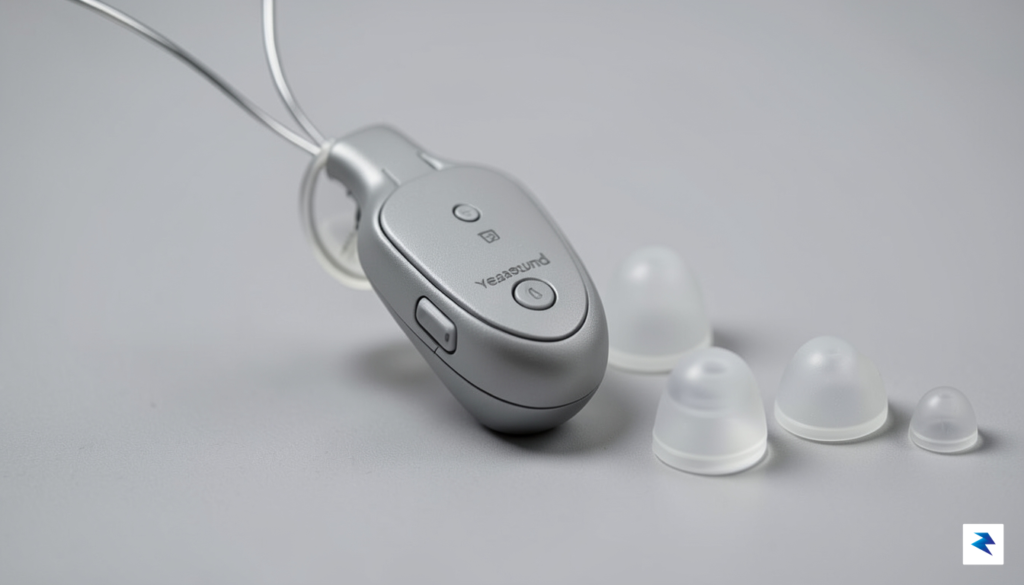

At the core of the Yeasound RIC800 lies a sophisticated AI-powered processing engine, which serves as the primary gateway between the wearer and the acoustic environment. Unlike traditional amplification methods that simply boost volume across the board, these hearing aids utilize advanced algorithms to dynamically isolate human speech from ambient noise. In practice, this means the device constantly scans the soundscape, attempting to distinguish the nuanced frequencies of a conversation from the chaotic hum of a ventilation system or the clatter of cutlery. When the system works as intended, the result is an impressively crisp vocal reproduction that feels natural rather than synthesized or hollow.
In high-pressure environments—such as a bustling restaurant or a crowded lobby—the speech-focusing algorithms truly shine. The RIC800 manages to prioritize directional audio, effectively “locking on” to the voice of the person standing directly in front of the wearer. While many entry-level hearing devices struggle to differentiate between multiple overlapping sound sources, the Yeasound unit maintains a commendable level of separation, allowing for a much more comfortable dining experience. However, it is important to note that the AI can occasionally be over-zealous; in extremely loud settings, there is a minor “pumping” effect where the background noise level fluctuates noticeably as the processor hunts for speech patterns.

Beyond its speech-enhancing capabilities, the RIC800 delivers a generally balanced sound profile that performs reliably across various scenarios. In quiet, controlled environments, the output is warm and rich, providing a level of fidelity that makes casual home conversations and television viewing quite enjoyable. When stepping outdoors, the integrated wind-noise reduction kicks in, successfully mitigating the low-frequency rumble that often plagues digital hearing devices. This transition between environments is typically seamless, though users may notice a split-second of latency during major acoustic shifts as the processor adapts its filters to the new surroundings.
The RIC800’s strength lies in its ability to parse complex soundscapes, though users should be prepared for the occasional micro-lag as the AI reconfigures its focus based on shifting environmental cues.
While the hardware processing is undeniably strong, the overall fidelity is occasionally hampered by the device’s inability to handle sudden, sharp high-frequency transients. For instance, the sound of keys jingling or paper crinkling can sometimes emerge with a slight metallic edge. Nevertheless, for the vast majority of daily interactions, the RIC800 provides a significant upgrade in clarity. By successfully layering speech over background noise rather than simply drowning it out, these hearing aids provide a meaningful improvement in social engagement, provided the wearer has the patience to let the AI do its heavy lifting.

While the hardware of the Yeasound RIC800s impresses with its acoustic clarity, the accompanying mobile application acts as a significant anchor dragging down an otherwise modern experience. In an era where users expect seamless “set it and forget it” integration, the Yeasound app feels like a relic from a less polished era of consumer electronics. The primary hurdle is the persistent instability of the Bluetooth connection; it is not uncommon for the app to lose sync with the hearing aids during mid-adjustment, forcing a tedious process of closing the application and restarting the pairing sequence. This lack of reliability transforms a simple volume tweak into a multi-step troubleshooting mission, which is the exact opposite of the convenience hearing aid wearers require.
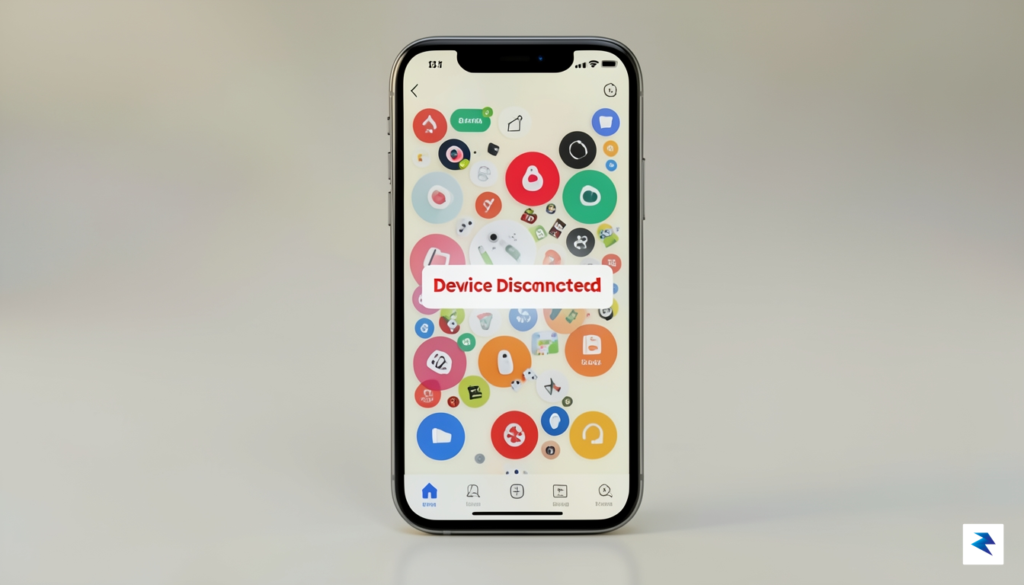
The user interface (UI) and user experience (UX) design choices further compound these functional frustrations. The app’s layout is unintuitive, burying critical adjustments—such as environment-specific noise reduction profiles—behind multiple layers of sub-menus that are difficult to navigate on the fly. Instead of utilizing haptic feedback or clear, high-contrast visual cues, the interface relies on small, unresponsive sliders that often lag behind physical touch inputs. This sluggish response time makes it difficult to gauge whether the hearing aids have successfully registered an adjustment, leaving the user guessing whether their environment is actually changing or if the app has simply frozen again.
The true measure of a hearing aid’s value lies not just in its microphone sensitivity, but in the accessibility of its controls; unfortunately, the RIC800’s software layer lacks the refinement necessary to make daily use effortless.
Beyond the aesthetic and structural flaws, the software’s instability has tangible consequences for the device’s daily reliability. Because the app acts as the primary bridge for firmware updates and advanced EQ fine-tuning, its frequent crashes prevent users from optimizing the hearing aids for different acoustic environments. When the software fails, the hearing aids lose their “smart” potential, reverting to basic amplification that ignores the user’s specific hearing profile. To move from a budget-friendly acoustic performer to a true competitor in the premium market, Yeasound needs to prioritize a total overhaul of their backend stability. This should include a more robust background sync protocol, a streamlined “one-tap” dashboard for essential adjustments, and a simplified firmware update process that doesn’t risk “bricking” the devices during a connection drop.

The core promise of the Yeasound RIC800 lies in its ability to bypass the traditional, often costly, clinical audiometry process through an integrated self-fitting system. Upon launching the companion app, users are guided through a series of pure-tone threshold tests that span various frequencies. The process is designed to be intuitive, functioning much like a standard hearing screening where you simply tap your phone screen whenever a subtle beep becomes audible. This methodology aims to map your unique hearing sensitivity, ostensibly creating a custom acoustic profile that the device uses to boost specific frequency bands where you might have mild to moderate hearing loss.
For non-technical users, the onboarding flow is a mixed bag of accessibility and frustration. On the positive side, the interface is visually clean and clearly instructs the user to find a quiet environment, which is vital for the accuracy of any home-based test. However, the software lacks the robust calibration tools found in more expensive, premium hearing aid apps. Because the test relies entirely on the user’s smartphone hardware—and specifically the quality of the Bluetooth connection or the earbuds used during the setup—there is a significant margin for error. If the background noise level is not perfectly controlled, or if the user is not wearing their headphones correctly during the initial calibration, the resulting audio profile can feel skewed, leading to an over-amplification of high-frequency sounds that can become sharp or distorted in everyday settings.
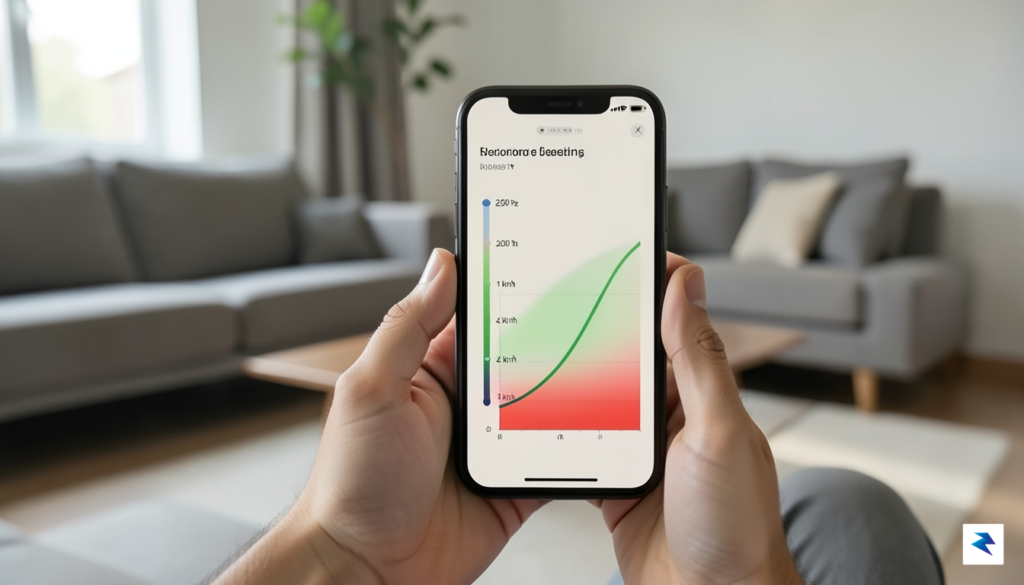
While the convenience of a DIY hearing test is a massive leap forward for accessibility, it cannot fully replicate the nuanced, bone-conduction-inclusive testing performed by a licensed audiologist in a soundproof booth.
When comparing the results of the RIC800’s built-in test against a professional audiogram, the discrepancies become evident. The Yeasound device tends to favor a “one-size-fits-all” amplification curve rather than the highly granular adjustments provided by a clinical visit. While the app does allow for manual fine-tuning after the initial test, the interface for these adjustments is often buried under layers of menus, making it difficult for someone not comfortable with tech to achieve the perfect balance. If you have significant hearing loss, this self-fitting approach may provide some clarity, but it is unlikely to match the precision of a professional fitting. Ultimately, the RIC800 is a capable entry-level tool for those with mild impairment, provided the user remains patient enough to navigate the somewhat buggy software interface during the initial setup phase.
The Yeasound RIC800 presents a fascinating dilemma for the budget-conscious consumer, sitting firmly at the intersection of impressive hardware engineering and lackluster software execution. If your primary goal is high-fidelity sound reproduction and physical comfort, these hearing aids offer a performance profile that punches well above their price point. The clarity of the microphones and the naturalness of the amplification are genuinely commendable, making them a strong contender for those who prioritize raw acoustic quality over smart features. However, the experience is undeniably dampened by an application that feels unfinished, often failing to maintain a stable connection or provide the seamless customization that modern users have come to expect.
Ultimately, your decision to purchase the RIC800 should hinge on your technical patience and your willingness to tolerate minor inconveniences in exchange for savings. If you are a “set it and forget it” type of user—someone who is comfortable getting a professional to help with the initial fit or who doesn’t mind spending a few extra minutes troubleshooting a Bluetooth handshake—then the audio benefits may well outweigh the software frustrations. Conversely, if you rely heavily on frequent adjustments, discrete volume changes via your smartphone, or seamless streaming across multiple devices throughout the day, the current state of the app might lead to more annoyance than utility.
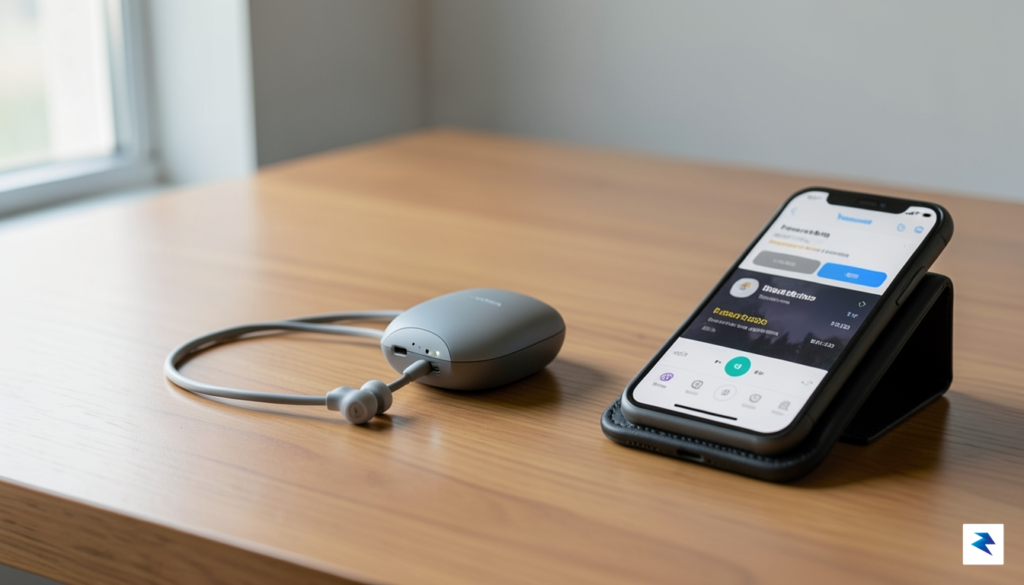
For users who prioritize sound quality and physical ergonomics above all else, the RIC800 is a compelling budget pick; however, those who demand seamless app integration and robust digital connectivity should proceed with caution or wait for a firmware update.
For the average user, the best path forward involves a careful assessment of your daily lifestyle. If you frequently navigate complex sound environments and need an app that responds instantly to your commands, you might find the RIC800 a bit too glitchy for your needs, in which case you might consider looking at more established, albeit pricier, market alternatives. On the other hand, if you are looking for a reliable pair of hearing aids that perform the core task of amplification with excellence, the RIC800 provides exceptional value. We recommend keeping a close eye on the manufacturer’s update schedule; should they patch the stability issues in the coming months, this device could easily transition from a “good value with caveats” to an absolute must-buy for anyone seeking high-end audio on a budget.
You must be logged in to post a comment.