
Google Security Experts Warn EU Regulations Could Weaken Data Protection
The Collision of Digital Sovereignty and Data Security The European Union has embarked on an ambitious journey to reshape the digital…
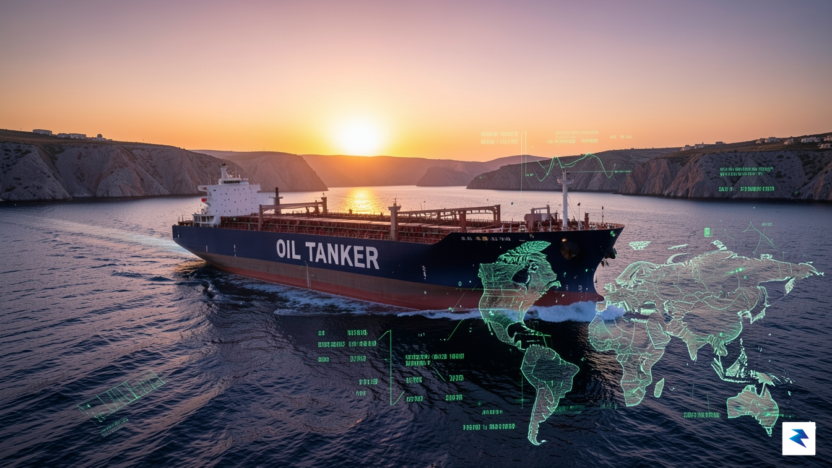
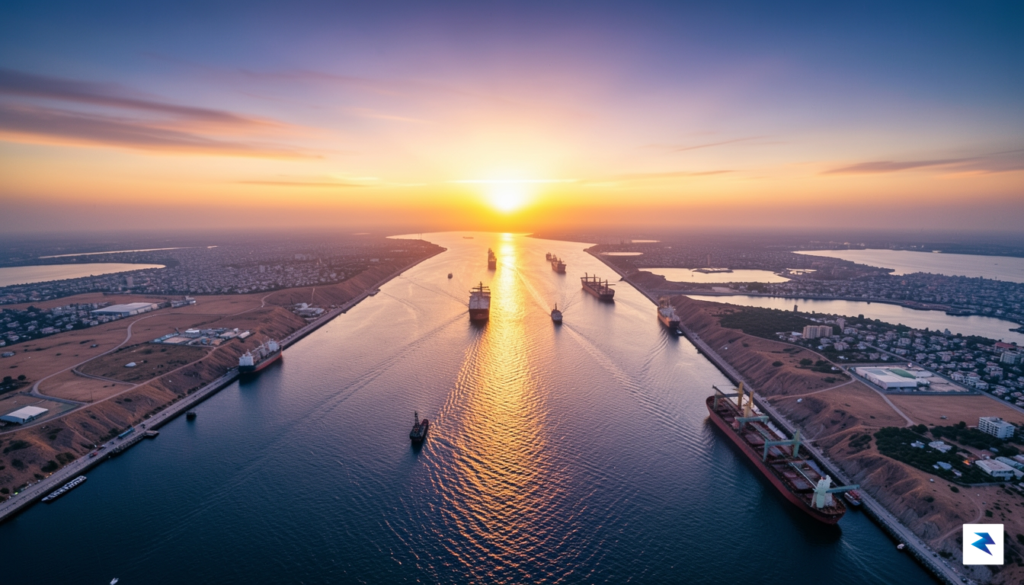
At its narrowest point, the Strait of Hormuz spans a mere 21 miles, yet this sliver of water serves as the jugular vein of the global economy. Every day, roughly one-fifth of the world’s petroleum consumption passes through this maritime chokepoint, funneling energy from the Persian Gulf to thirsty markets in Asia, Europe, and the Americas. Because the shipping channels are confined to two-mile-wide lanes for incoming and outgoing tanker traffic, the Strait is exceptionally vulnerable to geopolitical maneuvering. Even the slightest hint of instability in this region acts as a force multiplier for global oil price volatility, as markets react instantly to the perceived risk of supply interruptions.
The current crisis surrounding the Strait has evolved beyond a mere localized dispute, transforming into a litmus test for the resilience of international trade. As regional tensions simmer, the anxiety permeating global financial centers is palpable; corporations and governments alike are forced to contemplate the nightmare scenario of a total blockade. This volatility does more than just fluctuate the price at the gas pump; it challenges the long-standing assumption that the world’s most vital maritime arteries will remain perpetually open under the protection of a single dominant maritime power. Consequently, the crisis is acting as a catalyst for a profound shift in regional power dynamics, revealing a stark divergence in how different nations prepare for energy insecurity.
While the world remains fixated on the immediate threat of supply disruption, the real story lies in the calculated structural responses of major players who are quietly repositioning themselves to thrive in a post-hegemonic era.
While Western and Asian nations are scrambling to mitigate their supply risks through defensive posturing and expensive diversification strategies, the response from Beijing stands apart for its strategic patience and deliberate integration. Western powers continue to rely on traditional naval presence to guarantee freedom of navigation, a costly and increasingly strained endeavor. In contrast, China is leveraging its robust diplomatic ties and vast infrastructure investments to create a unique layer of insulation. As the world frets over the closure of the Strait, the structural response to this crisis is not merely about security, but about who possesses the leverage to ensure their tankers continue to move regardless of the regional political temperature. This emerging reality suggests that the Strait of Hormuz is no longer just a conduit for oil, but the primary theater where the future of global economic influence is being negotiated.
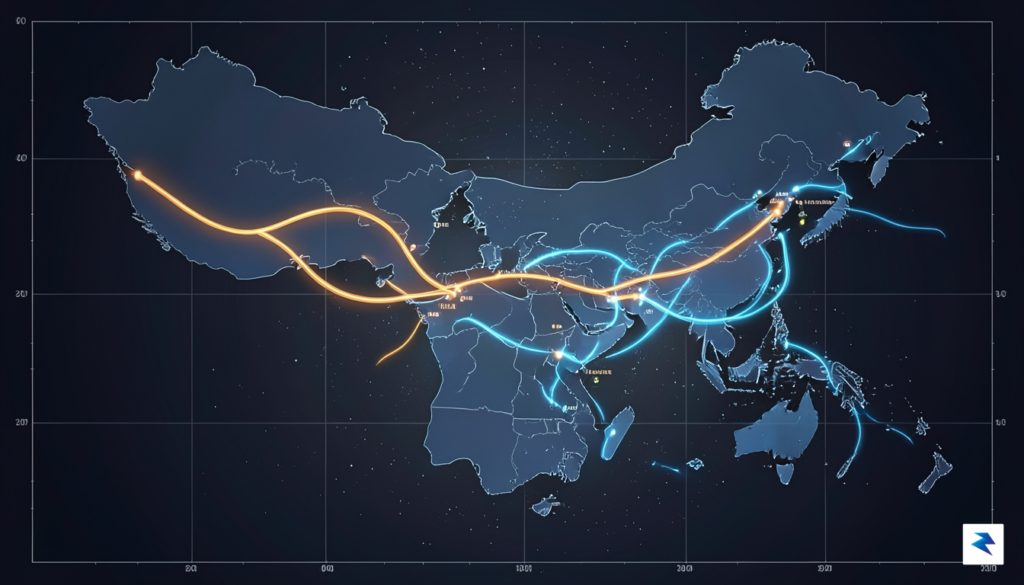
While global markets often react to tensions in the Strait of Hormuz with visceral panic and sharp fluctuations in oil prices, Beijing has maintained a notably steady hand. China’s strategy is rooted in a long-term vision of energy security that prioritizes direct, bilateral agreements over the whims of volatile international spot markets. By cultivating a deep, multi-decade partnership with Tehran, China has effectively secured a reliable energy pipeline that remains largely insulated from the broader regional instability currently plaguing its economic competitors. This approach is not merely reactive; it is a calculated effort to insulate the Chinese economy from the shocks that typically ripple through Western-dependent supply chains during periods of Middle Eastern unrest.
The concept of China as a “relative winner” in this crisis stems from its unique position as the world’s largest importer of Iranian crude. Because Beijing represents the primary lifeline for Iran’s energy exports, this symbiotic relationship grants China significant geopolitical leverage that smaller, more vulnerable nations simply lack. When global sanctions restrict Iran’s access to traditional markets, China steps in as the indispensable buyer, often purchasing oil at discounted rates. This dynamic creates a buffer for China, ensuring that even when the Strait of Hormuz becomes a flashpoint for international conflict, the flow of energy to Chinese refineries remains relatively constant compared to the uncertainty faced by other major importers.
“By shifting the mechanism of trade away from traditional Western financial infrastructure, Beijing has effectively built a private lane for its energy imports that remains largely immune to the reach of external banking sanctions.”
Furthermore, China has been aggressively promoting the use of the Yuan for these energy transactions, a move that serves as a critical hedge against Western-led financial disruptions. By settling oil trades in local currency, Beijing sidesteps the complex network of dollar-denominated banking systems that are often used as tools for economic leverage by the United States and its allies. This shift toward Yuan-denominated oil sales provides China with two distinct advantages: it reduces the nation’s exposure to fluctuations in the U.S. dollar and limits the effectiveness of banking sanctions that could otherwise freeze payments during a regional crisis. Ultimately, these integrated strategies transform China from a passive observer of Middle Eastern chaos into a strategic actor capable of maintaining energy stability despite the surrounding geopolitical friction.
While the volatility in the Strait of Hormuz creates a global shockwave, the ripple effects are far from uniform across the Asian continent. For China, a meticulously cultivated energy strategy—built upon a tapestry of long-term supply agreements, overland pipelines from Central Asia, and a massive state-managed strategic petroleum reserve—has provided a vital buffer against immediate supply disruptions. By decoupling a significant portion of its energy imports from the volatile spot-market fluctuations that define the current crisis, Beijing has effectively insulated its industrial engine from the worst of the inflationary surges currently plaguing its neighbors.
In contrast, economic powers like Japan, South Korea, and India remain tethered to a more precarious model of energy procurement. These nations operate as heavy importers that rely predominantly on the open market, leaving them acutely vulnerable to the sudden price spikes that follow any perceived threat to the Persian Gulf’s maritime corridors. Because these economies lack the depth of China’s integrated infrastructure, they are forced to absorb the full weight of rising import costs almost instantly. This creates a painful domino effect: as energy bills balloon, domestic manufacturing costs soar, profit margins evaporate, and the delicate momentum of their post-pandemic economic recovery begins to stall under the pressure of imported inflation.
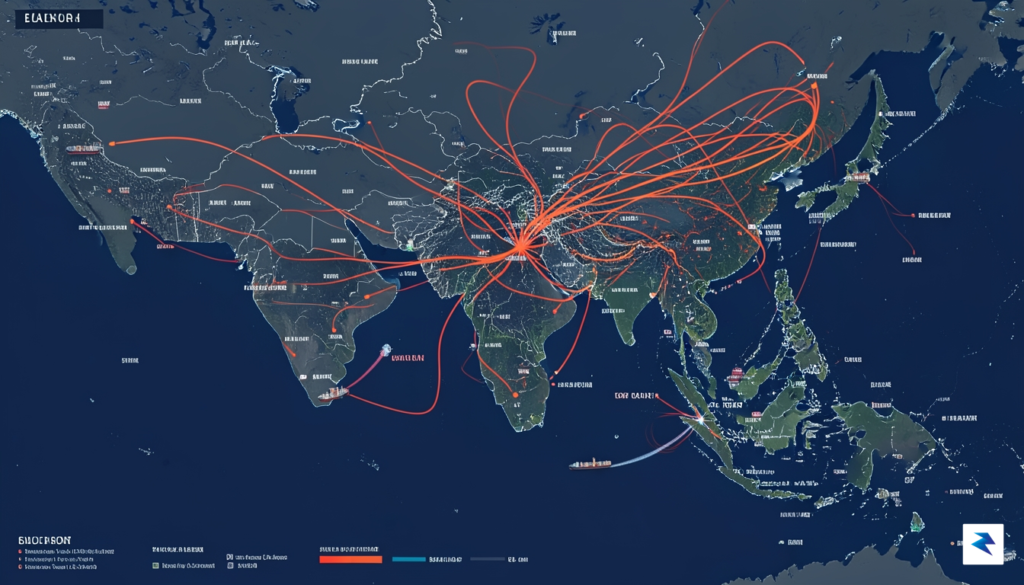
The strategic disparity becomes even more pronounced when examining the struggle to find alternative energy sources during a supply crunch. While China continues to leverage its bilateral political influence to secure preferential pricing with Middle Eastern suppliers, its Asian neighbors are essentially competing against one another in an increasingly tight global market. This competitive scramble not only drives prices higher but also leads to supply chain bottlenecks that ripple through sectors ranging from petrochemicals to electronics.
The structural reliance on spot-market oil has transformed the Strait of Hormuz crisis from a mere geopolitical concern into a direct threat to the manufacturing competitiveness of Japan, South Korea, and India.
Ultimately, the current geopolitical friction serves to widen the economic gap between China and the rest of Asia. As India and its regional peers face the dual challenge of managing high energy prices and tightening monetary policies to curb inflation, China is positioned to maintain steady output levels. This divergence is not merely a matter of geography; it is the result of years of divergent national planning, where China’s focus on energy security as a sovereign imperative has left it significantly more resilient in the face of maritime instability than its counterparts.

For Beijing, the current instability in the Strait of Hormuz is not merely an energy procurement challenge; it is a high-stakes diplomatic tightrope walk that tests the limits of China’s “neutrality” doctrine. While Western powers often view the region through the lens of containment or direct intervention, China has cultivated a reputation as a pragmatic, non-aligned broker. By maintaining open lines of communication with both Tehran and the Gulf Cooperation Council states, China positions itself as the only global power capable of mediating when tensions reach a breaking point. This posture allows Beijing to secure its critical oil imports while simultaneously insulating itself from the political fallout that inevitably follows Western-led regional interventions.
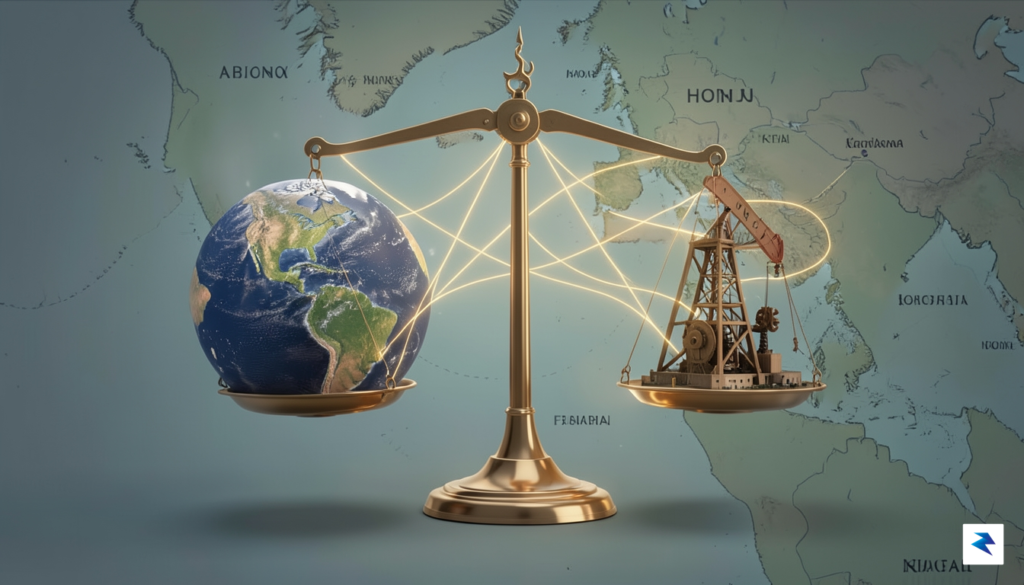
However, this strategy is fraught with significant risks, particularly as China is increasingly viewed as Iran’s primary economic lifeline. By purchasing Iranian crude, often at discounted rates, Beijing provides the necessary fiscal oxygen to keep the Iranian economy afloat despite stringent international sanctions. This financial relationship creates a delicate perception problem: if China is seen as too close to Tehran, it risks alienating its lucrative trading partners in Saudi Arabia and the United Arab Emirates. To mitigate this, Beijing frequently utilizes its seat on the UN Security Council to advocate for de-escalation and regional stability, carefully framing its engagement as a pursuit of “development-first” diplomacy rather than a military alliance.
China’s influence stems not from force, but from its indispensability as a trade partner to all parties involved in the conflict.
Ultimately, Beijing understands that while a contained crisis may offer short-term price advantages, a full-scale regional war would be catastrophic for its long-term economic interests. A total blockade or widespread kinetic conflict in the Strait would send energy prices spiraling and severely disrupt the shipping lanes essential to the Belt and Road Initiative. Consequently, China uses its diplomatic weight behind the scenes to urge restraint, signaling to Tehran that continued access to Chinese markets is contingent upon avoiding a total collapse of regional security. This calculated approach ensures that China remains the “relative winner,” profiting from its unique position as a buyer that no regional player can afford to lose, while successfully avoiding the quagmire of direct military entanglement.
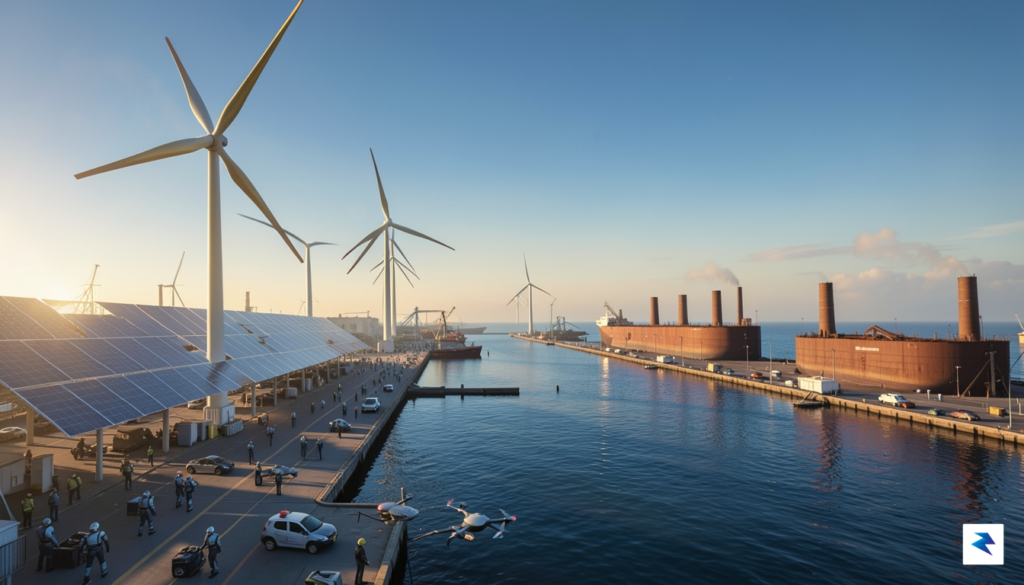
The current volatility surrounding the Strait of Hormuz is more than a localized geopolitical flare-up; it serves as a definitive precursor to a broader, more fragmented architecture of global energy security. For decades, the international community relied on the assumption that maritime chokepoints would remain open corridors governed by a singular, hegemonic naval power. However, as regional actors increasingly exert influence over these vital arteries, the era of unquestioned free passage is being replaced by a complex, multi-polar landscape where energy security is no longer a collective global good but a proprietary asset managed through bilateral diplomacy.
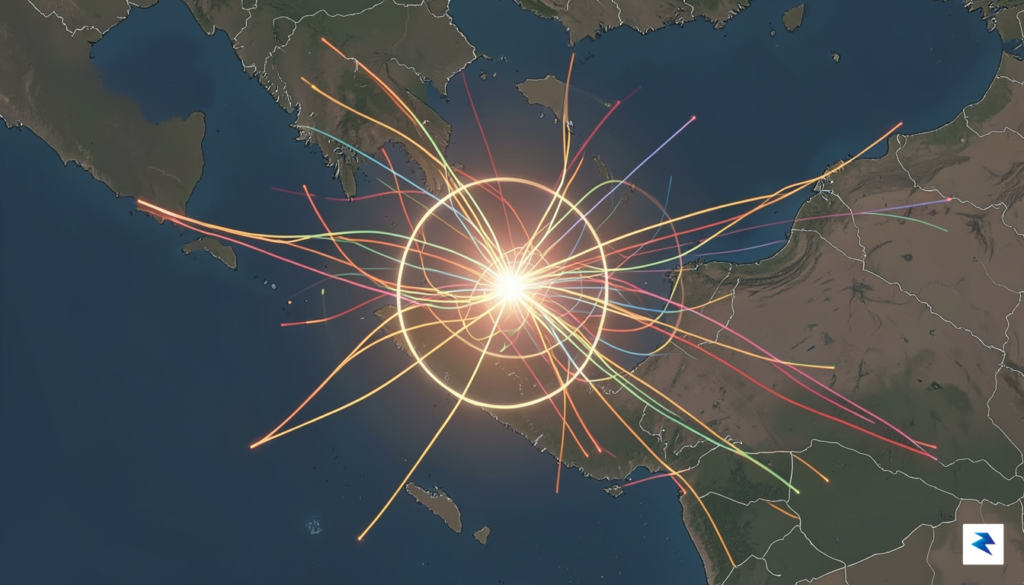
China’s emergence as a relative winner in this climate—leveraging its status as a primary customer for sanctioned and regional oil—is a strategic pivot that carries significant long-term weight. By positioning itself as a neutral, essential partner to Middle Eastern producers, Beijing has effectively insulated its economy from the shocks that paralyze more traditional Western-aligned markets. Yet, this “win” is not without its own latent risks. By relying on narrow bilateral agreements to ensure energy flows, China is tethering its economic security to the stability of volatile regimes and the integrity of a supply chain it cannot fully protect. If regional tensions escalate beyond the ability of diplomatic backchannels to manage, China may find that its transactional approach to energy security lacks the robust institutional safety nets that once defined the global market.
The transition toward a fragmented energy landscape suggests that the next decade will be defined by “energy sovereignty,” where the quest for regional autonomy takes precedence over the efficiency of globalized trade.
Ultimately, the global map of economic power is being redrawn by the dual forces of energy transition and the decline of unipolar maritime dominance. As the world moves toward renewable alternatives, the remaining demand for fossil fuels will likely be met by those who have successfully secured direct, non-market-based channels of supply. This shift invites a new reality: the global market is no longer a singular, monolithic entity governed by price-setting transparency, but rather a patchwork of private alliances. Nations that successfully navigate this transition will be those that view energy not merely as a commodity, but as a strategic lever of geopolitical influence, permanently altering the balance of power between the East and the West.
You must be logged in to post a comment.