
Comcast’s NBCUniversal Spin-Off: The New Era of Media M&A
The Strategic Rationale Behind the Comcast Split The decision to separate Comcast’s cable and broadband infrastructure from its vast content…


For years, the vast architecture of the digital age—our cloud storage, social media feeds, and the burgeoning power of generative artificial intelligence—was viewed by the public as an ephemeral, invisible force. We treated the “cloud” as a metaphorical space, detached from the physical reality of our neighborhoods. However, this perception is rapidly disintegrating as the insatiable demand for processing power necessitates the construction of massive, industrial-scale data centers. These facilities are no longer hidden away in remote, climate-controlled bunkers; they are hungry consumers of land, water, and electricity, increasingly encroaching upon suburban and rural landscapes. As these steel-and-concrete monoliths rise, the abstract concept of digital progress is colliding head-on with the tangible realities of local zoning, environmental preservation, and community identity.
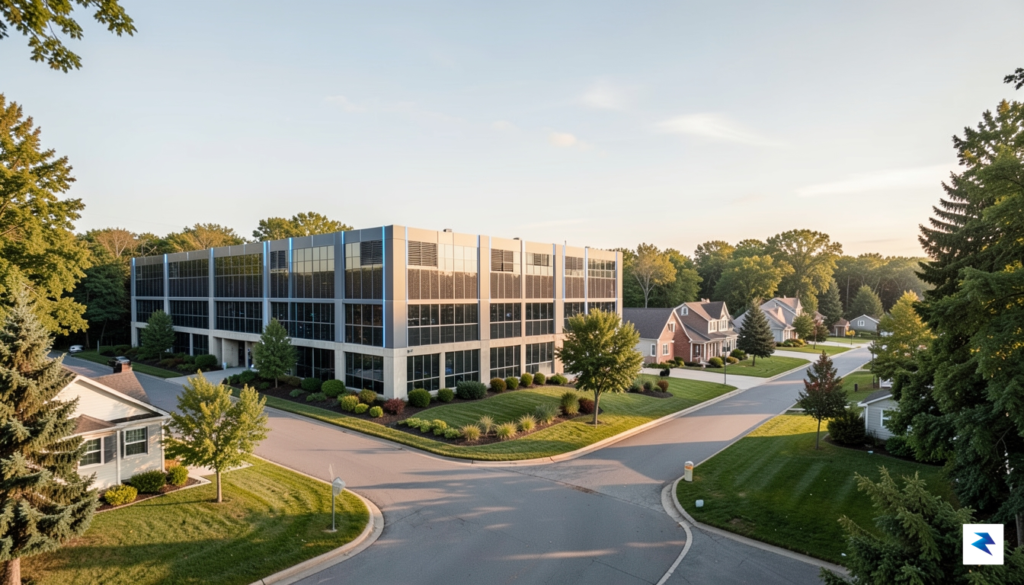
This physical expansion has catalyzed a profound shift in local governance, transforming what was once a routine land-use decision into a high-stakes political flashpoint. The traditional “Not In My Backyard” (NIMBY) sentiment, often dismissed as isolated pockets of resistance, has evolved into a sophisticated, organized movement that demands rigorous policy advocacy and legislative oversight. Citizens are no longer just complaining about construction noise or visual blight; they are mobilizing to question the long-term impact on regional power grids, the depletion of local aquifers, and the tax incentives that often lure these multinational tech giants to their towns. This friction reflects a growing anxiety: the realization that the digital infrastructure required to sustain our modern lifestyle carries a heavy, localized price tag that the communities hosting these facilities are no longer willing to pay without a fight.
The tension represents a fundamental conflict between the global scale of the digital economy and the local scale of democratic accountability.
Nowhere is this shift more evident than in Michigan, where a collision between industrial ambition and grassroots activism is currently unfolding. As state officials attempt to position the region as a hub for the next generation of tech infrastructure, they are meeting a wall of determined opposition from residents who fear that the “data gold rush” will irrevocably alter their quality of life. This is not merely a dispute over property values; it is a complex debate over who gets to define the future of land use in the state. From the corridors of Lansing to the town hall meetings in rural townships, the data center debate has become a litmus test for how Michigan intends to balance the aggressive pursuit of technological advancement with the preservation of its community character and environmental heritage.
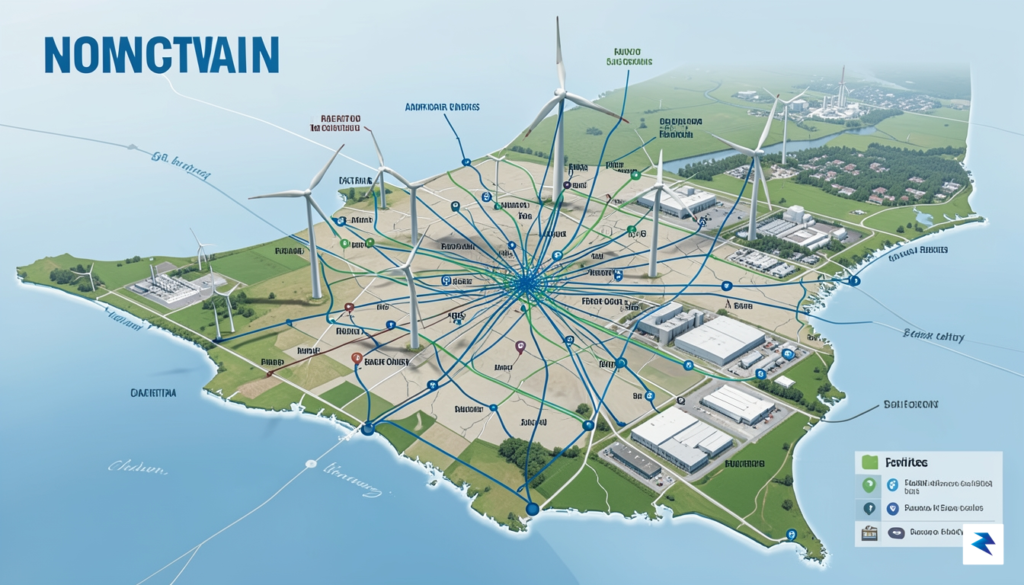
Michigan has emerged as a premier destination for the rapidly expanding data center industry, largely because the state offers a unique convergence of logistical advantages that Big Tech companies find difficult to ignore. Beyond its central location within the Midwest—a strategic asset for minimizing latency across the Great Lakes region—the state boasts a relatively stable power grid and a climate that naturally facilitates the energy-intensive cooling processes required to keep thousands of servers operational. These environmental and structural factors turn Michigan into a prime candidate for massive industrial-scale infrastructure projects, positioning the state as an ideal hub for the next generation of digital storage.
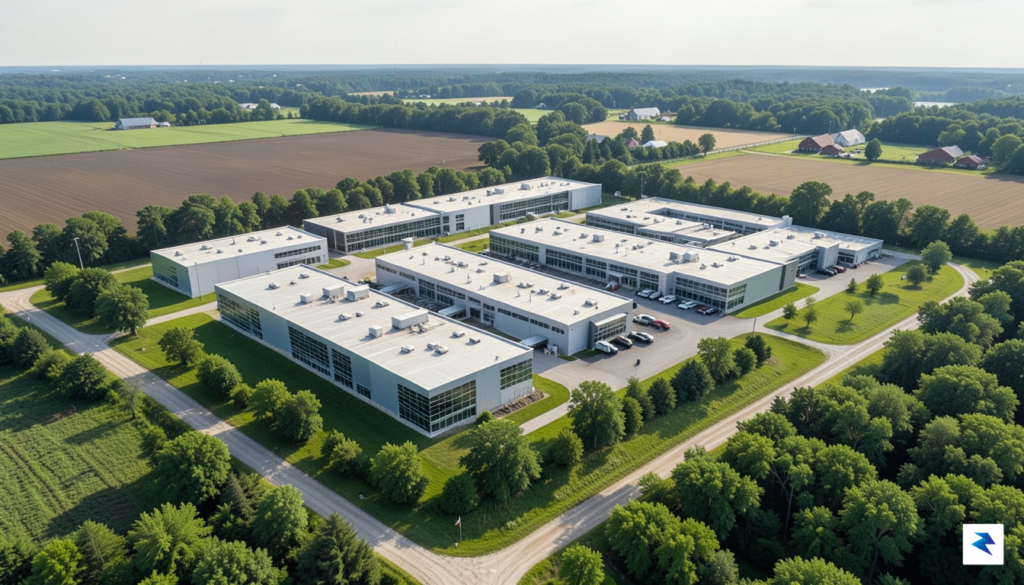
However, the very attributes that draw tech giants to the region are now fueling an intense tug-of-war between economic growth and environmental stewardship. While state officials often view these facilities as catalysts for development, local communities are increasingly vocal about the tangible costs associated with such massive footprints. The strain on regional power grids, which are already struggling to balance industrial demand with residential needs, has become a primary point of contention. Furthermore, the immense water usage required to maintain climate control systems in these facilities has sparked alarm among residents who worry about the long-term impact on local aquifers and the delicate health of the state’s extensive freshwater ecosystems.
The political friction is further compounded by a fundamental divide in priorities between municipal leadership and the local populace. For many small towns, the promise of significant tax revenue serves as a powerful lure, offering a potential solution to stagnant budgets and infrastructure deficits. Yet, these same residents frequently argue that the influx of industrial noise, light pollution, and high-voltage transmission lines erodes the quality of life that defines their communities. This creates a challenging landscape where zoning boards are often caught in the middle, forced to weigh the immediate fiscal benefits of data center tax breaks against the long-term concerns of citizens who feel that their local landscapes are being commodified at the expense of their rural character.
The tension in Michigan demonstrates a broader national shift: the transition from welcoming “any” development to demanding a seat at the table regarding the environmental and social costs of the digital economy.
Ultimately, Michigan is serving as a high-stakes testing ground for how states can reconcile the insatiable demand for digital infrastructure with the legitimate concerns of local populations. As developers seek to scale their operations, they are finding that the “path of least resistance” is no longer a viable strategy. Instead, they are encountering a sophisticated, well-organized anti-data-center movement that is successfully pressuring local governments to enact more stringent zoning laws, environmental impact studies, and community benefit agreements. The outcome of these local battles will likely set a powerful precedent for how the rest of the country approaches the industrialization of the digital cloud.

For activists like Will Lawrence, the transition from broad-based climate advocacy to the granular, high-stakes world of local electoral politics represents a significant evolution in environmental strategy. Having cut his teeth within the ranks of the Sunrise Movement, where the focus remained largely on systemic shifts and national carbon targets, Lawrence and his contemporaries have recently pivoted toward the tangible infrastructure projects rapidly transforming their own backyards. This shift is not merely a change in venue; it is a fundamental recalibration of how environmentalists engage with the digital age. By targeting the proliferation of data centers in Michigan, Lawrence is effectively treating server farms with the same rigorous scrutiny once reserved exclusively for pipelines, coal plants, and traditional heavy industry.
At the heart of this movement is a push for a formal moratorium on data center development, a policy tool designed to force a pause in the frantic “gold rush” of digital infrastructure expansion. Lawrence argues that without a cooling-off period, local municipalities are ill-equipped to handle the immense electricity demands, water usage, and noise pollution that these facilities impose on rural and suburban communities. The argument is simple yet potent: the rapid pace of technological infrastructure development is currently outpacing the local democratic capacity to regulate it. By demanding a moratorium, activists are not necessarily calling for a permanent end to digital growth, but rather insisting that the public interest must take precedence over the rapid deployment of server capacity.
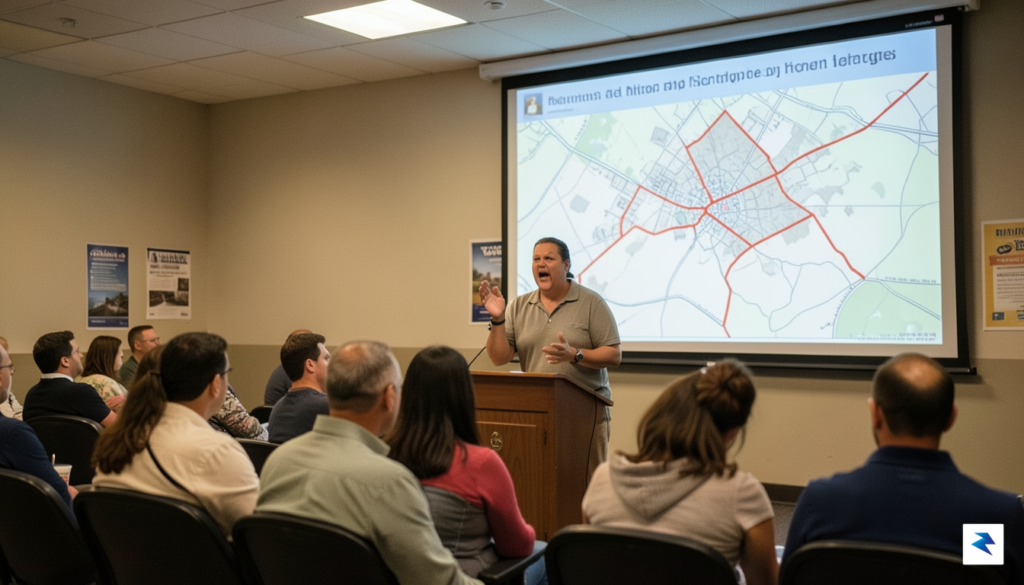
“We are no longer just fighting for abstract climate goals; we are fighting for the right to define what our own communities look like in a digital future,” Lawrence stated, reflecting on the transition from national advocacy to local grassroots organizing.
This strategic pivot toward “pausing” development has become a powerful mechanism for public discourse, transforming technical planning commission meetings into sites of genuine political contestation. When Lawrence and his fellow organizers bring these issues to the ballot box, they are framing data centers as a quintessential local issue that intersects with property values, grid stability, and environmental sustainability. This movement suggests that the “cloud”—often perceived as an invisible, ethereal concept—has a very real, very physical footprint that demands accountability. As Michigan becomes a primary battleground for these developments, the emergence of a localized, moratorium-focused political platform signals that the era of uncontested digital expansion in the state may be drawing to a close, replaced by a new era of proactive, community-led governance.

The promise of the digital age often arrives in the form of massive, windowless warehouses, yet the reality of data center development in Michigan is far more complex than a simple binary of jobs versus conservation. Tech giants frequently pitch these facilities as engines of local prosperity, citing the creation of high-paying construction roles and a significant, long-term injection of property tax revenue that can fund schools and infrastructure. However, beneath the glossy economic projections lies a staggering demand for physical resources. A single hyperscale facility can consume as much electricity as a mid-sized city and millions of gallons of water annually for cooling systems, placing an immense strain on local grids and aquifers. For Michigan communities, the challenge is determining whether the fiscal benefits truly outweigh the long-term degradation of local natural resources and the potential for rising utility costs for existing residents.
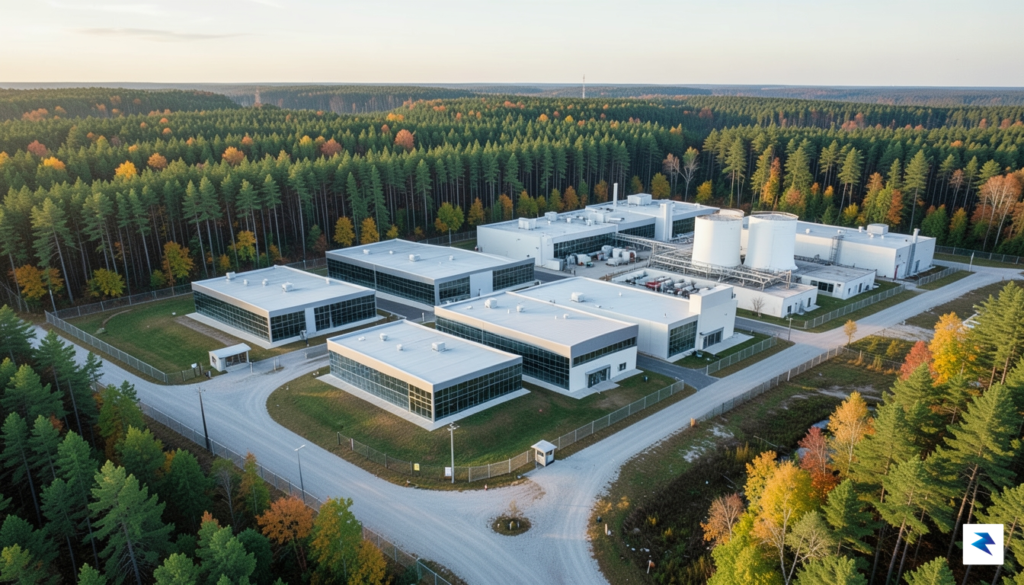
The tension is exacerbated by the fact that data centers are often “low-employment” facilities once construction is complete, meaning they provide few permanent jobs relative to their immense footprint. To bridge this gap, local municipalities are increasingly turning to community benefit agreements as a mechanism for negotiation. These legal contracts serve as a middle ground, requiring developers to go beyond state-mandated requirements by investing in local workforce training, upgrading public power infrastructure to accommodate the load, or even financing renewable energy projects to offset the facility’s carbon footprint. By formalizing these expectations, towns are attempting to shift the power dynamic, ensuring that the burden of industrial-scale energy consumption is matched by tangible, community-led improvements.
The true cost of a data center is not found solely in the construction contract, but in the long-term impact on the community’s primary resources: land, water, and the stability of the local power grid.
Ultimately, the path forward requires a shift in how Michigan approaches industrial zoning and oversight. It is no longer sufficient to view data centers as passive additions to the tax base; instead, they must be treated as critical infrastructure that requires rigorous environmental vetting. Proponents argue that with the right regulatory framework, these facilities can be integrated into the state’s economy without compromising its environmental goals. However, as the debate intensifies across the state, it is becoming clear that any future development must prioritize transparency and long-term sustainability, ensuring that the digital infrastructure of tomorrow does not come at the expense of the natural landscapes that define Michigan today.

As the friction between industrial digital expansion and local community interests intensifies in Michigan, the state is effectively becoming a laboratory for the next generation of infrastructure policy. What unfolds here—the pushback against land use, the scrutiny of water consumption, and the demands for renewable energy integration—is destined to serve as a critical blueprint for other states currently bracing for a similar wave of data center proposals. The inescapable reality is that our collective demand for digital services will not vanish; instead, the physical footprint of the internet is forcing a long-overdue conversation about how we integrate massive technological infrastructure into the delicate fabric of our communities.
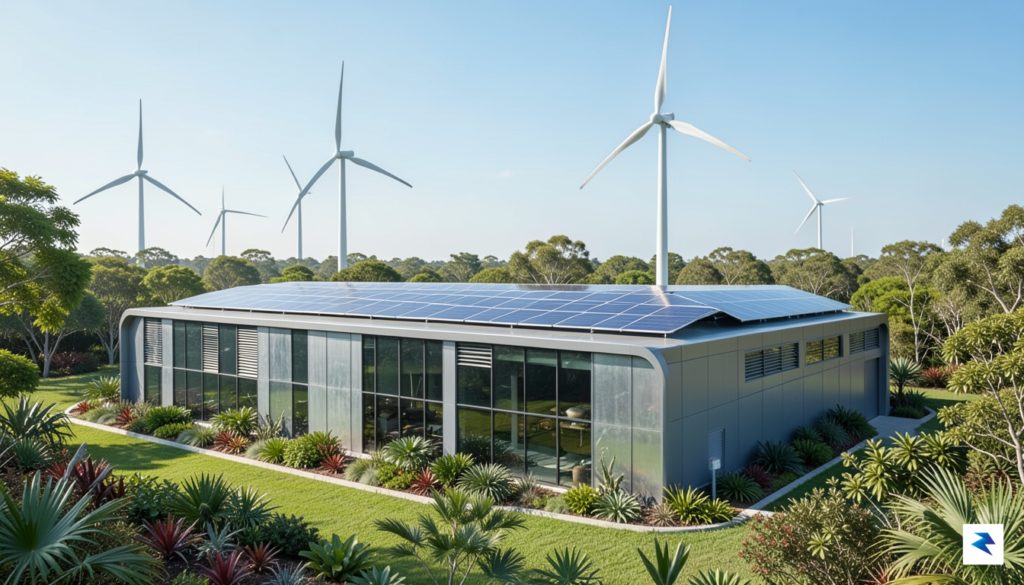
The path forward likely hinges on the rise of “green” data centers that prioritize circular resource management. Rather than merely consuming vast quantities of power and water, future facilities may be required to function as active participants in the local grid, potentially repurposing waste heat for municipal heating systems or investing directly in local renewable energy projects that benefit the surrounding population. This shift requires a move away from the “black box” model of development, where projects are negotiated behind closed doors, toward a framework of radical transparency in utility planning. Residents and local governments are increasingly demanding that tech giants provide clear, long-term impact studies that account for the cumulative strain on regional power grids and groundwater supplies before shovels ever hit the dirt.
True sustainability in the tech sector requires moving beyond carbon offsets and toward physical, local accountability that respects the environmental limits of the host community.
Ultimately, this movement is not about halting technological progress, but rather about redefining the terms of that progress. There is a tangible opportunity for tech companies and activists to find common ground through more robust, modern regulatory frameworks. By establishing clear standards for water usage, energy efficiency, and community benefit agreements, policymakers can create a more predictable environment for developers while ensuring that residents are not forced to trade their quality of life for global digital connectivity. As we look toward the future, the lessons learned in Michigan suggest that the most successful tech companies will be those that view transparency and environmental stewardship not as regulatory hurdles, but as essential pillars of their social license to operate in an increasingly watchful world.
You must be logged in to post a comment.