
The Evolution of the Bed-in-a-Box Industry
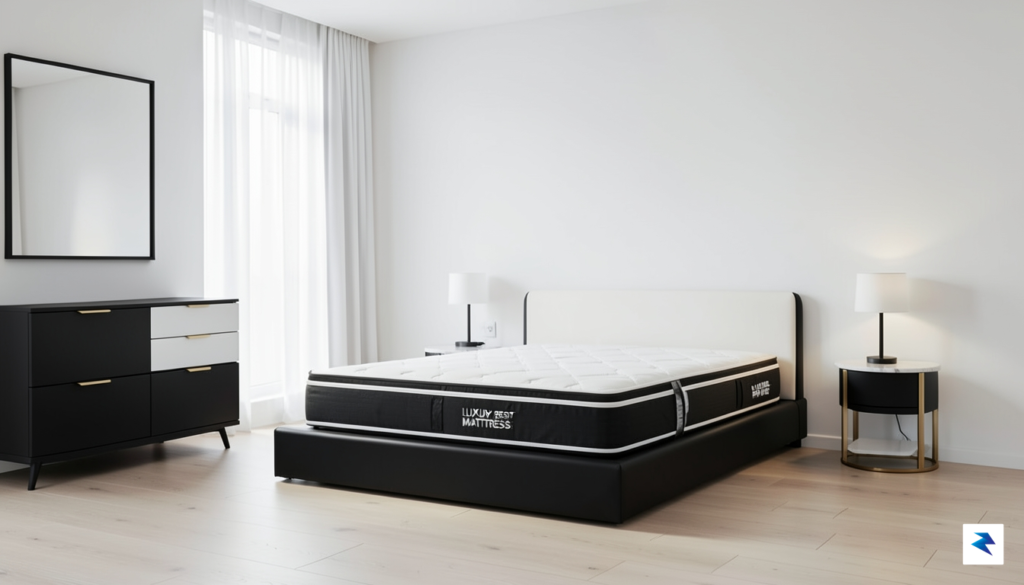
The days of navigating high-pressure showrooms, where a salesperson watches your every move while you awkwardly test a mattress for three minutes, are quickly becoming a relic of the past. In 2026, the mattress industry has fully transitioned into the era of the “bed-in-a-box,” a direct-to-consumer revolution that prioritizes convenience and accessibility. While the ease of having a premium sleep system delivered directly to your doorstep is undeniably appealing, the sheer volume of choices has created a paradox of decision fatigue. With hundreds of brands now vying for your attention through aggressive social media marketing and proprietary foam technologies, discerning legitimate quality from clever branding has never been more difficult.
This shift toward e-commerce necessitates a new approach to how we evaluate sleep surfaces. Unlike traditional retail, where you could physically touch the material before purchasing, modern buying relies heavily on digital specifications and the promise of generous trial periods. However, a 30-day or even 100-night trial can be misleading if you do not understand how a mattress settles over time. Initial impressions are often skewed by the “newness” of a product, whereas true support and spinal alignment only reveal themselves after weeks of consistent use. Consequently, our methodology has evolved to prioritize long-term performance testing over the fleeting comfort of a first-night experience.
True mattress quality is not found in the initial bounce of a showroom floor sample, but in the structural integrity of the support core after six months of nightly wear.

Beyond the logistical changes, consumer anxiety remains centered on three primary pillars: durability, support, and the persistent, often misunderstood, concern surrounding “off-gassing.” Many shoppers fear that modern synthetic foams lack the longevity of traditional innersprings, yet advancements in high-density memory foams and hybrid constructions have largely debunked this worry. Regarding off-gassing—the faint chemical scent that can accompany a new foam mattress—the reality is that almost all modern, reputable brands now utilize CertiPUR-US certified materials that are low in volatile organic compounds. By moving away from the showroom floor, consumers have gained the ability to test products in their own environments, making the “at-home trial” the single most important tool in the modern shopper’s arsenal to ensure their investment truly supports their specific ergonomic needs.
How We Rigorously Tested 100+ Mattresses

A mattress is far more than a simple piece of bedroom furniture; it is a long-term investment in your physical recovery and daily vitality. Recognizing the stakes, our testing team dedicated months to an exhaustive evaluation process, putting over 100 current mattress models through a grueling gauntlet of stressors designed to mimic the unpredictable nature of real life. We moved beyond simple showroom “sit tests,” which often mask the structural failings that only emerge after prolonged use, to provide you with truly actionable guidance.
To ensure our findings are grounded in reality rather than mere marketing claims, each mattress underwent a mandatory one-week break-in period. This duration is critical, as foam density and coil tension require time to stabilize under the weight of a human body, revealing the true level of comfort a sleeper will experience after the initial unboxing phase. Throughout this period, we meticulously documented performance across four non-negotiable pillars of sleep quality:
- Edge Support: We tested the perimeter integrity to see if the mattress could support a seated adult without collapsing, a vital metric for those who use their bed as a secondary workspace or struggle with mobility.
- Motion Isolation: Using controlled weight distribution tests, we measured how effectively each model dampens movement, ensuring that a restless partner or pet won’t disrupt your sleep cycle.
- Temperature Regulation: We utilized thermal imaging to track heat dissipation, identifying which materials trap body heat and which utilize advanced cooling technologies to maintain a neutral sleeping surface throughout the night.
- Pressure Relief: By mapping pressure points across the shoulders, hips, and lower back, we assessed how well the mattress contours to the body’s natural alignment to prevent aches and numbness.
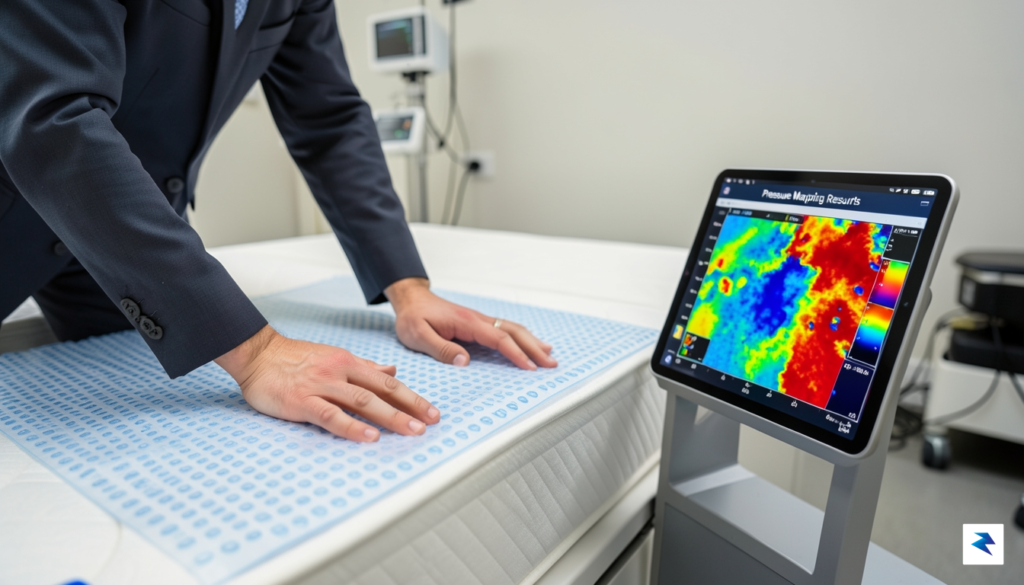
While subjective comfort is undeniably important, it is often misleading when considered in a vacuum. Therefore, we deliberately balanced our qualitative sleep logs with objective biomechanical support data. A mattress might feel “plush” or “cozy” for the first ten minutes, but if it fails to provide the deep spinal alignment necessary for restorative REM sleep, it is fundamentally a poor choice for long-term health. By cross-referencing user feedback with data-driven performance metrics, we have filtered out the marketing noise to highlight only those models that bridge the gap between initial luxury and sustained, scientific support.
True sleep quality is found at the intersection of material science and ergonomic alignment; we prioritize the latter to ensure your investment pays off in health, not just comfort.
Our commitment to transparency means that we do not simply rely on manufacturer specifications, which often overlook the variance in manufacturing batches. Instead, we have manually rotated, slept on, and stress-tested every model to ensure that our recommendations hold up under the weight of daily use. Whether you are a side sleeper seeking pressure relief or a back sleeper in need of firm lumbar support, our methodology ensures that the rankings provided are based on how these mattresses actually perform when the lights go out and the day’s work is done.
Decoding Mattress Materials: Hybrid vs. Foam
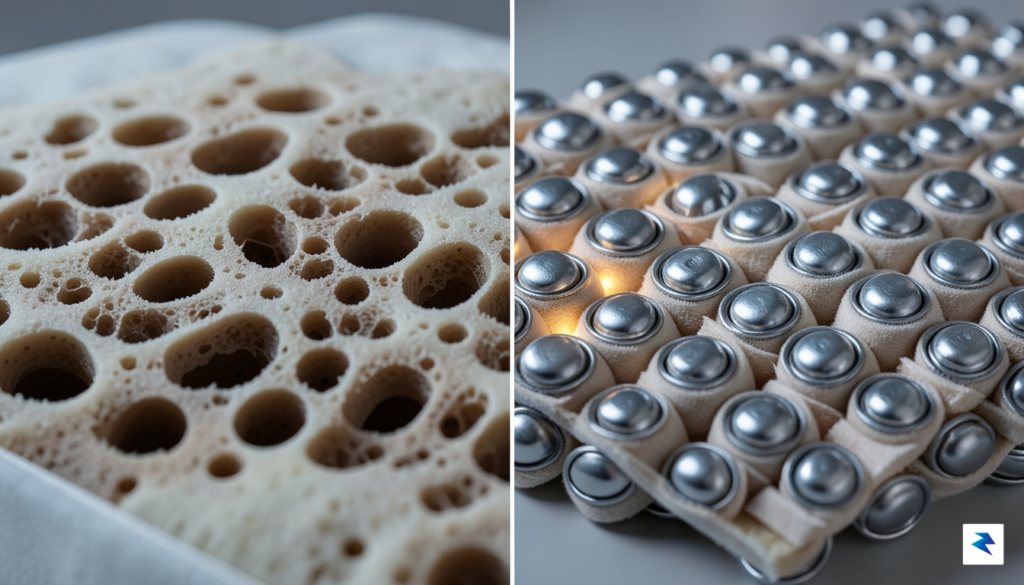
Not all beds are created equal, and the sheer variety of materials on the market today can feel overwhelming. To make an informed decision, you must first understand how different core constructions interact with your body’s unique geometry. At its most fundamental level, the choice often comes down to the deep, viscous contouring of memory foam versus the structural support and breathability found in hybrid systems.
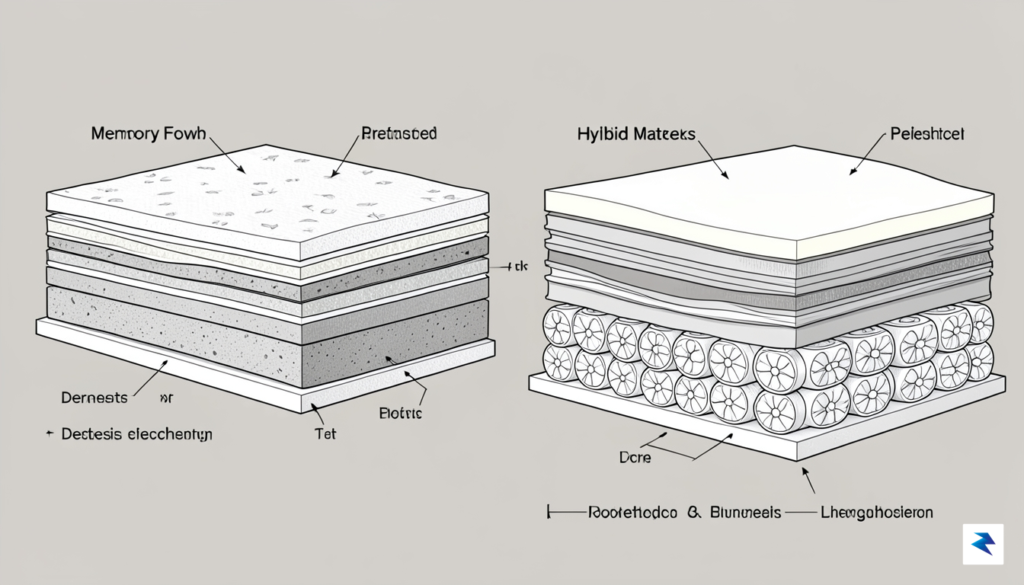
The Foam Experience: Contouring and Pressure Relief
Memory foam has long been the gold standard for those who prioritize pressure relief. Because this material is heat-sensitive and slow-responding, it effectively “hugs” the body, distributing weight evenly across the surface. This creates a sensation of sleeping in the mattress rather than on it, which is excellent for individuals with joint pain or those who suffer from pressure points in the shoulders and hips. However, traditional memory foam can sometimes trap body heat, so if you are a naturally hot sleeper, look for modern iterations infused with cooling gels or copper-conductive materials to help regulate your temperature throughout the night.
Hybrid Systems: Airflow and Responsiveness
If you find that the “stuck-in-the-mud” feeling of foam hinders your movement, a hybrid mattress is likely the superior choice. By combining a base of individually wrapped steel coils with layers of comfort foam or latex on top, hybrids provide the best of both worlds. The coils act as a support system that encourages airflow, significantly reducing heat retention compared to all-foam alternatives. Furthermore, the inherent bounce of a spring-based core makes it much easier to change positions during the night, which is a major advantage for active sleepers or couples who need to minimize motion transfer without sacrificing ease of movement.
For sleepers who want the best of both worlds, hybrid mattresses bridge the gap by offering the responsive lift of coils with the localized comfort of high-density foams.
Considering Latex: The Eco-Conscious Alternative
Beyond the common foam-versus-hybrid debate, latex remains a standout material for those seeking longevity and natural materials. Derived from the sap of rubber trees, natural latex is inherently antimicrobial, hypoallergenic, and dust-mite resistant. Unlike memory foam, latex is highly responsive and pushes back against the body, offering a buoyant, floating sensation. It is an ideal pick for heavier individuals who require extra support to prevent “bottoming out,” as well as for eco-conscious shoppers looking for a durable mattress that maintains its integrity for over a decade.
- Lightweight Sleepers (<130 lbs): Generally benefit from softer memory foam mattresses that allow for enough sinkage to trigger the material’s pressure-relieving benefits.
- Average-Weight Sleepers (130-230 lbs): Can usually sleep comfortably on any construction, though hybrid models often provide the most balanced feel for various sleeping positions.
- Heavyweight Sleepers (230+ lbs): Often find the most success with hybrid or latex mattresses, as the coil base provides the necessary structural reinforcement to keep the spine aligned throughout the night.
Finding Your Match: Sleep Positions and Firmness
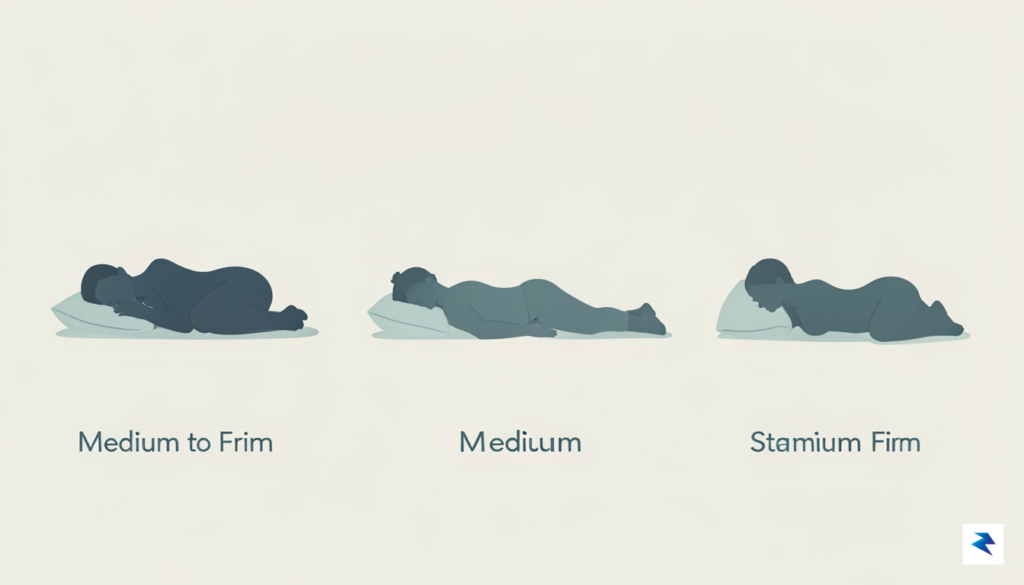
While the mattress industry often presents firmness as a matter of personal preference, the science of sleep ergonomics tells a more rigid story. True comfort is not just about how the bed feels when you first lie down; it is about how your spine maintains its natural “S” curve throughout the night. If your mattress is too soft, your hips may sink too far, pulling your spine out of alignment. Conversely, if it is too firm, you may experience uncomfortable pressure points that force you to toss and turn. To simplify the shopping process, we categorize firmness on a standard scale of 1 to 10, where 1 represents an ultra-plush, cloud-like feel and 10 is as firm as a carpeted floor.
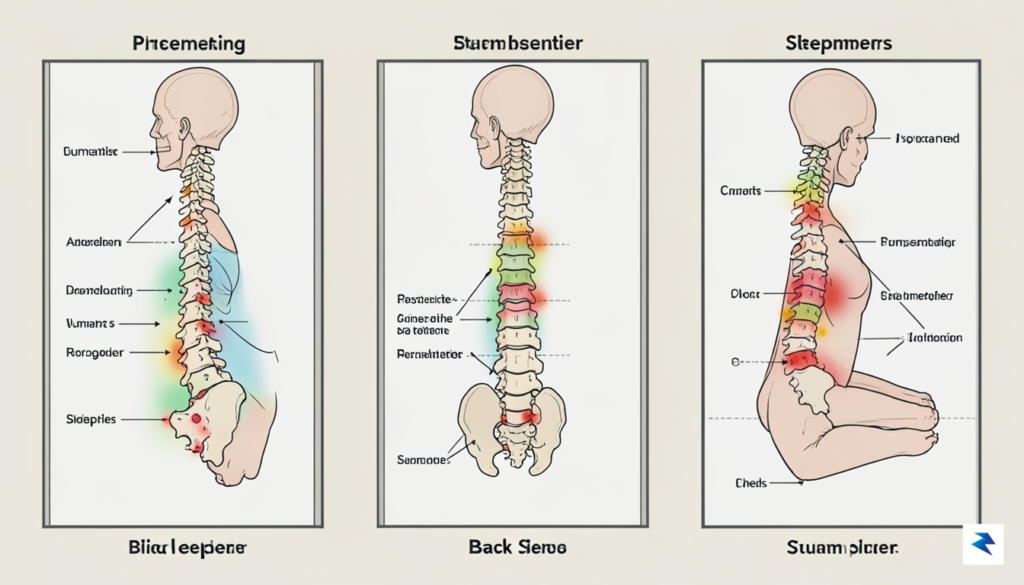
Tailoring Support to Your Sleep Style
Your primary sleep position dictates the level of “give” you need from your mattress to achieve optimal spinal health. Side sleepers generally require a softer surface—typically in the 4 to 6 range—to allow the shoulders and hips to sink just enough to keep the spine straight. Without this targeted pressure relief, side sleepers often wake up with numb limbs or localized pain in their joints. If you find yourself curling into a fetal position, you likely need a mattress with a plush comfort layer that contours specifically to your body’s widest points.
Back sleepers occupy the middle ground, usually finding the most relief on a medium-firm mattress, sitting between a 6 and 7. The goal here is to balance support for the lower back with enough cushioning to cradle the buttocks and shoulders. If the bed is too soft, your lumbar region will sag, leading to chronic back pain. If it is too hard, you create a gap between your lower back and the mattress, which prevents your muscles from fully relaxing. A medium-firm surface acts as a bridge, filling that natural lumbar curve while maintaining structural integrity.
Stomach sleepers face the most significant challenge, as this position naturally encourages the pelvis to sink, which can dangerously hyperextend the spine. To prevent this, stomach sleepers require a firmer surface, generally an 8 or higher, to keep the torso elevated and aligned with the legs and head. While it may feel counterintuitive to sleep on a firmer surface, the added resistance prevents the “hammock effect” that is the primary culprit behind morning stiffness for those who favor their front. Regardless of your preferred position, the best mattress is one that provides enough resistance to support your weight while offering enough pressure relief to prevent inflammation.
The golden rule of mattress shopping is simple: prioritize alignment over comfort. If your spine remains neutral, your muscles will recover more efficiently, and your quality of sleep will improve regardless of the specific material or brand you choose.
The Helix Midnight Luxe: Why It Leads the Pack
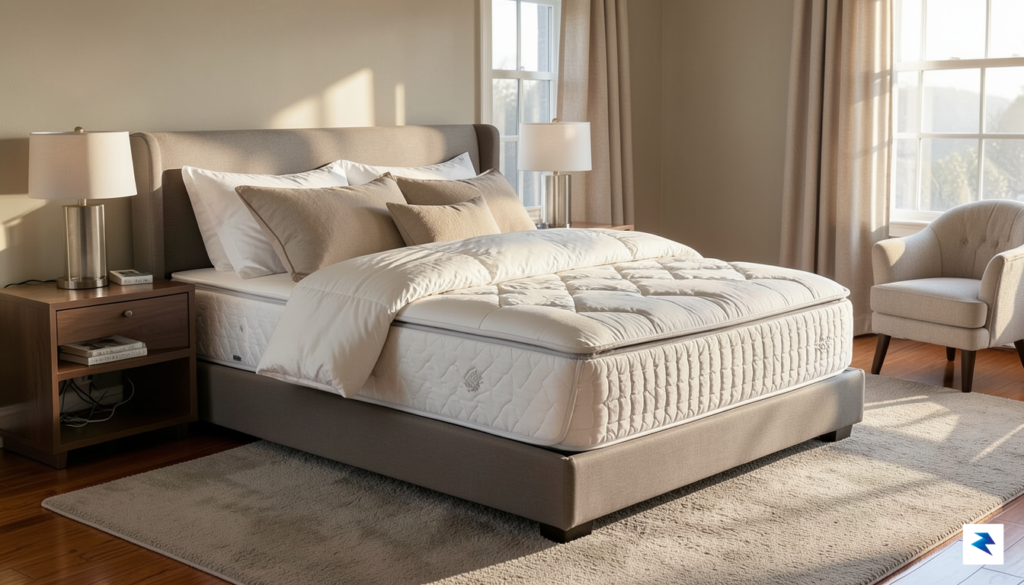
After putting more than 100 mattresses through rigorous testing cycles, one model consistently outperformed the competition across every key metric: the Helix Midnight Luxe. While the market is flooded with specialized foam beds and budget-friendly options, this hybrid mattress stands as the definitive gold standard for 2026. Its dominance isn’t merely a result of subjective comfort; it stems from a sophisticated, multi-layered architecture designed to solve the most common complaints sleepers face, such as localized pressure points, heat retention, and inadequate spinal alignment.
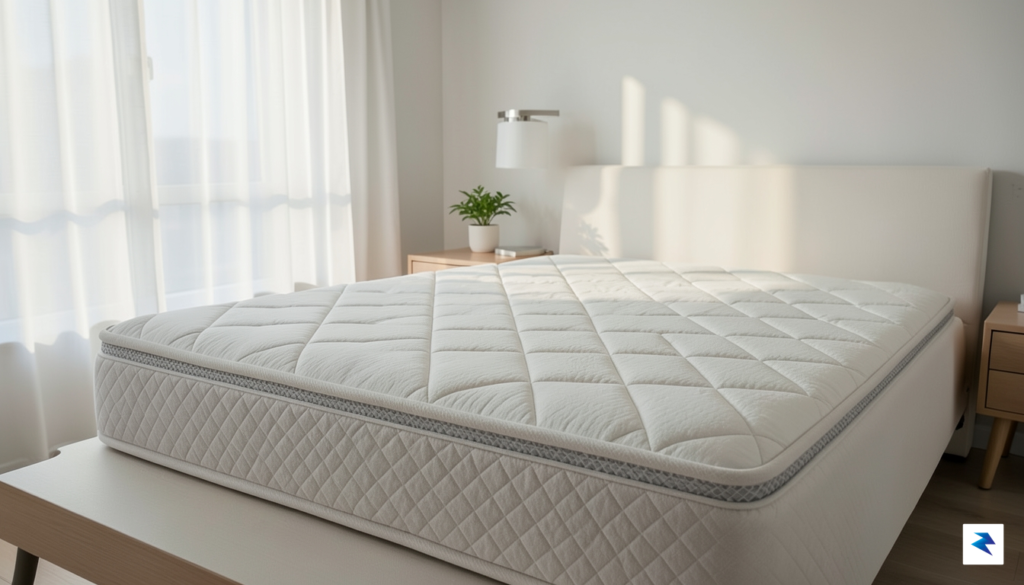
The secret to its versatility lies in the brand’s proprietary zoned support system. By utilizing firmer coils in the center third of the mattress, the Helix Midnight Luxe ensures that the hips remain properly aligned with the shoulders, preventing that dreaded “hammock” feeling that often plagues softer beds. This structural integrity is paired with a precision-engineered transition layer that responds dynamically to weight and movement, making it an exceptional choice for couples who have different body types or sleeping positions. Whether you rotate between your back and side throughout the night, the bed adapts instantly, providing the necessary pushback to keep your spine neutral without sacrificing the plush, cloud-like surface feel.
The Helix Midnight Luxe achieves the rare balance of responsiveness and pressure relief, making it the most versatile hybrid we tested for diverse sleeping needs.
Beyond its internal support, the mattress addresses the temperature regulation issues that frequently disrupt sleep cycles. The surface is wrapped in a premium Tencel cover that feels cool to the touch and wicks away moisture, working in tandem with a specialized phase-change material layer integrated just beneath the surface. This cooling technology actively draws heat away from the body during the first few hours of the night, maintaining a consistent thermal environment that prevents the overheating common in traditional memory foam mattresses. Furthermore, the hybrid construction—which combines high-density comfort foams with a robust pocketed coil base—promotes significant airflow, ensuring the mattress breathes throughout the night.
Ultimately, the Helix Midnight Luxe earns its top spot because it refuses to compromise. It manages to deliver the luxurious, hotel-quality feel that most people crave while maintaining the structural durability required for long-term daily use. For both individuals seeking a restorative sanctuary and couples who need to minimize motion transfer while maximizing edge support, this model represents the most thoughtful marriage of high-end materials and ergonomic design currently available on the market.
Smart Shopping Tips for Online Mattress Purchases

Transitioning to an online mattress purchase offers unparalleled convenience, but it requires a strategic mindset to ensure you don’t end up with a bed that doesn’t suit your needs. The most critical safeguard in your digital shopping journey is the sleep trial. Aim for a minimum of 100 nights; your body typically needs at least three to four weeks to adjust to the alignment and pressure-relief profile of a new surface. If a company offers anything less than this window, be wary, as it may suggest a lack of confidence in their product’s ability to satisfy a diverse range of sleepers over the long term.

Beyond the trial period, you must master the art of reading warranty fine print. A “lifetime warranty” sounds appealing, but it often includes restrictive clauses regarding the type of bed frame required or the specific depth of body indentations—typically measured at 1 to 1.5 inches—that qualify as a defect. Before clicking buy, search for the manufacturer’s warranty document and pay close attention to who covers the shipping costs for returns or repairs. You want a policy that is transparent about “non-prorated” coverage, which ensures the company takes full responsibility for manufacturing flaws for a reasonable duration of the mattress’s lifespan.
Timing Your Purchase for Maximum Value
While the mattress industry is notorious for near-constant discounting, certain times of the year are objectively superior for securing a lower price. Holiday weekends—specifically Presidents’ Day, Memorial Day, July 4th, Labor Day, and Black Friday—are when you will find the most aggressive markdowns and bundled freebies like pillows or sheets. If you aren’t in an immediate rush, tracking the price of your target model for a few weeks can help you avoid buying during a “fake” sale, where the price has been artificially inflated just to show a discount. Setting up price alerts or signing up for newsletters a week before a major holiday is a pro move to ensure you capitalize on the deepest cuts.
Before finalize your order, verify that the return process is truly “hassle-free.” The best companies will send a courier to haul the mattress away for donation or recycling, rather than requiring you to box it back up yourself, which is practically impossible once the bed has expanded.
Before you hit the final checkout button, run through this mental checklist to confirm you have done your due diligence:
- Foundation Compatibility: Have you confirmed that your current bed frame or adjustable base is compatible with the mattress type you are ordering?
- Return Logistics: Does the company handle the pickup for returns, or are you responsible for the logistics and potentially hefty return shipping fees?
- Trial Terms: Is the sleep trial period clearly stated in your order confirmation email so you have a record to reference?
- Hidden Fees: Are there any “restocking fees” or “environmental disposal fees” tucked away in the terms of service that could surprise you during a return?
By treating the purchase as a research project rather than a simple transaction, you protect your investment and ensure your bedroom remains a sanctuary for years to come. Remember that a great mattress isn’t just about the initial comfort; it is about the peace of mind that comes from knowing you are supported by a company with strong, customer-friendly policies.