The Evolution of AI Beyond the Screen
For years, the development of artificial intelligence has been confined to the digital realm, trapped within the glass boundaries of monitors and the rigid structures of integrated development environments (IDEs). While large language models and code-generation tools like Codex have revolutionized how we write syntax, they remain fundamentally detached from our physical reality. We have spent decades interacting with these powerful systems through the narrow bottleneck of a keyboard and mouse, forcing a disconnect between the speed of human intent and the mechanical reality of keystrokes. This software-only paradigm, while efficient for text generation, often fails to account for the fluid, multi-sensory nature of creative problem-solving, leaving a significant gap between what a developer envisions and what they can actually execute.
The recent pivot toward hardware-integrated AI represents a fundamental shift in how we perceive the utility of intelligence. Companies like OpenAI are no longer satisfied with simply providing a chatbot interface; they are beginning to explore how AI might manifest as a tangible partner in the workspace. By moving beyond the browser, OpenAI is looking to create devices that can interpret intent through more natural, tactile inputs, effectively shortening the distance between a concept and its functional realization. This transition is not merely about novelty; it is about ergonomics, latency, and the integration of machine intelligence into the physical flow of a professional’s daily routine.
Why move toward physical hardware now? The answer lies in the limitations of current digital workflows. When a developer relies solely on a screen, they are limited by the visual real estate and the sequential nature of typing. Hardware, by contrast, offers the potential for dedicated interfaces—physical knobs, haptic feedback sliders, or gesture-based sensors—that allow for high-bandwidth communication with AI models. These tools could act as a bridge, allowing a programmer to “sculpt” code or architectural logic in real-time, rather than just describing it in text. This shift suggests that the future of productivity is not found in a faster screen, but in a more deeply integrated physical environment where the machine understands not just what you write, but how you work.
The most profound technologies are those that disappear into the background of our lives, transforming our intent into reality without the friction of traditional input methods.
As we look toward this hardware-centric future, it becomes clear that the role of the developer is evolving from a manual typist to an orchestrator of intelligent systems. By embedding AI into the physical tools of the trade, we can expect a future where the machine acts as a co-pilot that shares our physical space, responding to context in ways that a browser window never could. This is the ultimate promise of the hardware shift: to remove the friction of the interface entirely, allowing our creative momentum to remain uninterrupted as we move from the spark of an idea to the final, functional result.
Decoding the Codex Teaser: What We Know
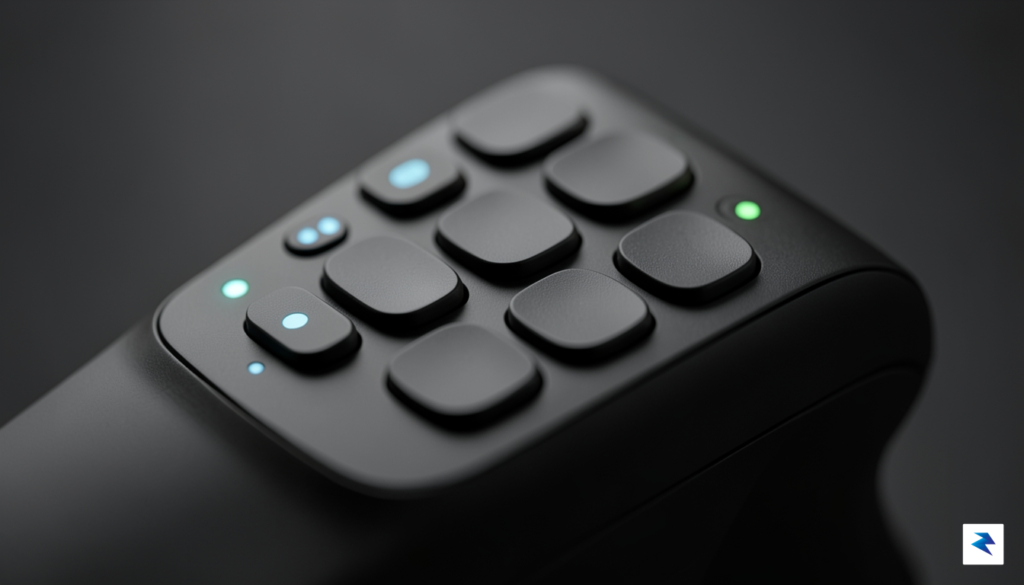
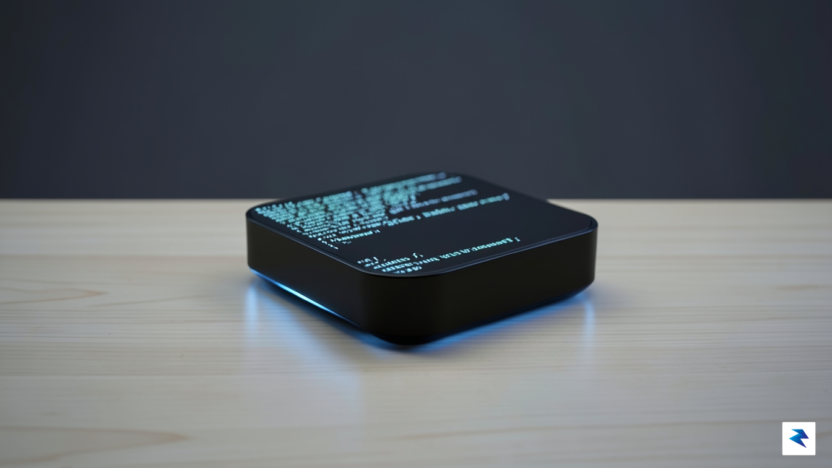
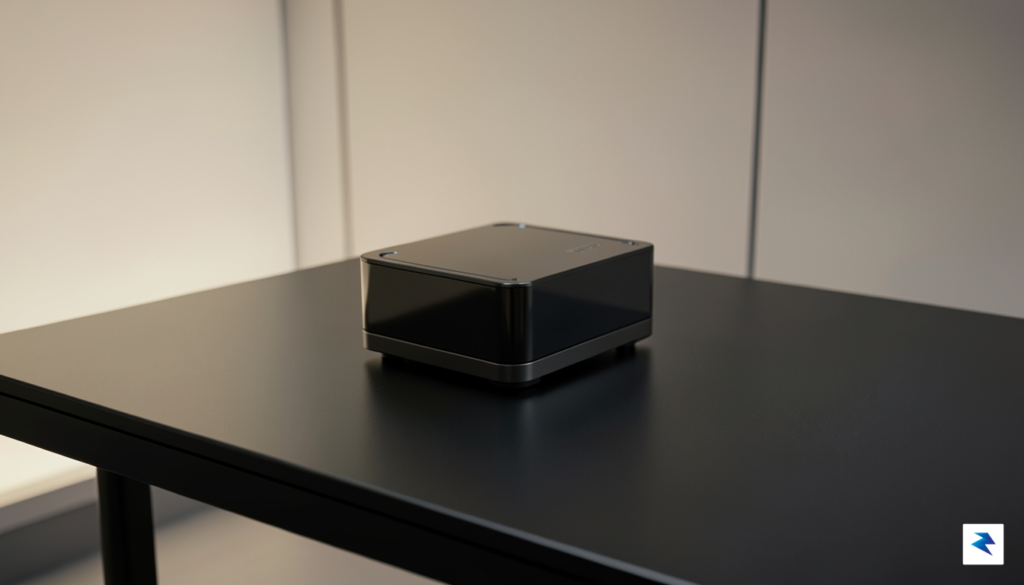
The tech world was set ablaze on July 15th when a cryptic, minimalist video appeared on OpenAI’s social media channels, offering a fleeting glimpse into what appears to be the company’s first foray into dedicated physical hardware. The teaser centers on a compact, square-shaped device that defies the current trend of sleek, screen-heavy mobile gadgets. Instead of prioritizing a high-resolution display, the hardware features tactile physical buttons, immediately signaling a departure from the general-purpose smartphone model. This design choice suggests that OpenAI is not looking to compete with the iPhone or Android ecosystem, but rather to create a highly specialized tool tailored specifically for the rigorous demands of software engineering and iterative development workflows.
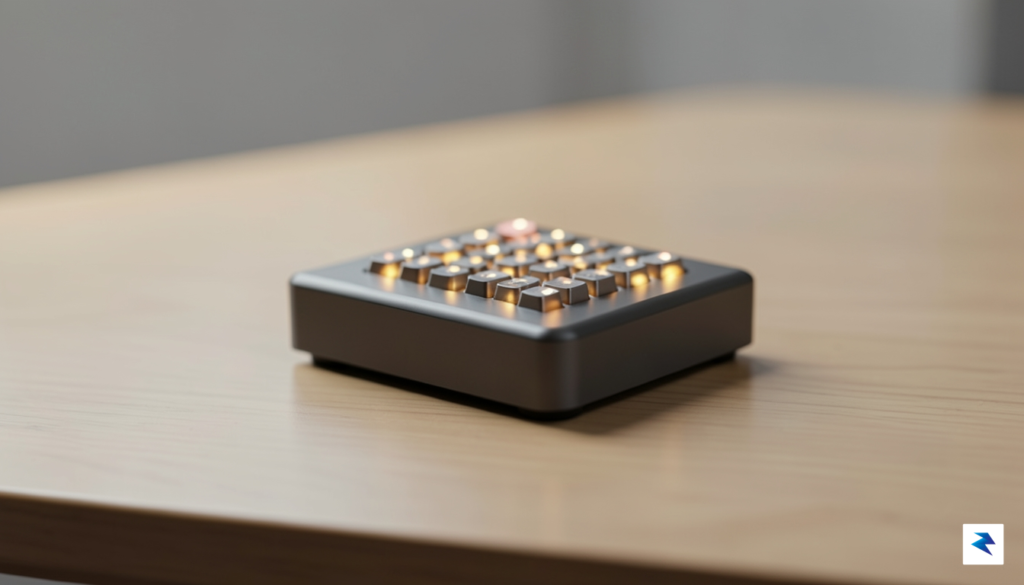
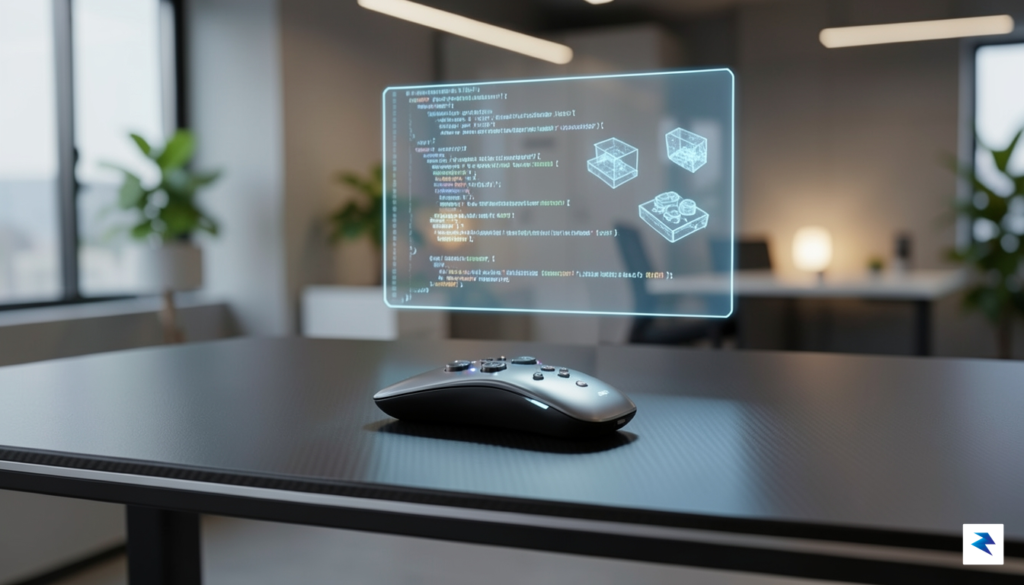
When analyzing the visual cues provided in the short clip, it becomes clear that the device is intended to be an extension of the developer’s workspace rather than a standalone computing platform. The presence of distinct, clickable inputs strongly points toward a macro-pad or a dedicated controller designed to map complex “Codex shortcuts” directly to the user’s fingertips. For developers who spend hours navigating IDEs, running terminal commands, and managing version control, the ability to trigger these actions via physical hardware could drastically reduce the cognitive load of context switching. By offloading repetitive syntax tasks or AI-driven code suggestions to a dedicated peripheral, OpenAI seems to be betting on the idea that tactile feedback is the missing link in modern AI-assisted programming.
The true efficiency of AI-powered development may not lie in larger models, but in how seamlessly we can interact with them during the flow of writing code.
Speculation regarding the device’s functionality has centered on its role as an input peripheral meant to streamline the integration of Codex into daily coding rituals. If this device acts as a physical interface for OpenAI’s coding models, it could potentially allow developers to trigger refactoring, generate documentation, or execute unit tests with a single button press. This focus on developer efficiency represents a strategic pivot: rather than forcing the user to toggle between their code editor and a web-based chat interface, the hardware creates a persistent, “always-on” connection to the AI. As we approach the full unveiling, the industry is watching closely to see if this represents a new category of “AI-first” peripherals that prioritize throughput and ergonomic input over the traditional graphical user interface.
Ultimately, the July 15th announcement serves as a calculated teaser for a product that addresses the specific pain points of modern software construction. By narrowing the scope to developer-centric workflows, OpenAI is positioning this hardware as a professional tool—one that favors precision and speed. Whether this device serves as a universal macro-pad or a proprietary controller specifically tuned for their own coding environments, the intent is clear: to make the interaction between human logic and machine intelligence feel as natural as pressing a key on a mechanical keyboard.
Why Hardware Matters for Modern Developers
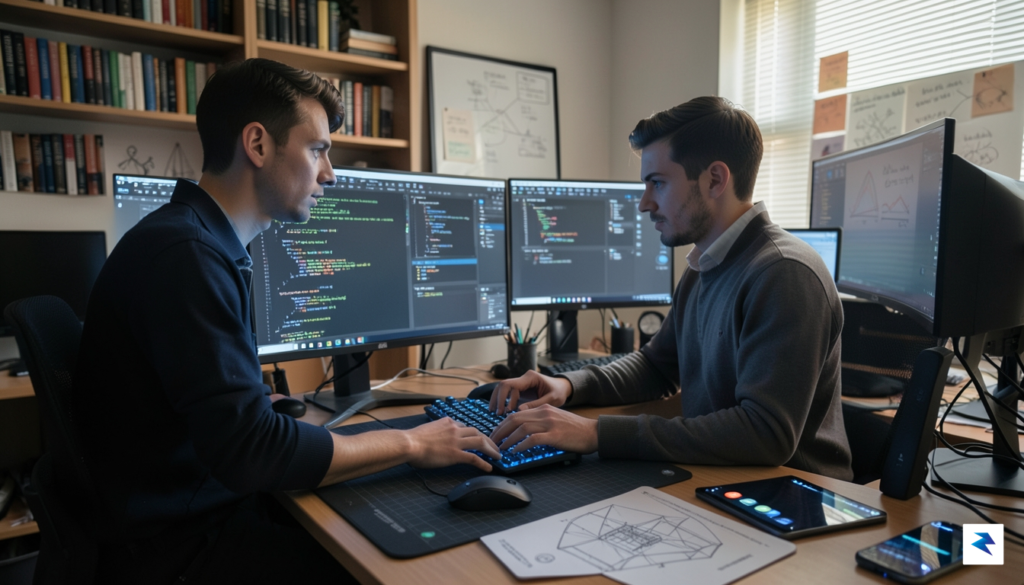
For the modern software engineer, the barrier between an abstract idea and a functional script is rarely the logic itself, but rather the friction of the interface. While large language models like Codex have revolutionized how we generate code, our interaction with these powerful engines is still mediated by the antiquated constraints of a standard QWERTY keyboard and mouse. Physical hardware offers a profound shift in this dynamic by reintroducing tactile feedback into a digital process that has become increasingly ethereal. When a developer relies solely on software-based command palettes or repetitive mouse clicks, they are forced to constantly break their cognitive momentum to navigate menus, resulting in a fractured mental state that interrupts the elusive “flow state.” By introducing dedicated physical inputs, we can translate complex AI-driven workflows into singular, reflexive gestures.
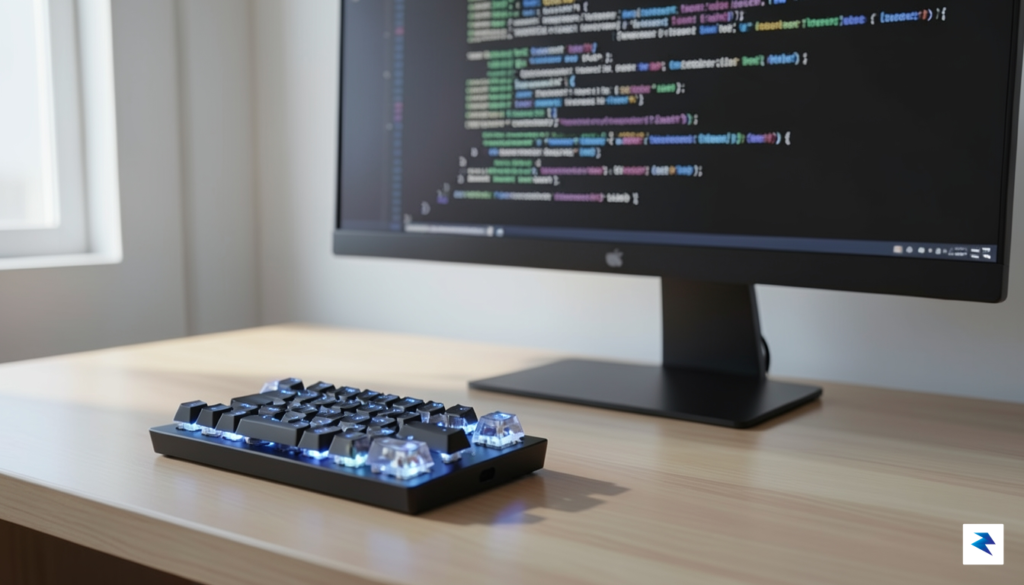
The psychological benefit of tactile input lies in the development of “muscle memory,” a phenomenon that allows the brain to offload repetitive tasks from the conscious mind to the procedural memory centers. When a developer can trigger an AI code suggestion, initiate a test suite, or refactor a block of logic with a dedicated, weighted physical button, they eliminate the need to scan a screen or navigate a dropdown menu. This reduction in cognitive load is significant; it preserves the developer’s focus for higher-level problem solving rather than administrative navigation. Furthermore, the haptic satisfaction of a mechanical switch provides a sensory confirmation that a command has been registered, which is a subtle but essential psychological feedback loop that current software-only interfaces conspicuously lack.
The true power of AI-assisted programming isn’t just in the intelligence of the model, but in the speed and fluidity with which the human operator can steer that intelligence toward a goal.
While power users have long attempted to replicate this experience with programmable macro pads and complex keyboard firmware, these solutions often require an exhausting amount of configuration and maintenance. An integrated hardware solution designed specifically for AI interaction could standardize this experience, offering out-of-the-box ergonomic mapping for the most common AI-coding hurdles. By moving beyond general-purpose tools, purpose-built hardware could transform the coding environment from a reactive, screen-bound experience into an active, tactile partnership. This transition recognizes that even in an era of automated logic, the human developer remains the primary pilot, and the quality of that flight depends entirely on how effectively they can engage the controls.
The Future of Human-AI Interaction
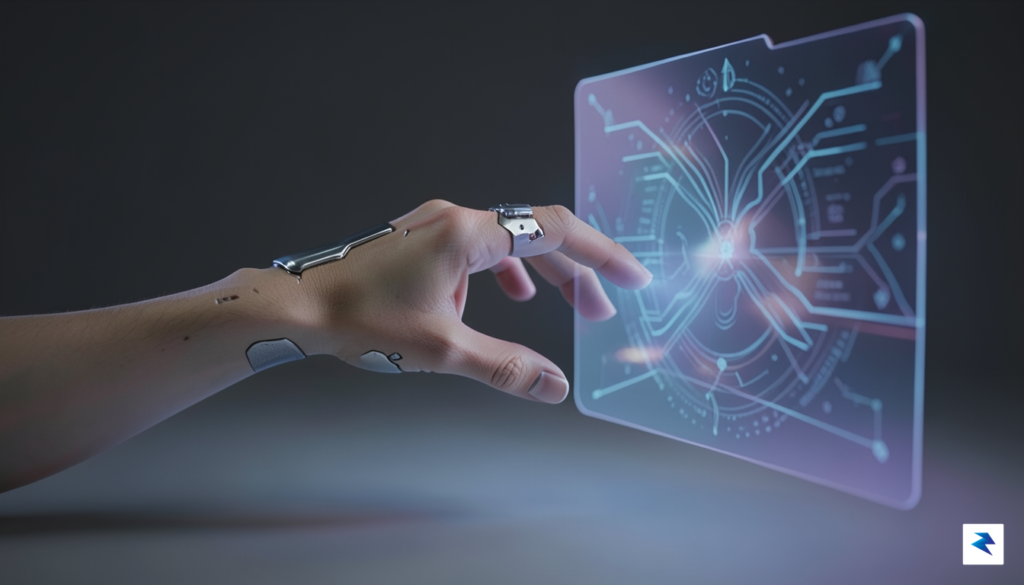
For years, the paradigm of human-AI collaboration has been defined by the “chatbox”—a passive, text-based interface where we type requests and wait for a response. While this conversational model has been revolutionary, it is fundamentally limited by latency and the friction of context-switching between an IDE and a browser window. By venturing into dedicated hardware, OpenAI is signaling a pivot away from this static, transactional relationship toward a more fluid, tactile, and real-time integration. This shift suggests that the future of software development isn’t merely about delegating tasks to a chatbot, but about establishing a high-bandwidth feedback loop where the AI acts as an extension of the developer’s own cognitive process.
The core philosophy here centers on the necessity of low-latency interaction. In the high-stakes environment of professional coding, every millisecond spent waiting for a model to “think” or copy-pasting segments of code breaks the developer’s flow state. A purpose-built hardware device, potentially optimized for the specific requirements of the Codex engine, could handle compute-intensive tasks locally or via a specialized edge connection. This would allow for near-instantaneous code suggestions, real-time refactoring, and perhaps even voice-activated architectural changes that occur while the developer is still typing. By moving the interaction from a browser tab onto the desk, OpenAI is effectively treating code generation as a physical tool, much like a stylus for an artist or a mechanical keyboard for a writer.
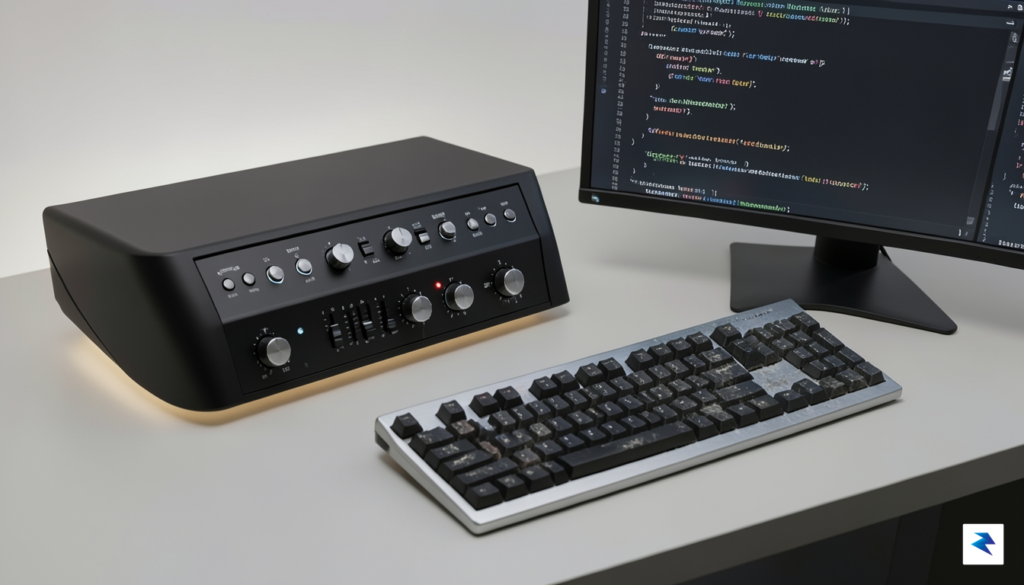
The transition from software-only interfaces to purpose-built hardware represents a fundamental maturing of AI: moving from a tool that answers questions to a partner that operates in real-time alongside the human creator.
Furthermore, we must consider how this hardware will fundamentally alter the daily life of software engineers. If the Codex engine is embedded into a physical interface, it could provide tactile feedback or visual cues that current screen-based systems lack. Imagine a physical dial to adjust the “creativity” or “risk” of a suggested code block, or a dedicated button to instantly unit-test an entire module without leaving the current file. This integration brings the abstraction of the cloud down to the tangible level of the workspace, turning the AI into a responsive collaborator rather than a distant server.
Ultimately, this evolution signals that OpenAI envisions the AI-coding experience as an immersive practice. By breaking out of the screen, they are attempting to eliminate the friction that currently prevents AI from being a truly seamless part of the development lifecycle. When the barrier between thought, command, and execution disappears, the role of the software engineer shifts from “writer of syntax” to “architect of logic,” with the hardware acting as the bridge that makes this high-level design work possible at unprecedented speeds.
Implications for the Developer Ecosystem

The introduction of specialized hardware optimized for Codex and similar large language models could fundamentally reshape the developer workstation, shifting the focus from raw compute power to AI-integrated efficiency. If OpenAI successfully bridges the gap between software logic and dedicated silicon, we may witness a rapid transition toward “AI-native” hardware, where the barrier between human intent and machine execution is effectively erased. This shift would likely force traditional IDE developers to rethink their core product strategies; rather than simply hosting plugins, integrated environments might soon need to interface directly with low-level neural acceleration to maintain relevance. Consequently, manufacturers who have long focused on multicore performance and memory capacity may find their current roadmaps disrupted by the sudden necessity for dedicated AI-inference optimization.
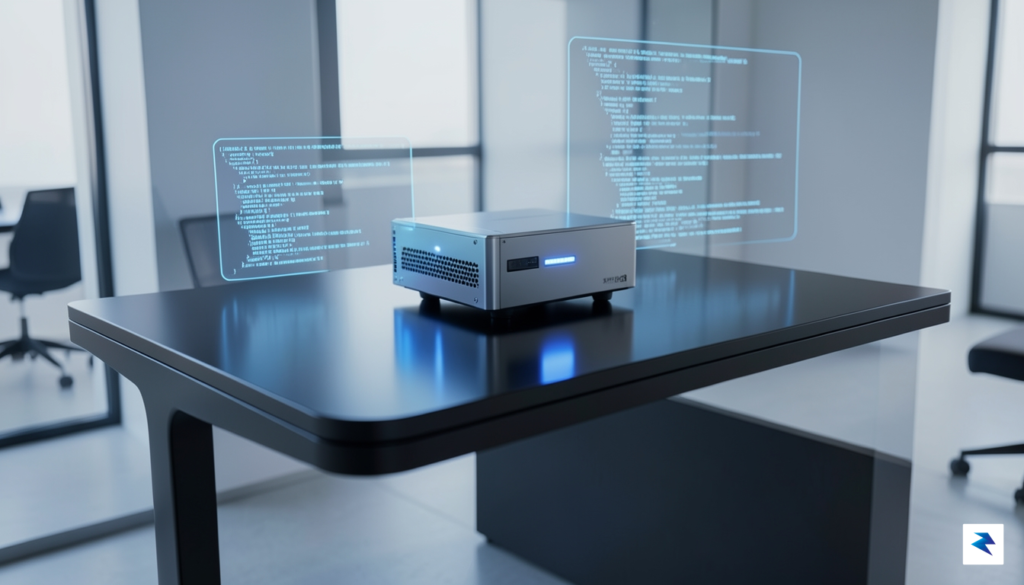
However, this trend toward proprietary, closed-loop ecosystems introduces a significant friction point for the open-source community. Developers who champion transparency and cross-platform flexibility may view such specialized hardware as a walled garden that threatens the democratized nature of coding. There is a palpable concern that tethering productivity to specific hardware could fragment the industry, potentially creating a divide between developers who can afford specialized “AI-accelerated” setups and those reliant on traditional, general-purpose hardware. While proprietary tools can offer unparalleled performance, the broader software ecosystem thrives on interoperability; therefore, the industry will likely see a push for open-standard alternatives that aim to replicate these gains without locking developers into a single hardware vendor’s ecosystem.
The true value of this hardware shift lies not in replacing the programmer, but in redefining the creative boundaries of what a single developer can build in a single day.
Ultimately, the long-term impact of this technology hinges on the delicate balance between AI-assisted automation and human creative control. While a device capable of offloading repetitive boilerplate or complex debugging tasks could lead to unprecedented levels of productivity, there is a risk of over-reliance leading to a degradation of fundamental programming skills. As these systems become more integrated into our daily workflows, the role of the developer will likely evolve from a “writer of syntax” to an “architect of logic.” The future of programming will not be defined by the hardware itself, but by how effectively we maintain human oversight while utilizing these powerful tools to translate complex ideas into functional, secure, and scalable software solutions. As the lines between hardware and intelligence blur, the developers who flourish will be those who master the art of directing AI, rather than simply being replaced by it.