The Science Behind Android Earthquake Alerts
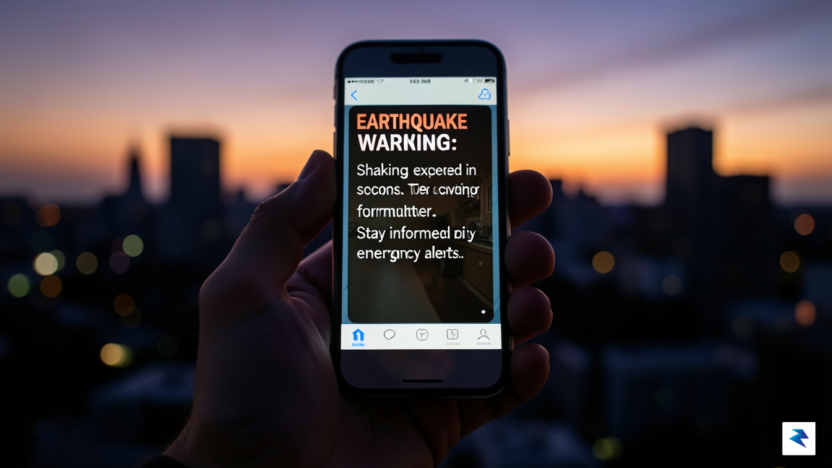
At the heart of this global safety initiative lies a sophisticated application of the hardware already sitting in millions of pockets: the accelerometer. Every modern Android smartphone is equipped with this tiny, highly sensitive component designed to detect movement, orientation, and tilt. Google has cleverly repurposed these sensors to function as miniature seismometers, capable of sensing the primary (P) waves—the faster-moving, less destructive initial tremors that precede the more violent secondary (S) waves of an earthquake. When a device is plugged in and stationary, it acts as a silent sentry, constantly scanning for the specific motion patterns that characterize seismic activity.
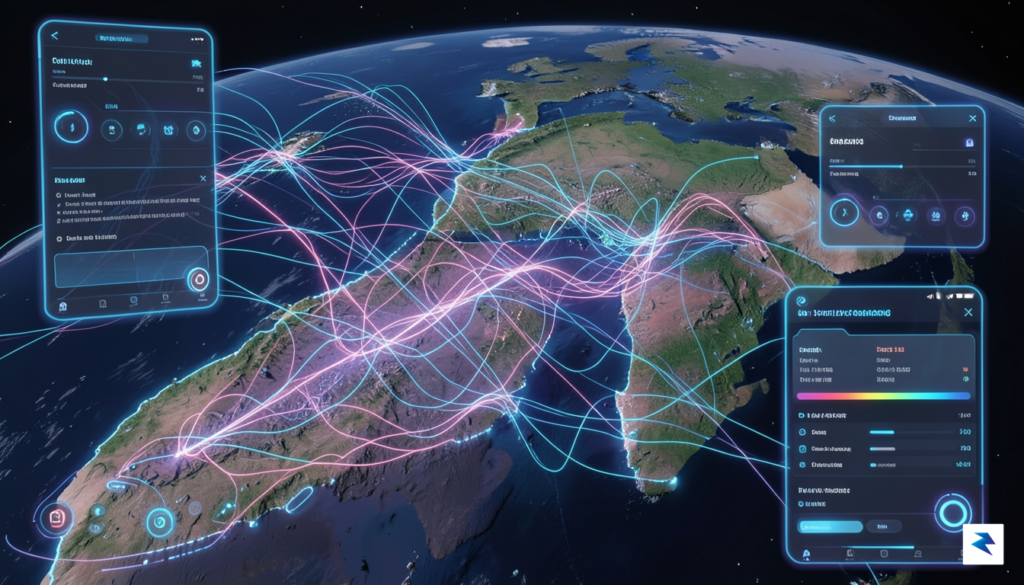
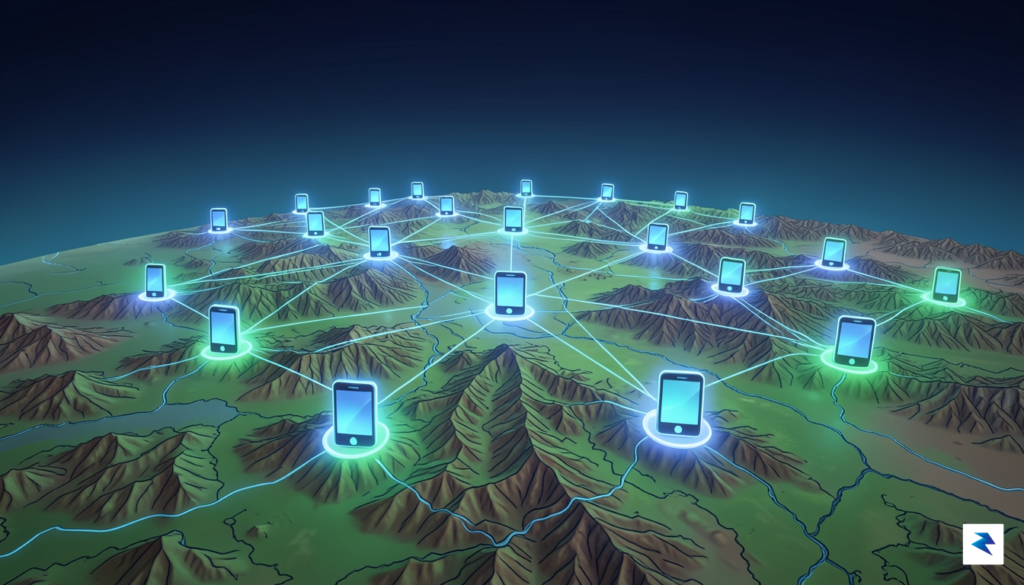
The system operates through a massive, distributed network where millions of phones act as localized detection nodes. When a device senses a vibration that matches the signature of an earthquake, it automatically sends a signal to Google’s detection servers, along with a rough location estimate. Because the system relies on such a vast population of devices, it can triangulate the epicenter of a quake with remarkable speed and precision. This collective data processing allows the system to distinguish between everyday mundane vibrations—such as a heavy truck driving by or a dropped object—and the complex, distinct rhythmic waves of a tectonic shift. By cross-referencing signals from multiple nearby devices, the platform effectively filters out noise and confirms the event in a matter of seconds.
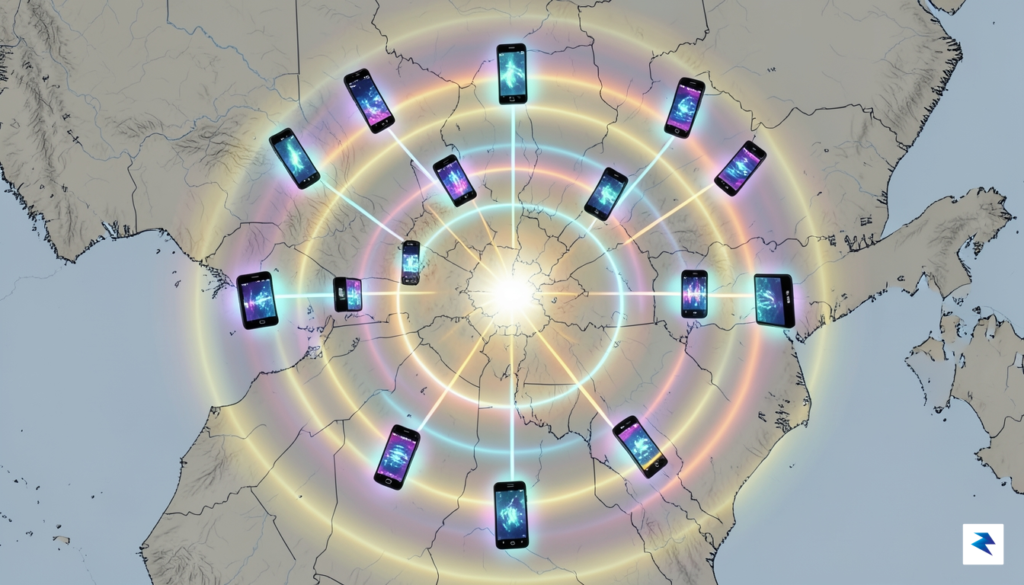
One of the most significant advantages of this architecture is the reduction of latency, which is the crucial difference between receiving a warning and being caught unaware. Traditional seismic networks, while highly accurate, often rely on expensive, government-operated stations that are geographically sparse. By processing data at the “edge”—utilizing the immediate input from individual handsets—the Android system can initiate a warning alert before the destructive S-waves have traveled very far from the epicenter. This allows the system to broadcast warnings at the speed of light, effectively “racing” the seismic waves to provide users with precious seconds to take cover or find safety.
The core strength of the Android Earthquake Alerts System is its sheer scale; by turning millions of individual devices into a unified global sensor grid, it provides hyper-local warnings that traditional infrastructure simply cannot match in speed or density.
Ultimately, this technological feat transforms the smartphone from a mere communication tool into a vital life-saving instrument. By leveraging the existing accelerometer hardware and marrying it with cloud-based signal processing, Google has democratized earthquake detection. This ensures that even in regions where formal seismological monitoring might be limited, the local population can still benefit from early, actionable intelligence when the ground begins to shake, significantly reducing the potential for injury and chaos during seismic events.
How 11.4 Million Venezuelans Received Early Warning
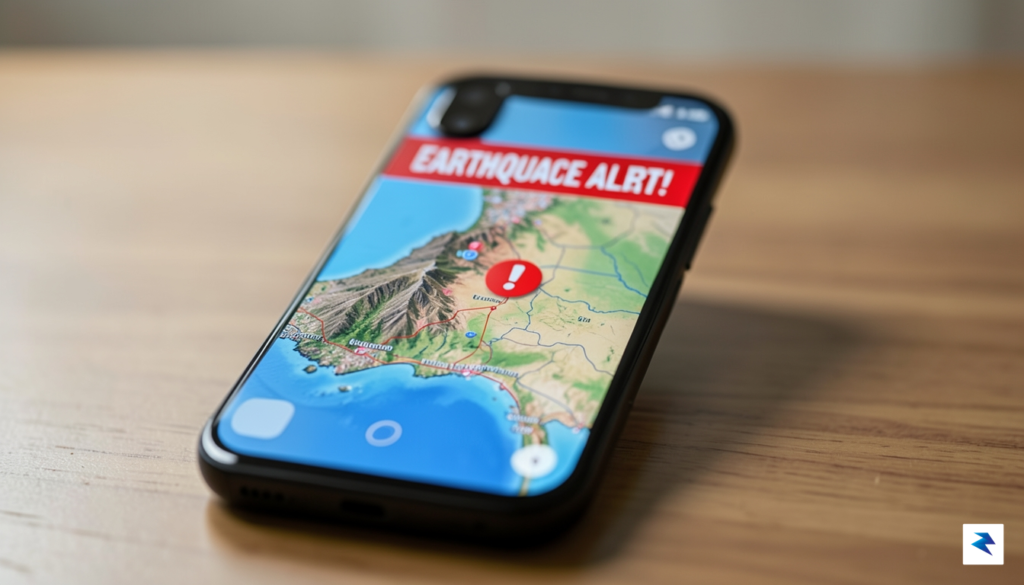
The recent seismic activity in Venezuela served as a profound real-world test for Google’s Android Earthquake Alerts System, demonstrating how modern mobile infrastructure can bridge the gap where traditional, multi-million dollar seismic sensor networks are unavailable. When the earth began to shift, the system successfully pushed notifications to over 11.4 million individuals, providing them with critical seconds of lead time before the tremors reached their specific locations. By leveraging the built-in accelerometers found in nearly every modern smartphone, the network effectively transformed millions of devices into a massive, crowdsourced seismometer array. This approach bypasses the need for costly physical infrastructure that many developing regions struggle to maintain, proving that public safety technology can be democratized through ubiquitous consumer electronics.
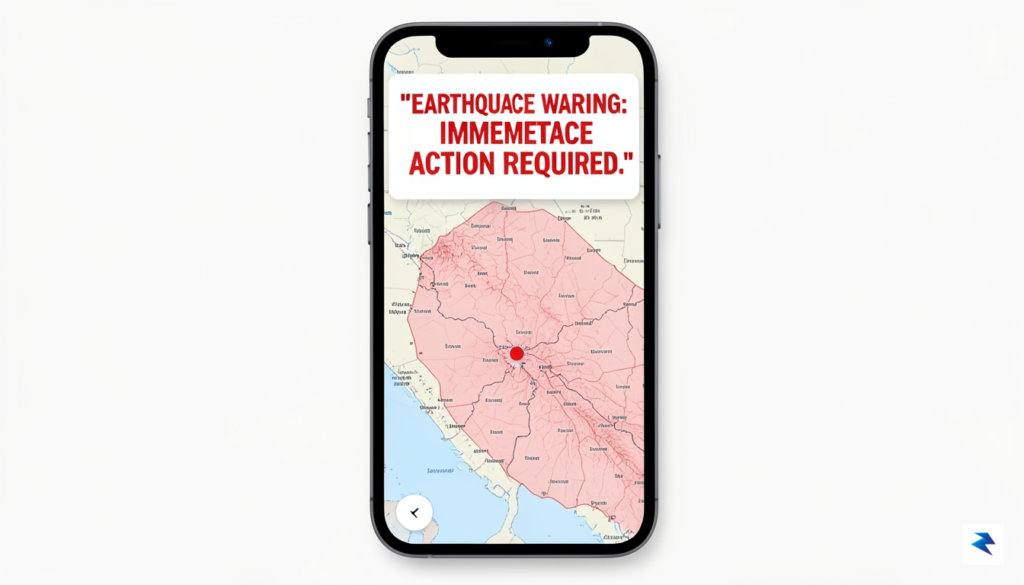
The underlying mechanism of this alert system relies on the speed of light compared to the speed of seismic waves. Because the radio signals transmitted by cellular towers travel significantly faster than the destructive shockwaves moving through the earth’s crust, the system can calculate a user’s proximity to the epicenter and issue a warning before the shaking arrives. Even a window of ten to fifteen seconds is often enough time for people to transition from a state of vulnerability to one of relative safety. For those in high-rise buildings or dense urban centers, these few moments are invaluable for finding cover under sturdy furniture, moving away from glass windows, or reaching an exit, which can be the difference between life-altering injury and total safety.
The success of this alert system in Venezuela highlights a paradigm shift in disaster preparedness, where the ubiquity of smartphones acts as a primary safety net for the general population.
Furthermore, the impact of these alerts extends beyond simple individual protection; it fosters a culture of rapid, informed response. When millions of people receive a simultaneous notification, the collective awareness of a pending disaster minimizes the chaotic “freeze response” that often occurs during the initial onset of an earthquake. As the system continues to refine its detection algorithms, the reliability of these warnings is expected to increase, further reducing the latency between initial seismic detection and user notification. By integrating this technology into the Android operating system, millions of Venezuelans were granted a rare, technological advantage against the unpredictable forces of nature, setting a new precedent for how mobile connectivity can serve as an essential lifeline during natural disasters.
The Role of Crowdsourced Seismic Data
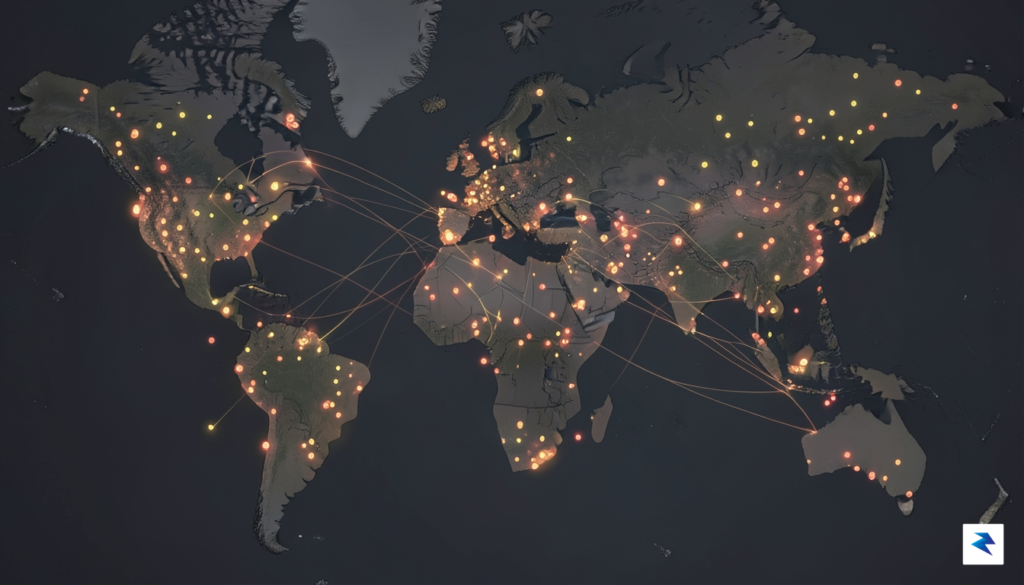
For decades, earthquake detection relied almost exclusively on expensive, government-operated networks of seismometers—highly sensitive, stationary instruments buried deep underground. While these devices are incredibly precise, they are also geographically limited and prohibitively expensive to install in every corner of the globe. This traditional approach often leaves vast, vulnerable regions with little to no early warning capability. The Android Earthquake Detection System represents a paradigm shift by transforming millions of individual smartphones into a massive, decentralized “virtual” seismic network. By utilizing the built-in accelerometers already present in handsets, Google has effectively turned the world’s most ubiquitous consumer technology into a global safety net that functions regardless of traditional infrastructure constraints.
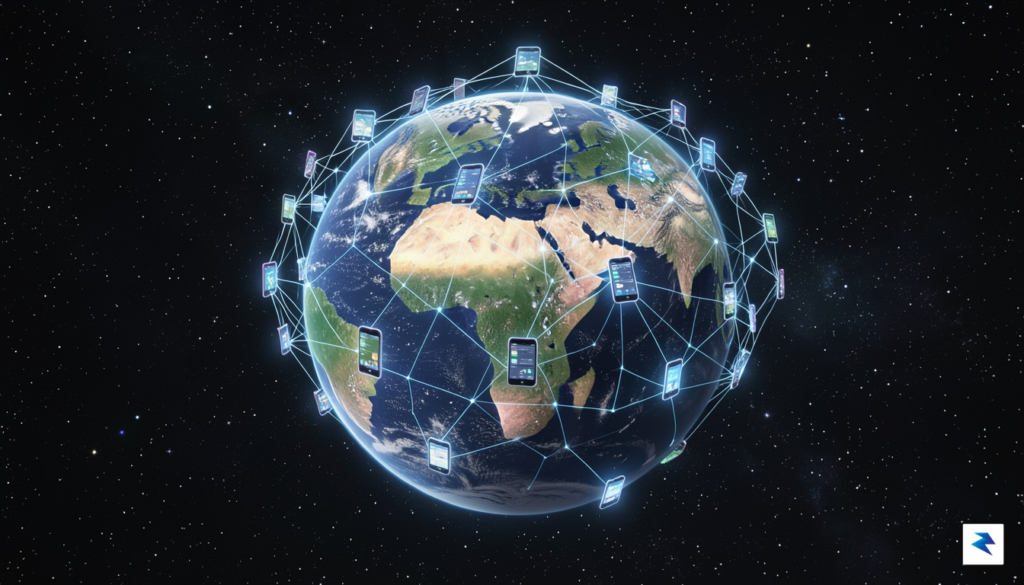
The mechanics of this crowdsourced network are remarkably sophisticated, operating on a principle of collective verification. When a phone is stationary and plugged in, it acts as a mini-seismometer, capable of detecting the distinct “P-waves” or primary seismic waves that precede the more destructive “S-waves.” When multiple devices in a localized area register similar movement patterns simultaneously, the system’s backend servers perform an instantaneous cross-validation process. This is the crucial barrier against false alarms; the system does not trigger an alert based on a single device being dropped or bumped. Instead, it requires a consensus of data points, ensuring that the warning is only broadcast when the system is statistically confident that a genuine seismic event is unfolding.
The power of crowdsourced seismic data lies in its ability to fill the gaps left by traditional seismology, turning everyday devices into a lifeline for millions in regions where physical sensors are scarce.
This decentralized model offers a significant advantage in speed and coverage, particularly in developing nations or remote areas where installing a dense grid of professional-grade sensors is economically unfeasible. While traditional seismology remains the gold standard for scientific analysis and long-term tectonic research, the Android approach provides the crucial seconds of warning necessary for individuals to take cover or stop dangerous machinery. By complementing existing government-run networks, this crowdsourced system creates a robust, multi-layered defense strategy. It democratizes access to life-saving information, ensuring that even in places where national infrastructure might be aging or limited, the population can still benefit from the rapid, data-driven alerts that are transforming modern disaster response.
Bridging the Gap in Global Earthquake Preparedness
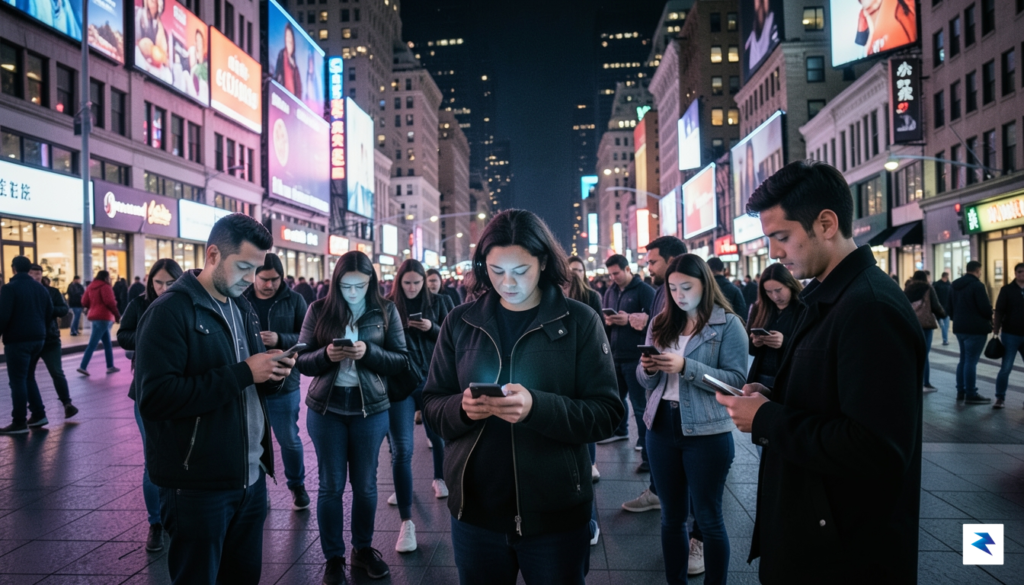
For decades, the luxury of sophisticated early earthquake warning systems was largely confined to wealthy, technologically advanced nations that could afford to deploy dense networks of expensive ground-based seismic sensors. This geographical disparity meant that residents in developing regions often remained vulnerable, relying on outdated communication methods or sheer intuition when disaster struck. However, the integration of seismic detection capabilities directly into the billions of Android devices currently in circulation is fundamentally dismantling this barrier, effectively democratizing life-saving technology on a global scale. By transforming everyday smartphones into miniature seismometers, Google has bypassed the need for massive infrastructure investment, providing a critical layer of protection to populations that previously had no access to real-time disaster alerts.
The global rollout strategy for this system relies on the sheer ubiquity of the Android ecosystem, utilizing the collective power of crowdsourced data to detect seismic activity in real time. When an earthquake occurs, the accelerometers embedded in millions of devices act as a decentralized network, transmitting data to a central processing hub that can pinpoint the epicenter and magnitude within seconds. This mobile-first approach is particularly transformative for nations with limited seismic monitoring infrastructure, where government-funded sensor arrays might be sparse or non-existent. Instead of waiting for a centralized station to sound an alarm, the system relies on the hardware already sitting in the pockets of millions, ensuring that even in remote or under-resourced areas, citizens receive a valuable window of time to seek cover.
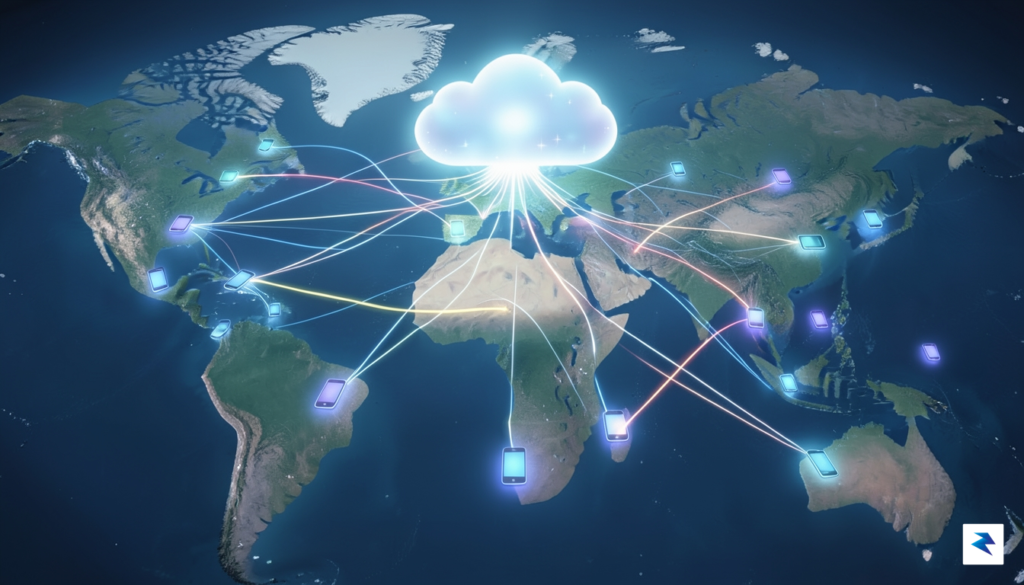
By leveraging the existing mobile infrastructure, we are no longer tethered to the physical limitations of legacy ground sensors, allowing us to extend a safety net to billions of people who were previously invisible to traditional warning systems.
Ultimately, this technological shift represents a significant milestone in disaster preparedness, moving away from a model of localized, hardware-heavy protection toward a universal, software-defined safety standard. Because the system is delivered via standard operating system updates, it requires no additional hardware or expensive service plans, making it inherently inclusive. As this technology continues to expand, it promises to level the playing field for countries prone to seismic activity, ensuring that the ability to receive a life-saving warning is a universal right rather than a privilege based on a nation’s GDP. By bridging the gap between high-tech nations and the rest of the world, Android’s initiative is not merely providing a convenient notification; it is fundamentally altering the human response to natural disasters by granting every individual the precious seconds needed to survive.
Privacy and Limitations in Mobile Seismic Detection
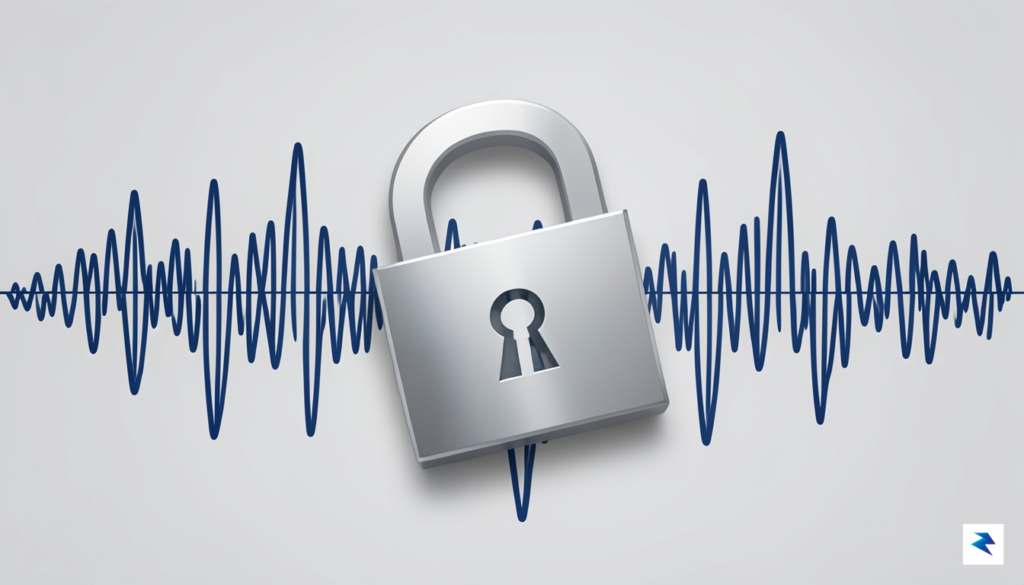
While the ability to turn millions of mobile devices into a distributed seismic sensor network is a monumental achievement in public safety, it is essential to navigate the underlying technical realities and privacy safeguards that make such a system viable. Privacy remains a paramount concern for users, and Google has architected this feature with a privacy-first approach. When a phone detects the characteristic shaking of an earthquake, it sends a signal to the detection server, but this process does not rely on pinpointing a user’s exact home address or precise GPS coordinates. Instead, the system utilizes approximate location data, ensuring that the necessary seismic information is collected to confirm a localized event without compromising the individual identity or the specific, private location of the device owner.
Beyond the architectural privacy measures, there are clear technical constraints that shape the effectiveness of mobile earthquake detection. The feature relies heavily on the phone’s accelerometer, which must remain active to sense vibrations; while this is optimized for power efficiency, it does inherently require a small, continuous allocation of battery resources. Furthermore, for these alerts to be distributed in real-time, a stable internet connection is indispensable. In disaster scenarios where local telecommunications infrastructure might be compromised, the reach of the warning system is inevitably limited. It is also important to acknowledge that mobile crowdsourcing is not a replacement for traditional, professional geological monitoring stations. While it provides a rapid, supplementary layer of awareness, it lacks the scientific precision and depth of subterranean sensors installed by governmental or academic seismic agencies.
Understanding the Boundaries of Mobile Detection
To maintain a balanced perspective, users should view this technology as a complementary tool rather than a comprehensive solution for earthquake preparedness. The system operates on a statistical probability model, meaning it requires a sufficient density of devices in a specific area to confirm a seismic event with high confidence. In sparsely populated regions, the speed and accuracy of the alerts may decrease, which is why it remains crucial to follow official guidance from local disaster management authorities. By understanding these limitations—ranging from the reliance on cellular connectivity to the necessity of crowd-sourced data density—users can better appreciate the balance between convenience and the realities of modern sensor technology.
The Android Earthquake Alerts System acts as a vital early-warning bridge, yet it is most effective when integrated into a broader strategy of personal preparedness and official seismic monitoring.
Ultimately, the success of this system in Venezuela highlights how collective data can serve the public good when balanced against stringent privacy protections. As the technology continues to evolve, developers are constantly refining the algorithms to better distinguish between true tectonic movement and common household vibrations. By maintaining transparency regarding how data is handled and acknowledging the technical hurdles that remain, mobile platforms can continue to foster trust while delivering potentially life-saving information to millions of people worldwide.