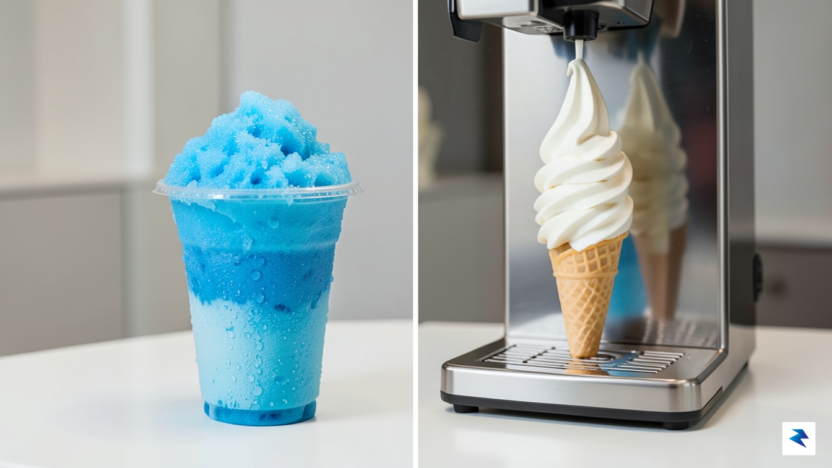
The Evolution of Home Slushie Technology
For decades, the home frozen-treat experience was defined by the limitations of the standard kitchen blender. Consumers were often forced to rely on bulky, noisy appliances that merely pulverized ice cubes into a coarse, rapidly melting slush. These early iterations struggled to achieve the velvety, uniform texture of a commercial slushie, frequently resulting in a beverage that separated into a sad puddle of water beneath a heap of jagged ice chips. Because these units lacked internal cooling capabilities, the user was trapped in a race against time, desperately trying to consume their drink before the heat of the room reclaimed the ice.
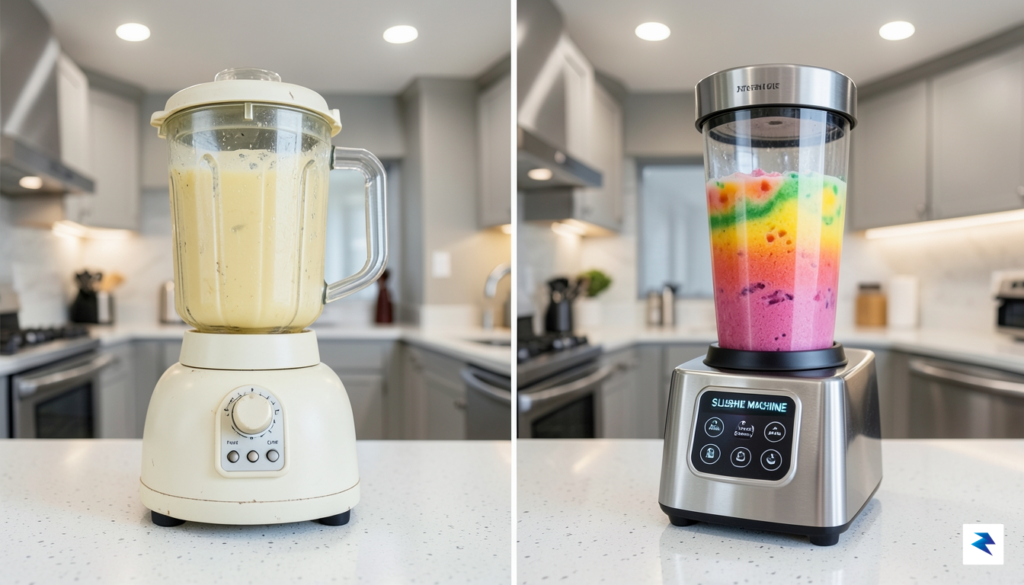
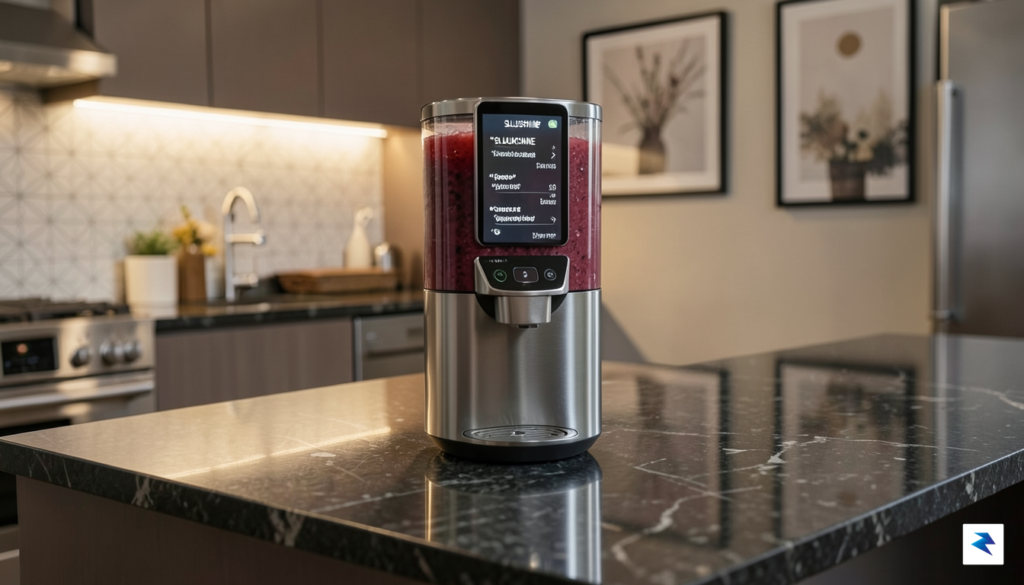
The landscape of 2026 has fundamentally shifted, moving away from these rudimentary methods toward sophisticated, compressor-driven cooling technology that brings professional-grade performance directly to the countertop. Today’s top-tier slushie machines no longer rely on external ice; instead, they utilize integrated refrigeration chambers that freeze the liquid mixture gradually and evenly. This transition mimics the slow-churn process of high-end commercial machines, ensuring that the ice crystals remain minuscule and stable. By maintaining a constant, sub-freezing environment, these modern units produce a “true” slushie consistency—a thick, syrupy, and uniform delight that holds its structure from the first sip to the last.
The leap from manual ice-crushing to active cooling represents the most significant advancement in home kitchen appliances this decade, turning a once-fickle experiment into a reliable, repeatable luxury.
Beyond simply perfecting the classic slushie, this technological maturation has paved the way for the latest innovation: the integration of soft-serve capabilities. By refining the mechanical auger systems and temperature regulation, manufacturers have successfully bridged the gap between frozen beverages and frozen desserts. Users are no longer restricted to fruit-flavored syrups; they can now create creamy, dairy-based soft serve or frozen yogurt within the same footprint. This evolution marks a move toward professional-level versatility, where the home kitchen is no longer a place for compromised results, but a space for crafting high-quality, professional-grade treats that rival the output of a storefront parlor.
What Defines a Top-Tier Slushie Machine in 2026
The landscape of home beverage appliances has shifted dramatically, moving away from the cumbersome, freezer-bowl designs that once dominated kitchen counters. In previous years, creating a slushie required hours of pre-freezing a bulky bowl, which often led to inconsistent textures and limited output. Today’s top-tier machines have rendered these limitations obsolete by integrating high-performance, built-in compressors. These internal cooling systems allow for continuous, on-demand operation, meaning you can transition from a standard slushie to a velvety soft serve without waiting for the internal mechanism to reach sub-zero temperatures again. This shift toward self-contained refrigeration technology is the hallmark of a professional-grade experience, providing the power needed to handle thicker, dairy-based mixtures that would have stalled or broken the motors of older, domestic models.
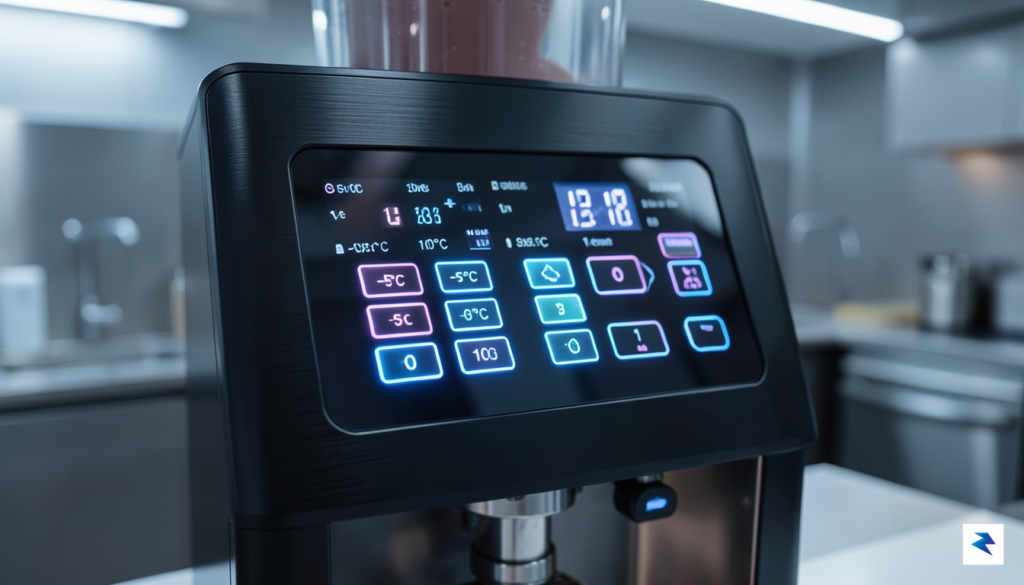
Beyond the hardware, the true differentiator in modern slushie technology is the marriage of precise temperature regulation and variable agitation speeds. Achieving the iconic “slush” ratio—a delicate balance of ice crystals and syrup-infused liquid—requires a machine that can calibrate its cooling cycle to the specific density of the ingredients. Advanced 2026 models feature intelligent sensors that monitor the viscosity of the drink, automatically adjusting the auger’s rotation speed to prevent over-freezing or clumping. Whether you are aiming for a light, icy granita or a dense, creamy soft serve, these dual-control systems ensure the texture is uniform from the first pour to the last. This level of customization allows users to experiment with everything from natural fruit purées to high-fat dairy bases without sacrificing the mechanical integrity of the appliance.
The integration of smart-sensing technology means that the machine now does the heavy lifting, adjusting its torque and temperature in real-time to maintain the perfect consistency regardless of the ingredient profile.
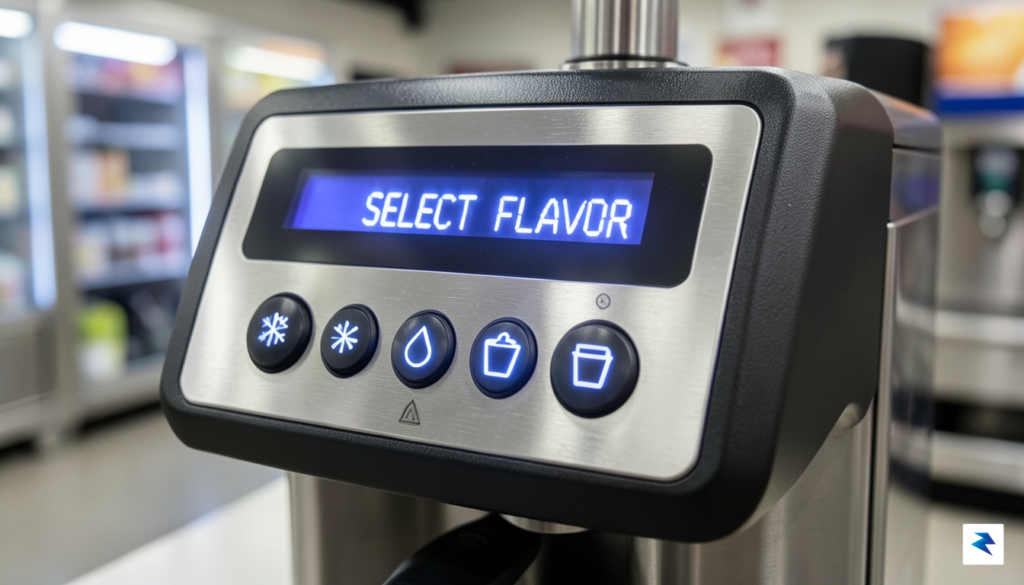
User interface design has also evolved to meet the demands of modern households, emphasizing intuitive operation over complex manual adjustments. The best appliances currently on the market feature streamlined, digital displays that guide the user through the process, offering pre-set modes for specific beverage types. By simplifying the interaction between the human and the machine, manufacturers have made it easier than ever to achieve barista-quality results at home. When evaluating a machine for your own kitchen, look for these key pillars of excellence:
- Integrated Compressor Cooling: Eliminates the need for pre-freezing canisters, allowing for immediate and repeated use.
- Adaptive Agitation Control: Automatically adjusts the speed of the mixing blade to match the viscosity of the liquid.
- Thermal Precision: Maintains a consistent internal temperature to prevent the rapid melting or rock-hard crystallization common in budget models.
- Versatile Dispensing Mechanism: Engineered specifically to handle the structural difference between thin iced drinks and thicker soft serve swirls.
The Rise of Soft Serve Integration
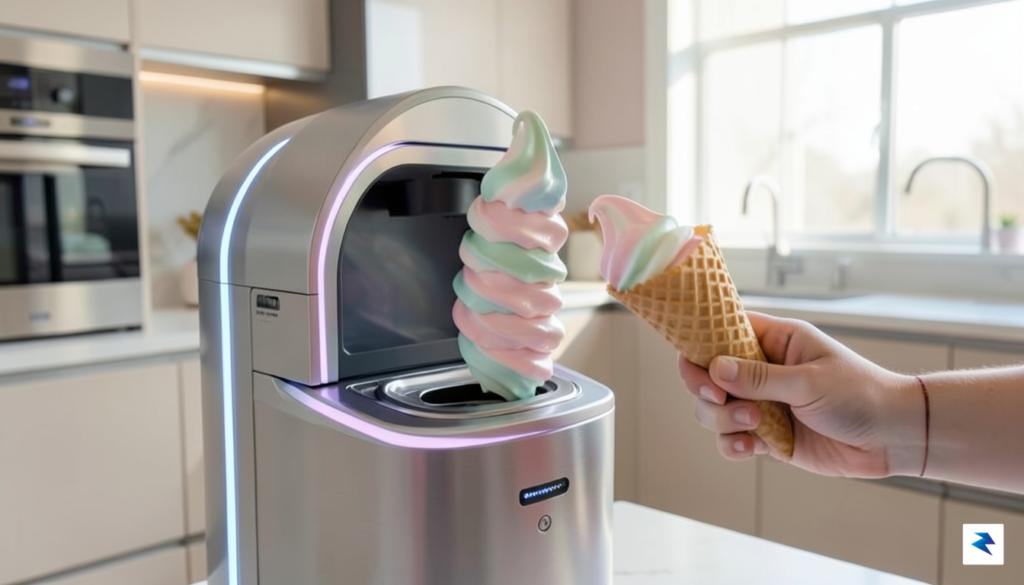
The most significant leap in home and commercial beverage technology this year is the seamless marriage of two distinct freezing methods: the high-speed aeration required for fluffy soft serve and the slow, crystallization-focused agitation needed for icy slushies. For years, these two functions existed in separate worlds, with slushie machines relying on simple paddle rotations to keep sugary liquids from turning into solid blocks of ice, while soft-serve machines utilized complex pressurized systems to whip air into dairy bases. The 2026 hybrid models have successfully bridged this gap by implementing sophisticated electronic control modules that communicate directly with the motor’s torque output, allowing a single machine to adapt its physical behavior based on the viscosity of the contents inside the barrel.
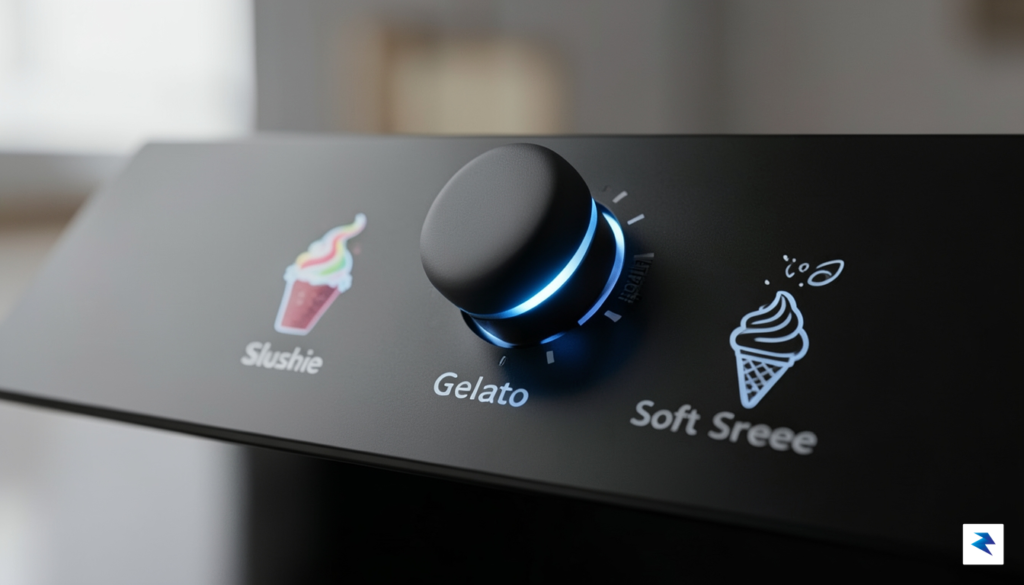
At the heart of this innovation is the proprietary “texture-dial” technology, which serves as the brain of these hybrid units. When set to the slushie mode, the internal auger operates at a lower RPM, focusing on maintaining a consistent, semi-frozen slurry that preserves the integrity of flavored syrups and carbonated bases. However, when the user switches to the soft-serve setting, the dial triggers a drastic increase in agitation speed and introduces a controlled injection of air into the mix. This mechanical shift is essential because soft serve requires a specific “overrun”—the ratio of air incorporated into the frozen base—to achieve that signature dense, creamy mouthfeel. Without this adjustable agitation, a traditional slushie machine would simply produce a cold, liquid puddle or a rock-hard block of frozen cream.
The true breakthrough of 2026 isn’t just the ability to switch between modes; it’s the machine’s ability to monitor the density of the mixture in real-time, automatically adjusting its cooling cycles to prevent the dairy base from crystallizing too quickly.
Beyond the mechanical adjustments, these machines feature redesigned cooling cylinders that utilize dual-zone thermal insulation. This ensures that when you are crafting a batch of soft serve, the internal temperature stays precisely at the threshold where dairy proteins stabilize without fully solidifying. Conversely, when shifting back to slushies, the system ramps up the cooling power to lock in the crunch of the ice crystals. This versatility transforms the countertop appliance from a seasonal novelty into a year-round kitchen staple, proving that the future of frozen desserts is defined by both fluid power and precise, user-defined control.
Performance Metrics: Cooling Speed and Texture Consistency
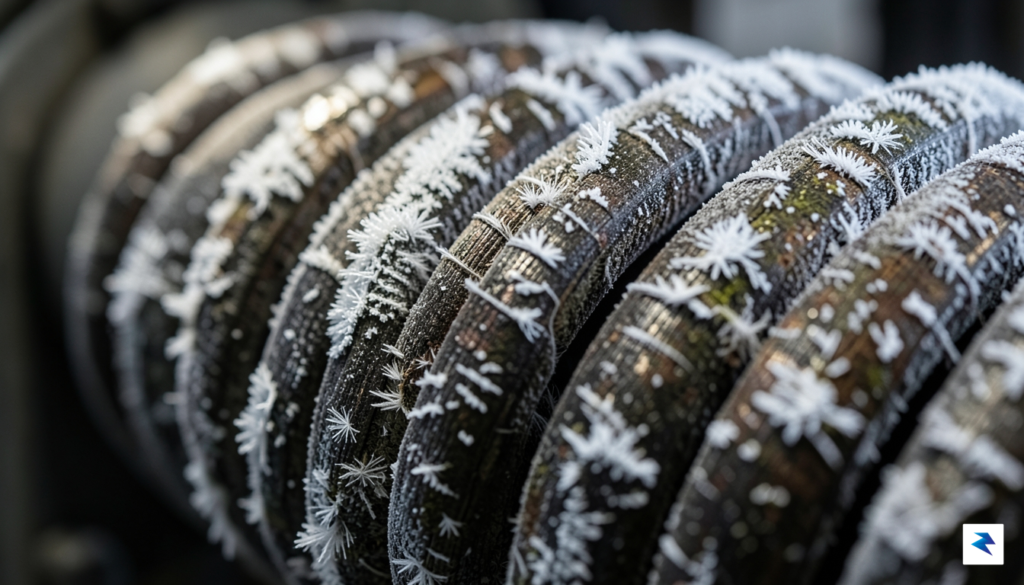
In the current landscape of home entertainment, speed is no longer merely a luxury feature; it is the definitive standard for any appliance earning a spot on your countertop. While budget-oriented slushie machines often rely on passive cooling or single-walled reservoirs that struggle to reach sub-freezing temperatures in a reasonable timeframe, our top-tier 2026 selections utilize advanced rapid-chill induction technology. These premium units can transition from room temperature to a perfectly frozen slush or silky soft-serve consistency in under twenty minutes. By contrast, entry-level models often require pre-chilled ingredients and extensive freezer prep, frequently leaving users with a slush that melts into a syrupy liquid before the first cup is even poured.
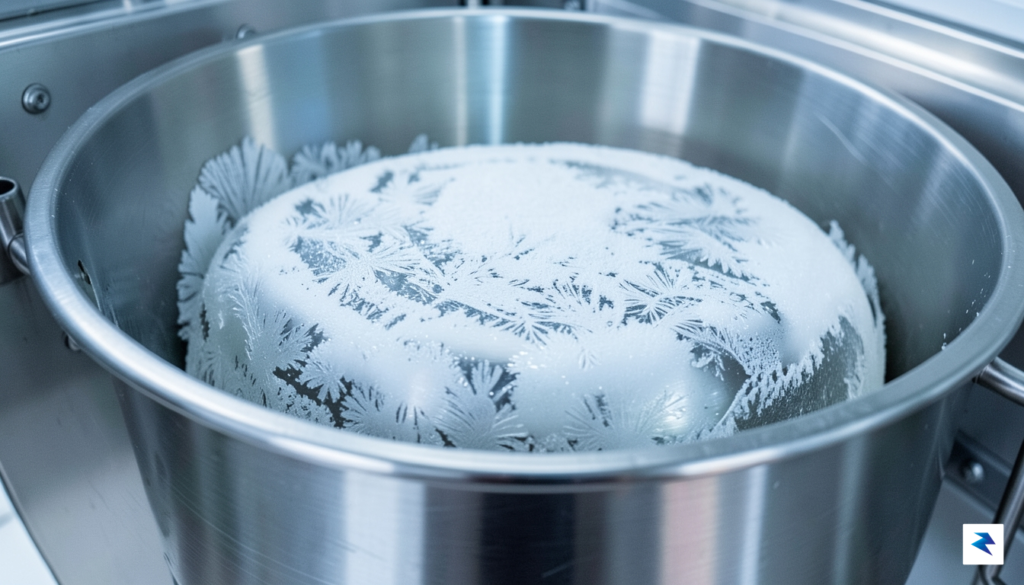
The secret to this newfound efficiency lies in the sophisticated interplay between high-density insulation and active heat dissipation. When a machine works to turn sugary liquids into a semi-frozen state, it generates significant internal heat as a byproduct of the compressor’s labor. Top-tier machines manage this by integrating ventilated chassis designs that pull ambient air away from the motor, preventing the unit from overheating during back-to-back cycles. This thermal management is vital because it maintains a stable, low-temperature environment inside the canister, which is the only way to prevent the formation of large, jagged ice crystals. When the temperature fluctuates, water molecules have the opportunity to refreeze into irregular structures, resulting in a gritty, unpleasant mouthfeel rather than the smooth, uniform texture of a premium slush or soft-serve treat.
The true hallmark of a high-performance slushie machine is its ability to maintain a consistent “micro-crystal” texture, where the ice particles are so fine that they disappear instantly on the palate.
Consistency is ultimately governed by the torque and speed of the mixing auger, which must work in tandem with the cooling drum’s temperature. In lower-end units, the cooling drum often experiences “dead zones”—areas where the temperature is high enough to allow melting but low enough to promote uneven icing. Our leading machines for 2026 solve this by utilizing a multi-vane auger system that scrapes the interior walls at a constant, calculated rate, ensuring that no liquid remains stationary for too long. By forcing the mixture into constant motion, the machine ensures that every drop of liquid is exposed to the freezing surface equally. This rigorous engineering not only guarantees a faster throughput but also ensures that the texture remains velvety and uniform from the very first serving to the last, even when the reservoir is nearly depleted.
Buying Guide: Matching Your Needs to the Right Machine
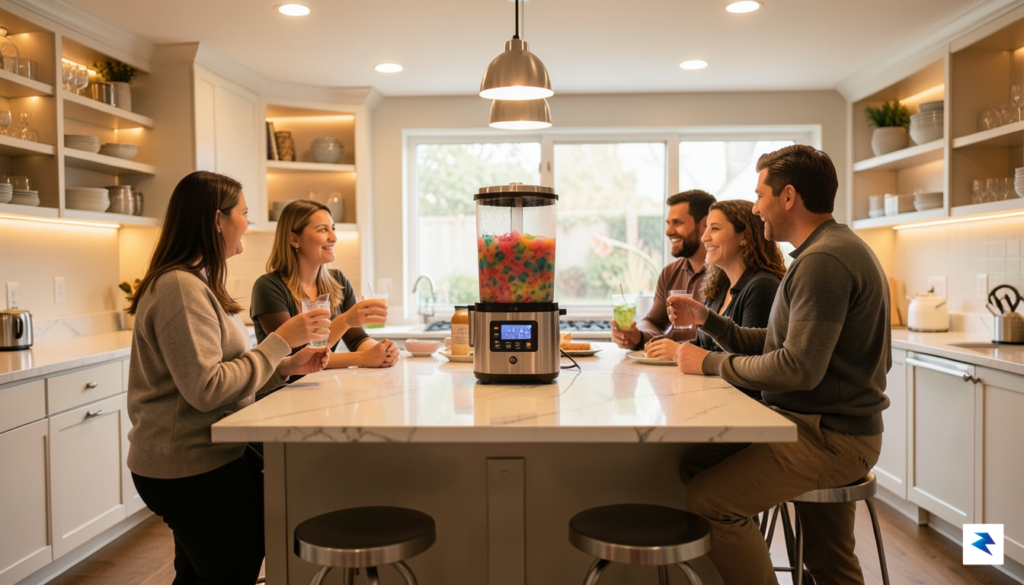
Selecting the ideal slushie and soft-serve machine for your home requires a careful evaluation of how your household functions on a day-to-day basis. While the allure of professional-grade frozen treats is undeniable, the machine you choose must integrate seamlessly into your existing kitchen workflow rather than becoming a cumbersome chore. Before making an investment, consider the actual footprint of the unit; high-capacity models often demand significant vertical clearance and dedicated counter space, which might be restrictive in smaller kitchens or apartment settings. If you plan on hosting frequent gatherings, prioritizing a model with a larger reservoir is essential to avoid the frustration of waiting through long freeze cycles between servings.
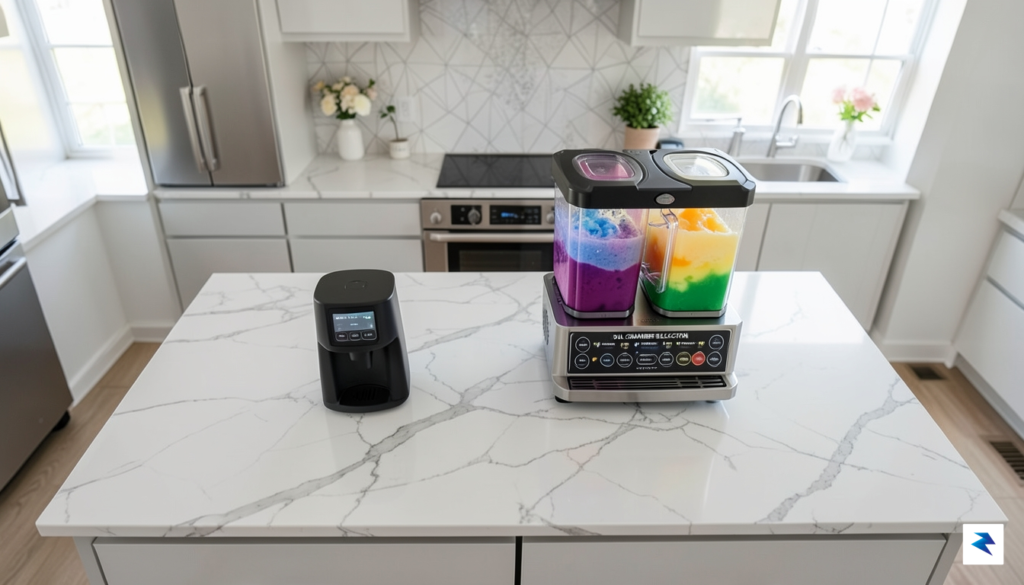
Assessing Your Household Capacity and Frequency
Frequency of use is perhaps the most important metric for determining which machine will serve you best. For those who envision a machine as a permanent fixture for daily dessert, ease of cleaning becomes a non-negotiable priority, particularly when dealing with dairy-based soft serve. Machines that feature modular, dishwasher-safe components will save you countless hours of maintenance, preventing the bacterial buildup that can occur if a system is difficult to disassemble. Conversely, if you only plan to use the machine for occasional summer parties, a slightly more manual process might be an acceptable trade-off for a lower price point or a smaller physical size.
The best machine isn’t the one with the most power, but the one that aligns with your cleaning tolerance and storage availability.
Noise levels are another often-overlooked factor that can dictate the overall user experience. High-performance freezing compressors are inherently mechanical and produce a distinct hum; in open-concept living spaces, this sound can quickly become a nuisance during a quiet evening. To help you narrow down your search, consider the following decision matrix for your lifestyle:
- For the Frequent Entertainer: Prioritize high-capacity models with rapid-chill technology. Look for machines that can transition from a slushy consistency to a thick soft-serve texture in under 20 minutes to keep up with guest demand.
- For the Compact Apartment Dweller: Focus on “slim-profile” designs. These units often prioritize efficiency over volume, utilizing advanced insulation to reduce the overall motor size and noise output.
- For the Dairy Enthusiast: Ensure the machine has a dedicated “sanitization mode” or easily removable augers. Because dairy-based mixtures are prone to spoiling, the ability to deep-clean the mixing chamber is vital for food safety.
- For the Casual User: Opt for machines that utilize pre-chilled canisters. While they may require you to store the bowl in the freezer beforehand, they are generally quieter, more energy-efficient, and easier to store in a cupboard when not in use.
Ultimately, balancing these technical requirements against your lifestyle habits ensures that your new appliance remains a source of joy rather than a source of stress. By realistically assessing how much counter space you are willing to sacrifice and how much time you are comfortable spending on maintenance, you can confidently choose a machine that provides consistent, delicious results every single time you crave a frozen treat.
Maintenance and Longevity Tips
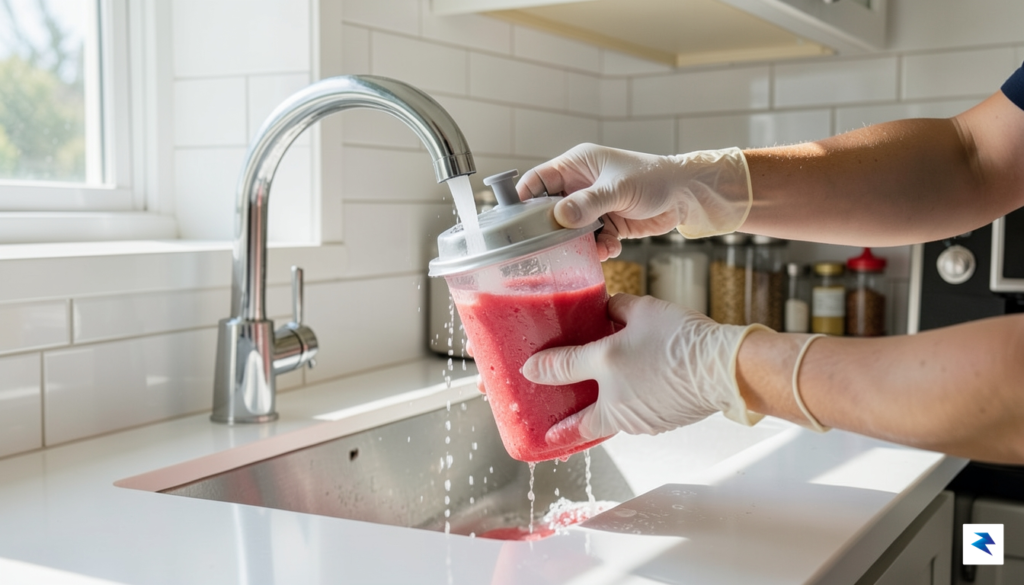
Investing in a high-end slushie and soft-serve machine is a commitment to years of frozen treats, but like any premium appliance, its longevity depends entirely on how well you steward its internal components. Because these machines rely on precise cooling cycles and high-torque motors, neglecting basic maintenance can lead to premature wear or mechanical failure. By dedicating just a few minutes to routine care, you ensure that your machine remains a reliable centerpiece of your kitchen rather than a cumbersome piece of countertop clutter.
Mastering the Deep Clean
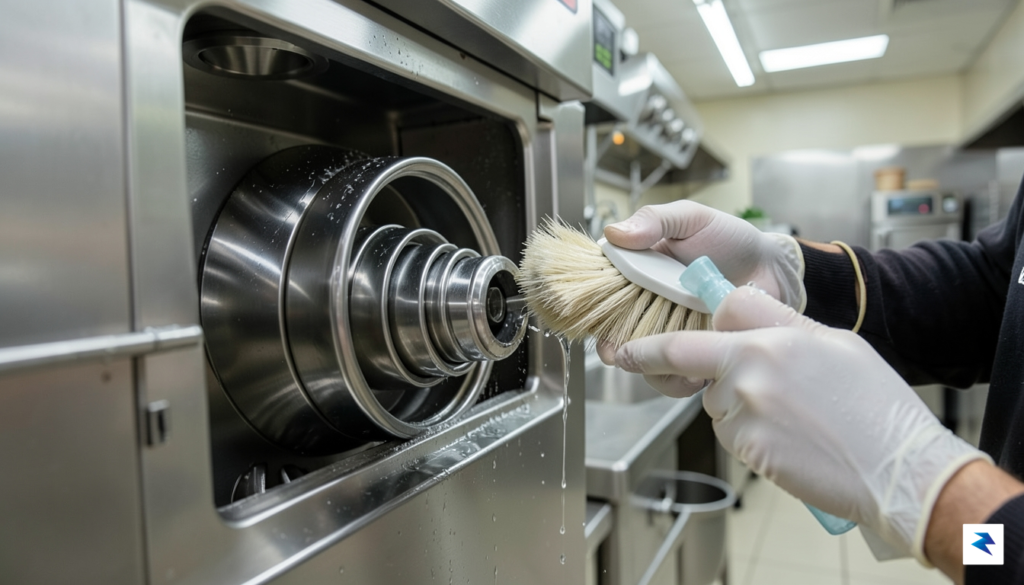
The most critical aspect of your machine’s health is the sanitation of the internal auger system. Over time, sugar residue and dairy proteins from soft-serve mixes can create sticky buildup, which forces the motor to work harder than necessary to rotate the mixing blades. To clean it properly, first ensure the unit is powered down and fully defrosted. Carefully disassemble the dispensing nozzle and the auger assembly, soaking the components in a food-safe, non-abrasive sanitizing solution for at least ten minutes. Use a soft-bristle brush to clear any debris from the spiral grooves of the auger, ensuring that no dried syrup remains, as even small bits of sediment can cause friction and damage the internal seals over time.
Optimizing Performance and Storage
Beyond regular cleaning, the longevity of your machine is heavily influenced by the ingredients you choose. Always use high-quality, manufacturer-approved syrups and soft-serve bases that have been formulated with the correct sugar-to-water ratio. Using homemade or off-brand mixtures that are too thick or overly viscous puts significant strain on the motor, potentially leading to overheating or internal gear stripping.
Regular maintenance is not merely about hygiene; it is a mechanical necessity that protects the compressor’s efficiency and extends the overall lifecycle of your investment.
When the season changes and you plan to store your machine for an extended period, treat it with the care you would afford any major appliance. Thoroughly flush the system with clean water, dry all components completely to prevent mold growth, and store the unit in a climate-controlled environment. Avoid placing the machine in a damp garage or an uninsulated shed, as extreme temperature fluctuations can compromise the internal compressor seals and electrical components. By following these proactive steps, you ensure that your machine will remain ready to produce perfect, velvety soft-serve and refreshing slushies year after year.