
Introduction: The Evolution of Crypto Wallets

In the early days of the Web3 revolution, cryptocurrency wallets served a straightforward, albeit highly technical, purpose. They functioned primarily as digital keychains—secure vaults designed to store private keys, manage cryptographic identities, and facilitate basic peer-to-peer transactions. As the pioneer of this era, MetaMask emerged as the quintessential gateway to the decentralized web, enabling millions of users to interact with nascent decentralized applications (dApps) and manage their Ethereum-based assets. However, as the broader blockchain ecosystem matured, users began to demand more than just passive storage solutions, pushing developers to rethink what a digital wallet could actually achieve in the context of everyday finance.
Today, we are witnessing a profound paradigm shift where passive asset management is rapidly giving way to proactive financial utility. Modern crypto users no longer want to navigate a fragmented landscape of external decentralized finance (DeFi) protocols, decentralized exchanges, and bridge interfaces just to make their capital work for them. Instead, there is a growing expectation for decentralized wallets to mirror the seamless, intuitive experiences of traditional fintech and neobanking applications. This evolution has transformed wallets from mere storage utilities into active financial engines capable of generating yield, facilitating instant swaps, and bridging the gap between digital assets and real-world commerce.
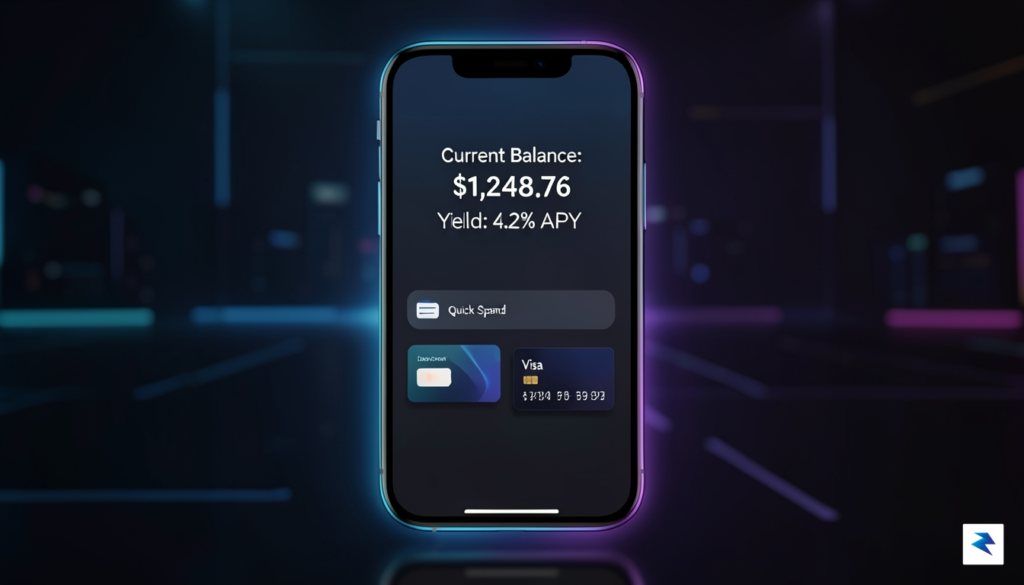
To address this shifting consumer landscape, MetaMask has introduced the concept of the “Money Account,” a feature designed to unify the traditionally separate worlds of decentralized finance and daily spending. By integrating native stablecoin yield generation directly with spending capabilities within a single, cohesive interface, this new feature directly addresses the market’s demand for an all-in-one crypto experience. Consequently, users no longer need to choose between earning competitive returns on their idle stablecoins and keeping their funds liquid for daily purchases. This integration marks a significant milestone in the convergence of Web3 and traditional personal finance, effectively turning a standard browser extension into a comprehensive, sovereign banking alternative.
Key Takeaway: The transition of crypto wallets from secure storage keys to proactive financial hubs represents the natural maturity of Web3, where user convenience and capital efficiency are prioritized over technical complexity.
Understanding the MetaMask Money Account
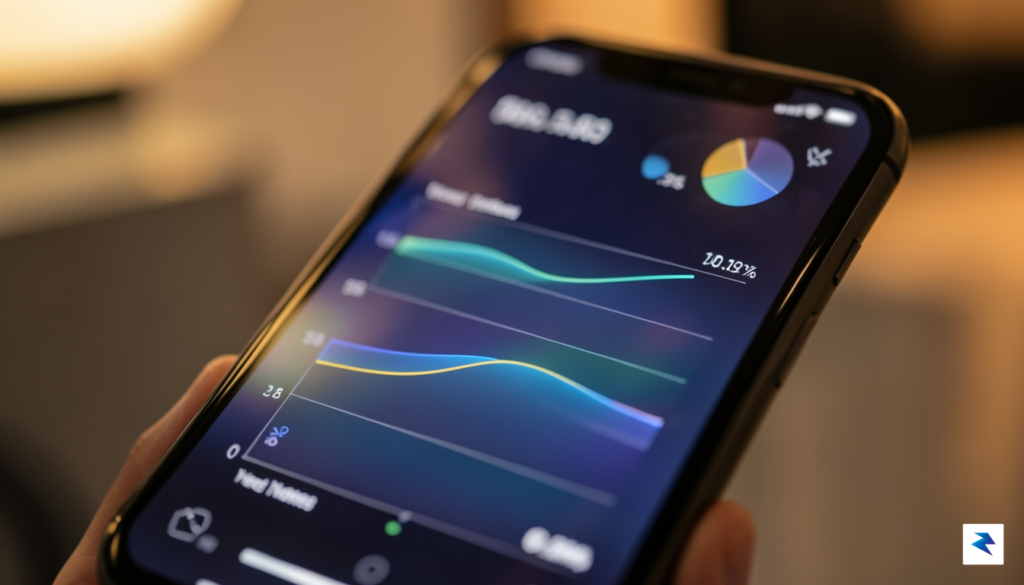
At its core, the new Money Account represents a fundamental shift in how users interact with their digital assets, moving beyond the traditional role of a wallet as merely a passive storage vault. By integrating yield-generating stablecoins directly into the MetaMask interface, the platform eliminates the friction previously required to move capital between decentralized finance (DeFi) protocols and spending accounts. Users no longer need to manually navigate complex smart contract interfaces or manage collateralized lending positions to put their idle funds to work. Instead, the Money Account automates these processes, effectively turning a static balance into a dynamic financial instrument that accrues value in real-time while remaining available for immediate utility.
The technical architecture behind this feature is designed for seamless operation, leveraging stablecoins as the primary asset class to ensure price stability and predictability. By anchoring the account to assets pegged to the U.S. dollar, MetaMask mitigates the inherent volatility associated with traditional cryptocurrency holdings, making it a viable alternative to conventional savings accounts. When a user deposits funds into the Money Account, the underlying protocol works in the background to allocate capital across reputable liquidity pools and lending markets. This sophisticated backend integration ensures that users earn competitive yields without ever needing to understand the underlying technical complexity of the Ethereum ecosystem or the specific yield-farming strategies being employed.
The Money Account bridges the gap between the high-yield potential of decentralized finance and the practical necessity of everyday liquidity, allowing your assets to work for you while remaining ready for instant spending.
From a user interface perspective, this integration introduces a more intuitive dashboard that provides a consolidated view of both capital growth and liquidity. Rather than toggling between different dApps to check interest rates and wallet balances, users can monitor their yield progress directly within their primary MetaMask view. This streamlined design is complemented by enhanced spending capabilities, which allow for the fluid transition from interest-bearing status to transactional utility. Whether settling payments or participating in the broader on-chain economy, the user maintains full control over their funds, effectively blending the convenience of a traditional banking app with the self-custody and transparency of the blockchain.
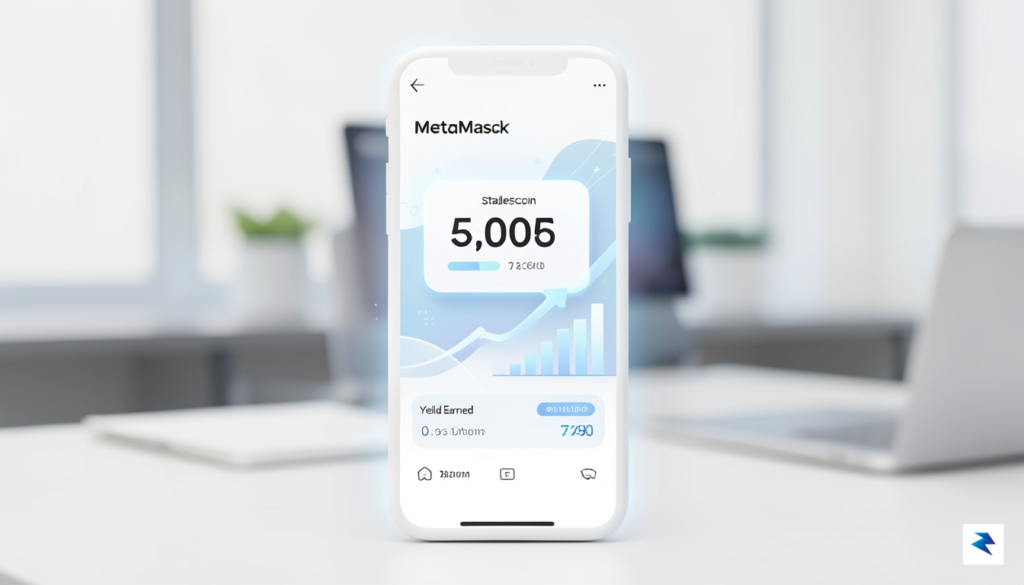
Ultimately, this evolution in wallet functionality differentiates itself from standard storage by transforming the wallet into a proactive financial management tool. By prioritizing accessibility and stability, MetaMask is lowering the barrier to entry for users who are interested in DeFi but have historically been deterred by the technical overhead. As the digital economy continues to mature, this model of integrated yield and spending suggests a future where the distinction between a “wallet” and a “financial account” becomes increasingly blurred, empowering individuals to maximize the utility of their digital capital with unprecedented ease.
How Stablecoin Yields Work in a Non-Custodial Context
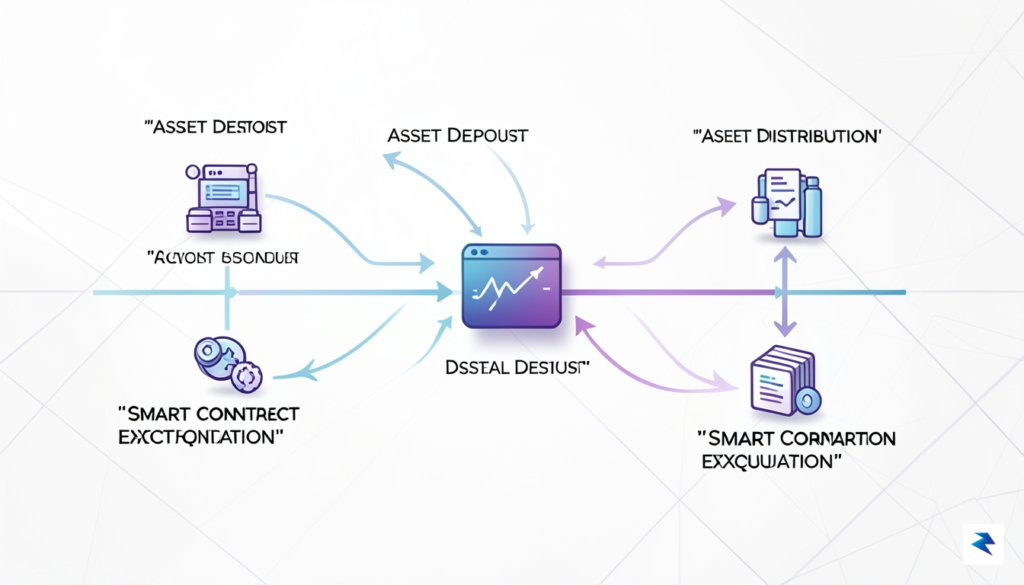
At the heart of the non-custodial yield model is a fundamental shift in control: you remain the sole owner of your assets, even while they are actively working to generate returns. Unlike traditional banking or centralized crypto-lending platforms, where you deposit funds into a company’s black-box account, a non-custodial approach utilizes automated smart contracts. When you participate in yield generation through your wallet, your capital is interacting directly with audited, decentralized finance (DeFi) protocols on the blockchain. Because these protocols function based on immutable code rather than human discretion, you can verify exactly where your funds are allocated at any given moment, ensuring that your assets are never commingled with a company’s operational balance sheet.
These yields are primarily generated through participation in established DeFi ecosystems, such as decentralized lending markets or liquidity pools. By providing stablecoins to these protocols, you are essentially acting as a liquidity provider or a lender in an open-market environment. Borrowers who wish to leverage their positions interact with these same smart contracts, paying interest that is programmatically distributed back to the liquidity providers. Because this entire cycle is governed by transparent, on-chain logic, there is no need to trust a middleman to manage your risk or distribute your earnings fairly. Every transaction, interest rate adjustment, and collateral requirement is viewable on the public ledger, offering a level of clarity that simply does not exist in the traditional financial sector.

In a non-custodial framework, your yield is the direct result of market-driven demand for liquidity, not the byproduct of high-risk, off-chain investment strategies.
It is important, however, to understand the relationship between risk and reward in this context. While the transparency of smart contracts mitigates the risk of platform insolvency or hidden mismanagement, users must still account for the technical risks inherent in DeFi, such as potential smart contract vulnerabilities or fluctuating market volatility. Nevertheless, the non-custodial approach fundamentally changes the risk-reward ratio by eliminating “counterparty risk”—the danger that a centralized entity will go bankrupt or freeze your withdrawals. By retaining custody of your private keys, you preserve the ability to withdraw your capital at your own discretion, providing a level of financial autonomy that allows you to engage with yield-generating opportunities while keeping your digital assets securely under your own control.
Bridging the Gap Between DeFi and Daily Spending
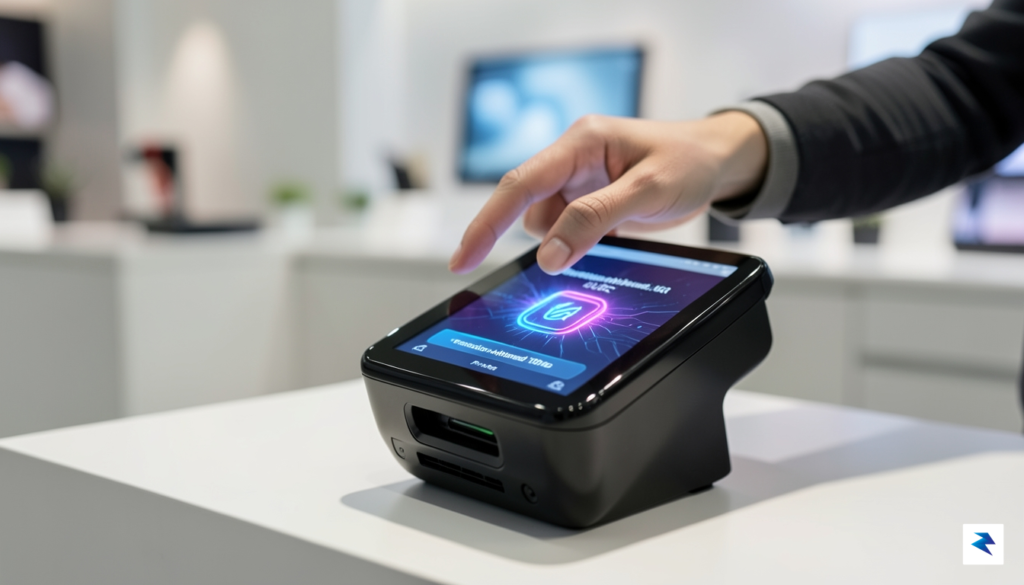
For years, the promise of decentralized finance (DeFi) has been hindered by a significant barrier: the friction of moving assets between high-yield protocols and the real-world economy. Most users have been forced to treat their digital holdings as static investment vehicles, requiring a tedious and often expensive process of selling tokens, transferring them to a centralized exchange, and finally off-ramping into a traditional bank account before they can be spent. By integrating yield-bearing capabilities directly with spending functionality, this new approach transforms stablecoins from mere digital storehouses into active participants in an individual’s daily financial life. This evolution marks a pivotal shift from viewing crypto as a speculative asset class toward recognizing it as a practical, liquid medium of exchange.
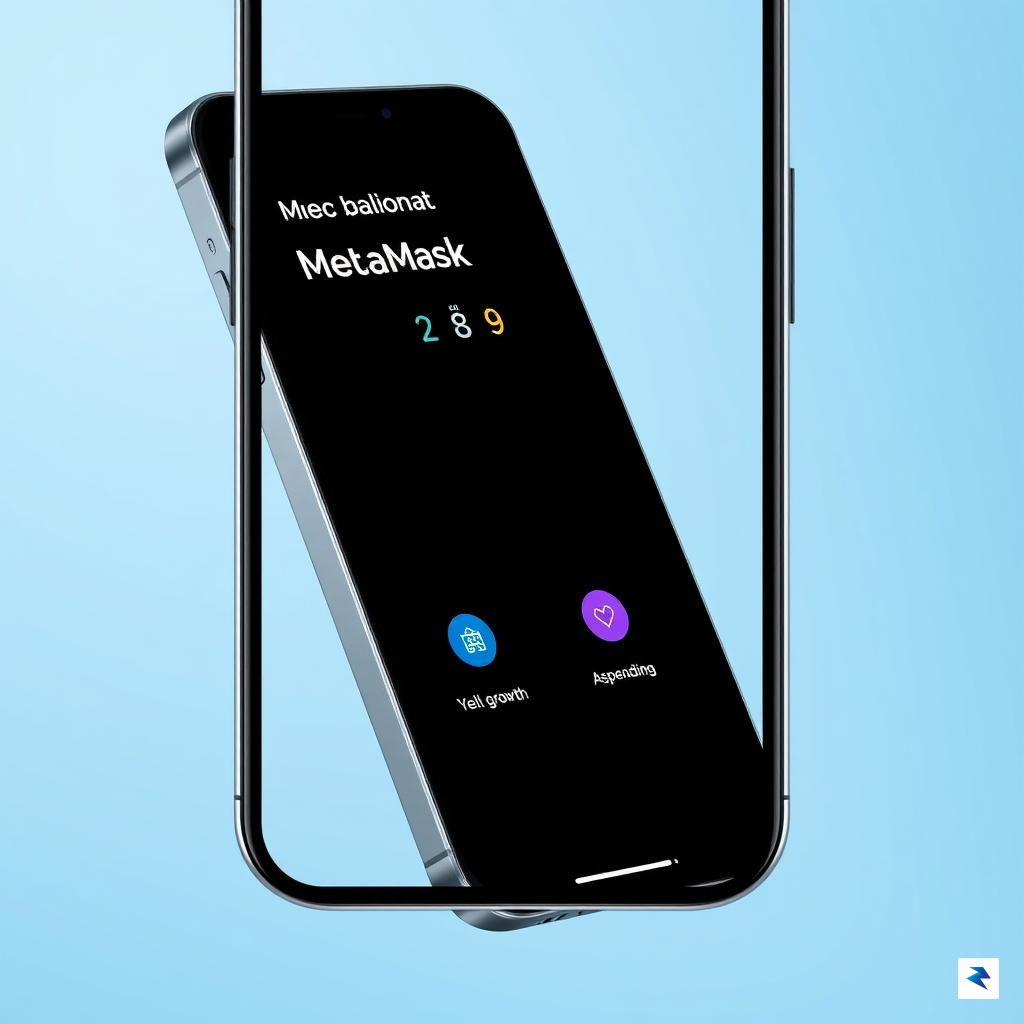
The true utility of this integration lies in the elimination of the “holding tax”—that period of time when your capital remains idle because the effort to liquidate it outweighs the benefit of spending it. By automating the relationship between passive income generation and point-of-sale transactions, users can keep their capital working for them until the exact moment a purchase is made. This removes the mental and technical overhead of constantly monitoring gas fees or managing bridge transactions just to cover a coffee or a grocery bill. When stablecoins can move seamlessly from a DeFi yield-earning position to a merchant checkout without leaving the wallet ecosystem, the distinction between “investing” and “spending” begins to dissolve, making the user experience feel as intuitive as using a traditional debit card.
By collapsing the distance between high-yield decentralized protocols and everyday commerce, users no longer have to choose between growing their wealth and enjoying the liquidity of their assets.
Furthermore, this reduction in friction is essential for broader mainstream adoption. For the average person, the current complexity of the crypto landscape is the primary deterrent to using digital assets for anything other than trading. By simplifying the path from yield to expenditure, the barrier to entry is lowered significantly, allowing users to bypass the traditional banking rails that often introduce delays, hidden fees, and geographic restrictions. When the wallet itself functions as both a treasury and a transaction engine, it empowers users to maintain full control over their financial sovereignty without sacrificing the convenience they have come to expect from modern fintech applications. Ultimately, this move signals a maturation of the ecosystem, where the focus shifts from complex backend infrastructure to the seamless, frictionless, and practical application of digital currency in our daily routines.
Security Considerations for Integrated Financial Wallets
While the integration of high-yield financial products directly into your primary wallet offers unparalleled convenience, this evolution of functionality necessitates a heightened level of vigilance. As wallets transition from simple storage tools into comprehensive financial hubs, the complexity of the underlying code increases, which inherently expands the potential surface area for technical exploits. When you deposit capital into yield-generating protocols, you are no longer just holding assets; you are actively engaging with smart contracts that manage liquidity pools and automated investment strategies. This shift means that your security strategy must evolve from passive storage to active risk management, acknowledging that the ease of “one-click” finance comes with the responsibility of securing a more sophisticated digital footprint.
Navigating Smart Contract and Protocol Risks
The primary technical concern when utilizing yield-bearing accounts is the reliance on smart contracts, which are essentially automated agreements running on the blockchain. While these protocols are often audited by reputable firms, they are not immune to bugs, logic errors, or unforeseen vulnerabilities that could potentially lead to the loss of deposited funds. Because your wallet is now acting as a gateway to these decentralized financial instruments, it is vital to research the specific protocols powering the yield mechanisms. Understanding that “yield” is often a reward for providing liquidity or participating in lending markets helps frame the risk—if the underlying protocol experiences a malfunction or a liquidity crunch, your capital may be at risk regardless of how secure your personal wallet interface appears to be.
A Proactive Security Checklist for Users
To mitigate these risks effectively, users should adopt a multi-layered defense strategy that prioritizes asset isolation and identity protection. By treating your yield-generating wallet as a high-value account rather than a casual spending vehicle, you can significantly reduce your exposure to malicious actors. Consider the following best practices to keep your digital assets safe:
- Leverage Hardware Security: Whenever possible, connect your software wallet to a hardware security module or physical cold-storage device. This ensures that even if your computer or phone is compromised, a physical interaction is required to authorize any movement of funds.
- Practice Strict Phishing Hygiene: As wallets become more feature-rich, attackers often send sophisticated phishing messages mimicking wallet updates or “urgent” yield alerts. Always access your financial features directly through official, verified app interfaces rather than clicking on links in emails or unsolicited messages.
- Implement Address Whitelisting: If your interface supports it, enable transaction white-listing to ensure that funds can only be withdrawn to pre-approved, trusted addresses. This serves as a critical fail-safe against unauthorized access.
- Monitor Permissions Regularly: Periodically review the smart contract approvals you have granted within your wallet. Revoking unnecessary permissions prevents old, forgotten connections from becoming potential vulnerabilities.
Ultimately, the greatest defense in decentralized finance is a combination of technical tools and skeptical vigilance. Even the most secure wallet interface cannot protect a user who inadvertently signs a malicious transaction, making education and cautious interaction the most important components of your security stack.
By maintaining this diligent approach, you can enjoy the benefits of integrated financial services without exposing yourself to unnecessary dangers. As the ecosystem continues to mature, staying informed about the security features provided by your wallet developer will empower you to navigate these new financial horizons with confidence and peace of mind.
The Future of Mainstream Crypto Adoption

The integration of yield-bearing stablecoins directly into a consumer-facing spending wallet marks a pivotal shift in the architecture of personal finance. For years, the barrier between decentralized finance (DeFi) and traditional banking has been defined by friction: the need to bridge assets, navigate complex protocols, and manage multiple interfaces just to earn a modest return. By collapsing these disparate functions into a single, intuitive application, the industry is moving toward a model of “invisible infrastructure,” where the underlying blockchain complexity is abstracted away to favor a seamless user experience. This professionalization of consumer crypto tools is not merely a convenience upgrade; it is a fundamental requirement for moving beyond the niche circle of early adopters and into the daily routines of the general public.
As these integrated wallets become more robust, they pose a direct challenge to the traditional banking monopoly on consumer deposits. Legacy institutions have long relied on the friction of moving money as a way to retain capital, but when a wallet offers competitive yields alongside instant, global spending capabilities, the incentive to keep funds in a traditional savings account begins to evaporate. This shift forces a competitive reaction from incumbent banks, who must now contend with protocols that operate 24/7 without the overhead of physical branches or antiquated legacy settlement layers. We are witnessing the early stages of a hybrid financial ecosystem where the security and compliance of regulated stablecoins allow crypto wallets to function effectively as modern-day checking accounts.
True mainstream adoption is not measured by the number of people who understand the mechanics of a smart contract, but by the number of people who use crypto tools without realizing they are using crypto at all.
Looking ahead, the trajectory for integrated wallets will likely involve the inclusion of more sophisticated financial products, such as automated tax reporting, credit lines secured by on-chain assets, and cross-border payment rails that operate at near-zero cost. As regulatory environments mature, these platforms will likely bridge the gap between volatile digital assets and stable, real-world utility even further. For the broader industry, this means that “adoption” is no longer about evangelizing the philosophy of decentralization to the masses; it is about building high-utility, low-friction products that provide tangible improvements over existing financial systems. By proving that digital assets can be both a store of value and a medium of exchange within the same interface, MetaMask and similar platforms are setting the stage for a future where crypto-native finance is simply considered “finance.”