T-Mobile Retiring 1,100 Legacy Plans: What You Need to Know
The End of an Era: Understanding T-Mobile's Legacy Plan Migration For years, T-Mobile has operated with a digital landscape that…
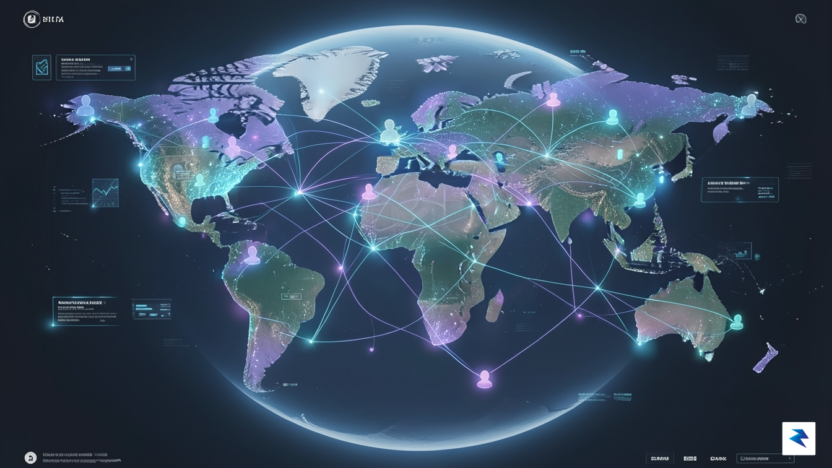
For more than a decade, WhatsApp has operated on a foundational premise that necessitated a direct link between your digital presence and your physical SIM card. By requiring a phone number for registration and contact discovery, the platform prioritized the ease of finding friends and family over the nuances of personal digital boundaries. While this design choice made onboarding seamless for millions of global users, it simultaneously forced everyone to broadcast their personal contact details to anyone they interacted with on the app. For many, this has long been a significant privacy trade-off, as a phone number is often the most sensitive piece of personal data an individual owns, serving as a gateway to banking, identity verification, and private life.
The upcoming transition to a username-based system represents a pivotal departure from this legacy identity model. By decoupling your WhatsApp identity from your phone number, Meta is moving toward a more modern, platform-native architecture that treats your digitised persona as an abstract entity rather than a tethered line. This shift essentially creates a buffer zone between your private life and your professional or casual interactions. Instead of revealing your digits to a delivery driver, a digital marketplace buyer, or a new professional acquaintance, you will soon have the ability to share a unique handle that maintains your anonymity while still facilitating reliable communication.
This evolution is particularly meaningful for those who maintain a high degree of caution regarding how their personal information is disseminated across the internet. In an era where data scraping and unsolicited contact have become increasingly common, the ability to initiate a conversation without handing over a phone number is a significant upgrade to the user experience. By adopting a username, users can effectively gatekeep their private contact information, granting access to their actual phone number only to those within their closest circle of trust. This change isn’t merely a cosmetic update; it is a fundamental reconfiguration of the platform’s security roadmap that empowers the individual to curate their digital footprint with greater precision than ever before.
Ultimately, the move toward usernames signals that Meta recognizes the growing demand for granular control over digital identity. By offering a layer of separation, WhatsApp is finally acknowledging that the convenience of a phone-number-linked account should no longer come at the cost of personal privacy.
As this feature rolls out, users should consider how they intend to use these new identifiers to compartmentalize their social and professional spheres. Whether it is shielding your private number from public group chats or establishing a more professional handle for business inquiries, the flexibility provided by usernames will redefine how we engage with the platform. This transition marks a mature phase in WhatsApp’s growth, one that better aligns with the contemporary standard of digital safety and user-centric autonomy.
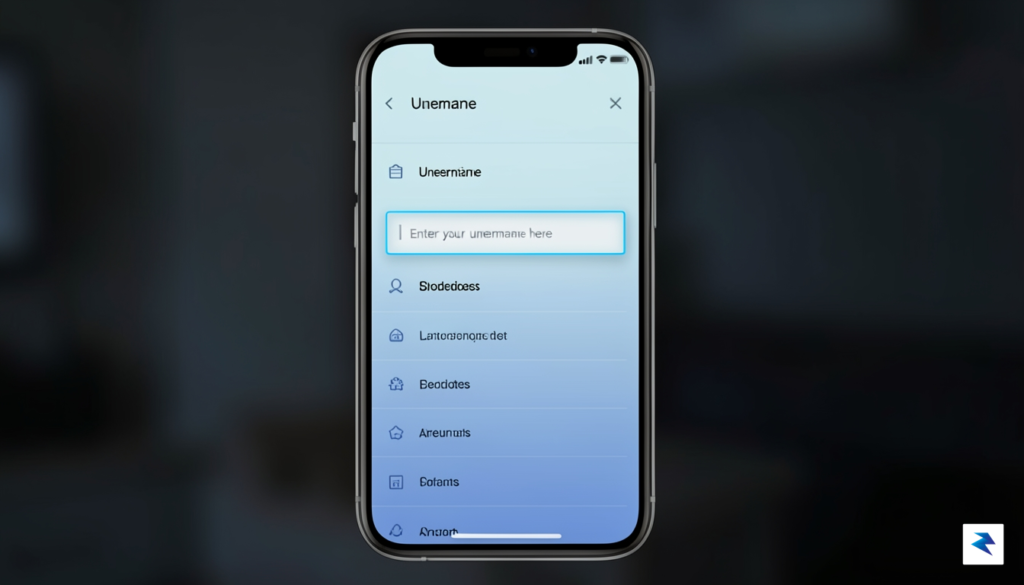
For over a decade, WhatsApp has operated on a rigid infrastructure that tied every account directly to a physical SIM card and its associated phone number. The upcoming introduction of usernames marks a seismic shift in this architecture, effectively decoupling your digital identity from your private contact information. Instead of being forced to disclose your personal digits to every acquaintance, business contact, or service provider, you will soon be able to generate a unique, alphanumeric identifier. This transition transforms WhatsApp from a phone-book-dependent messenger into a more flexible, privacy-centric social network where discovery is governed by your chosen handle rather than your mobile carrier data.
The mechanics of this feature are designed to prioritize user autonomy while maintaining the platform’s standard for security. When the feature rolls out, users will navigate to their profile settings to claim a handle that is entirely distinct from their phone number. Because these identifiers must be globally unique to ensure that messages reach the intended recipient, Meta is expected to implement a “first-come, first-served” reservation system, likely mirroring the approach used by Instagram or Telegram. This means that highly desirable, short, or generic usernames will be claimed rapidly, making it essential for users to act quickly once the rollout begins to secure their preferred brand or personal handle.
Once your username is active, the way you interact with others will fundamentally change. You will no longer need to exchange phone numbers to start a conversation, which significantly mitigates the risk of harassment or unwanted data harvesting. Instead, you can simply share your unique link or username, allowing others to initiate a chat without ever seeing your actual phone number. This layer of abstraction acts as a digital firewall, protecting your privacy while ensuring that you remain reachable to the people who matter most.
The shift toward username-based discovery is not merely a cosmetic update; it is a fundamental reconfiguration of the platform’s trust model that prioritizes personal data protection over legacy telephony constraints.
Beyond the privacy benefits, this update streamlines the onboarding process for new users and businesses alike. Companies will be able to create recognizable, memorable handles that customers can easily search for or type into a browser, bypassing the cumbersome process of saving a business phone number to a contact list just to send a single inquiry. As WhatsApp integrates these tools, the platform will likely maintain a backend mapping that connects the username to the underlying account, ensuring that the transition remains seamless for the sender while providing the receiver with unprecedented control over who has access to their direct contact details.

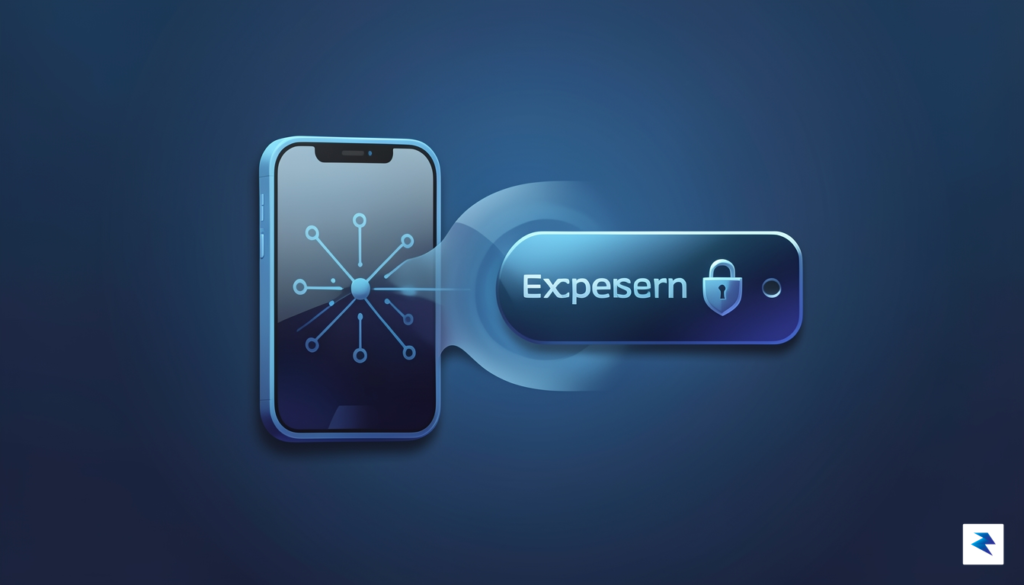
With the shift toward username-based identification, Meta is fundamentally changing how users connect, moving away from the reliance on phone numbers alone. While this provides a much-needed layer of privacy, it inevitably raises valid concerns regarding account security and potential impersonation. To address these risks, the platform is introducing a mandatory PIN-based authentication mechanism. This feature acts as an additional security key, requiring users to verify their identity before they can claim, change, or link a specific username to their profile. By requiring this secondary verification step, Meta effectively creates a barrier against bad actors who might attempt to hijack high-profile or desirable usernames through automated scripts or social engineering tactics.
The implementation of this PIN system is designed to provide a robust defense against unauthorized username claiming. Under normal circumstances, a public-facing identifier could be vulnerable to “sniping,” where malicious users attempt to register usernames that belong to others or impersonate public figures. However, by tying the username to a persistent, user-defined PIN, Meta ensures that even if a bad actor gains access to a secondary device or attempts to spoof a connection, they cannot migrate or claim an existing handle without the specific cryptographic key. This ensures that the integrity of your personal brand or private identity remains firmly under your control, effectively mitigating the risks associated with a more open discovery system.
The integration of a secondary PIN requirement serves as a critical safeguard, ensuring that your public username remains tethered strictly to your verified account and not merely to your public-facing handle.
Beyond the technical mechanics of PIN protection, Meta is also bolstering its internal monitoring systems to detect and flag potential impersonation attempts. When a username is publicly displayed, the platform’s background algorithms will look for patterns indicative of deceptive behavior, such as accounts attempting to mirror the names or profile aesthetics of established, verified contacts. These safeguards operate silently in the background, creating a safer ecosystem where the convenience of a username does not come at the cost of personal security. Users should still exercise caution when interacting with new contacts, but these automated protections represent a significant evolution in how WhatsApp manages the balance between open connectivity and the necessity of verified, private communication.

The introduction of usernames marks a pivotal shift in how WhatsApp balances its roots as a personal messaging tool with its growing identity as a professional networking platform. For the average user, this change represents a long-awaited layer of separation between their digital social life and their private contact information. By allowing individuals to share a unique handle rather than a personal phone number, WhatsApp is effectively lowering the barrier to entry for casual interactions, whether you are meeting someone in a community group or connecting with a new acquaintance at a networking event.
For small business owners and public figures, this transition is perhaps even more consequential. Historically, maintaining a professional presence on the app meant exposing one’s primary mobile number to potential clients, which could lead to boundary blurring and privacy concerns after business hours. With the ability to utilize a professional username, entrepreneurs can now curate a public-facing profile that feels polished and distinct from their personal life. This allows for a more controlled interface where business inquiries can be managed without the inherent risk of having one’s personal device number broadcasted to strangers or wide-reaching customer bases.
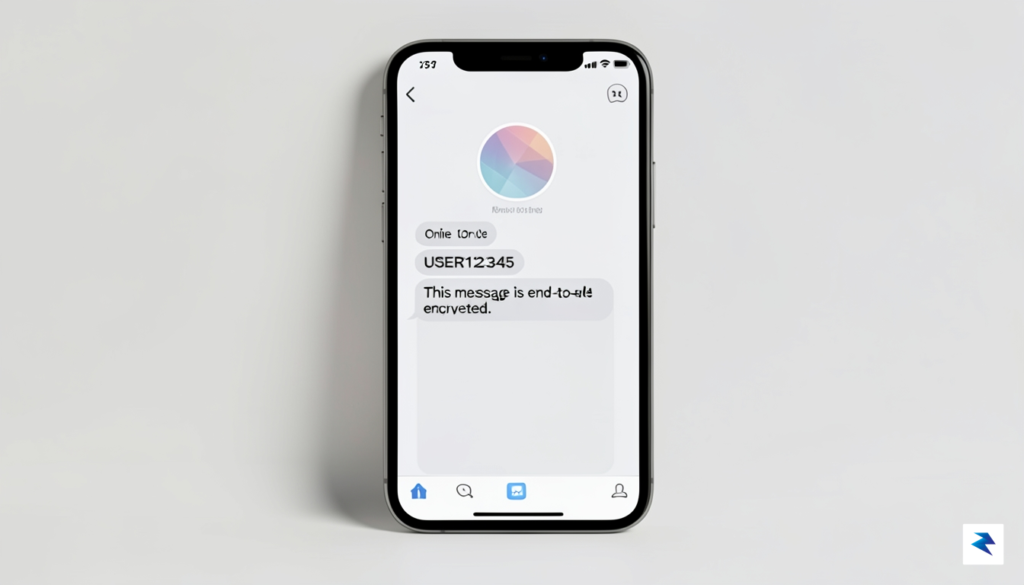
The privacy implications extend significantly into the realm of public groups and online communities. Previously, joining a large group often meant that every other member could see your phone number, leaving you vulnerable to unsolicited outreach or data scraping. By decoupling your identity from your digits, WhatsApp is empowering users to participate in broader discussions with a greater sense of security. This evolution is likely to curb the prevalence of spam, as unwanted actors will find it significantly more difficult to harvest private contact data simply because someone chose to engage in a public forum.
The shift toward usernames transforms WhatsApp from a phone-number-dependent directory into a versatile, identity-based communication ecosystem that prioritizes user discretion.
Furthermore, the contact-sharing ecosystem is set for a major overhaul. We are moving away from an era where “getting someone’s number” was the only way to establish a digital connection. This change will streamline the process of initiating conversations while simultaneously providing users with a “kill switch” for unwanted contact requests. If a specific interaction becomes problematic, the ability to change or hide a username offers a level of control that was previously impossible when your identity was tied inextricably to your SIM card. Ultimately, these updates foster a more professional environment that respects the boundaries of both personal users and growing enterprises, ensuring that communication remains efficient without sacrificing individual safety.

As the rollout of WhatsApp usernames begins, the race to claim your digital identity is officially underway. Because these handles will likely function on a first-come, first-served basis, being proactive is the single most effective way to ensure you secure the name that best represents you or your brand. You should start by brainstorming a list of potential handles well before the feature hits your specific region. Consider variations that are easy for others to remember, spell, and search, as this username will eventually serve as your primary point of contact for new connections who may not have your phone number saved.
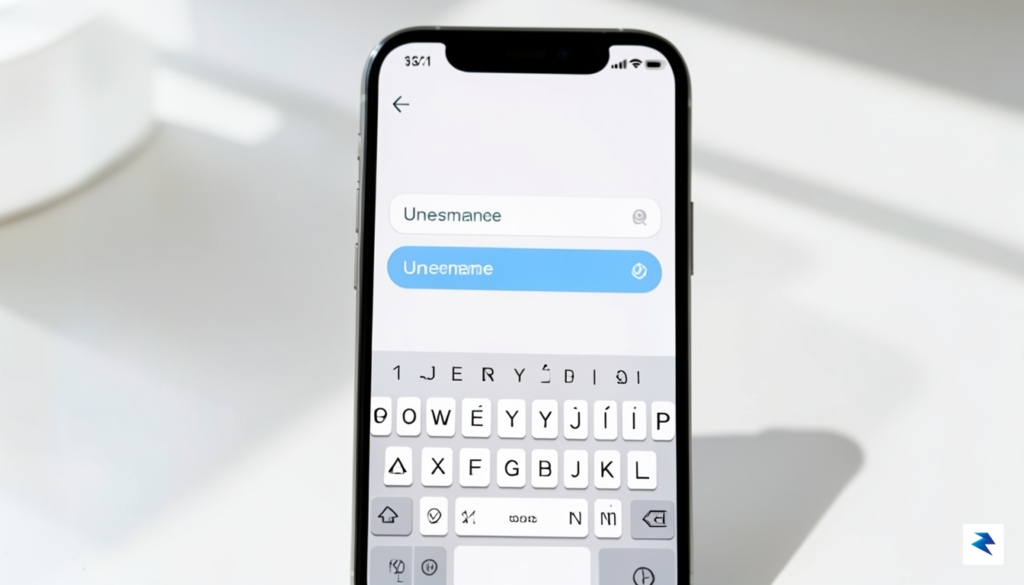
When deciding between a professional or personal handle, think critically about your long-term goals for the platform. If you intend to use your account for business, networking, or public-facing communication, opt for a handle that is consistent with your existing social media presence to maintain brand cohesion. Conversely, if your WhatsApp usage remains strictly for friends and family, choose a handle that feels authentic and recognizable to your inner circle. Regardless of the route you take, avoid overly complex strings of numbers or symbols, as these can make your account appear less credible and harder for contacts to verify.
To ensure you are ready for the transition, perform a quick audit of your profile information now. Ensure your display name and profile picture reflect the identity you want associated with your future username, as these elements will work in tandem to help contacts identify you within the new search ecosystem.
Furthermore, it is vital to remember that the introduction of usernames will not override your existing privacy settings. You should immediately revisit your Privacy settings within the app to ensure your preferences regarding who can see your profile picture, your “About” status, and your last seen timestamp remain configured to your liking. Even if you choose a public-facing username, you can still restrict who sees your personal information, providing a necessary layer of control in an increasingly interconnected messaging environment. By reviewing these settings today, you create a secure foundation that allows you to embrace the new username feature without compromising your personal digital security.
Finally, stay alert for official app updates in your respective app store. The feature will likely arrive via a standard software update, and ensuring your application is running the latest version is the only way to gain access to the username configuration menu as soon as it goes live globally. Monitor tech news outlets and the official WhatsApp help center for announcements, as they will provide the most accurate timeline for when the feature will reach your specific device model and region.
You must be logged in to post a comment.