
Vint Cerf Retires: Reflecting on the Legacy of the Father of the Internet
The Architect of Connectivity: Vint Cerf’s Legacy As Dr. Vinton Cerf prepares to conclude his distinguished tenure at Google, the world…
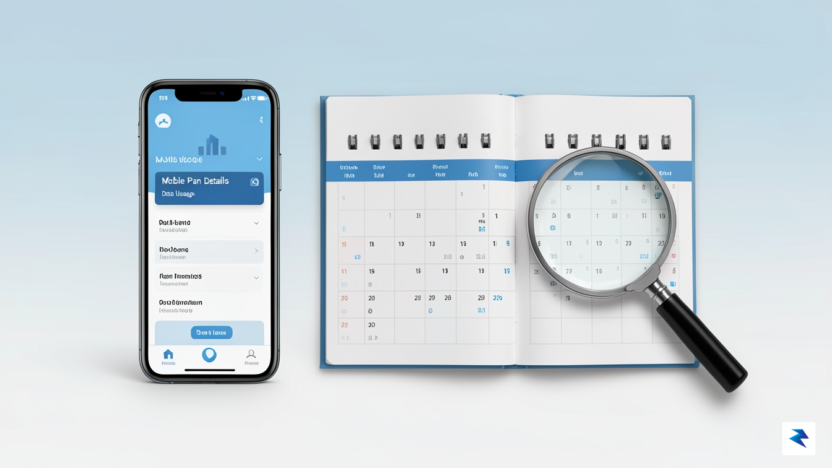

For years, T-Mobile has operated with a digital landscape that resembles a patchwork quilt, a direct result of its aggressive expansion and the subsequent integration of various wireless carriers. Following the high-profile acquisitions of companies like Sprint and MetroPCS, the carrier inherited a staggering array of legacy rate plans. Each of these plans came with its own distinct billing code, unique data structures, and varying feature sets, leading to a sprawling internal database that has become increasingly difficult to manage. By announcing the retirement of over 1,100 of these legacy plan codes, T-Mobile is essentially performing a massive digital decluttering, aiming to move its long-term subscriber base toward a more modern, unified architecture.
This administrative overhaul is not merely about tidying up a spreadsheet; it is a strategic necessity driven by the weight of technical debt. When a telecommunications company maintains thousands of disparate legacy systems, the complexity of updating features, applying security patches, or integrating new services becomes exponentially harder. Every time a customer service representative needs to troubleshoot a billing issue or a software engineer attempts to roll out a new network optimization, they have to account for hundreds of edge cases buried within these outdated plan structures. By sunsetting these legacy options, T-Mobile is prioritizing operational efficiency, which theoretically allows the company to provide a more consistent and reliable service experience for its entire user base.

Simplification is the cornerstone of modern network management; by retiring redundant legacy codes, T-Mobile is trading historical variety for future-proof scalability.
For the average subscriber, this transition represents a significant shift in how they interact with their wireless service. Long-term customers who have held onto “grandfathered” plans for years—often because they offered unique perks or specific pricing models that no longer exist—will now be required to migrate to contemporary rate plans. While change can be disruptive, this move is designed to simplify the customer journey, making it easier to understand exactly what services are being paid for and how those services interact with modern 5G capabilities. Ultimately, while the retirement of these 1,100 codes marks the end of an era defined by acquisition-led diversity, it signals a new chapter where T-Mobile is betting on a leaner, more standardized approach to connectivity.

Maintaining a digital architecture that supports over 1,100 distinct billing codes is a task of immense complexity, often referred to in the tech industry as significant technical debt. For a telecommunications giant like T-Mobile, each legacy plan acts as a unique software environment that must be individually tested, maintained, and updated every time the company rolls out a system-wide change. When billing systems are fragmented across such a massive number of legacy configurations, it creates a “spaghetti code” scenario where implementing a simple feature update can inadvertently trigger errors across thousands of disparate account types. By consolidating these accounts into a modern, unified billing framework, T-Mobile is essentially clearing out years of digital clutter that has historically hindered the speed of innovation.

The business rationale behind this migration extends beyond mere convenience; it is a fundamental requirement for the modern era of 5G connectivity. Legacy plans were often designed during the early days of mobile data, long before the rise of high-speed 5G, unlimited cloud gaming, and intensive IoT integration. Because these older systems lack the native architecture to interact properly with current 5G-centric features, customers on legacy plans are frequently unable to access the full potential of their devices. Moving to unified platforms allows the company to standardize its service delivery, ensuring that every user benefits from the same robust security protocols, billing transparency, and optimized network management tools that are unavailable within the rigid constraints of outdated software.
Streamlining these systems is not just about administrative housekeeping; it is a necessary evolution to ensure that service reliability and feature parity are maintained across the entire subscriber base.
From an operational standpoint, the overhead required to support such a high volume of legacy codes is unsustainable in a competitive market that demands rapid deployment of new services. Each unique plan code requires a dedicated patch or manual oversight, which inevitably leads to a higher margin of human error and billing discrepancies. Through this consolidation, T-Mobile is shifting its focus toward a centralized billing logic that is inherently more accurate and responsive. Ultimately, this transition creates a more streamlined user experience where account management, data tracking, and promotional integration occur in real-time, providing the company with the agility to respond to market trends without being anchored by the limitations of antiquated infrastructure.

Navigating the transition of your mobile service can feel daunting, especially when major carriers begin streamlining their offerings. While T-Mobile is retiring a vast number of legacy plan codes, it is important to remember that not every subscriber will be impacted simultaneously. The migration is a rolling process, meaning some customers will be notified well in advance while others may see changes occur in later phases. To determine if your current account is slated for migration, the most reliable approach is to leverage the self-service tools already at your fingertips.
The most efficient way to verify your status is by logging directly into your T-Mobile online account portal or the T-Mobile mobile application. Once you have successfully authenticated your credentials, navigate to the “Account” tab, which typically houses your current plan details and billing summary. Look for any prominent banner notifications or “Action Required” flags that may have appeared at the top of your dashboard. T-Mobile often uses these dedicated spaces to highlight plan-specific updates, and if your plan is part of the retirement wave, you will likely see a clear notification directing you to view your new plan options or migration timeline.
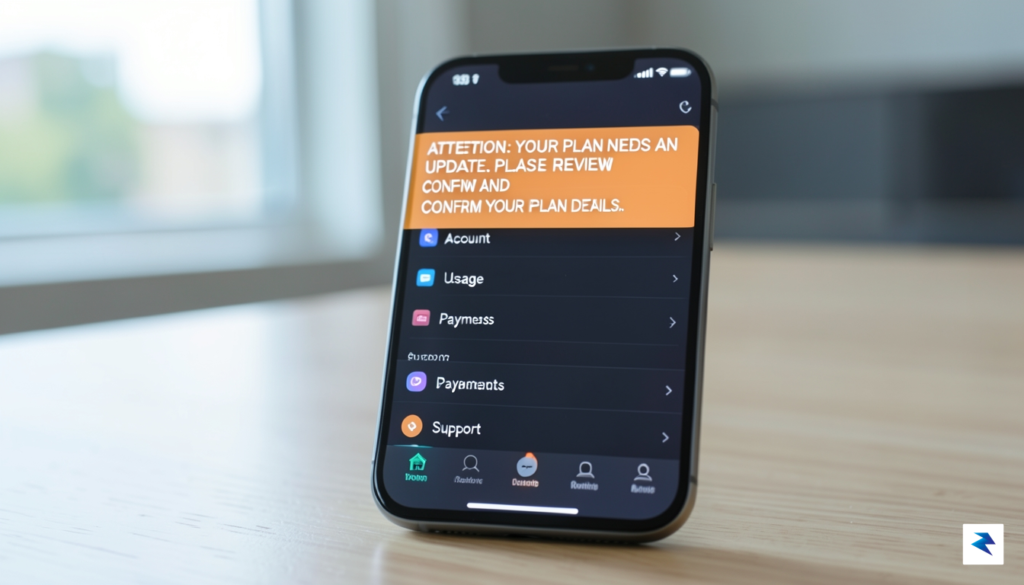
Beyond the digital dashboard, it is imperative that you monitor the communication channels you have registered with the carrier. T-Mobile has been sending proactive alerts via both email and SMS to affected account holders, providing specific details regarding why their current legacy plan is being phased out and what the transition process entails. We recommend taking the following steps to ensure you do not miss these critical updates:
If you do not see a specific notification in your dashboard or your inbox, your plan is likely not part of this immediate migration phase. However, staying proactive by checking these tools periodically will keep you ahead of any future adjustments.
If you remain uncertain after reviewing your account dashboard, do not hesitate to contact T-Mobile customer support directly. Speaking with a representative can provide clarity, especially if you have concerns about how a plan change might impact your current pricing structure or data benefits. By verifying your status through these official channels, you can take control of your mobile experience and ensure that you are fully prepared for the upcoming changes to your service contract.
For the vast majority of T-Mobile subscribers, this massive migration effort is designed to occur behind the scenes without requiring manual intervention. However, the sheer scale of sunsetting 1,100 legacy plan codes means that some users will inevitably experience shifts in their monthly billing structures or service inclusions. While your core connectivity should remain uninterrupted, you might notice subtle changes in your monthly statement, such as adjusted line item costs or the sudden addition of streaming subscriptions that were previously unavailable on older, grandfathered plans. It is essential to monitor your account portal closely during the transition window to ensure that any automatic plan mapping aligns with your actual usage patterns and financial expectations.
The most common outcome for those moving from a legacy plan to a modern equivalent involves a trade-off between price and utility. Some customers may find their monthly premiums slightly higher, yet they often receive significant value in return, such as increased high-speed data caps, improved mobile hotspot allotments, or bundled access to premium content services like Netflix or Apple TV+. Conversely, if you are a light data user who was holding onto an outdated plan specifically for its low price point, you should be particularly vigilant. To avoid unwanted “bill shock,” take a few minutes to compare your current usage statistics against the features of your new plan. If the new plan’s features do not provide adequate value for your lifestyle, you may need to reach out to customer support to explore alternative options that better suit your specific budget constraints.
To ensure you are fully informed throughout this transition, always review your Customer Proprietary Network Information (CPNI) settings. Managing these preferences grants you control over how your account data is used and ensures you receive timely notifications regarding your service status and migration options.
Beyond the billing cycle, customers should be aware of their rights regarding plan changes and opt-out policies. T-Mobile is required to provide advance notice when significant changes to your account terms are implemented, giving you a window of time to evaluate the new service agreement. If you feel that a migration is not in your best interest, you generally have the right to discuss alternative configurations or, in some cases, explore your options to switch providers if the new terms prove unsatisfactory. Being proactive is your best defense against confusion; by logging into your T-Mobile account dashboard, you can verify your new plan details, review updated terms of service, and reach out to a support representative if the new billing structure does not match the information provided in your migration notification.
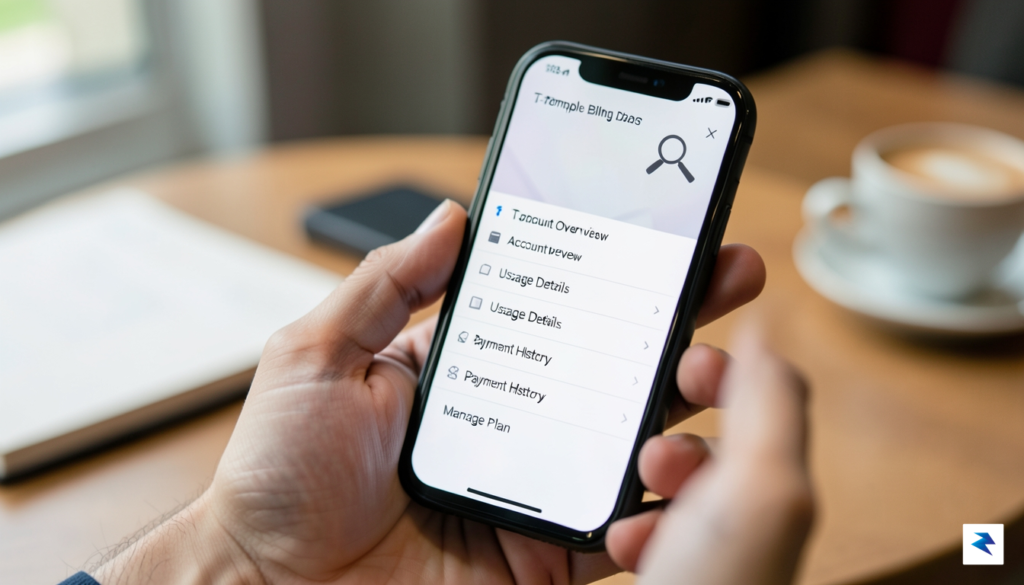

When you receive notification that your legacy plan is being retired, the initial instinct might be frustration, but this transition serves as an excellent opportunity to audit your actual mobile usage patterns. Before simply accepting the carrier’s suggested replacement, take the time to log into your account dashboard and review your monthly data consumption, typical roaming habits, and usage of premium add-ons. Often, legacy plans are marketed for features that the average consumer no longer utilizes, such as massive stockpiles of physical hotspot data or specific international calling tiers that have since been superseded by modern VoIP solutions. By comparing your historical data usage against the specific tiers of the new offerings, you can determine if a cheaper, modern plan might actually provide better performance for your specific needs.
Modern plans often shift the value focus from raw data volume to bundled lifestyle perks and network priority. When evaluating the new options, look closely at the “deprioritization threshold”—the amount of data you can use before your speeds might be throttled during peak congestion—as this is a critical metric that was rarely prioritized in older plan structures. Additionally, consider the economic value of bundled streaming services like Netflix, Apple TV+, or Hulu. If you are already paying for these subscriptions out of pocket, a slightly higher monthly plan cost may actually result in a net savings once you consolidate those services into your mobile bill. However, be wary of “bloated” plans that force you to pay for features you do not use, such as extra high-speed hotspot tethering or premium cloud storage, if you already have these needs met by other providers.
Key takeaway: Don’t just look at the monthly base price. Calculate the total cost of ownership by subtracting the value of the streaming and lifestyle perks included in new plans from the total monthly bill to see how it compares to your legacy costs.
If the migration path presented to you seems objectively worse or significantly more expensive, you are not entirely without leverage. Before finalizing any changes, contact customer support—ideally through a chat or phone line designated for loyalty or retention. Politely explain that you have been a long-term customer and express concern regarding the price jump or the loss of a specific feature you value. Representatives often have access to “hidden” retention offers, promotional credits, or discounted plan tiers that are not advertised on the public-facing website. By remaining calm and inquisitive, you can often secure a “bridge” offer or a temporary discount that softens the impact of the migration, ensuring that you don’t feel forced into a plan that doesn’t align with your budget or requirements.
You must be logged in to post a comment.