Understanding the Anduril Mississippi Incident
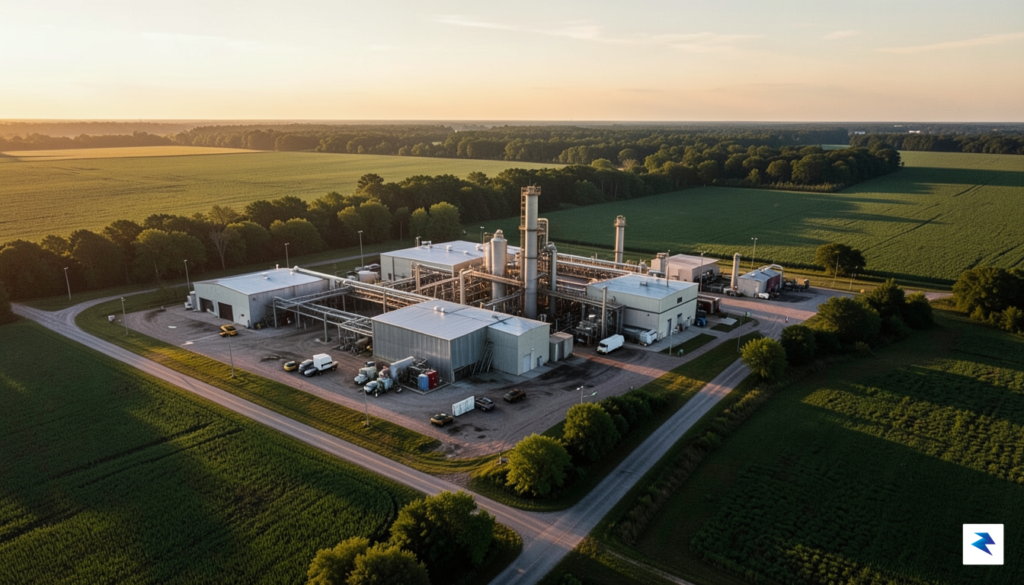
A significant event recently unfolded at Anduril Industries’ rocket motor test site in coastal Mississippi, drawing attention to the complexities and inherent risks of advanced defense manufacturing. The incident involved an explosion during a routine test of a solid rocket motor, a critical component in many modern defense systems. While details regarding the precise cause are still emerging, the event has understandably prompted an internal investigation by Anduril, aiming to understand the anomaly and prevent future occurrences. This site is pivotal to Anduril’s strategy of vertical integration, allowing the company to rapidly design, develop, and test propulsion systems in-house.
The Mississippi facility, which Anduril acquired through its integration of Adranos, represents a cornerstone of the company’s efforts to innovate and rapidly produce defense technologies. Specifically designed for high-energy propulsion testing, the site allows for the rigorous evaluation of solid rocket motors, which power everything from tactical missiles to advanced interceptors. Its location in a region known for aerospace and defense testing infrastructure provides the necessary isolation and specialized resources for such demanding operations. This infrastructure is vital for the development cycle of next-generation defense capabilities, enabling Anduril to push boundaries in propulsion science and manufacturing.
Crucially, despite the dramatic nature of the explosion, Anduril has confirmed that there were no casualties or injuries sustained by personnel. This fortunate outcome underscores the robust safety protocols and remote testing procedures meticulously implemented at such facilities, designed to protect human life even when equipment failures occur. Immediately following the incident, Anduril initiated its emergency response plan, securing the site, commencing a thorough internal investigation, and coordinating with relevant local authorities. The swift and professional handling of the aftermath is a testament to the preparedness required when operating at the forefront of high-energy defense technology development.
In the highly scrutinized realm of defense manufacturing, transparency following an accident is paramount. For a company like Anduril, which holds significant government contracts and is rapidly expanding its footprint in the defense industrial base, clearly communicating the facts, the investigative process, and the corrective actions taken is essential for maintaining trust with its clients, stakeholders, and the public. Such incidents, while regrettable, provide invaluable learning opportunities that can lead to enhanced safety measures, improved design methodologies, and ultimately, more resilient and reliable defense systems. Demonstrating a commitment to continuous improvement and accountability ensures that the long-term implications for national security and technological advancement remain positive, even in the face of unexpected challenges.
The Strategic Importance of Rocket Motor Testing
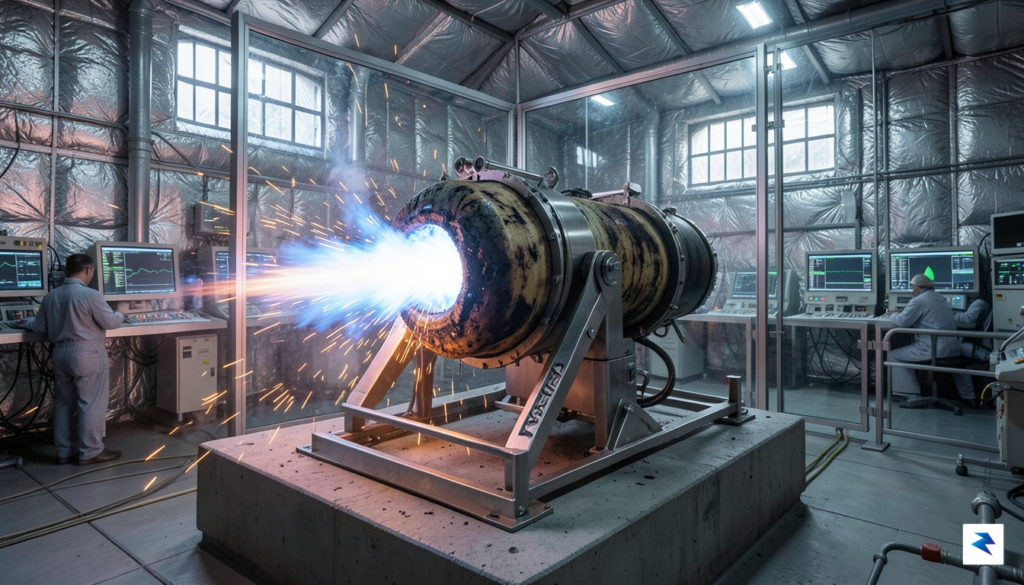
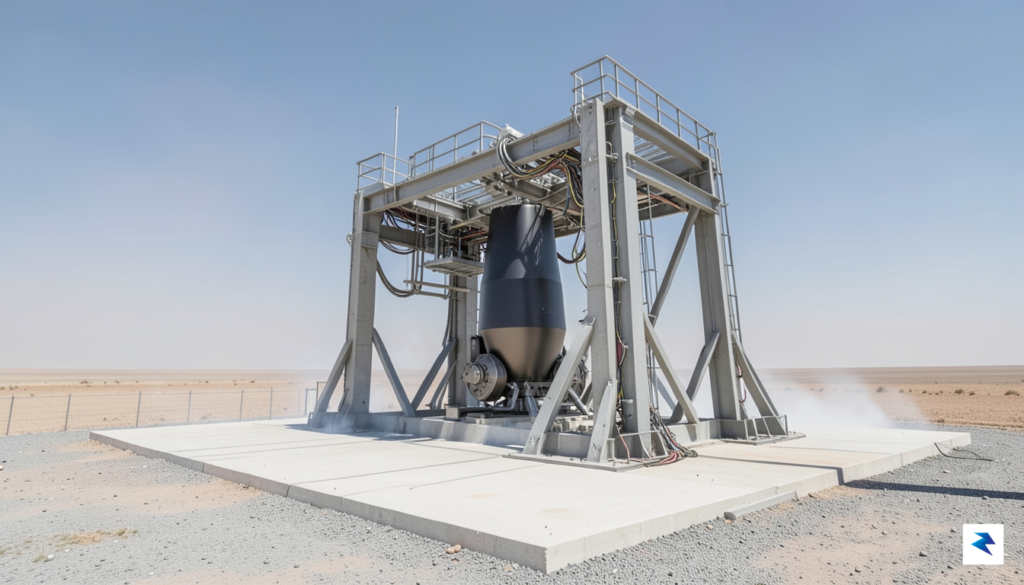
Developing advanced rocket propulsion systems is perhaps the most demanding discipline within modern aerospace engineering. Because solid rocket motors function by containing immense chemical energy within a pressurized casing, they represent a delicate balance between peak performance and catastrophic volatility. Every test fire is a high-stakes event where engineers push these systems to their absolute limits to ensure that, when deployed in the field, they function with unwavering reliability. This necessity for rigorous, real-world validation is precisely why companies like Anduril must maintain specialized infrastructure designed to withstand extreme thermal and mechanical stresses.
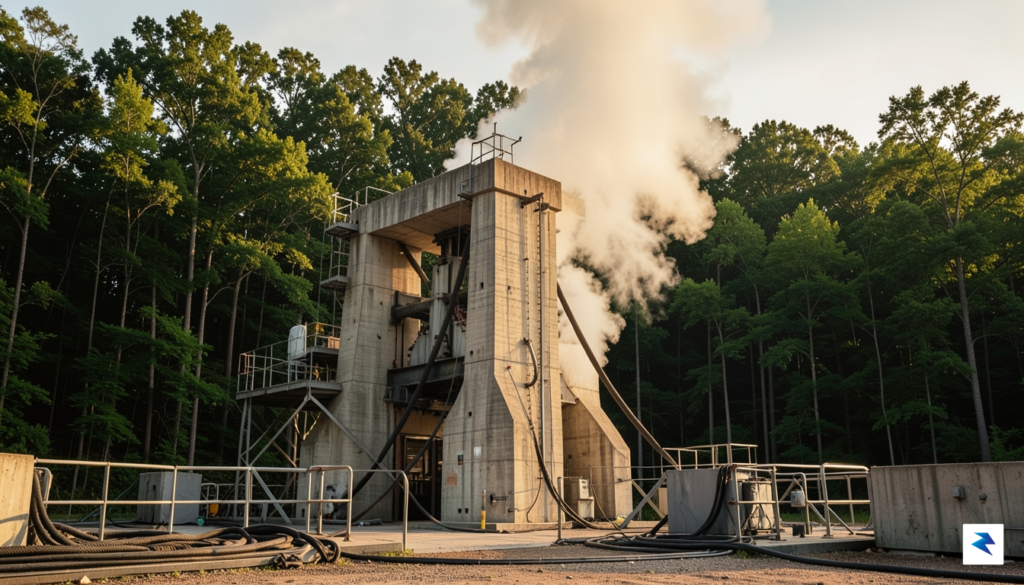
The strategic choice to locate these critical testing facilities in remote, sparsely populated regions—such as those found in Mississippi—is not merely a matter of convenience; it is a fundamental safety requirement. Because the combustion process involves energetic materials that are inherently unstable during the development phase, these sites are engineered to act as blast-containment zones. By operating far from metropolitan hubs, engineers can conduct high-pressure static fires that simulate the intense environment of high-speed flight without endangering civilian populations. This geographic isolation allows teams to experiment with cutting-edge propellant formulations and nozzle geometries that would be far too hazardous to test in closer proximity to human infrastructure.
Technical challenges in this sector are compounded by the iterative nature of the defense industry, which demands ever-increasing speed, range, and payload capacity for modern munitions. When developing a new propulsion system, engineers are often working at the very edge of material science, testing how metals, composites, and chemical binders react to sudden, violent ignition. Failure is frequently viewed not as a sign of incompetence, but as an essential, inherent component of the aerospace engineering feedback loop. Each anomaly provides a wealth of data that is impossible to capture through computer modeling alone, offering a granular look at how a motor handles stress, vibration, and thermal expansion.
Success in aerospace development is rarely a straight line; it is a cumulative process built upon the lessons learned from every structural compromise and ignition failure encountered during the testing phase.
Ultimately, these high-risk endeavors serve as the backbone of national defense technology. To maintain a competitive edge, innovators must accept the reality that the pursuit of superior propulsion involves navigating the fine line between ground-breaking achievement and spectacular equipment loss. By subjecting prototypes to these grueling tests, organizations ensure that the final product can withstand the unforgiving conditions of the battlefield, turning the volatile energy of a rocket motor into a precise and reliable tool of strategic deterrence.
Impact on Defense Innovation and Supply Chains
The recent incident at Anduril’s Mississippi rocket motor test site serves as a stark reminder of the inherent volatility involved in rapid defense prototyping. As the company positions itself as a cornerstone of the modern “re-industrialization” of the American defense sector, this setback highlights the fragility of the supply chain when testing cutting-edge propulsion technologies. While Anduril has gained significant momentum by integrating software-defined hardware into the military ecosystem, physical hardware—particularly rocket motors—remains subject to the unforgiving laws of physics and the complexities of high-energy materials. The disruption of testing capabilities inevitably ripples outward, creating a temporary bottleneck for the company’s ambitious delivery schedules for next-generation platforms, which are currently being eyed by the Pentagon to counter near-peer threats.
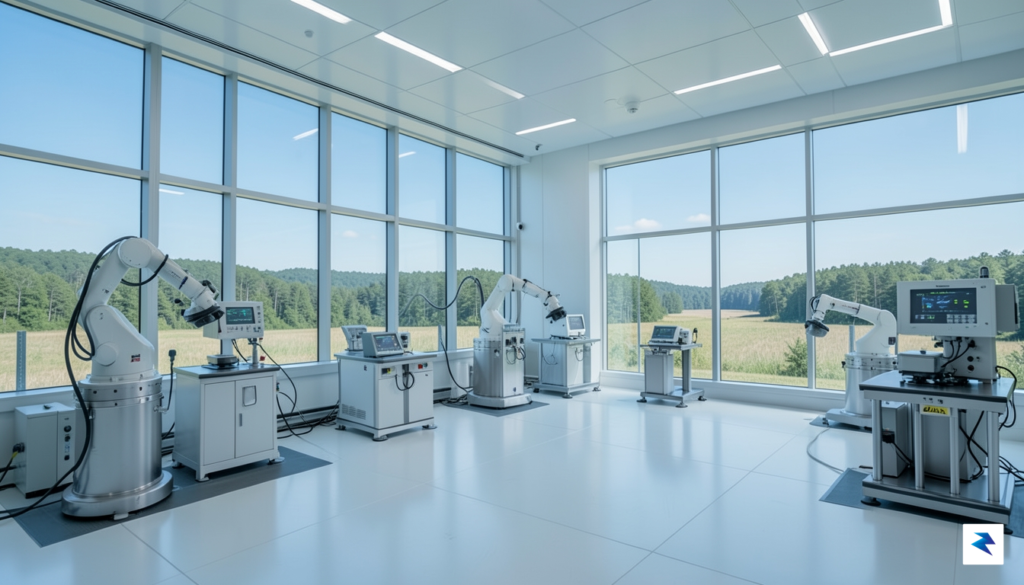
For non-traditional contractors entering the aerospace market, this event acts as a critical stress test for their operational maturity. Unlike legacy prime contractors that have spent decades refining safety protocols and failure-containment strategies, newer entrants are often tasked with iterating at an accelerated, “Silicon Valley” pace. This drive for speed is essential for filling gaps in the defense industrial base, yet it must be balanced against the rigorous safety standards required for energetic materials. Investors and military procurement officers alike will be watching closely to see how Anduril balances transparency with its operational security. The ability to recover quickly and learn from this failure will likely determine whether the Department of Defense continues to trust non-traditional firms with high-risk, high-reward propulsion development programs.
The true measure of a disruptive defense firm is not whether it avoids failure, but how it integrates those lessons back into its engineering pipeline to ensure that future iterations are significantly more robust than the last.
Furthermore, this incident underscores a broader systemic challenge regarding the defense supply chain. As the U.S. military pushes for increased production capacity and faster acquisition cycles, the specialized facilities capable of testing solid rocket motors are becoming increasingly rare and overburdened. Regulators and military customers are increasingly aware that the push for “modernization” cannot come at the expense of safety, yet they remain desperate for the innovation Anduril promises. Consequently, we should expect a recalibration of timelines. While delays are almost certain in the short term, the long-term impact on defense innovation will depend on whether this event serves as a catalyst for more resilient testing infrastructure or if it creates a culture of risk-aversion that could stifle the very speed the Pentagon so urgently requires.
Safety Protocols in Aerospace Manufacturing
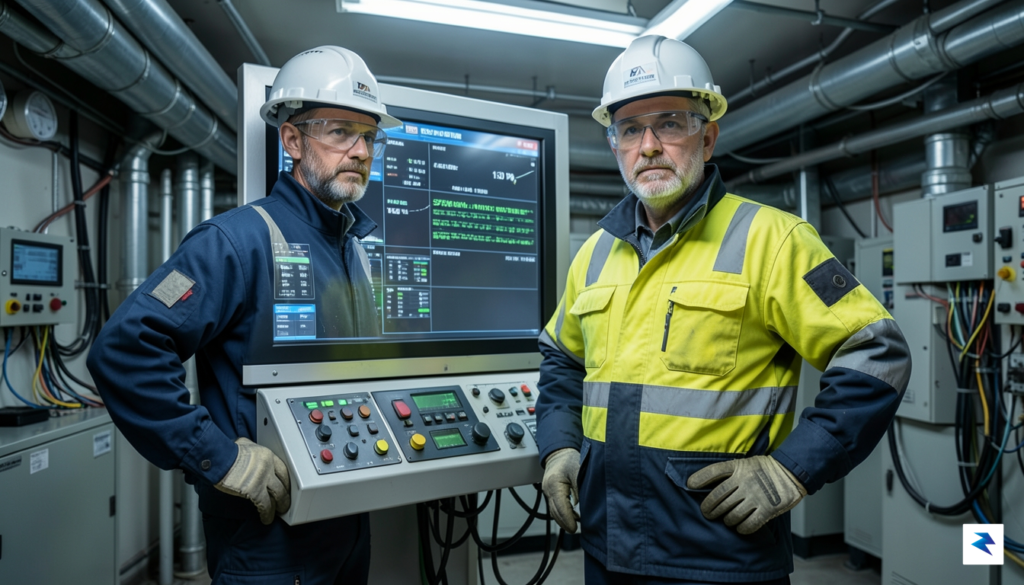
The development of advanced rocket propulsion is an inherently high-stakes endeavor that necessitates a culture of safety woven into the very fabric of facility design. Before a single motor is ever ignited, aerospace engineers and safety officers establish rigorous containment strategies designed to mitigate the risks associated with high-energy propellants. Standard protocols begin with the construction of reinforced, earth-bermed bunkers capable of shielding personnel and critical equipment from the immense overpressure and thermal energy generated during a potential failure. Furthermore, testing is conducted almost exclusively via remote monitoring systems, allowing teams to observe combustion data from miles away, ensuring that no human presence remains within an active exclusion zone while the motor is under load.
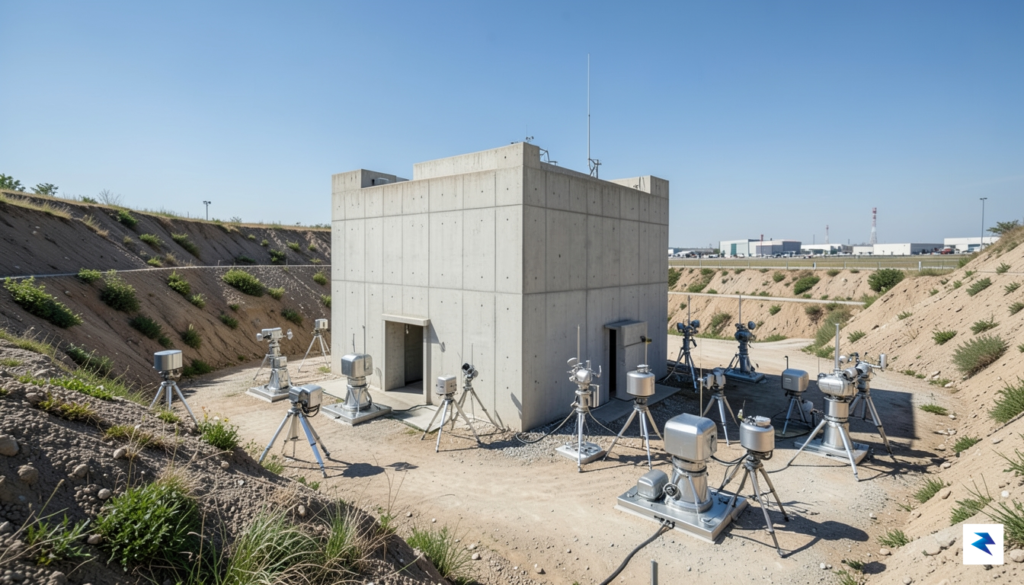
Beyond the physical architecture of the site, these facilities operate under the watchful gaze of stringent regulatory bodies, including the Occupational Safety and Health Administration (OSHA) and, in many cases, military oversight committees. These organizations enforce strict certification requirements that dictate how hazardous materials are stored, handled, and disposed of to prevent accidental ignition or chemical instability. Facility managers must conduct comprehensive hazard analyses that categorize every potential failure mode, from seal breaches to structural fatigue, ensuring that the facility’s containment capabilities exceed the worst-case scenario. This layering of institutional oversight creates a framework where safety is not merely a suggestion, but a prerequisite for operational status.
The true measure of a testing facility’s safety culture is not found in the absence of incidents, but in the systematic rigor applied to investigating, understanding, and engineering away the causes of failure.
When an anomaly like the recent Mississippi event occurs, the aerospace industry triggers a multi-layered post-incident investigation process that is both forensic and procedural in nature. Engineers meticulously analyze high-speed telemetry, debris patterns, and environmental sensor data to reconstruct the exact sequence of events that led to the breach. This information is then used to update safety protocols, refine motor design specifications, and enhance the physical infrastructure of the test stands themselves. By transforming every failure into a structured learning opportunity, the industry ensures that the lessons learned from one explosion become the foundational safety standards that protect the personnel and the technology of tomorrow. Through this continuous loop of testing, investigation, and iterative improvement, the sector maintains the delicate balance between pushing the boundaries of propulsion and protecting the lives of the engineers who make it possible.
The Future of Anduril's Defense Capabilities

Anduril Industries has rapidly ascended as a transformative force within the defense sector, consistently challenging established norms with its Silicon Valley approach to national security. Since its inception, the company has championed the integration of artificial intelligence, software-defined systems, and autonomous platforms, positioning itself at the forefront of the technological shift away from legacy defense contractors. This agile methodology, focused on rapid prototyping and iterative development, has allowed Anduril to secure significant contracts and demonstrate capabilities that promise to redefine modern warfare, from advanced surveillance systems to sophisticated counter-drone technologies and, crucially, next-generation propulsion systems.
While the recent incident involving a rocket motor test site in Mississippi represents an undeniable setback, the company’s underlying commitment to innovation and its long-term vision remain robust. Anduril has consistently emphasized a culture of learning and adaptation, understanding that pioneering new technologies often comes with inherent risks and challenges. Consequently, this event, while requiring thorough investigation and remediation, is likely to be met with an intensified focus on engineering rigor and an unwavering dedication to its ambitious research and development pipeline. The company’s strategic importance in delivering advanced, autonomous defense solutions ensures that its trajectory, though momentarily impacted, will continue to be closely watched by both industry observers and national security stakeholders alike.
Looking ahead, this incident will undoubtedly influence Anduril’s long-term engineering and safety strategies, potentially leading to a deeper integration of risk mitigation across all development phases. It serves as a stark reminder of the complexities involved in pushing the boundaries of defense technology, especially in areas as volatile as rocket propulsion. However, rather than stalling progress, such challenges often act as catalysts for enhanced innovation, driving companies to refine their processes, strengthen their internal controls, and invest further in advanced diagnostics and predictive safety measures. Ultimately, Anduril’s ability to absorb these lessons, transparently address any deficiencies, and continue its rapid development cycle will be critical in solidifying its role as a central player in the ongoing shift toward agile, autonomous defense capabilities for the future.