Anduril Rocket Test Site Explosion: What We Know About the Mississippi Incident
Understanding the Anduril Mississippi Incident A significant event recently unfolded at Anduril Industries’ rocket motor test site in coastal…
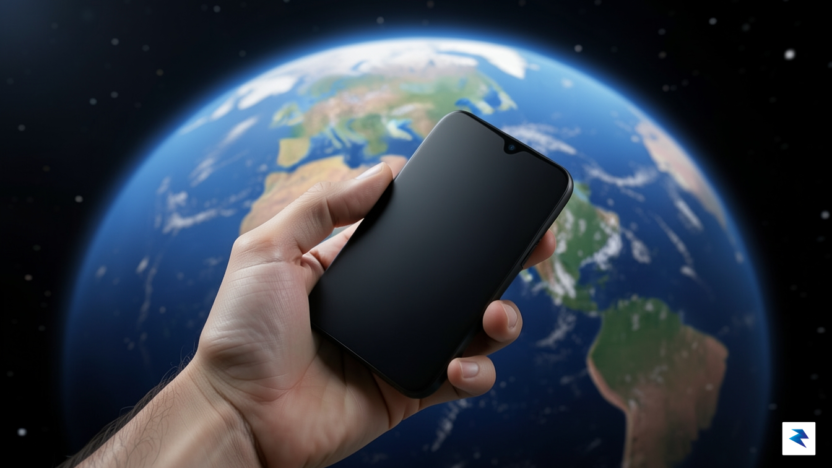
For the better part of two decades, SpaceX has been defined by its mastery of the skies, consistently pushing the boundaries of what is possible in heavy aerospace engineering. By revolutionizing reusability and lowering the cost of access to orbit, the company transformed from an audacious startup into the backbone of modern space infrastructure. However, the recent emergence of a mysterious AI-driven hardware prototype suggests that Elon Musk’s vision is no longer confined to the vacuum of space. Instead, the company appears to be executing a strategic pivot that bridges the gap between massive, orbit-defining rocket launches and the intimate, everyday utility of personal consumer electronics.
This shift from heavy industry to personal hardware might seem jarring, but when viewed through the lens of a global connectivity ecosystem, it becomes a remarkably logical progression. SpaceX has spent years populating low-Earth orbit with thousands of Starlink satellites, creating a dense mesh of data connectivity that blankets the planet. By developing its own consumer-facing AI device, the company is effectively closing the loop on this vertical integration. They are no longer content to merely provide the “pipes” for internet access; they are now positioning themselves to own the entire user experience, from the satellite in the sky to the handheld device interacting with the user at ground level.
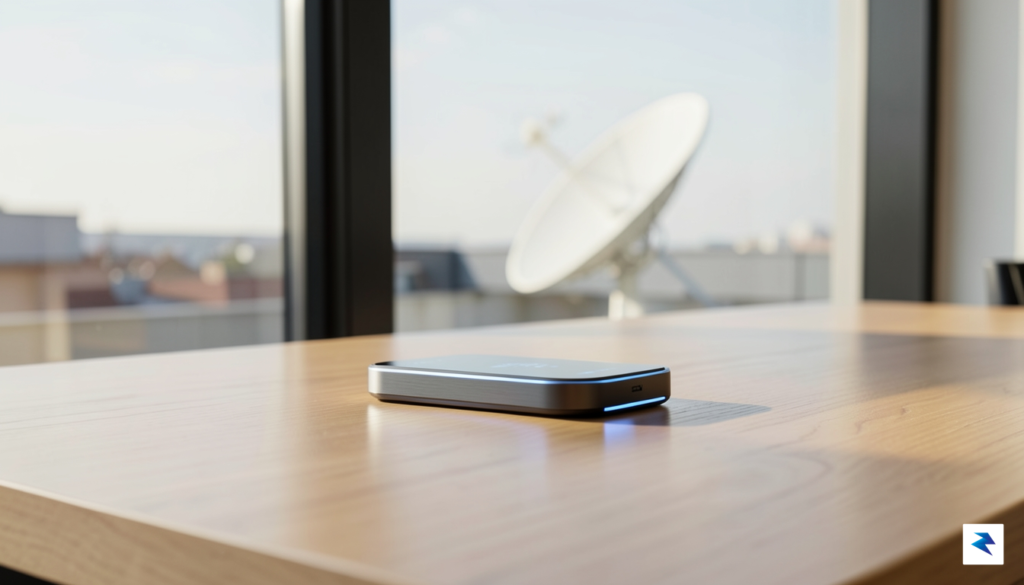
By controlling both the transmission medium and the end-user hardware, SpaceX is poised to dictate the future of mobile connectivity, removing the friction typically associated with traditional cellular networks.
The historical precedent for this kind of transition is significant, mirroring the way tech giants have evolved by controlling their own hardware stacks to ensure seamless integration with their services. For an infrastructure-heavy entity like SpaceX, manufacturing a sophisticated AI-integrated smartphone or terminal is the natural conclusion of their connectivity mission. If the goal is to provide high-speed, low-latency internet to every corner of the globe, relying on third-party manufacturers to build the interface for that connection introduces unnecessary variables. By building a proprietary device, SpaceX can optimize hardware specifically for the unique nuances of satellite communication, potentially creating a level of performance that traditional smartphones simply cannot match.
Ultimately, this evolution signals that SpaceX is maturing into a company that views itself as an essential utility provider rather than just a launch service. As artificial intelligence becomes the primary interface through which we interact with the digital world, having a piece of hardware optimized for edge computing and satellite-direct connectivity could fundamentally alter how we consume information. Whether this prototype evolves into a mass-market smartphone or remains a specialized industrial tool, it represents a bold leap toward a future where our most personal devices are tethered directly to a private, orbital constellation of the company’s own making.
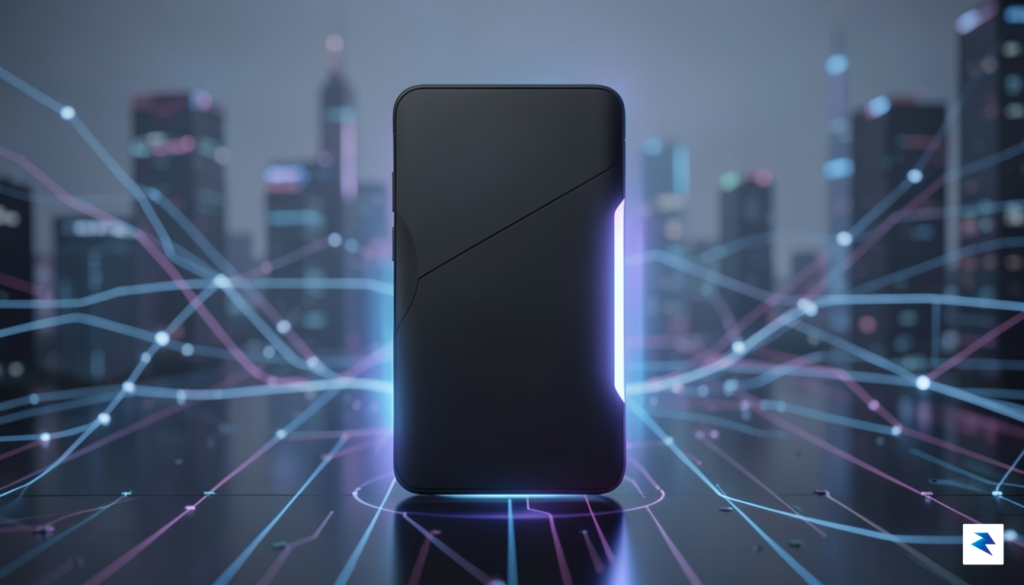
At its core, the prototype recently unveiled by SpaceX represents a significant pivot from the traditional mobile experience we have come to expect. While modern smartphones function as general-purpose computing platforms that rely heavily on app ecosystems and terrestrial cellular towers, this new handset is seemingly built with a singular, radical mission: to treat the Starlink satellite constellation as the primary network backbone. By prioritizing direct-to-satellite communication, the device aims to eliminate the concept of “dead zones,” ensuring persistent connectivity regardless of whether the user is in the middle of an urban center or the most remote wilderness on the planet.
The integration of advanced artificial intelligence as the primary interface is perhaps the most intriguing aspect of the hardware’s design philosophy. Unlike current mobile operating systems that force users to navigate through grids of icons and complex menus, this device reportedly utilizes AI to anticipate user intent and automate information retrieval. By processing data on the edge and leveraging the massive bandwidth of the low-Earth orbit satellite array, the handset could theoretically act as a personal agent that manages communication, navigation, and data synthesis in real-time. This shift suggests that SpaceX is less interested in competing with the iPhone and more focused on creating a specialized tool for high-reliability, global-scale connectivity.
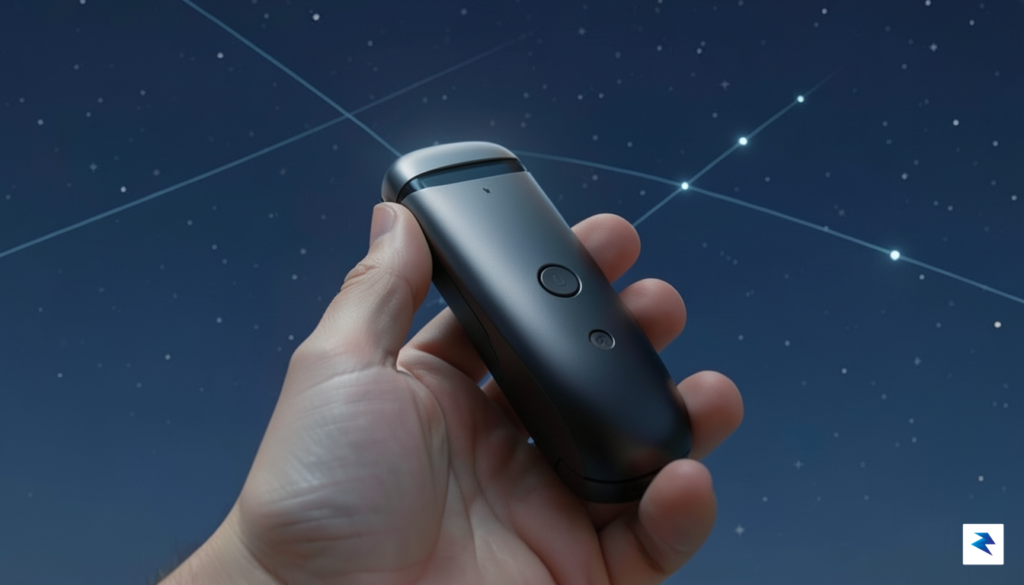
The true innovation here is not just in the satellite uplink, but in the decision to make generative AI the primary bridge between the user and the global network, fundamentally changing how we interact with mobile data.
From a design standpoint, the “handset-like” description implies a departure from the fragile, glass-heavy aesthetics that define today’s high-end phones. If this hardware is intended to function as a universal communication device for explorers, researchers, and remote workers, we can expect a focus on durability, battery efficiency, and optimized antenna placement to maintain a constant signal lock with moving satellites. By stripping away the bloatware and complex software layers that characterize standard mobile devices, SpaceX may be creating a streamlined, highly functional piece of equipment that prioritizes signal integrity above all else. This approach underscores a broader strategy: creating a seamless, invisible network that works anywhere, mediated by an intelligent system that knows exactly what you need before you even tap the screen.
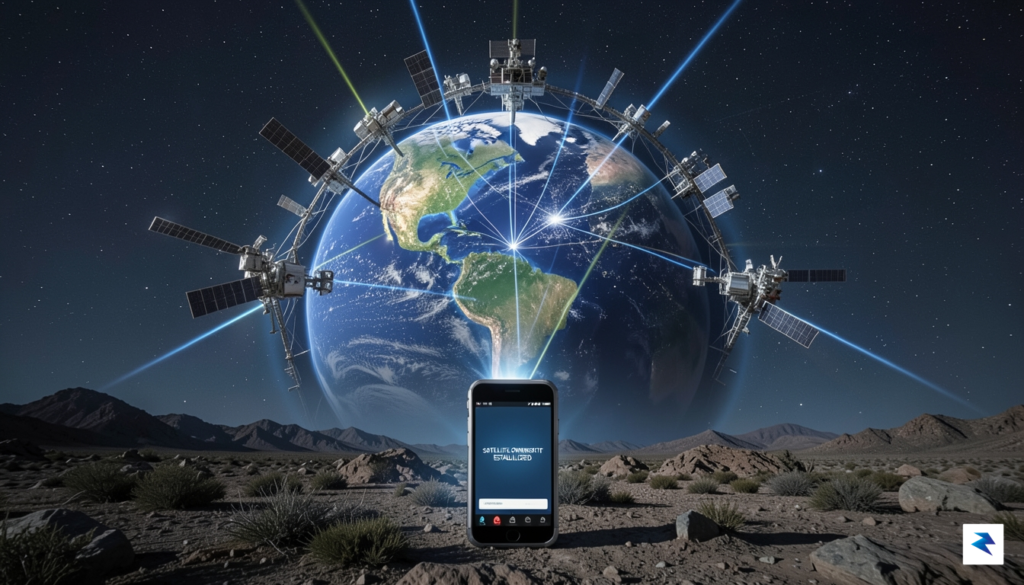
The true revolutionary potential of a SpaceX-engineered mobile device lies not in its physical aesthetics or raw processing power, but in its fundamental architecture as a satellite-native instrument. While current smartphones treat satellite connectivity as an emergency-only “bolt-on” feature—often requiring specific angles and clear skies to send a single text message—a device built from the ground up for the Starlink constellation would treat orbit-based networking as its primary foundation. By integrating custom hardware capable of maintaining a persistent, high-bandwidth handshake with low-Earth orbit satellites, this device would essentially bypass the physical limitations of terrestrial infrastructure.
Traditional mobile connectivity relies on a vast, expensive network of ground-based cell towers, which are inherently limited by geography, population density, and natural barriers. When you enter a rural canyon, cross a mountain range, or sail into the middle of the ocean, your phone loses its link because the terrestrial signal simply cannot reach you. A satellite-first device changes this paradigm by turning the sky into a ubiquitous base station. Because the Starlink constellation covers the entire planet, the “dead zone” becomes a relic of the past, replaced by a seamless mesh of data that follows the user regardless of their physical location on Earth.
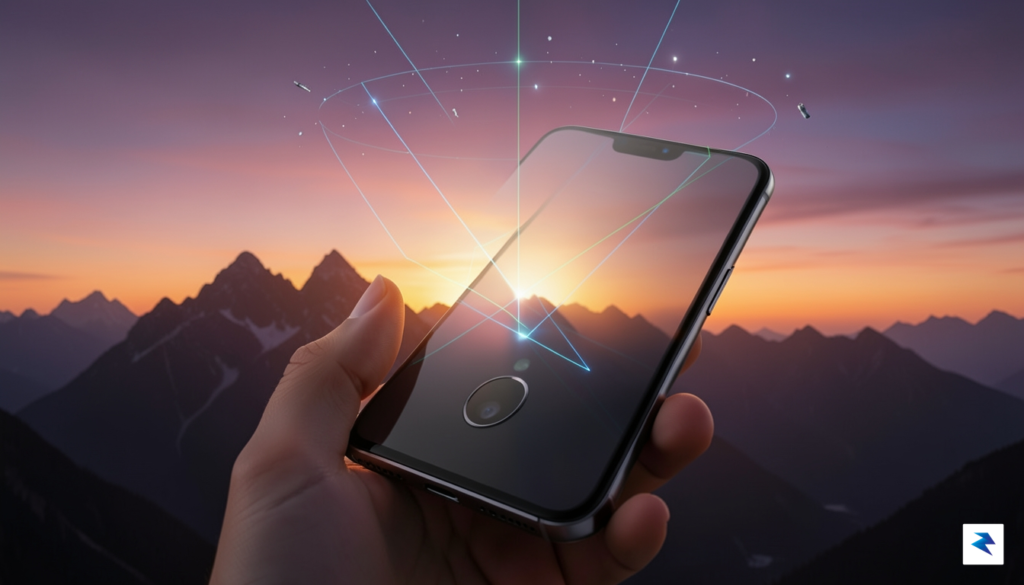
The shift from tower-based reliance to an orbit-first networking model represents the most significant evolution in mobile communications since the transition from analog to digital signals.
Furthermore, the technical synergy between this hypothetical hardware and the Starlink Direct-to-Cell initiative implies a level of signal reliability that terrestrial carriers struggle to match during peak loads or natural disasters. When cellular towers go offline due to power grid failures or physical damage, a satellite-connected device maintains its link to the constellation, ensuring that communication persists when it is needed most. This shift moves the mobile industry toward an “always-on” global infrastructure where the quality of your connection is no longer dictated by how close you are to the nearest city, but by the performance of the constellation orbiting far above.
By prioritizing satellite-native circuitry, SpaceX could potentially create a device that manages the handoff between terrestrial signals and orbital beams so fluidly that the user never perceives the transition. This level of optimization requires specialized modems and signal processing algorithms that can handle the unique challenges of communicating with fast-moving objects in low-Earth orbit. Ultimately, this approach signals a move away from the fragmented, carrier-dependent mobile landscape toward a unified, global network that treats the entire planet as a single, connected service area.

For years, SpaceX has operated primarily as a high-stakes infrastructure provider, fundamentally changing the economics of satellite internet through the Starlink constellation. However, the development of an AI-integrated hardware prototype signals a significant pivot toward vertical integration, moving the company from a mere utility provider to an end-to-end ecosystem architect. By controlling the device that accesses their network, SpaceX can optimize the quality of service in ways that are impossible when relying on third-party hardware. This strategic shift mirrors the path taken by tech giants like Apple, where the seamless marriage of proprietary software and specialized hardware creates a “walled garden” that enhances user retention and operational efficiency.
Entering the smartphone market is an inherently risky endeavor, especially given the entrenched dominance of incumbents like Apple and Google. Yet, for SpaceX, the motivation is less about capturing market share in the traditional sense and more about solving the problem of global connectivity ubiquity. While current smartphone manufacturers prioritize features like camera sensors and screen resolutions, a SpaceX-branded device would likely prioritize persistent, high-speed satellite access regardless of geographical location. This represents a distinct competitive advantage; by embedding AI directly into the hardware, the device could intelligently manage data transmission, prioritizing mission-critical connectivity in the most remote corners of the planet where traditional cellular signals simply fail to reach.
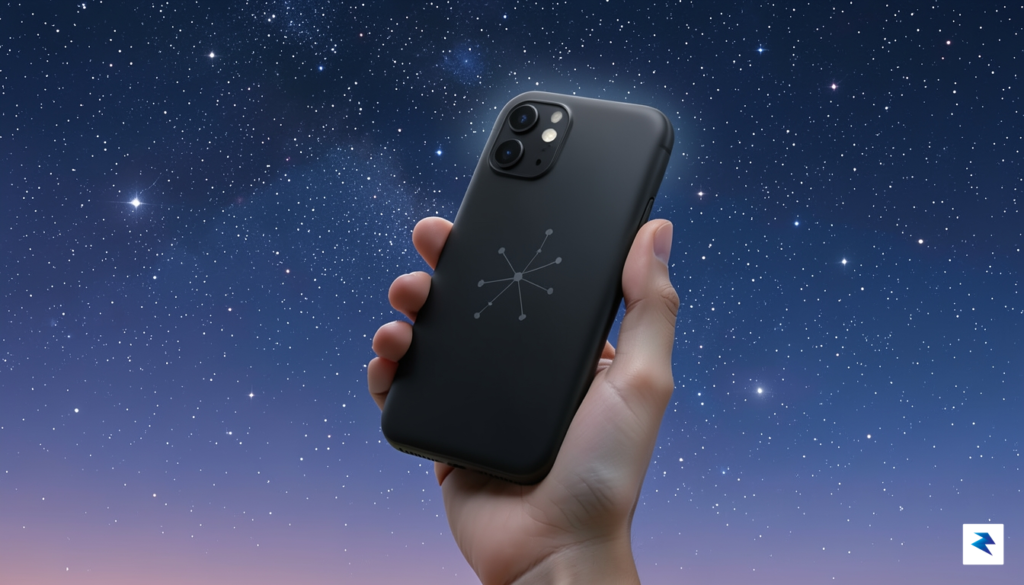
The true value of a SpaceX device lies not in its ability to compete with existing mobile apps, but in its potential to function as a universal bridge, turning the entire planet into a singular, interconnected network.
Ultimately, the economic rationale for this diversification is rooted in the desire to capture more value from the user lifecycle. By positioning the hardware as a portal to the Starlink service, SpaceX can effectively bundle connectivity with AI-driven utility, creating a subscription model that is indispensable to the modern digital nomad or enterprise user. If they can successfully offer a device that maintains a stable connection where every other phone displays “No Service,” they won’t just be entering a crowded market—they will be creating an entirely new category of mobile computing. This transition marks the evolution of SpaceX from a company that launches rockets to a company that dictates how the world interacts with the digital layer of the atmosphere.

Transitioning from the highly specialized world of aerospace engineering to the cutthroat domain of consumer electronics is a monumental shift that presents unprecedented manufacturing hurdles. While SpaceX has mastered the art of vertical integration for rockets and satellite constellations, the scale of mobile hardware production is defined by razor-thin margins and extreme logistical precision. Unlike the bespoke assembly of a Falcon 9, a consumer smartphone requires a global supply chain capable of producing millions of identical, miniaturized units under immense time pressure. Managing the procurement of rare-earth minerals, advanced semiconductors, and durable, lightweight materials while maintaining quality control at mass-market volumes would require SpaceX to either reinvent its operational model or forge massive, complex partnerships that could dilute its hallmark engineering autonomy.
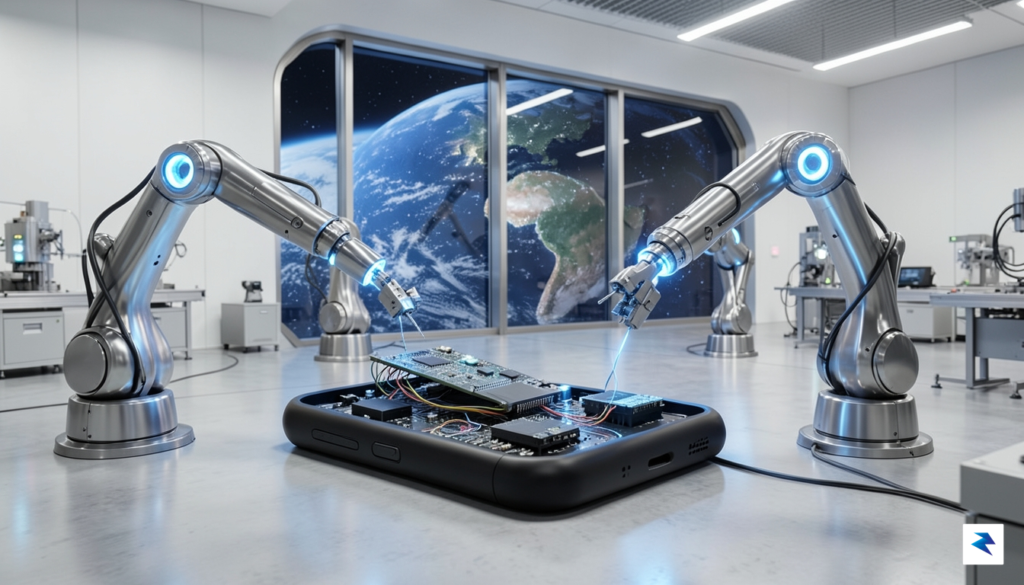
Beyond the factory floor, the regulatory environment poses a daunting barrier to entry. Every nation on the planet maintains unique standards for cellular connectivity, radio frequency emissions, and data security, all of which would require exhaustive compliance certifications before a single unit could be sold. SpaceX would essentially be entering a “walled garden” industry where incumbent giants like Apple and Samsung have spent decades cementing their relationships with telecommunications regulators and carriers worldwide. Furthermore, the integration of an AI-driven interface brings a new layer of scrutiny regarding consumer privacy. In an era where users are increasingly wary of how their data is processed or harvested by silicon-valley corporations, SpaceX would need to prove that its “AI-first” device prioritizes user sovereignty over data collection—a tall order for a company whose existing satellite operations already raise questions about global surveillance and orbital data management.
The true challenge for a SpaceX device is not just building a phone, but convincing a saturated market that a company known for rockets can offer a user experience that surpasses the deeply entrenched mobile ecosystems people already rely on every single day.
Even if the technical and regulatory hurdles are overcome, the competitive landscape remains the most significant obstacle to consumer adoption. The modern smartphone market is largely defined by brand loyalty, the “lock-in” effect of operating systems, and the immense convenience of established app stores. Displacing an incumbent requires more than just innovative hardware; it necessitates a seamless software experience and a robust ecosystem that users feel comfortable trusting with their digital lives. If SpaceX aims to compete, it will have to convince consumers that its device offers a distinct value proposition—perhaps one tied to direct-to-satellite connectivity or decentralized networking—that is compelling enough to make users abandon the familiar comforts of the existing duopoly. Success will depend on whether this device is perceived as a revolutionary leap in connectivity or merely an ambitious, yet unnecessary, hardware experiment.
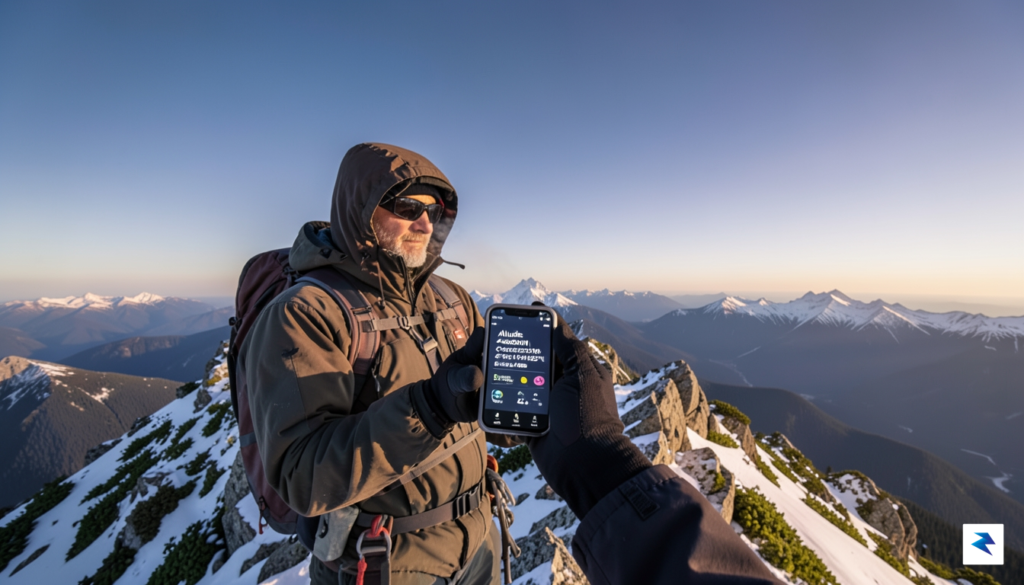
While SpaceX has not yet officially announced a retail-ready smartphone, the existence of this AI-driven hardware prototype signals a massive shift in how the aerospace giant views consumer technology. Transitioning from massive Starlink dishes to a pocket-sized device requires overcoming monumental engineering hurdles, yet SpaceX has already proven its ability to disrupt seemingly entrenched industries. It is highly likely that any eventual commercial launch would roll out in phases, perhaps starting as a specialized communication tool for first responders, maritime operators, or off-grid adventurers before targeting the mass market. By pairing Starlink’s rapidly expanding direct-to-cell satellite constellation with localized artificial intelligence, SpaceX could bypass traditional cellular infrastructure entirely, offering a truly decentralized communication network that operates independent of terrestrial towers.
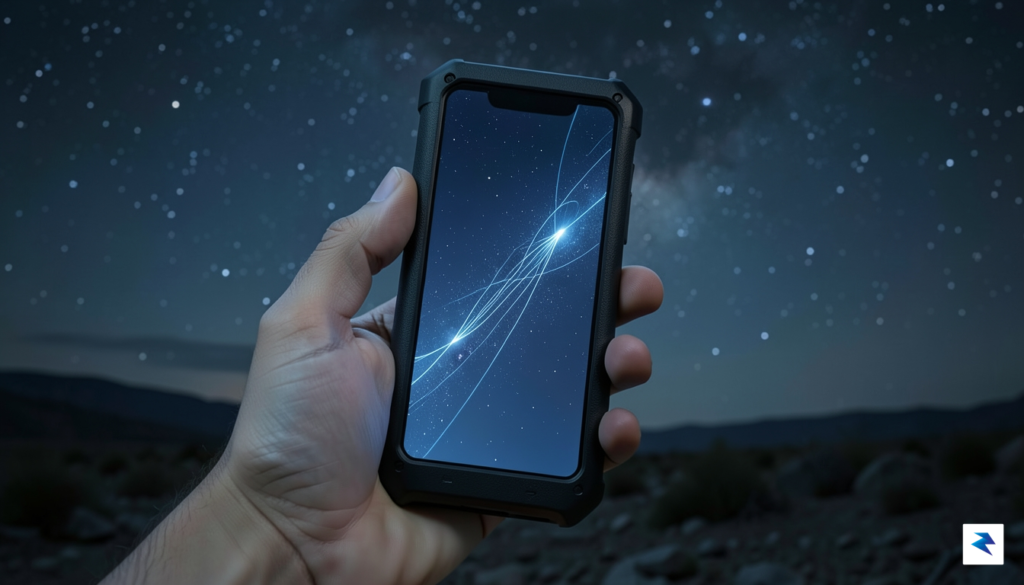
If a satellite-first device becomes a consumer reality, the traditional telecommunications landscape will face an unprecedented shakeup. Consumers would no longer be bound by the geographic limitations of terrestrial cell towers, effectively rendering “dead zones” a relic of the past. This shift goes beyond mere convenience; it democratizes internet access on a global scale, bringing high-speed connectivity to remote villages, deep ocean vessels, and high-altitude flights alike. Furthermore, integrating on-device AI means that the hardware can intelligently manage bandwidth, compress data, and perform complex computational tasks locally, reducing the reliance on constant high-bandwidth streams to distant cloud servers and ensuring smooth operation even under constrained satellite links.
Ultimately, this prototype hints at a future defined by genuine mobile freedom, where the physical constraints of geography no longer dictate our digital lives. Imagine traveling across continents without ever swapping SIM cards, worrying about roaming charges, or losing signal in dense forests or towering mountain ranges. This convergence of orbital infrastructure and consumer-facing intelligence could redefine our relationship with personal technology.
“The integration of direct-to-cell satellite technology with edge-computing AI represents the holy grail of modern telecommunications: absolute, uninterrupted global reach without reliance on terrestrial infrastructure.”
As SpaceX continues to refine its hardware capabilities, the line between aerospace engineering and daily consumer electronics will continue to blur. While we may still be a few years away from seeing a SpaceX-branded device on retail shelves, the technological foundation is being laid today. This prototype is not just a new gadget; it is a precursor to a world where everyone, everywhere, remains seamlessly connected to the global network.
You must be logged in to post a comment.