The Data Center Energy Crisis
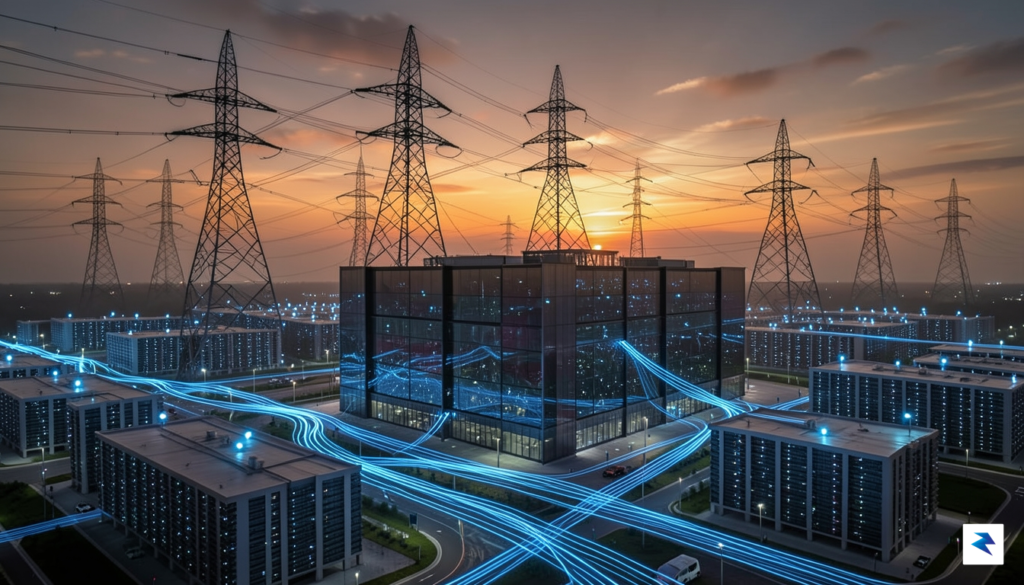
The meteoric rise of generative artificial intelligence has fundamentally reshaped the landscape of global power consumption, creating an insatiable appetite for electricity that pushes existing infrastructure to its very limits. From the complex training of large language models to the instantaneous inference required for real-time AI applications, every query, every generated image, and every analytical task demands an immense amount of computational power. This unprecedented surge directly translates into a monumental energy requirement, with data centers – the physical engines of the digital world – now consuming vast quantities of power, rapidly approaching the brink of their operational capacities worldwide.
This escalating demand places an extraordinary strain on traditional energy grids, which were simply not designed to accommodate such rapid and concentrated power draw. Data centers, often clustered in specific regions for connectivity and infrastructure access, become massive energy sinks, pulling gigawatts of electricity from the grid. Consequently, these colossal server farms are increasingly competing head-to-head with residential communities, commercial businesses, and established industrial zones for available power, leading to concerns about grid stability, project delays, and even the potential for localized energy shortages as utilities struggle to upgrade and expand their networks fast enough.
Furthermore, while the tech industry is striving for greater sustainability, the widespread adoption of renewable energy sources introduces a complex layer of reliability issues. Solar and wind power, while environmentally beneficial, are inherently intermittent; their output fluctuates with weather conditions and daylight hours. For data centers that demand continuous, uninterrupted power 24/7 to prevent costly downtime and service disruptions, this unpredictability poses a significant operational challenge. A cloud-based service cannot simply pause because the sun isn’t shining or the wind isn’t blowing, underscoring the critical need for a stable, consistent power supply.
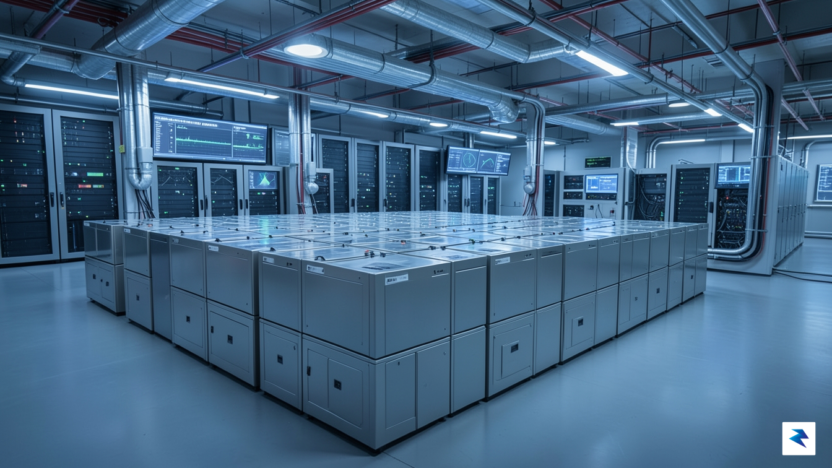
It is this pressing need for both uninterrupted service and sustainable operations that has made on-site energy storage an absolutely critical necessity for major tech players. Giants like Microsoft, Google, and Amazon are pouring billions into developing and deploying massive battery arrays and other sophisticated energy storage solutions directly at their data center campuses. These systems act as buffers, storing excess renewable energy when available and discharging it during periods of low generation or peak demand, effectively firming up the power supply. This not only bolsters grid reliability by reducing reliance on external power during critical moments but also ensures that their AI workloads run continuously, demonstrating a strategic pivot towards energy independence and resilience in the face of an ever-hungrier digital future.
Honda's Strategic Pivot: From Roads to Racks
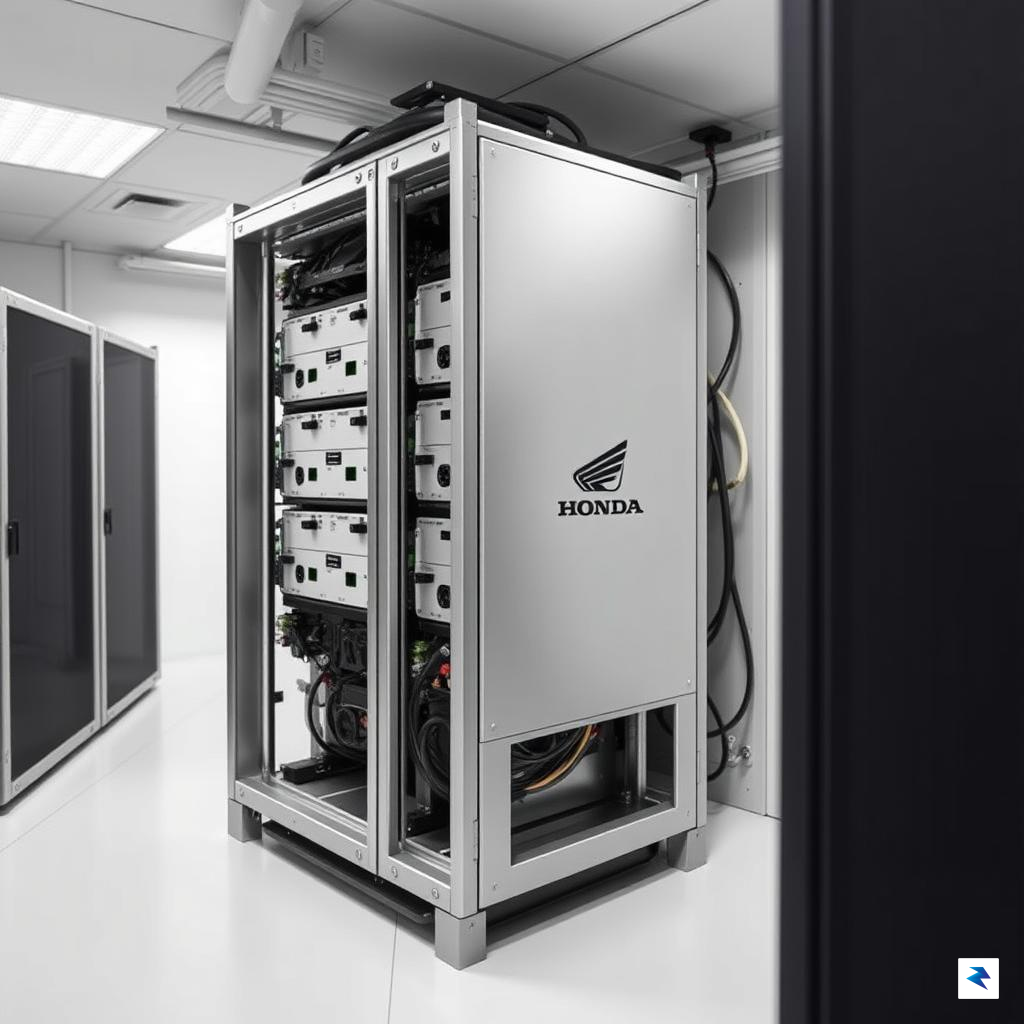
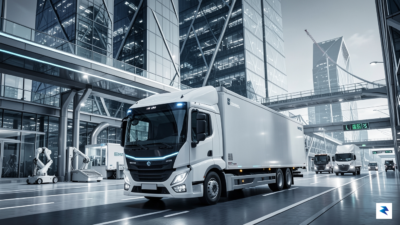
For decades, Honda has defined itself through the rhythmic pulse of the internal combustion engine and, more recently, the quiet efficiency of electric vehicle drivetrains. However, the automotive industry is currently undergoing a structural transformation that demands more than just building better cars. By pivoting its engineering prowess toward stationary battery storage and grid-scale power solutions, Honda is effectively decoupling its technological success from the unpredictable cycles of the global consumer vehicle market. This shift represents a fundamental maturation of the company’s philosophy: Honda is no longer just an automaker, but an energy management company capable of powering the digital infrastructure that anchors the modern economy.
The logic behind this strategic transition is rooted in the immense demand for reliable power within the artificial intelligence and cloud computing sectors. As data centers proliferate to meet the computational needs of generative AI, the requirement for robust, sustainable, and scalable energy storage has skyrocketed. Honda is uniquely positioned to capitalize on this trend by repurposing the sophisticated battery supply chains and energy management software it perfected for its automotive fleet. By leveraging these existing manufacturing assets, the company can achieve significant economies of scale, transforming what was once a single-use automotive component into a versatile tool for grid stabilization and industrial backup power.
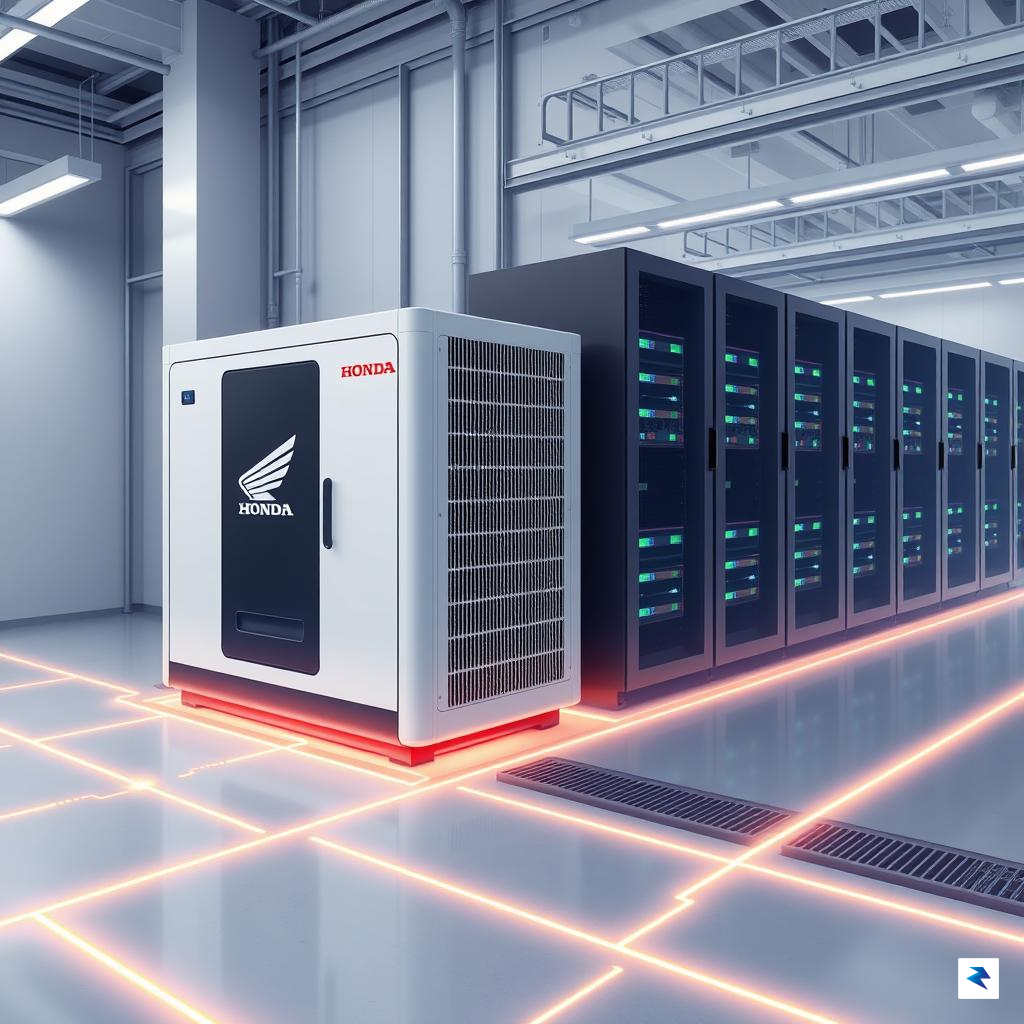
This diversification strategy serves as a critical buffer against the inherent volatility of the automotive market, which is frequently disrupted by shifting consumer preferences, economic downturns, and complex regulatory landscapes. By entering the stationary energy sector, Honda is embracing an “electrification-as-a-service” model. This approach allows the company to move beyond the one-time point-of-sale transaction of a vehicle and instead cultivate long-term, utility-grade relationships with large-scale infrastructure providers. Such a pivot ensures that Honda’s technological footprint remains relevant even as the definition of mobility expands to include the immense power demands of the digital world.
The integration of automotive-grade battery technology into stationary power storage is not merely a diversification of product; it is a strategic necessity for any manufacturer aiming to lead in an electrified future.
Ultimately, this movement signifies a broader industry trend where the lines between automotive engineering and electrical infrastructure continue to blur. As Honda refines its ability to deploy high-density energy storage units for data centers, it gains invaluable insights into battery longevity, thermal management, and grid interaction. These technical learnings will inevitably flow back into the company’s automotive research and development, creating a virtuous cycle of innovation. By positioning itself at the intersection of transportation and stationary power, Honda is ensuring that its brand remains a cornerstone of the global energy transition for the next century.
The Technology Behind the Grid-Scale Batteries
Translating the high-performance demands of automotive engineering into the realm of stationary power requires a fundamental shift in how we perceive battery longevity. Honda’s approach leverages its decades of expertise in battery management systems (BMS) to create grid-scale storage units that do more than just store electricity; they act as intelligent, high-speed buffers for data centers. Unlike standard industrial batteries that may struggle with the rapid, erratic power spikes characteristic of AI server clusters, Honda’s units utilize sophisticated thermal management and cell balancing software derived from their electric vehicle (EV) lineup. By maintaining optimal cell temperatures and voltage states, these systems ensure that data centers receive a constant, clean stream of power, effectively smoothing out the volatile ripples in energy demand that can threaten sensitive computing hardware.
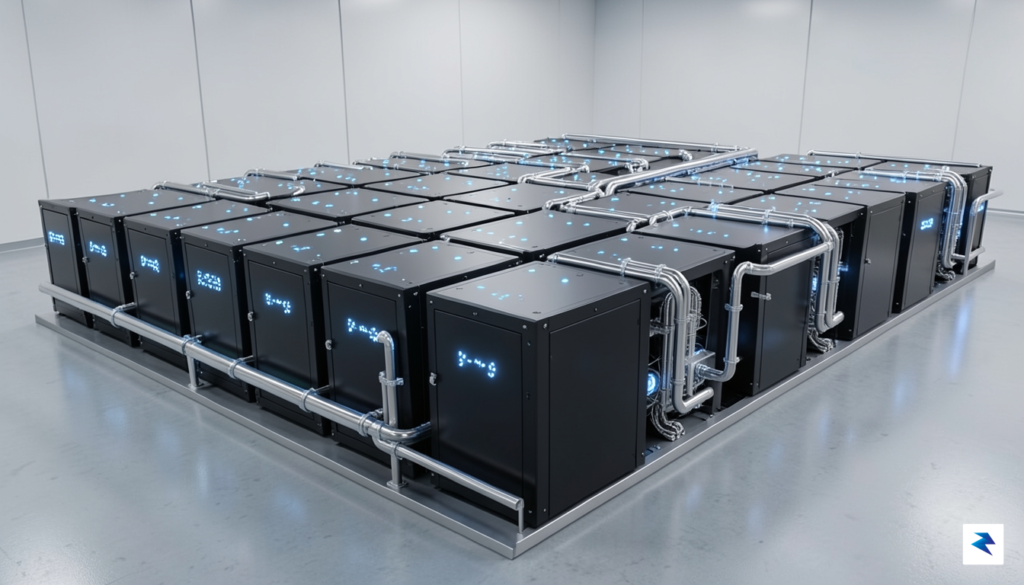
Safety remains the bedrock of Honda’s pivot, as the move from mobile transportation to static infrastructure introduces a different set of risk variables. Automotive batteries are designed to survive the physical stresses of road vibration, extreme weather, and the high-impact realities of collisions, meaning they are inherently more robust than many off-the-shelf industrial solutions. Honda has adapted these stringent automotive safety standards—such as multi-layered short-circuit protection and advanced fire-suppression integration—to address the stationary needs of massive server farms. Because a data center operates 24/7, these units are equipped with real-time diagnostic arrays that monitor the health of every individual cell, allowing the system to isolate and bypass potential failures before they compromise the entire power string.
The integration of automotive-grade safety protocols ensures that data centers gain the reliability of the open road, providing a buffer that is as resilient as it is efficient.
Beyond safety, the technical architecture of these storage systems serves as a critical fail-safe against grid instability. During peak load periods, the batteries discharge stored energy to prevent the server clusters from drawing too heavily from the public utility, which protects the data center from voltage dips or brownouts. When the grid experiences sudden fluctuations, the Honda-engineered systems transition to active output in milliseconds, providing an invisible safety net that keeps servers running without interruption. This functionality is essential for modern AI operations, where even a momentary loss of power can result in the catastrophic corruption of massive datasets or the loss of weeks of computational progress. By positioning these automotive-derived units as the primary mediators between the grid and the hardware, Honda is effectively turning the data center into a self-contained, stable power ecosystem.
Economic Implications for the Automotive Sector

The automotive industry finds itself at a pivotal juncture, grappling with immense capital expenditures required for electric vehicle development, autonomous driving research, and evolving manufacturing processes, all while navigating shifting consumer preferences and economic uncertainties. Honda’s strategic foray into the data center market represents a profound re-imagining of its core business model, effectively transforming its significant R&D investments into a two-sided value proposition. This innovative approach allows the company to capture revenue not only from its traditional consumer transportation offerings but also from the burgeoning and increasingly critical digital infrastructure sector, creating a powerful synergy between seemingly disparate industries.
A significant aspect of this diversification lies in harnessing the financial potential of Battery Energy Storage Systems (BESS). Honda, like many automakers, has invested heavily in battery technology and manufacturing capabilities for its electric vehicle lineup. These advanced battery packs, originally designed for cars, possess immense utility for grid-scale energy storage, particularly in supporting the energy-intensive operations of data centers. By leveraging its expertise in battery development and production, Honda can now supply robust, reliable BESS solutions, generating a new, substantial revenue stream that capitalizes on its existing technological strengths and helps stabilize the energy demands of the digital economy.
Furthermore, this strategic pivot profoundly reduces Honda’s inherent reliance on the cyclical nature of car sales. The automotive market is notoriously susceptible to economic downturns, supply chain disruptions, and fluctuating consumer confidence, leading to unpredictable revenue streams and profitability. By establishing a foothold in the data center and energy storage markets, Honda taps into sectors characterized by more stable, long-term demand driven by the relentless growth of digital services, cloud computing, and AI. This diversification provides a much-needed buffer, offering a more consistent revenue stream that can help stabilize the company’s financial performance during periods of automotive market volatility, making its capital expenditures work harder across multiple high-growth segments.
This bold move by Honda could very well herald a new era for the automotive industry, prompting other major players to re-evaluate their own strategic trajectories. Automakers like Toyota, with its extensive battery research and manufacturing scale, or Ford, which has demonstrated significant investment in electric vehicle platforms and energy management solutions, possess similar underlying competencies. It is entirely conceivable that these giants might follow suit, recognizing the potential to leverage their colossal manufacturing capabilities and technological prowess beyond just vehicle production. This could give rise to an entirely new ‘automotive-to-infrastructure’ industry pipeline, where traditional car manufacturers evolve into comprehensive providers of mobility *and* critical digital infrastructure components, transforming their factories into hubs for not just cars, but also power solutions, advanced materials, and even potentially server components, thereby reshaping their competitive landscape for decades to come.
The Future of Sustainable Digital Infrastructure
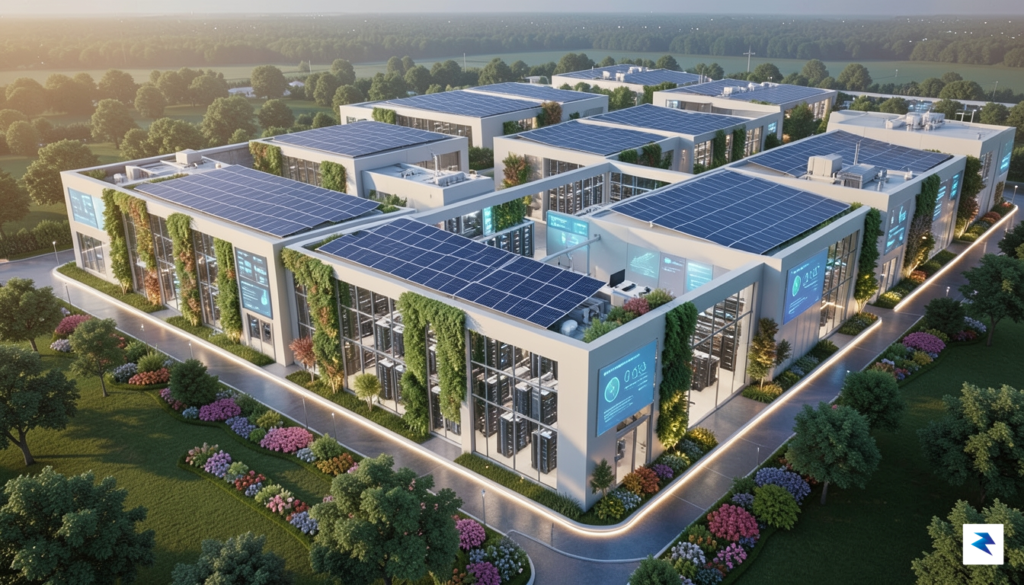
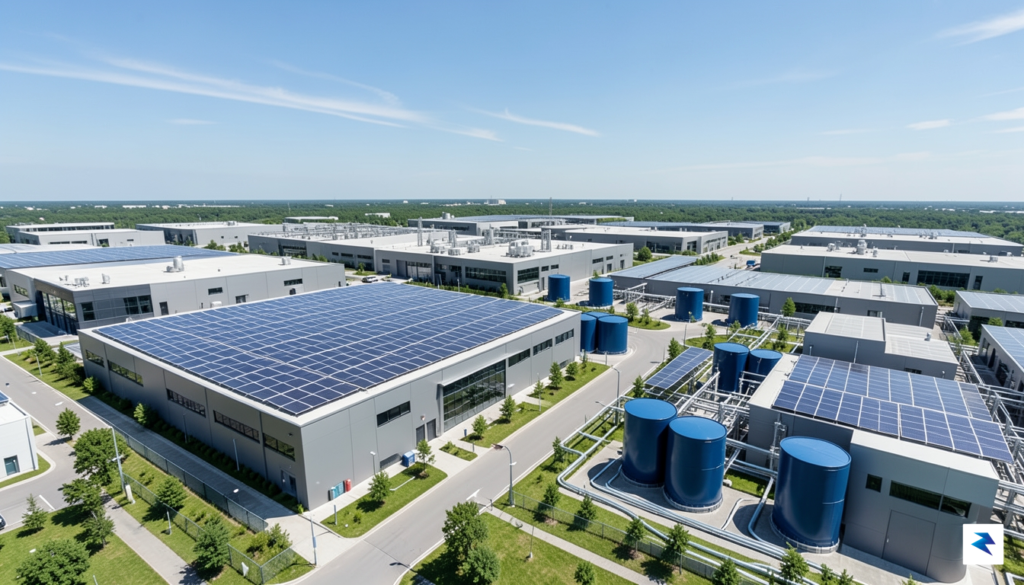
The convergence of automotive engineering and cloud computing represents more than a mere diversification of assets for companies like Honda; it is a foundational shift in how we power the digital world. By repurposing high-capacity battery technology for data center storage, the industry is effectively closing the loop on energy consumption. As computing demands skyrocket due to artificial intelligence and real-time processing, the traditional reliance on unstable power grids becomes increasingly untenable. Integrating vehicle-grade battery systems provides a massive buffer, allowing data centers to manage peak loads and integrate renewable energy sources with unprecedented precision.
This integration facilitates a robust circular economy that could redefine the lifecycle of automotive components. Once an electric vehicle battery reaches the end of its life on the road—typically when it retains 70% to 80% of its capacity—it remains highly capable of performing the steady, stationary energy storage required by server farms. Instead of the costly and energy-intensive process of recycling these units prematurely, they can be deployed as “second-life” assets. This strategy not only extends the utility of rare-earth minerals but also lowers the total cost of ownership for data center operators, effectively turning a waste stream into a critical piece of energy infrastructure.
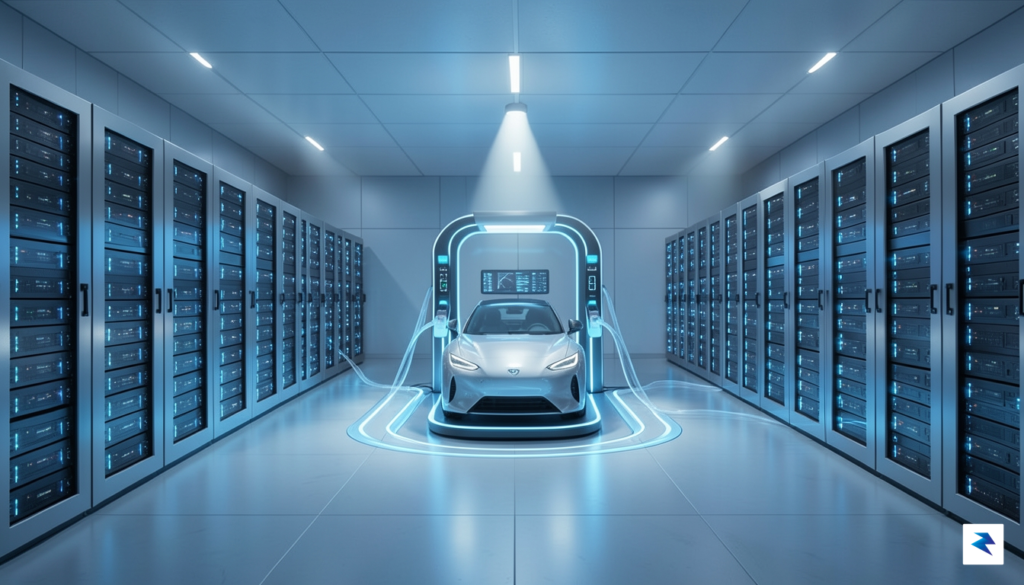
The true measure of a sustainable digital future lies in our ability to decouple computing growth from carbon intensity by treating every kilowatt-hour as a precious, recyclable resource.
Looking ahead over the next decade, this marriage between automotive tech and server architecture will likely solve the persistent “green data” challenge that has long hampered the tech industry. We are moving toward a decentralized energy model where data centers act as intelligent nodes, balancing the grid by storing excess solar or wind energy during the day and discharging it during high-demand periods. By leveraging the durability and safety standards developed for the automotive sector, data centers can achieve a level of energy resilience that was previously thought impossible. Ultimately, this pivot is not just about keeping servers running; it is about creating a symbiotic relationship between transportation and technology, ensuring that the infrastructure of tomorrow is built on the recycled, efficient, and resilient foundations of today.