The Evolution of Travel Connectivity
For decades, the ritual of international travel was inextricably linked to a specific kind of digital anxiety: the dread of landing in a foreign country and navigating a labyrinth of connectivity obstacles. Travelers were long forced to choose between two equally unappealing paths. They could either pay exorbitant international roaming fees that often ballooned into hundreds of dollars after just a few days of light usage, or they could spend their precious vacation time hunting for physical SIM kiosks in airport terminals. This archaic process involved managing tiny plastic cards, risking the loss of one’s home SIM, and grappling with language barriers at local carrier shops—all just to secure a basic data connection.
The traditional roaming model was built for a different era, one where connectivity was a luxury rather than a fundamental utility. As our professional and personal lives have become increasingly tethered to constant digital access, the expectation for seamless global mobility has shifted from a “nice-to-have” to an absolute necessity. Whether it is navigating transit with a mapping app, translating foreign menus on the fly, or simply staying in touch with loved ones back home, the friction caused by outdated hardware-reliant switching has become a significant pain point for the modern globetrotter. The industry has reached a breaking point where the physical swapping of hardware no longer aligns with the speed and convenience of the digital-first world we inhabit.
This is precisely where the paradigm shift toward eSIM technology becomes a game-changer. By integrating travel connectivity directly into the device ecosystem, manufacturers like Motorola are effectively moving away from the role of mere hardware providers to become essential service facilitators. This evolution recognizes that a phone is more than just a piece of glass and silicon; it is a gateway that should function with equal efficiency regardless of geographic borders. By embedding the ability to provision mobile data profiles directly within the phone’s operating system, the need for physical card slots and third-party intermediaries is rapidly diminishing.
The transition to built-in eSIM functionality represents a fundamental move toward a borderless mobile experience where connectivity is treated as a native feature rather than an external dependency.
Ultimately, this integration marks a major turning point in how we perceive our devices while traveling. Rather than treating international data as an add-on that requires configuration and physical intervention, users can now activate global coverage with a few taps on their screen. By streamlining this process, Motorola is not just offering a technical update; they are removing the barrier between the traveler and the world, ensuring that the stress of finding a signal is replaced by the freedom of instant, reliable connectivity the moment the wheels touch the tarmac.
How Motorola’s New eSIM Integration Works
Motorola has fundamentally reimagined the international connectivity experience by forging a strategic partnership with Gigs, a leading provider of eSIM infrastructure. By embedding this functionality directly into the operating system, Motorola effectively eliminates the need for users to hunt for local SIM cards or rely on cumbersome, third-party travel apps that often require invasive permissions. This deep integration means that the software layer responsible for mobile data management is now natively aware of your device’s specific capabilities, allowing for a seamless handshake between the phone’s hardware and the global carrier networks supported by Gigs.
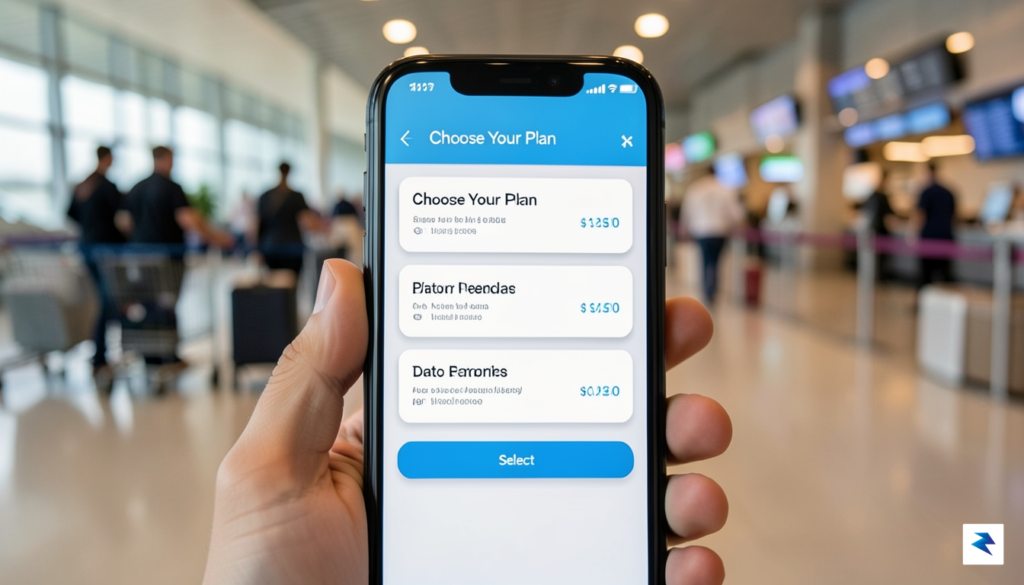
The user journey begins within the device’s native settings menu, where a dedicated interface allows travelers to check their phone’s regional compatibility and browse available data packages. Rather than scanning obscure QR codes or manually configuring complex Access Point Name (APN) settings, the system automates the provisioning process. Once a traveler selects a region-specific plan, the “one-tap” activation feature handles the cryptographic authentication required to register the device on a foreign tower. This transition is nearly instantaneous, ensuring that users land at their destination and gain access to high-speed data without the typical latency or connectivity gaps associated with traditional roaming solutions.
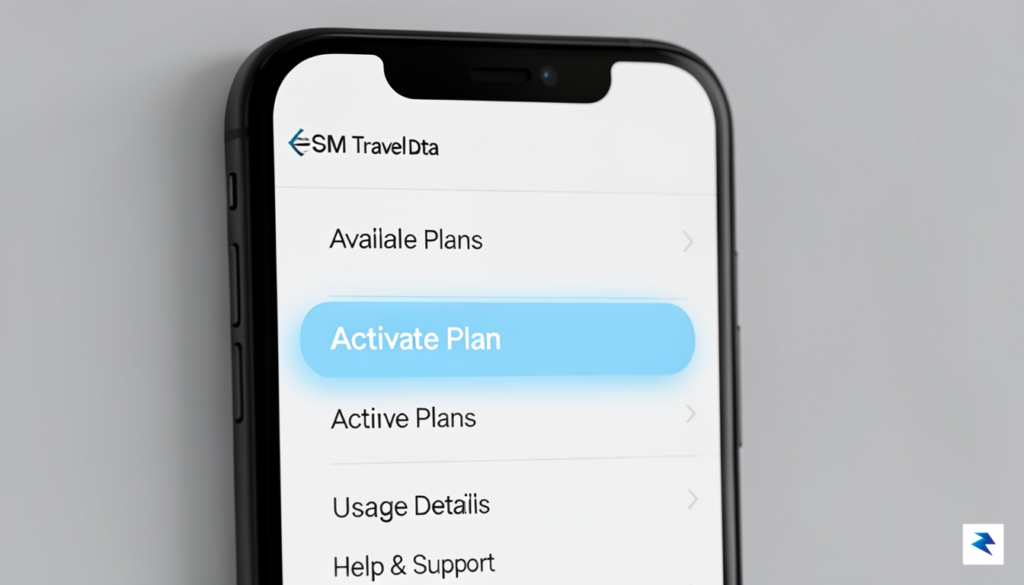
Beyond the sheer convenience of this workflow, the native integration offers a significant upgrade in terms of digital security and privacy. When relying on third-party travel apps to procure mobile data, users are often forced to create new accounts, divulge personal credentials, and grant access to various system permissions that may not be strictly necessary for network connectivity. By keeping the entire procurement process within Motorola’s secure, system-level architecture, the partnership with Gigs minimizes the attack surface. Data traffic is routed through encrypted channels, and payment information is handled through established, secure frameworks, ensuring that travelers do not have to compromise their personal information just to stay connected while abroad.
The integration represents a shift away from ‘traveler-as-a-network-engineer’ and toward a plug-and-play future where global connectivity is treated as a foundational utility rather than a logistical hurdle.
Ultimately, this approach addresses the “friction tax” that has plagued international travelers for years. Whether you are navigating a bustling foreign city or checking emails from a remote hotel, the ability to manage your data plan in the same place you manage your Wi-Fi settings provides a sense of reliability and control. By standardizing how these plans are purchased and deployed, Motorola and Gigs have successfully removed the technical barriers that previously made global roaming an expensive and unpredictable endeavor for the average consumer.
Why eSIMs Are Replacing Physical SIM Cards for Travelers

For decades, the physical SIM card has been a staple of mobile connectivity, yet it has always presented a logistical nightmare for the frequent traveler. These tiny, fragile pieces of hardware are notoriously easy to misplace during the chaos of transit, and the process of swapping them out often requires carrying a specialized tool—or worse, a makeshift paperclip—to open delicate device trays. Beyond the risk of losing your original home SIM, the physical nature of these cards limits users to one network at a time, forcing travelers to choose between connectivity and the hassle of managing multiple plastic chips. As smartphones have evolved into sophisticated hubs for our digital lives, the reliance on a physical relic has become an unnecessary friction point that interrupts the seamless nature of modern travel.
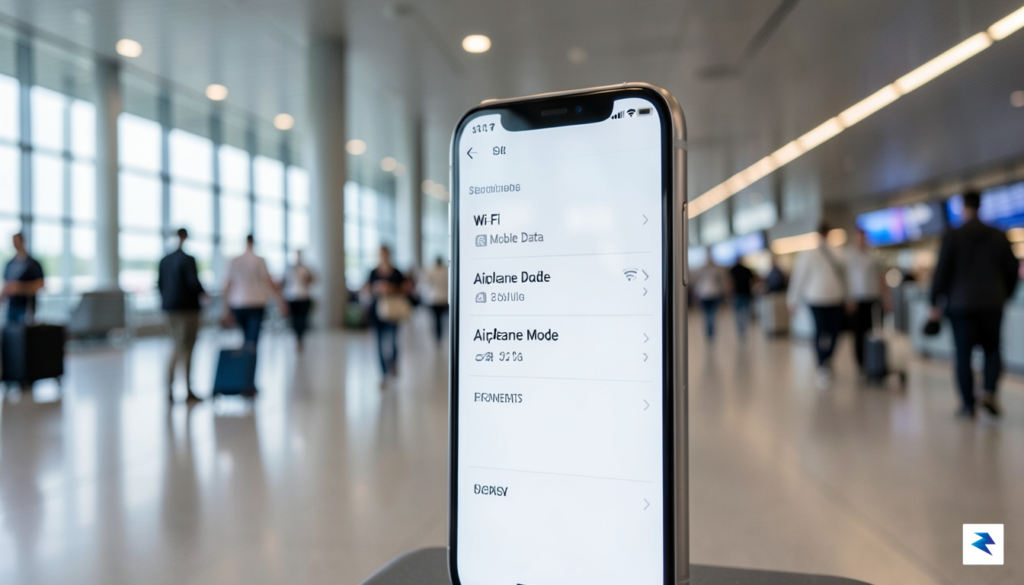
In contrast, eSIM technology transforms connectivity into a purely digital experience, effectively removing the barriers that have long plagued international roaming. With an eSIM, you no longer need to hunt for a local kiosk upon landing in a foreign country; instead, you can purchase and activate a data plan entirely through your phone’s settings before your plane even touches the tarmac. This instant activation allows you to toggle between your home carrier and a local travel network with a few simple taps, granting you total control over your data usage. By bypassing the traditional carrier roaming agreements that often lead to unexpected “bill shock” upon returning home, travelers can enjoy local rates without the risk of hidden fees or service interruptions.
The shift to embedded SIM technology is not merely about convenience; it is a fundamental redesign of how we maintain global identity and connectivity in a digital-first world.
Beyond the immediate user benefits, the transition to eSIMs represents a significant step forward in environmental responsibility. Traditional SIM cards, along with their credit-card-sized plastic carriers, result in millions of pieces of non-recyclable waste annually. By digitizing this process, manufacturers like Motorola are helping to reduce the demand for plastic production and the carbon footprint associated with shipping physical cards across the globe. Furthermore, the internal space saved by removing a physical SIM tray allows engineers to devote more room to battery capacity or advanced hardware components, proving that a more sustainable choice can also lead to a more powerful device.
Ultimately, the move toward built-in eSIMs is an evolution toward a more fluid and borderless mobile experience. Whether you are a business traveler navigating tight schedules or a tourist exploring new destinations, the ability to maintain multiple profiles on a single device ensures that you are never tethered to one network or forced to juggle delicate hardware. As this technology becomes standard across more Motorola devices, the era of physical SIM cards is rapidly drawing to a close, replaced by a smarter, cleaner, and more reliable way to stay connected wherever your journey takes you.
Practical Tips for Managing International Data on Motorola

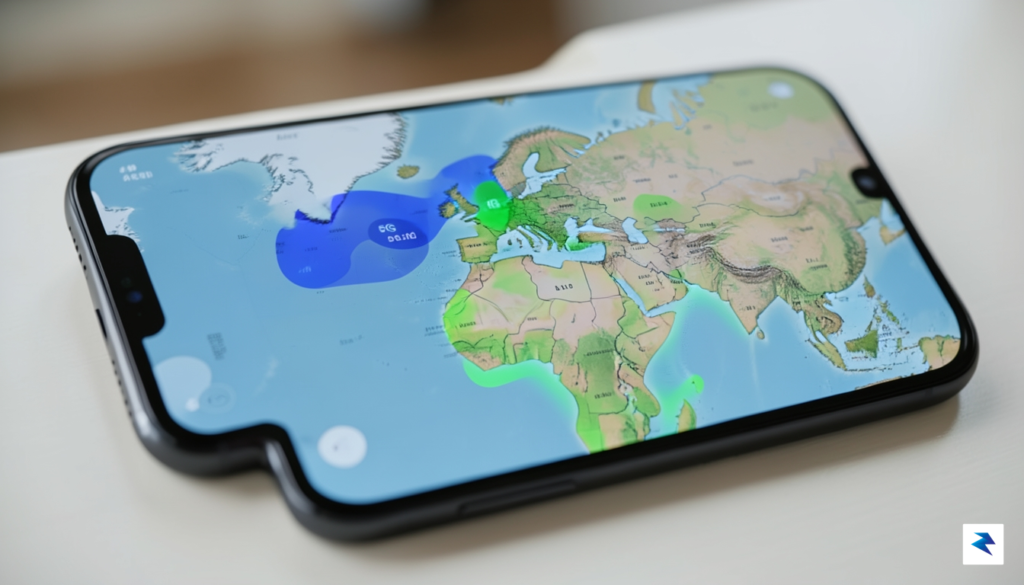
Before you board your flight, the most critical step in ensuring a seamless digital experience is verifying regional coverage for your specific destination. While Motorola’s integrated eSIM technology offers immense convenience, it is not a magic wand that guarantees signal strength in every corner of the globe. Take a few minutes to review the coverage maps provided by the eSIM interface within your phone’s settings menu before you leave home. By confirming that your chosen data plan supports the cellular bands prevalent in your destination, you can avoid the frustration of arriving in a new country only to find yourself struggling with a weak or nonexistent signal.
Once you have landed and activated your data plan, managing background activity becomes the key to avoiding unexpected overage charges or burning through your data allowance prematurely. Many modern applications automatically sync photos, download updates, and refresh feeds in the background, consuming your precious mobile data without your explicit permission. To mitigate this, navigate to your Motorola device’s data usage settings and enable “Data Saver” mode, which restricts background data access for non-essential applications. Furthermore, you should manually configure your cloud storage services—such as Google Photos or iCloud—to only perform backups when connected to a secure Wi-Fi network, ensuring that your travel data is reserved exclusively for navigation, translation, and communication.
Best Practices for Data Security and Connectivity
While the convenience of a local eSIM often eliminates the need to jump between unsecured public Wi-Fi hotspots, you should still maintain a vigilant approach to digital security. Public networks are notorious for being vulnerable to interception, whereas your eSIM provides a private, encrypted tunnel directly to the local carrier’s infrastructure. Whenever possible, rely on your Motorola’s mobile data instead of joining open hotel or café Wi-Fi networks, as this significantly reduces the risk of data theft. If you absolutely must use public Wi-Fi, ensure you are utilizing a reputable Virtual Private Network (VPN) to keep your personal information shielded from prying eyes.
To maximize your travel experience, always keep a secondary offline map application downloaded for your destination; it serves as a reliable safety net if you ever find yourself in a remote area with spotty cellular coverage.
Finally, should you encounter connectivity issues, do not immediately assume your device is malfunctioning. Often, a simple toggle of “Airplane Mode” can force your phone to re-register with the local tower, clearing up minor registration errors. If that fails, manually select a network provider within your cellular settings rather than relying on the “Automatic” selection feature, as some carriers have better roaming agreements in specific regions than others. By proactively managing these settings, you turn your smartphone from a potential source of stress into a powerful tool that keeps you connected, secure, and informed throughout your entire international journey.