
The Sunscreen Paradox: Why Modern Protection Feels Outdated
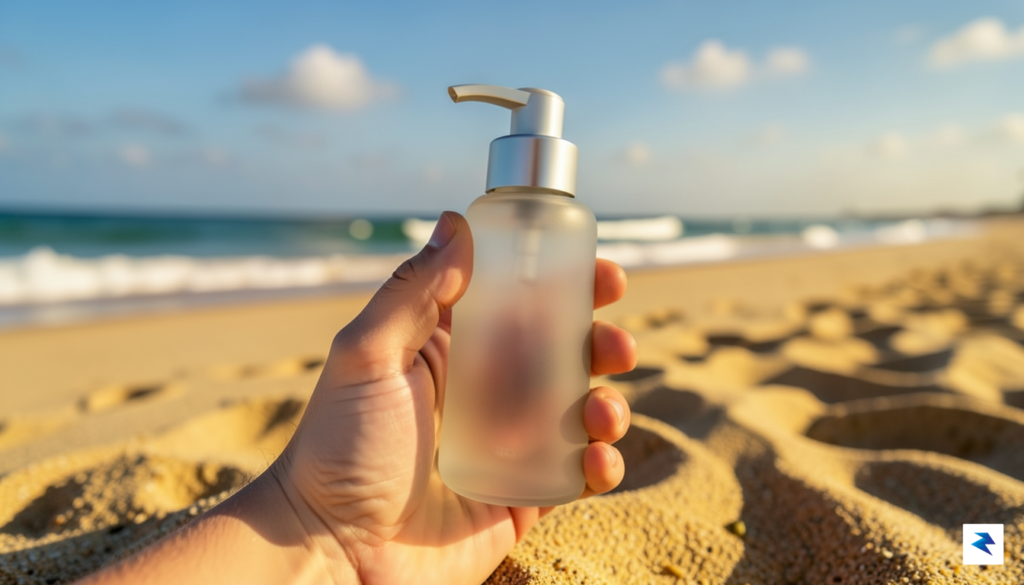
In recent months, a curious and concerning narrative has gained traction across social media platforms like TikTok, where wellness influencers and self-styled skincare experts have begun to question the fundamental necessity of daily sun protection. This anti-sunscreen movement often frames SPF as a toxic chemical burden or an unnecessary beauty step, fueled by a deep-seated skepticism of industrial ingredients and a desire for “natural” living. However, this digital discourse creates a dangerous rift between viral trends and clinical reality. Dermatologists remain steadfast in their consensus: ultraviolet radiation is the primary driver of premature aging, DNA damage, and skin cancer, and consistent application of broad-spectrum protection is the single most effective tool in the modern skincare arsenal. The disconnect lies in the fact that social media thrives on contrarianism, while clinical skin health relies on the boring, repetitive consistency of science.
The frustration felt by many consumers is not entirely unfounded, even if the rejection of SPF is a misguided response. For years, the American consumer has been trapped in a cycle of disappointment regarding the “cosmetic elegance” of sunscreens available on domestic shelves. Legacy FDA regulations have effectively stalled the introduction of advanced chemical filters that are already standard in Europe and Asia, leaving Americans with formulations that often feel like a compromise. Many of the most accessible products on the market are notorious for leaving an unsightly white cast on deeper skin tones, a gritty texture, or a heavy, greasy film that clogs pores and ruins the application of subsequent makeup. When a health-conscious user feels that their sunscreen actively degrades the quality of their daily routine, it is perhaps inevitable that they would begin to resent the product—and eventually, the medical advice that mandates it.
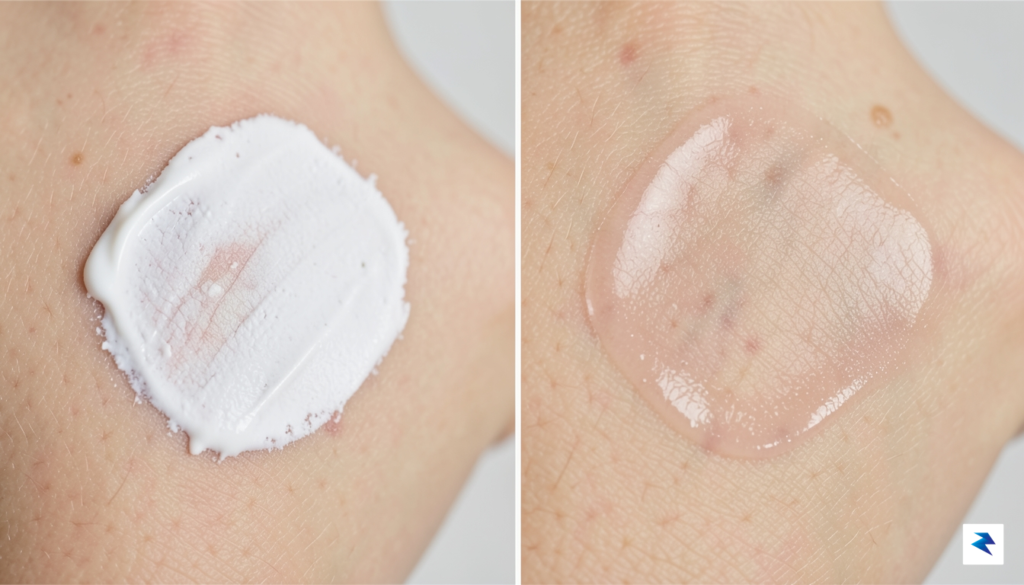
This gap in technology has created a “Sunscreen Paradox” where the products most likely to be used consistently are often those that prioritize texture over efficacy, while the most clinically robust options often feel like a chore to wear. When the only options are high-protection formulas that feel stifling or low-protection formulas that feel pleasant, the consumer is forced into a lose-lose situation. This friction is exactly why the conversation has shifted from “how do we protect ourselves?” to “do we really need this?” To bridge this gap, the industry must pivot toward innovation that treats SPF as a luxury experience rather than a medicinal obligation. Until the regulatory landscape catches up to the needs of a modern, diverse, and discerning public, the battle between viral skepticism and clinical necessity will continue to rage in the comments section.
The true barrier to sun safety isn’t just a lack of education; it is the lack of a product that feels as good as it works. When protection becomes a sensory delight rather than a cosmetic burden, compliance will naturally follow.
Ultimately, the goal of modern sun care must be to render these debates obsolete by providing formulas that are invisible, weightless, and highly protective. We are witnessing a moment where the marketplace is failing to satisfy the consumer’s desire for high-performance, elegant skincare, and that failure is emboldening misinformation. By acknowledging the validity of the consumer’s frustration with outdated legacy formulations, we can better advocate for the modernization of the regulatory process, ensuring that the best science is finally packaged in a way that people actually want to wear every single day.
Understanding the FDA Regulatory Bottleneck

If you have ever traveled abroad and picked up a sunscreen in a European pharmacy, you have likely noticed a stark difference in texture, finish, and overall wearability compared to what sits on the shelves at your local American drugstore. While international consumers have enjoyed access to advanced, high-tech UV filters for decades, American shoppers often find themselves stuck with thick, chalky, or greasy formulas that feel like a chore to apply. This discrepancy is not a result of American manufacturers lacking the desire to innovate; rather, it is a direct consequence of a rigid regulatory framework that classifies sunscreen as an over-the-counter (OTC) drug rather than a cosmetic product.
In the United States, the Food and Drug Administration (FDA) regulates sunscreens under the same strict protocols as medications intended to treat diseases. While this ensures a high level of scrutiny, it creates a massive hurdle for companies looking to introduce new UV-filtering molecules. Because sunscreen is categorized as a drug, any new active ingredient must undergo a grueling, multi-year approval process that requires extensive clinical data to prove not just safety, but also efficacy and stability under a variety of conditions. By contrast, the European Union classifies sunscreens as cosmetics, allowing for a more streamlined regulatory pathway that enables manufacturers to adopt new, scientifically advanced filters much faster than their American counterparts.
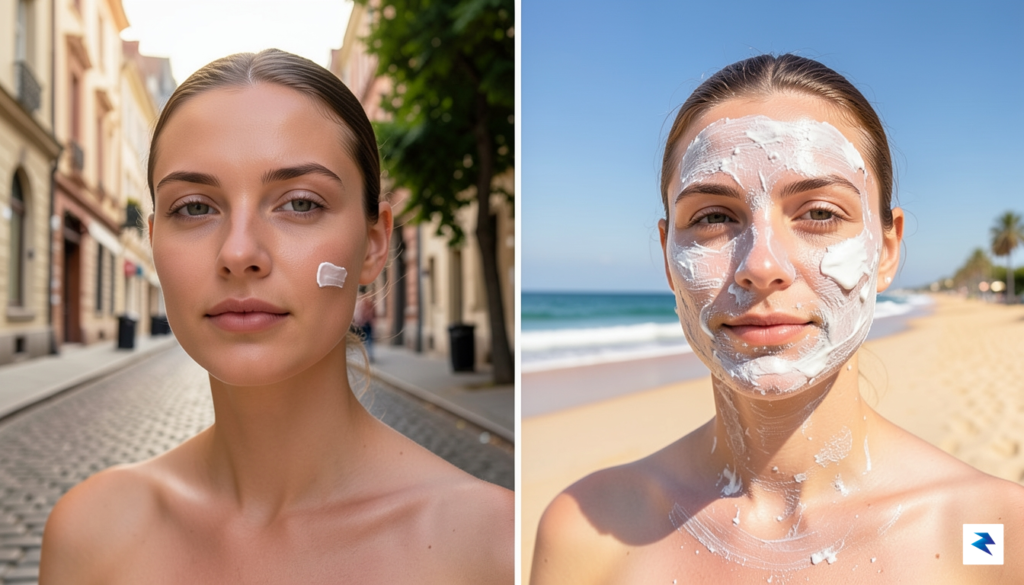
The hope for a modernized system arrived with the Sunscreen Innovation Act of 2014, which was signed into law with the specific intent of breaking this bureaucratic gridlock. The legislation aimed to establish a more transparent and expedited review process for pending sunscreen applications, promising a brighter future for American skin protection. Unfortunately, the reality has proven far more complicated than the initial legislative promise suggested. Despite the Act, the FDA continues to demand a level of safety data that many manufacturers find prohibitively expensive and time-consuming to provide. The agency maintains an incredibly high bar, requiring comprehensive testing that often mirrors the requirements for systemic drugs, even though sunscreen is applied topically and does not enter the bloodstream in the same way as internal medication.
The core of the issue is a fundamental mismatch between the regulatory classification of sunscreen as a drug and the reality of how it is used as a daily, preventative cosmetic product.
Ultimately, this regulatory bottleneck has created a “lost decade” of sunscreen innovation in the United States. While the rest of the world has moved toward filters that provide superior broad-spectrum protection with elegant, lightweight textures, the U.S. market remains largely tethered to the same handful of ingredients approved decades ago. Until the regulatory framework evolves to reflect the unique, topical nature of these products, American consumers will likely continue to search for “grey market” imports online, hoping to bypass a system that was designed to protect them but has inadvertently left them behind.
The Science of Bemotrizinol and Advanced UV Filters
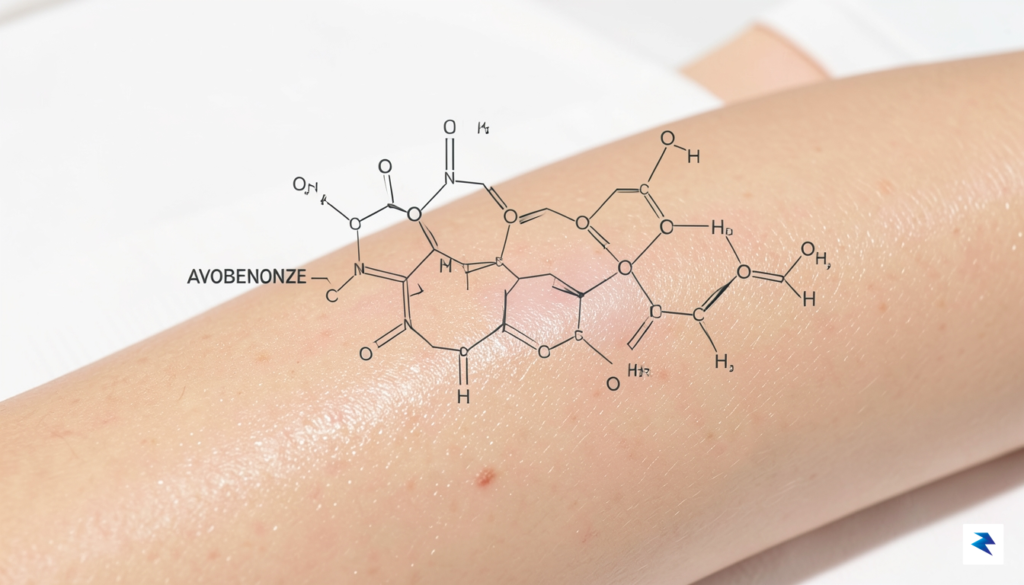
For decades, American consumers have been limited by a regulatory framework that treats sunscreen ingredients as drugs rather than cosmetics, effectively stalling innovation for over twenty years. While the rest of the world has moved on to sophisticated, next-generation molecules, the U.S. market remains tethered to older chemicals that struggle with photostability. Photostability refers to a molecule’s ability to remain intact and effective when exposed to the intense energy of ultraviolet radiation. Many of the legacy filters currently approved by the FDA, such as Avobenzone, are notoriously unstable; they degrade rapidly upon sun exposure, losing their protective capacity and potentially creating reactive byproducts that can irritate the skin.
Enter Bemotrizinol, commonly known by its trade name Tinosorb S, which represents a massive leap forward in dermatological chemistry. Unlike older filters that require complex chemical stabilizers to prevent them from breaking down, Bemotrizinol is inherently photostable. It does not degrade when hit by sunlight, meaning it maintains a consistent level of protection throughout the day without requiring frequent reapplication to compensate for chemical breakdown. By solving the stability puzzle, chemists have created a filter that offers exceptional broad-spectrum coverage, effectively blocking both UVA and UVB rays simultaneously.
The primary advantage of modern organic filters like Bemotrizinol is that they act as “broad-spectrum hybrids,” absorbing and neutralizing UV radiation at a molecular level without the need for high concentrations of unstable, heavy minerals.

Beyond the technical superiority of their stability, these newer filters offer a sensory experience that is lightyears ahead of the chalky, thick lotions of the past. Older formulations relied heavily on mineral blockers like Zinc Oxide or Titanium Dioxide, which often leave behind a noticeable, ghostly white cast on the skin. Because Bemotrizinol is an organic, oil-soluble filter, it disappears completely into the skin, making it invisible upon application. This cosmetic elegance is crucial for public health; when a sunscreen feels lightweight, non-greasy, and invisible, people are significantly more likely to use it consistently and in the recommended amounts.
Furthermore, because these modern molecules are so efficient at absorbing radiation, sunscreen manufacturers can achieve high Sun Protection Factor (SPF) ratings with a lower total concentration of chemicals. This reduction in the overall “chemical load” of a product leads to a significantly lower risk of skin irritation and allergic reactions, making these advanced formulas ideal for individuals with sensitive skin or conditions like rosacea and eczema. Scientists and dermatologists continue to advocate for the FDA to expedite the approval of these filters, as the current technological gap is not just a matter of convenience, but a missed opportunity to prevent skin cancer through better, more user-friendly photoprotection.
Beyond the Lab: Balancing Innovation and Safety
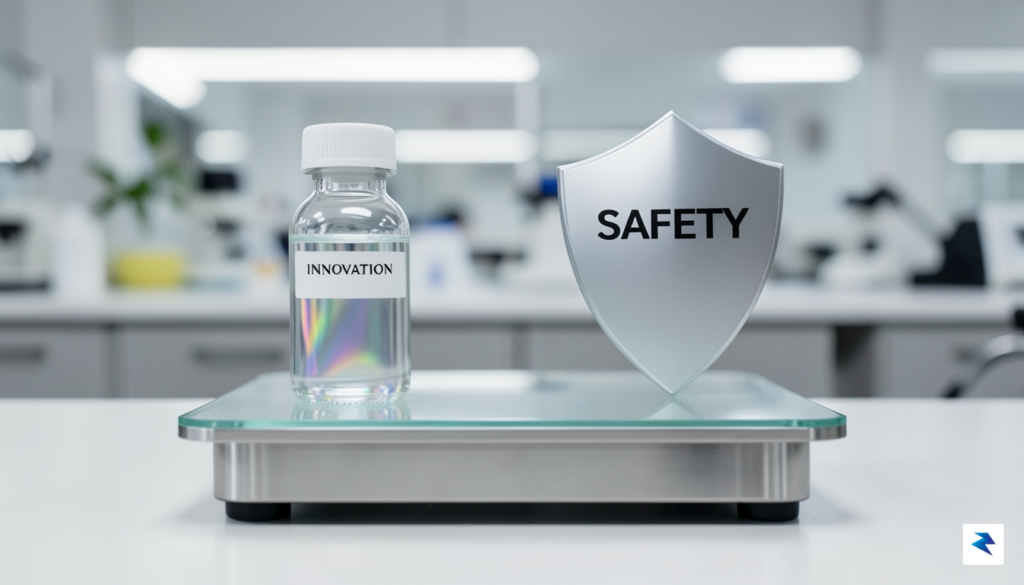
The frustration surrounding the slow evolution of American sunscreen technology often overlooks a fundamental reality: the skin is not merely a surface, but a complex, semi-permeable organ. Because sunscreen is applied liberally, daily, and often over a person’s entire lifetime, regulators must view these products through a lens far more rigorous than that applied to a standard cosmetic cream. The FDA’s primary concern is systemic absorption—the process by which chemical filters move past the skin barrier and enter the bloodstream. While a filter might excel at blocking ultraviolet radiation in a controlled laboratory setting, that performance is secondary to whether the chemical remains stable within the skin or accumulates in the body over decades of regular use.
To navigate these concerns, the FDA relies on the GRASE criteria—an acronym standing for “Generally Recognized as Safe and Effective.” This is the gold standard for any active ingredient in an over-the-counter drug, and it requires a mountain of clinical evidence to satisfy. Proving that a new ingredient is GRASE is an incredibly high bar because it demands comprehensive data on potential endocrine disruption, toxicity, and environmental impact. For sunscreen manufacturers, this means that the transition from a promising molecule in a beaker to a shelf-ready product is not just a matter of chemistry, but a massive investment in long-term safety studies that can take years, if not decades, to complete.

Clinical trials for these ingredients are uniquely complex because they must measure both immediate efficacy—such as the Sun Protection Factor (SPF)—and the long-term biological footprint of the chemical. Unlike pharmaceuticals designed to treat a specific illness, sunscreens are preventative tools used by healthy individuals who expect zero side effects. This creates a regulatory paradox: we desperately need the advanced filters currently available in Europe and Asia, yet the American framework prioritizes a “precautionary principle” that views sunscreen as a drug rather than a cosmetic. Consequently, the research and development pipeline often stalls under the weight of requirements meant to ensure that a product meant to save lives does not introduce unforeseen health risks of its own.
The challenge lies in balancing the immediate, proven danger of UV-induced skin cancer against the theoretical, long-term risks of chemical absorption. It is a delicate tug-of-war between the necessity of innovation and the mandate of public health.
Ultimately, the “nightmare” of being behind the global curve is a byproduct of a system designed to be overly cautious. While users understandably crave the lightweight, non-greasy, and broad-spectrum filters found abroad, the regulatory road to approval is paved with the necessity of proving safety beyond a shadow of a doubt. As science advances, the hope is that improved analytical methods and more efficient testing protocols will eventually allow the FDA to bridge the gap between global innovation and domestic safety standards, ensuring that Americans can access the most effective protection available without compromising their long-term health.
How to Choose Better Protection Today
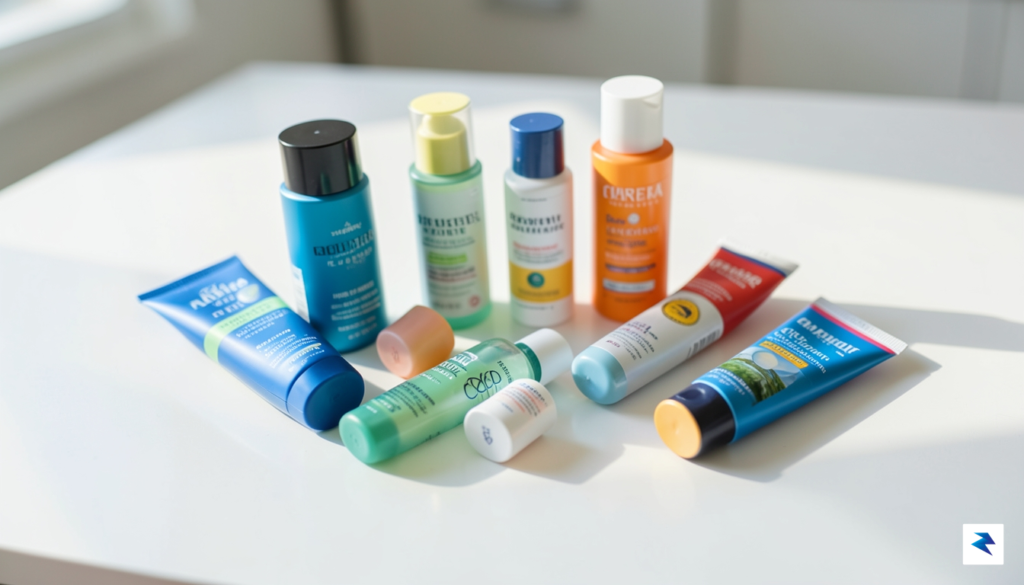
Navigating the current sunscreen aisle can feel like deciphering a cryptic code, especially when you realize that many of the most advanced UV-filtering molecules used globally remain barred from the U.S. market. While we wait for regulatory updates, the most immediate step you can take is to look beyond the basic “SPF” number on the front of the bottle. SPF only measures protection against UVB rays—the primary culprits behind sunburn—but it tells you nothing about UVA protection, which causes deep-tissue damage, premature aging, and long-term skin health risks. To ensure you are truly shielded, prioritize products explicitly labeled as “Broad Spectrum.” Ideally, look for formulations that include a “PA++++” rating, a Japanese standard that has been adopted by many high-end brands to indicate the highest level of UVA protection currently measurable.
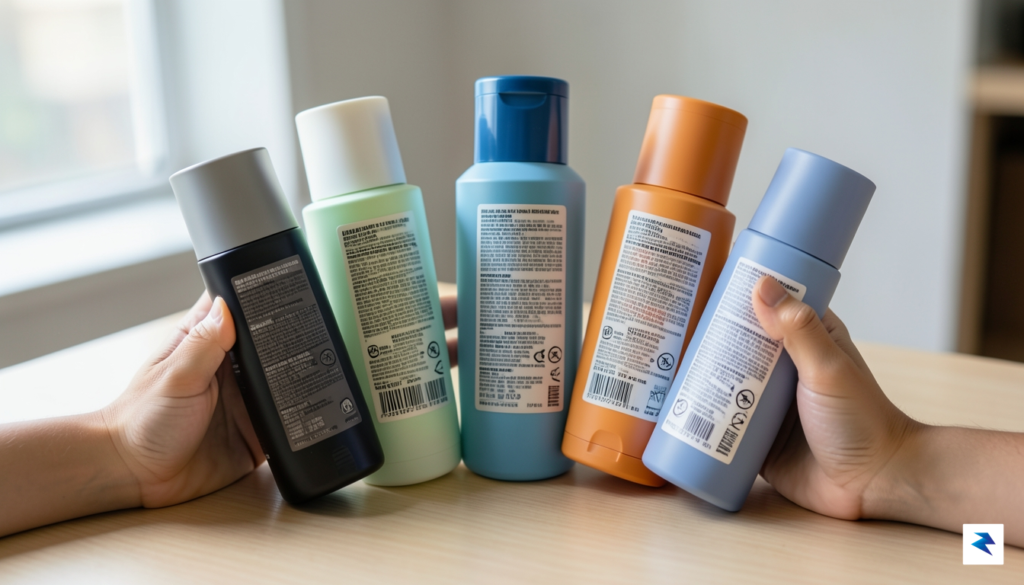
Beyond the technical specifications, the best sunscreen is ultimately the one you will actually wear every single day without fail. This is where the concept of “cosmetic elegance” becomes critical; if a formula feels greasy, leaves a chalky white cast, or pills under your makeup, you are far more likely to under-apply it or skip it entirely. Modern pharmacy-grade and boutique brands have made significant strides in this area by utilizing advanced emulsifiers and chemical filters that disappear into the skin upon application. When shopping, seek out labels that promise a “weightless” or “invisible” finish, and don’t be afraid to sample textures on your inner wrist. If a formula feels heavy or tacky, move on to the next one, because the efficacy of a sunscreen is entirely dependent on the thickness and consistency of the film you apply to your face and neck.
The most effective sunscreen isn’t the one with the highest SPF on the label; it is the one that fits seamlessly into your daily routine so that you never miss an application.
When it comes to the great debate between mineral (zinc oxide and titanium dioxide) and chemical filters, the most important takeaway is that consistency trumps composition. While mineral sunscreens are often praised for being reef-safe and less irritating for sensitive skin, chemical filters—like avobenzone or octisalate—often provide superior texture and a more transparent finish. If you struggle with the white cast associated with physical blockers, do not feel guilty about switching to a sophisticated chemical formula. The most important metric remains your frequency of application: reapply every two hours when outdoors, and ensure you are using a generous amount—roughly a nickel-sized dollop for the face and neck alone. By focusing on products that provide broad-spectrum coverage while feeling pleasant enough to use consistently, you can build a defensive barrier that keeps your skin protected, regardless of the slow pace of domestic regulatory reform.