When the Watchers Are Watched: The Pegasus Spyware Crisis in the EU
The Pegasus Paradox: When Investigators Become Targets The recent revelation that high-ranking European Union officials—individuals…
For years, Apple has masterfully orchestrated its product cycles, delivering meticulously refined devices that consistently set industry benchmarks. However, the tech giant appears to be on the cusp of entering a truly pivotal phase, one that transcends the familiar rhythm of annual M-series chip upgrades and incremental design tweaks. This isn’t just about faster processors or slightly improved cameras; it’s a strategic pivot toward genuinely transformative hardware, signaling an ambition to redefine entire product categories rather than merely optimizing existing ones. This shift represents a significant leap, pushing the boundaries of what consumers expect from their most essential gadgets and potentially reshaping the landscape of personal computing and communication.
The current trajectory points to a distinct departure from the iterative enhancements that have characterized much of Apple’s recent history. Instead, the focus is increasingly on radical new form factors and sophisticated technologies, such as foldable displays and advanced mixed-reality interfaces. While the powerful M-series processors have provided a robust foundation, enabling incredible performance in traditional designs, the next wave of innovation demands a wholesale reimagining of physical interaction and device utility. This transition from standard internal updates to groundbreaking external designs signifies a dramatic escalation in engineering challenges, requiring unprecedented precision in manufacturing and a willingness to explore entirely new material sciences.
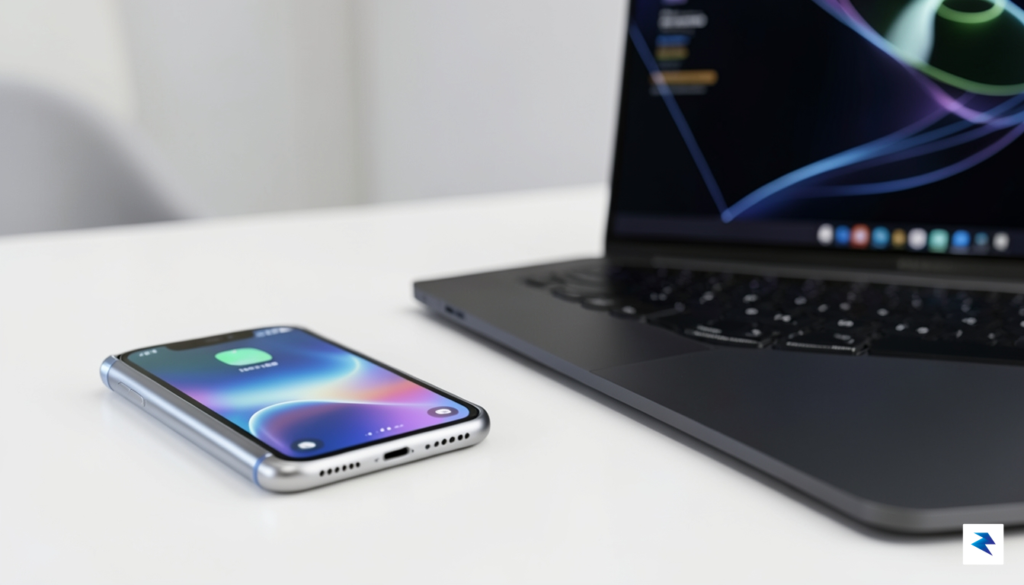
However, this ambitious leap into uncharted technological territory comes with inherent risks, particularly concerning manufacturing complexity and price accessibility. Developing and producing devices with entirely new form factors, like a foldable iPhone, involves intricate supply chains, novel assembly processes, and stringent quality control standards for components that have never been mass-produced at this scale. Such complexity inevitably drives up production costs, which in turn translates to higher retail prices for consumers. Apple faces the delicate balancing act of delivering revolutionary products while ensuring they remain within a justifiable price point for its vast global customer base, a challenge that could test the company’s long-standing premium market position.
Historically, Apple has demonstrated an unparalleled ability to not just innovate, but to successfully introduce revolutionary products that capture the global imagination and create entirely new markets. From the original Macintosh to the iPod, iPhone, and iPad, the company has consistently proven its prowess in combining cutting-edge technology with intuitive design and compelling user experiences. This track record of transforming niche technologies into mainstream necessities gives confidence that Apple can navigate complex product launches. Yet, the stakes are arguably higher now, as the market is more saturated, competition is fiercer, and consumer expectations for groundbreaking innovation are at an all-time peak, demanding nothing less than perfection from every new release.
Ultimately, the tension between pushing the boundaries of technological R&D and meeting the practical demands of market adoption defines Apple’s current strategic moment. Consumers are hungry for truly next-generation devices, but they also expect reliability, durability, and a reasonable return on their investment. Apple must not only innovate with radical new designs and functionalities but also ensure these innovations are mature, robust, and scalable for mass production without compromising the user experience or brand reputation. This critical phase will undoubtedly test Apple’s engineering might, its supply chain resilience, and its pricing strategy, determining whether its bold hardware bets will once again redefine the industry or face significant market resistance.

Even as the current generation of MacBook Pro models, powered by Apple’s formidable M3 family of chips, continue to set benchmarks in performance and power efficiency, the rumor mill is already buzzing with whispers of an even more ambitious redesign. Apple has consistently pushed the envelope, and this refresh isn’t just about incremental speed bumps; it’s anticipated to be a strategic move to solidify the MacBook Pro’s position against an increasingly competitive landscape of Windows-based powerhouses. The focus appears to be on an intricate dance between raw processing might, sophisticated thermal management, and cutting-edge display technology, all designed to cater to the most demanding professional workflows.
At the heart of these rumored upgrades lies the next iteration of Apple Silicon, likely an M4 Pro and M4 Max, and potentially an M4 Ultra, promising significant leaps over their M3 predecessors. While the M3 chips are already incredibly potent, particularly for tasks like 4K video editing, complex software compilation, and high-fidelity audio production, the M4 generation is expected to double down on neural engine capabilities. This isn’t merely about faster general computing; it signals a profound shift towards accelerated AI and machine learning tasks directly on the device. Professionals working in data science, advanced image manipulation, generative AI, and real-time simulations could see dramatic reductions in processing times, fundamentally altering their creative and analytical workflows. Furthermore, enhancements in unified memory architecture and potentially even faster SSD controllers are on the cards, ensuring that every component of the system works in seamless concert to eliminate bottlenecks.
However, raw power is only half the battle; sustaining that performance under heavy load is equally critical. Current rumors suggest Apple is exploring more advanced thermal solutions, possibly incorporating vapor chambers or more efficient fan designs, to allow these next-gen chips to run at their peak for longer durations without throttling. This focus on thermal efficiency directly impacts the user experience, ensuring that a professional engaged in an hour-long 8K video render doesn’t see performance degrade midway through the task. Concurrently, display technology is also slated for a significant upgrade. While the current Mini-LED Liquid Retina XDR displays are stunning, whispers of even brighter, more contrast-rich panels, potentially moving towards OLED technology, promise an unparalleled visual experience for color-critical work, enhancing everything from graphic design to cinematic post-production.
This relentless pursuit of performance inevitably raises the question: are we reaching a point of “over-engineering” for the average professional? For many, the M3 Pro already offers more than enough horsepower for daily tasks, even demanding ones. The true value proposition for the next MacBook Pro might not be for everyone, but rather for a niche of users whose livelihoods depend on shaving seconds off render times or processing massive datasets. For these power users, every increment of speed, every improvement in thermal sustainment, and every pixel of display fidelity translates directly into productivity and competitive advantage. The challenge for Apple, therefore, is to justify the premium price point by delivering tangible benefits that go beyond mere spec sheet bragging rights, focusing on real-world impact for the most demanding creative and technical professionals.
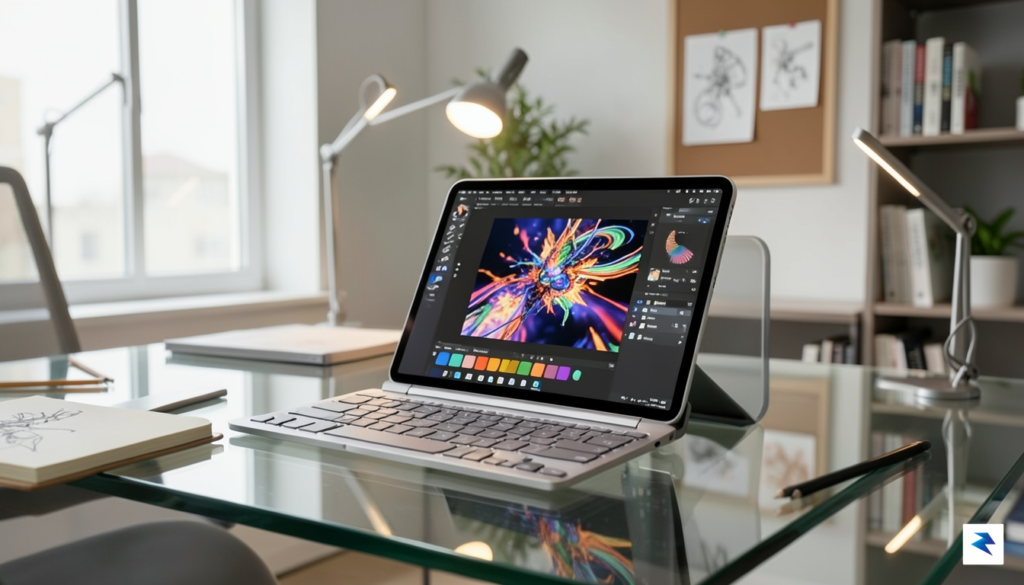
The modern iPad Pro occupies a fascinating, if somewhat precarious, position within Apple’s expansive hardware ecosystem. For years, the company has touted these tablets as the ultimate successors to the traditional laptop, outfitting them with the same silicon architecture that powers high-end MacBooks. With the introduction of cutting-edge OLED displays and the sheer, unbridled processing power of the latest M-series chips, the hardware itself has reached a level of sophistication that arguably surpasses many professional-grade computers. Yet, as the physical machine becomes more capable, a persistent friction remains: the software experience. While the hardware suggests a device capable of handling complex workstation-class tasks, iPadOS continues to feel, in many respects, like a scaled-up mobile environment, creating a noticeable gap between what the device is capable of doing and what the user is actually permitted to accomplish.
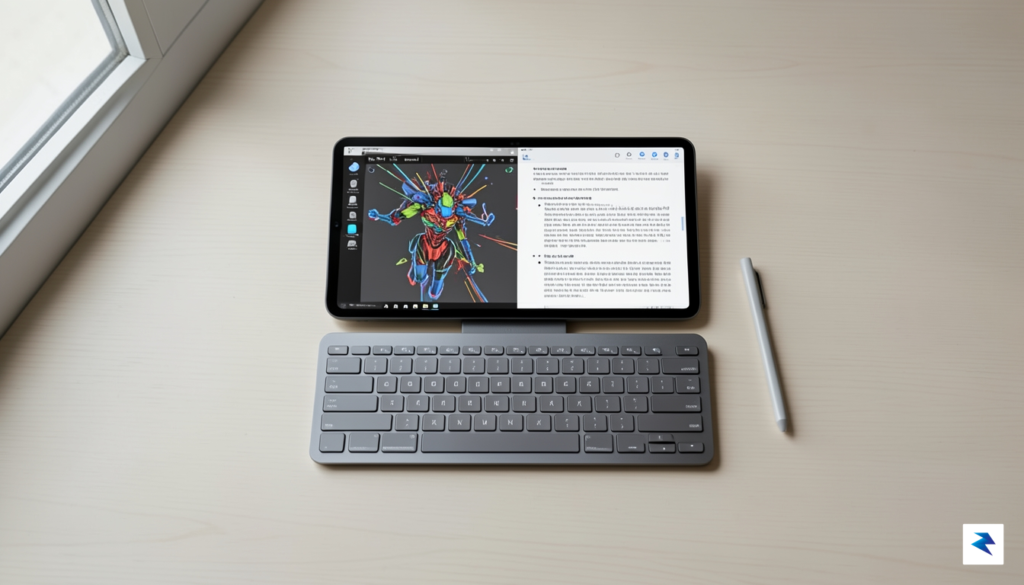
This chip parity between the iPad Pro and the MacBook lineup raises a fundamental question about the future of portable productivity. When a tablet possesses the same M4 architecture as a professional laptop, the limitation is no longer the machine’s ability to render 3D models, compile code, or edit 8K video; it is the operating system’s propensity to prioritize simplicity over granular control. Users are increasingly finding themselves in an identity crisis, possessing a device that is physically superior to their laptop but software-constrained in ways that hinder deep, file-intensive workflows. To truly solidify the iPad Pro as a primary work device, Apple must eventually bridge this divide by introducing more robust file management, deeper multitasking capabilities, and a more permissive approach to background processing.
The true test for Apple’s tablet strategy lies not in how much faster they can make the processor, but in how effectively they can evolve the interface to match the power of the internals.
Looking ahead, the evolution of the iPad Pro will likely hinge on whether Apple decides to harmonize these platforms further or maintain a distinct, touch-first philosophy. Should the company choose to unlock the full potential of the current hardware, we might see a more aggressive expansion of features like extended external display support, a more desktop-like windowing system, and perhaps even the integration of more powerful professional software suites. Until that pivot occurs, the iPad Pro remains a masterpiece of engineering in search of a software identity that fully justifies its premium price tag. For many, it remains the best secondary device on the market, but for those hoping to leave the MacBook behind, the wait for a truly “pro” software experience continues.
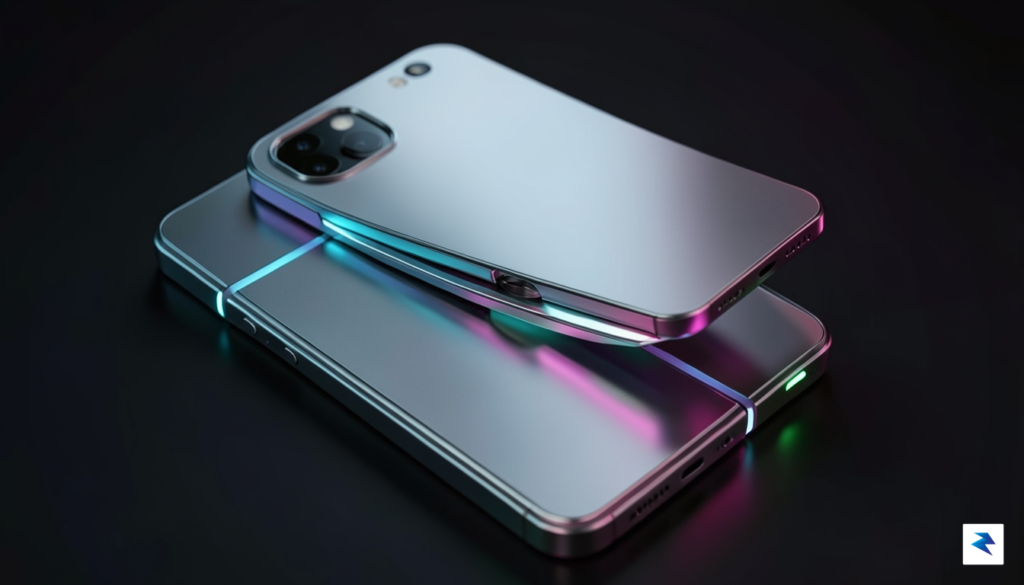
Apple’s potential foray into the foldable smartphone market represents one of the most significant design gambles the company has contemplated in over a decade. While competitors like Samsung and Google have already launched multiple generations of foldable devices, Apple has conspicuously stayed on the sidelines, adhering to its well-established strategy of allowing new technologies to mature before committing its considerable resources. This patient approach has historically served the company well, ensuring that when Apple finally enters a new category, its product is often polished, refined, and sets a new benchmark for user experience. However, the unique complexities of foldable technology present a formidable test to even Apple’s legendary engineering prowess and market timing.
The “Apple approach” dictates that a product must not only innovate but also flawlessly integrate into the existing ecosystem, offering a superior user experience from day one. This stands in stark contrast to the early iterations of foldable phones, which, while impressive in their ambition, often came with noticeable compromises in durability, software optimization, and overall refinement. For Apple to launch a foldable iPhone, it would need to address these inherent issues head-on, delivering a device free from the display creases, hinge vulnerabilities, and app compatibility headaches that have plagued earlier attempts. This isn’t merely about catching up; it’s about redefining the category with a product that lives up to Apple’s stringent quality and design standards.
The technical challenges inherent in creating a truly “Apple-grade” foldable device are immense. Foremost among these is the display itself. Achieving a perfectly flat, crease-free screen that can withstand hundreds of thousands of folds without degradation remains a significant hurdle. Current foldable displays often exhibit a visible crease at the fold line, which, while improving with each generation, is unlikely to meet Apple’s aesthetic and functional expectations. Furthermore, the durability of flexible screens against scratches and impacts is generally lower than traditional smartphone displays, an area where Apple typically excels with its Ceramic Shield technology. The hinge mechanism, a complex piece of precision engineering, must also be robust, seamless, and resistant to dust and debris ingress – all while maintaining a slim profile.
Beyond the display and hinge, battery life presents another formidable engineering challenge. A foldable phone essentially houses two screens and, often, two separate battery cells to balance weight and distribution, all within a form factor that is significantly thicker when folded, yet potentially thinner when unfolded. Powering a larger, flexible display and the intricate folding mechanism, while still delivering the all-day battery life users expect from an iPhone, demands breakthroughs in battery technology and power management. Moreover, the software experience needs a complete overhaul. iOS, renowned for its intuitive single-screen operation, would need fundamental adaptations to seamlessly transition between folded and unfolded states, enabling intelligent multitasking, dynamic app layouts, and a cohesive user interface that feels natural regardless of the device’s configuration. This isn’t just about scaling apps; it’s about rethinking interaction paradigms for a dynamic form factor.
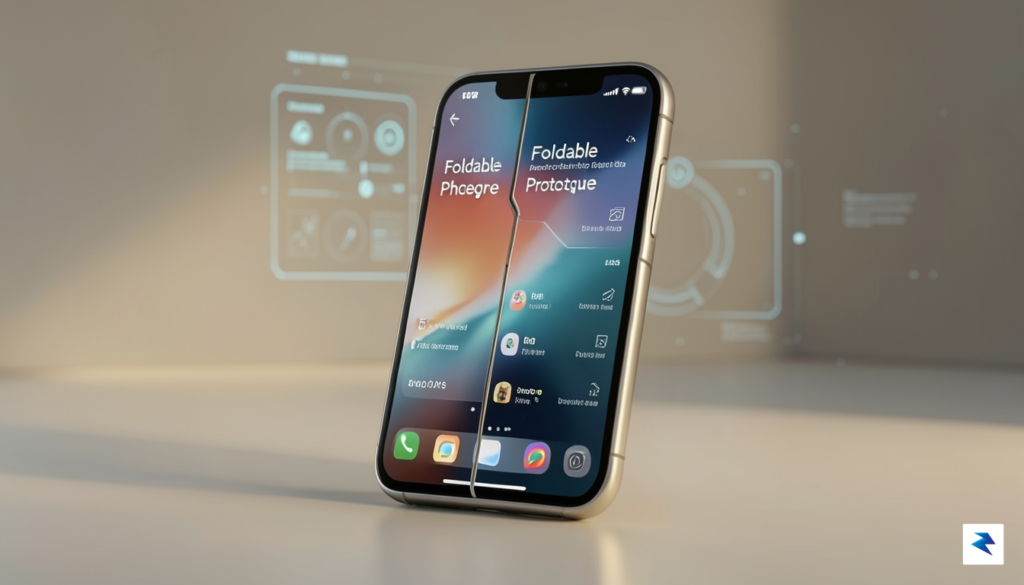
From a market perspective, a foldable iPhone also introduces complex strategic considerations, particularly concerning potential sales cannibalization. Apple already offers a range of devices, from the compact iPhone mini (now discontinued) to the expansive iPhone Pro Max and various iPad models, including the iPad mini. A foldable iPhone, potentially offering a tablet-like experience when unfolded, could inadvertently eat into the sales of these existing products. Apple would need to meticulously define the unique value proposition of a foldable iPhone, ensuring it appeals to a distinct segment of buyers without unduly detracting from its highly successful established lines. The premium price point typically associated with foldable technology would further position it as a niche, luxury item, at least initially, demanding a clear justification for its existence within Apple’s meticulously curated product ecosystem.

The landscape of premium consumer electronics is undergoing a significant shift as Apple continues to push the boundaries of its hardware pricing. With the latest iterations of the MacBook Pro and iPad Pro commanding figures that rival high-end enterprise workstations, the barrier to entry for the company’s ecosystem has never been more formidable. Consumers are no longer simply paying for a brand name; they are being asked to justify an investment that often exceeds the cost of a down payment on a car or a month’s rent in many cities. This financial escalation forces a departure from the “impulse buy” mentality, pushing even the most loyal brand advocates to treat their tech acquisitions as significant capital expenditures rather than casual upgrades.
In this climate, the concept of the “value proposition” has become the central pillar of the modern Apple consumer’s decision-making process. The days of upgrading hardware every two years for marginal improvements in aesthetic design or minor processor bumps are fading; instead, users are prioritizing long-term longevity and genuine utility. A device must now prove that it can handle professional-grade workflows—such as 8K video rendering, complex machine learning tasks, or multi-year software support—for at least four to five years to earn its price tag. When prospective buyers contemplate a foldable iPhone or a maxed-out MacBook Pro, they are not just looking at the spec sheet; they are performing a mental calculation of the cost-per-year against the projected reliability and relevance of the machine.
The true cost of a premium device is not the sticker price at the checkout counter, but the division of that price by the number of years the tool remains indispensable to your daily workflow.
Navigating these upgrade cycles requires a more disciplined approach than ever before, especially as supply chain uncertainties continue to inflate costs and limit availability. To manage this, consumers should focus on three strategic pillars:
Ultimately, as the hardware becomes more specialized and expensive, the responsibility shifts back to the consumer to act as a discerning curator of their own technology. While the prospect of a foldable iPhone or the latest MacBook Pro is undeniably exciting, the economic reality is that these devices serve a specific purpose. By aligning hardware acquisitions with long-term professional or creative goals, users can bypass the trap of habitual consumerism and instead cultivate a digital toolkit that offers genuine, sustained value in an increasingly expensive world.
You must be logged in to post a comment.