
Google DeepMind Unionization: Inside the Stalled Talks and What It Means for AI
The Growing Tension: Inside the DeepMind Labor Negotiations The atmosphere inside Google DeepMind shifted dramatically this past Wednesday,…
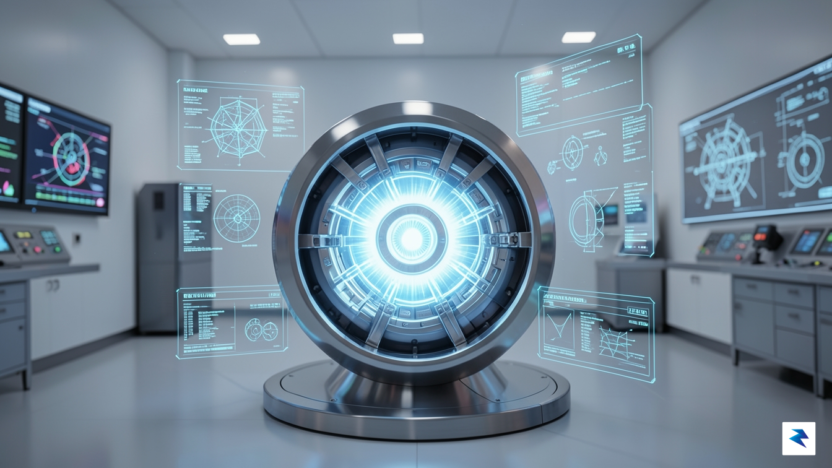
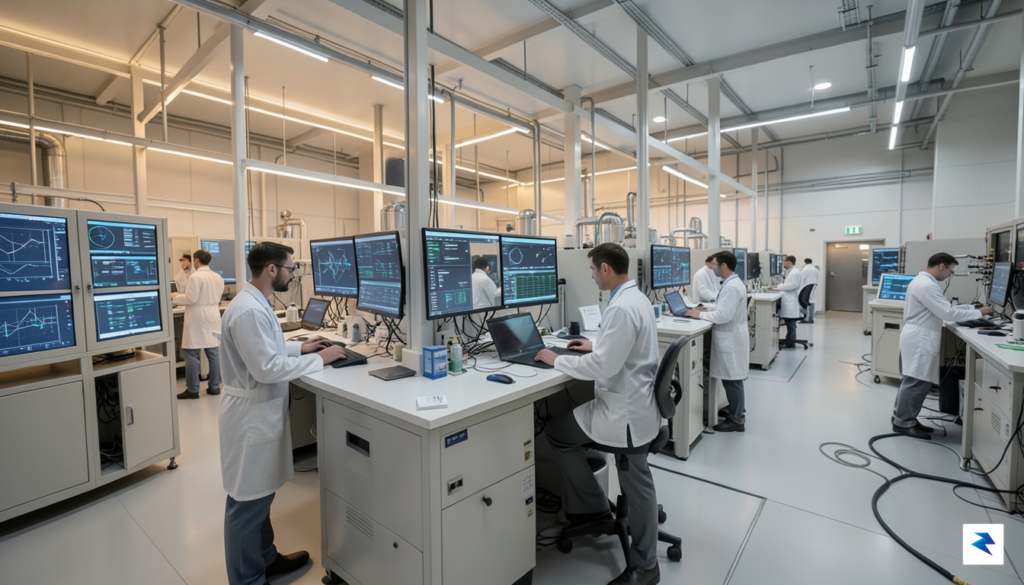
For decades, the nuclear energy sector remained trapped in a cycle of stagnation, dominated by massive, government-backed monoliths and aging light-water reactor technology. These gargantuan projects were notorious for ballooning budgets, decades-long construction timelines, and a rigid adherence to mid-20th-century engineering principles. However, the current landscape is undergoing a profound transformation as a new wave of agile startups begins to challenge this entrenched status quo. By prioritizing speed, cost-efficiency, and technological versatility, these newcomers are effectively moving nuclear power out of the realm of state-sponsored legacy projects and into the fast-paced ecosystem of Silicon Valley-style innovation.
The core of this renaissance lies in the shift toward Small Modular Reactors (SMRs) and advanced non-light-water designs. Unlike their predecessors, which required enormous tracts of land and specialized, bespoke construction, these modern reactors are designed to be manufactured in factories and shipped to their destination. This modular approach significantly lowers the barrier to entry, allowing for a “plug-and-play” energy solution that can be scaled according to demand. Furthermore, many of these startups are experimenting with molten salt, gas-cooled, and fast-neutron reactor designs, which inherently offer higher safety margins and better fuel utilization than the pressurized water systems that have defined the industry for the past sixty years.

This acceleration is largely fueled by a significant influx of venture capital, which has injected fresh urgency into a field that was previously confined to the slow-moving corridors of government laboratories. Private investors are betting on the idea that nuclear energy is the missing piece of the decarbonization puzzle, capable of providing the reliable baseload power that wind and solar cannot always guarantee. By bypassing the bureaucratic inertia that has historically hindered public-sector nuclear research, these startups are rapid-prototyping their way to milestones that many analysts previously deemed impossible. This shift in capital is not just about funding; it is about bringing a culture of iteration and risk-taking to a field that has historically been defined by extreme risk aversion.
The transition from bespoke, mega-scale nuclear infrastructure to nimble, factory-produced modular units represents the most significant change in reactor engineering since the birth of the atomic age.
Ultimately, this new frontier is about redefining what a power plant looks like and where it can operate. Whether it is powering remote industrial sites, supporting data centers, or integrating into microgrids, the objective is to decouple nuclear energy from the image of the sprawling, river-side cooling tower. While these startups still face formidable regulatory hurdles and supply chain challenges, their ability to reach meaningful development milestones suggests that the nuclear industry has finally entered a new chapter—one driven by competition, innovation, and the urgent necessity of a cleaner energy future.
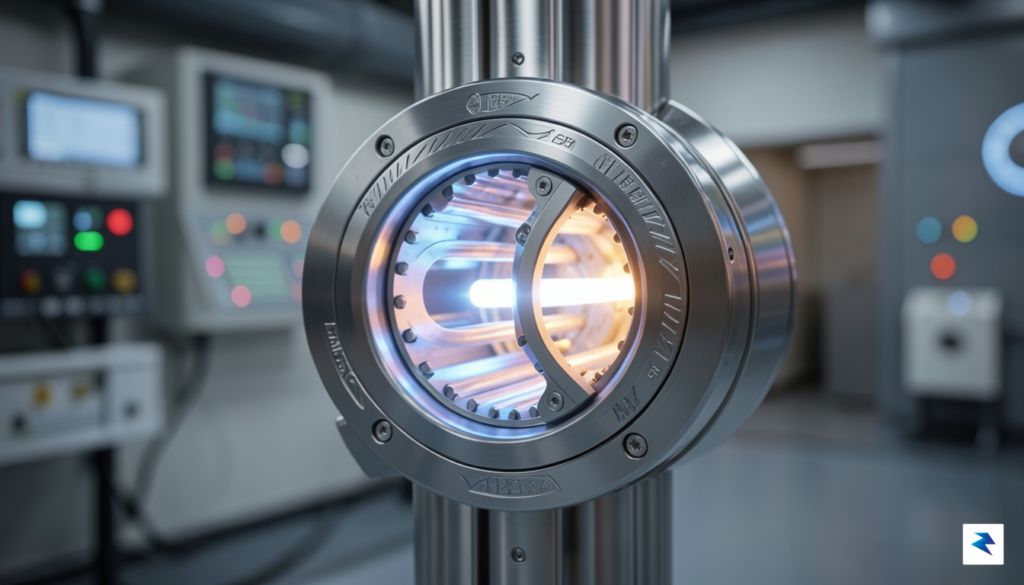
For years, the promise of advanced nuclear energy has lived primarily within the realm of digital simulations and high-concept engineering designs. However, the recent string of successes from leading startups marks a definitive pivot from the theoretical to the tangible. These breakthroughs are not merely incremental; they represent the successful navigation of the “valley of death” that typically claims energy hardware startups. By moving from computer-aided designs to the actual fabrication of components and, in some cases, full-system integration, these companies are finally subjecting their innovative physics models to the uncompromising reality of thermodynamics and material science.
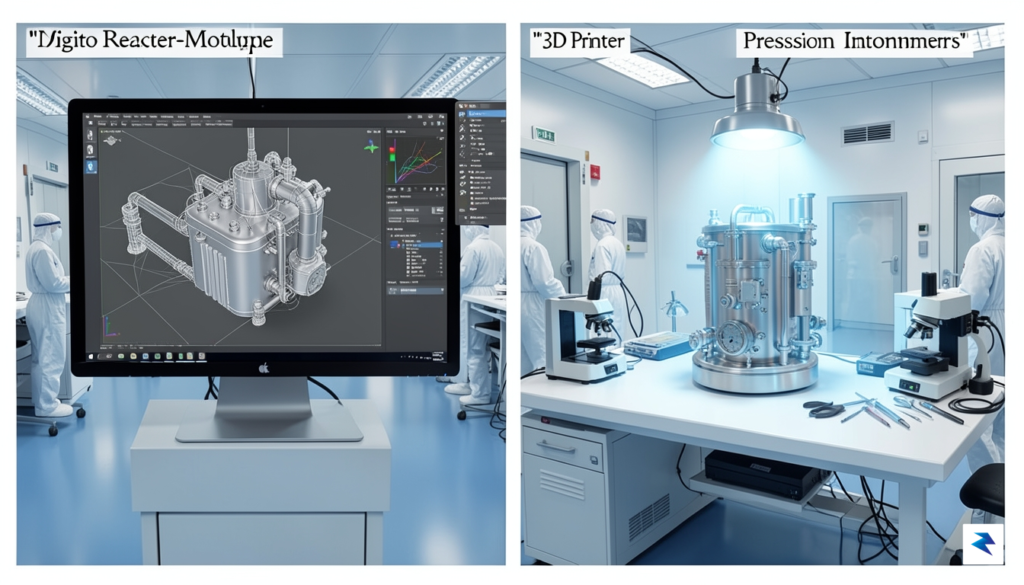
To understand the industry’s current trajectory, we must distinguish between “paper milestones” and “physical milestones.” Regulatory approvals, such as those granted by the Nuclear Regulatory Commission, function as critical administrative gatekeepers; they validate the safety logic of a design and provide the legal framework necessary to eventually break ground. While these approvals are often met with fanfare, they are essentially blueprints for legitimacy. They prove that a design is theoretically sound and compliant with existing safety standards, effectively de-risking the project for potential investors and grid operators who are otherwise wary of nuclear’s complex regulatory history.
Conversely, physical milestones involve the actual assembly of hardware, the testing of high-temperature cooling loops, and the successful execution of non-nuclear performance tests. When a startup successfully fires up a prototype reactor core—even without active fuel—they are gathering empirical data that no supercomputer can replicate. These tests provide invaluable insights into how materials behave under stress, how thermal transients impact mechanical integrity, and how control systems respond to simulated anomalies. This phase is non-negotiable because it is here that the subtle, unpredictable nature of physics often conflicts with the neat assumptions made in a laboratory setting.
True innovation in the nuclear sector is measured by the ability to reconcile the elegance of a design with the brutal, heat-intensive reality of a functioning reactor.
These combined achievements serve as the essential precursor steps toward full-scale commercialization, effectively narrowing the gap between an expensive experiment and a reliable power plant. By hitting these targets, startups demonstrate operational maturity—the ability to procure specialized materials, manage complex supply chains, and execute precise manufacturing protocols. This transition is vital because the nuclear industry is fundamentally a game of scale and trust. Each successful test increases the probability that these designs will eventually be deployed at a utility scale, providing a carbon-free, baseload power source that can actually function within the rigid constraints of our existing national energy infrastructure.
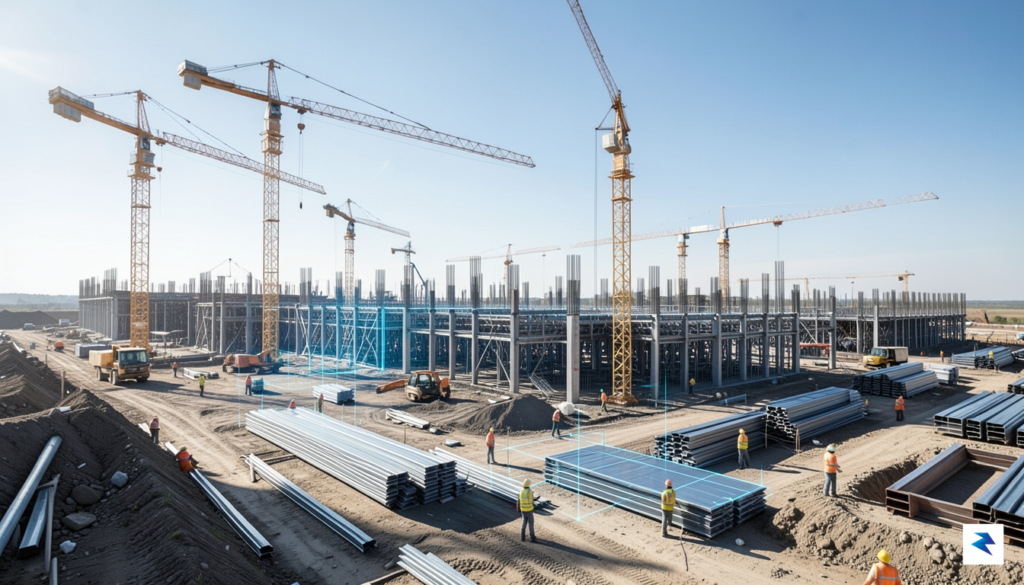
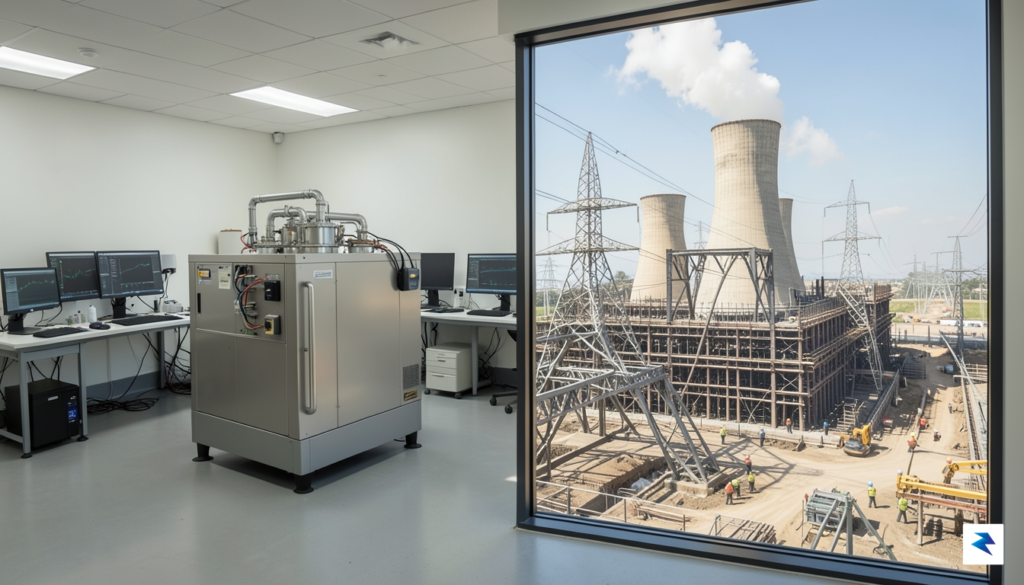
While proving that a nuclear reaction can be controlled within a laboratory setting is an undeniably impressive feat of engineering, it represents only the first step in a much longer and more treacherous journey. In the energy sector, this transition is often referred to as the “valley of death,” a perilous phase where well-funded startups frequently falter as they attempt to move from a successful proof-of-concept to a reliable, grid-ready power plant. A prototype is designed to function under ideal, monitored conditions, but a commercial reactor must operate continuously for decades, enduring extreme thermal stress, radiation bombardment, and the unpredictable variables of a national power grid.
The engineering obstacles are compounded by the daunting realities of material science and specialized supply chains. To achieve the high temperatures required for modern, efficient reactor designs, engineers must source and manufacture exotic alloys capable of resisting corrosion and structural fatigue under intense, sustained heat. Unlike the software industry, where scaling a product can be achieved with a few server clicks, scaling nuclear power requires physical materials that are difficult to refine, certify, and transport. Furthermore, the specialized manufacturing plants needed to produce these high-grade components are themselves scarce, creating a bottleneck that can delay projects by years before the first concrete is even poured.
Scaling energy infrastructure is not merely a matter of building more reactors; it is about harmonizing complex global supply chains with rigid regulatory requirements and massive capital deployment.
Beyond the technical hurdles lies the logistical and financial challenge of infrastructure deployment. Building a commercial power plant involves billions of dollars in capital expenditure, requiring a degree of long-term economic certainty that is rarely guaranteed in the volatile energy market. Investors must be willing to shoulder the risk of years of construction, navigating complex permitting processes, and the inevitable “first-of-a-kind” costs that accompany new nuclear technology. While these startups have successfully demonstrated the core physics of their designs, the road to commercial viability requires them to prove they can replicate that success on an industrial scale, ensuring that the power produced is not only clean and safe but also competitively priced against traditional energy sources and emerging renewables.

Even as engineering breakthroughs capture headlines, the path to commercial viability remains obstructed by a regulatory architecture designed for a bygone era. The Nuclear Regulatory Commission (NRC) was established to oversee massive, monolithic light-water reactors that defined the mid-20th century. Consequently, the existing licensing framework is heavily tilted toward prescriptive, site-specific safety protocols that assume a high degree of risk and operational complexity. For startups developing modular, inherently safe, or non-light-water designs, this “legacy-first” approach creates an immense friction point. These innovators are often forced to spend years and millions of dollars navigating a bureaucratic labyrinth that struggles to distinguish between a traditional gigawatt-scale plant and a compact, factory-built reactor that utilizes passive safety systems.
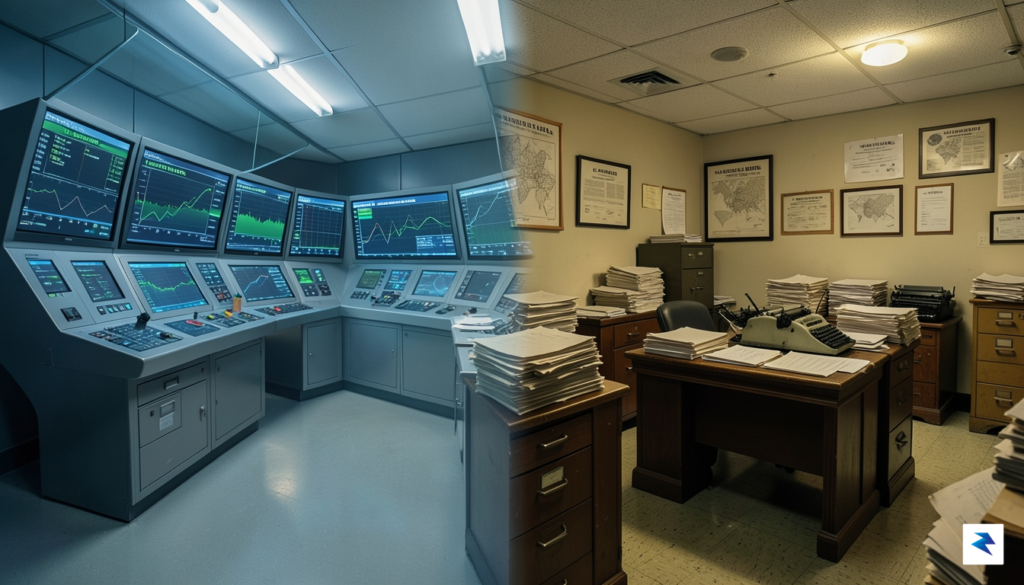
Beyond the regulatory bottleneck lies the cold reality of the balance sheet. For decades, nuclear energy has been synonymous with high capital intensity and long construction timelines, a combination that has historically necessitated massive government backing. Today, however, these startups must prove their worth in a market transformed by the plummeting costs of solar photovoltaics and lithium-ion battery storage. To achieve true grid parity, nuclear innovators cannot rely on the “too big to fail” subsidies of the past. Instead, they are banking on economies of scale through modular manufacturing—shifting the burden from expensive, on-site field construction to controlled, repetitive factory production lines.
The true test for the next generation of nuclear energy is not just whether the reactor works, but whether it can survive the relentless economic pressure of a competitive, decarbonized energy market without perpetually relying on the public purse.
The economic viability of these ventures rests on a narrow tightrope. Startups are striving to lower the cost-per-kilowatt-hour by minimizing labor hours, reducing material waste, and streamlining the permitting process through standardized designs. If they can successfully demonstrate that their modular units can be deployed as quickly as wind or solar farms, they might finally escape the “first-of-a-kind” cost trap that has historically crippled the industry. Nevertheless, without significant regulatory reform that allows for faster, risk-informed licensing, even the most efficient reactor design may find itself priced out of the grid before it ever generates a single watt of electricity.

The pursuit of a net-zero economy hinges on a fundamental challenge: replacing the persistent, reliable output of fossil-fuel plants with alternatives that do not compromise the stability of the electrical grid. While wind and solar energy have seen unprecedented growth, their inherent intermittency creates a “reliability gap” that requires massive, expensive battery storage or redundant capacity to bridge. This is where the latest generation of nuclear startups aims to shift the paradigm. By developing advanced reactor designs that offer high-density, carbon-free baseload power, these companies are positioning themselves as the essential backbone for a decarbonized future, providing the steady supply of electricity that intermittent renewables simply cannot guarantee on their own.
For these startups, success would mean far more than just technological validation; it would signify a structural pivot in how nations approach climate policy. If these reactors can be deployed at scale—moving from the prototype stage to standardized, factory-built modules—they could reduce the prohibitive costs and lengthy construction timelines that have historically plagued the nuclear industry. By effectively transforming nuclear power from a bespoke infrastructure project into a repeatable, modular product, these innovators hope to provide a consistent energy floor that allows renewable integration to reach much higher penetration levels without risking blackouts or system instability. This synergy between “firm” nuclear power and “variable” renewables is widely considered the most realistic path to achieving deep decarbonization by mid-century.
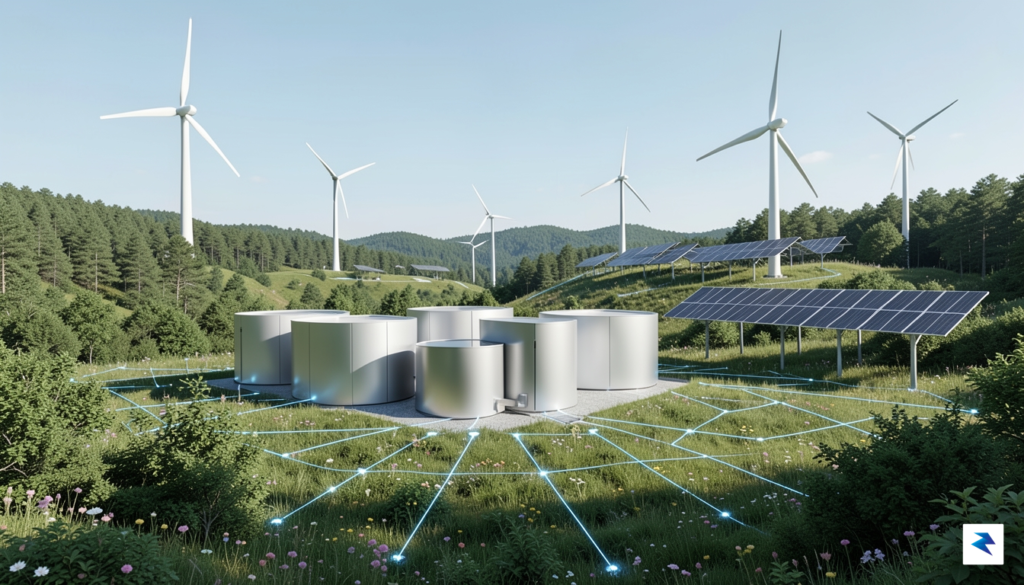
The transition to a sustainable future is not an “either-or” choice between nuclear and renewables, but rather a quest for a diverse, resilient energy mix where each technology supports the limitations of the other.
However, the road ahead is paved with significant hurdles that temper the optimism surrounding these breakthroughs. Pioneering a new energy paradigm involves more than just perfecting a reactor core; it requires navigating complex regulatory frameworks, securing massive capital investment, and winning over a public that remains wary of nuclear safety. While the promise of these startups is substantial, the history of energy innovation is littered with ambitious projects that failed to scale due to unforeseen operational costs or shifts in the economic landscape. Consequently, while these startups represent a vital step toward a carbon-neutral grid, their long-term impact will be determined not just by their technical ingenuity, but by their ability to prove that nuclear energy can be safe, cost-effective, and rapidly deployable on a global scale.
You must be logged in to post a comment.