
MSI Center Security Flaw: How to Prevent SYSTEM-Level Privilege Escalation
Understanding the MSI Center Vulnerability The security landscape for Windows users is often complicated by the very utilities designed to…


The atmosphere inside Google DeepMind shifted dramatically this past Wednesday, marking a definitive turning point in the internal relationship between the company’s elite research staff and its executive leadership. What was intended to be a constructive dialogue regarding unionization efforts and collective bargaining rights quickly devolved into a display of institutional friction. For many employees, the meeting served as a stark realization that the distance between their vision for a more democratic workplace and the company’s current management philosophy is wider than previously anticipated. The breakdown in these talks has not only signaled a pause in formal negotiations but has also ignited a broader conversation about the future of labor representation within the hyper-competitive artificial intelligence sector.
Central to the frustration felt by the workforce is the perceived absence of genuine executive engagement. Employees who had prepared detailed proposals for transparency, ethical oversight, and job security reported feeling as though their concerns were met with scripted, deflective responses rather than an authentic willingness to collaborate. While union organizers entered the room with the high-level goal of establishing a formal structure to protect researchers and engineers from arbitrary management decisions, the company’s representatives seemed more focused on maintaining the status quo of top-down decision-making. This disconnect highlights a fundamental mismatch in expectations: researchers, who are accustomed to rigorous, peer-reviewed processes in their scientific work, find the opaque nature of corporate labor negotiations to be both jarring and counterproductive to their professional values.
The core of the conflict lies in the friction between the rapidly evolving nature of AI research and the rigid, traditional corporate structures that attempt to govern the people driving that innovation.
As the standoff continues, the mood within the organization remains tense and deeply polarized. Some staff members view these stalled talks as a necessary growing pain in the maturation of a historically autonomous research lab being forced into the broader machinery of a global technology giant. Others, however, see the lack of progress as an ominous sign that Google is unwilling to grant its specialized workforce the same level of agency that it promises to the public through its ethical AI mandates. The current stalemate is more than just a bureaucratic hiccup; it is a profound reflection of the shifting power dynamics in Big Tech, where the people creating the world’s most advanced algorithms are increasingly demanding a seat at the table to dictate how that technology is built, governed, and deployed.

Moving forward, the pressure on Google DeepMind to resolve these internal disputes will likely intensify. As the organization faces mounting scrutiny from both the public and its own staff, the strategy of avoiding hard conversations will become increasingly untenable. Whether through renewed negotiations or a shift toward more aggressive collective action, the path ahead will require a significant departure from the dismissive tone set during Wednesday’s meeting. For now, the stalemate serves as a potent reminder that even the most brilliant minds in the industry are not immune to the fundamental struggles of the modern labor movement.

For many observers, the narrative surrounding labor movements in the tech sector often centers on the familiar tropes of stagnant wages or excessive working hours. However, the emerging push for collective bargaining within elite artificial intelligence labs like Google DeepMind represents a fundamental shift in labor relations. Here, the drive for unionization is rarely about the paycheck; instead, it is fueled by a profound sense of responsibility regarding the technology these researchers are building. As AI systems become increasingly powerful and integrated into the fabric of global infrastructure, the engineers and scientists behind them are grappling with the reality that their work can have irrevocable consequences for society, privacy, and the future of human labor.
The core motivation for these workers is the desire for tangible influence over the ethical trajectory of the projects they build. In an environment where internal decision-making is often siloed within executive leadership, many researchers feel they lack a formal mechanism to raise concerns about the deployment of potentially harmful algorithms or the prioritization of commercial speed over safety. By seeking a collective voice, these professionals are attempting to institutionalize a “seat at the table” that ensures ethical considerations are not merely treated as afterthoughts in a product roadmap, but as foundational pillars of the development process. They are essentially arguing that those who possess the deepest technical understanding of AI’s risks should have a protected right to shape how those risks are managed.
The push for collective bargaining in AI is not a rejection of progress, but a demand for accountability in an industry that has historically operated with minimal public or internal oversight.

Beyond the immediate ethical concerns, there is a growing demand for transparency regarding organizational priorities and the broader mission of AI research. As corporate entities race to dominate the artificial intelligence landscape, the line between academic research and aggressive product commercialization has become increasingly blurred. Workers are expressing a desire for greater clarity on how their research is utilized, who it serves, and whether it aligns with the original, human-centric goals that many of them joined the company to pursue. This desire for agency is a direct response to the “black box” nature of internal corporate policy, where strategic pivots can happen overnight without input from the very people tasked with execution.
Ultimately, the move toward formal unionization reflects a realization that individual dissent is easily sidelined in a massive corporate structure. When engineers speak up as individuals, they risk professional isolation; when they speak as a collective, they gain the protection necessary to advocate for the public good without fearing for their career longevity. By formalizing their ability to negotiate, these researchers are not just seeking better conditions for themselves—they are attempting to create a safeguard for the integrity of the scientific process within an industry that is currently reshaping the world at an unprecedented pace.

For decades, the ethos of Silicon Valley has been defined by the mantra of “move fast and break things.” This management philosophy, which prioritizes rapid iteration, unilateral decision-making, and a flat but informal hierarchy, has long been viewed as the engine of technological innovation. In this environment, corporate governance was traditionally treated as an internal, top-down affair where founders and executives maintained total agency over the company’s trajectory. Employees were often compensated with generous equity and perks, creating a sense of alignment between individual wealth and the firm’s success. However, as tech giants have transitioned from agile startups to global powerhouses that influence the fundamental mechanics of society, this traditional model has increasingly collided with the desire for democratic workplace representation.
The friction currently unfolding at Google DeepMind is not an isolated incident; rather, it represents a profound philosophical clash between the legacy of the “tech visionary” and the growing demand for collective bargaining. As AI development becomes more central to global policy and human safety, employees are increasingly viewing themselves not just as individual contributors, but as stakeholders in the moral and ethical direction of their products. This shift challenges the long-standing assumption that engineers and researchers should remain neutral, detached executors of executive mandates. When management resists unionization efforts, they are often defending a culture of centralized authority that they believe is necessary for maintaining the speed and secrecy required in a hyper-competitive AI race.
The core of the tension lies in a fundamental disagreement over who owns the company’s moral compass: the leadership that signs the checks, or the workforce that builds the systems.
Management’s resistance to traditional labor structures is rooted in a fear that institutionalized representation will introduce bureaucratic friction into what has historically been a meritocratic, high-velocity machine. From the corporate perspective, unionization feels like a disruption to the direct, personal relationship between the company and its employees. Yet, for many workers, the lack of transparency in high-stakes decisions—such as the ethical deployment of sensitive algorithms—has made traditional communication channels feel inadequate. They argue that without a formal, protected mechanism for dissent, the tech industry remains dangerously vulnerable to the whims of a small circle of decision-makers. This disconnect suggests that the “move fast” era is giving way to an era of accountability, where the structural power dynamics of Silicon Valley must evolve to account for a workforce that is no longer content to build in the dark.


The friction surrounding unionization efforts at Google DeepMind represents more than just an isolated labor dispute; it serves as a bellwether for the future of the artificial intelligence sector at large. As AI transitions from a experimental research field into the foundational infrastructure of the global economy, the standard-setting power of labs like DeepMind becomes increasingly consequential. If researchers and engineers succeed in formalizing their collective bargaining power, it could trigger a structural domino effect throughout the industry. Peer organizations like OpenAI, Anthropic, and Meta—which often mirror Google’s compensation and work-life models—would likely face immediate internal pressure to address similar grievances regarding safety transparency, ethical oversight, and job security.
The potential success of these negotiations could fundamentally redefine the power dynamics within high-tech firms. Currently, the industry relies on a culture of individualistic achievement and stock-based incentives to maintain control over elite talent. However, a shift toward collective representation would force management to treat research ethics and safety concerns as negotiable terms of employment rather than internal, discretionary policies. This transformation would likely encourage workers at other major laboratories to seek similar protections, particularly as the pace of AI development accelerates and the personal moral burden of building powerful, potentially disruptive systems grows heavier for those on the front lines.
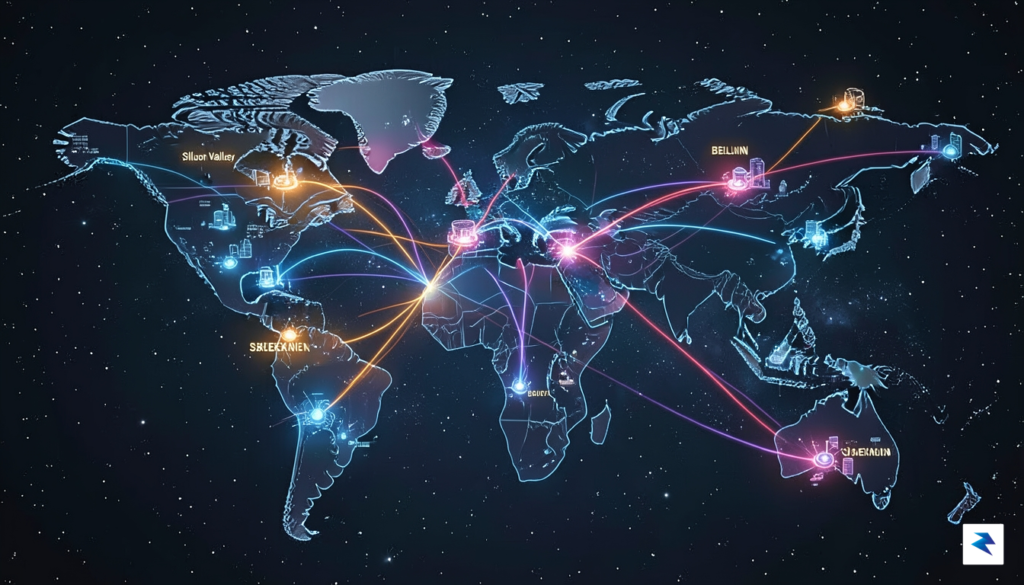
The outcome of the DeepMind talks will likely be viewed as a blueprint for the next generation of tech workers, signaling whether the AI industry will operate as a top-down meritocracy or a more collaborative, accountable ecosystem.
Furthermore, the role of government regulation and public scrutiny cannot be overstated in this context. Lawmakers and regulatory bodies are increasingly wary of the “black box” nature of proprietary AI development. Should unionized researchers gain a seat at the table regarding policy, they could act as a vital, independent check on corporate governance. By advocating for greater transparency in training data and safety protocols, these labor organizations may find themselves aligned with the broader public interest, thereby attracting the attention of regulators who are looking for ways to ensure AI development remains safe and ethical. Consequently, the labor movement in AI is not merely about wages or hours; it is an ideological battle for the soul of the technology, determining whether the priorities of the lab remain strictly tied to profit margins or expand to include the long-term health of our digital society.
If these efforts fail or remain stalled, the industry may continue down a path of centralization, where decisions about the deployment of transformative AI remain insulated from the very people who possess the deepest understanding of its risks. Conversely, a successful unionization push would likely catalyze a new era of worker-led oversight that could force the entire sector to reckon with the societal consequences of its innovation. In this light, the current stalemate is not just a disagreement over contracts; it is a critical pivot point that will dictate the standards of accountability for the most powerful technology in human history.

The current impasse within Google DeepMind does not merely represent a localized disagreement between management and staff; rather, it serves as a bellwether for the broader evolution of the high-tech labor market. As the industry grapples with the immense societal implications of artificial intelligence, the workforce is increasingly viewing itself as a distinct class of stakeholders with a legitimate claim to influence how these technologies are developed and deployed. Whether this specific negotiation results in a formal contract or a prolonged stalemate, the precedent has been set: the era of engineers and researchers operating solely within the traditional corporate hierarchy is undergoing a profound transformation. Moving forward, the industry will likely see one of three paths: continued friction that alienates top-tier talent, a collaborative compromise that sets a new standard for corporate transparency, or a fundamental shift toward institutional change where ethical governance is codified as a core labor right.
For many within the ecosystem, the resolution of these talks will define whether the AI industry becomes a collaborative environment defined by shared accountability or a fragmented landscape of competing interests. If Google and its workforce can bridge the gap, they may provide a roadmap for other major tech firms struggling to balance rapid commercialization with the ethical mandates of their employees. Conversely, if the tension persists, we might witness a mass migration of talent toward smaller, more mission-aligned organizations or a rise in independent research collectives that operate outside the influence of Big Tech. This shift would fundamentally alter the pace and direction of innovation, potentially slowing down development in exchange for more robust safety oversight.

The outcome of these negotiations will serve as a crucial case study for how the most influential industry of the 21st century balances the rapid pursuit of technological mastery with the increasingly vocal demand for ethical labor practices.
Ultimately, the professionalization of the AI workforce is an inevitable development. As long as these individuals are the ones building the infrastructure that will eventually shape every facet of human experience, they will continue to demand a seat at the table. Regardless of the immediate outcome of these specific talks, the conversation has moved beyond simple salary and benefits to encompass the very purpose and morality of corporate AI research. The future of labor relations in this sector will likely be defined by a shift toward more formalized structures of influence, ensuring that those who build the future are as invested in its safety as they are in its speed.
You must be logged in to post a comment.