
How Amsterdam Invented the Modern Fire Department
The Peril of Wooden Cities In the bustling metropolises of the 17th century, life was a precarious balance, constantly overshadowed by an…
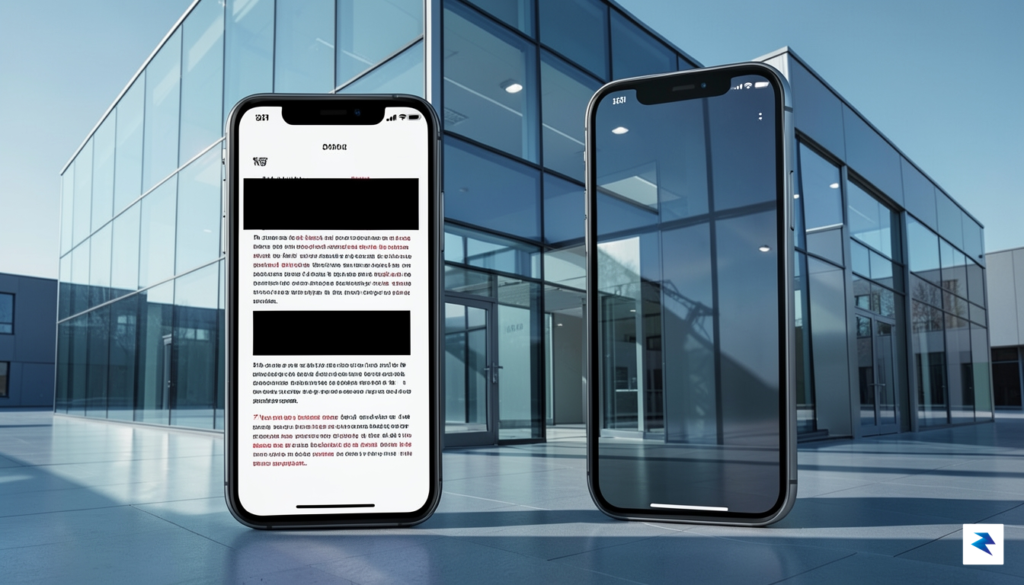
In the perpetually accelerating realm of technological innovation, the once distinct boundaries between insightful investigative reporting and the unauthorized disclosure of proprietary information have become increasingly indistinct. A vibrant, albeit contentious, culture of “leaks” has flourished, with a dedicated cadre of content creators and enthusiasts serving as conduits for early glimpses into unreleased devices and future product roadmaps. These individuals, often operating under monikers and building substantial followings, tap into a deep well of consumer anticipation, transforming speculation into a highly anticipated form of pre-release journalism. This ecosystem, fueled by a collective desire for what’s next, directly challenges the traditional corporate stronghold on information dissemination and product reveals.

At the heart of this evolving dynamic stands Apple, a titan renowned for its meticulously crafted product launches and an almost legendary culture of secrecy. For decades, the Cupertino giant has guarded its intellectual property with unparalleled vigilance, understanding that surprise and control over the narrative are paramount to its marketing strategy and competitive edge. This unwavering commitment to silence serves multiple purposes: it prevents competitors from gaining early insights, maintains the sense of wonder and excitement leading up to official announcements, and ensures that the company’s carefully curated message is the first, and often only, one heard by the public. Therefore, any perceived breach of this internal sanctity is not merely an inconvenience but a direct threat to their operational philosophy and market position.
It is against this backdrop of corporate control versus public curiosity that the recent legal skirmish involving prominent leaker Jon Prosser and Apple has escalated, bringing this simmering tension into sharp legal focus. Prosser, known for sharing details ranging from CAD renders to release dates for unannounced Apple products, has become a significant figure in the leak community. The specific incident that triggered Apple’s lawsuit revolves around alleged disclosures of highly confidential trade secrets related to unreleased products, prompting the tech giant to pursue legal action in an effort to curb the flow of such sensitive information. This move underscores Apple’s resolve to protect its competitive advantage and intellectual property, signaling a hardening stance against those who publish their closely guarded secrets.
This intensifying conflict represents a critical juncture, forcing a re-evaluation of the roles and responsibilities of all parties involved. On one side are the leakers and content creators, who often see themselves as fulfilling a public interest by providing transparency and feeding the collective hunger for information in a fast-moving industry. They argue that their work, while sometimes based on unauthorized access, provides valuable insights and scrutiny that benefits consumers. On the other side are corporations like Apple, steadfast in their demand for control over their intellectual property and product roadmaps, viewing unauthorized leaks as damaging breaches of trust and significant financial threats. The legal battle initiated by Apple, and Prosser’s subsequent response, is not just a dispute between two entities; it’s a high-stakes examination of where the line should be drawn between the public’s right to know and a company’s right to protect its innovations. The outcome of such cases will undoubtedly shape the future landscape of tech journalism, corporate transparency, and the very nature of information flow in the digital age.

Apple’s legal action against Jon Prosser extends far beyond the typical contention over a single unauthorized disclosure; it represents a robust assertion of property rights over its most guarded proprietary information. The tech giant’s lawsuit is fundamentally rooted in claims of trade secret misappropriation, alleging a deliberate and systematic effort to pilfer and publicize confidential data concerning unreleased products and software. This isn’t merely about a journalist or content creator reporting on rumors, but rather Apple’s contention that there was a concerted campaign to acquire and disseminate secrets that directly undermine its strategic operations and competitive edge in the fiercely contested technology market.
At the heart of Apple’s complaint lies the allegation that Prosser, through his platforms, became a central conduit for what they describe as purloined iOS secrets. These aren’t trivial details; they encompass critical information regarding future product designs, internal development timelines, supply chain logistics, and features for upcoming iOS versions. For a company like Apple, whose innovation and product launches are meticulously orchestrated and heavily rely on secrecy to maintain market anticipation and competitive advantage, the unauthorized release of such information can cause significant strategic and financial damage. The lawsuit frames these leaks not as incidental occurrences, but as a direct assault on the integrity of their internal processes and the value of their intellectual property.
Moreover, Apple alleges a “coordinated effort” to misappropriate these valuable secrets, suggesting a network or collaboration involved in both the acquisition and subsequent distribution of the confidential material. This elevates the dispute beyond simple individual leaks to a potentially more complex scheme. The implication is that Prosser was allegedly part of, or a knowing recipient within, a system designed to extract and broadcast sensitive data, rather than merely an independent reporter receiving unsolicited tips. This framing is crucial because it suggests a level of intent and organization that could lead to more severe legal ramifications, positioning the leaks as a deliberate act of economic espionage rather than accidental disclosures.
The distribution of these leaks, according to Apple, constitutes a direct injury to its business operations. Each premature reveal can disrupt carefully planned marketing strategies, diminish the impact of official product announcements, and potentially allow competitors to gain insight into Apple’s future product roadmap. This erosion of secrecy can lead to tangible financial harm, impacting sales, stock performance, and long-term brand equity. Furthermore, the constant need to address or mitigate leaked information diverts significant internal resources, from legal teams to product development and public relations, causing operational inefficiencies and further financial strain.
Ultimately, Apple’s legal pursuit is a clear message about the sanctity of its trade secrets and its unwavering commitment to protecting its intellectual property. The company seeks to establish that the systematic unauthorized disclosure of its proprietary information, especially when framed as a “coordinated effort,” is a direct violation of property rights that demands legal recourse. The outcome of this case could therefore have significant implications not only for Prosser but also for the broader landscape of tech journalism, content creation, and how companies safeguard their most valuable unreleased information in the digital age.

The formal response from Jon Prosser to Apple’s lawsuit marks a critical juncture, as he directly challenges the very foundation of the tech giant’s allegations. At the core of his defense is an explicit and firm denial of any “conspiracy” or “coordinated scheme” designed to intentionally inflict harm upon Apple. This isn’t merely a semantic distinction; it represents a calculated legal maneuver aimed at dismantling the most damaging accusations leveled against him and reshaping the court of public opinion, as well as the actual courtroom narrative. By unequivocally stating that his actions were not part of a malicious, pre-planned plot, Prosser attempts to reframe the context of his information gathering and reporting.
Apple’s complaint likely seeks to portray Prosser’s leaks as part of a concerted effort to disrupt product launches, undermine market strategy, or otherwise cause financial and reputational damage through deliberate, unethical means. Prosser, however, positions his activities as standard practice within the realm of technology reporting and analysis, where seeking and disseminating pre-release information is a common, albeit often controversial, aspect of the industry. This distinction is vital because proving a “coordinated scheme” typically requires demonstrating a higher bar of specific intent and agreement between multiple parties to achieve an illegal or harmful objective, rather than simply reporting on publicly available or legitimately acquired insights.
The legal significance of denying a “coordinated scheme” cannot be overstated. In many jurisdictions, establishing a conspiracy or a coordinated effort to harm a company carries severe implications, often leading to more substantial damages and a stronger case for malicious intent. If Apple cannot definitively prove that Prosser acted with others in a deliberate, synchronized plot to undermine their business, their ability to seek punitive damages or prove certain specific torts could be significantly weakened. Instead, his legal team will likely argue that any information shared was a result of independent research, individual sources, and the typical competitive landscape of tech news, rather than a malevolent campaign with shared objectives.
Furthermore, this denial complicates Apple’s burden of proof. To secure a favorable judgment, Apple would need to present compelling evidence not just that information was leaked, but that Prosser actively participated in or orchestrated a deliberate plan with others to cause specific harm. This often involves intricate details about communications, agreements, and shared objectives, which are notoriously difficult to prove in court. By rejecting the “conspiracy” narrative, Prosser forces Apple to focus less on the alleged malicious intent behind a scheme and more on the legality of the actions themselves, such as how information was acquired and whether its dissemination constituted a breach of confidentiality or other legal wrong without the overarching umbrella of a coordinated plot.
Consequently, Prosser’s defense pivots the debate from a moral judgment of intent to a more objective assessment of journalistic practices and information dissemination. He is essentially arguing that even if the information he published was sensitive or proprietary, his individual actions do not amount to a criminal or civil conspiracy without the element of a premeditated, shared design to harm. This strategic denial sets the stage for a protracted legal battle where the definition of “reporting” versus “conspiracy” will be meticulously scrutinized, potentially shifting the focus towards the methods of information acquisition and the public interest in such disclosures, rather than a broad accusation of malice from a coordinated effort.

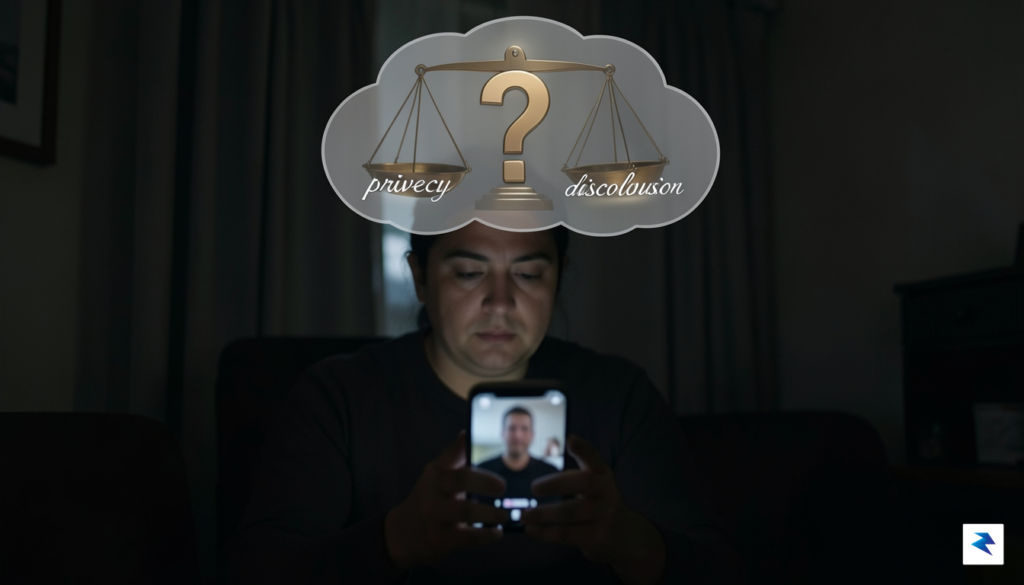
The digital age has fundamentally blurred the lines between receiving a tip and actively orchestrating a leak, particularly when unreleased product information is at stake. Traditionally, a journalist’s role involved verifying and reporting on information provided by a source, maintaining a degree of separation from the act of obtaining the confidential data itself. This passive reception of information is widely accepted within journalistic ethics, safeguarding both the source’s anonymity and the reporter’s integrity. However, when an individual admits to recording a private communication, such as a FaceTime call, specifically to acquire unreleased product details, the ethical landscape shifts dramatically, moving from reporting *on* a leak to potentially being an active participant in its creation.
The act of recording a private conversation without the explicit consent of all parties involved introduces a profound ethical dilemma, irrespective of the legalities which vary widely by jurisdiction regarding one-party or two-party consent. Beyond the legal framework, there is a fundamental expectation of privacy in direct, one-on-one communication. When this expectation is violated through surreptitious recording, it raises serious questions about trust, integrity, and the boundaries of information gathering. Is the pursuit of an exclusive scoop so paramount that it justifies such an invasion of privacy, especially when the information sought pertains to proprietary commercial secrets rather than matters of public safety or governmental misconduct?
This situation compels us to scrutinize the motivation behind such an action. Was the recording made purely for personal record-keeping, or was it a calculated move to secure verifiable evidence of unreleased products, intended for later disclosure? The intent behind actively acquiring and then potentially disseminating proprietary information through non-consensual recording is a critical factor in the ethical calculus. While the public’s interest in upcoming technological innovations is undeniable, it rarely overrides an individual’s right to privacy in communication or a company’s right to protect its intellectual property and the strategic rollout of its products.
Furthermore, such methods risk eroding trust not just between individuals but across entire industries. If sources within companies fear that their private conversations might be recorded and subsequently exposed, it creates an environment of suspicion that could inadvertently dry up future legitimate information flows. Potential whistleblowers or informal contacts, who might otherwise share valuable insights through conventional, consensual means, could become hesitant, ultimately hindering the very transparency that leakers often claim to champion. This dynamic creates a paradoxical outcome, where aggressive information acquisition tactics might, in the long run, diminish the overall pool of accessible information.
The ethical tightrope walk here is indeed precarious. On one side, there is the undeniable public fascination with emerging technologies and the desire for timely, accurate information about them. On the other, there are fundamental principles of privacy, consent, and the respect for proprietary information that underpin fair business practices and personal interactions. Navigating this space requires a careful consideration of not just what information is revealed, but *how* it is obtained, and the broader implications of those methods on trust, privacy, and journalistic standards.
The line between reporting on a leak and actively engineering one, especially through covert recordings of private communications, challenges the very foundations of ethical information gathering. It forces a critical examination of whether the pursuit of a story justifies the invasion of privacy and the potential erosion of trust.

This ongoing legal battle, irrespective of its ultimate verdict, undeniably sets a profound precedent within the tech industry and the journalistic sphere that covers it. It marks a pivotal moment, signaling a potential shift in the delicate balance of power between powerful corporations, the individuals who leak their secrets, and the media outlets responsible for disseminating that information. The very act of a major tech company pursuing legal action against an individual known for sharing pre-release product details suggests a new, more aggressive stance on controlling narratives and protecting proprietary information, which could reverberate across the entire ecosystem.
For the vibrant, albeit often clandestine, community of tech leakers, this case delivers a stark and unambiguous message. The stakes have been dramatically raised, transforming the act of revealing upcoming product details from a potentially lucrative or reputation-boosting endeavor into a high-risk legal gamble. This heightened threat could compel sources to exercise extreme caution, potentially leading to a significant reduction in the volume and granularity of leaks, or pushing them further into encrypted, harder-to-trace channels. Consequently, the public might find themselves with less advance insight into forthcoming technological innovations, as the flow of unofficial information becomes increasingly constricted.
Simultaneously, media outlets, from established publications to independent blogs, are forced to critically re-evaluate their methodologies for verifying and publishing information sourced from unofficial channels. The specter of corporate litigation necessitates a more rigorous approach to source protection, corroboration, and risk assessment before pressing “publish.” This could lead to a slowdown in the breakneck pace of tech news, as journalists prioritize accuracy and legal defensibility over speed, or even introduce an element of self-censorship where outlets might shy away from publishing certain unconfirmed leaks, regardless of their veracity, to avoid potential legal entanglements. The onus is now squarely on news organizations to bolster their internal protocols and, perhaps, their legal defenses.
Beyond the immediate parties involved, this lawsuit could embolden other major corporations to adopt similar aggressive legal strategies against leakers and the journalists who report on their findings. The precedent established here might normalize the use of litigation as a tool to control information flow, potentially creating a chilling effect that extends far beyond a single company or individual. Independent tech journalists and smaller publications, often operating with limited resources and without the robust legal teams of larger media conglomerates, are particularly vulnerable. The sheer financial burden of defending against a well-funded corporate lawsuit could be enough to silence critical voices or deter them from pursuing sensitive stories, regardless of the merits of their reporting.
Ultimately, the outcome of this case will significantly shape the future landscape of tech reporting, potentially redefining the boundaries of journalistic freedom in the digital age. While corporations undoubtedly have a right to protect their intellectual property, the public also benefits from early insights and informed discussions about emerging technologies. The challenge lies in finding a balance that upholds both corporate rights and the public interest. This legal battle serves as a potent reminder of the escalating tensions between transparency and secrecy, compelling the entire industry to grapple with fundamental questions about how information is shared, verified, and consumed in the rapidly evolving world of technology.
You must be logged in to post a comment.