Defying Gravity: The Secret to How Giant Trees Reach the Sky
The Physics of Giants: How Trees Defy Gravity Imagine standing at the base of a towering redwood or a magnificent mountain ash, stretching…

In the bustling metropolises of the 17th century, life was a precarious balance, constantly overshadowed by an omnipresent threat: fire. Far from the concrete and steel structures we inhabit today, these urban centers were veritable tinderboxes. The vast majority of buildings, from humble dwellings to grand merchant houses, were constructed predominantly from wood, often with highly flammable thatched or timber-shingled roofs. These structures were not just numerous; they were crammed together with astonishing density, creating a labyrinth of narrow streets and alleyways where eaves almost touched, ready to share any spark that might alight.
This architectural reality was compounded by an almost complete absence of systematic fire prevention or safety regulations. There were no enforced building codes dictating spacing, material use, or fire breaks. Consequently, urban development was often organic and haphazard, with new constructions merely filling any available void, often right up against existing buildings. A stray ember from a cooking hearth, a dropped candle in a workshop, or a spark from a blacksmith’s forge could, in an instant, ignite a small blaze. With no effective means to contain it, this tiny flame would quickly engulf a single building, then leap across the impossibly tight gaps to its neighbors, fueled by timber, cloth, and the very air itself.
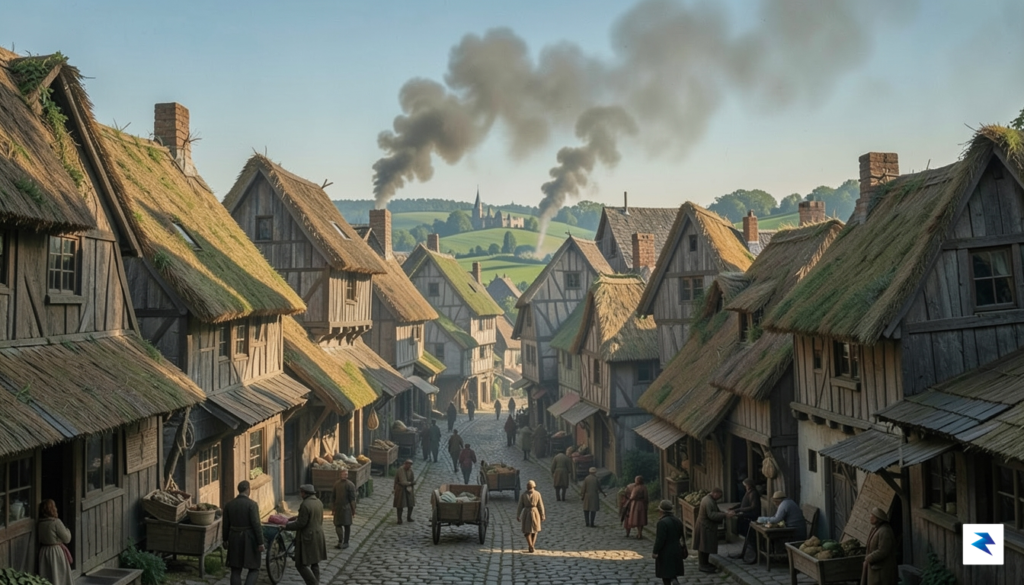
The social and economic ramifications of such frequent and devastating infernos were profound. Cities existed in a perpetual state of low-grade terror, where the distant clang of a bell or the cry of “fire!” could send entire communities into a panic. Lives were not only lost in the flames but livelihoods were obliterated, often with no hope of recovery. Entire districts could be reduced to ash within hours, displacing thousands and destroying generations of accumulated wealth and infrastructure. The cycle was relentless: build, burn, rebuild, only to burn again, leaving an indelible mark of vulnerability on the urban psyche and crippling economic growth.
Indeed, the scale of destruction wrought by 17th-century urban fires is almost unimaginable by modern standards. What we now consider a minor incident, quickly contained by professional fire departments and modern fire-resistant materials, was then a potential catastrophe capable of wiping entire neighborhoods off the map. There was no true “fire safety” as we understand it, only desperate, often futile, attempts by untrained citizens to battle an unstoppable force with buckets of water and the occasional hook to pull down adjacent structures. This inherent, pervasive vulnerability made the search for more effective solutions not just desirable, but an absolute necessity for the survival and prosperity of burgeoning urban centers.

Long before his name became synonymous with groundbreaking advancements in fire safety, Jan van der Heyden was celebrated across Europe as a masterful painter. His canvases, teeming with meticulously rendered cityscapes and architectural vistas, captured the vibrant spirit and intricate details of 17th-century urban life. Van der Heyden possessed an almost unparalleled precision, an artistic eye that could dissect the geometry of buildings, the play of light on brickwork, and the subtle nuances of physical structures with breathtaking accuracy. Indeed, it was this very gift for observation and his profound understanding of spatial relationships, honed through countless hours at the easel, that would ultimately steer him towards an entirely different, yet equally impactful, form of creation.
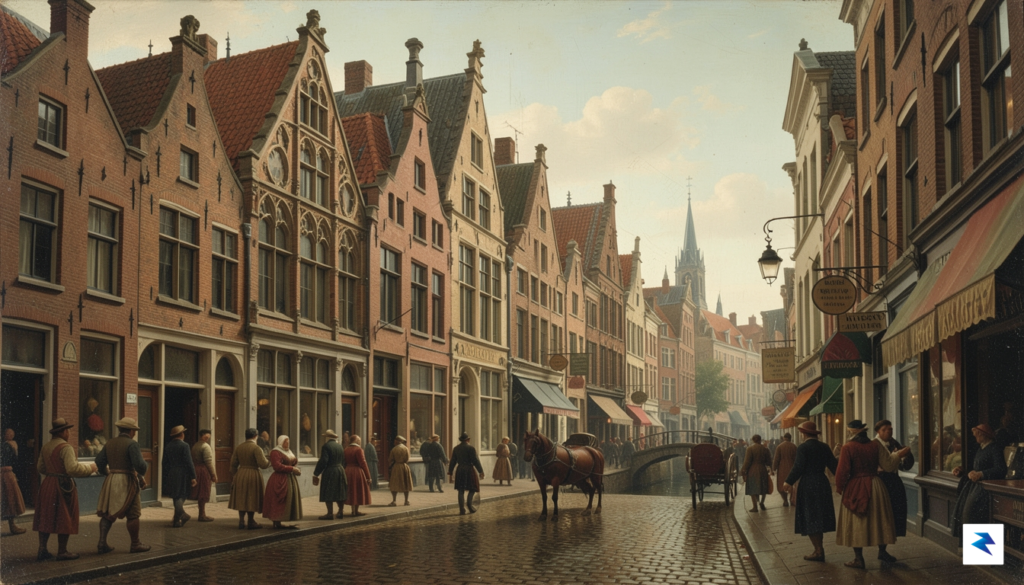
However, beneath the picturesque veneer of Amsterdam’s bustling streets lay a persistent and devastating threat: uncontrolled fires. While his contemporaries might have seen these catastrophic events as inevitable acts of nature or divine judgment, Van der Heyden’s unique perspective allowed him to perceive something more fundamental. His painter’s eye, accustomed to dissecting the structural integrity and physical makeup of buildings, quickly recognized that the rapid spread and destructive power of fires were not merely random occurrences, but rather symptomatic of deep-seated structural weaknesses and, crucially, inadequate suppression methods. This analytical insight, born from an artist’s keen observation, transformed the problem of fire into a complex engineering challenge, ripe for innovative solutions.
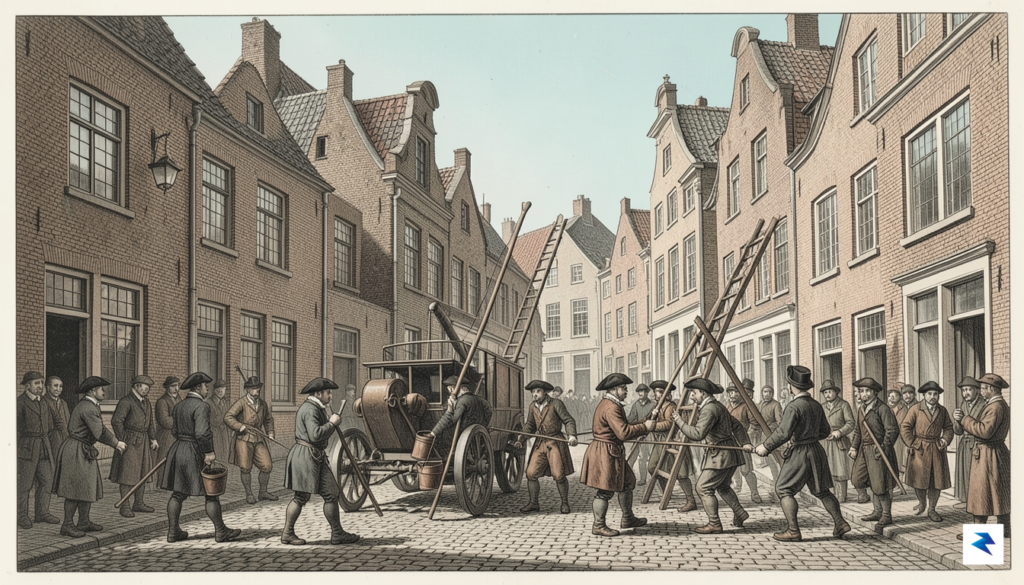
The prevailing method for combating blazes during this era, the venerable yet woefully inadequate bucket brigade, epitomized a struggle against nature with mere willpower and water in small measures. Volunteers would form lines, passing buckets from hand to hand, a laborious and often futile effort against rapidly consuming flames. Van der Heyden witnessed firsthand how this system, while heroic in intent, was inherently inefficient, slow, and tragically ineffective in containing anything beyond the smallest of fires. The sheer physical exertion, the haphazard delivery of water, and the inability to project water with force or precision struck him not just as a logistical failure, but as a profound mechanical deficiency that demanded a systematic, engineered overhaul rather than brute-force manual labor.
This profound observation sparked a radical shift in his focus, transforming him from a master of canvas to a visionary in mechanical engineering. Jan van der Heyden began to channel his artistic precision and analytical mind into designing practical solutions that leveraged hydraulics and mechanics. He wasn’t merely seeking to improve the existing system; he was rethinking the entire paradigm of firefighting, approaching it as a problem of physics and design. His deep understanding of how structures behave under stress, combined with an innate curiosity about how machinery could enhance human effort, positioned him uniquely to conceptualize tools and systems far beyond the capabilities of the rudimentary equipment available at the time. His journey from celebrated artist to pioneering inventor was thus a natural progression, fueled by an extraordinary ability to see the world, and its problems, with an unparalleled clarity.
For centuries, the primary defense against the ravages of fire was the human chain known as the bucket brigade. This method, while seemingly straightforward, was fraught with inherent inefficiencies and limitations that often rendered it tragically ineffective against rapidly spreading blazes. Teams of people would line up, passing buckets of water hand-to-hand from a source – a well, a canal, or a river – to the fire front. This process was agonizingly slow, prone to significant water spillage, and inherently dangerous for those closest to the flames. Crucially, the bucket brigade offered no means of generating significant water pressure, meaning firefighters could only douse fires from a close, often perilous, range, and had little hope of reaching upper stories or penetrating deep into burning structures.
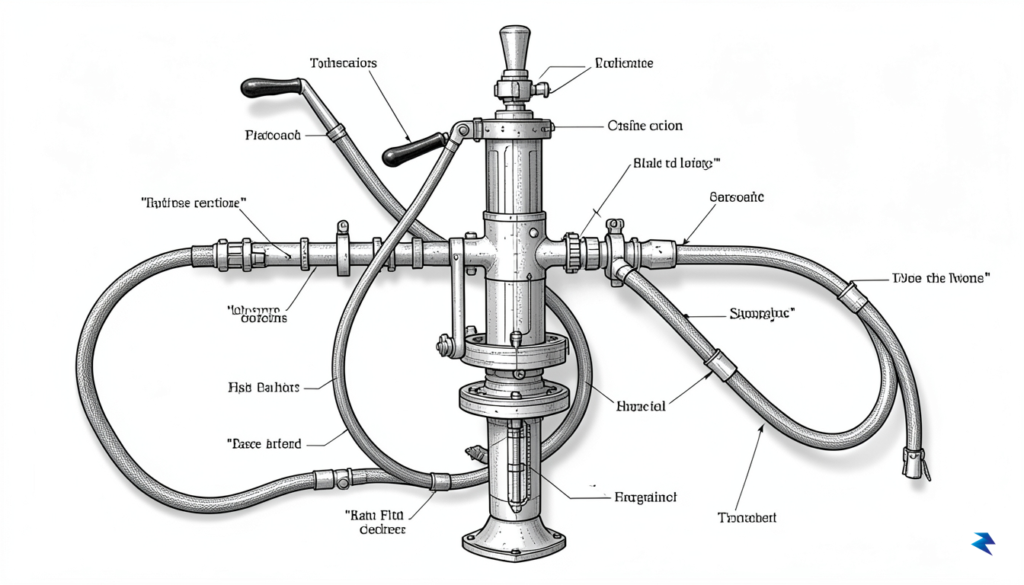
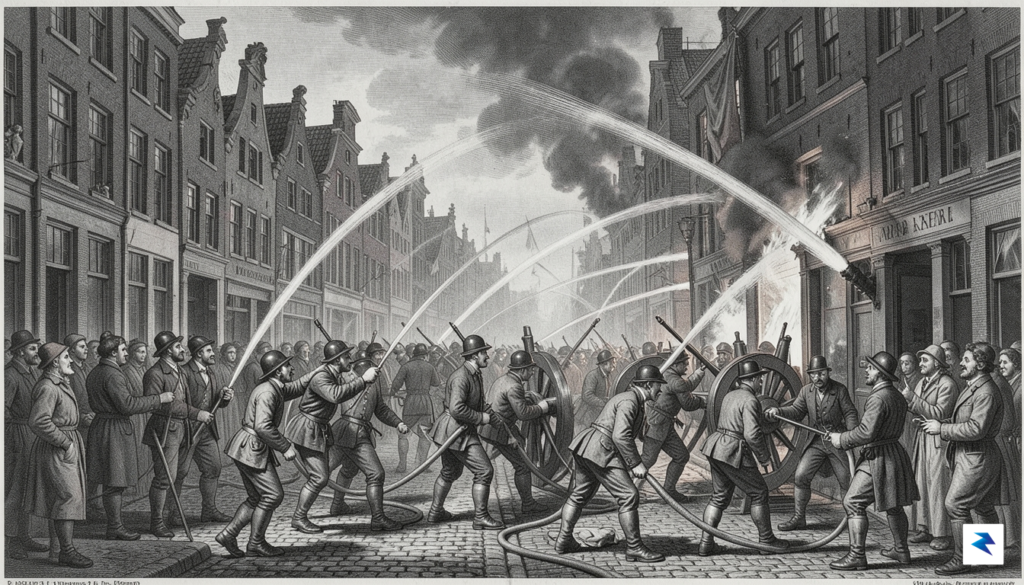
The dawn of a new era in firefighting arrived with the ingenious innovations introduced by Jan van der Heyden in 17th-century Amsterdam. Recognizing the fundamental flaws of the bucket brigade, Van der Heyden envisioned a system that could deliver water not just in quantity, but with force and precision. His most groundbreaking contribution was the development of the flexible, durable leather hose. Crafted from multiple layers of sturdy leather, meticulously stitched and sealed, these hoses were far more than simple conduits; they were engineered to withstand considerable internal pressure and allowed water to be directed exactly where it was needed, overcoming obstacles and distances that were previously insurmountable. The ability to connect multiple hose segments with brass couplings further extended their reach, creating a continuous, uninterrupted flow of water directly to the heart of the conflagration.
However, a hose, no matter how advanced, is only as effective as the pump feeding it. Van der Heyden also revolutionized the fire engine itself, transforming it from a crude water container into a dynamic, targeted instrument of suppression. His pressurized pump system was a marvel of mechanical engineering for its time. Unlike earlier, rudimentary “squirts” that offered minimal force, Van der Heyden’s pump incorporated a crucial innovation: the suction hose. This allowed the pump to draw water directly from canals or other static sources, eliminating the need for a separate bucket brigade to fill the engine’s reservoir. Once drawn in, the water was subjected to powerful internal pistons and valves that generated immense pressure, propelling it through the leather hoses with unprecedented force. This powerful output meant water could be projected much further and higher, reaching previously inaccessible areas of burning buildings and enabling firefighters to combat blazes from a safer distance.
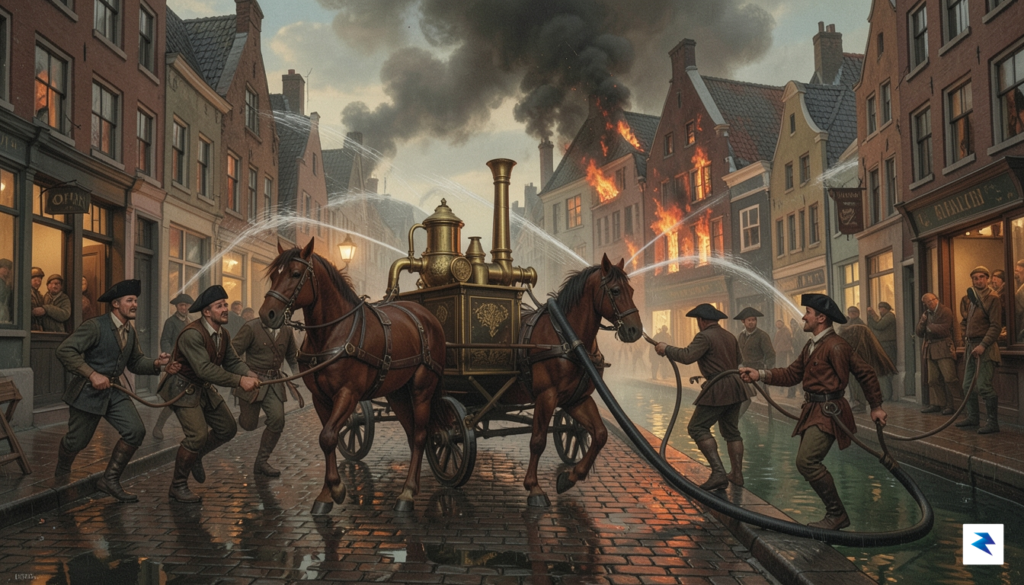
The synergy between Van der Heyden’s robust leather hoses and his high-pressure pump system irrevocably changed the landscape of urban fire suppression. No longer were communities solely reliant on a slow, inefficient chain of human effort. Instead, a coherent, mechanized system emerged that could rapidly deliver a powerful, concentrated stream of water with targeted accuracy. This marked the true birth of the modern fire engine, fundamentally altering the tactical approach to firefighting and significantly improving the chances of saving lives and property in the densely packed cities of the era. The innovations introduced in Amsterdam laid the groundwork for every subsequent advancement in fire apparatus, forever relegating the bucket brigade to the annals of history.
Ingenious as Jan van der Heyden’s new fire pumps were, revolutionizing the ability to combat blazes with powerful, directed streams of water, their mere existence wasn’t enough to tame the devastating power of urban fires. Amsterdam, a bustling port city built largely of wood, understood this acutely. The sheer complexity and cost of these advanced machines meant they couldn’t simply be left for individual citizens or ad-hoc volunteers to operate. Effective fire suppression demanded more than just groundbreaking technology; it required a robust, organized infrastructure to maintain, deploy, and skillfully operate these vital tools, transforming a collection of inventions into a coherent, city-wide defense system.
Fortunately, the same visionary who perfected the fire hose and pump also understood the critical need for systemic change. Van der Heyden, alongside his brother Nicolaes, didn’t stop at invention; he actively championed the institutional reforms necessary to integrate these innovations into the fabric of the city. He helped establish a dedicated municipal department, moving beyond the traditional, often chaotic, bucket brigades and hand-pumps. This marked a profound shift towards professionalizing fire suppression, envisioning it not as a charitable act or a response to individual misfortune, but as an essential public utility, much like street lighting or clean water supply.
This wasn’t merely an organizational tweak; it represented a profound shift in civic responsibility and city planning. The city government began to allocate significant resources, not just for acquiring the pumps, but for the entire ecosystem required to make them effective. This included establishing dedicated fire stations for storage and quick deployment, developing a clear chain of command, and perhaps most importantly, creating a professional, trained corps of firefighters. These individuals were no longer just volunteers; they were paid, equipped, and rigorously trained to operate the complex pumps, understand fire dynamics, and coordinate efforts efficiently. The city integrated these new protocols into its broader municipal policy, with systems for rapid alarm, designated routes for fire apparatus, and even early forms of building code considerations to mitigate fire risks.
The institutional framework forged in Amsterdam during this period laid the foundational template for modern emergency services worldwide. By recognizing that technological advancement must be coupled with systemic organization, professional training, and municipal backing, Van der Heyden and the city fathers transformed fire fighting from a reactive, often futile, struggle into a proactive, coordinated public service. This pioneering approach solidified the concept of a city’s responsibility for its citizens’ safety against fire, setting the enduring standard for the professional, municipal fire departments that protect our communities today.
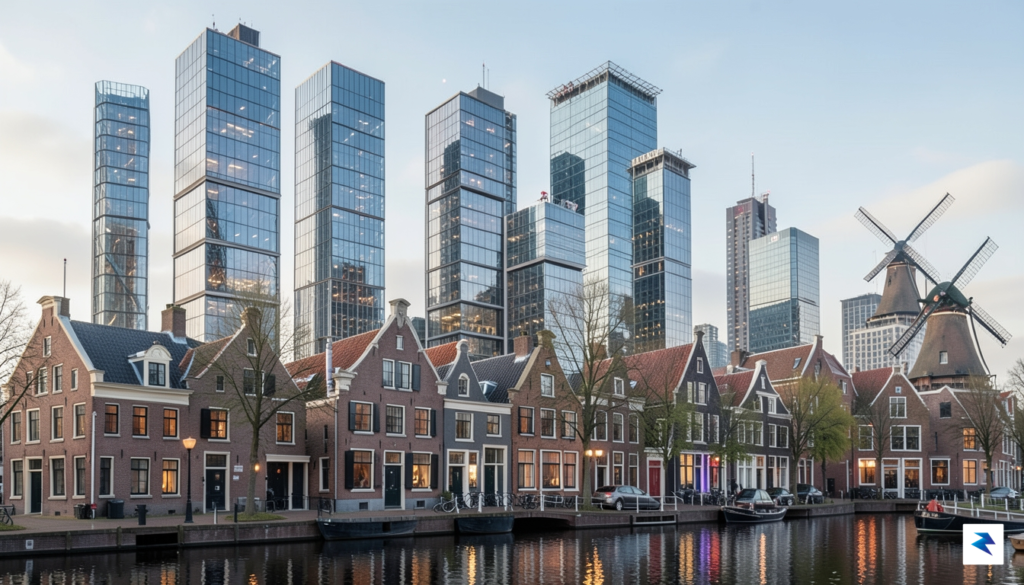
The profound shift initiated in 17th-century Amsterdam extended far beyond the mere invention of a more efficient water pump. It heralded a revolutionary concept: that cities, inherently vulnerable to destructive blazes, could be systematically engineered for safety and resilience. This paradigm shift, spearheaded by figures like Jan van der Heyden, laid the groundwork for modern urban planning and public safety, influencing how communities across Europe and eventually the world would design, build, and protect themselves. The Dutch innovations provided a tangible blueprint for proactive disaster mitigation, moving beyond reactive chaos to organized, municipal preparedness.
This revolutionary thinking quickly permeated the fabric of urban development. Cities, previously growing organically with little regard for fire safety, began to incorporate intentional planning in response to Amsterdam’s success. The standardization of street widths, for instance, became a critical consideration, not just for traffic but for creating effective firebreaks and allowing easier access for firefighting equipment. Building materials, construction techniques, and even the strategic placement of water sources within urban areas started to reflect a conscious effort to minimize fire risk. Consequently, the very architecture and layout of emerging European cities began to subtly, yet significantly, integrate principles of fire prevention, fundamentally altering the trajectory of urban growth and governance.
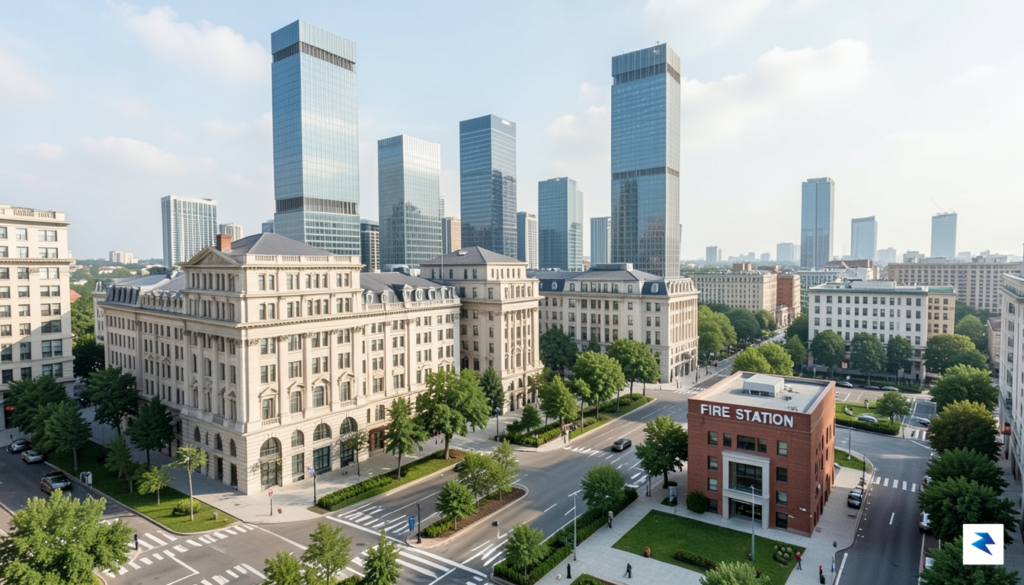
The echoes of Amsterdam’s pioneering work are powerfully evident in the professionalization of modern fire departments. Van der Heyden’s emphasis on trained personnel, systematic procedures, and dedicated equipment directly foreshadowed the highly organized emergency services we rely on today. From the rigorous training protocols for firefighters to the establishment of strategically located fire stations and the development of standardized response mechanisms, the lineage is clear. These foundational principles evolved into global standards for first responder deployment, incident command systems, and the continuous improvement of firefighting technologies, ensuring that communities are protected by a skilled and coordinated force ready to face any emergency.
Furthermore, the enduring legacy manifests in the pervasive fire prevention standards that govern construction and public spaces worldwide. Every building code, every requirement for sprinkler systems, smoke detectors, and fire escapes, and even public education campaigns on fire safety, can trace its conceptual roots back to the idea that a city *can* and *should* be engineered to prevent and mitigate disaster. This shift from merely fighting fires to actively preventing them represents a monumental leap in public safety philosophy. It underscores a commitment to protecting lives and property through foresight and regulation, rather than relying solely on reactive measures.
Ultimately, the most significant long-term impact is not purely technological, but philosophical. Amsterdam’s innovations underscored the paramount importance of human-centric engineering in urban survival. It demonstrated that through ingenuity, foresight, and collective civic action, the inherent risks of urban living could be significantly reduced. This foundational principle—that urban environments should be meticulously designed to prioritize the well-being, safety, and survival of their inhabitants—remains a cornerstone of sustainable urban development, guiding city planners, architects, and public safety officials across the globe in their continuous efforts to build safer, more resilient communities.
You must be logged in to post a comment.