GitFut: Turning Your GitHub History Into a Pro Developer Card
The Evolution of Developer Identity For many years, the quintessential developer portfolio was a largely text-based affair, typically…
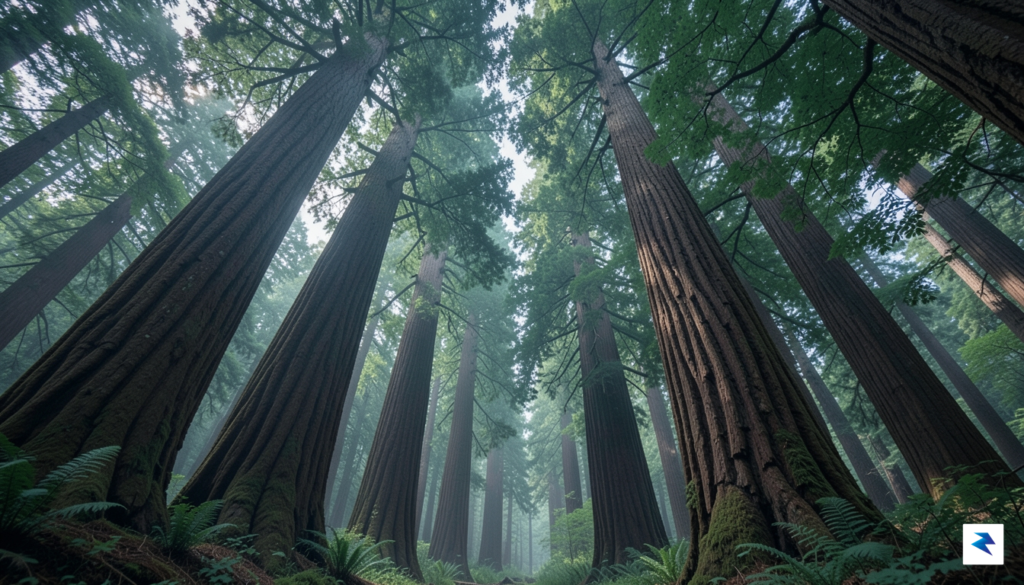
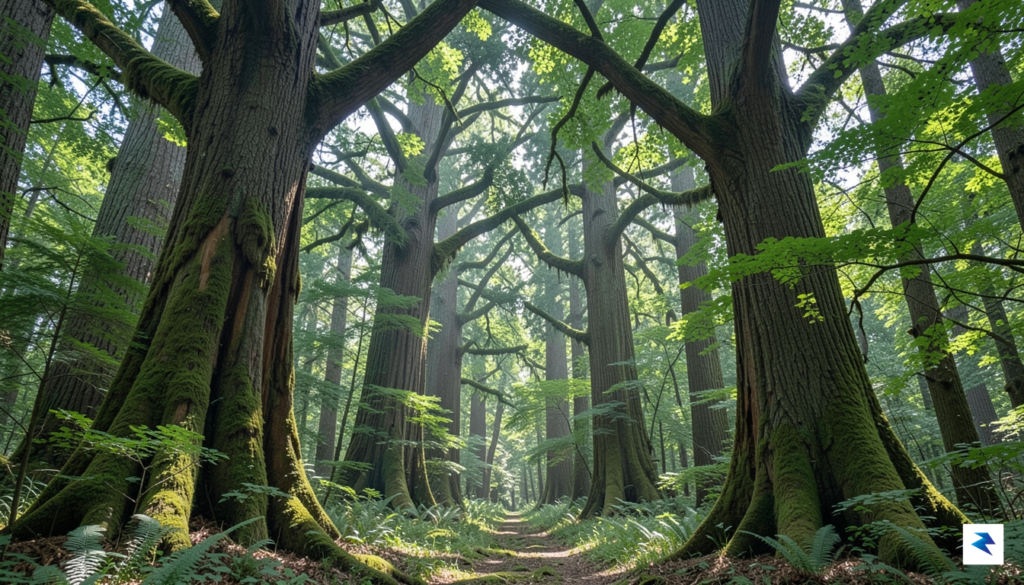
Imagine standing at the base of a towering redwood or a magnificent mountain ash, stretching hundreds of feet into the sky. It’s a breathtaking sight that naturally sparks wonder, but also a profound scientific question: how does water, essential for life, make its improbable journey from the roots deep in the soil all the way to the highest leaves? This seemingly simple biological process, when scaled to the dimensions of the world’s giant trees, transforms into an extraordinary paradox that has long puzzled scientists and challenged our understanding of plant physiology.
For decades, the prevailing scientific consensus held that there must be an inherent physical limit to how tall a tree could grow. Biologists and plant physiologists theorized that as a tree ascended ever higher, the immense physical toll of pulling water against the relentless force of gravity would eventually become insurmountable. This ‘height limit’ hypothesis was rooted in the understanding of fluid mechanics and the sheer energy expenditure required to overcome frictional resistance within the tree’s vascular system, leading many to believe that nature itself imposed an ultimate ceiling on arboreal giants. The immense pressure differences needed to sustain a continuous column of water over such vast distances seemed biologically unsustainable, suggesting that the tallest trees were constantly pushing against a physiological wall.
The established model explaining this incredible feat is the Cohesion-Tension theory, a cornerstone of plant biology. According to this elegant theory, water molecules, being inherently polar, stick together in a continuous column (cohesion) and adhere to the walls of the narrow xylem vessels (adhesion), forming an unbroken chain from root to leaf. The primary driving force for this upward movement is transpiration – the evaporation of water from the leaves, which creates a negative pressure, or ‘tension,’ that effectively pulls the entire water column upwards. While this theory beautifully explains how water can move against gravity, the stresses involved in maintaining such a column in a truly colossal tree were thought to be immense, pushing the limits of the water’s cohesive strength and the xylem’s structural integrity. Scientists grappled with the idea that the internal tensions in the water column at extreme heights might become so great that the column could spontaneously break, much like a stretched rubber band snapping, leading to cavitation and ultimately, plant death.
However, recent advancements in plant physiology and sophisticated measurement techniques are beginning to paint a different, far more optimistic picture. New research meticulously investigating the internal mechanics of these arboreal behemoths suggests that giant trees are far more adept and efficient at water transport than previously imagined. These findings are compellingly challenging the long-standing ‘height limit’ hypothesis, indicating that the physiological constraints once thought to cap tree growth might not be as rigid as once believed. It appears that nature, in its infinite ingenuity, has devised mechanisms within these sky-piercing titans that allow them to defy gravitational expectations and thrive at altitudes that once seemed scientifically improbable.
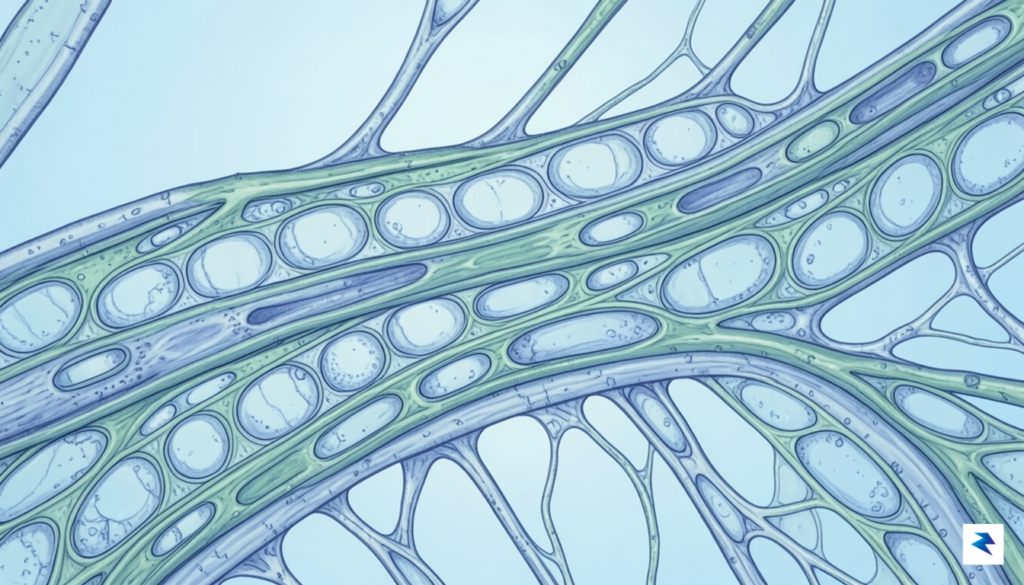
Imagine a skyscraper, not built of steel and glass, but of living tissue, capable of drawing thousands of gallons of water from its foundations to its highest points, hundreds of feet in the air, every single day. This incredible feat of natural engineering is performed by giant trees, and it relies on an internal plumbing system of astonishing resilience and complexity. At the heart of this system is the xylem, the primary vascular tissue responsible for water transport, which forms a continuous network of microscopic pipes stretching from the deepest roots to the furthest leaves. For decades, scientists have marvelled at this process, grappling with the immense physical challenges involved in defying gravity on such a grand scale.
The xylem itself is a marvel of cellular architecture, composed primarily of dead, hollow cells that are reinforced with lignin, a rigid polymer providing structural support. These cells, known as tracheids and vessel elements, are stacked end-to-end to form long, uninterrupted conduits, much like a bundle of microscopic straws. These conduits are not just simple tubes; they feature intricate pit membranes and bordered pits that allow water to flow laterally between adjacent cells while also acting as safety valves, preventing air bubbles from spreading catastrophically. This highly organized, reinforced structure is crucial for maintaining the integrity of the water column under immense stress, ensuring that every part of the tree receives its vital supply.
The mechanism driving water upwards against gravity is known as the cohesion-tension theory. As water evaporates from the leaves through tiny pores called stomata—a process called transpiration—it creates a negative pressure, or tension, at the top of the tree. This tension then pulls the entire column of water upwards, much like sipping through a very long straw. The remarkable properties of water itself, specifically its strong cohesive forces (water molecules sticking to each other) and adhesive forces (water molecules sticking to the xylem walls), allow this column to remain unbroken, forming a continuous stream from the roots to the crown. It’s a delicate balance, where every molecule plays a part in the grand upward journey.
For many years, the prevailing scientific view held that this system, operating under such extreme negative pressure, would inevitably face catastrophic failure. The concern was that as trees grew taller and aged, the increasing tension would cause air bubbles—a phenomenon known as cavitation—to spontaneously form within the xylem conduits. These bubbles, analogous to an air lock in a pipe, would break the continuous water column, rendering the affected conduits useless and leading to hydraulic failure, especially in the oldest, tallest sections of the tree. It was a significant paradox: how could ancient giants, like redwoods and sequoias, continue to thrive for centuries if their fundamental water supply system was destined to collapse?
However, recent research has begun to overturn this long-held belief, revealing a far more sophisticated and adaptive plumbing system than previously imagined. Instead of succumbing to inevitable failure, giant trees exhibit remarkable adaptations that allow their xylem to maintain structural integrity and efficient flow even at heights exceeding hundreds of feet. These adaptations include finer tuning of conduit diameters, stronger cell wall lignification, and possibly even active repair mechanisms to dissolve or bypass air bubbles. The tree’s vascular system isn’t merely enduring the challenge of height; it’s dynamically adjusting to it, ensuring that life-giving water continues its arduous ascent, defying what once seemed like an insurmountable physical limit.
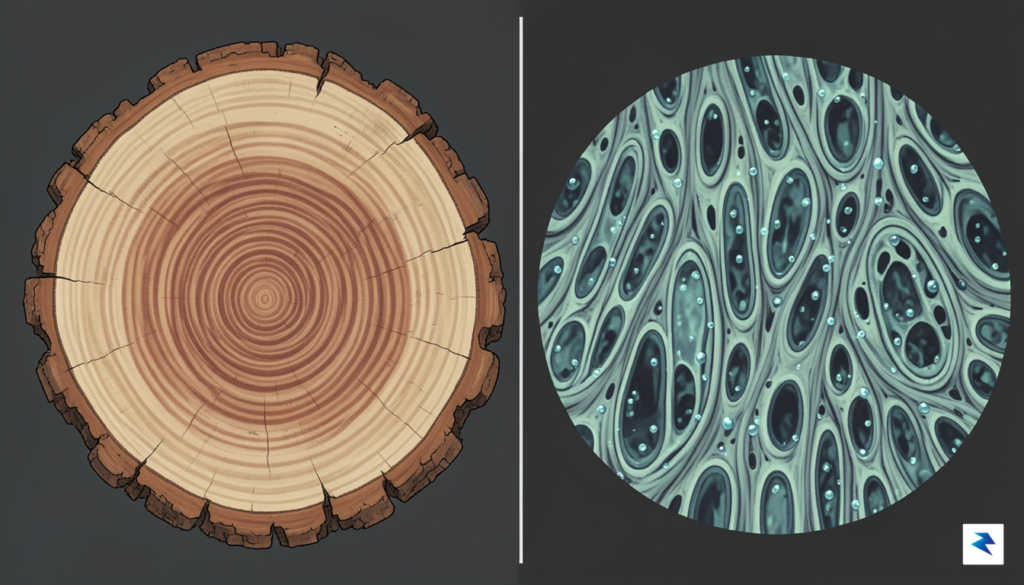
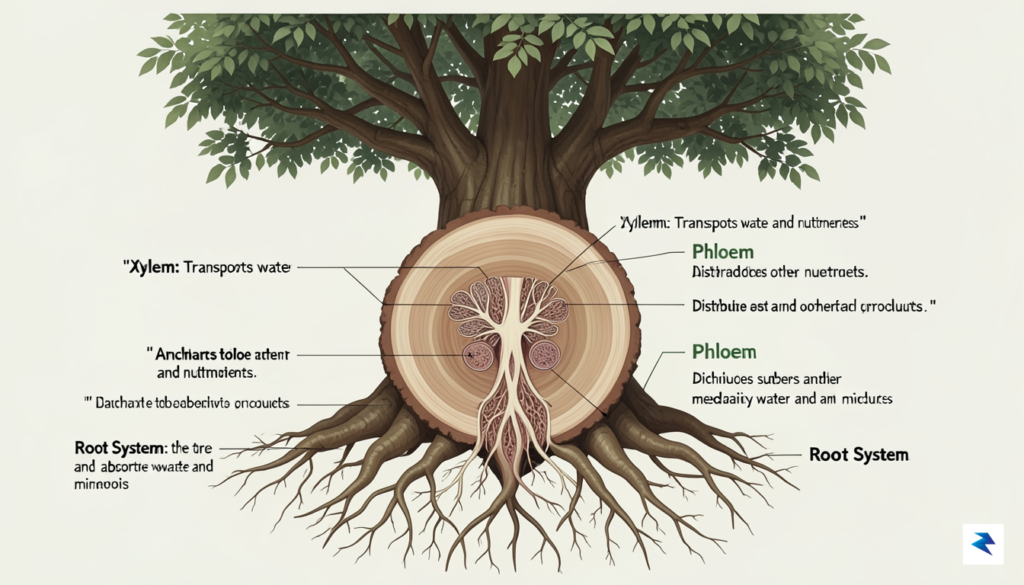
Far from being mere passive conduits for moisture, giant trees function as sophisticated, adaptive hydraulic systems that actively manage their internal fluid dynamics. At the heart of this efficiency is the concept of hydraulic conductivity—the ease with which water can move through the tree’s vascular tissues, known as the xylem. Instead of simply relying on brute force to pull water hundreds of feet into the air, these towering organisms modulate their internal plumbing to minimize resistance. By precisely controlling the width and density of their xylem vessels, trees ensure that water travels along the path of least resistance, effectively preventing the catastrophic air bubbles, or embolisms, that could otherwise stall the flow to the canopy’s highest reaches.
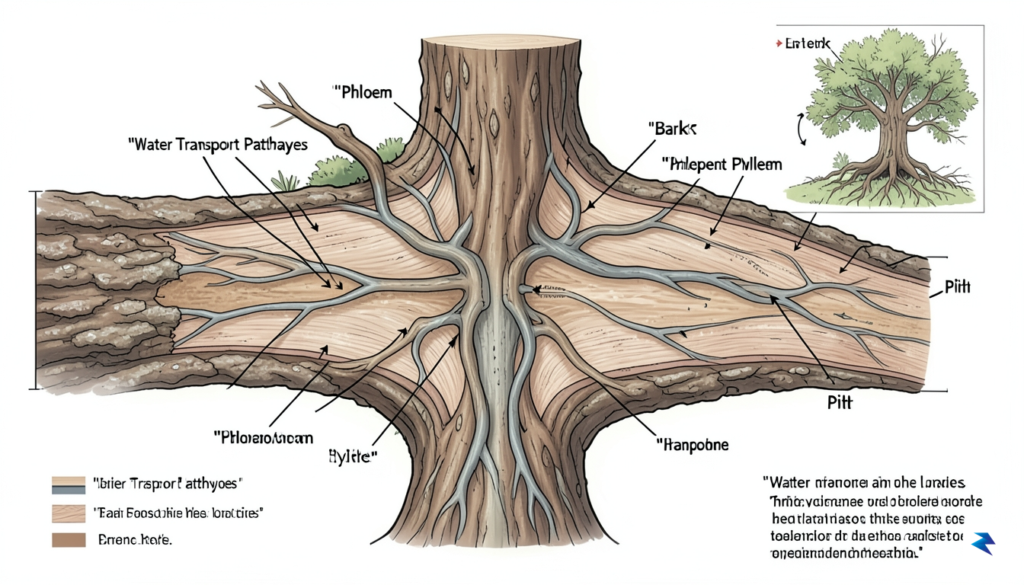
The architecture of a tree serves as a masterclass in structural engineering, designed specifically to optimize this delicate balance between growth and hydration. As a tree ascends, it exhibits a distinct “tapered” profile, where the trunk diameter gradually diminishes toward the summit. This geometric refinement is not merely a consequence of age; it is a functional necessity that keeps the hydraulic resistance proportional to the height of the tree. By tapering, the tree avoids becoming overly top-heavy while ensuring that the pressure gradient required to lift water remains manageable. Furthermore, branching patterns are strategically arranged to distribute foliage in a way that maximizes photosynthetic exposure while keeping the total distance from the root system to the outermost leaves as efficient as possible.
The secret to a tree’s vertical success lies in its ability to adjust its hydraulic resistance in real-time, effectively “tuning” its internal plumbing to meet the demands of the current environment.
Beyond the physical structure, the root-to-shoot ratio plays a critical role in the tree’s ability to maintain high water potential throughout its entire body. Trees are constantly monitoring their internal hydration levels, adjusting their root expansion to match the evaporative demand of their sprawling canopy. When conditions become arid, a tree can effectively throttle its water usage by signaling the stomata in its leaves to partially close, thereby reducing the “pulling” force required to maintain the water column. This dynamic regulation allows giant species like the Coast Redwood to maintain a steady, continuous stream of water even during the heat of the day, proving that their ability to reach the sky is a result of calculated biological strategy rather than accidental survival.
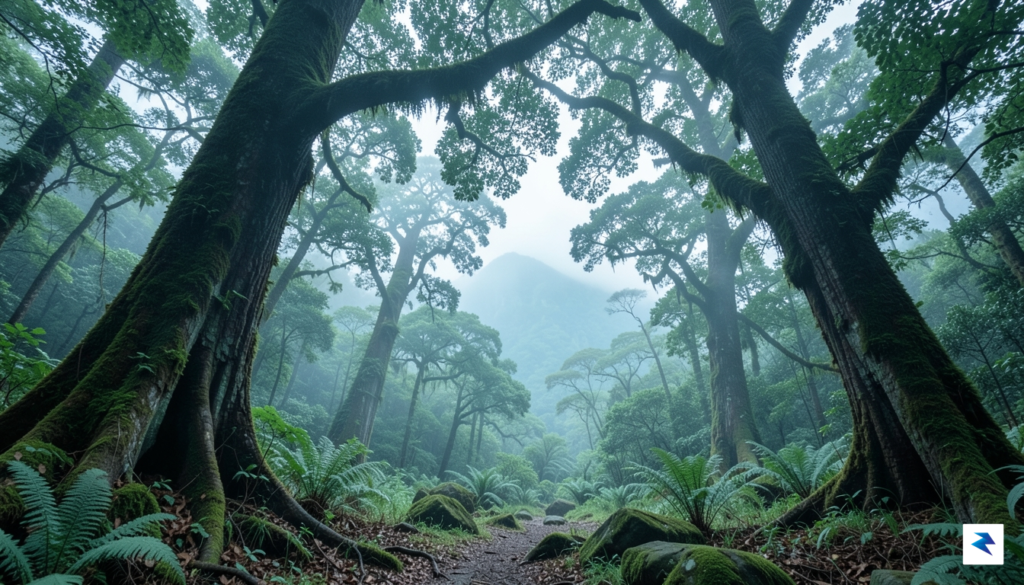
It’s a natural assumption to think that towering trees, those verdant giants scraping the sky, would be locked in a perpetual struggle to deliver vital water to their highest branches. The sheer physics of pumping water hundreds of feet against gravity, especially in the face of increasingly volatile climate conditions, seems an almost impossible feat. Yet, groundbreaking research is unveiling a surprising truth: these arboreal behemoths exhibit an extraordinary capacity for environmental resilience, maintaining their internal water systems with remarkable stability even when surrounding conditions fluctuate dramatically.
A pivotal study conducted by researchers at the University of Exeter has shed considerable light on this hydraulic marvel. Their meticulous investigation focused on the internal mechanisms giant trees employ to transport water, specifically analyzing their ‘water potential’ – a measure of water’s energy status within the plant – at various heights throughout the canopy. Contrary to previous models that often predicted significant stress and decreased efficiency under environmental strain, the findings revealed that these colossal trees maintain a surprisingly consistent hydraulic status. This internal stability persists despite wide swings in external factors like atmospheric humidity and ambient temperature, which typically dictate water availability and transpiration rates.
The data collected painted a picture of sophisticated biological engineering. Researchers observed that the internal ‘water-pumping’ efficiency of these giants remained remarkably stable, effectively buffering the trees from external climatic volatility. This suggests that giant trees are not merely brute-forcing water upwards, but rather possess complex, finely tuned physiological adaptations that allow them to regulate their water transport systems with exceptional precision. These mechanisms likely involve intricate controls over stomatal opening and closing, root water uptake, and the structural integrity of their xylem vessels, all working in concert to ensure a steady supply to the remotest leaves.
Consequently, these findings challenge the long-held notion that giant trees are inherently more vulnerable to drought and climate change due to their immense size. Instead, the research underscores that they are, in many ways, more resilient than previously modeled or understood. Their ability to consistently maintain optimal water potential, even under fluctuating conditions, means they can continue vital physiological processes like photosynthesis and growth with less interruption. This inherent hydraulic stability is a critical factor in their longevity and continued dominance in many ecosystems, offering a renewed perspective on their robustness in a changing world.
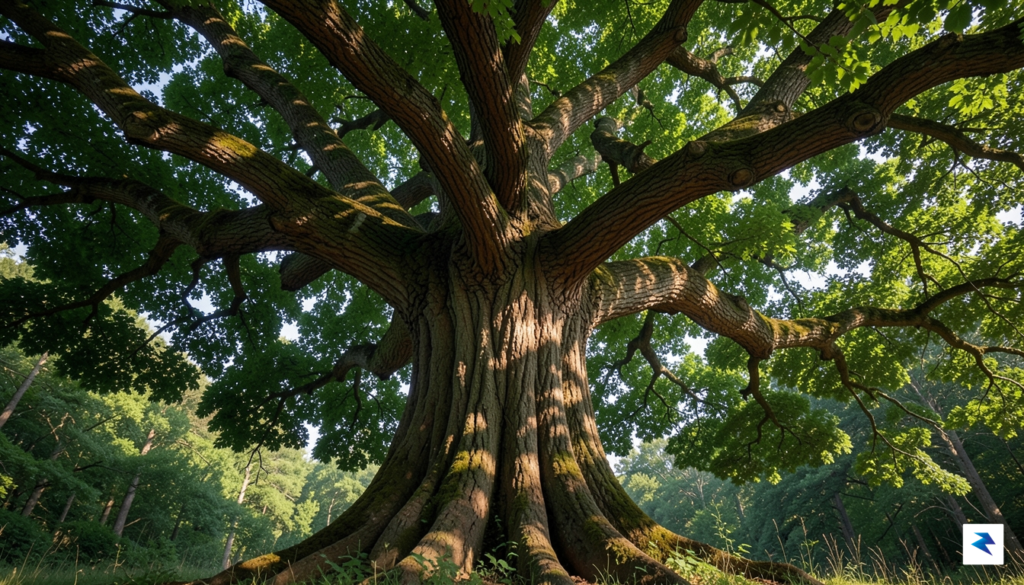
The profound understanding that giant trees possess an inherently robust and efficient system for transporting water to their highest branches dramatically reshapes our perspective on forest health and their indispensable role in a warming world. This isn’t merely a botanical curiosity; it’s a powerful revelation with far-reaching implications for how we approach ecological stewardship and climate mitigation. Recognizing these ancient sentinels as not just survivors, but thriving, highly functional ecosystems, underscores their critical importance beyond simple aesthetic value or timber yield.
Preserving old-growth forests, therefore, transitions from an environmental ideal to an urgent global imperative backed by new physiological insights. These towering ecosystems are more than just collections of old trees; they are intricate, self-sustaining biological powerhouses. They harbor unparalleled biodiversity, stabilize vast landscapes, and regulate regional climates, providing essential services that are incredibly difficult, if not impossible, to replicate. Their sustained vitality, now better understood through their incredible hydraulic efficiency, means these forests are constantly at work, buffering environmental changes and ensuring the health of surrounding ecosystems.
This research fundamentally alters how we model carbon sequestration and the global carbon cycle. Previous assumptions sometimes posited that water transport challenges might limit the growth and carbon uptake efficiency of very tall trees, especially under stress. However, this new evidence suggests that giants continue to draw down substantial amounts of atmospheric carbon dioxide with remarkable efficacy throughout their immense structures, even at extreme heights. This continuous, robust physiological function means that old-growth forests might be even more potent and reliable carbon sinks than previously estimated, warranting a significant re-evaluation of their contribution to global carbon budgets.
Indeed, these colossal trees and the ancient forests they anchor serve as critical buffers against the accelerating impacts of climate change. Their sheer biomass represents an enormous, stable reservoir of sequestered carbon, locked away for centuries or even millennia. The continued existence and health of these forests prevent the release of vast quantities of stored carbon back into the atmosphere, simultaneously working as active carbon sinks by continuously absorbing more. Protecting and restoring these areas is one of the most direct and effective natural climate solutions available to humanity.
Beyond carbon storage, the multifaceted resilience of old-growth forests extends to broader ecosystem stability. Their extensive canopies moderate local temperatures, reduce wind speeds, and influence rainfall patterns, creating microclimates that provide refuge for countless species. Their deep root systems improve soil health, prevent erosion, and enhance water retention, making landscapes more resilient to droughts, floods, and wildfires. By understanding that these giants are not struggling but expertly managing their internal systems, we gain a renewed appreciation for their incredible capacity to withstand and mitigate environmental stressors, reinforcing their role as indispensable allies in our fight against climate change.
You must be logged in to post a comment.