Why Your Wireless Charger Needs a Fan: The Case for Active Cooling
The Heat Problem: Why Fast Charging Can Damage Your Battery At the heart of every modern smartphone lies a sophisticated lithium-ion battery,…
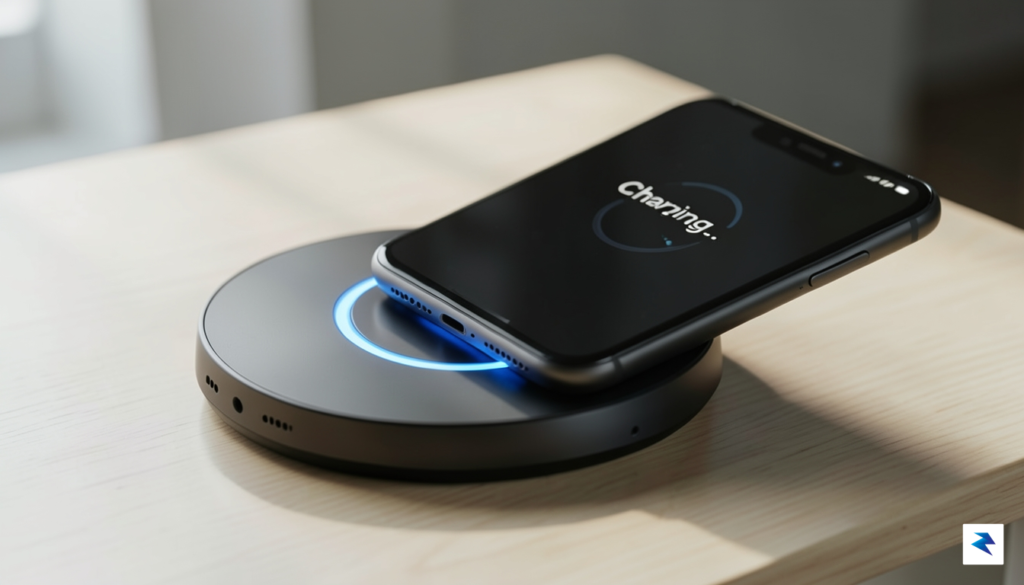
Wireless charging has long promised a future free from tangled cables, offering unparalleled convenience with a simple placement. However, the reality for many early adopters often involved a frustrating dance of nudging their device until a charging indicator appeared, only to find it had slipped out of alignment hours later. This era of hit-or-miss power transfer is rapidly fading, thanks to a significant evolution in wireless technology that prioritizes magnetic precision, guaranteeing a far more reliable and efficient energy flow than ever before. This pivotal shift is bringing premium charging experiences to a universal standard, accessible to all.
The journey towards this magnetic revolution began with Apple’s introduction of MagSafe for the iPhone 12 series. More than just a fancy name, MagSafe integrated a ring of magnets into the back of the iPhone, designed to perfectly align with compatible chargers and accessories. This ingenious design solved the most vexing problem of traditional inductive charging: misalignment. With MagSafe, accessories snapped into place with a satisfying click, instantly establishing the optimal connection for power transfer and securely holding the device, even allowing for upright stands and car mounts without fear of dislodgement.
At its core, wireless charging relies on the principle of electromagnetic induction, where energy is transferred between two coils – one in the charger and one in the device – without physical contact. For this transfer to be efficient, these coils must be precisely aligned. Historically, without magnetic guidance, even a slight offset could drastically reduce charging speeds, generate wasteful heat, and consume more power from the wall outlet than necessary. This “misalignment heat” was not only inefficient but could also potentially shorten battery lifespan over time. Magnetic alignment, therefore, isn’t just about convenience; it’s a fundamental improvement in the physics of energy transfer, ensuring the coils are always perfectly coupled for maximum efficiency and minimal energy loss.
Recognizing the undeniable benefits of Apple’s magnetic alignment system, the Wireless Power Consortium (WPC), the global standard-setting body for wireless charging, took a monumental step. They adopted Apple’s Magnetic Power Profile (MPP) as the foundation for their next-generation standard: Qi2. This crucial decision means that the advantages initially exclusive to Apple users – secure magnetic attachment, optimal coil alignment, and consistent performance – are now becoming universally available. Android device manufacturers and accessory makers can now integrate Qi2 into their products, providing a standardized, high-performance magnetic charging experience across a much broader ecosystem.
The transition to Qi2 is more than just a nod to Apple’s innovation; it’s a commitment to a superior user experience for everyone. For Android users, this means an end to the guessing game of wireless charging. Their devices will magnetically snap into place on Qi2-certified pads, stands, and car mounts, ensuring a perfect connection every single time. This uniformity not only simplifies the user experience but also fosters a more competitive and innovative accessory market, as manufacturers can design products confident in a universal magnetic standard. Consequently, the days of proprietary magnetic solutions are numbered, paving the way for true cross-device compatibility.
A cornerstone of the Qi2 standard is the guarantee of faster and more reliable charging speeds, specifically up to 15 watts. While many older Qi chargers capped out at 5W or 7.5W, and often struggled to maintain even those speeds due to misalignment, Qi2’s magnetic precision ensures that devices consistently receive the full 15W. This means significantly quicker top-ups for your smartphone, reducing the time your device spends tethered to a power source. This 15W baseline, combined with perfect alignment, transforms wireless charging from a slow, ambient trickle into a genuinely practical and efficient method for powering your daily devices, truly delivering on the promise of untethered convenience.
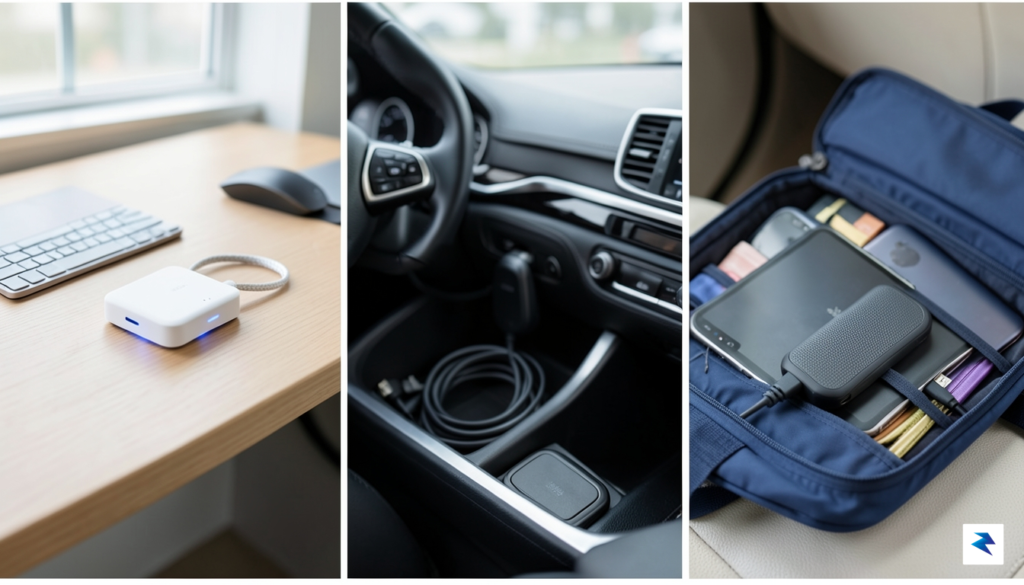
Selecting the ideal MagSafe charger requires a shift in perspective: instead of looking for the most powerful spec sheet, you should prioritize how the device integrates into your specific daily rhythm. Your environment dictates your needs, and a charger that excels in a home office might prove cumbersome in a carry-on bag. By categorizing your lifestyle into distinct use cases—stationary, mobile, or transit-focused—you can effectively eliminate the clutter of unnecessary cables and bulky hardware that doesn’t serve your unique routine.
If you spend the majority of your day at a desk or working from home, a dedicated charging stand is almost always the superior choice. These stands allow you to maintain a clear view of your notifications, FaceTime calls, and widgets while keeping your device at an ergonomic angle. Conversely, if your lifestyle is defined by movement, a magnetic power bank becomes an essential companion. These portable units snap directly to the back of your phone, providing a “wireless tether” that eliminates the need for frayed lightning or USB-C cables while you navigate airport terminals or busy city streets.
For those who spend significant time behind the wheel, a MagSafe car mount is non-negotiable. Beyond just holding your phone, these mounts provide a stable platform for GPS navigation and hands-free control, ensuring your device remains charged during long commutes without the frustration of fiddling with ports. If you prefer a clean, uncluttered aesthetic, a simple magnetic charging pad acts as the perfect “landing strip” for your phone on a nightstand or side table, offering a low-profile solution that blends seamlessly into your interior decor.
Before finalizing your purchase, you must weigh the trade-off between portability and raw charging speed. Compact, battery-integrated chargers are undeniably convenient, but they rarely offer the same wattage output as plugged-in desktop stands. Furthermore, you must verify your case compatibility. While magnets are standard, a thick or poorly designed case can significantly weaken the magnetic bond and slow down power transfer. Always ensure your case is explicitly labeled as “MagSafe-compatible” or “Qi2-ready” to guarantee that the internal coils align perfectly for efficient, rapid energy delivery.
To achieve the most consistent experience, prioritize chargers that support the latest Qi2 wireless standard, which ensures universal magnetic alignment and efficient power delivery across a broader range of devices.
Ultimately, the “best” charger is the one you don’t have to think about. Whether it is the convenience of a stand that keeps your screen visible, or a slim power bank that disappears into your pocket, your goal should be a frictionless transition between different charging states. By evaluating your primary environment first, you ensure that your investment not only powers your device but also actively improves your daily workflow.
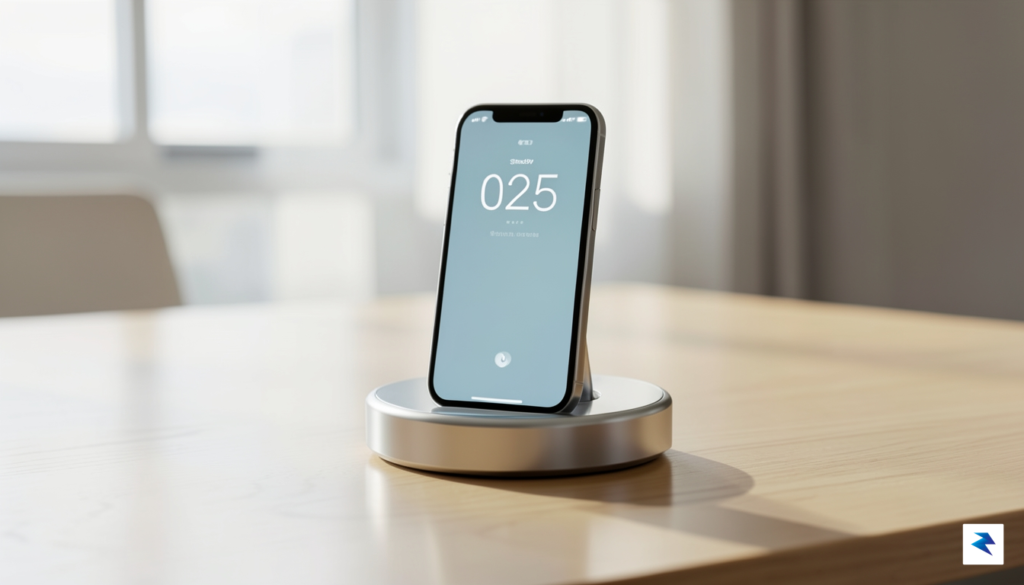
For the modern professional, the desk is more than just a surface; it is a command center. A dedicated magnetic charging stand is arguably the most transformative upgrade you can make to your workspace, effectively turning your smartphone into an intelligent, secondary display. By utilizing features like iOS StandBy mode or similar ambient display configurations, these stands keep your notifications, calendar, and clock visible at a glance without forcing you to pick up the device and break your workflow. Beyond mere convenience, an upright stand clears precious desk real estate, eliminating the clutter of flat charging pads and tangled cables.
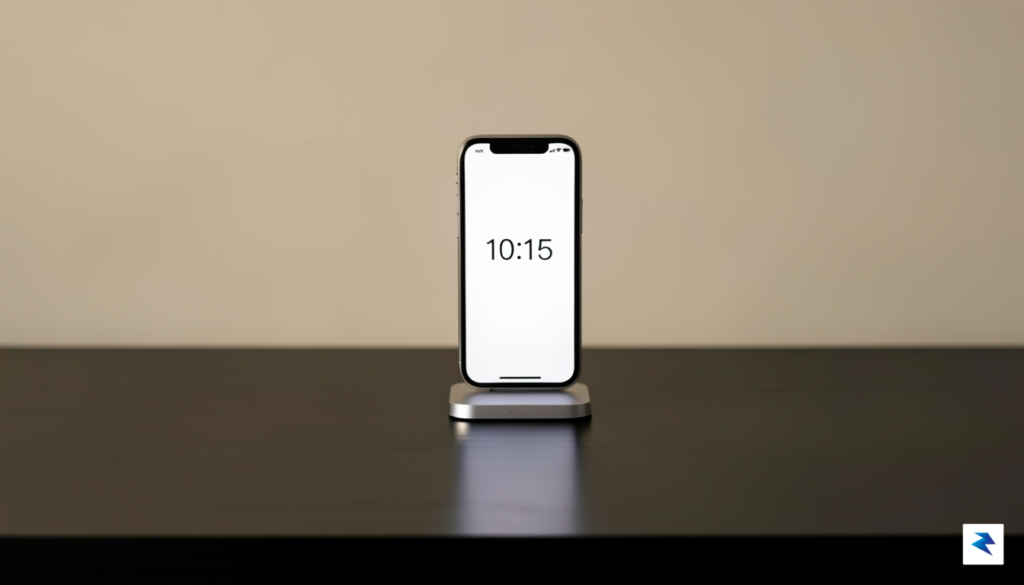
When selecting a premium stand, ergonomics and viewing angles are the primary metrics of a superior experience. A fixed stand might suffice for a quick glance, but an adjustable or folding stand offers the versatility to tilt your screen toward your eyes, reducing neck strain and glare throughout the day. Furthermore, the weight of the base is a critical, often overlooked detail. A truly premium stand features a weighted, non-slip base that ensures stability, allowing you to tap, swipe, or interact with your phone without the unit tipping over or sliding across your desk surface.
The distinction between a budget accessory and a premium desk companion lies in build quality and multi-device utility. High-end models are typically crafted from aerospace-grade anodized aluminum rather than flimsy plastic, providing a tactile, robust feel that complements high-end hardware. Beyond the aesthetics, top-tier stands often integrate multi-device charging capabilities, such as a secondary wireless pad built into the base for your earbuds or a dedicated magnetic arm for your smartwatch. This “all-in-one” approach is the gold standard for decluttering, as it consolidates your daily charging needs into a single, elegant footprint.
The mark of a high-quality charging stand is its ability to remain anchored during use while providing enough articulation to match the user’s specific ergonomic needs.
Ultimately, investing in a premium stand is about optimizing your environment for focus. Whether you are toggling through meeting alerts or keeping an eye on active timers, having your device docked at eye level keeps you connected to your digital life without the friction of constantly reaching for your phone. When you combine the structural integrity of premium materials with the convenience of simultaneous charging, you aren’t just buying a charger; you are investing in a more efficient, streamlined way to work.

The ultimate travel charger isn’t necessarily the one with the highest wattage or the most bells and whistles; it is the one that you actually remember to pack. Magnetic power banks have revolutionized mobile charging by eliminating the need for tangled cables, allowing you to snap a sleek battery pack directly to the back of your device. This seamless integration means you can slide your phone into your pocket or use it while navigating a new city without being tethered to a wall outlet or lugging around a bulky external battery connected by a frayed lightning or USB-C wire.
When selecting a magnetic power bank, the primary trade-off you will encounter is the balance between battery capacity (measured in mAh) and physical weight. While it is tempting to gravitate toward high-capacity 10,000mAh units, these often add significant bulk and weight, which can make your phone uncomfortable to hold for extended periods. For most travelers, a 5,000mAh pack offers the perfect equilibrium; it is typically slim enough to maintain the phone’s ergonomics while providing enough energy to get you through a long day of sightseeing or transit. If you prioritize portability, look for options that prioritize high-density lithium-polymer cells, which allow for a smaller footprint without sacrificing the total charge cycles over the lifespan of the device.
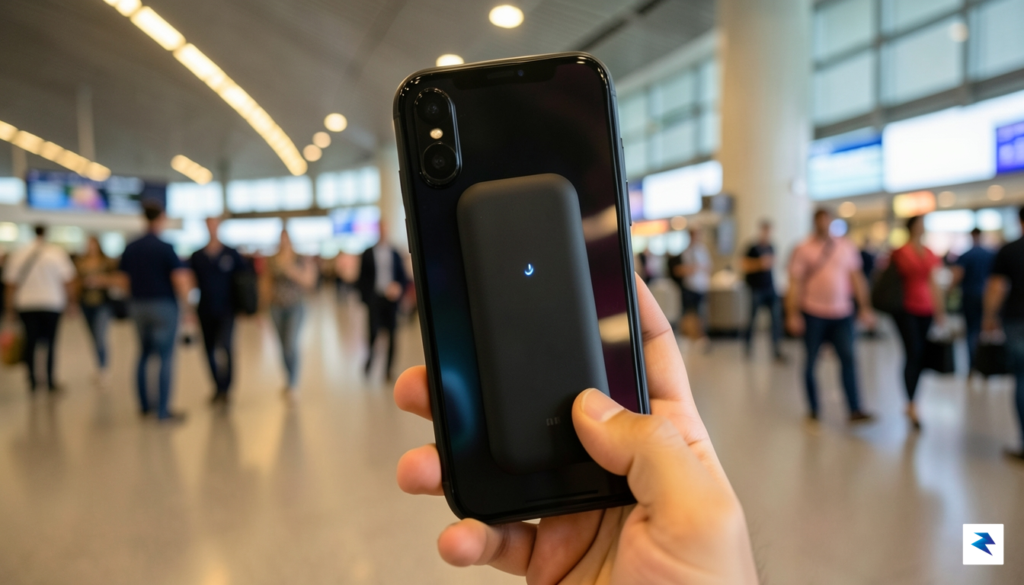
Beyond capacity, effective thermal management is the unsung hero of reliable portable charging. Because wireless energy transfer inherently generates heat, high-quality chargers incorporate sophisticated internal cooling mechanisms or thermally conductive materials to prevent your phone from throttling its performance. When shopping for these devices, seek out models that feature “pass-through” charging capabilities. This highly practical feature allows you to charge the power bank and your phone simultaneously when plugged into a single wall outlet, effectively transforming your magnetic pack into a temporary bedside wireless charging stand for your hotel room.
To preserve the long-term health of your smartphone battery, prioritize power banks that are Qi2 certified. This standard ensures a more efficient, cooler energy transfer compared to older, uncertified magnetic chargers, which can often waste energy as heat.
Ultimately, the longevity of your magnetic power bank depends on the quality of its internal cells. Cheap, generic batteries often degrade within a few months of heavy travel, leading to inconsistent charging speeds and diminished capacity. By investing in reputable brands that utilize grade-A battery cells, you ensure that the unit remains a reliable companion for years rather than a piece of disposable plastic. When you factor in the sheer convenience of the magnetic “snap-on” experience, these power banks become an indispensable component of your travel kit, granting you the freedom to explore without the constant anxiety of a dying battery.
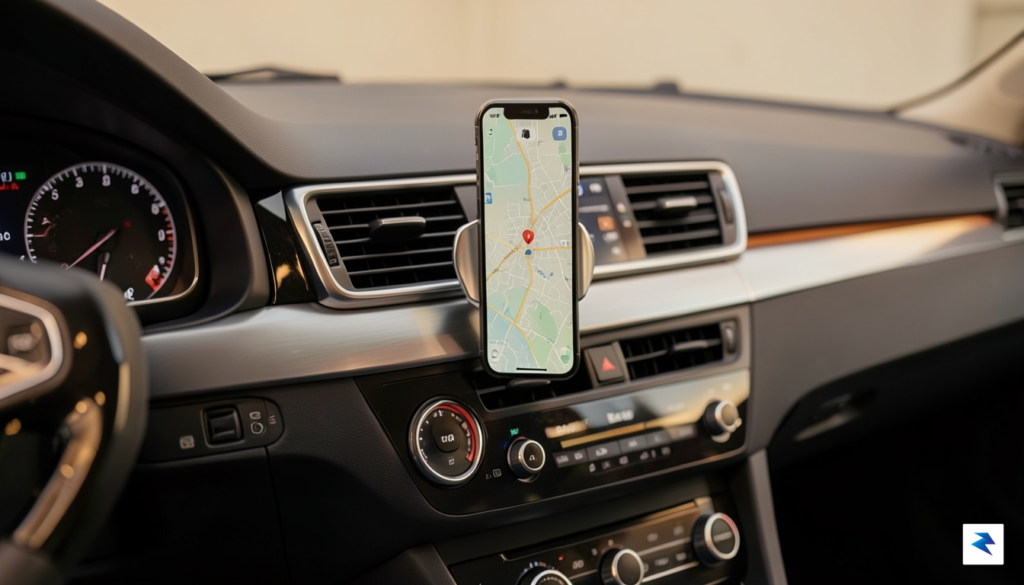
Navigating with your smartphone requires a delicate balance of maintaining a clear line of sight and ensuring your device stays powered throughout your journey. Magnetic car chargers have revolutionized this experience by providing a seamless, hands-free mounting solution that eliminates the cumbersome process of wrestling with spring-loaded clamps or tangled charging cables. By leveraging the internal magnet array of your device, these chargers create a rock-solid connection the moment you dock your phone, ensuring it is fully charged by the time you reach your destination without any manual fumbling that could distract you from the road.
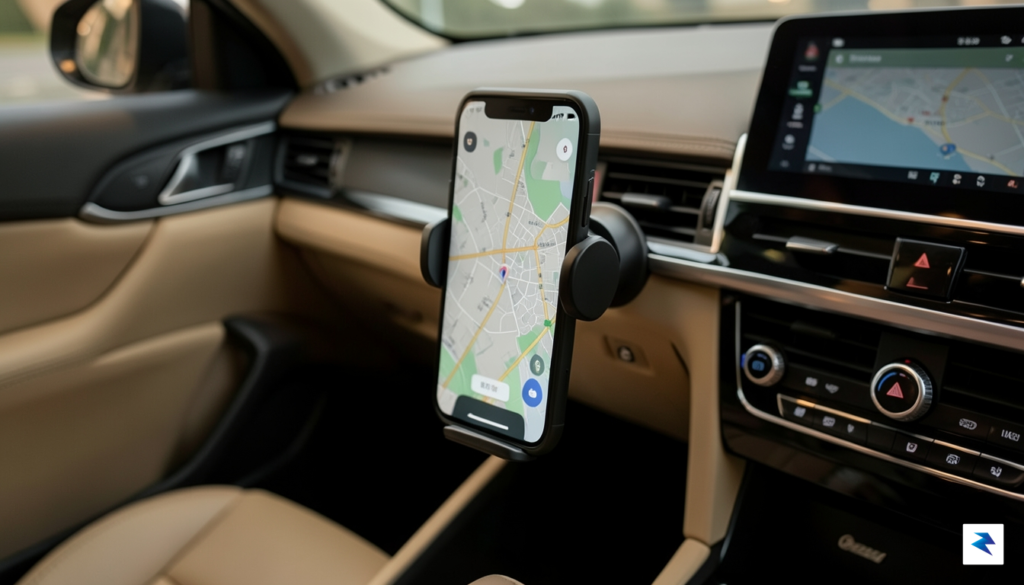
When selecting the right mount for your vehicle, the choice usually comes down to either an air vent clip or a dashboard suction mount. Air vent mounts are generally preferred for their minimalist profile, keeping the phone at a comfortable eye level and utilizing the car’s existing climate control system to help dissipate the heat generated during fast wireless charging. Conversely, dashboard suction mounts offer superior placement flexibility, allowing you to position your device exactly where you prefer without obstructing your airflow. Regardless of the mount type, prioritize models that feature high-grade neodymium magnets; these are essential for maintaining a secure hold on your phone, especially when navigating potholes, speed bumps, or winding roads where vibration is frequent.
Safety on the road is predicated on minimizing distractions, and the inherent convenience of one-handed operation is a significant upgrade for driver focus. Because you no longer need to align physical arms or plug in a Lightning or USB-C cable, you can snap your phone into position in a split second, keeping your eyes on the traffic rather than your hardware. However, it is vital to remember that wireless charging inevitably generates heat. To maintain peak charging efficiency and protect your battery’s long-term health, ensure your mount is positioned in a way that allows air to circulate around the back of the device. If you are using a vent mount, aim the slats to provide a cooling breeze, which significantly prevents thermal throttling during long trips using power-intensive apps like GPS or high-fidelity music streaming.
To ensure the most secure experience, always pair your MagSafe charger with a magnetic-compatible case or use the phone “naked.” Using a standard, thick protective case can significantly weaken the magnetic bond, increasing the risk of your phone slipping during aggressive maneuvers.
Ultimately, a high-quality magnetic car charger is more than just a power accessory; it is a vital component of a distraction-free driving environment. By choosing a mount with robust magnetic strength and an ergonomic design, you transform your car into a connected cockpit where your device remains secure, visible, and fully powered. Investing in a reliable, well-engineered charging solution allows you to transition from the driver’s seat to your day with confidence, knowing your phone is ready for whatever comes next.
In the rapidly evolving landscape of wireless charging, where convenience is king, it’s easy to assume that all magnetic chargers are created equal. However, this couldn’t be further from the truth. The choice of charger you make today can significantly impact the long-term health and performance of your valuable devices. Investing in properly certified hardware is not just about getting the advertised charging speeds; it’s the most effective way to safeguard your device’s battery health, prevent overheating, and ensure a genuinely efficient and safe charging experience.
The distinction lies in certification, specifically the new Qi2 standard. The Wireless Power Consortium (WPC), the global body responsible for the widely adopted Qi wireless charging standard, introduced Qi2 as a significant leap forward. This latest iteration integrates Apple’s Magnetic Power Profile (MPP), essentially bringing the precise magnetic alignment and enhanced efficiency of MagSafe technology to a broader ecosystem of devices and manufacturers. When a charger is “Qi2 Certified,” it means it has undergone rigorous testing and meets strict standards set by the WPC, ensuring compatibility, safety, and optimal performance. This contrasts sharply with generic, uncertified magnetic chargers that might offer a magnetic attachment but lack the underlying technology and safeguards.
You’ll often see two key labels when shopping for premium magnetic wireless chargers: “Made for MagSafe” and “Qi2 Certified.” While both signify high quality and magnetic alignment, they originate from different certification programs. “Made for MagSafe” indicates that an accessory utilizes Apple’s proprietary MagSafe module, ensuring perfect compatibility and full 15W charging speeds for iPhones, alongside robust safety features. On the other hand, “Qi2 Certified” means the product adheres to the WPC’s open standard, which now incorporates the same magnetic alignment and improved efficiency (MPP) as MagSafe. Both certifications are crucial indicators that a charger has been designed and tested to deliver consistent, safe, and efficient power transfer, protecting your device’s internal components and battery against undue stress.
Beyond the magnetic alignment itself, these certifications guarantee the presence of critical safety features. Certified chargers incorporate sophisticated thermal protection circuits that actively monitor the temperature of both the charger and your device. If temperatures rise to unsafe levels, these circuits will automatically reduce power or temporarily halt charging to prevent overheating, which is a major contributor to battery degradation and can even pose fire risks. Furthermore, Foreign Object Detection (FOD) is a mandatory feature in all certified chargers. This intelligent system can detect metallic objects—like keys, coins, or credit cards—placed between the charger and your device. If detected, the charger will prevent power transfer, averting potential heat buildup, damage to the foreign object, and risk to the charger or device itself. These aren’t just premium add-ons; they are fundamental safety nets.
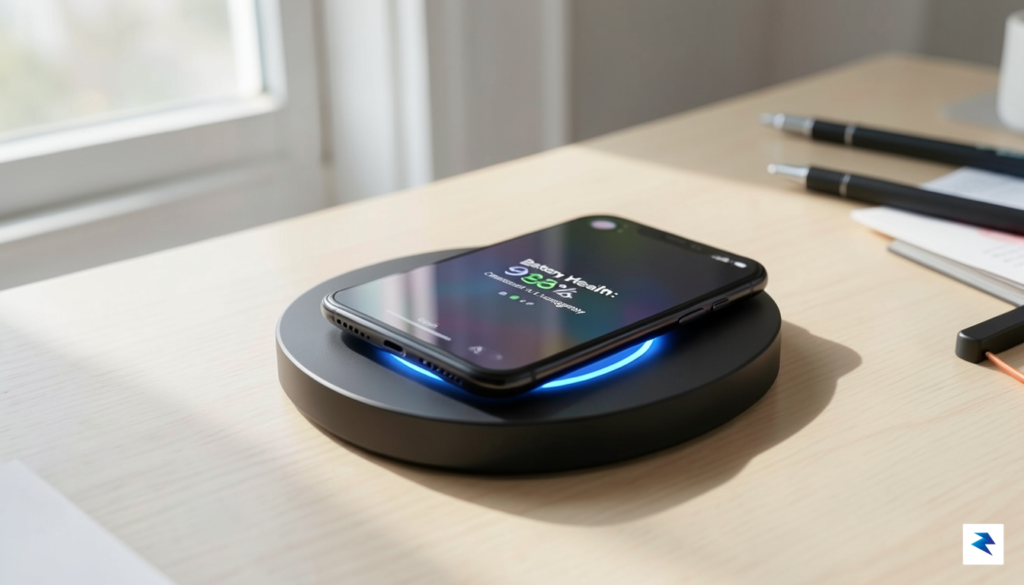
The allure of a cheaper, unbranded magnetic charger can be strong, but the long-term costs often far outweigh the initial savings. Uncertified knock-offs frequently cut corners on internal components, omitting crucial thermal management and FOD circuits. This can lead to inefficient power transfer, meaning your device charges slower than expected, and a significant portion of the energy is wasted as heat. This excessive heat is particularly detrimental to your device’s lithium-ion battery, accelerating its degradation and reducing its overall lifespan. You might find your phone’s battery capacity plummeting much faster than anticipated, leading to diminished daily performance and the eventual need for an expensive battery replacement or even a new device.
Key Takeaway: Prioritizing certified “Made for MagSafe” or “Qi2 Certified” chargers is a proactive investment in your device’s longevity. It’s not just about charging; it’s about preserving your technology and your peace of mind.
Moreover, the risks extend beyond just battery health. Poorly manufactured, uncertified chargers can be unreliable, delivering inconsistent power, or even failing prematurely. In the worst-case scenarios, they can pose serious safety hazards, including electrical shorts, overheating that damages your device, or even fire. When considering a wireless charger, always check for the official “Qi2 Certified” logo or the “Made for MagSafe” badge. These small labels represent extensive engineering, rigorous testing, and a commitment to quality and safety, ensuring that your valuable devices are powered efficiently and protected for years to come.
You must be logged in to post a comment.